
Did you know that nearly 70 million Americans struggle with sleep disorders? As more people turn to home sleep study tests for convenience and affordability, it’s essential to understand how accurate these tests really are. Home sleep studies, using easy-to-wear devices, aim to diagnose conditions like obstructive sleep apnea (OSA) from the comfort of your bedroom. However, these tests can vary in reliability, leaving many wondering if they can truly trust the results. In this guide, we will break down the accuracy of home sleep studies, discussing what to expect, how the technology works, and when it’s best to consider a professional evaluation. Let’s navigate the landscape of sleep testing together, empowering you to make informed decisions about your sleep health.
Understanding Home Sleep Study Tests: An Overview
Home sleep study tests have gained immense popularity, particularly for diagnosing sleep apnea, offering a convenient and comfortable alternative to traditional in-lab polysomnography. Typically performed in the comfort of your own home, these tests involve the use of a portable monitoring device that tracks essential sleep metrics, such as breathing patterns, heart rate, and oxygen levels. Understanding how these tests function is crucial for anyone considering their use, as they present an accessible option for those who might find the prospect of a clinical sleep study daunting.
During a home sleep study, the setup usually includes a small device equipped with sensors that are placed on the body before bedtime. These sensors may monitor various parameters, such as airflow through the nose and mouth, chest movements, and oxygen saturation levels. After the study, the recorded data is uploaded for analysis by a qualified sleep specialist. This streamlined process is particularly appealing to individuals with busy lifestyles, as it eliminates the need for scheduling and attending a clinic appointment. However, it’s essential to remember that although these tests are rated highly on accuracy-many achieving a 98% success rate in diagnosing sleep apnea-they are generally best suited for diagnosing obstructive sleep apnea rather than other complex sleep disorders, where in-lab tests might be more appropriate [2[2].
It’s worth noting that while home sleep studies are beneficial, they also come with limitations. They might not capture the same depth of information as an overnight in-lab study, particularly concerning more intricate sleep issues or disorders that require comprehensive monitoring of brain activity. Therefore, individuals experiencing severe sleep disturbances or unique medical conditions should consult healthcare professionals to determine the most suitable approach. Overall, home sleep study tests can be an effective first step towards understanding sleep patterns and diagnosing issues like obstructive sleep apnea, offering both convenience and essential insights into one’s sleep health.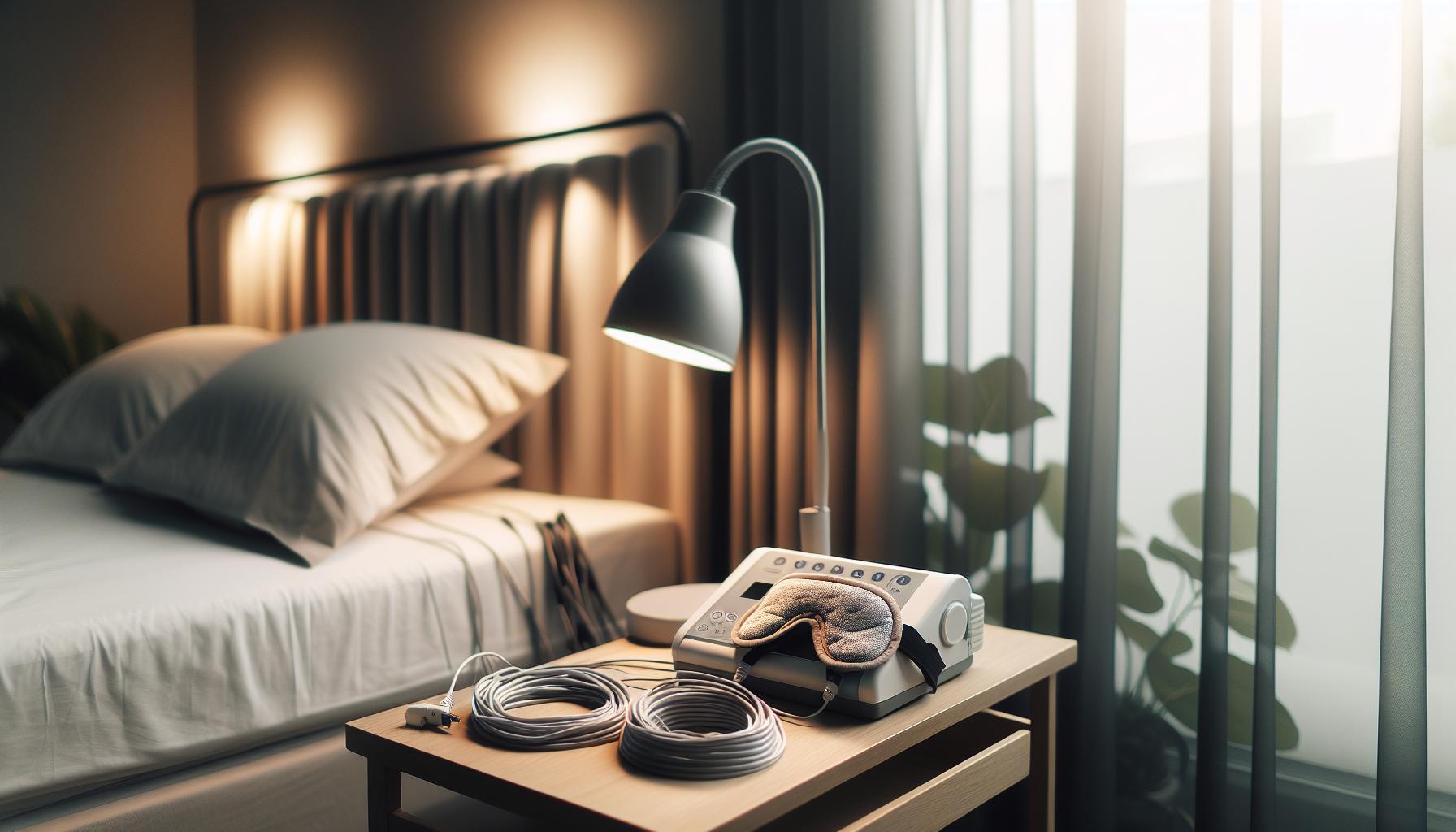
How Home Sleep Tests Work: A Step-by-Step Guide
Understanding how home sleep tests work is crucial for anyone considering this convenient option for diagnosing sleep issues, like sleep apnea. These tests typically involve a small monitoring device that you wear overnight to track essential metrics such as breathing patterns, heart rate, and oxygen saturation levels. This process allows you to gather important sleep data in the comfort of your home, eliminating the stress and anxiety that often accompany in-lab studies.
Here’s a step-by-step guide to how home sleep tests typically operate:
Step 1: Consultation and Prescription
Before embarking on your home sleep study, you’ll need a consultation with a healthcare provider. They will assess your symptoms and, if appropriate, prescribe a home sleep study. This part of the process ensures your test is medically justified and that you’re using the correct type of monitoring device.
Step 2: Device Setup
Once you receive your home sleep study kit, you’ll find a user-friendly device designed for easy setup. Here’s what you generally do:
- Prepare the device: Charge it fully before use and familiarize yourself with the buttons and connectivity features.
- Attach sensors: Place sensors on your body as instructed. Typically, this involves a nasal cannula for airflow measurement and pulse oximeter for oxygen levels.
- Ensure comfort: Make any necessary adjustments to ensure the device doesn’t disrupt your sleep. Comfort can significantly affect the quality of your results.
Step 3: Conducting the Test
Wear the device while you sleep. The monitor will record data throughout the night, capturing essential metrics that will later be analyzed. Ensure you follow standard sleep hygiene practices to enhance the quality of your test results, such as keeping a consistent sleep schedule and avoiding caffeine before bedtime.
Step 4: Data Analysis
After waking up, you’ll return the device according to the provider’s instructions. The recorded data is then uploaded and analyzed by a qualified sleep specialist. They will review the metrics to assess for conditions like sleep apnea, recording any significant events that occurred during the night.
Step 5: Follow-Up
Once your data is analyzed, your healthcare provider will schedule a follow-up appointment to discuss the results with you. They will explain any findings, potential diagnoses, and follow-up recommendations. Should the results indicate a risk for sleep apnea, you may discuss treatment options such as CPAP therapy or lifestyle changes.
Using home sleep tests can be a crucial step in addressing sleep disturbances with minimal disruption to your usual routine. Remember, while these tests provide significant insights into sleep patterns, they are best suited for diagnosing obstructive sleep apnea rather than complex sleep disorders. If you suspect serious sleep issues, always consider seeking professional guidance to ensure comprehensive care.
Accuracy of Home Sleep Studies vs. In-Lab Tests
Home sleep studies have gained popularity as a convenient alternative for diagnosing sleep disorders like obstructive sleep apnea (OSA). While they offer distinct advantages, a common question arises: how do their accuracy and reliability compare to traditional in-lab sleep testing, known as polysomnography (PSG)? Understanding these nuances is vital for anyone considering a home sleep test.
Recent advancements in home sleep apnea tests (HSATs) have shown that modern devices, especially Type 2 and Type 3 models, can achieve diagnostic accuracy exceeding 90% for detecting moderate to severe OSA. According to clinical studies, these tests demonstrate strong agreement with PSG, often validating their efficacy in preliminary screenings for sleep apnea[[1]](https://wesper.co/blogs/wesper-journal/the-truth-about-home-sleep-testing-is-it-really-accurate). This effectiveness is significant given that PSG remains the gold standard for comprehensive sleep evaluation, providing detailed insights into various sleep parameters, including brain activity, eye movement, and muscle tone.
However, there are limitations to consider. Home tests are typically streamlined to focus primarily on respiratory metrics, which means they might not capture all factors influencing sleep quality, such as limb movements or sleep architecture. For individuals with complex sleep disorders or those who experience symptoms that are not purely obstructive (like central sleep apnea or periodic limb movement disorder), an in-lab study may be more appropriate[[2]](https://www.northwell.edu/news/insights/at-home-sleep-study-what-you-need-to-know).
Ultimately, the decision between a home sleep test and an in-lab study should be guided by the severity of symptoms and underlying health conditions. If you experience typical signs of OSA, a home test is a practical starting point. For more intricate sleep disorders or atypical symptoms, consulting a sleep specialist for an in-lab evaluation is advisable. Understanding these options empowers you to take informed steps toward better sleep health.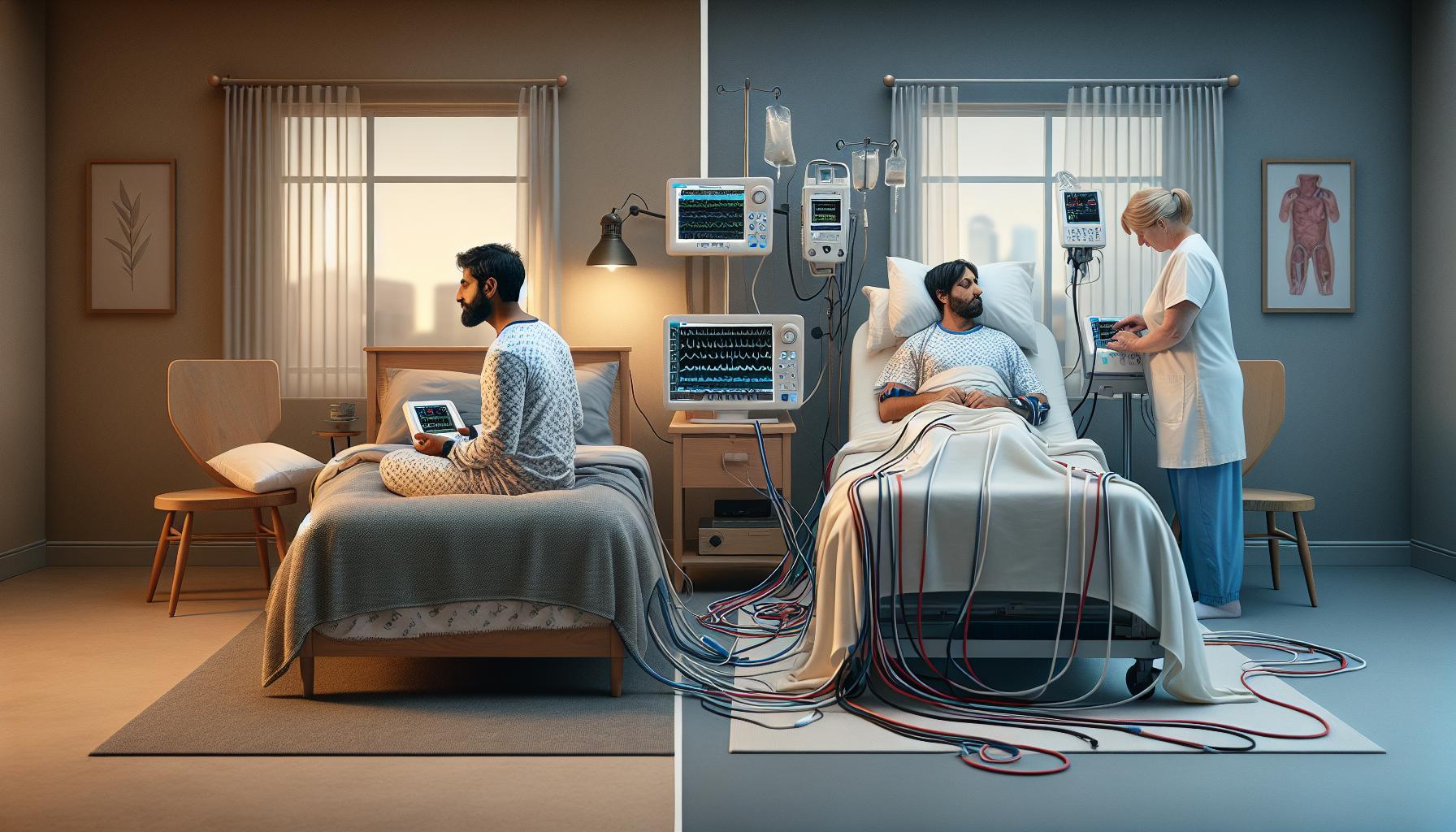
Common Sleep Disorders: What Home Tests Can Detect
Many people suffer from sleep disorders, but not all are aware that home sleep tests can help identify specific issues effectively. Among the most recognizable conditions detectable through these tests is obstructive sleep apnea (OSA). This disorder occurs when throat muscles intermittently relax and block the airway during sleep, leading to interrupted breathing and reduced oxygen levels. Home sleep apnea tests can detect these disruptions by monitoring the number of apneas (pauses in breathing) and hypopneas (shallow breathing) that occur, providing crucial data about the severity of the condition.
Beyond OSA, home sleep studies can also assist in identifying central sleep apnea, a less common form characterized by a failure of the brain to signal muscles to breathe. While less prevalent, those who experience this disorder may benefit from the convenience of at-home testing, which reports vital respiratory metrics. Additionally, home sleep tests can sometimes flag hypoventilation syndromes, where the body doesn’t expel carbon dioxide effectively during sleep, leading to health complications.
Conditions Detected by Home Sleep Tests
Home sleep tests have proven effective mainly for:
- Obstructive Sleep Apnea (OSA): Primary focus of most home sleep studies.
- Central Sleep Apnea (CSA): Less common, but can also be detected to some extent.
- Hypoventilation Syndromes: Indications of insufficient breathing and carbon dioxide build-up.
It’s important to note that while home tests are an excellent starting point, they are limited in scope. They typically do not measure factors such as limb movements or capture sleep stages comprehensively, which are assessed in a lab setting through polysomnography (PSG). For patients with complex sleep disorders or those requiring a detailed evaluation of their sleep architecture, an in-lab study remains the gold standard.
Understanding the limitations of home sleep tests empowers you to pursue further evaluation and treatment options as needed. If your home test suggests sleep apnea, or if you have persistent symptoms like loud snoring, excessive daytime sleepiness, or difficulty concentrating, seeking a professional consultation can lead to effective management and improved sleep health.
Preparing for Your Home Sleep Study: Tips and Tricks
Many people worry about the prospect of undergoing a sleep study, especially at home, but preparing correctly can help ease your anxiety and enhance the test’s accuracy. First and foremost, it’s essential to understand the equipment you’ll be using. Most home sleep studies involve a simple device that monitors your breathing patterns, oxygen levels, and heart rate throughout the night. Familiarize yourself with how to set up the device, which typically involves wearing sensors on your body and a monitor that you’ll use while you sleep.
As you gear up for your home sleep study, consider these practical tips to ensure a smooth experience:
- Maintain Your Usual Sleep Schedule: Attempt to go to bed and wake up at your normal times. Disrupting your routine can affect the study’s results.
- Avoid Stimulants: Stay away from caffeine and nicotine on the day of the test, as these substances can interfere with your ability to fall asleep.
- Limit Alcohol Consumption: Drinking alcohol can affect sleep quality and may lead to inaccurate test results.
- Create a Comfortable Sleep Environment: Ensure your sleeping area is dark, quiet, and at a comfortable temperature to promote sleep.
- Positioning Matters: If you typically sleep on your side, try to replicate that position during the study. The positioning of your body can impact breathing patterns.
Be prepared for the possibility of some discomfort or disruption to your usual sleep pattern due to the equipment. While most users find that they can adapt, a relaxed mindset can significantly enhance sleep quality during the test. Remember, the goal is to gather accurate data, so do your best to mimic your nightly routine as closely as possible.
After the test, review the instructions given for returning the equipment. Accurate data collection is critical, and ensuring the device is properly packaged can prevent any loss or damage that might delay your results. By following these steps, you will set yourself up for an effective home sleep study, enabling accurate insights into your sleep health.
What to Expect During a Home Sleep Test
When you embark on a home sleep study, it’s natural to wonder how the process will unfold and what to expect throughout the night. Most home sleep tests are designed to be straightforward and user-friendly, allowing you to gather important data on your sleep patterns from the comfort of your own home. Typically, the device you’ll use is compact and non-intrusive, enabling you to go about your routine rather than being confined to a clinical environment.
As you set up for the test, you’ll attach sensors to various areas of your body, usually including your finger for oxygen levels and one or more sensors around your chest to monitor your breathing. This setup usually takes about 15-30 minutes. Once you’re ready for bed, you’ll wear the device overnight and allow it to record vital information such as your heart rate, breathing patterns, and any interruptions in your sleep. It’s crucial to create an ideal environment for sleep, ensuring your bedroom is quiet, dark, and at a comfortable temperature.
Throughout the night, the device will capture essential data that will later be analyzed by a sleep health professional. While the idea of having sensors on your body may feel a bit uncomfortable at first, many find they quickly adapt to the presence of the equipment. If you find it hard to fall asleep, remember that it’s perfectly normal to feel anxious about the test; try to focus on maintaining your usual sleep routine as closely as possible to ensure accurate results.
After waking up, be prepared to return the equipment as instructed, and remember that the data it collects is crucial for evaluating your sleep health. Your results will help identify any potential sleep disorders, including sleep apnea, and guide further steps for treatment. Understanding what to expect during your home sleep test can ease anxiety and encourage a successful sleep study that accurately reflects your sleep habits.
Limitations of Home Sleep Studies: What You Need to Know
While home sleep studies provide a convenient way to monitor sleep from the comfort of your own home, there are notable limitations that need to be understood for a comprehensive evaluation of your sleep health. One key aspect to consider is the scope of monitoring that these devices can provide. Generally, home sleep tests focus primarily on detecting obstructive sleep apnea (OSA) by measuring parameters such as airflow, breathing patterns, oxygen levels, and heart rate. However, they typically do not capture comprehensive data on sleep stages or other sleep-related disorders beyond OSA, which may require a more detailed overnight polysomnography (PSG) conducted in a clinical setting.
Another consideration is the accuracy of the data collected during a home sleep study. While these tests are often deemed sufficient for diagnosing OSA, they may yield false positives or negatives. For instance, if your symptoms are related to conditions like central sleep apnea or nocturnal hypoxia, a home test might not provide reliable insights. In such cases, the specificity and sensitivity of the home devices can be limited compared to in-lab testing, where professionals can utilize multiple sensors and monitor a wider range of data points.
Device Limitations
- Device Design: Many home testing devices are designed for ease of use and may sacrifice some data collection capabilities (e.g., sleep architecture) for portability.
- User Error: Improper setup or malfunctioning devices can lead to inaccurate readings. It’s crucial to follow instructions carefully to ensure accurate results.
- Variability Across Devices: Different home testing units may have varying functionalities and levels of sophistication, meaning comparisons can be challenging.
Lastly, while home sleep studies are generally more affordable and accessible than lab studies, they may not be covered by all insurance plans equally, leading to unexpected out-of-pocket expenses. If you’re considering a home sleep test, it’s advisable to check with your insurance provider regarding coverage options and any associated costs. Understanding these limitations empowers you to make informed choices about your sleep health and seek further evaluation if necessary.
Evaluating the Results: Interpreting Your Sleep Data
Understanding the results from a home sleep study can be daunting, especially if you’re new to the concept of sleep health. While these tests offer valuable insights into your sleep patterns and potential disorders, interpreting the data requires some familiarity with the parameters being measured. Most home sleep studies primarily focus on detecting obstructive sleep apnea (OSA) by tracking metrics like oxygen saturation levels, respiratory effort, and airflow. Here’s how to make sense of your results.
Key Metrics Explained
When you receive your sleep study results, you’ll often see key metrics that indicate your sleep quality and health:
- AHI (Apnea-Hypopnea Index): This number represents the severity of your sleep apnea. An AHI score of 5 to 15 signifies mild OSA, while 15 to 30 is considered moderate, and over 30 is severe.
- Oxygen Desaturation: You’ll see the percentage of time your oxygen levels dropped below a critical threshold (usually 90%). Frequent desaturations can indicate poor respiratory health during sleep.
- Heart Rate Variability: This can reflect how your heart responds during different sleep states, providing insight into your overall cardiovascular health.
Understanding these metrics is essential for recognizing any potential issues. For instance, a high AHI alongside frequent oxygen desaturation may indicate a significant sleep disorder requiring further evaluation or intervention.
What to Do with Your Data
Once you have your sleep data, consider a few practical steps:
- Consult Your Healthcare Provider: Share your results with a sleep specialist. They can help translate complex data into actionable insights and potential treatment plans.
- Look for Patterns: If you notice specific triggers for worsening symptoms-like stress or certain lifestyle choices-take note. This awareness can guide changes to improve your sleep.
- Consider a Follow-Up: Depending on the severity of the findings, you might need a more comprehensive polysomnography (PSG) study in a lab to gather additional data on sleep stages and other parameters.
Interpreting home sleep study results can empower you to take charge of your sleep health. By understanding the metrics and their implications, you can make informed decisions regarding potential treatments or lifestyle changes, ensuring that you move towards better sleep and overall well-being.
The Role of Wearable Sleep Trackers: Are They Reliable?
The rise of wearable sleep trackers has transformed how individuals monitor their sleep patterns, providing a sense of empowerment and control over their health. Although these devices-ranging from smartwatches to dedicated sleep rings-offer convenience and insights into nightly activity, consumers must be cautious about their limitations and accuracy.
Wearable sleep trackers typically utilize a combination of heart rate monitoring, movement detection, and sophisticated algorithms to estimate sleep stages. These devices can provide a general overview of sleep duration, disruptions, and even estimated sleep quality, appealing to those seeking to optimize their rest without undergoing a formal sleep test. However, it’s essential to understand that their accuracy can vary significantly. Studies indicate that while wearables may identify some aspects of sleep patterns, they often do not correlate reliably with traditional, in-lab polysomnography (PSG), which is considered the gold standard in sleep studies[[2](https://www.bannerhealth.com/healthcareblog/advise-me/are-wearables-reliable-for-tracking-sleep-what-you-need-to-know)].
Understanding Limitations
Many trackers struggle to differentiate between sleep stages accurately. For example, they might categorize periods of wakefulness during the night as light sleep, leading to an inflated perception of sleep quality. Additionally, some wearables rely more heavily on movement than biophysical markers like brain activity to determine sleep stages, which can lead to false readings. Thus, while these devices are useful for casual monitoring, they should not replace comprehensive evaluation in cases where sleep disorders are suspected.
When to Use Wearables vs. Seeking Professional Help
If you’re simply looking to monitor your general sleep habits to improve your nightly routines, a wearable sneak can be a helpful tool. Features like sleep analytics and personalized tips based on your demographic information can provide valuable insights. However, if you experience persistent symptoms such as excessive daytime sleepiness, loud snoring, or irregular breathing patterns during sleep, consulting with a healthcare provider is crucial. In such cases, a sleep study might be necessary to accurately diagnose and treat underlying sleep disorders[[1](https://news.feinberg.northwestern.edu/2025/06/20/wearable-sleep-monitoring-device-may-improve-detection-of-sleep-disorders/)].
In developing your sleep strategy, consider using wearables as a complement to professional evaluations, rather than a replacement. This balanced approach can maximize your understanding of sleep health while ensuring any serious issues are addressed promptly and effectively.
Comparing Home Sleep Tests: Costs and Features
Home sleep tests are gaining popularity for their convenience and affordability compared to traditional lab-based studies. However, understanding the costs and features of these tests can empower you to make an informed decision about your sleep health. Typically, home sleep tests range from $150 to $500, depending on the complexity of the equipment and the provider. Lower-cost options might include portable monitors that assess basic metrics like airflow and oxygen saturation, while more comprehensive tests can measure heart rate and even brain activity.
Before committing to a home sleep study, consider what features are available and necessary for your situation. Key elements to look for include:
- Device Type: There are various devices, from simple airflow monitors to advanced polysomnography systems that track multiple physiological parameters.
- User-Friendliness: The ease of setup and use is crucial. Look for systems that come with clear instructions and user support.
- Data Analysis: Some devices offer comprehensive reporting, while others provide raw data that requires further interpretation.
- Follow-Up Care: Ensure the service includes access to healthcare professionals who can help interpret the results and recommend next steps.
When comparing options, it’s vital to also evaluate the insurance coverage available for these tests. Some plans may cover a portion of the costs, while others do not, which can greatly influence your out-of-pocket expense. Always check with your provider about what home tests are covered.
Overall, home sleep tests can be a practical first step in understanding your sleep patterns and diagnosing potential disorders. However, if symptoms persist or worsen, seeking further evaluation through an in-lab study may be necessary for a thorough diagnosis and treatment plan.
Navigating Insurance Coverage for Sleep Studies
Understanding insurance coverage for sleep studies can feel daunting, but being informed can save you both time and money. Many insurance plans-including Medicare and Medicaid-cover sleep studies when they are deemed medically necessary. It’s essential to understand that coverage specifics can vary widely based on your insurance provider and plan type. For instance, some might require prior authorization before you can schedule a home sleep test, while others may cover only in-lab polysomnography.
When exploring options, be prepared to ask the right questions. Inquire whether your plan covers at-home sleep studies and the extent of that coverage. Coverage levels often depend on the clinical symptoms you exhibit and the medical necessity you can document. For instance, if you show signs of obstructive sleep apnea (OSA), your likelihood of coverage for a home sleep study increases.
It’s worth noting that out-of-pocket costs can fluctuate significantly. While some patients may find themselves paying as little as $50 out of pocket, others might face higher prices, especially if deductibles haven’t been met. To navigate these possibilities effectively, keep a list of any specific details your provider may need, such as referral letters from your primary care physician or a sleep specialist, and details about your health history that underscore the need for testing.
Finally, don’t forget to account for follow-up care. Once you receive your test results, make sure that your healthcare plan also covers consultations for interpreting those results and discussing next steps. Understanding your insurance coverage is not merely about the upfront costs; it encompasses your entire journey toward better sleep health. Staying proactive will allow you to make informed decisions that align with both your health needs and your financial situation.
When to Seek Professional Help: Recognizing Serious Sleep Issues
Recognizing when it’s time to seek professional help for sleep issues can be a critical step towards improving your health. If you consistently experience symptoms like loud snoring, gasping for air during sleep, excessive daytime sleepiness, or difficulty concentrating, these could be red flags indicating obstructive sleep apnea (OSA) or another serious sleep disorder. Home sleep studies offer a useful screening tool, but they are not always definitive. For example, if your home test suggests a potential issue, but you continue to feel unrefreshed or have new symptoms, a follow-up with a sleep specialist may be necessary to explore other potential conditions or to confirm a diagnosis through a more comprehensive in-lab study.
In addition to sleep apnea, various other sleep disorders warrant attention. Conditions such as restless legs syndrome, narcolepsy, and REM sleep behavior disorder can also lead to significant disruptions in sleep quality. If you notice symptoms like involuntary movements during sleep, overwhelming daytime sleepiness, or vivid dreams that lead to physical acting out, scheduling an appointment with a sleep specialist is advisable. These professionals can provide tailored diagnostic testing and treatment plans that exceed the insights gained from home testing alone.
It’s also important to consider your overall health. Individuals with existing medical conditions-such as obesity, diabetes, or cardiovascular diseases-may be more prone to sleep disorders. If you belong to this group and are experiencing sleep disturbances, it’s wise to consult with a healthcare professional. They can help determine whether your symptoms are linked to these conditions or if there is a direct sleep disorder that requires management.
Furthermore, if lifestyle changes, over-the-counter sleep aids, or at-home remedies fail to improve your sleep, this is another crucial sign that professional guidance is needed. Remember, restful sleep is essential for overall health, and addressing sleep concerns early can prevent complications down the line. Seeking that guidance can put you back on the path to restorative sleep, ensuring you’re performing at your best during the day.
Frequently Asked Questions
Q: How accurate are at-home sleep study tests compared to in-lab tests?
A: At-home sleep study tests are generally reliable for diagnosing obstructive sleep apnea (OSA), but in-lab tests provide more comprehensive data. Home tests primarily measure airflow, blood oxygen levels, and heart rate, making them less suitable for complex sleep disorders. For serious concerns, consider an in-lab study for accurate diagnosis.
Q: What factors can affect the accuracy of home sleep studies?
A: The accuracy of home sleep studies can be influenced by factors such as the user’s compliance with device instructions, the quality of the equipment, and existing medical conditions. Proper preparation and understanding of your sleep patterns play vital roles in ensuring reliable results.
Q: Can I repeat an at-home sleep study if the results are inconclusive?
A: Yes, you can repeat an at-home sleep study if the results are inconclusive. Discuss your concerns with your healthcare provider, who may recommend additional testing or a different approach, such as an in-lab sleep study, for a more accurate assessment.
Q: Are home sleep study results easy to interpret on my own?
A: Interpreting home sleep study results can be challenging without medical training. It’s best to review the findings with a healthcare professional, who can provide insights and recommendations based on your specific sleep patterns and overall health.
Q: How can I improve the accuracy of my home sleep study?
A: To enhance the accuracy of your home sleep study, ensure you follow all preparation guidelines diligently, including avoiding caffeine or alcohol before the test. Create a comfortable sleep environment and wear the monitoring equipment as instructed to achieve the best results.
Q: Are home sleep studies only for adults?
A: While home sleep studies are primarily designed for adults, they can be used for select pediatric patients under certain conditions. Consult with a specialist to determine if a home sleep study is appropriate for children or adolescents based on their specific needs.
Q: How long does it take to get results from a home sleep study?
A: Typically, you can expect to receive results from a home sleep study within a week after returning the device. However, this may vary depending on the provider’s processing times and the complexity of your individual case.
Q: Can wearing sleep trackers replace home sleep studies?
A: Sleep trackers can provide useful insights about your sleep patterns, but they should not replace home sleep studies for diagnosing sleep disorders. Home sleep studies are clinically validated, while trackers may lack the accuracy necessary for a formal diagnosis.
Insights and Conclusions
As we’ve explored in this guide, home sleep study tests can be a reliable first step in understanding your sleep health and tackling potential sleep disorders. With insights into setup, expectations, and the nuances of various devices, you’re now better equipped to make informed decisions about your sleep. If you’re still uncertain or have specific concerns-like insurance coverage or device accuracy-consider scheduling a consultation with a sleep health professional for personalized guidance.
Don’t miss out on enhancing your sleep journey! Check out our article on understanding sleep stages and explore the benefits of wearable sleep trackers to further empower your sleep health. Remember, taking action today can lead to a more restful tomorrow. Have questions or experiences to share? We’d love to hear your thoughts in the comments below. Together, let’s demystify sleep health and help you reclaim your nights!
Get our latest guides, news, and insights highlighted in your Google Search & AI Overviews.