
If you find yourself tossing and turning at night, you’re not alone-millions struggle with sleep issues that can impact their daily life. In “Do I Need a Sleep Study? Signs You Should Get Tested,” we’ll explore the critical factors that may indicate the need for a sleep study, such as persistent fatigue, snoring, or unexplained health problems. Understanding these signs can not only help you achieve the restful sleep you deserve but also improve your overall well-being. By addressing your sleep concerns and knowing when to seek professional help, you can take decisive steps toward better sleep health. Join us as we demystify sleep studies and guide you through the options available, setting you on the path to restorative rest.
Understanding the Purpose of a Sleep Study
Sleep is a critical component of overall health, yet many people may not realize that a sleep study might be necessary for addressing persistent sleep issues. The primary purpose of a sleep study, or polysomnography, is to accurately diagnose sleep disorders that interfere with restful sleep, impacting both physical and mental well-being. Conditions such as sleep apnea, insomnia, and restless legs syndrome can severely disrupt sleep quality, leading to fatigue during the day, impaired cognitive function, and a host of health problems like cardiovascular disease and obesity. Recognizing when you might need a sleep study is essential to reclaiming restful nights and rejuvenating days.
Individuals experiencing symptoms such as excessive daytime sleepiness, loud snoring, episodes of gasping or choking during sleep, or prolonged difficulty falling or staying asleep should consult with a healthcare provider about the potential need for a sleep study. Furthermore, a sleep study can also help to identify less common disorders that might not be immediately apparent but could severely impact health. By understanding your sleep patterns through the detailed data collected during a sleep study, healthcare professionals can tailor treatment options effectively, ensuring a pathway towards better sleep health.
As you consider the need for a sleep study, it’s worth noting what the process entails. In a controlled environment, your sleep stages, heart rate, and breathing patterns are monitored, providing a comprehensive view of your sleep cycles. This reaffirms the importance of seeking out expert evaluations when sleep troubles arise, as the path to better sleep is not just about managing symptoms but properly diagnosing and addressing underlying causes. This proactive approach can lead to significant improvements in your quality of life, enabling you to enjoy the myriad benefits that come from a good night’s sleep.
Key Signs You May Need a Sleep Study

Many people underestimate the impact of sleep issues on their daily lives, but recognizing the signs that point to the need for a sleep study can be a game changer for your health. If you find yourself excessively tired during the day, falling asleep in situations where you should be alert, or relying on caffeine just to make it through, it may signal an underlying sleep disorder. Sleep apnea, insomnia, and other disorders can wreak havoc during your waking hours, leading not only to fatigue but also to decreased cognitive function and increased risk of health issues like cardiovascular disease.
Key symptoms that suggest you should seek a sleep study include loud snoring, episodes of gasping for air during sleep, and unexplained daytime sleepiness. If you or your partner have noticed these signs, it’s crucial to consult a healthcare provider. Additionally, other less obvious indicators could include difficulty concentrating, memory issues, or mood swings. These can often be attributed to disturbed sleep, making a sleep study vital in uncovering the root causes of your unrest.
It’s essential to pay attention to how your body signals trouble. For instance, while many individuals may dismiss occasional sleep interruptions, persistent patterns or the presence of other symptoms can merit further investigation. Addressing these issues early not only improves your quality of life but can also prevent potential complications down the line. By seeking appropriate evaluations, you empower yourself to reclaim restful nights and rejuvenate your days.
Common Sleep Disorders That Warrant Testing
Understanding the nuances of sleep disorders can be daunting, but identifying specific conditions that warrant testing is crucial for attaining a good night’s rest. Various sleep disorders can significantly disrupt both sleep quality and overall health, making awareness and proactive action essential. A sleep study may be needed when symptoms suggest a deeper issue, particularly if they impair daily functioning.
One of the most common sleep disorders is sleep apnea, characterized by pauses in breathing or shallow breaths during sleep. This can lead to frequent awakenings and persistent daytime fatigue, not to mention serious health risks such as heart disease. Other signs include loud snoring and episodes where one gasps for air. If these symptoms resonate with you or a loved one, it’s prudent to consult a healthcare provider about potential testing.
Another disorder to be aware of is insomnia, which manifests as difficulty falling or staying asleep. It may stem from stress, anxiety, or underlying medical conditions. People with chronic insomnia often experience significant cognitive impairments and mood disturbances, which can be debilitating. A sleep study can help diagnose insomnia by monitoring sleep patterns and identifying contributing factors.
Additionally, restless legs syndrome (RLS), which causes uncomfortable sensations in the legs and an overwhelming urge to move them, can also warrant testing. Individuals suffering from RLS often find it difficult to fall asleep and may experience disruptions throughout the night. This disorder not only affects sleep quality but may also lead to broader health consequences.
For effective management, understanding these disorders is the first step. Always remember, recognizing the need for a sleep study can be pivotal in reclaiming restful nights and, ultimately, better health. If you’re experiencing symptoms like strong snoring, irregular breathing, persistent insomnia, or restless legs, don’t hesitate to reach out to a sleep specialist. Taking that step could be the key to unlocking a healthier, more rejuvenated you.
How Sleep Studies Are Conducted
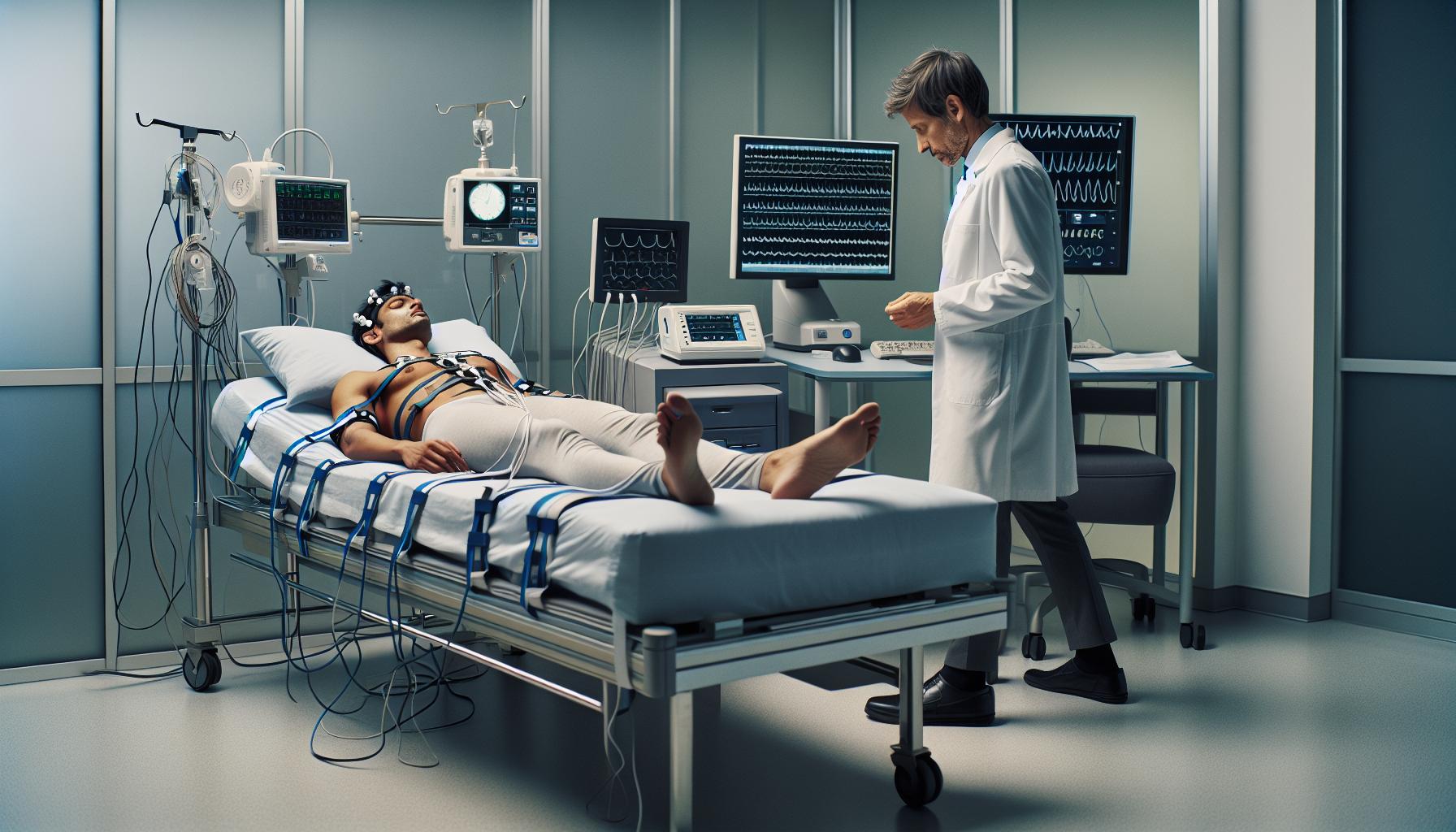
A sleep study, often referred to as polysomnography, is a comprehensive examination that provides detailed insights into your sleep patterns and quality. It’s typically conducted in a clinical setting but can also be performed at home using portable devices. Understanding how these studies are conducted can ease anxiety and clarify what to expect, empowering you to take charge of your sleep health.
During an in-lab sleep study, you’ll be asked to spend the night in a sleep center where specialized equipment monitors various body functions as you sleep. This includes brain activity (using EEG), heart rate (EKG), eye movements, oxygen levels, and even leg movements. The environment is designed to mimic a comfortable bedroom, and trained technicians will be on hand to ensure everything runs smoothly. You’ll wear electrodes on your head, a sensor on your finger, and a belt around your chest and abdomen to measure breathing.
In contrast, home sleep testing is a less invasive and more convenient option. You receive a portable device that monitors essential metrics such as airflow, oxygen saturation, and heart rate while you sleep. Although home tests can provide valuable data for diagnosing conditions like sleep apnea, they may not capture the full spectrum of sleep disorders that an in-lab study can. It’s crucial to discuss which option might be best for your specific symptoms with your healthcare provider.
Regardless of the setting, preparation for a sleep study generally involves some straightforward steps. It’s recommended to maintain a regular sleep schedule leading up to the test and to avoid caffeine or alcohol on the day of the study. You should also inform your doctor about all medications you take, as some may affect your sleep patterns. By understanding the process and preparing accordingly, you can approach your sleep study with confidence, knowing it could be a significant step toward achieving better sleep health.
What to Expect During a Sleep Study

Undergoing a sleep study might seem daunting at first, but knowing what to expect can turn anxiety into empowerment. A sleep study, or polysomnography, is designed to give healthcare providers clear insights into your sleep patterns and potential disorders. As you prepare for the night ahead, you will enter a setting that closely resembles a comfortable bedroom, complete with soft lighting and a calming atmosphere-settings are optimized for relaxation, allowing you to focus on achieving a restful sleep.
In-Lab Sleep Study Experience
If you’re having an in-lab sleep study, you can expect to spend the night at a sleep center. Trained technicians will be present to monitor the equipment and ensure that everything runs smoothly. You’ll wear sensors and electrodes, which might feel unfamiliar at first but are essential for capturing your body’s functions throughout the night. These devices measure various metrics, like brain activity (using EEG), heart rate, and oxygen levels, providing a comprehensive view of your sleep cycles. Most importantly, the staff will be there to support you and help you feel comfortable during your stay, which can significantly ease pre-study nerves.
Home Sleep Testing Option
For those opting for a home sleep study, the experience is generally much more relaxed. A simple portable device will be provided, which you can set up in your own bed. This device typically monitors airflow, oxygen saturation, and heart rate, giving you valuable data to help with diagnosing sleep disorders, particularly sleep apnea. While this method offers convenience, it may not give as extensive an analysis as an in-lab study. It’s important to discuss your symptoms with your doctor to determine which option is best tailored for you.
No matter the type of study, remember to prepare adequately. Aim for a good night’s sleep leading up to the study, avoiding caffeine or alcohol that could interfere with your results. It’s also useful to keep a sleep diary leading up to the study-it helps your doctor understand your sleeping habits better. Clear communication with your medical provider can ensure that any concerns or questions you have are addressed, making the process smoother and more reassuring.
By understanding these elements, you’re taking an essential step toward better sleep health. Whether it’s a matter of getting used to sleep devices or the testing settings, knowing what to expect can help transform the sleep study experience into a stepping stone toward improved sleep quality.
Decoding Your Sleep Study Results
Understanding your sleep study results can be key to improving your overall sleep health, but it can also feel overwhelming. After a night of monitoring that captures everything from brain waves to heart rate, your results will be analyzed carefully by a sleep specialist. They will look for specific patterns and interruptions-like sleep apnea events or significant changes in your heart rate-to draw conclusions about your sleep quality and diagnose any potential disorders.
The outcomes of a sleep study generally focus on parameters such as total sleep time, sleep efficiency, and the stages of sleep you achieved (including REM and deep sleep). If you’re diagnosed with conditions like obstructive sleep apnea, your report might indicate the frequency and severity of apneas (pauses in breathing) during the night. Armed with this information, your doctor can provide personalized recommendations, which may include lifestyle changes, the use of CPAP machines, or further referrals for treatment.
To make sense of the findings, consider these key components in your report:
- Sleep Architecture: This reveals the amounts of different sleep stages, helping you understand how restorative your sleep is.
- Apnea-Hypopnea Index (AHI): This metric indicates how many times per hour your breathing is interrupted. Higher numbers suggest more severe sleep apnea.
- Oxygen Desaturation: A drop in blood oxygen during sleep can indicate breathing problems and will be flagged in your results.
- Sleep Latency: The time it takes for you to fall asleep can shed light on your sleep drive and overall sleep hygiene.
Being proactive about your sleep health means not just understanding these results, but engaging with your healthcare provider about them. If something seems unclear, don’t hesitate to ask questions. Listening to their explanations and recommendations will empower you to make informed choices regarding lifestyle adjustments or treatments that enhance your sleep quality. Ultimately, the goal is for you to leave with a clearer understanding of how to achieve better, more restful sleep moving forward.
Comparing In-Lab and Home Sleep Tests
Understanding the differences between in-lab sleep tests and home sleep tests can empower you to make informed choices based on your specific sleep health concerns. While both methods aim to diagnose sleep disorders like sleep apnea, they operate in different environments and offer distinct benefits and drawbacks.
In-lab sleep tests, often referred to as polysomnography, provide a comprehensive evaluation conducted in a controlled environment, typically a sleep clinic. These tests involve monitoring brain waves, heart rate, oxygen levels, and more, providing a thorough analysis of your sleep stages and identifying potential disorders. Patients often find the professional setup reassuring, and the high level of monitoring can lead to more definitive diagnoses. However, the costs can be higher, and the experience may be daunting for those uncomfortable with sleeping away from home.
On the other hand, home sleep tests (HST) offer a more convenient option for many patients, allowing them to collect data in their own bedrooms. These tests usually involve simpler monitoring devices that track basic metrics like breathing patterns and oxygen levels. While home tests are generally less expensive and more comfortable, they might not capture the full spectrum of sleep disturbances, making them less ideal for complex cases. The information gathered may also require a follow-up consultation for a comprehensive understanding of your sleep health.
Ultimately, the choice between in-lab and home sleep testing should be guided by your symptoms and the advice of your healthcare provider. If you experience more serious concerns, like chronic snoring, excessive daytime sleepiness, or breathing issues during sleep, an in-lab test may be the more informative option. However, if your concerns are mild and aligned with common conditions like occasional sleep apnea, a home sleep test could suffice.
- In-Lab Sleep Tests: Comprehensive, captures varied sleep metrics, suitable for complex cases, but more expensive and involves overnight stay.
- Home Sleep Tests: Convenient, less expensive, good for basic monitoring, but may miss complex disturbances.
Understanding these options can help you approach your sleep health with greater confidence, ensuring you choose the appropriate path for your needs.
Alternative Sleep Monitoring Tools You Can Use
Many individuals considering a sleep study may be surprised to learn that there are various alternative monitoring tools available to help assess their sleep patterns and possible disorders. These options can serve as valuable preliminary assessments before committing to more extensive testing, or they may provide ongoing insights that complement traditional tests.
One popular category of tools includes wearable devices, such as fitness trackers and smartwatches. Products like the Fitbit or Apple Watch not only track daily activity but also monitor sleep quality by measuring parameters like heart rate, movement, and sleep cycles. While these devices can offer a general overview of sleep habits, it’s important to remember that their data can lack the precision of a clinical sleep study. Therefore, they are best used for initial self-assessment or for tracking changes in sleep patterns over time.
Another intriguing option is the bed-mounted sleep sensors, like the Withings Sleep Tracking Mat or the Eight Sleep Pod. These devices are typically placed under your mattress and use advanced algorithms to gather a detailed analysis of your sleep stages, heart rate, and respiratory patterns. They often provide insights through an app, which can help you understand your sleep quality. Although more accurate than wearable devices, these sensors may not replace a thorough evaluation by a sleep specialist if significant sleep issues are suspected.
For individuals seeking a more in-depth approach without visiting a clinic, smartphone applications can also play a role. Apps designed specifically for sleep tracking can utilize your phone’s sensors to monitor movement and sound. They can help identify disruptions in sleep, such as snoring or restlessness. However, user reliability may vary, and these apps are generally better suited for tracking trends rather than diagnosing serious conditions.
In summary, while these alternative sleep monitoring tools present convenient options to gather insights about your sleep habits, they have limitations in terms of accuracy and comprehensiveness. Understanding their capabilities allows you to use them effectively alongside discussions with healthcare providers, ensuring you take the right steps toward improving your sleep health.
Insider Tips for Preparing for Your Sleep Study
Preparing for a sleep study can feel daunting, but being well-informed and organized can help ease your anxiety and enhance the experience. Start by setting expectations: a sleep study is designed to evaluate your sleep patterns and diagnose potential disorders, which can be pivotal in improving your overall sleep health. Depending on the type of study-whether in a lab or at home-you may encounter different setups, so understanding what to expect can put you at ease.
First and foremost, it’s crucial to follow your doctor’s pre-study instructions closely. This might include restrictions on caffeine, alcohol, or certain medications that can interfere with sleep. If you’re used to sleeping with white noise or ambient light, adjust your habits leading up to the study to align more closely with the conditions you will face. Practicing your normal bedtime routine can help simulate the sleep environment you will encounter during the study.
When packing for an in-lab sleep study, remember to bring comfortable sleepwear. Avoid wearing lotions or oils that may interfere with electrode placement, as these materials can obstruct accurate monitoring. If you’re undertaking a home sleep apnea test, ensure you have a clear understanding of how to use the monitoring equipment. Familiarizing yourself with the setup-whether it’s a wristband or a nasal cannula-will make the process smoother and less intimidating.
Additionally, it can be helpful to keep a sleep diary leading up to your study. Document the time you go to bed, wake up, and any disturbances you experience. This information can provide your healthcare provider with valuable insights into your sleep patterns and may help identify specific issues that the study should focus on.
Finally, it’s important to have realistic expectations regarding the study’s outcomes. While some findings can be quick and straightforward, others might take time to analyze. Being openly communicative with your healthcare provider about your sleep concerns will help guide the testing process. Understanding this journey will empower you to take control of your sleep health and set the stage for improved rest in the future.
Insurance Coverage for Sleep Testing Explained
Navigating the world of sleep studies can feel overwhelming, especially when it comes to understanding the financial aspect of testing. Sleep studies, whether conducted in a sleep lab or through at-home testing, can represent a significant financial investment, but knowing how your insurance coverage works can help alleviate some of that stress. It’s essential to understand that not all insurance plans handle sleep studies in the same way, and coverage can vary widely based on your plan.
Most major insurance providers typically cover sleep studies when they are deemed medically necessary by a healthcare professional. This means that if you exhibit symptoms of sleep disorders-such as chronic snoring, excessive daytime sleepiness, or observed apneas-your doctor may recommend a sleep study, which is then more likely to be covered by insurance. However, it’s crucial to preemptively check with your insurance company regarding specific coverage details. Key questions to ask include:
- What is the out-of-pocket cost for a sleep study?
- Do I need a referral from my primary care doctor?
- Is there a specific provider network I must use?
- What types of sleep studies are covered (in-lab vs. at-home)?
In some cases, plans may require patients to try conservative treatments first before approving a sleep study. This can include lifestyle changes, weight loss, or continuous positive airway pressure (CPAP) therapy for sleep apnea. Familiarizing yourself with these requirements can save you surprise costs later on.
Bear in mind also that while some home sleep testing devices may not be covered under certain plans, they can still provide valuable data that may lead to a formal diagnosis. If you are considering an at-home test, check whether your insurance covers this option or whether you will need to pay out of pocket.
Lastly, after your sleep study, keep in close contact with your healthcare provider to discuss the results and any recommendations for treatment. Understanding your insurance coverage for post-study care is equally important, especially if treatment options involve CPAP machines or other therapies that may also have associated costs. With the right preparation, you can navigate the insurance landscape more confidently, ensuring you receive the best support for your sleep health needs.
When to Consider At-Home Sleep Testing
Considering at-home sleep testing might be your solution if you’re facing persistent sleep issues but feel apprehensive about the idea of spending a night in a sleep lab. These tests provide a convenient and generally more comfortable way to gather valuable information about your sleep patterns and potential disorders from the comfort of your own bed, which can ease a bit of anxiety often associated with lab settings.
At-home tests are typically recommended if you display symptoms of common sleep disorders such as obstructive sleep apnea, which often manifest as chronic snoring, gasping, or choking during sleep, along with daytime fatigue. If your doctor identifies these signs, they may suggest an at-home evaluation as a first step to diagnosing your condition. This option is particularly appealing for those who value privacy or have difficulty with the idea of sleeping in a monitored environment.
When considering an at-home sleep study, it’s essential to understand what to expect. Most home sleep testing devices are equipped to monitor key physiological parameters like airflow, oxygen saturation, and breathing patterns. Setup usually involves wearing a device that captures these metrics overnight, which can often be done in just a few simple steps. However, it’s vital to remember that while at-home tests can provide significant insights, they may not capture all the complexities of your sleep disturbances compared to in-lab polysomnography.
Before proceeding with an at-home test, check with your insurance provider to understand coverage, as many policies have specific criteria for what types of testing are applicable. By gathering this information, you can make an informed decision about whether at-home testing is the right approach for your sleep issues, setting you on a path toward better sleep and overall health.
Navigating Post-Study Anxiety and Next Steps
Feeling anxious after a sleep study is completely normal; it’s a significant step in determining your sleep health. Whether you underwent a home test or spent a night in a sleep lab, the anticipation of your results can lead to sleepless nights even after the test is over. Remember, understanding the results and what to do next is key to reducing anxiety.
First, it’s helpful to know what the process looks like after your sleep study. Typically, a sleep specialist will review your data and discuss findings related to your sleep patterns and any potential disorders. This discussion is crucial because it sets the stage for next steps, which may include lifestyle changes, further testing, or treatment options like CPAP therapy for sleep apnea. It’s okay to ask questions during this follow-up; the more you understand, the more empowered you will feel about your situation.
In the meantime, focus on self-care strategies to manage anxiety. Documenting your feelings and reactions can be therapeutic. Consider creating a sleep hygiene plan that emphasizes regular sleep schedules, limiting light exposure before bed, and reducing caffeine intake. Engaging in relaxation techniques such as deep breathing or meditation can also help calm your mind as you await your results.
If you find it challenging to navigate the recommended next steps or if the results bring up more questions than answers, don’t hesitate to seek a second opinion or discuss your concerns with your primary care physician. Understanding the various ways to track and improve your sleep can transform your anxiety into proactive management of your sleep health. Whatever the outcome, knowing you are taking charge of your sleep journey can be a significant step towards better health and well-being.
Frequently asked questions
Q: What symptoms indicate that I may need a sleep study?
A: Key symptoms that may suggest the need for a sleep study include persistent snoring, daytime fatigue despite adequate sleep, struggles with concentration, and experiencing pauses in breathing during sleep. If you notice these signs, consult a sleep specialist for further evaluation.
Q: How can I prepare for a sleep study?
A: Preparing for a sleep study involves following your doctor’s instructions. Generally, avoid caffeine and alcohol for 24 hours prior, bring comfortable sleepwear, and follow any specific guidelines given by the sleep clinic. For detailed tips, check out our section on Insider Tips for Preparing for Your Sleep Study.
Q: What is the difference between an in-lab and an at-home sleep study?
A: An in-lab sleep study is conducted overnight at a sleep center, allowing for comprehensive monitoring by professionals. In contrast, an at-home sleep study involves setting up equipment at home to monitor your sleep patterns, offering convenience, though it may be less detailed.
Q: How can I determine if my insurance covers sleep testing?
A: To find out if your insurance covers sleep testing, contact your insurer directly and inquire about specific policies related to sleep studies. Review your plan details to understand any deductibles or co-pays that may apply.
Q: When should I consider following up after a sleep study?
A: It’s important to follow up with your doctor as soon as you receive your sleep study results. Discussing the findings will help you understand future steps, necessary treatments, or further evaluations needed based on your results.
Q: What are the common misconceptions about sleep studies?
A: Common misconceptions include the belief that sleep studies are only for severe cases. In reality, these studies can benefit anyone experiencing sleep disturbances. They are also often seen as uncomfortable, but modern studies use comfortable settings and equipment to ease anxiety.
Q: Can wearable technology replace traditional sleep studies?
A: While wearable technology can provide insights into sleep patterns, it cannot replace the comprehensive data obtained from traditional sleep studies. If you have significant symptoms or concerns, consider discussing your options with a specialist.
Q: What should I expect during my first sleep study?
A: During your first sleep study, expect to be monitored overnight with various sensors placed on your body to track sleep stages and respiratory patterns. The environment is designed to mimic a home setting, so it’s often more comfortable than you may think.
To Conclude
If you’re experiencing sleep issues that may require a study, don’t wait to seek help. Recognizing the signs and understanding your options is the first step towards better sleep health. A sleep study can clarify whether a disorder is affecting your rest, guiding you towards tailored solutions. For a smooth process, familiarize yourself with what to expect, including common costs and your insurance options.
Explore our articles on the benefits of sleep and tips for improving sleep hygiene to enhance your understanding (check out Benefits of Sleep and Mastering Sleep Hygiene). If you have lingering questions, consider signing up for our newsletter for ongoing support and insights, or consult with a sleep health expert. Remember, prioritizing your sleep can dramatically improve your overall well-being-take action today for a healthier tomorrow!
Get our latest guides, news, and insights highlighted in your Google Search & AI Overviews.