
Did you know that sleep problems in children often go unnoticed, impacting their mood, behavior, and learning? Understanding when a child may need a sleep study is crucial for their health and development. Many parents overlook subtle warning signs like excessive snoring, daytime sleepiness, or difficulty concentrating, which can be indicators of sleep disorders. A sleep study can provide valuable insights into their sleep patterns and help identify underlying issues. By recognizing the signs and taking proactive steps, you can ensure that your child gets the restorative sleep they need for growth and well-being. Read on to discover what to look for and how a sleep study can make a difference.
Understanding Sleep Studies for Children
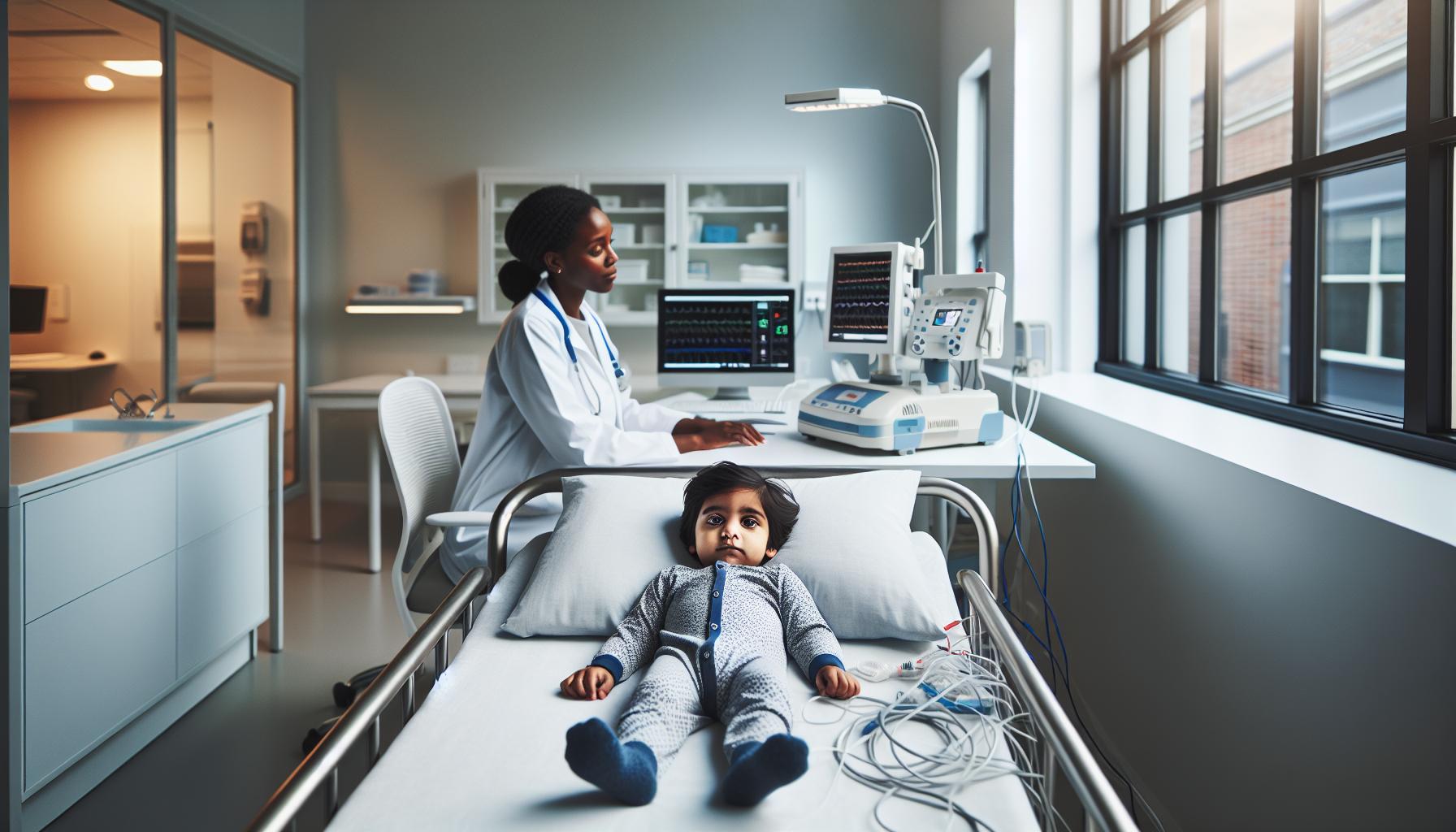
Understanding the intricacies of sleep studies for children can be crucial for parents concerned about their child’s sleep patterns. Sleep studies, or polysomnography, are comprehensive assessments that measure various physiological factors during sleep, helping to diagnose conditions like sleep apnea, insomnia, and restless leg syndrome. If a child exhibits persistent sleep difficulties, such as excessive daytime sleepiness, frequent nightmares, or irregular sleep patterns, a sleep study might be recommended to gauge the underlying causes.
Parents often overlook subtle signs that their child could benefit from a sleep study. For instance, a child who snores loudly, pauses in breathing during sleep, or consistently wakes up with headaches may be experiencing issues that warrant further investigation. Understanding these indicators can empower parents to seek appropriate interventions early, ultimately improving their child’s overall well-being and daily functioning.
When considering a sleep study, it’s important to know what to expect. During the procedure, a child will typically sleep in a lab setting where their brain waves, heart rate, breathing patterns, and oxygen levels will be monitored. The environment is designed to be as comfortable as possible, with trained professionals on hand to ensure safety and make the experience less stressful for both the child and the parents. Preparation is key, and parents should discuss any concerns with the medical team beforehand to help ease anxiety related to the unknowns of the sleep study.
In today’s digital age, sleep monitors and wearables can also provide valuable data regarding sleep habits and disturbances. While these devices can offer preliminary insights and help track patterns over time, they might not fully replace the detailed information obtained from a formal sleep study. If you’re contemplating the best option for your child, weigh the ease of use and data reliability of wearables against the comprehensive analysis provided by a sleep specialist.
Signs Your Child Might Need a Sleep Study

It’s essential to be vigilant about your child’s sleep health, as some warning signs can indicate deeper issues requiring professional evaluation. For instance, if your child snores loudly or exhibits pauses in breathing during slumber, these symptoms could suggest obstructive sleep apnea, a condition that affects not only sleep quality but also overall health and daily functioning. Such disturbances might be easily overlooked, especially if the child appears to be sleeping soundly, but their overall behavior could hold vital clues.
Parents should also be aware of other indicators that might necessitate a sleep study. Frequent nighttime awakenings, bedwetting, or restless movements during sleep may point to underlying sleep disorders such as restless leg syndrome or insomnia. Additionally, if your child is consistently tired during the day, has trouble focusing at school, or displays mood swings that seem linked to sleep patterns, these struggles may uncover the need for further investigation.
Recognizing these signs can empower you to take swift action. Keep a sleep diary documenting your child’s sleep habits, noting the time it takes them to fall asleep, how often they wake up, and their mood and performance during the day. This information can be invaluable for discussions with your pediatrician, helping determine whether a sleep study-often a necessary diagnostic tool-is warranted to explore potential issues more deeply.
If there’s any doubt, it’s better to seek the insights of sleep professionals early rather than waiting to see if symptoms resolve on their own. A proactive approach to your child’s sleep health can lead to timely interventions that improve their quality of life and overall well-being.
Common Sleep Disorders in Children
Many parents may be surprised to learn that sleep disorders in children are more common than they might think. Understanding these issues is crucial, as they can profoundly affect a child’s development, behavior, and overall health. Parents should familiarize themselves with the most prevalent sleep disorders that can prompt the need for a sleep study, especially when their child displays warning signs.
One of the most frequently diagnosed sleep disorders in children is obstructive sleep apnea (OSA). This condition occurs when the throat muscles relax excessively during sleep, blocking the airway and causing interruptions in breathing. Children with OSA often snore loudly, exhibit restless sleep, or wake up with a dry mouth, which can lead to excessive daytime sleepiness and behavioral issues similar to those seen in ADHD.
Another common disorder is insomnia, characterized by difficulty falling asleep, staying asleep, or waking up too early. This can stem from anxiety, environmental factors, or behavioral issues and can significantly impact a child’s performance at school and their mood. Parents might notice their child frequently appearing tired or irritable, prompting them to seek solutions for better sleep quality.
Restless legs syndrome (RLS) is another condition that may disrupt a child’s sleep. Children with RLS often experience uncomfortable sensations in their legs that lead them to move around frequently at night, further compromising their sleep quality. This can result in behavioral problems during the day due to lack of restful sleep.
In addition to these disorders, night terrors and sleepwalking can also occur in children, which can be distressing for both the child and parents. Night terrors often involve abrupt waking with fear and confusion, and although they may seem alarming, they generally do not indicate a serious underlying condition. Sleepwalking, on the other hand, can sometimes lead to dangerous situations if the child is not monitored.
Recognizing the signs of these disorders can empower parents to take action. Keeping a detailed sleep diary can help identify patterns and irregularities in your child’s sleep. If you observe any concerning symptoms, it’s advisable to discuss them with your pediatrician, who may recommend a sleep study for further evaluation. Early intervention can make a significant difference in helping your child develop healthier sleep habits and improve their overall quality of life.
What Happens During a Sleep Study?
During a sleep study, often referred to as polysomnography, a child undergoes a comprehensive evaluation of their sleep patterns. This process typically occurs in a specialized sleep laboratory or, more recently, in the comfort of home with portable testing devices. Understanding this process can help alleviate any anxiety parents or children may feel when faced with the prospect of a sleep study.
As the night begins, the child is fitted with multiple sensors that monitor brain activity, eye movements, heart rate, and other physiological responses. These sensors are non-invasive and designed to be as comfortable as possible, usually involving small adhesive patches and belts. Parents may notice the technician ensuring that the child is relaxed and prepared; this is vital, as a calm approach can make the entire experience more pleasant for the child.
Once the child is settled in their sleep environment, their sleep stages are recorded throughout the night. The study captures a full range of data, monitoring everything from light sleep to deep sleep and REM stages. The information gathered helps healthcare providers diagnose a range of sleep disorders, such as obstructive sleep apnea or periodic limb movement disorder, which may not be easily identified without this detailed observation.
Parents should prepare their child for the study by discussing what will happen in a reassuring way. It can help to explain that while they will be connected to various devices, the goal is to help them sleep better. On the night of the study, it’s essential that the child arrives ready to sleep, possibly bringing familiar items like a favorite blanket or stuffed animal, which can offer comfort in an unfamiliar setting.
In situations where visiting a sleep lab isn’t feasible, home sleep studies are available. These typically involve fewer sensors and a simpler setup, allowing children to rest in their own beds. However, while they can be beneficial for certain conditions, they may not capture as comprehensive data as an in-lab study.
Overall, the sleep study process provides critical insights into children’s sleep health, enabling medical professionals to develop tailored treatment plans that can significantly enhance a child’s sleep quality and overall well-being.
Types of Sleep Studies Explained
During a sleep study, particularly for children, understanding the various types can help demystify the process and guide parents in making informed decisions about their child’s sleep health. Sleep studies, or polysomnography, come in different forms, each designed to assess specific sleep-related issues based on individual needs.
In-Lab Sleep Studies
In-lab sleep studies are comprehensive evaluations typically conducted in a specialized sleep facility. Children are monitored overnight with a variety of sensors that track brain waves, heart rate, and breathing patterns. This method provides the most detailed information, allowing for the diagnosis of disorders such as sleep apnea or narcolepsy. Parents can expect the facility to be equipped with child-friendly accommodations to ease anxiety. Here, long-term observations capture multiple sleep stages, documenting transitions between light sleep, deep sleep, and REM sleep.
Home Sleep Studies
Home sleep studies offer a more comfortable alternative, enabling children to sleep in their own beds while their sleep patterns are monitored. These tests utilize simplified equipment, which may include a smaller number of sensors positioned to track breathing and movement. While more convenient, these studies may not be as thorough as in-lab tests, making them more suitable for conditions like mild sleep apnea where less detailed measurements are sufficient. Before opting for this route, parents should consider the specific symptoms their child exhibits, as a home study might miss complex disorders that require specialized laboratory equipment.
Actigraphy
Another useful tool is actigraphy, which measures movement through wrist-worn devices similar to fitness trackers. While it does not provide the detailed analysis of a full sleep study, it can be valuable for identifying sleep patterns and potential insomnia. This type of monitoring can be a first step before deciding if a more comprehensive sleep study is needed.
Neurodiagnostic Sleep Studies
Beyond typical sleep studies, there are neurodiagnostic sleep studies focusing on specific neurological conditions related to sleep. For children with known neurological issues, these studies can help in understanding how sleep affects their overall health, requiring specialized setups and monitoring techniques.
Understanding each type of sleep study allows parents to better communicate with healthcare providers and decide which option fits their child’s unique needs. It’s essential to weigh the benefits and limitations of these testing environments while ensuring comfort and accuracy in sleep monitoring.
Preparing Your Child for a Sleep Study
Preparing for a sleep study can feel daunting, especially for children who may not fully understand what to expect. However, with the right approach, parents can help their child feel more at ease, making the process smoother for everyone involved. It’s crucial to communicate clearly and positively about the experience. Let your child know that the study will help the doctors learn more about their sleep and how to help them sleep better.
Start by discussing the importance of the study. Explain why it is being done-perhaps they have trouble falling asleep, snore loudly, or seem excessively tired during the day. Providing context can help reduce anxiety. You can also share that the sleep center or home set-up will include sensors and monitors, but reassure them that they won’t hurt and are similar to the devices used in some fun activities, like sports training.
Practical Steps to Get Ready
To ease the transition into a sleep study, consider these practical steps:
- Practice Relaxation Techniques: Help your child relax before sleep. Deep breathing, storytelling, or a warm bath can make bedtime more enjoyable.
- Pre-Study Logistics: Confirm the time of the study and any specific instructions from the sleep center. If it’s an in-lab study, plan for the logistics of traveling there and any necessary paperwork.
- Comfort Items: Bring along a favorite toy or blanket to provide comfort during the study. Familiar items can make the environment feel less intimidating.
- Dress Appropriately: Choose pajamas that are comfortable and suitable for monitoring equipment. Avoid clothes with too many buttons or zippers, which can interfere with sensors.
Communication is Key
Engaging your child in conversation about what to expect can significantly alleviate fears. Explain that they will be able to sleep and that the staff will be nearby to assist them. If possible, arrange a visit to the sleep center beforehand to familiarize them with the environment. For home sleep studies, provide guidance on how the equipment works, showing them how comfortable they can be while sleeping in their own bed.
Finally, approach the experience with a positive attitude. Encourage your child by discussing the potential outcomes of the study, such as better sleep and more energy for fun activities. If they see you being supportive and calm, they are more likely to feel the same way. Preparing thoughtfully can transform anxiety into curiosity and cooperation, making the sleep study a stepping stone to improved sleep health.
The Role of Sleep Monitors and Wearables
Understanding can significantly ease the journey toward identifying and managing sleep issues in children. These tools vary in sophistication, from simple sleep trackers to advanced devices that can gather intricate sleep data, offering parents valuable insights into their child’s sleep patterns. Many parents may be unaware of how effective these gadgets can be in pinpointing symptoms that warrant a more thorough evaluation, such as a sleep study.
Sleep monitors typically track key metrics including total sleep time, sleep stages, and disturbances throughout the night. Wearable devices, often designed to be worn on the wrist or as headbands, can also monitor heart rates and movement, giving a fuller picture of a child’s sleep quality. For example, if a child secretly wakes frequently during sleep, a wearable may provide essential data that leads parents to consult a sleep specialist. While these devices can be insightful, they are not definitive diagnostic tools but can serve as an initial step to noticing patterns that suggest the need for further investigation.
Benefits of Sleep Monitors
Incorporating sleep monitors into your child’s nighttime routine can be an enlightening experience. Here’s how they can help:
- Identifying Patterns: Sleep monitors can reveal issues like frequent awakenings or unusual sleep cycles that might not be apparent otherwise.
- Engagement: Involving your child in looking at their own sleep data can promote a sense of responsibility and lead to healthier sleep habits.
- Trend Analysis: Over time, data from these devices can highlight improvements or persistent patterns that may need addressing through professional help.
Limitations to Consider
While beneficial, it’s important to manage expectations regarding what these devices can accurately do. They often lack the comprehensive diagnostics available through formal sleep studies, such as polysomnography, which monitor brain activity, oxygen levels, and more. Additionally, some children may feel discomfort or distraction from wearing a device at night, which can interfere with sleep instead of helping. Parents should view these monitors as complementary tools rather than substitutes for professional medical advice.
In conclusion, sleep monitors and wearables provide a unique opportunity for parents to understand their child’s sleep behavior better and identify potential issues early. By taking a proactive approach with the help of technology, you’ll be better equipped to address sleep concerns, paving the way for healthier sleep habits and overall well-being.
Interpreting Sleep Study Results
Interpreting the results of a sleep study can often feel overwhelming, particularly for parents navigating unfamiliar territory. Understanding what these results mean is essential in determining the best care for your child. Typically, sleep studies, or polysomnography, monitor various metrics such as brain activity, heart rate, oxygen levels, and muscle activity throughout the night. By analyzing this data, specialists can paint a clearer picture of your child’s sleep patterns and any underlying issues.
When you receive the report, pay close attention to critical indicators like sleep stages (REM and non-REM sleep), total sleep time, and the frequency of awakenings. A common outcome of sleep studies is identifying sleep disorders such as obstructive sleep apnea, insomnia, or restless legs syndrome. For instance, if the study reveals that your child experiences prolonged periods of oxygen deprivation due to sleep apnea, this would necessitate further intervention to ensure their safety and well-being.
Additionally, take note of how the findings align with your child’s behavior during the day. For example, excessive daytime sleepiness or trouble focusing may correlate with specific sleep disturbances identified in the study. It’s also helpful to discuss these findings with a sleep specialist who can provide a detailed explanation and suggest possible next steps, which may include lifestyle changes, behavioral therapies, or in some cases, medical treatments.
In summary, decoding sleep study results requires active engagement. Look for patterns in the data, consider how they affect your child’s daily life, and communicate openly with healthcare professionals. This process empowers you as a parent to make informed decisions about your child’s sleep health and overall quality of life.
When to Seek Professional Help for Sleep Issues
It’s common to underestimate sleep issues in children, but recognizing when to seek professional help can make a significant difference in their health and development. If your child is experiencing persistent sleep disturbances-like difficulty falling asleep, frequent night awakenings, or excessive daytime drowsiness-it may be time to consult a sleep specialist. These symptoms can indicate underlying sleep disorders, such as sleep apnea or insomnia, which can affect a child’s behavior, mood, and cognitive performance.
Consider seeking professional guidance if your child displays any of the following warning signs:
- Snoring Loudly: While occasional snoring might be normal, loud, chronic snoring paired with pauses in breathing can signal obstructive sleep apnea.
- Nightmares or Sleepwalking: Frequent nightmares or episodes of sleepwalking can disrupt sleep quality and indicate deeper issues that warrant investigation.
- Difficulty Waking Up: If mornings are a battle and your child consistently struggles to wake up, it may be related to insufficient or disrupted sleep.
- Excessive Daytime Sleepiness: If your child seems unusually tired during the day, struggles to concentrate, or is irritable, this may be a sign of sleep deprivation or a sleep disorder.
When approaching a sleep specialist, be prepared to discuss your child’s sleep patterns in detail. Keeping a sleep journal that tracks your child’s sleep habits, behaviors, and any concerning symptoms can provide valuable insights. Expect the specialist to conduct a comprehensive assessment, which may include a sleep study or polysomnography, to monitor various factors throughout the night.
Remember that seeking help doesn’t have to be daunting. Many parents feel apprehensive about sleep studies, but understanding that they are a tool for diagnosis rather than a reflection of parenting can alleviate anxiety. A thorough evaluation can lead to effective treatment options, improving not only your child’s sleep quality but their overall health and well-being.
Insurance Coverage and Cost Considerations
Understanding the financial aspects of a sleep study can alleviate parental anxiety and ensure you are prepared for what lies ahead. Sleep studies, particularly for children, can be a necessary step in diagnosing sleep disorders, but it’s important to understand the associated costs and how insurance may help offset those expenses. While the specifics can vary by provider and location, parents often find that costs range significantly based on factors such as the type of study, the facility, and whether additional services are required.
Insurance Coverage
Most health insurance plans cover sleep studies, but coverage can differ widely. It’s vital to check with your insurance provider beforehand to determine what is included. Ask whether the study will be considered an inpatient or outpatient service, and find out if you will need a referral from your child’s primary care physician. Clarifying these details can save you from unexpected bills later. Some key questions to consider include:
- Is pre-authorization required? Many insurance companies require approval before covering the costs.
- What type of sleep study is covered? Ensure clarity on whether the policy covers in-lab polysomnography, home sleep apnea testing, or other forms.
- Are there copays or deductibles associated? Knowing your financial responsibilities can help you budget accordingly.
Cost Considerations
The cost of sleep studies can vary dramatically. In a lab setting, an overnight sleep study can cost anywhere from $1,000 to $3,000, depending on the complexity of the study and the facility’s location. Home sleep tests tend to be less expensive, usually ranging from $300 to $600. When considering these costs, remember to account for additional fees, such as consultations with sleep specialists or post-study evaluations.
If the costs seem prohibitive, consider asking about payment plans or sliding scale fees that some facilities may offer based on income. In certain situations, non-profit organizations or community health programs might provide subsidies for families who qualify.
Seeking Alternatives
For families concerned about the costs of traditional sleep studies, there are alternatives. Portable sleep monitors and wearable devices can provide insights into sleep patterns and may serve as preliminary evaluations before pursuing an official study. While these devices have limitations, they can be valuable tools to track sleep issues and even inform discussions with specialists about further testing.
In summary, approaching the financial aspects of sleep studies with knowledge and preparation can make the process less overwhelming. With the right questions and understanding of your insurance coverage, you can make informed decisions that prioritize your child’s health and well-being.
Alternatives to Traditional Sleep Studies
There are various that can help parents understand their child’s sleep patterns and identify potential issues. These options can be a great starting point, especially if you’re looking for affordable or less invasive ways to monitor sleep.
Wearable Sleep Devices
Wearable sleep devices, like fitness trackers or smartwatches, can serve as excellent tools for parents concerned about their child’s sleep health. These devices often track metrics such as sleep duration, movement during sleep, and even heart rate. While they may not provide the comprehensive data of a polysomnography in a clinical setting, they can still give valuable insights into your child’s overall sleep quality and patterns.
Smartphone Applications
There are many smartphone applications designed to track sleep. These apps can monitor movements and sounds using a phone’s sensors, offering insights similar to those of wearables. Some even feature additional functionalities, like sleep soundscapes to assist with falling asleep. While the accuracy may vary, these apps can help flag potential sleep issues that warrant further exploration.
Portable Sleep Monitors
For a closer look at sleep patterns without committing to a full sleep study, portable monitors provide a viable compromise. Some systems are designed for at-home use, allowing for the collection of data on breathing, oxygen levels, and snoring. They can be set up relatively easily and may give you enough information to decide whether a traditional sleep study is necessary.
When to Use These Alternatives
These alternatives are particularly helpful in scenarios where parents notice warning signs of sleep disturbances, such as excessive daytime sleepiness, bedwetting, or difficulty waking up. If these symptoms persist, using one of these monitoring methods can aid in documenting the problem and provide concrete data to discuss with healthcare professionals.
While these options may not replace the need for a comprehensive sleep study in complex cases, they can provide initial insights into your child’s sleep health. Always remember to communicate findings with your child’s doctor, who can help determine the next steps if sleep disorders are suspected.
Long-term Sleep Habits and Health in Children
Addressing sleep health in children is essential, as long-term sleep habits significantly impact their physical, cognitive, and emotional well-being. Studies indicate that children who maintain consistent and adequate sleep patterns perform better academically, exhibit improved mood stability, and demonstrate better self-regulation. Conversely, disruptions in their sleep can lead to a range of issues, including attention difficulties, behavioral problems, and even health concerns like obesity and weakened immune function.
To foster healthy sleep habits in children, parents should consider a few key strategies. First, establishing a consistent bedtime routine is crucial. This can include calming activities such as reading, taking a warm bath, or practicing relaxation techniques. A predictable schedule helps signal to your child’s body that it’s time to wind down, making it easier for them to transition to sleep.
Sleep environment is another important factor. Ensuring that a child’s bedroom is conducive to sleep by minimizing noise and light, maintaining a comfortable temperature, and choosing appropriate bedding can enhance sleep quality. Additionally, limiting exposure to screens at least an hour before bedtime is vital, as the blue light emitted by devices can interfere with melatonin production and disrupt the natural sleep-wake cycle.
It’s also beneficial for parents to be aware of their child’s specific sleep needs as they grow. While toddlers may require up to 14 hours of sleep per day, school-aged children typically need around 9 to 11 hours. Monitoring signs such as excessive daytime sleepiness, irritability, and difficulty concentrating can help parents identify potential sleep issues early. If these symptoms persist, it may be time to discuss with a pediatrician whether a sleep study is appropriate for further evaluation.
In summary, investing time and effort into creating and maintaining healthy sleep habits for children can yield significant long-term benefits. By establishing routines, optimizing the sleep environment, and being vigilant about sleep-related concerns, parents can help safeguard their child’s health and overall well-being.
Faq
Q: What are the common symptoms that indicate a child may need a sleep study?
A: Common symptoms include excessive daytime sleepiness, loud snoring, gasping during sleep, difficulty concentrating, and behavioral issues. If parents notice these signs, it’s essential to consider a sleep study to assess potential sleep disorders and discuss findings with a healthcare provider.
Q: How can sleep apnea affect a child’s overall health?
A: Sleep apnea can lead to serious health issues in children, such as cardiovascular problems, growth delays, and learning difficulties. Monitoring for signs like disrupted sleep or daytime fatigue is crucial. Early intervention can significantly improve health outcomes [2[2].
Q: What is the typical age range for children to undergo a sleep study?
A: Children of any age can undergo a sleep study. However, it’s most common for those aged 2 to 18 who exhibit sleep disturbances or behavioral issues. Parents should consult with a pediatrician if they suspect their child might need evaluation.
Q: Are there alternatives to traditional sleep studies for children?
A: Yes, alternatives include home sleep apnea tests, sleep diaries, and the use of sleep monitors or wearables that track sleep patterns. While not as comprehensive as a full sleep study, these methods can provide useful insights into a child’s sleep behavior [3[3].
Q: How should parents prepare their child for a sleep study?
A: To prepare, parents should explain the process to their child in a reassuring manner, pack comfortable overnight clothes, and bring any necessary items such as favorite toys. Following specific guidelines from the healthcare provider about food and medications before the study is also important [1[1].
Q: What is the role of sleep monitors and wearables in children’s sleep studies?
A: Sleep monitors and wearables can help track sleep patterns and identify symptoms like sleep apnea. These devices are useful for preliminary assessments but should not replace an official sleep study if a disorder is suspected. They provide valuable data that can guide further evaluation by healthcare professionals [2[2].
Q: When is it critical for parents to seek professional help for their child’s sleep issues?
A: Parents should seek help if their child experiences severe sleep disruptions, persistent daytime sleepiness, behavioral problems, or if home remedies do not improve the situation. Early intervention is key to addressing potential sleep disorders effectively.
Q: What can I expect during a sleep study for my child?
A: During a sleep study, your child will be monitored overnight in a sleep clinic, where their brain activity, breathing, and heart rate will be recorded. This testing environment is safe and designed to identify sleep disorders accurately. Parents should discuss specific procedures with healthcare staff beforehand for peace of mind.
Closing Remarks
Understanding when a child might need a sleep study is crucial for safeguarding their health and well-being. If your child exhibits warning signs such as persistent sleep difficulties or daytime fatigue, don’t hesitate to seek professional help. The earlier you act, the better the chances of enhancing their sleep quality and overall life. For more information on diagnosing sleep disorders, check out our guide on sleep deprivation and its assessments.
Ready to take the next step? Explore our resources on sleep studies and discover the latest in sleep technology and wearables that can help track and improve your child’s sleep habits. Consider subscribing to our newsletter for the latest insights and tips to ensure your child has the restful sleep they deserve. Don’t wait-invest in your child’s health today!
Get our latest guides, news, and insights highlighted in your Google Search & AI Overviews.