
Are you struggling with persistent sleep issues, wondering if a sleep study could be the answer? Sleep studies, often conducted overnight in a specialized facility, play a crucial role in diagnosing various sleep disorders such as sleep apnea, restless legs syndrome, and narcolepsy. Understanding what to expect from this experience can ease your anxiety and empower you to take control of your sleep health. In this guide, we’ll demystify the overnight sleep study process, covering everything from setup and monitoring to costs and insurance navigation. By the end, you’ll feel more prepared and confident as you take this important step toward restorative sleep. Let’s explore how a better understanding of your sleep patterns can lead to improved health and well-being.
What Is a Sleep Study and Why is It Done?
A sleep study, also known as polysomnography, is a comprehensive test commonly conducted to diagnose sleep disorders. It involves monitoring various bodily functions during sleep, including brain activity, heart rate, breathing patterns, and even blood oxygen levels. This observation helps healthcare providers identify issues such as sleep apnea, restless legs syndrome, and more. The results from a sleep study can illuminate not only the presence and severity of sleep disorders but also how these conditions might be impacting your overall health and quality of life.
The primary purpose of a sleep study is to provide a detailed snapshot of what occurs during your sleep cycles. This information is crucial because many sleep disorders can go undiagnosed and untreated, leading to prolonged health issues. For instance, untreated sleep apnea can contribute to high blood pressure, heart disease, and daytime fatigue, which affects daily functioning. By conducting a sleep study, healthcare professionals can develop targeted treatment plans that address specific problems identified during the test, leading to improved sleep quality and overall well-being.
Whether the study is conducted in a sleep lab or at home, you can expect various sensors to be attached to your body to gather accurate data. This non-invasive approach ensures that while the tests are performed, they cause little to no disruption to your normal sleep patterns. As such, the findings will provide a clear picture of how well you are sleeping and what disruptions may be occurring, enabling a path toward better sleep health.
Understanding the intricacies of sleep studies can empower you to make informed decisions regarding your sleep health. As you navigate this process, having a clearer picture of what to expect will alleviate concerns and help you prepare for your sleep study, whether you’re anxious about the overnight stay or simply curious about the insights it may reveal.
Types of Sleep Studies: In-Lab vs. At-Home
A sleep study can be performed in two primary settings: in a dedicated sleep lab or at home. Understanding the differences between these options is essential for anyone considering undergoing a sleep study. Each method has its own benefits and considerations, making it crucial to choose the right one based on individual circumstances and needs.
In-Lab Sleep Studies
In-lab sleep studies, also known as polysomnography, are conducted in specialized facilities designed to monitor patients overnight. These studies provide comprehensive data as multiple sensors track various bodily functions, including brain waves, heart rate, and oxygen levels. The controlled environment minimizes external disturbances, allowing for accurate assessments of sleep patterns and possible disruptions.
Benefits of in-lab studies include:
- Access to trained technicians who can adjust settings and monitor the study in real-time.
- Possibility of conducting additional tests, like video monitoring, to provide a more complete picture of behaviors during sleep.
- Higher accuracy in diagnosing complex sleep disorders since the setup captures a wide range of data points.
While the in-lab setting is often ideal for intricate cases, it can also lead to increased anxiety for some patients. The unfamiliar surroundings and equipment can make it challenging to relax and sleep naturally.
At-Home Sleep Studies
On the other hand, at-home sleep studies have gained popularity for their convenience and comfort. Patients use portable devices to measure sleep metrics in the familiar environment of their own bedrooms. These setups generally focus on primary parameters, such as snoring and oxygen saturation, making them beneficial for diagnosing common conditions like obstructive sleep apnea.
Consider these advantages of at-home studies:
- Comfort and familiarity of sleeping in one’s own bed, which can lead to more natural sleep.
- Reduced costs compared to in-lab studies.
- Less time commitment, as patients often only need to wear the device for a single night.
However, there are limitations to at-home studies. The data may be less comprehensive, and certain conditions could be overlooked due to the simplified monitoring. Additionally, the accuracy heavily depends on how well the device is used by the patient, raising concerns about its reliability in some cases.
Choosing between an in-lab and at-home sleep study ultimately depends on your specific needs, preferences, and the recommendations of your healthcare provider. Both options aim to provide valuable insights into your sleep health, guiding you towards effective treatment and improved sleep quality.
What to Expect During Your Sleep Study
Undergoing a sleep study can feel daunting, but understanding what to expect can make the experience more manageable. As you prepare for this overnight evaluation, it’s helpful to know that the primary goal is to gather data about your sleep patterns and any disturbances that may be affecting your well-being. Typically, you’ll stay overnight in a sleep lab or wear a device at home, allowing professionals to monitor your sleep stages, breathing, and other biological processes closely.
During an in-lab sleep study, also known as polysomnography, you’ll be guided to a private room that resembles a hotel bedroom. This setting aims to help you feel comfortable despite the unfamiliarity. Once settled, a technician will attach various sensors to your body. These sensors track brain waves, heart rate, oxygen levels, and breathing patterns. The technician will ensure everything is working correctly and be on hand to assist if you have any concerns, which can significantly mitigate anxiety surrounding the procedure.
For those opting for at-home sleep studies, the setup involves using a portable device that you’ll wear while sleeping. This method focuses primarily on critical metrics such as snoring and oxygen saturation. Before going to bed, you’ll receive simple instructions on how to place the device, which may include wearing a sensor on your finger or utilizing a device that fits snugly around your chest. Because you’ll be in your own environment, many find this option less stressful and easier to navigate.
You might wonder how long it takes for the study to complete and what follows. In a typical scenario, you’ll check in to the lab in the evening, the study lasts the entire night, and you’ll check out the next morning. If you’re at home, just wear the device for one night. Once the data is collected, a sleep specialist will analyze the results to look for indicators of sleep disorders such as sleep apnea, insomnia, or restless legs syndrome. This pivotal process is the first step toward ensuring that you can achieve healthy and restorative sleep.
How to Prepare for a Sleep Study Overnight
Preparing for a sleep study can feel overwhelming, but taking a few simple steps can help make the process smoother and more comfortable. Understanding what to expect and planning accordingly can reduce anxiety and ensure the night goes as well as possible. For starters, it’s important to keep in mind that this study isn’t just a formality; it’s a vital part of diagnosing potential sleep disorders, such as sleep apnea or insomnia. Being ready for it can greatly enhance the effectiveness of the evaluation.
Before your appointment, it’s advisable to modify your daily routine a bit. Aim to maintain your usual sleep schedule in the days leading up to the study. A well-rested body will provide clearer data for the specialists analyzing your sleep. On the day of the study, avoid caffeine and heavy meals in the evening, as these can disrupt your sleep patterns. Dress comfortably, and consider bringing your own pillow or blanket to feel more at home in the sleep lab.
When arriving at the sleep center, there are a few logistical items to remember. Check in at reception, and after that, a technician will guide you to your room, often designed like a hotel suite to help you relax. Once settled, you will have electrodes and sensors attached to monitor your brain activity, heart rate, and breathing. It’s perfectly normal for this to feel a bit strange at first, but the technicians are there to ensure you are comfortable throughout the process.
Finally, if you’re opting for an at-home sleep study, preparation is a touch different but equally crucial. You will receive a portable device to track your sleep metrics. Follow the instructions closely, paying attention to how and where to attach the sensors. Take some time to familiarize yourself with the device beforehand to ensure a stress-free testing night. Remember, the more prepared you are, the more accurate the results will be, leading to better understanding and potential treatment of any sleep issues you may have.
What Happens After the Sleep Study?
After completing your sleep study, whether in a lab or at home, there’s a critical next step: the review and analysis of the data collected during the night. Sleep studies, particularly polysomnography, yield a wealth of information about your sleep patterns, including brain activity, heart rate, oxygen levels, and respiratory function. This data is essential for diagnosing potential sleep disorders like sleep apnea, insomnia, or restless leg syndrome.
Once your study is complete, the sleep technician will ensure all equipment is removed and you are comfortable before you head home or go about your day. In cases of in-lab studies, you might receive a preliminary overview of your experience, but the detailed analysis will take some time. Expect to hear from your healthcare provider, typically within a week or two, about the findings. They will schedule a follow-up consultation to discuss the results in-depth, often accompanied by visuals such as charts or graphs for clarity. This meeting is an excellent opportunity to ask any questions you may have about the findings, treatment options, or changes you might consider for better sleep health.
What If You Need Treatment?
Based on the results, your doctor may recommend various treatments. This could range from lifestyle changes and cognitive behavioral therapy for insomnia to the use of continuous positive airway pressure (CPAP) machines for obstructive sleep apnea. It’s crucial to follow their guidance closely, as these interventions can significantly improve your sleep quality and overall well-being.
Emotional Support and Understanding
It’s completely normal to feel anxious or overwhelmed by the results of your sleep study. Many individuals share a sense of relief once they have answers about their sleep issues, while others may be apprehensive about new diagnoses. Seeking support from professionals or sleep support groups can be beneficial. Remember, you are not alone in this, and many resources are available to help you navigate your sleep health journey.
Understanding the entire process-from the study to the aftercare-can significantly ease the anxiety that often accompanies sleep studies. Equip yourself with knowledge and consider joining communities where you can share experiences and gather support. Your journey to better sleep is just beginning!
Understanding Sleep Disorders Diagnosed by Sleep Studies
Sleep studies play a crucial role in diagnosing a variety of sleep disorders, shedding light on issues that may disrupt restful slumber. Among the eminent conditions identified through these examinations are sleep apnea, insomnia, restless legs syndrome, and narcolepsy. Understanding these disorders can empower individuals seeking answers about their sleep issues and promote proactive measures for better sleep health.
Common Sleep Disorders Diagnosed
- Sleep Apnea: Characterized by repeated interruptions in breathing during sleep, sleep apnea can lead to snoring, gasping, or choking sensations. This condition can severely affect daytime alertness and overall health.
- Insomnia: This disorder manifests as difficulty falling or staying asleep, resulting in insufficient restorative sleep. The causes can be multifaceted, including stress, anxiety, or underlying health conditions.
- Restless Legs Syndrome (RLS): RLS creates uncomfortable sensations in the legs, accompanied by an uncontrollable urge to move them, often worsening in the evening. This can significantly disrupt sleep quality.
- Narcolepsy: Patients with narcolepsy experience excessive daytime sleepiness and sudden sleep attacks. This neurological condition affects brain regulation of sleep cycles.
Sleep studies typically utilize polysomnography, which involves monitoring brain activity, oxygen levels, heart rate, and other functions during sleep. This comprehensive data helps healthcare providers identify sleep stages and pinpoint abnormalities. For instance, those suspected of having sleep apnea may show disruptions in breathing patterns, while individuals with insomnia might exhibit prolonged periods before achieving sleep.
Interpreting Results for Effective Treatment
After the sleep study, results can lead to tailored treatment options. These vary from lifestyle changes, such as weight management and improved sleep hygiene, to medical interventions like CPAP machines for sleep apnea or cognitive-behavioral therapy for insomnia.
Understanding these disorders and their implications allows individuals to take more informed steps toward enhancing their sleep health-a journey that can start as soon as they receive their results. If you suspect a sleep disorder, seeking a sleep study could be a beneficial first step in reclaiming restful nights and improving your overall well-being.
Interpreting Your Sleep Study Results
Interpreting the results of your sleep study can feel daunting, but understanding the data revealed can be immensely empowering. The results typically indicate various sleep stages, breathing patterns, and any disruptions experienced throughout the night, all of which provide vital insights into your sleep health. For instance, if your study indicates frequent awakenings or shallow sleep, this could explain your daytime fatigue and lead to further exploration of potential treatments.
Once your sleep data is analyzed, the most common outcomes involve the identification of specific sleep disorders. If diagnosed with sleep apnea, you might see patterns of interrupted breathing, which can lead to recommendations for a Continuous Positive Airway Pressure (CPAP) machine or other interventions designed to prevent airway blockages. Similarly, if your results suggest insomnia, healthcare providers may suggest cognitive-behavioral therapy (CBT) or lifestyle modifications aimed at improving your sleep hygiene.
Open communication with your healthcare provider is essential as you navigate these results. Consider asking questions such as what specific findings were most concerning, how they relate to your symptoms, and what steps you can take next. It’s also valuable to remember that these findings, while significant, are just one part of a broader picture of your health. Gaining clarity on your sleep study results can inform better lifestyle choices-such as setting a consistent sleep schedule and creating a soothing bedtime routine-that enhance your overall well-being.
Common Myths About Sleep Studies Debunked
It’s common for people to feel apprehensive about undergoing a sleep study, largely fueled by misconceptions surrounding the process. One prevalent myth is that sleep studies are only for severe sleep problems. In reality, sleep studies can be beneficial for anyone experiencing various sleep issues, from snoring to chronic insomnia. They help identify underlying conditions that might not be apparent during a typical medical evaluation, enabling precise treatment plans tailored to individual needs.
Another myth suggests that sleeping in a lab is uncomfortable and unnatural, resulting in artificial sleep patterns. While it’s true that sleeping in a different environment can be challenging for some, modern sleep labs are designed to mimic a home-like atmosphere. Participants can typically bring personal items such as a favorite pillow or blanket, which help ease anxiety and promote a more natural sleeping experience. Technicians monitor patients discreetly, minimizing disruptions and allowing for a more accurate assessment of true sleep quality.
Many believe that a sleep study is just about measuring sleep duration when, in fact, it encompasses a comprehensive analysis of sleep stages, breathing patterns, and neurological activity. This detailed data helps doctors diagnose conditions like sleep apnea or restless leg syndrome, which can’t be identified through daytime observations alone. Furthermore, a common concern is that results obtained from an at-home sleep test won’t be as reliable as those from an in-lab study. However, advancements in technology have made home sleep testing robust and valid for diagnosing certain disorders. These devices can track key metrics effectively, offering a convenient alternative for many.
Lastly, there’s a belief that insurance won’t cover sleep studies or that they are prohibitively expensive. While costs can vary, many insurance plans do offer coverage for sleep studies when deemed medically necessary. Patients are encouraged to verify coverage in advance and discuss any financial concerns with their healthcare provider, ensuring clarity and peace of mind about moving forward with the evaluation of their sleep health.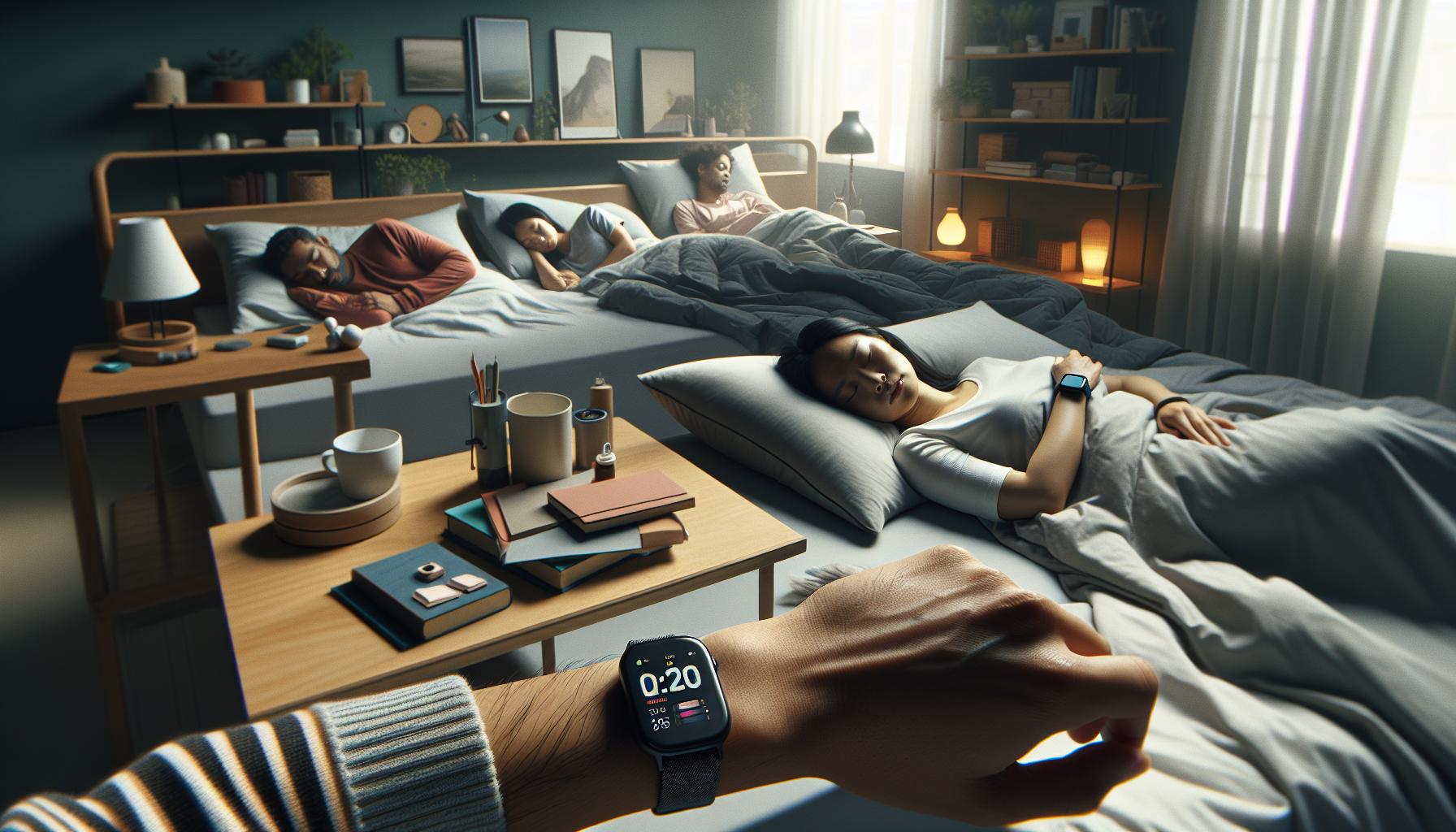
The Role of Wearable Devices in Sleep Tracking
Wearable devices have revolutionized the way we track our sleep, making it more accessible and user-friendly than ever before. These gadgets, from fitness trackers to smartwatches, allow individuals to monitor their sleep patterns without the need for a formal sleep study, leading to a better understanding of their sleep health. Many people are curious about how these devices can serve as a preliminary step before undergoing an in-lab or at-home sleep study, particularly if they suspect they might have a sleep disorder.
Wearable devices function primarily by measuring movement and heart rate variability, providing insights into sleep cycles and overall sleeping quality. While they can track sleep duration and periods of wakefulness, it’s essential to note that the accuracy of these trackers varies widely. They often provide estimations based on algorithms, which can help indicate potential sleep issues but should not be relied upon for definitive diagnosis. For instance, if your tracker frequently indicates restless sleep or prolonged wake periods, it could signal a need to consult a healthcare professional for a full sleep evaluation.
One critical benefit of using wearables is their convenience. They can seamlessly integrate into daily routines, encouraging awareness of sleep habits without the anxiety often associated with sleep studies. Many devices also sync with apps that allow users to access their sleep statistics easily, providing recommendations for improvement-such as adjusting bedtime or reducing screen time before sleep. This data can be invaluable when you do visit a sleep specialist, as it provides a baseline of information that can assist in diagnosing disorders like sleep apnea or insomnia.
However, it’s crucial to manage expectations with these devices. Wearables are excellent for preliminary insights but are not substitutes for comprehensive assessments offered by sleep studies, where detailed measurements are taken, including brain waves, oxygen levels, and detailed sleep staging through polysomnography. If you find persistent issues despite lifestyle changes and tracking your sleep, discussing these findings with a healthcare provider could be your next step. Understanding both the strengths and limitations of wearables empowers consumers to make informed decisions about their sleep health journey.
Insurance Coverage for Sleep Studies Explained
Navigating insurance coverage for sleep studies can be overwhelming, but understanding your policy can significantly ease the process. Many insurance plans do cover sleep studies, particularly if they are deemed medically necessary to diagnose conditions like sleep apnea, insomnia, or restless legs syndrome. Typically, you’ll need a referral from your primary care physician, who will evaluate your symptoms and recommend a sleep study if appropriate. It’s vital to check with your insurer before scheduling, as coverage can vary widely among providers and policies.
Here are some key points to consider:
- Pre-authorization: Most insurance companies require pre-authorization for sleep studies. This means that they need to approve the study before it takes place. Your doctor will usually help initiate this process.
- In-Lab vs. At-Home Studies: While both types of studies may be covered, in-lab studies tend to be more comprehensive and generally have a higher chance of being approved for coverage compared to at-home sleep studies. Check your plan for specifics.
- Out-of-Pocket Costs: Even with insurance, you may be responsible for copayments, deductibles, or coinsurance. Make sure to ask about these potential costs upfront.
- Eligibility Requirements: Insurers often have specific eligibility criteria for sleep study coverage, including documented sleep issues or failure of prior treatments. Be prepared to gather evidence of these conditions.
- Documentation: Providing thorough documentation can influence your claim’s approval. This may include your medical history, sleep habits, and previous treatments.
After your study, your healthcare provider will interpret the results and recommend next steps based on their findings. If you end up needing further treatments, be sure to inquire about how those will be handled by your insurance as well. Feeling anxious about the costs associated with sleep studies is common, but with thorough research and understanding of your coverage, you can better prepare for this step towards improving your sleep health.
Tips for Managing Sleep Study Anxiety
Feeling anxious about undergoing a sleep study is completely normal, especially if it’s your first one. Understanding what to expect can significantly alleviate this anxiety. First, familiarize yourself with the environment of the sleep clinic. Many facilities are designed to be comfortable and inviting, not like a typical hospital room. Knowing that these spaces are focused on your comfort can make the process feel less daunting.
Preparation is key to managing sleep study anxiety. A few days before your appointment, practice good sleep hygiene. Avoid caffeine, large meals, and excessive screen time before bed. Engaging in relaxing activities, like reading or taking a warm bath, can help make you feel calmer on the night of your study. Bringing a favorite pillow or any comforting items can also create a sense of security in a new environment.
During the study, remember that you’ll be surrounded by professionals who are there to help you. They will guide you through the setup of the monitors and explain the process in detail. Consider discussing any concerns you have with the sleep technician; they can offer reassurance and tips to make you more comfortable. Additionally, some people find it helpful to practice mindfulness or deep breathing exercises to relax during the study.
After the procedure, keep in mind that the results may take some time, which is typical. Stay engaged with your healthcare provider about the next steps and treatments. Being proactive about what comes next can shift your focus from anxiety to positive anticipation about improving your sleep health. Most importantly, remember that seeking help for sleep issues is a step toward a healthier, more rested life.
Real-Life Experiences: Sleep Study Testimonials
Experiencing a sleep study for the first time can seem daunting, but many individuals have found it surprisingly manageable and even enlightening. Personal testimonials provide insights into the experience, helping to demystify the process for newcomers. For instance, one patient shared that upon arrival, they were pleasantly surprised by the warm and welcoming atmosphere of the sleep clinic, describing it as more like a cozy bedroom than a hospital setting. This enhanced comfort helped lessen their anxiety significantly.
Once settled in, participants often report that the setup process is straightforward, with technicians guiding them patiently through each step. Commonly, patients recall that wearing the monitoring devices felt weird at first, but they quickly adjusted. After the initial setup, one participant mentioned they felt reassured by the presence of professionals who were attentive and genuinely invested in their sleep health. In fact, many report that having a sleep technician nearby who checked in regularly helped ease any concerns throughout the night.
Feedback also highlights the relevance of preparation prior to the study. For example, one individual noted that practicing good sleep hygiene-like reducing caffeine and maintaining a consistent sleep schedule-before their appointment contributed to a smoother experience. They believed that taking these steps set them up for a more restful night, making it easier to fall asleep despite the unfamiliar surroundings.
Upon receiving results, several participants expressed relief at having a clear diagnosis and actionable insights regarding their sleep issues. Testimonials frequently emphasize that understanding their sleep patterns and any diagnosed disorders was empowering. In hindsight, many agreed that the experience not only helped them address their sleep problems but also transformed their overall relationship with sleep.
Through these shared experiences, it becomes clear that while the idea of a sleep study can provoke anxiety, most find it to be a crucial step toward better sleep and health. The journey towards improved sleep can begin with a restful night spent under observation, providing valuable data and comfort along the way.
Frequently Asked Questions
Q: How long does a sleep study usually last?
A: A sleep study typically lasts for one night, but some tests may require you to stay longer. *During this time*, clinical staff monitor your sleep stages and breathing patterns to diagnose any potential sleep disorders. For specific needs, such as observing daytime sleepiness, additional days may be needed.
Q: What do I need to bring to a sleep study?
A: You should bring comfortable sleepwear, personal hygiene items, and any medications you normally take. *Additionally*, consider bringing a book or a device for entertainment, as you need to keep calm before the study begins. Don’t forget to check with your sleep center for any specific items they recommend or require.
Q: Will I be monitored while I sleep?
A: Yes, during a sleep study, you will be monitored closely. *Electrodes and sensors* will be placed on your body to track brain waves, heart rate, and breathing. These measurements help sleep specialists analyze your sleep quality and identify any disorders.
Q: Can I sleep comfortably during a sleep study?
A: Although the setup may feel strange at first, sleep studies are designed to allow you to sleep comfortably. *The staff will assist you* in getting settled, and you can usually sleep in your preferred position. Many patients report getting sufficient rest during the study.
Q: Are there any risks associated with a sleep study?
A: Sleep studies are generally safe, with minimal risks involved. *Occasionally*, you might experience discomfort from the electrodes or sensors, but serious complications are rare. If you have concerns, discuss them with your sleep specialist prior to the study.
Q: What happens if I need to leave during a sleep study?
A: If you need to leave during the study, inform the staff before your test starts. *They can provide guidance*, but leaving early can affect the accuracy of the results. If emergencies arise, they’ll assist you in addressing those needs promptly.
Q: Can I eat before my sleep study?
A: Yes, you can eat before your sleep study, but *it’s advisable to avoid heavy meals or caffeine* for a few hours prior to ensure optimal sleep conditions. Check with your clinician for specific fasting or dietary recommendations based on your health needs.
Q: What types of sleep disorders can a sleep study diagnose?
A: A sleep study can diagnose various sleep disorders, including sleep apnea, insomnia, and restless leg syndrome. *By monitoring your sleep patterns, specialists can assess your specific issues*, allowing for tailored treatment plans. For more details, refer to the section on “Understanding Sleep Disorders Diagnosed by Sleep Studies” in our main article.
Final Thoughts
As you prepare for your overnight sleep study, remember that this valuable step can lead you toward improved sleep health and overall well-being. If you have lingering questions about the process, including costs, what to expect, or device setup, don’t hesitate to explore our in-depth resources on sleep studies and wearable tech options. Dive deeper into understanding sleep disorders and how to troubleshoot common issues with our practical guides designed to empower you.
Now is the perfect time to take action-prioritize your sleep health by scheduling your consultation today. Join our newsletter for the latest insights and tips on sleep wellness, and visit our blog for continued exploration of related topics, from the benefits of polysomnography to the impact of sleep disorders on daily life. Your journey to better sleep begins here! Share your thoughts or experiences in the comments below; we’d love to hear from you!
Get our latest guides, news, and insights highlighted in your Google Search & AI Overviews.