
Have you ever wondered how your heart’s rhythm while you sleep could impact your recovery? Heart Rate Variability (HRV) is a powerful tool that monitors the time between heartbeats, revealing crucial insights into your overall health, stress levels, and recovery needs. Recent studies highlight that analyzing HRV during sleep can uncover early signs of health issues, such as depression or even strokes[2[2]. By understanding HRV, you can tailor your recovery strategies effectively, whether you’re an athlete looking to improve performance or someone simply seeking better sleep. Join us as we explore how HRV in sleep tracking works and why it matters for your health journey. Unlock the secrets of your heart’s variability, and empower yourself to make informed choices for a healthier tomorrow.
Understanding Heart Rate Variability (HRV) in Sleep
Understanding how heart rate variability (HRV) plays a crucial role in sleep can significantly enhance your overall recovery and well-being. HRV refers to the fluctuation in time between heartbeats, and a higher HRV is generally associated with better health and a more resilient nervous system. During sleep, particularly deeper sleep stages, your body experiences a natural increase in HRV, often linked to restorative processes such as tissue repair and cognitive function enhancement. Recognizing this connection allows you to leverage HRV as an indicator of sleep quality.
Your HRV can serve as a helpful gauge for evaluating how well your body recovers during rest. For instance, various studies have shown that higher HRV during nighttime correlates with deeper sleep stages, which are vital for physical recovery and emotional balance. Sleep disturbances or lower HRV can signal stress or overtraining, alerting you to make necessary adjustments to your routines or lifestyle choices. Monitoring your HRV can also provide insights into how various factors, such as diet, exercise, and stress management strategies, influence your sleep quality.
Tracking HRV has become increasingly accessible with modern technology, allowing individuals to measure their heart rate variability using devices such as fitness trackers and smartwatches. These tools often provide a user-friendly interface to help you interpret your HRV data. It’s essential to understand that while these devices can offer valuable insights, they may not capture the full complexity of sleep patterns and disturbances. For more detailed analysis, consider integrating data from wearables with insights from sleep studies, especially if you suspect underlying sleep disorders.
To optimize your sleep quality based on HRV insights, focus on implementing healthy sleep hygiene practices. Regular sleep schedules, a calming bedtime routine, and a comfortable sleep environment can help increase HRV while improving overall recovery. By understanding and monitoring your HRV, you’re taking an informed step toward personalized health and recovery strategies that can lead to more restorative sleep and, ultimately, a healthier lifestyle.
The Science Behind HRV: What It Measures
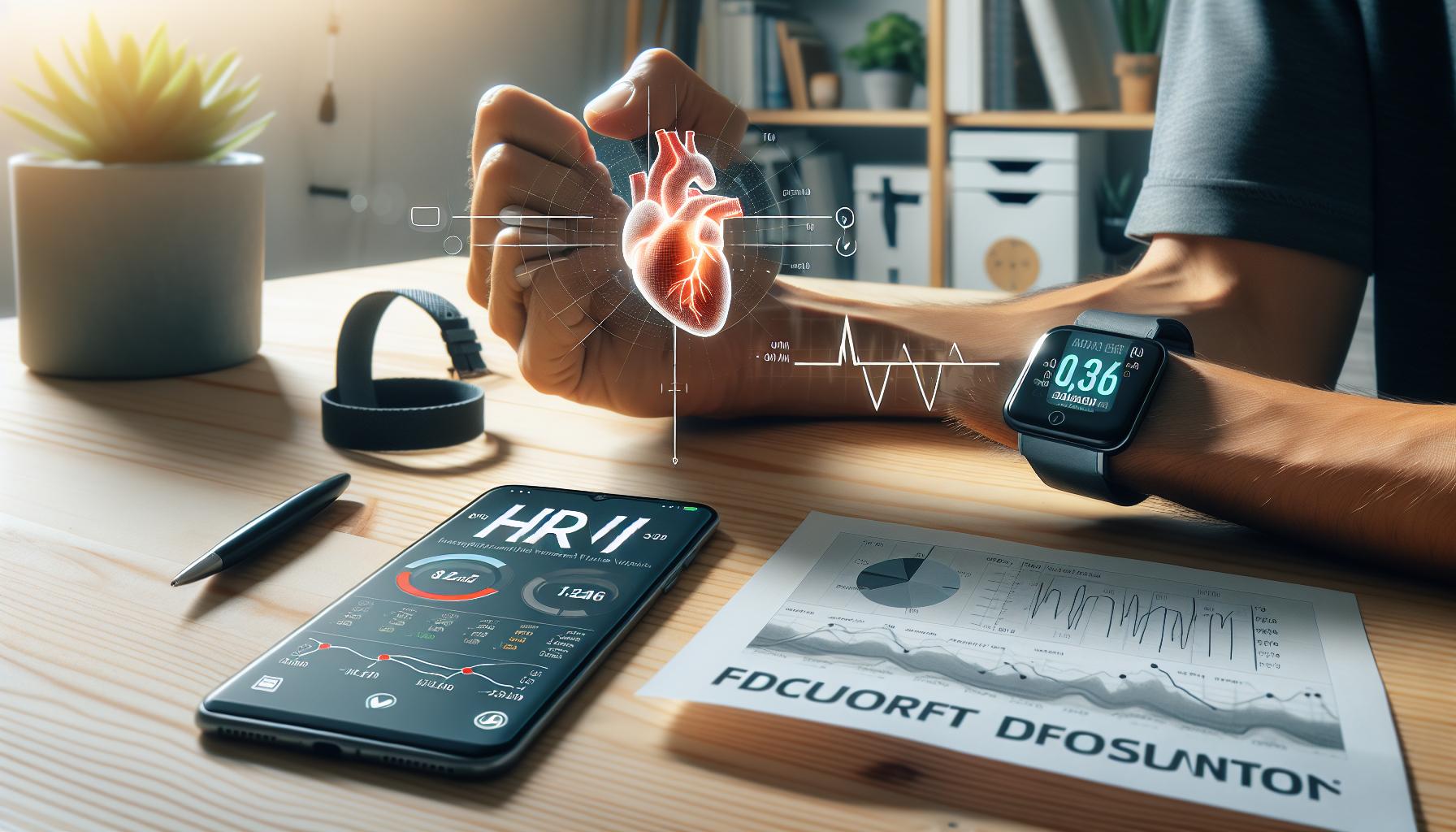
Understanding heart rate variability (HRV) can transform how you approach sleep and recovery. HRV measures the variation in time between successive heartbeats-this fluctuation is influenced by the autonomic nervous system, which regulates bodily functions like heart rate and stress response. Essentially, a higher HRV indicates a well-balanced nervous system, better resilience to stress, and greater physiological flexibility, while a lower HRV can signal stress, fatigue, or potential health issues.
During sleep, especially in deeper stages, your body exhibits increased HRV, signifying restorative processes like tissue repair and cognitive function enhancement. Studies show that individuals with higher HRV during sleep enjoy deeper recovery and emotional balance. This correlation highlights the importance of monitoring HRV as a potential indicator of one’s sleep quality and overall health. Over time, consistently tracking HRV can alert you to changes in your physical and mental well-being, pushing you to re-evaluate lifestyle choices, such as exercise intensity, nutrition, and stress management strategies.
As technology advances, tracking HRV has become more accessible through wearable devices and fitness trackers, which can automatically gather data throughout the night. For example, products like the Garmin and various sleep tracking apps provide insights into your average HRV, enabling you to see how it fluctuates during sleep. It’s important to remember, however, that while these devices offer valuable insights, they might not capture all nuances of your sleep patterns, especially in the presence of sleep disorders. Therefore, they should be viewed as complementary tools alongside traditional sleep studies when necessary.
In conclusion, understanding HRV not only improves awareness of your recovery processes but also empowers you to make informed decisions about your health. By implementing practices that promote higher HRV-like maintaining consistent sleep schedules, managing stress, and incorporating wind-down routines-you can enhance your sleep quality and overall well-being. Through this proactive approach, you are setting the foundation for healthier sleep habits that support both physical and mental recovery.
How HRV Affects Sleep Quality and Recovery

Understanding the connection between heart rate variability (HRV) and sleep quality can be a game-changer for your recovery process. Research has shown that higher HRV is often associated with better sleep quality, allowing for more restorative sleep cycles. This means that when your body can effectively manage its stress responses, it can transition into deeper sleep stages, which are vital for recovery. The deeper stages of sleep, particularly REM and slow-wave sleep, are when your body performs essential maintenance tasks, like repairing muscles and consolidating memories.
A practical way to grasp this relationship is to consider how stress affects your heart rate. When you are stressed, your body tends to exhibit lower HRV due to an overactive sympathetic nervous system (responsible for the “fight or flight” response). In contrast, a well-functioning parasympathetic nervous system (the “rest and digest” system) supports higher HRV and contributes to a state where restorative sleep is more likely. Tracking your HRV over time can reveal patterns that indicate how well you are recovering during sleep. If you notice consistently low HRV readings, it may be a signal to reassess your evening routines, stress levels, or even consult a healthcare professional.
To optimize your HRV and, consequently, your sleep quality, consider implementing a few simple strategies. Cultivating a relaxing bedtime routine can significantly impact your nervous system’s ability to shift into recovery mode. Techniques such as deep breathing exercises, meditation, or gentle yoga can help promote a higher HRV. Additionally, maintaining a consistent sleep schedule reinforces your circadian rhythm, making it easier for your body to enter deeper sleep stages.
It’s worth noting that while devices that track HRV can provide insight into your sleep quality, awareness of their limitations is essential. Many wearables may not capture the complete picture, especially if underlying sleep disorders are present. If you find yourself struggling with persistent sleep issues despite following these strategies, don’t hesitate to reach out for a sleep study or further assessment. Your sleep recovery journey is deeply personal, and understanding how HRV factors in can empower you to make informed choices that enhance your overall health and well-being.
Tracking HRV: Best Devices and Methods

Tracking heart rate variability (HRV) can be an eye-opening journey toward understanding your sleep health and recovery. With numerous devices available on the market, knowing which one suits your needs is key. Several wearables and monitoring devices can effectively track your HRV while you sleep, providing insights into your overall health and recovery status. Here, we’ll explore some of the top devices and methods for tracking HRV, helping you make an informed decision.
Top Devices for Tracking HRV
There’s a variety of devices specifically designed to monitor HRV. Here are a few notable options:
- Oura Ring: This smart ring is sleek and comfortable for 24/7 wear. It tracks HRV continuously, providing insights into your sleep quality and recovery. With its advanced algorithms, the Oura Ring helps you analyze your nightly processes and daily readiness.
- Whoop Strap: Known for its focus on recovery and performance, the Whoop Strap offers a subscription service that provides detailed analytics on your HRV along with personalized feedback on how well you are recovering. It’s popular among athletes and those looking to optimize their training.
- Apple Watch: While primarily a smartwatch, recent models incorporate HRV tracking features. Utilizing heart rate data collected during sleep, it can provide an overall picture of your cardiovascular health.
- Fitbit: Many Fitbit models offer HRV tracking variables along with general sleep analysis. The data can help you monitor trends over time, making it easier to correlate sleep patterns with daily activities.
Methods of HRV Tracking
In addition to wearables, there are also alternative methods for tracking HRV:
- Mobile Apps: Apps like HRV Stress Test and Elite HRV use your smartphone’s camera or additional equipment like a heart rate monitor to provide HRV readings.
- Sleep Trackers: Dedicated sleep tracking systems, such as Emfit, can analyze HRV during sleep using specialized sensors placed under your mattress.
While using these devices and methods, keep in mind the importance of consistent usage for reliable data. Regularly tracking your HRV can reveal patterns and trends that correlate with changes in your sleep quality, recovery capacity, and overall health. It’s advisable to maintain a sleep diary alongside your data to help identify lifestyle changes that could affect HRV.
By leveraging the right tools to track HRV, you’ll be better equipped to understand how your body recovers during sleep, ultimately allowing for informed adjustments in your health and wellness lifestyle. Always remember to consider how these devices fit your specific needs and what your wellness goals are, allowing you to maximize the benefits of HRV tracking.
Interpreting Your HRV Data for Better Sleep
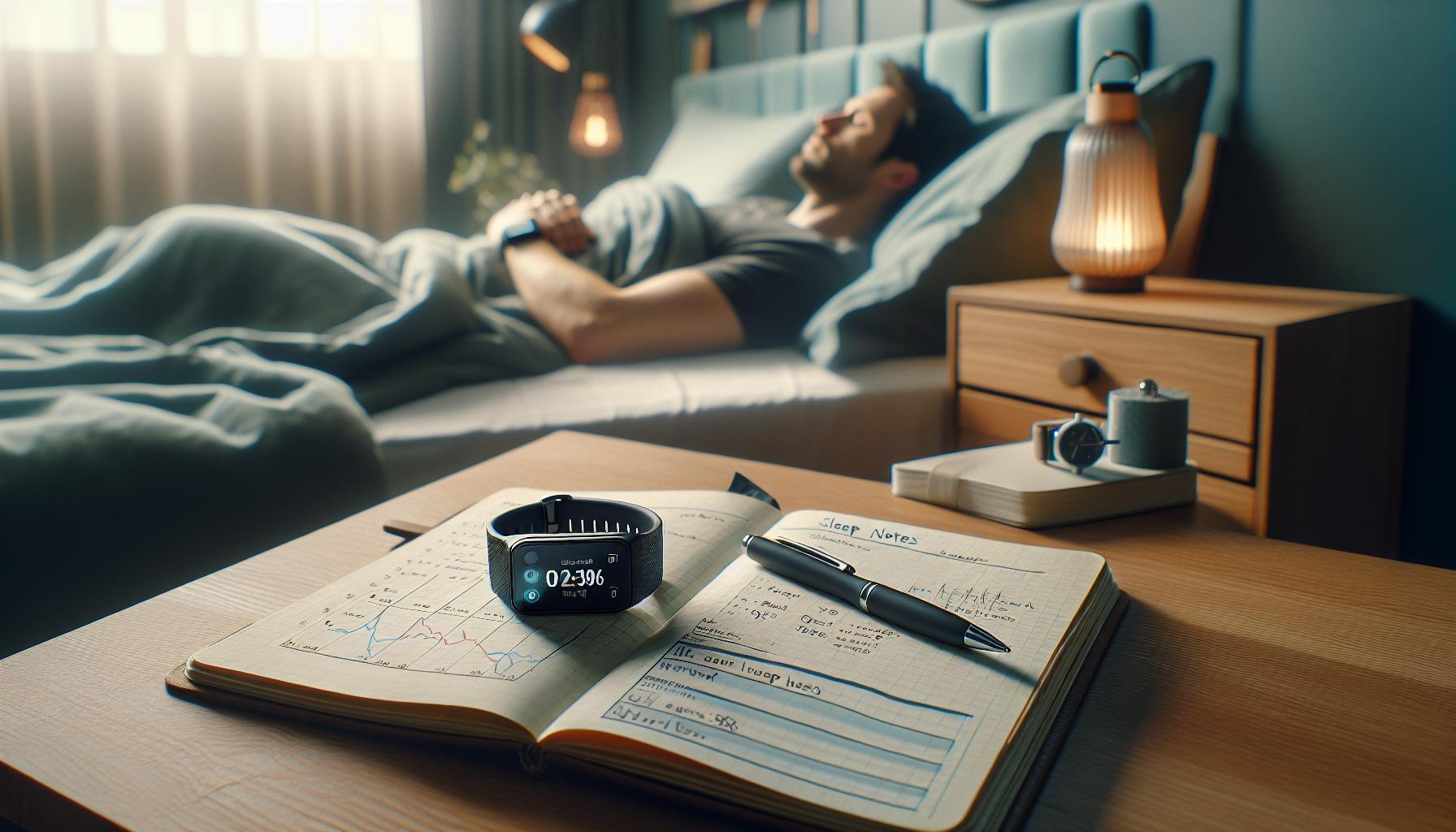
Understanding your heart rate variability (HRV) data can significantly enhance how you approach sleep and recovery. Variability in heart rate reflects how well your body is responding to various stresses, including physical, emotional, and environmental factors. For instance, a higher HRV typically indicates better cardiovascular fitness and a more adaptable response to stress, while lower HRV can signal overtraining or inadequate recovery. This insight is crucial for optimizing your health and sleep quality.
To interpret your HRV effectively, begin by establishing a baseline. This involves tracking your HRV consistently over a period, ideally while you sleep, as this provides a more stable measure. Many wearables analyze HRV during sleep when you’re in a more restful state. Once you’ve gathered consistent data, look for trends rather than focusing on day-to-day fluctuations. For example, if your HRV decreases on a day when you felt particularly stressed or had poor sleep, it might indicate that your body is struggling to cope with those stressors, prompting you to make adjustments in your lifestyle or routine.
It’s also beneficial to consider the context of your HRV readings. Factors like sleep duration, sleep disturbances, and daily activities can all affect HRV. For instance, engaging in high-intensity workouts can lower your HRV temporarily, which is normal if you’re recovering well. However, consistently low readings might be a sign to ease off and allow your body more recovery time. Keeping a diary where you log sleep quality, daily stress levels, and physical activity can help correlate your HRV with other lifestyle factors.
Finally, don’t overlook the potential of HRV for personalized recovery strategies. If you notice that your HRV improves with certain interventions-like enhanced sleep hygiene practices or stress-reduction techniques-you can tailor your routines accordingly. This adaptive approach not only maximizes the benefits of your tracking devices but also empowers you to take proactive steps toward better sleep and overall health. Balancing your unique physiological responses with actionable insights gained from your HRV data can lead to substantial improvements in your recovery journey.
The Connection Between HRV and Stress Levels
The relationship between heart rate variability (HRV) and stress levels is both intricate and significant. Research shows that HRV serves as a barometer for the body’s stress response, reflecting how well you can adapt to pressure. When you’re under stress, whether from work, relationships, or environmental factors, HRV tends to decrease. This drop indicates that your autonomic nervous system is in a state of fight-or-flight, which can diminish sleep quality and disrupt recovery.
One effective way to utilize HRV in managing stress is by monitoring your readings over time. If you notice a correlation between stressful days and lower HRV, it may prompt you to explore stress-reduction techniques. Engaging in activities such as deep breathing, mindfulness meditation, or regular physical exercise can enhance your HRV. These practices help shift your body back into a restful state, encouraging better sleep and recovery. For instance, a quick mindfulness session before bed might not only elevate your mood but also lead to a higher HRV score the following morning, illustrating a tangible connection between your daily habits and physiological responses.
Strong HRV readings can be empowering indicators of your overall well-being. If you consistently track positive HRV trends after implementing relaxation strategies, it reinforces the benefits of prioritizing mental health. Furthermore, using devices that continuously measure HRV can empower you to make informed decisions. Many wearables analyze such data during sleep when your body is at rest, giving you deeper insights into how well you’ve recovered from daily stresses.
To truly harness the benefits of HRV monitoring, consider keeping a stress and lifestyle journal. By documenting your daily stress triggers alongside your HRV readings, you can identify patterns and adjust your routines accordingly. This proactive approach not only helps you manage stress but also optimizes your sleep, creating a cycle of recovery that enhances both physical and mental health.
HRV and Sleep Disorders: What You Should Know
Sleep disorders can significantly disrupt your nightly rest, and research suggests a strong link between heart rate variability (HRV) and these conditions. Low HRV during sleep is often associated with issues such as insomnia and various mental health disorders, indicating that people struggling with disrupted sleep cycles may be experiencing a disbalance in their autonomic nervous system that often manifests through decreased HRV readings. Understanding this connection can guide you in navigating the complexities of sleep disorders, and the insights from HRV can empower your recovery journey.
Monitoring HRV provides a window into your sleep health. Numerous studies have shown that individuals with sleep disorders typically exhibit lower HRV compared to those without such conditions. For example, if you frequently find yourself waking up exhausted despite a full night’s sleep, this may correlate with low HRV, suggesting that your body is not achieving restorative sleep. Implementing HRV measurement tools can help you track your nighttime physiological changes and identify patterns linked to sleep disturbances.
To address sleep disorders effectively, it is crucial to adopt a proactive approach. Implement lifestyle changes that may enhance your HRV and, consequently, improve your sleep quality. Activities like regular physical exercise, practicing mindfulness, or adhering to a consistent sleep schedule can have profound effects on both HRV and sleep quality. Additionally, consider exploring various sleep tracking wearables that not only record your HRV but also provide insights into your overall sleep patterns, enabling you to make informed choices about your sleep hygiene.
Ultimately, if you suspect that low HRV is impacting your sleep quality, pay attention to your overall mental well-being and daily stressors. Tracking your HRV data alongside your sleep quality can help identify triggers that may exacerbate sleep disorders. This holistic understanding is vital in crafting personalized recovery strategies that enhance both your sleep and your overall health. Whether through lifestyle adjustments or seeking professional help when necessary, informed choices based on HRV insights can lead you toward a healthier, more restful night.
Using HRV for Personalized Recovery Strategies
Tracking heart rate variability (HRV) can reveal a wealth of information about your body’s recovery abilities and overall health, making it an essential component for anyone looking to optimize their sleep and well-being. By understanding how to use HRV insights, you can tailor your recovery strategies to fit your unique needs.
One effective method is to leverage HRV data alongside lifestyle habits to create a personalized recovery plan. For example, individuals with consistently low HRV may benefit from incorporating restorative practices such as yoga, meditation, or deep-breathing exercises into their daily routines. These strategies can help to reduce stress and promote a balance within the autonomic nervous system, ultimately leading to improved sleep quality.
Tracking and Adjusting Recovery Strategies
Incorporating wearables that track HRV provides real-time feedback on how well your body is responding to various recovery methods. For instance, if you notice an increase in HRV after a specific activity, such as a nature walk or a new relaxation routine, you may want to prioritize that activity in your recovery strategy. Conversely, if certain stressors, like intense workouts or late-night screen time, correspond with a drop in HRV, it’s a signal to adjust your behaviors accordingly.
Also, consider utilizing apps designed to analyze HRV data. These applications often provide insights into patterns over time, helping to identify what works best for you. With consistent tracking, you can draw connections between different factors-like sleep duration, exercise intensity, and dietary choices-and how they impact your HRV and recovery.
Building a Holistic Recovery Framework
Ultimately, recovery is not a one-size-fits-all approach. By blending HRV tracking with both qualitative assessments (like mood and energy levels) and quantitative data (like sleep efficiency), you can build a robust framework tailored to your lifestyle and sleep needs. Take the time to experiment and find what resets your HRV and enhances your sleep quality.
Remember that small changes can lead to significant improvements in how you feel each day. By using HRV as a guiding tool, you empower yourself to make informed decisions-creating strategies that lead to better sleep, improved recovery, and overall enhanced well-being.
Enhancing HRV Through Sleep Hygiene Tips
Enhancing your heart rate variability (HRV) through effective sleep hygiene practices can play a crucial role in optimizing your recovery and overall health. Quality sleep not only benefits your HRV but also strengthens the body’s natural resilience to stress and enhances well-being. Here are actionable strategies to improve your sleep hygiene and, in turn, your HRV.
Establish a Consistent Sleep Schedule
One foundational aspect of good sleep hygiene is maintaining a regular sleep schedule. Going to bed and waking up at the same time each day-even on weekends-helps regulate your body’s internal clock. This consistency can enhance the quality of your sleep, leading to better HRV scores. Consider setting a bedtime routine that signals to your body it’s time to wind down, such as dimming the lights, avoiding screens for at least an hour before sleep, and engaging in relaxing activities like reading or meditation.
Create a Sleep-Friendly Environment
Optimizing your sleep environment is essential for improving both sleep quality and HRV. Aim for a dark, quiet, and cool room, as these conditions foster deeper sleep. Here are some tips to enhance your sleep space:
- Temperature: Keep your bedroom cool, typically between 60-67°F (15-19°C), to promote sleep.
- Noise control: Use white noise machines, earplugs, or soundproofing to mitigate disturbances.
- Light management: Consider blackout curtains or eye masks to block out unexpected light.
Limit Stimulants and Screen Time
Reducing your intake of caffeine and nicotine, especially in the hours leading up to bedtime, can significantly affect your sleep quality. Both substances are stimulants that can make it difficult to fall asleep. Additionally, the blue light emitted by screens can interfere with melatonin production, the hormone responsible for sleep. To avoid disruptive exposure, try establishing a digital curfew; turn off electronic devices at least an hour before sleep.
Incorporate Relaxation Techniques
Incorporating relaxation techniques into your bedtime routine can significantly enhance your ability to fall asleep and improve your HRV. Practices such as yoga, deep-breathing exercises, or mindfulness meditation can reduce stress levels and promote a state of calm before bed. Engaging in these activities decreases sympathetic nervous system activity and encourages parasympathetic responses, promoting better HRV and recovery.
By focusing on these sleep hygiene tips, you can create an environment and routine that not only enhances your sleep quality but also supports a higher HRV, paving the way for improved recovery and overall health. Small adjustments can lead to significant improvements, empowering you to make informed decisions that positively impact your well-being.
Common Myths About HRV and Sleep Tracking
Despite the growing popularity of heart rate variability (HRV) tracking, many misconceptions surround this important health metric, particularly regarding its relationship with sleep. One common myth is that higher HRV always indicates better health or sleep quality. In truth, while a higher HRV can be a sign of good cardiovascular health and effective stress recovery, it’s also important to consider individual baselines. What matters is the change in HRV over time, rather than focusing solely on achieving a universally high number. Each person’s HRV is influenced by various factors, including age, fitness level, and overall health, making comparisons between individuals somewhat misleading.
Another prevalent myth is that sleep tracking devices yield completely accurate HRV measurements. While wearable technology has come a long way, these devices often face limitations. Most consumer-grade HRV trackers might not provide the same level of accuracy as clinical tools used in sleep labs. Variability can also arise from situational factors like hydration levels, environmental stressors, or even the way the device is worn. Therefore, while these devices can help you observe trends and patterns over time, they should not replace professional advice or diagnostics when it comes to sleep disorders or significant concerns about health.
Many believe that HRV tracking can adequately replace comprehensive sleep studies. However, this isn’t entirely accurate. While tracking HRV can offer insights into sleep quality and recovery status, it is not a substitute for a polysomnography sleep study, which measures various sleep stages and detects specific sleep disorders. For someone experiencing chronic sleep issues or sleep apnea, a professional evaluation is necessary, and the insights gained from HRV data can complement this process rather than replace it.
Lastly, many assume that lifestyle changes to improve HRV are too daunting. In reality, small adjustments can lead to significant changes in sleep quality and HRV. Incorporating simple practices, such as adopting better sleep hygiene, engaging in regular physical activity, and utilizing relaxation techniques, can enhance HRV over time. Understanding these myths empowers individuals to utilize HRV tracking effectively while fostering a realistic approach to their sleep health and recovery strategies.
Real-Life Cases: When HRV Insights Made a Difference
Discovering the potential of heart rate variability (HRV) tracking has transformed the way individuals approach their sleep and recovery. For many, HRV insights have led to meaningful lifestyle changes and improved health outcomes. One compelling example is Sarah, a frequent traveler and corporate executive who struggled with sleep quality due to her hectic schedule. After incorporating an HRV monitoring device, she noticed significant drops in her HRV readings when traveling. This prompted her to reassess her stress management strategies. By implementing more structured relaxation techniques and prioritizing pre-sleep routines-such as reading and meditation-her HRV stabilized, leading to better sleep and increased productivity.
Another illustrative case involves Tom, an amateur athlete who relied on HRV data to optimize his training regimen. Initially, he dismissed his device’s warnings about low HRV scores after intense workouts, believing he could push through fatigue. However, following consistent tracking, he observed a pattern: his performance suffered when HRV was low. By adjusting his training schedule to include more rest days and pay attention to recovery, he not only improved sleep quality but also enhanced his overall performance during competitions.
These real-life cases highlight how HRV tracking serves as a proactive tool, offering actionable insights into personal health and recovery strategies. Seeing HRV data as an ongoing conversation rather than a static number can empower individuals to make informed decisions about their health. Rather than waiting for symptoms to appear, people like Sarah and Tom illustrate a crucial point: understanding and acting on HRV insights can lead to significant improvements in sleep quality and overall well-being.
Incorporating HRV data into daily routines fosters a deeper connection to personal health metrics, making recovery more intentional and informed. Whether you’re an athlete optimizing performance or someone looking to enhance general well-being, leveraging HRV insights can inspire positive lifestyle changes.
Future Trends: The Evolution of HRV in Sleep Technology
As technology advances, the future of heart rate variability (HRV) monitoring in sleep science holds exciting potential. Imagine waking up not just to the numbers on your device, but receiving actionable insights tailored to your unique sleep patterns. The integration of artificial intelligence (AI) will enable sleep trackers to analyze data with unprecedented accuracy, providing personalized recommendations.
Innovative Wearable Technologies
Smart wearables will continue to shape HRV tracking, evolving beyond simple heart rate monitors to sophisticated devices that measure various physiological signals. Future gadgets may incorporate additional metrics, such as blood oxygen levels and skin temperature, enhancing the understanding of sleep quality. For instance, smart mattresses could adjust firmness based on your sleep phase and HRV data, optimizing comfort and recovery throughout the night.
Integration with Sleep Hygiene
Another trend is the holistic approach to sleep health. Devices will not only track HRV but will also recommend lifestyle adjustments-like optimal sleep schedules based on circadian rhythms, stress management techniques, or dietary suggestions to enhance recovery. Users will find it possible to link their HRV data with other health metrics, creating a comprehensive picture of well-being that emphasizes the interconnectedness of sleep, nutrition, and mental health.
The Role of Community and Sharing Insights
Platforms that enable users to share their HRV data anonymously may emerge, fostering community-based learning. Imagine being able to compare your HRV trends with others experiencing similar life stages, such as new parents or athletes in training. These insights could lead to collective strategies for better recovery practices and the formation of support networks that emphasize accountability in achieving sleep health goals.
In conclusion, the evolution of HRV technology empowers consumers with knowledge, facilitating proactive measures toward better sleep and recovery. As these innovations unfold, users will find themselves better equipped to make informed decisions about their health, potentially revolutionizing the way we understand and prioritize sleep.
Q&A
Q: What does HRV indicate about my sleep quality?
A: Heart Rate Variability (HRV) reflects your autonomic nervous system’s balance; higher HRV during sleep indicates better recovery and overall health. It suggests effective relaxation and readiness for the next day. Monitoring HRV can help you understand how well you’re recovering from daily stresses, contributing to improved sleep quality.
Q: How can I improve my HRV for better sleep?
A: To enhance your HRV and sleep quality, focus on practices like consistent sleep schedules, relaxation techniques (like deep breathing), and regular physical activity. Maintaining a healthy lifestyle and minimizing stressors can have a profound impact on your HRV.
Q: When is the best time to measure HRV during sleep?
A: The most effective time to measure HRV is during the deepest stages of sleep, usually occurring in the first half of the night. Devices that track HRV while you sleep can provide valuable insights into your recovery and stress levels throughout this period.
Q: How does stress affect my HRV during sleep?
A: Stress typically lowers HRV, indicating a dominance of the sympathetic nervous system over the parasympathetic system. High stress levels lead to poorer sleep quality and less recovery. By managing stress through mindfulness or relaxation techniques, you can improve your HRV and enhance sleep quality.
Q: Can sleep disorders affect HRV readings?
A: Yes, sleep disorders such as sleep apnea or insomnia can significantly impact HRV. These conditions often disrupt normal sleep patterns and can lead to lower overall HRV. Monitoring HRV can help identify underlying issues that may require further evaluation or treatment.
Q: What are the common misconceptions about HRV in sleep tracking?
A: A common misconception is that higher HRV is always better; however, individual variability means that a lower HRV might be normal for some. Another myth is that only elite athletes benefit from high HRV readings, while anyone can use HRV for personal health insights and recovery.
Q: How can I interpret HRV data to enhance my recovery?
A: To interpret HRV data effectively, compare your nightly averages and observe trends over time. Consistent low HRV may indicate the need for increased rest or lifestyle changes. Use this data to inform your training intensity and recovery strategies for optimal performance and health.
Q: What devices are best for tracking HRV during sleep?
A: Some of the best devices for tracking HRV include smartwatches, fitness trackers, and specialized rings, like the Oura Ring, which offers continuous HRV monitoring and insights into sleep quality. Choosing a reliable device can help you gain accurate data for better recovery management.
In Retrospect
Understanding heart rate variability (HRV) during sleep is essential for maximizing recovery and enhancing your overall well-being. By monitoring your HRV, you can unlock valuable insights into your health, while learning how to optimize your sleep quality. Now is the perfect time to explore wearable devices designed for continuous HRV tracking and their benefits for sleep insights. Don’t miss the chance to take control of your health-consider investing in a sleep tracker today!
For further guidance, check out our articles on sleep studies and wearables, or read about how to interpret your HRV data effectively. If you have any questions or want to share your experience, feel free to leave a comment below. Your journey to better sleep starts here-stay informed, empowered, and ready to make smart choices for your recovery. Join our newsletter for ongoing tips and resources, and explore our product recommendations to support your sleep health.
Get our latest guides, news, and insights highlighted in your Google Search & AI Overviews.