
Did you know that sleep studies can provide invaluable insights into your sleep patterns and help diagnose disorders like sleep apnea? For those struggling with restless nights or excessive daytime fatigue, understanding how a sleep study works is an essential step toward better sleep health. These studies, known as polysomnography, monitor various functions while you sleep, including brain activity, heart rate, and breathing. This comprehensive evaluation can reveal critical issues that might be affecting your overall well-being. As you delve into the workings of a sleep study, you’ll gain clarity on what to expect, how the process operates, and why it can be a game-changer for your sleep health. Whether you’re considering a sleep study for the first time or just curious about how it works, this guide empowers you with knowledge to make informed decisions for a better night’s sleep. Let’s uncover the process behind these vital assessments and explore how they can lead to a rejuvenated, healthier you.
How Sleep Studies Help Diagnose Disorders
Sleep studies are essential tools in diagnosing a variety of sleep disorders, from insomnia and narcolepsy to obstructive sleep apnea. Understanding how these studies function can empower individuals to seek timely and appropriate treatment. Interestingly, sleep studies go beyond simply measuring how long you sleep; they evaluate the complex processes your body undergoes during rest, providing invaluable insights into your sleep quality and potential disorders affecting it.
During a sleep study, also known as polysomnography, numerous physiological parameters are monitored, including brain waves, oxygen levels, heart rate, and breathing patterns. This comprehensive data collection allows specialists to observe sleep cycles and identify abnormalities. For example, if interruptions in breathing are detected, this can point to obstructive sleep apnea, a condition where the throat muscles intermittently relax and block the airway during sleep. This interruption leads to restless nights and daytime fatigue, affecting overall health and quality of life.
In-lab sleep studies are often considered the gold standard for diagnosing serious sleep issues. Patients are monitored overnight in a controlled environment, allowing for precise data collection. Additionally, home sleep tests are also available for certain conditions, like sleep apnea, providing a more convenient alternative. These tests can still yield accurate results and can be particularly appealing for those who feel anxious about sleeping in a lab setting.
Understanding the results of a sleep study is crucial for effective treatment. Clinicians typically analyze the data to classify your specific sleep disorder and determine the best course of action, which may include lifestyle changes, CPAP therapy for sleep apnea, or cognitive-behavioral therapy for insomnia. By recognizing the patterns within your sleep, healthcare providers can tailor treatments that not only address symptoms but also enhance your overall sleep health, leading to better restful nights and improved daytime performance.
With increasing recognition of the significance of sleep in overall health, the technology behind sleep studies continues to evolve. Innovative devices and methods are being developed to make these studies more accessible and less intrusive, paving the way for a better understanding of sleep health in the future.
Understanding Different Types of Sleep Studies
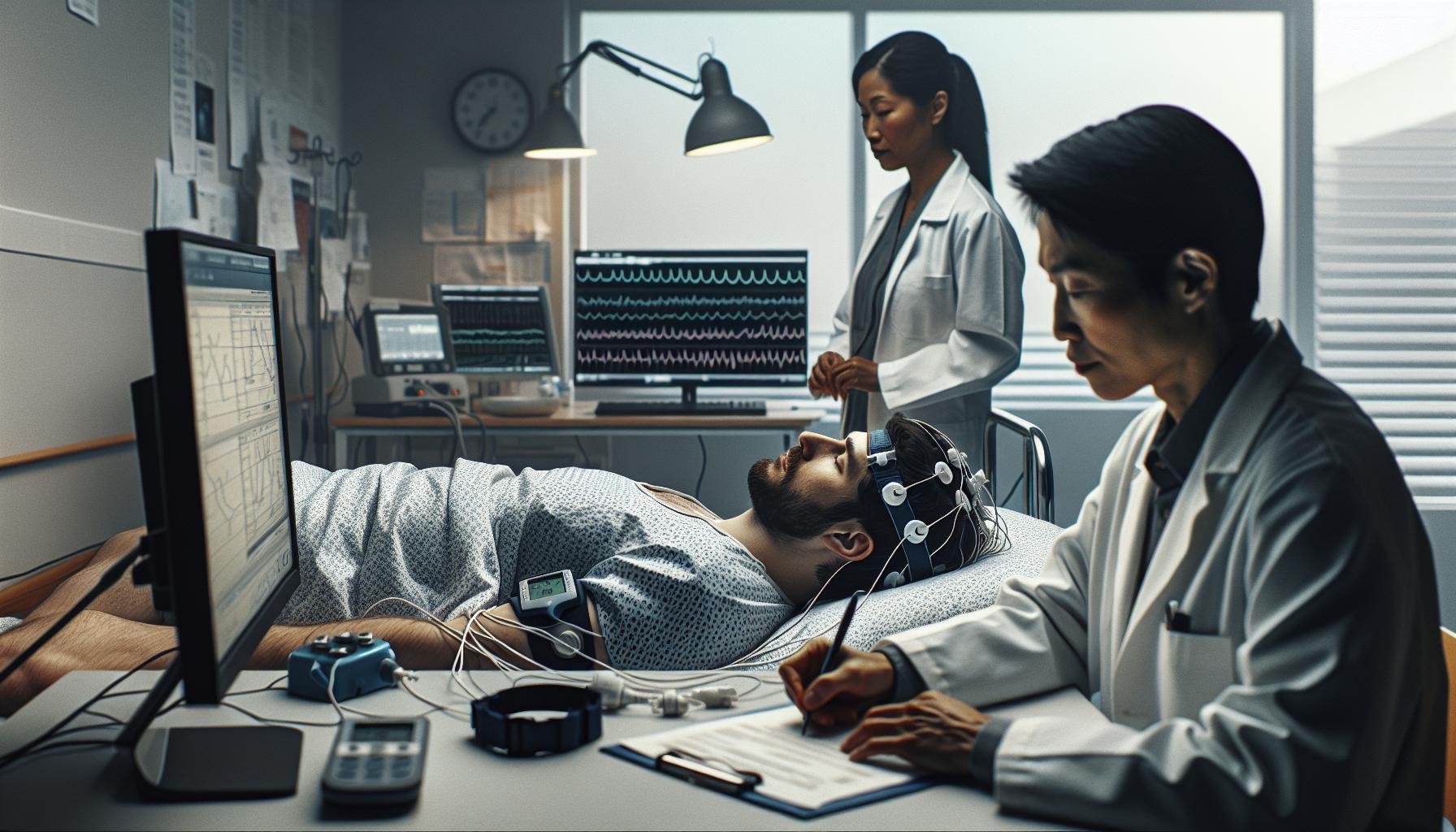
Different types of sleep studies play a crucial role in diagnosing various sleep disorders, offering insights into individual sleep patterns and disturbances. Each method serves distinct purposes, catering to specific conditions and patient needs, making it essential for individuals to understand their options before undergoing testing.
In-Lab Sleep Studies
Also known as polysomnography, in-lab sleep studies provide a comprehensive assessment of your sleep environment. Conducted overnight in a sleep clinic, these studies monitor extensive physiological parameters, including brain wave activity, heart rate, oxygen levels, muscle movements, and breathing patterns. This rich data collection allows specialists to diagnose complex sleep disorders like sleep apnea, restless leg syndrome, and narcolepsy. While the idea of sleeping in a lab may seem daunting, the detailed information gathered is invaluable, often leading to a tailored treatment plan that significantly improves sleep quality.
Home Sleep Tests
For those who find an in-lab study intimidating, home sleep tests provide a convenient alternative, particularly for the diagnosis of obstructive sleep apnea. These tests are less invasive and can often be conducted in the comfort of your home. Patients wear portable monitoring devices that track basic parameters such as airflow, oxygen saturation, and heart rate while they sleep. However, it’s important to note that home tests may not capture the full complexity of sleep disorders as in-lab studies do, so discussing your specific symptoms and concerns with your doctor is essential for choosing the right test.
Multiple Sleep Latency Tests (MSLT)
Another specialized sleep study is the Multiple Sleep Latency Test (MSLT), primarily used to diagnose conditions like narcolepsy. This test measures how quickly you fall asleep during several daytime naps after an overnight sleep study. By assessing the time it takes to enter different stages of sleep, particularly REM sleep, clinicians can determine the body’s sleep patterns and identify abnormalities.
Understanding the difference between these testing options empowers you to make informed decisions about your sleep health. Consultation with a healthcare provider can help determine which type of study is appropriate based on your symptoms and preferences, ensuring you receive the most accurate diagnosis and effective treatment.
What to Expect During a Sleep Study
Undergoing a sleep study can be a pivotal step in understanding and treating sleep disorders. Whether you’re battling insomnia, snoring, or fatigue, knowing what to expect during this process can alleviate anxiety and help you prepare effectively. Typically, sleep studies, especially polysomnography, are conducted in a sleep lab where trained professionals monitor your sleep patterns using a variety of sensors and equipment.
Upon arrival at the sleep center, you’ll be greeted by a sleep technician who will guide you through the process. You’ll be shown to a private room that resembles a cozy bedroom, complete with a bed, while necessary equipment is set up to monitor your sleep. The technician will attach small electrodes to your scalp, face, and body using a non-invasive adhesive. These sensors track your brain waves, heart rate, oxygen levels, and muscle activity throughout the night. While it might feel slightly odd or uncomfortable at first, most patients find they can adapt surprisingly well.
Before the study begins, it’s crucial to inform your provider about your sleep habits, any medications you’re taking, and specific concerns you have regarding your sleep. This collaboration ensures that the study is tailored to your unique situation, improving its accuracy. After all the sensors are in place and you’re settled in, you can relax and try to fall asleep as you normally would. The entire process is designed to gather comprehensive data that will aid your healthcare provider in diagnosing any sleep disorders effectively.
After the study, the data collected will be analyzed by specialists who will interpret your sleep patterns, and if necessary, discuss potential treatment options with you. Many patients report feeling relieved after completing a sleep study, knowing that their sleep issues are being addressed in a systematic way. Being informed about every aspect reduces the unknowns and the nervousness that often accompanies a healthcare procedure, empowering you to take charge of your sleep health.
Essential Equipment Used in Sleep Studies
Sleep studies utilize an array of sophisticated equipment to monitor various physiological parameters, ensuring that healthcare providers can accurately diagnose sleep disorders. A comprehensive understanding of the essential tools used during a sleep study can empower you to approach this process with greater confidence and clarity.
The cornerstone of many sleep studies is polysomnography (PSG), which involves multiple sensors that track critical body functions. During the study, electrodes are placed on the scalp to monitor brain activity, while others are positioned around the eyes, face, and chest to assess muscle tone and eye movements. Additional sensors are used to measure heart rate, breathing patterns, and blood oxygen levels. This setup allows for a thorough evaluation of the different stages of sleep, revealing whether you experience interruptions or disordered breathing while sleeping.
Technological advancements have enhanced sleep study equipment, making it less invasive and more patient-friendly. For instance, recent innovations have led to devices with fewer wires, simplifying the setup process and making it more comfortable for patients [1]. Furthermore, some sleep studies can even be conducted at home using portable monitoring devices, allowing greater flexibility and convenience for individuals concerned about the clinical environment.
Understanding what to expect from the equipment used can also help alleviate any anxiety associated with your sleep study. While you may feel nervous about the sensors and their complexities, most individuals adapt well once the study begins. The data collected through these tools provides valuable insights into your sleep health, helping to inform your treatment options moving forward. Being informed about the equipment can help demystify the process and make your experience more comfortable and less stressful.
The Role of Polysomnography Explained
Polysomnography (PSG) serves as the gold standard in diagnosing sleep disorders, providing comprehensive insights into the complex world of sleep. This advanced testing method involves the use of multiple sensors strategically placed on your body to continuously monitor key physiological functions throughout the night. With electrodes attached to the scalp, the procedure captures brain wave activity while other sensors track various bodily movements and metrics, including heart rate, oxygen levels, and respiratory patterns. This intricate dance of data collection reveals not just the quantity of sleep but its quality, helping detect disorders like sleep apnea, insomnia, or narcolepsy.
Understanding the role of PSG in a sleep study is crucial for anyone considering this evaluation. It allows healthcare providers to examine important aspects of your sleep cycles, such as how long you spend in each stage of sleep-light, deep, and REM- and whether any disruptions occur within those stages. This detailed analysis informs the diagnosis and tailoring of treatment plans, ensuring that interventions are not only effective but specifically suited to the unique patterns of your sleep.
Furthermore, the data derived from polysomnography can clarify symptoms that may seem unrelated, such as daytime fatigue or snoring, linking them to specific sleep disorders. This connection can empower individuals to take proactive steps toward better sleep health. It’s important that patients feel comfortable with the process, knowing that these sensors, while seemingly complex, are designed to provide comprehensive and valuable information in a non-invasive manner. Embracing this knowledge can ease anxiety surrounding the procedure and highlight its critical role in paving the way for healthier sleep habits.
Home Sleep Tests vs. In-Lab Studies
Despite the convenience of modern technology, deciding between a home sleep test and an in-lab study can feel overwhelming. Each option has its pros and cons, so understanding the differences is essential in making the best choice for your sleep health.
Home sleep tests (HST) offer a flexible and comfortable alternative to traditional lab-based polysomnography. Patients can conduct tests in their own beds, providing a familiar environment that may lead to more accurate and natural sleep patterns. These tests typically focus on diagnosing obstructive sleep apnea and involve simpler equipment, such as a portable monitoring device that tracks airflow, heart rate, and oxygen saturation. Cost-wise, they are generally more affordable than in-lab studies, which can be a significant factor for many patients. However, it’s crucial to note that home tests may not capture the full spectrum of sleep disorders as effectively as in-lab studies.
In contrast, in-lab sleep studies represent the gold standard for comprehensive sleep analysis. Conducted in a sleep lab, these studies use advanced equipment and experienced staff to monitor numerous physiological parameters throughout the night, providing detailed insights into various sleep stages. This extensive data collection can identify a wide range of sleep issues, including insomnia and narcolepsy. Although they come with higher costs and may be less convenient due to scheduling and travel, many patients find the thorough evaluation worth the investment when complex sleep disorders are suspected.
To aid in your decision, consider these factors:
- Comfort: If you feel anxious about medical settings, a home test may be less stressful.
- Complexity of Symptoms: For unexplained sleep issues, an in-lab study might provide a deeper analysis.
- Device Limitations: Home tests are generally geared towards sleep apnea, whereas labs can assess a wider range of disorders.
- Cost: Home tests are typically more affordable, making them accessible if budget is a concern.
The key is to discuss these options with your healthcare provider, who can guide you based on your specific symptoms and health history. By understanding both pathways, you can make an informed decision that aligns with your needs and enhances your journey toward better sleep health.
Interpreting Sleep Study Results: A Guide
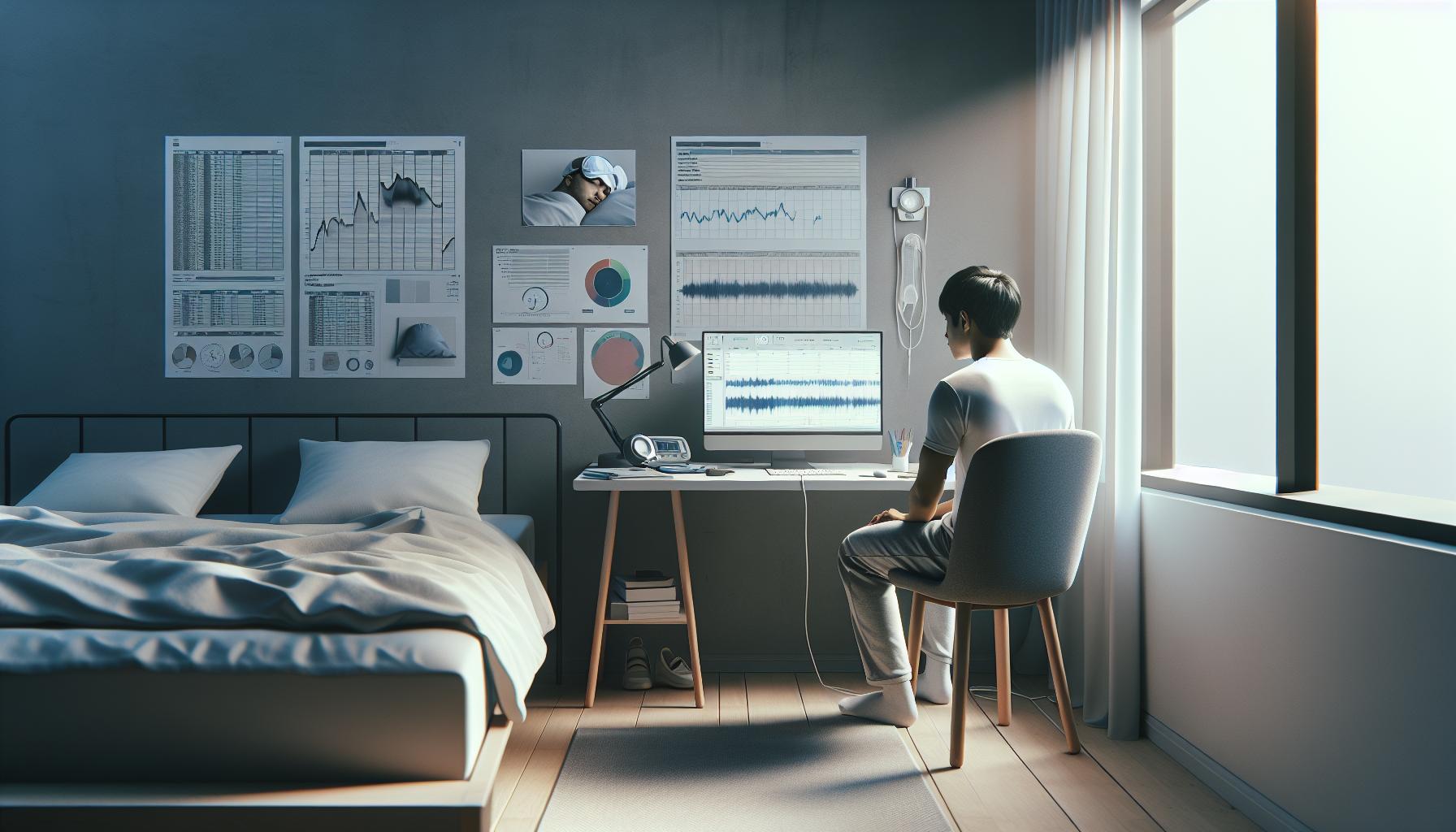
Understanding your sleep study results can feel overwhelming, but breaking down the findings into more manageable components can help you regain agency over your sleep health. Sleep study reports typically highlight various metrics about your sleep, including sleep stages, interruptions, and the presence of specific disorders like sleep apnea. The most crucial aspects to focus on are the AHI (Apnea-Hypopnea Index), oxygen saturation levels, and sleep architecture, which illuminates how much time you spend in different sleep stages.
Key Metrics in Sleep Study Results
- Apnea-Hypopnea Index (AHI): This figure quantifies the number of apneas (pauses in breathing) and hypopneas (shallow breathing) you experience per hour of sleep. An AHI of 5-15 means mild sleep apnea, 15-30 is moderate, and anything over 30 is severe.
- Oxygen Saturation Levels: This is measured to assess how well your body is getting oxygen during sleep. Levels below 90% can indicate a need for further evaluation and possibly treatment.
- Sleep Architecture: This refers to the proportion of time spent in different sleep stages, including REM (Rapid Eye Movement) and NREM (Non-Rapid Eye Movement) sleep. A healthy sleep cycle typically consists of a balanced distribution among these stages.
Interpreting these factors not only helps to identify potential sleep disorders but also guides treatment options. For instance, a high AHI and low oxygen saturation may lead to a recommendation for continuous positive airway pressure (CPAP) therapy, while issues with sleep stages might point toward insomnia or other disorders.
What to Discuss with Your Healthcare Provider
After receiving your results, it’s crucial to have an open conversation with your healthcare provider. Here are key points to address:
- The significance of your AHI and other metrics in context to your symptoms.
- Recommended treatment options and lifestyle changes based on findings.
- Follow-up testing or monitoring that may be necessary.
Use this opportunity to ask questions-understanding why your metrics matter can empower you to take action. Whether it’s implementing a sleep hygiene routine, using prescribed treatments, or exploring additional tests, being proactive in your care can significantly improve your sleep quality.
As overwhelming as the results may initially appear, remember that this information is a stepping stone to better understanding and managing your sleep health.
Exploring Sleep Stages and Their Importance
The intricate world of sleep stages is pivotal to understanding how our bodies regenerate and restore themselves during the night. Sleep can be divided into several stages that play vital roles in cognitive functioning, emotional regulation, and physical health. Most noteworthy are the two primary types of sleep: Rapid Eye Movement (REM) and Non-Rapid Eye Movement (NREM) sleep. Each of these stages contributes uniquely to health and wellness.
During NREM sleep, which is categorized into three stages (N1, N2, and N3), the body engages in crucial maintenance functions. N1 is the lightest stage where you drift in and out of sleep, making it easy to wake. N2 comprises the bulk of your sleep and is where the body begins to slow down, with heart rate and temperature decreasing. Stage N3, the deep sleep stage, is particularly significant for physical recovery, growth, and immune function. After these stages come REM sleep, where the brain is highly active and vivid dreaming occurs. This stage is essential for emotional resilience, memory consolidation, and learning.
Recognizing these sleep stages provides insight into how different factors affect sleep quality. For instance, prolonged periods of wakefulness can lead to less NREM deep sleep, creating a cycle that may exacerbate fatigue and impair cognitive function. Thus, sleep studies often measure the percentage of time spent in each stage, offering a roadmap for clinicians to identify potential sleep disorders. A disturbed cycle might indicate problems such as sleep apnea, where frequent interruptions lead to insufficient restorative NREM and REM stages.
To ensure optimal health, it is beneficial to enhance your sleep practices. Prioritize a consistent sleep schedule, create a restful environment, and limit stimulants close to bedtime. Understanding and respecting the vital role of sleep stages can empower you to make informed decisions about your sleep health, ultimately leading to quicker recovery from daily stresses and improved overall well-being.
Managing Sleep Study Anxiety: Tips and Tricks
Feeling anxious about undergoing a sleep study? You’re not alone; many people experience jitters before the test. However, managing this anxiety is key to ensuring that you get the most accurate results possible. Knowing what to expect, preparing adequately, and employing some calming techniques can significantly ease your worries.
Start by familiarizing yourself with the sleep study process. Understanding that it’s a routine diagnostic test can help reduce feelings of uncertainty. Here’s how you can prepare:
- Learn About the Equipment: Knowing that the sensors and monitors are non-intrusive can help diminish fear. You’ll often wear headgear and sensors that monitor your sleep patterns, breathing, and brain waves.
- Visit the Sleep Center Ahead of Time: If possible, consider touring the facility before your scheduled sleep study. This can help demystify the environment and make the situation more familiar.
- Talk to Your Provider: Discuss your concerns with your healthcare provider. They can provide reassurance, guide you through what will happen, and address any specific questions you may have.
- Consider Relaxation Techniques: Before bedtime, engage in calming activities such as deep breathing, reading, or listening to soothing music. These practices can foster a peaceful mindset ahead of your sleep study.
It’s also crucial to maintain your regular sleep routine in the nights leading up to the study. While it’s natural to feel some pressure to perform well during the study, remember that the results will be more accurate if you allow yourself to sleep as you usually would.
Should you find yourself unable to sleep during the study, rest assured that this is common and that sleep specialists are well-equipped to interpret the data, even from light sleep. They will analyze the entire spectrum of your sleep patterns, not just the amount of sleep you get.
Feeling prepared and informed can make the experience significantly less daunting. Focus on giving yourself permission to rest and relax, and remember that the ultimate goal of the sleep study is to help enhance your sleep health.
Insurance Coverage for Sleep Studies and Tests
Navigating the cost of a sleep study can be daunting, particularly when considering the potential out-of-pocket expenses involved. Understanding how insurance coverage works is crucial for making informed decisions. Many insurance providers, including Medicaid and Medicare, often cover significant portions of sleep study costs. The expense can vary greatly depending on whether the study takes place at home or in a clinical setting. Home sleep tests typically range from $150 to $1,000, while in-lab studies can range from $1,000 to $10,000, making it essential to confirm coverage specifics with your insurer [[[1]].
When preparing for a sleep study, it’s wise to contact your insurance company ahead of time to clarify coverage limits and any co-payments or deductibles you may need to fulfill. You can do this by asking pointed questions about the specifics of what’s covered, be it an initial consultation or the different types of sleep tests available. Additionally, knowing whether a referral from your primary care physician is required can save you time and potential costs.
Here are some key factors to consider when reviewing your insurance policy regarding sleep studies:
- Type of Study: Check if your plan distinguishes between home sleep tests and in-lab studies. Some policies may cover one but not the other.
- Diagnosis Requirement: Ensure that your insurer covers sleep studies related to specific diagnoses such as obstructive sleep apnea, as this can affect coverage.
- Pre-authorization: Some insurers may require prior authorization for the study, making it essential to get these details sorted beforehand to prevent surprises.
- Out-of-Pocket Costs: Be aware of your policy’s deductible, co-insurance, and co-payment details, which can significantly affect your total financial responsibility.
With sleep studies becoming increasingly recognized as vital for diagnosing sleep disorders, understanding insurance coverage can provide reassurance and ease financial burdens. Educating yourself and being proactive in your communication with insurance providers can lead to a more manageable experience during this crucial step toward better sleep health.
Future Trends in Sleep Study Technology
As the demand for effective sleep diagnostics evolves, so do the technologies utilized in sleep studies. Innovations in sleep study technologies promise to enhance both accessibility and accuracy, allowing for a more comprehensive understanding of individual sleep patterns and disorders. With an increasing number of patients seeking answers to their sleep concerns, advancements are making it easier for them to gather essential data without the need for time-consuming and often uncomfortable in-lab testing.
One of the most significant trends is the rise of at-home sleep testing devices. These portable technologies, including wearable devices and smartphone applications, enable patients to monitor their sleep quality and disturbances from the comfort of their own bedrooms. Devices such as smartwatches and specialized sleep trackers can collect vital data about sleep stages, heart rate, and breathing patterns, which can then be analyzed for potential issues. Additionally, these tools are becoming more accurate and user-friendly, providing valuable insights into individual biorhythms without the anxiety often associated with sleep lab environments.
Emerging Technologies in Sleep Studies
Recent developments have led to the introduction of artificial intelligence (AI) in analyzing sleep data. AI algorithms can now detect patterns in vast amounts of sleep data, helping clinicians identify abnormalities that may be missed by traditional methods. This analytical capability allows for quicker diagnoses, enabling more patients to receive the treatment they need in a timely manner. Moreover, the implementation of telehealth services is becoming more popular, facilitating remote consultations and follow-ups, which are especially beneficial in today’s health landscape.
Another exciting trend is the integration of personalized medicine in sleep studies. Researchers are exploring how genetic factors may affect sleep quality and disorders. This approach enables the customization of treatment plans based on an individual’s unique genetic makeup, potentially increasing the efficacy of therapies for conditions such as insomnia and sleep apnea.
As we move forward, these advancements not only enhance the efficacy of sleep studies but also empower consumers with knowledge about their own sleep health, allowing them to make informed decisions about seeking professional help when necessary.
Real-Life Scenarios: When to Get a Sleep Study
When it comes to sleep studies, understanding when to seek professional help can be crucial for your health and well-being. Sleep disorders impact millions of people, yet many go untreated due to confusion around symptoms and testing availability. If you’re experiencing persistent issues, knowing the right time to schedule a sleep study could pave the way for a better night’s sleep and improved daily function.
There are several scenarios that should prompt a visit to a sleep specialist. For instance, if you frequently experience daytime fatigue, loud snoring, or episodes of gasping during sleep, these could be signs of obstructive sleep apnea (OSA). Likewise, if you find it difficult to fall asleep or stay asleep, resulting in anxiety or depression, a sleep study can help determine whether you suffer from insomnia or another underlying disorder. For children, behaviors such as excessive sleepiness, difficulty focusing, or changes in academic performance can also be red flags.
Deciding between a home sleep test and an in-lab sleep study can also depend on your symptoms and context. Home tests are often less invasive and can be a good starting point for individuals with high suspicion of sleep apnea without other complicating factors. On the other hand, in-lab studies offer comprehensive monitoring of various sleep stages, allowing for a more detailed analysis of different sleep disorders. They are particularly beneficial for complex cases where multiple issues may be at play or when other health concerns complicate sleep health.
Additionally, if you’ve already tried over-the-counter sleep aids or lifestyle changes without success, it may be time to seek out professional testing. Knowing when to act can save you time, money, and frustration, steering you towards effective treatments and ultimately improving your sleep quality. Your health is worth the proactive steps-don’t hesitate to consult a healthcare professional when sleep disrupts your life.
FAQ
Q: What happens during a sleep study?
A: During a sleep study, you are monitored overnight in a sleep lab or at home. Special equipment records various physiological signals such as brain waves, heart rate, and oxygen levels. This data helps diagnose sleep disorders and assess your sleep quality.
Q: How long does a sleep study take to get results?
A: Results from a sleep study typically take one to two weeks to be analyzed. After the evaluation, your healthcare provider will discuss the findings and potential treatment options based on the diagnosis.
Q: Can I sleep normally during a sleep study?
A: Yes, while it may feel different due to monitoring equipment, sleep studies are designed to be as comfortable as possible. You should aim to sleep as you normally would for the most accurate results.
Q: Are there risks associated with sleep studies?
A: Sleep studies are generally safe with minimal risks. Some individuals may experience discomfort from sensors or anxiety about being monitored. Discuss any concerns with your provider before the study to ease your worries.
Q: How do I prepare for a sleep study?
A: To prepare for a sleep study, avoid caffeine and alcohol before your appointment. Wear comfortable sleepwear and follow your provider’s instructions regarding medications or particular routines to ensure optimal results.
Q: What are common reasons for a sleep study referral?
A: Common reasons include chronic snoring, excessive daytime sleepiness, insomnia, or suspected sleep apnea. If you experience any of these symptoms, consult with your healthcare provider to see if a sleep study is appropriate.
Q: Will I be able to talk during a sleep study?
A: Speaking is generally not encouraged during a sleep study, as the goal is to monitor your natural sleep patterns. However, you can inform the staff if you have concerns or questions while preparing for the study.
Q: How much does a sleep study cost?
A: The cost of a sleep study can vary widely, ranging from $600 to $3,000. Check with your insurance provider to understand coverage options and co-pays. Your provider can help navigate costs based on your situation.
Concluding Remarks
Now that you understand how a sleep study works and what to expect, it’s time to take the next step towards better sleep health. A comprehensive assessment through a sleep study can uncover critical insights into your sleep patterns and disorders, ultimately enhancing your overall well-being. Don’t hesitate to seek professional guidance if you’re experiencing symptoms of sleep issues.
For further information, explore our in-depth articles on understanding sleep stages or the benefits of sleep tracking technologies. These resources can empower you to make informed decisions about your sleep health. If you’re ready to optimize your sleep, consider signing up for our newsletter for expert tips and updates, or check out our consultation services to navigate your sleep concerns confidently.
Your journey to improved sleep starts here, so take action today to regain control over your nights and energize your days!
Get our latest guides, news, and insights highlighted in your Google Search & AI Overviews.