
Did you know that nearly 70 million Americans suffer from chronic sleep disorders? If you’re tossing and turning at night, struggling to wake up feeling refreshed, or battling persistent daytime fatigue, it might be time to consider a sleep study. This self-assessment guide will help you understand the signs that point to potential sleep issues and whether a sleep study is the right next step for you. By identifying your symptoms and understanding the importance of sleep quality, you can take charge of your health and well-being. Join us as we explore common indicators that suggest you may benefit from professional evaluation and support. It’s time to uncover the secrets of your sleep health!
Understanding Sleep Studies: What They Are
Understanding sleep studies can significantly demystify the process of evaluating sleep health and whether a sleep study is necessary for you. A sleep study, known medically as polysomnography, involves monitoring various bodily functions during sleep, such as brain waves, oxygen levels, heart rate, and breathing, to diagnose potential sleep disorders.
In essence, a sleep study provides a comprehensive view of how your body behaves when you’re in slumber. Typically, this procedure is recommended when someone experiences symptoms such as excessive daytime sleepiness, loud snoring, or irregular breathing patterns at night. The data collected during a sleep study can help pinpoint common issues like obstructive sleep apnea, restless leg syndrome, or insomnia. During the test, a technician will place sensors on your scalp, face, chest, and limbs, which transmit information to a computer for analysis.
Moreover, sleep studies can be conducted in two primary settings: at a sleep clinic (in-lab) and in the comfort of your home (home sleep apnea testing). In-lab studies provide detailed results and are often recommended for complex cases, while home tests typically focus on diagnosing sleep apnea and are more convenient for many patients. Understanding these options will help you make informed decisions about your sleep health and determine if one of these studies might be the right choice.
As for the process itself, expect to spend the night in a controlled environment where healthcare professionals can monitor you closely. While the setup may feel a bit unsettling due to wires and sensors, remember that this assessment is essential for addressing potential health concerns that can affect your quality of life. Ultimately, the insight gained from a sleep study can pave the way for effective treatments and improved sleep hygiene, helping you wake up refreshed and energized each day.
Signs You May Need a Sleep Study
Many people underestimate the importance of sleep and may not realize the subtle signs indicating that a sleep study could be beneficial for their health. Are you consistently fatigued despite a full night’s sleep? Do you snore loudly or find yourself gasping or choking occasionally during the night? These could be the early indications that it’s time to consider a sleep study.
If you frequently experience excessive daytime sleepiness, even during routine activities, this could signal a sleep disorder. Other symptoms to watch for include difficulties with concentration, mood swings, or a partner mentioning unusual behaviors while you sleep, such as thrashing or talking. For example, if friends or family have noticed that you seem to stop breathing at times during sleep, this is a red flag that warrants further investigation through a sleep study.
Common
- Persistent Daytime Sleepiness: Regularly feeling drowsy during the day can interfere with daily life and productivity.
- Loud Snoring: Chronic snoring, especially if accompanied by unusual breathing patterns, often suggests obstructive sleep apnea.
- Gasping or Choking at Night: Interruptions in breathing during sleep should be taken seriously and warrant professional assessment.
- Restless Legs: An overwhelming urge to move your legs during periods of rest could be a sign of restless leg syndrome.
- Mood Changes: Changes in mood or cognitive function linked to sleep disturbances might indicate underlying sleep issues.
By being aware of these signs, you can take proactive steps in seeking appropriate care. If any of these symptoms resonate with you, consulting a healthcare professional specializing in sleep medicine can guide you toward the right treatment options. Remember, taking action now could lead to significant improvements in your quality of life and overall health.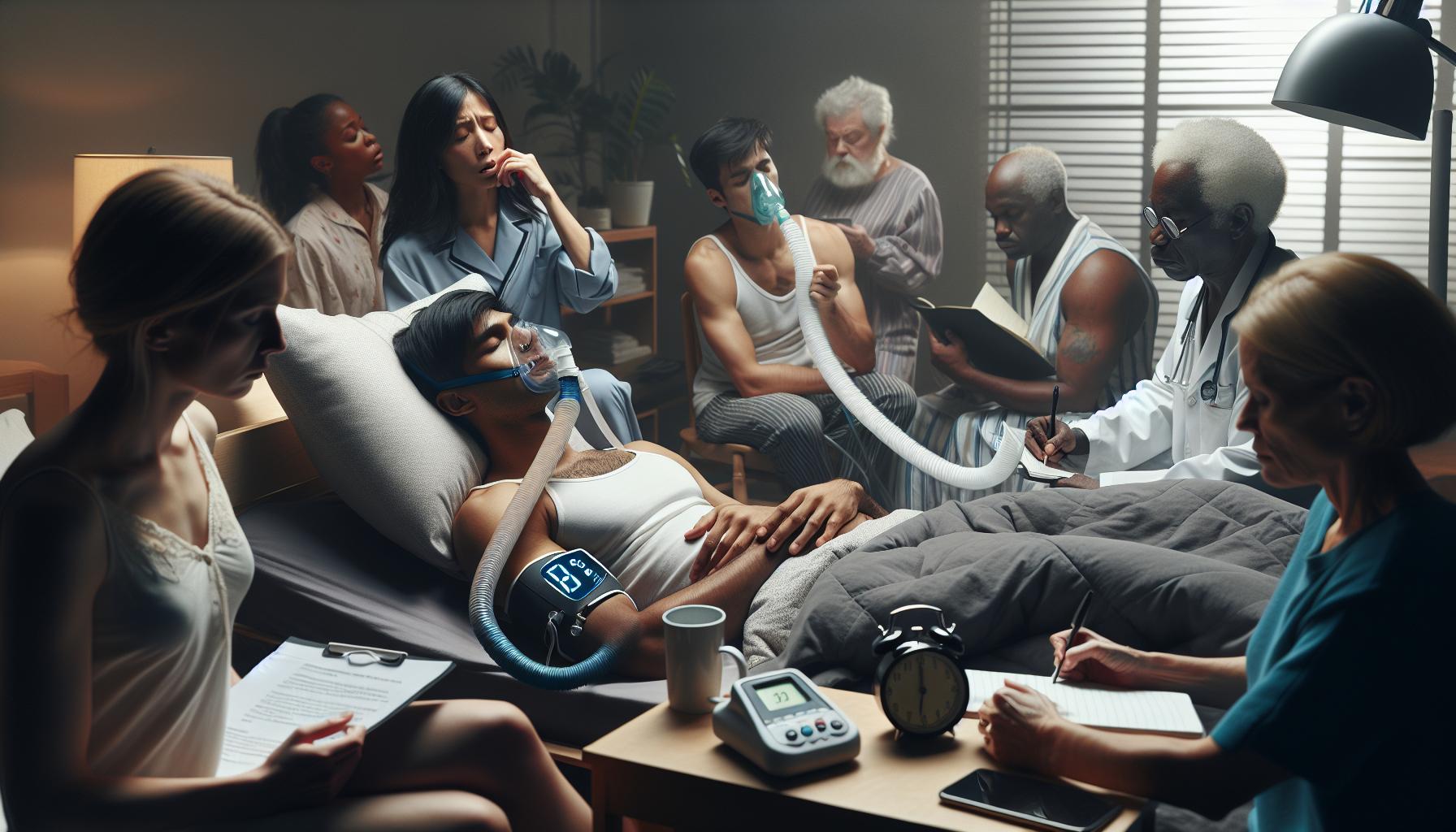
The Role of Self-Assessment in Sleep Health
Understanding your sleep health is crucial, and self-assessment plays a pivotal role in this process. Many individuals overlook subtle sleep issues that could significantly impact their health and daily functioning. A self-assessment enables you to identify potential sleep problems by reflecting on your sleep patterns and daytime behaviors. For instance, if you often feel excessively tired despite getting what seems like a full night’s sleep, this could indicate an underlying condition like sleep apnea or insomnia that requires further evaluation.
One effective tool for self-assessment is the Epworth Sleepiness Scale (ESS), a simple questionnaire that helps determine your likelihood of falling asleep during various daily activities. Scoring over 11 on this scale suggests a potential sleep disorder, prompting a discussion with your healthcare provider. Other self-assessment methods include keeping a sleep diary or using wearable devices that monitor sleep quality and patterns. These approaches can provide valuable insights and help you articulate your concerns to a healthcare professional.
It’s important to recognize that self-assessment is not a substitute for professional diagnosis but serves as a vital first step in understanding your sleep health. Monitoring factors such as snoring, gasping during sleep, or even unusual movements can empower you to seek out necessary interventions. By being proactive and knowledgeable about your sleep habits, you pave the way for improved rest and overall wellness-a crucial aspect of life that too many take for granted. If your self-assessment reveals alarming trends, don’t hesitate to consult a specialist who can guide you through further testing and appropriate treatment options for a better night’s sleep.
Common Sleep Disorders That Require Testing
Many individuals experience sleep troubles, but recognizing when those issues warrant professional testing can be challenging. Understanding common sleep disorders can empower you to seek help when necessary, leading to better sleep and enhanced quality of life. Conditions that commonly require testing include sleep apnea, restless legs syndrome, insomnia, and parasomnias.
Sleep Apnea
This disorder is characterized by repeated interruptions in breathing during sleep, often resulting in loud snoring or periods of gasping. Individuals may experience excessive daytime sleepiness, irritability, or difficulty concentrating. If you suspect you might have sleep apnea, a sleep study called polysomnography can provide crucial data, such as the number of apneic events per hour and oxygen saturation levels. Diagnosing and treating sleep apnea is vital-not just for better sleep, but also for preventing potential health complications like cardiovascular issues.
Restless Legs Syndrome (RLS)
RLS is marked by uncontrollable urges to move the legs, typically occurring in the evening or at night during periods of rest. This compulsion can significantly disturb sleep, making it challenging to fall or stay asleep. If you frequently find relief by moving your legs or pacing, a sleep study might help evaluate your symptoms against other conditions like periodic limb movement disorder, which can occur during sleep.
Insomnia
Many people experience occasional insomnia, but chronic insomnia involves difficulty falling or staying asleep for a prolonged period. Behavioral changes, stress, or anxiety often contribute to insomnia. If self-assessment tools indicate that your insomnia affects your daily functioning, consult a specialist who may recommend a sleep study to rule out underlying conditions that could be interfering with your sleep patterns.
Parasomnias
These sleep disorders include unusual behaviors during sleep, such as sleepwalking, night terrors, or talking during sleep. A sleep study can monitor these behaviors, helping to determine triggers and the best management strategies. If someone in your household frequently witnesses these occurrences, it’s time to investigate further, as parasomnias can have safety implications.
It’s essential not to overlook persistent sleep issues. A proactive approach-informed by personal observations and self-assessment-can lead to valuable insights into your sleep health and prompt discussions with a healthcare provider. Recognizing these common disorders may just illuminate the path toward restful nights.
What to Expect During a Sleep Study
A sleep study can be a pivotal step in uncovering the nature of your sleep problems, and knowing what to expect can help ease any anxiety you might have. When you arrive for your sleep study, typically a polysomnography test, you’ll first be greeted by a technician who will explain the procedure in detail. This interaction can alleviate concerns, allowing you to focus on the process rather than any lingering worries about the unknown.
During the setup phase, electrodes will be placed on your scalp, face, chest, and legs. These sensors are designed to monitor various functions such as brain waves, heart rate, oxygen levels, and muscle activity. Although the attachment of these electrodes may feel slightly uncomfortable, the technician will aim to ensure they are done as smoothly as possible. It’s important to communicate openly and ask questions, as a clear understanding can make a significant difference in your comfort level.
Once you’re wired up, you’ll be guided to a comfortable, darkened room where you’ll spend the night sleeping. The setting is designed to simulate a natural sleep environment, often resembling a cozy hotel room, which can help ease the transition. Throughout the night, your sleep will be monitored, and you may be asked to sleep in different positions to gauge how they affect your breathing or other sleep functions. Rest assured, technicians are nearby, observing your progress via video and audio, ready to assist if any issues arise.
Feel free to bring items that typically help you sleep better, such as your pillow or blanket. Remember, the aim is to gather authentic data about your sleep patterns. After the study, the collected information will be analyzed by a sleep specialist, who will then discuss the results with you. This process may take about one to two weeks, but the insights you gain could be instrumental in deciding on the right treatment or lifestyle changes for better sleep.
By preparing yourself for what lies ahead, you can transform the sleep study experience from a source of anxiety into an opportunity for healing and understanding. A good night’s sleep may just be closer than you think.
Types of Sleep Studies Explained: Home vs. Lab
When it comes to understanding sleep studies, the choice between conducting one at home or in a lab can significantly impact the experience and effectiveness of the diagnosis. Both options are designed to monitor sleep patterns and identify potential disorders, yet they differ in their methodology, environment, and the kind of data collected. Let’s explore the ins and outs of home versus lab sleep studies to help you make an informed decision.
Home Sleep Studies
Home sleep studies, also known as HST (Home Sleep Testing), are designed for convenience. Patients can conduct these studies in their own sleeping environment, which often leads to a more relaxed experience. Equipment provided typically includes a portable monitor that records data such as heart rate, oxygen saturation, airflow, and snoring. This type of study is particularly useful for diagnosing conditions like obstructive sleep apnea (OSA).
However, while home sleep studies are less invasive and can collect essential information, they might not capture the full spectrum of your sleep stages or diagnose complex sleep disorders. The simplicity of the equipment and setting means fewer monitoring parameters compared to a sleep lab. If your healthcare provider suspects a straightforward case of OSA or if you’re already familiar with your sleep patterns, a home study might be the right fit.
Lab Sleep Studies
In contrast, lab sleep studies (polysomnography) provide a comprehensive evaluation of sleep disorders. Conducted in a sleep center, these studies monitor a wide range of physiological parameters throughout the night, including brain waves, eye movement, muscle activity, and respiratory function. By recording this extensive data, specialists can pinpoint various issues such as sleep apnea, sleep paralysis, narcolepsy, and periodic limb movement disorder.
Though lab studies can be more intimidating due to the clinical setting and the attachments of sensors, they yield more detailed insights. This can lead to more accurate diagnoses and tailored treatment plans. If your symptoms are complex, or if you have significant concerns about your sleep quality, a lab study is often the recommended choice.
Comparative Overview
Below is a quick comparison to help you weigh your options:
| Feature | Home Sleep Study | Lab Sleep Study |
|---|---|---|
| Comfort | Familiar environment | Clinical setting |
| Data Collected | Limited parameters | Comprehensive monitoring |
| Cost | Generally lower | Higher, involves more resources |
| Best For | Simpler suspected conditions (e.g., OSA) | Complex sleep disorders |
In conclusion, the choice between a home sleep study and a lab sleep study depends largely on your specific symptoms and the complexity of your sleep issues. Consulting with a sleep specialist can help clarify which option is best suited for your needs, simplifying your journey toward better sleep health.
Interpreting Sleep Study Results: A Simplified Guide
Understanding the results of a sleep study can feel daunting, but breaking it down into simpler concepts makes it more manageable. The primary goal of these studies is to monitor your sleep patterns and any disturbances that occur throughout the night. Typically, the results will include key metrics such as the number of apneas (pauses in breathing), the percentage of total sleep time spent in different sleep stages, and overall sleep efficiency. More specifically, results can reveal whether you have conditions like sleep apnea, narcolepsy, or restless leg syndrome.
Key Metrics Explained
Here are some essential terms and what they mean for your sleep health:
- AHI (Apnea-Hypopnea Index): This metric indicates the number of apneas and hypopneas (partial blockages of the airway) per hour. An AHI of 5 or more is typically considered indicative of sleep apnea.
- Sleep Stages: Sleep is divided into non-REM and REM stages. The percentage of time spent in each stage can help assess the quality of your sleep. A healthy adult generally spends about 20-25% of their sleep in REM.
- Sleep Latency: This measures how long it takes you to fall asleep. Excessive sleep latency might suggest issues like insomnia.
- Oxygen Desaturation: If your blood oxygen levels drop below a certain point during sleep, it can indicate breathing problems, often related to sleep apnea.
What to Expect in Your Results
After a sleep study, your healthcare provider will review the collected data to check for signs of sleep disorders or abnormal patterns. You’ll receive a comprehensive report summarizing findings along with recommendations for treatment. Understanding these results is crucial, as it can help guide decisions on therapies, lifestyle changes, or further tests.
In addition, it’s beneficial to follow up with your doctor to discuss the implications of your results. They can clarify what metrics matter the most for your health and help you navigate any treatment options, making sure your concerns and questions are thoroughly addressed. If necessary, they can also outline the next steps, whether that involves adjustments in lifestyle, treatment with CPAP for apnea, or other interventions to improve your overall sleep health. Being informed and proactive about your sleep study results is a positive step toward better sleep and well-being.
Popular Wearable Devices for Sleep Tracking
Wearable devices for sleep tracking have transformed how we understand our own sleep quality and patterns. These gadgets range from smartwatches to specialized sleep monitors, and many offer insights that can help you make informed decisions about whether you might need a sleep study. Generally, they measure factors like sleep duration, sleep stages (light, deep, and REM), and even interruptions, providing a personalized sleep profile.
Among the most popular devices are fitness trackers and smartwatches such as the Fitbit Charge series and the Apple Watch. These devices often utilize accelerometers to gauge movement throughout the night, giving an estimate of sleep quality. More advanced options, like the Oura Ring and the WHOOP strap, provide deeper insights, including heart rate variability and skin temperature fluctuations, which can indicate stress or recovery needs. Keep in mind, however, that while these wearables can highlight potential sleep issues, they are not a substitute for clinical evaluations and should be used as an initial self-assessment tool.
Key Features to Consider
When choosing a wearable, consider the following features that can enhance your sleep tracking experience:
- Heart Rate Monitoring: Continuous heart rate tracking can provide insights into your overall health and stress levels.
- Sleep Stage Breakdown: Some devices offer detailed analyses of the different sleep stages, which can help you understand overall sleep architecture.
- Battery Life: Opt for a device with a long battery life, so you don’t have to worry about charging it frequently, especially during the night.
- Comfort: A more comfortable device can ensure you wear it every night, leading to better data collection.
Limitations to Keep in Mind
While wearables are convenient, they come with limitations. They may not always accurately capture data like polysomnography (the gold standard for sleep studies) and can sometimes misinterpret data, such as mistaking restlessness for wakefulness. It’s essential to complement this data with professional advice, especially if your self-assessments reveal patterns that might indicate a sleep disorder, such as sleep apnea or restless leg syndrome. If you find consistent issues, consulting a sleep specialist may be the next best step.
In summary, wearable devices can serve as a valuable first step in understanding your sleep health, empowering you with insights that can inform whether to pursue further clinical assessment or make lifestyle changes for better sleep quality.
How to Choose the Right Sleep Study for You
Choosing the right sleep study involves understanding your specific sleep concerns and the options available to investigate them. With the increasing prevalence of sleep disorders, having clarity on what type of sleep study you’ll need can make a significant difference in diagnosing and treating your issues effectively.
The primary types of sleep studies include polysomnography (PSG), home sleep apnea testing (HSAT), and actigraphy monitoring. Polysomnography is considered the gold standard for diagnosing various sleep disorders, including sleep apnea, narcolepsy, and REM sleep disorders. This comprehensive study is typically performed in a sleep lab and provides detailed recordings of brain waves, oxygen levels, heart rate, and breathing, as well as eye and leg movements. If you have complex symptoms or multiple concerns, a PSG may be the best choice.
On the other hand, home sleep apnea testing is a more accessible and convenient option for individuals suspected of having sleep apnea. This test can be done in the comfort of your home, using portable devices that monitor your breathing and oxygen levels while you sleep. If you’ve already identified specific patterns, like frequent snoring or gasping for air during the night, HSAT could be a cost-effective first step.
Factors to Consider
When choosing the right sleep study, here are a few factors to keep in mind:
- Symptoms: Your specific symptoms should guide your choice. For instance, if you experience significant daytime sleepiness, consider a PSG for a thorough evaluation.
- Insurance Coverage: Check with your insurance provider about coverage for both in-lab and home sleep studies. Some plans may only cover one type.
- Comfort Level: If you’re anxious about sleeping in a lab, a home test might feel less daunting.
- Cost: Typically, in-lab studies are more expensive than home tests, so consider your budget.
It’s essential to consult a healthcare professional who can help guide you in selecting the most appropriate study based on your unique needs and health history. Gathering as much information as possible about your sleep patterns and any previous self-assessment results will empower you to make an informed decision. By understanding your options and collaborating with experts, you can take significant steps toward better sleep health, paving the way for more restful nights ahead.
Insurance Coverage for Sleep Studies: What to Know
Navigating the complexities of health insurance coverage can be daunting, especially when considering a sleep study. Many people suffering from sleep disorders may hesitate to get the help they need due to concerns about the cost associated with such tests. The good news is that a significant number of health insurance plans-including Medicare and Medicaid-often cover the full or a substantial portion of the costs related to sleep studies, making it accessible for many individuals seeking diagnosis and treatment.[2]
Generally, coverage may vary depending on specifics such as the type of sleep study (in-lab polysomnography versus home sleep apnea testing), the insurance provider, and whether a healthcare professional has deemed the study medically necessary. To secure reimbursement, it’s crucial to obtain a referral from your doctor to a sleep disorder center, which is a requirement for many insurance plans, including TRICARE[3]. Therefore, if you suspect a sleep disorder, discuss your symptoms with your healthcare provider and understand the steps for getting the necessary referrals.
Here are some tips to help you navigate insurance coverage for sleep studies:
- Review your benefits: Start by calling your insurance provider or checking your benefits handbook to understand what types of sleep studies are covered.
- Document your symptoms: Keep a detailed log of your sleep patterns, daytime fatigue, and any other relevant symptoms that could support your case for testing.
- Contact the sleep center: Ask the sleep center directly about potential insurance integrations, as they often have staff who can assist in navigating insurance claims and pre-authorizations.
- Consider your financial options: If costs are an issue, inquire about payment plans or financing options that could ease the burden if your insurance does not cover the full cost.
By taking the time to understand your insurance coverage and being proactive in your healthcare, you can alleviate some of the anxiety surrounding the decision to undergo a sleep study. Ultimately, addressing sleep issues sooner rather than later can lead to improved overall health and quality of life.
Tips for Overcoming Anxiety Before a Sleep Study
Feeling anxious about an upcoming sleep study is completely normal. Many people worry about the unknown aspects of the procedure, such as the environment, the tests that will be done, and how they will feel during the study. However, being informed and prepared can significantly lower that anxiety, allowing you to focus on what matters most: your health. Here are some practical tips to help you cope with those nerves before the big night.
First, familiarize yourself with the sleep study process. Understanding what to expect can ease your mind significantly. Most sleep studies involve monitoring your brain waves, heart rate, breathing, and movements while you sleep, either in a lab or at home. If you’re going to a sleep center, it might help to visit the facility beforehand to see where you’ll be spending the night. Meeting the staff and asking questions can demystify the experience and provide a sense of comfort. For at-home tests, ensure you watch any instructional videos provided to understand how to set up the equipment correctly.
Additionally, consider practicing relaxation techniques leading up to the study. Activities such as deep breathing, meditation, or light yoga can help reduce overall stress levels. Some people find that keeping a bedtime routine that relaxes them before sleep can improve their feeling of control. This routine could include reading, listening to calming music, or even journaling about any concerns you have.
Lastly, don’t hesitate to reach out to your healthcare provider with any lingering questions or fears. Having a supportive conversation can provide clarity on what’s normal and help you feel more confident about moving forward with the study. Remember, this test is a crucial step in addressing your sleep health, and taking proactive steps to manage your anxiety shows strength in your journey toward better sleep.
When to Consult a Sleep Specialist
Recognizing can be a pivotal step in addressing ongoing sleep issues. If you’re experiencing persistent sleep disturbances such as insomnia, loud snoring, or unusual behaviors during sleep (like sleepwalking or night terrors), these may signal that professional guidance is needed. A sleep specialist can conduct thorough evaluations to determine if a sleep study is necessary.
Common signs that indicate a need for a consultation include:
- Chronic Fatigue: If you find yourself feeling excessively tired during the day despite what feels like a full night’s sleep, it may be time to seek professional help.
- Difficulty Concentrating: Trouble focusing or maintaining attention can often be linked to inadequate sleep quality.
- Witnessed Apneas: If someone has observed you stop breathing during sleep, this could be a symptom of sleep apnea-a condition requiring immediate attention.
- Persistent Restlessness: Frequent tossing and turning at night is often a sign of deeper issues that a specialist can help address.
When consulting a sleep specialist, you can expect a comprehensive evaluation that may include a physical examination and a detailed sleep history. They may recommend a sleep study-either in a lab or at home-to monitor your sleep stages and physiology, which can help diagnose conditions like sleep apnea, restless legs syndrome, or narcolepsy. This diagnostic process allows the specialist to tailor a treatment plan that best suits your needs, making it an essential step for anyone struggling with ongoing sleep challenges.
By taking the step to consult a specialist, you’re not just addressing your sleep issues but investing in your overall health and well-being. Getting to the root of your sleep problems can lead to significant improvements in your daytime functioning and quality of life.
Faq
Q: How can I assess my need for a sleep study at home?
A: To assess your need for a sleep study at home, keep a sleep diary tracking your sleep patterns, duration, and any disturbances. Look for symptoms like excessive daytime sleepiness, loud snoring, or pauses in breathing at night. Consider using a sleep tracking app or device for more data.
Q: What common symptoms indicate I might need a sleep study?
A: Common symptoms indicating a potential need for a sleep study include persistent fatigue, difficulty concentrating, frequent awakenings, snoring, and gasping for breath during sleep. Recognizing these signs can help you determine if consulting a sleep specialist is necessary.
Q: When should I consult a doctor about sleep issues?
A: Consult a doctor about sleep issues if your sleep disturbances persist for more than a month, significantly impact your daily life or you experience symptoms like severe snoring or breathing irregularities. Early intervention can lead to better sleep health outcomes.
Q: What lifestyle changes can help improve my sleep quality?
A: To improve sleep quality, establish a regular sleep schedule, create a comfortable sleeping environment, limit screen time before bed, and avoid caffeine or heavy meals in the evening. These changes can enhance your overall sleep health and may decrease the need for a sleep study.
Q: How do sleep trackers compare to professional sleep studies?
A: Sleep trackers offer convenience and basic data on your sleep patterns, but they lack the comprehensive analysis of a professional sleep study, which can diagnose conditions like sleep apnea. For accurate diagnosis, a sleep study is recommended, especially if symptoms are severe.
Q: Why is it important to identify sleep disorders early?
A: Early identification of sleep disorders is crucial because untreated conditions can lead to serious health issues such as heart disease, obesity, and diabetes. Addressing sleep problems promptly can improve overall health and quality of life.
Q: What should I do if I have anxiety about undergoing a sleep study?
A: If anxiety about a sleep study arises, talk to your doctor or sleep specialist beforehand. They can provide details on what to expect, help you prepare mentally, and suggest relaxation techniques to ease your worries about the procedure.
Q: Can children also require sleep studies, and what are the signs?
A: Yes, children can also require sleep studies if they exhibit signs such as loud snoring, bedwetting, or excessive daytime sleepiness. If these symptoms are present, it’s important to consult a pediatrician for assessment and possible referral to a sleep specialist.
In Summary
As you reflect on whether a sleep study is right for you, remember that understanding your sleep patterns can significantly improve your overall health and well-being. Don’t let uncertainties hold you back-consider taking the next step toward restful nights and energized days. Explore our comprehensive guides on sleep disorders and home sleep testing options to empower yourself with knowledge. If you’re still unsure, consider scheduling a consultation to discuss your specific concerns.
For more resources, check out our articles on the benefits of sleep trackers and practical tips for navigating insurance for sleep studies. By staying informed, you can make confident choices about your sleep health. Join our newsletter for ongoing insights or share your thoughts in the comments below! Your journey to better sleep starts now-let’s take that journey together for a brighter, more rested future!
Get our latest guides, news, and insights highlighted in your Google Search & AI Overviews.