
Did you know that about 70 million Americans suffer from sleep disorders, with many turning to at-home sleep studies as a convenient solution? Understanding how accurate these tests are is crucial for anyone concerned about sleep apnea or other sleep issues. But with the comfort of testing at home comes questions about reliability and precision. Are these devices capable of providing the same level of detail as traditional sleep studies conducted in a lab? In this article, we will explore the accuracy of at-home sleep studies, debunk common myths, and help you make an informed decision about your sleep health. Whether you’re curious about the technology behind sleep testing or just want to know what to expect from the testing process, we’ve got you covered. Keep reading to discover the truth about at-home sleep studies and their role in diagnosing sleep disorders effectively.
How Accurate Are At-Home Sleep Studies?
At-home sleep studies have revolutionized the way we approach sleep disorders, offering a convenient option for those who may be reluctant to spend a night in a sleep lab. But how accurate are these studies compared to traditional in-lab evaluations? When conducted correctly, at-home sleep tests are regarded as effective for diagnosing obstructive sleep apnea (OSA) and can yield fairly reliable results. However, it’s essential to understand their limitations and the nuances involved.
One of the primary reasons why home tests are increasingly popular is their ability to provide insights into a person’s sleep patterns without the stress and discomfort of an unfamiliar environment. However, the data captured during an at-home study is not as comprehensive as that obtained through a polysomnography conducted in a lab. For instance, while home tests typically monitor respiratory effort, oxygen levels, and heart rate, they may not account for other factors like sleep stage, which are crucial in diagnosing issues like central sleep apnea or narcolepsy. According to research, the accuracy of a home study largely depends on the quality of the device used and the specific parameters being measured [2[2].
In terms of the numbers, studies suggest that high-quality at-home sleep tests achieve a specificity rate that can be comparable to that of in-lab diagnostics for OSA. Nonetheless, false negatives can occur, and it is not uncommon for healthcare providers to recommend follow-up testing or an in-lab study, especially if the home test results are ambiguous or if symptoms persist. The inconsistency in results underscores the importance of having a detailed discussion with your healthcare provider to interpret results correctly and determine the appropriate next steps in your sleep health journey [1[1].
To get the most accurate readings from a home sleep study, it’s crucial to ensure proper setup and use of the equipment. Many patients who have successfully navigated at-home testing emphasize the importance of following instructions carefully and reporting any irregularities during the testing process to their healthcare provider. In summary, while at-home sleep studies can provide valuable insights, they should be viewed as one part of a broader diagnostic strategy, particularly for more complex sleep issues.
Understanding At-Home Sleep Study Technology
At-home sleep studies utilize advanced technology to provide insights into your sleep patterns from the comfort of your own bed. These studies often rely on portable devices designed specifically to track physiological parameters pertinent to sleep disorders, primarily obstructive sleep apnea (OSA). The technology used typically includes sensors that monitor your heart rate, oxygen levels, and respiratory effort throughout the night. Some devices may also offer additional features like actigraphy, which measures movements to infer sleep-wake cycles.
The appeal of at-home sleep study technology lies in its convenience and simplicity. Most devices are user-friendly, allowing individuals with varying levels of tech-savviness to operate them without difficulty. Before starting the study, patients receive clear instructions on how to set up the equipment. This step is critical, as proper placement of sensors ensures accurate data collection. Here are some common components found in these devices:
- Pulse Oximeter: Measures blood oxygen levels to assess if breathing is interrupted during sleep.
- Respiratory Belt: Monitors thoracic and abdominal movements to gauge breathing patterns.
- Heart Rate Monitor: Tracks heart rate variability as a potential indicator of sleep disruptions.
While these technologies are effective, it’s vital to acknowledge their limitations. At-home studies generally do not provide the same comprehensive data as polysomnography conducted in a sleep lab, where a broader range of factors-including brain activity and sleep stages-can be assessed. Thus, understanding what the device captures is key to interpreting results accurately.
Many patients find the idea of sleeping in a lab intimidating, which often leads to anxiety about their sleep issues. At-home studies alleviate much of this pressure, allowing individuals to rest in their regular environment. However, they should be viewed as a preliminary step. If results from an at-home test suggest severe sleep apnea or if symptoms persist, healthcare providers may still recommend a follow-up lab sleep study for a more detailed analysis. This balanced approach ensures that while the convenience of technology is leveraged, the patient’s health and well-being remain the priority.
Key Differences Between Home and Lab Sleep Studies
At-home sleep studies offer an appealing alternative to traditional in-lab assessments, providing patients the chance to evaluate their sleep in a familiar environment. However, significant differences exist between these two methods that can affect the accuracy and comprehensiveness of the results. One major distinction lies in the scope of data collected. While at-home studies generally focus on monitoring key parameters like airflow, blood oxygen levels, and heart rate, they lack the detailed neurological insights obtained through polysomnography in a sleep lab, which captures brain activity and various sleep stages.
In a lab setting, sleep specialists can monitor patients using a wide array of sensors, including electroencephalograms (EEGs) that track brain waves, which adds a layer of depth to the diagnosis of sleep disorders. The controlled environment of a sleep lab also minimizes external variables-such as ambient noise or temperature fluctuations-that could impact sleep quality and study results. This means that results from lab studies tend to portray a more accurate picture of a person’s sleep health, particularly for complex conditions beyond obstructive sleep apnea.
In contrast, home sleep tests provide convenience and affordability. Many patients prefer the comfort of their own bed over a clinical setting. The setup process is user-friendly, often involving just a few easy-to-follow instructions. However, the accuracy of at-home studies may be influenced by how well the sensors are applied. For instance, if a pulse oximeter is not securely positioned, it may yield inaccurate readings of blood oxygen levels. Also, since at-home tests typically focus on respiratory behaviors, they may miss nuanced issues related to sleep architecture that a lab study could catch.
Ultimately, choosing between an at-home or lab study should take into account personal comfort, the complexity of symptoms, and the specific information needed. If initial at-home tests indicate potential issues, follow-up lab studies are often recommended to ensure a comprehensive evaluation and appropriate treatment plan. Balancing convenience with the need for thoroughness can help individuals make informed decisions about their sleep health.
What to Expect From an At-Home Sleep Study
At-home sleep studies offer a practical and less intimidating approach for those looking to understand their sleep patterns. Many people find it easier to relax in their own bed rather than a clinical setting, which can sometimes heighten anxiety and affect sleep quality. When participating in an at-home sleep study, patients can expect a straightforward process that generally requires only a few hours to prepare.
Typically, you will receive a device that records crucial data related to your sleep, such as heart rate, airflow, and blood oxygen levels. Most devices are user-friendly, allowing you to set up the equipment with minimal guidance. You may be asked to wear sensors on your finger to measure oxygen levels and a belt around your chest to monitor breathing patterns. While this setup is easier compared to traditional methods, ensure that everything is fitted correctly to avoid inaccurate readings.
As you prepare for bed, consider creating a sleep-friendly environment. Dimming lights, minimizing noise, and ensuring a comfortable temperature can all contribute to a better sleep experience. During the night, the device will collect data, but it’s essential to remember that distractions, like nighttime awakenings or restlessness, can influence results. The study typically lasts an entire night, and you will awaken with the device still attached, which may take some getting used to.
Once the study is complete, the data collected will be analyzed by a healthcare professional who will look for indicators of sleep apnea or other sleep disorders. While home sleep studies are effective for detecting conditions such as obstructive sleep apnea, they may miss finer details about your sleep architecture-like the various stages of sleep-since they do not monitor brain activity. If results raise concerns, follow-up consultations or in-lab studies may be recommended for further evaluation. Balancing the convenience of an at-home test with the need for comprehensive insights will help you make informed decisions about your sleep health.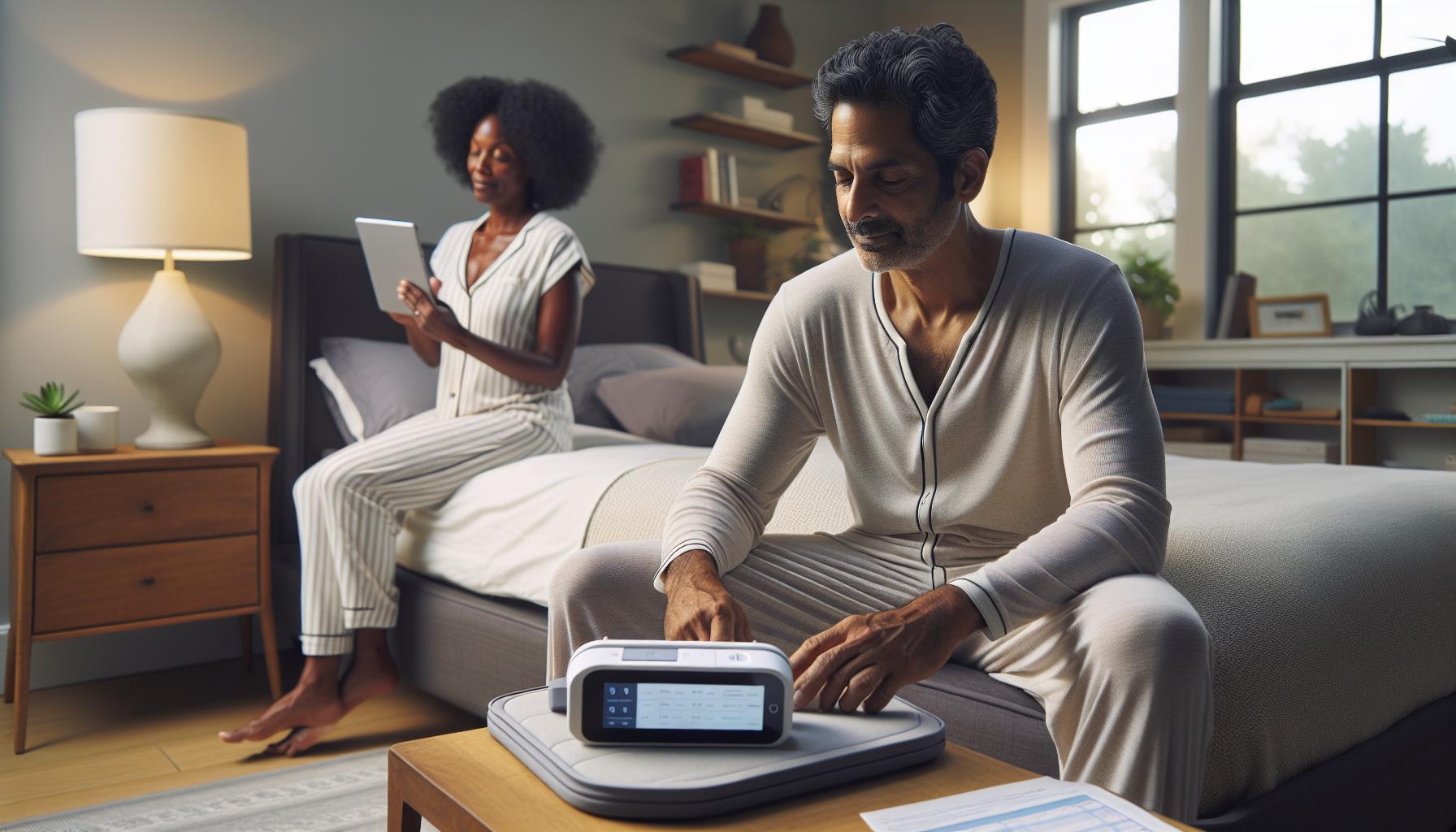
Benefits of At-Home Sleep Studies for Patients
At-home sleep studies have emerged as a game-changer in the quest for understanding sleep disorders, especially for those who may feel anxious about traditional lab-based testing. These studies provide a convenient and comfortable option, allowing individuals to collect sleep data in their own familiar environment-typically, their own bed. This unique setting not only helps alleviate stress but often leads to more natural sleep patterns, resulting in potentially more accurate data collection.
One of the primary benefits of at-home sleep studies is their accessibility and affordability compared to in-lab testing. For many, the thought of spending a night in a sleep lab is daunting. Patients can conduct their tests without the pressure of clinical observation, often resulting in a more restful night’s sleep. Additionally, at-home sleep studies usually cost significantly less, making them an appealing alternative for those without detailed insurance coverage.
Moreover, these studies are particularly effective at detecting obstructive sleep apnea (OSA), which is a significant concern for those experiencing excessive daytime sleepiness, loud snoring, or observed episodes of breathing cessation during sleep. While an at-home study may not capture every nuance of sleep architecture compared to a polysomnography in a lab, they can still provide crucial insights. Patients wanting to monitor these specific sleep patterns can use wearable devices that complement the home study data, providing a fuller picture over time.
In summary, at-home sleep studies empower patients with a straightforward way to evaluate their sleep health. They not only reduce anxiety and logistical challenges associated with traditional testing but also serve as a cost-effective solution for many. With the right preparation and understanding of the study’s purpose, at-home testing can be a valuable tool in the journey toward better sleep health.
Common Limitations of Home Sleep Testing
At-home sleep testing offers convenience and affordability, but it’s essential to be aware of its limitations to set realistic expectations. While these tests excel in identifying obstructive sleep apnea (OSA), they may not provide comprehensive insights into the myriad of other sleep disorders. Unlike the detailed polysomnography performed in clinical settings, which examines multiple aspects of sleep including brain waves, eye movements, and muscle activity, at-home tests primarily focus on breathing patterns and oxygen levels. This means other potential issues such as restless leg syndrome or REM sleep behavior disorder might be overlooked, leaving some patients with unresolved questions about their sleep health.
Another significant consideration is the variability of data collection methods. At-home tests often rely on simplified equipment, which may not capture the precise nuances of sleep architecture. For example, many devices do not measure brain activity or sleep stages, which are vital for a thorough understanding of sleep quality. Instead, these tests typically utilize respiratory monitors that track airflow and oxygen saturation. This limitation can result in false negatives, particularly if individuals experience milder forms of sleep apnea that don’t sufficiently disrupt breathing patterns.
Additionally, patient compliance plays a crucial role in the accuracy of the results. An at-home sleep study requires the participant to properly set up and use the device. Misplacing sensors or failing to use the equipment as directed can lead to poor quality data. With the absence of trained professionals present, as in a lab setting, the risk of user error increases significantly. Patients must ensure they follow all instructions thoroughly, which may add an extra layer of anxiety during what is meant to be a straightforward evaluation.
Costs, while often lower compared to in-lab studies, can still pose a barrier for some. Though insurance may cover part of the expenses, not all at-home tests are equal, and the price can fluctuate depending on the technology used. Patients should inquire about coverage specifics and consider budget impacts when deciding on sleep studies.
Finally, it is crucial to interpret the results accurately. Many individuals may misinterpret their findings, thinking a negative result means they don’t have a sleep disorder at all. It’s essential to consult a healthcare professional for a thorough evaluation of test results and to discuss any persistent symptoms. Understanding these limitations will empower you to make informed choices about your sleep health and the best path forward.
Accuracy of Home Sleep Studies: What Research Says
The effectiveness of home sleep studies in diagnosing obstructive sleep apnea (OSA) and other sleep disorders is a topic of ongoing research and discussion. According to various studies, at-home testing has shown a reasonable degree of accuracy when it comes to identifying moderate to severe cases of OSA. For instance, research indicates that these tests can successfully detect OSA in about 80-95% of patients when compared to traditional polysomnography (PSG). However, this accuracy can fluctuate based on factors such as the device used and the specific patient population being tested.
One significant advantage of home sleep tests is their ability to capture essential data like airflow, oxygen saturation, and heart rate while the patient sleeps in their own environment. This can lead to more natural and thus potentially more accurate results. However, the simplicity of the at-home setup means nuances of sleep, such as sleep stages and the presence of other sleep disorders (e.g., periodic limb movement disorder), are often overlooked. This is a crucial consideration, as a home sleep study may not provide a comprehensive picture of an individual’s sleep health.
- Device Limitations: Many home devices focus primarily on breathing and may miss important signs of other sleep disorders.
- User Compliance: Success is heavily reliant on users following setup instructions carefully; errors can lead to misleading results.
- Population Variability: The effectiveness of home sleep studies can vary among different populations; certain demographic factors may influence test accuracy.
Ultimately, while at-home sleep studies can be a convenient and effective initial diagnostic tool for OSA, it’s essential for patients to be aware of their limitations. The use of home testing should ideally be complemented by follow-up consultations with healthcare professionals to decipher results and determine if further testing is needed. As with any health assessment, understanding both the strengths and constraints of the testing method will empower consumers to make informed decisions regarding their sleep health.
How to Set Up Your At-Home Sleep Study
Setting up your at-home sleep study is a straightforward process, but attention to detail is crucial for obtaining reliable results. To maximize the accuracy of your sleep study, follow these essential steps to ensure each component is in place, and the device functions as intended.
First, read all provided instructions carefully. Home sleep study devices generally come with a user manual that outlines setup procedures, including how to attach sensors correctly. A typical setup often involves placing a snore microphone near your mouth, a pulse oximeter on your finger for measuring blood oxygen levels, and sensors that monitor airflow through your breathing passages. Here’s a quick checklist for preparing your environment and the device:
- Prepare Your Sleep Environment: Ensure your bedroom is conducive to sleep-dark, quiet, and at a comfortable temperature. Avoid consuming caffeine or large meals before bedtime.
- Assemble the Device: Follow the instructions to correctly attach all sensors and make sure the device is charged (if applicable). Test all components to verify they are working properly.
- Wear the Equipment: Follow the specific instructions regarding how to wear the device. Comfort is key; if the setup feels awkward, make adjustments to ensure you can sleep normally.
- Document Any Concerns: Keep a note of any unusual symptoms leading up to the study or concerns about the setup, as they can be important for interpretation of the results.
On the night of the study, it’s important to go about your usual bedtime routine as much as possible. This means engaging in calming activities and going to bed at your regular time to promote natural sleep patterns. If you find yourself feeling anxious about the study, remind yourself that many users find sleeping with the device becomes easier once they settle in.
Finally, be prepared to capture the results by ensuring the device is functioning throughout the night. Some devices will automatically stop recording if they detach, so practicing putting them on beforehand can help. If you wake up during the night, try to avoid removing the equipment. After your sleep study, return the device as directed and discuss the findings with your healthcare provider to understand what your results indicate about your sleep health. By following these steps, you enhance the likelihood of obtaining meaningful data that accurately reflects your sleep patterns.
Tips for Ensuring Reliable Sleep Data
To improve the reliability of data collected during your at-home sleep study, several key considerations can streamline the experience and enhance accuracy. First and foremost, environmental factors play a significant role in sleep quality. Aim to set up your sleep environment to be as comfortable as possible. This means a dark, quiet room at a comfortable temperature, as distractions can impact your sleep quality and, consequently, the study results. Avoid stimulants such as caffeine or heavy meals prior to your testing night to help maintain a natural sleep cycle.
When you receive your sleep study device, it’s crucial to thoroughly read the user manual. This document will guide you through proper setup and sensor attachment, which are vital for collecting accurate data. A typical home sleep study device includes sensors for tracking breathing patterns, oxygen levels, and heart rate. Make sure to double-check that all sensors are securely attached, as any disconnections could lead to data loss. For instance, placing the pulse oximeter correctly can ensure that blood oxygen levels are monitored effectively.
Practicing with the device before the study can also significantly reduce anxiety and help you feel more comfortable. Familiarize yourself with wearing it for short periods leading up to the actual test night. If you encounter any discomfort, experiment with slight adjustments to improve fit without compromising sensor placement. Additionally, it helps to document any unusual symptoms or behaviors leading up to your sleep study. Such notes can be beneficial when interpreting results with your healthcare provider.
Lastly, preparing for a natural night of sleep can further enhance data quality. Follow your usual bedtime routine and try to maintain normal sleep patterns. Engaging in calming activities before bed can ease pre-study jitters. Be mindful that some devices may pause recording if they become detached, so take care to ensure everything stays in place throughout the night. By following these tips, you will help guarantee that the data collected during your at-home sleep study accurately reflects your sleep health.
Interpreting Your At-Home Sleep Study Results
Interpreting the results of your at-home sleep study can feel daunting, but understanding the key metrics is crucial for assessing your sleep health. Each home sleep monitoring device typically measures various parameters such as sleep duration, total sleep time, number of apneas (pauses in breathing), oxygen saturation levels, and heart rate. By familiarizing yourself with these elements, you can gain insights into your sleep patterns and overall well-being.
First, pay attention to the apnea-hypopnea index (AHI), which indicates how many apneas or hypopneas (episodes of shallow breathing) you experience per hour of sleep. A higher AHI can signal obstructive sleep apnea, a condition that often requires medical attention. The device also records oxygen saturation, marked as SpO2. Healthy levels usually range from 95% to 100%, and drops below 90% might warrant further discussion with a healthcare professional.
As you sift through your results, it’s vital to consider the context in which the data was collected. Factors like stress, medications, and environmental disturbances can influence your sleep quality on that particular night. If your test reveals abnormalities, don’t hesitate to track any symptoms you may have, such as excessive daytime sleepiness or snoring, as these details can provide important context for your healthcare provider.
Finally, while at-home tests offer significant value, they are not infallible. Consider using them as a preliminary assessment rather than a definitive diagnosis. For many individuals, these tests can be the first step toward receiving more comprehensive evaluations and treatments if needed. If you find yourself puzzled by the results or if your readings suggest potential sleep disorders, it’s advisable to consult with a sleep specialist who can guide you through the next steps for evaluation and treatment.
Sleep Disorders Diagnosed by At-Home Tests
Many individuals are unaware that at-home sleep studies can be an effective tool for diagnosing a variety of sleep disorders. These tests offer a convenient and non-intrusive way to monitor critical sleep metrics right from the comfort of your own bed. Some of the primary sleep disorders that can be evaluated through such tests include obstructive sleep apnea (OSA), central sleep apnea, and sleep-related hypoventilation. Understanding these conditions can empower you in your journey towards better sleep health.
Obstructive Sleep Apnea (OSA)
OSA is one of the most common sleep disorders identified through at-home testing. This condition occurs when the muscles in the throat relax excessively during sleep, leading to blocked airways and interrupted breathing. The home sleep testing devices measure metrics like airflow and apnea-hypopnea index (AHI), helping to quantify the severity of the condition. A high AHI indicates more frequent apneas, which can disrupt normal sleep patterns and lead to excessive daytime fatigue.
Central Sleep Apnea
Less common but equally concerning, central sleep apnea occurs when the brain fails to send proper signals to the muscles that control breathing. At-home tests can effectively capture data about breathing patterns, oxygen levels, and heart rate, aiding in the recognition of this condition. Diagnosis via at-home testing may be less definitive, but it provides valuable initial insights that can be confirmed through further medical evaluation.
Sleep-Related Hypoventilation
This disorder is characterized by reduced airflow due to impaired breathing during sleep, often leading to decreased oxygen levels. Home sleep studies can monitor blood oxygen saturation and ventilation metrics, allowing for an assessment of potential hypoventilation issues. Recognizing this condition early can help avert associated health risks, such as cardiovascular problems.
Overall, at-home sleep studies are an accessible first step in diagnosing sleep disorders. While they may not replace comprehensive lab testing, they lay the groundwork for understanding your sleep health and determining whether further evaluation is required. If you suspect you have a sleep disorder, consider leveraging an at-home sleep study as a practical starting point to better understand your sleep patterns.
When to Consult a Doctor After Testing
It’s essential to know when to seek further medical advice after completing an at-home sleep study, especially given the complexities of sleep disorders. If your home sleep study reveals symptoms like excessive daytime sleepiness, loud snoring, or night-time gasping, it’s a clear indication to consult with a doctor. These signs could point to conditions such as obstructive sleep apnea (OSA), which warrants a thorough evaluation.
After reviewing your at-home sleep study results, consider making an appointment with your healthcare provider for an in-depth analysis. They can help interpret the data, particularly if the results are inconclusive or if you experience significant discomfort or health issues related to your sleep. Your doctor may recommend additional testing or refer you to a sleep specialist for comprehensive assessments.
In some cases, the results from home sleep studies can lead to immediate concerns. If the study indicates severe respiratory disturbances or significant drops in oxygen levels, contact a healthcare professional promptly. Early intervention can be critical in preventing long-term health complications.
Lastly, if you find any discrepancies or unexpected results, or if you continue experiencing unexplained sleep issues, don’t hesitate to reach out for professional advice. Sleep health is vital, and understanding your individual needs and treatment options can significantly improve your quality of life.
Frequently Asked Questions
Q: How accurate are at-home sleep studies compared to lab tests?
A: At-home sleep studies are generally less comprehensive than lab tests but can still provide accurate diagnoses for conditions like obstructive sleep apnea (OSA). They rely on fewer sensors and may miss complex sleep disorders. For robust evaluation, consider discussing results with your healthcare provider and possibly following up with a lab study.
Q: What factors can affect the accuracy of an at-home sleep study?
A: Several factors can influence the accuracy, including user error in setting up the device, external noise disturbances, or incorrect device calibration. To improve reliability, ensure you follow the setup procedures precisely and create a sleep-conducive environment.
Q: Can at-home sleep studies diagnose all sleep disorders?
A: No, at-home sleep studies primarily focus on diagnosing conditions like OSA. Complex disorders such as narcolepsy or restless leg syndrome may require a more detailed lab-based evaluation. Always consult a sleep specialist if you suspect multiple sleep disorders.
Q: How can I ensure the best results from my at-home sleep study?
A: To achieve the most accurate results, follow all preparation guidelines, maintain a consistent sleep schedule, and limit alcohol and caffeine before the test. Creating a quiet and comfortable sleeping environment can also help improve data quality.
Q: How do I interpret the results of my at-home sleep study?
A: Interpreting results can vary, but typically, high apnea-hypopnea indices indicate OSA. Consult your healthcare provider for a complete understanding of your results, as they can provide insight on significance and potential treatment options.
Q: Are at-home sleep studies safe?
A: Yes, at-home sleep studies are considered safe for most individuals. They are non-invasive and allow for testing in the comfort of your home. However, if you have other health conditions or concerns, discussing the suitability with a doctor is advisable.
Q: What should I do if my at-home sleep study results indicate a problem?
A: If your results suggest a sleep disorder, the next step is to consult with a healthcare professional. They will help you interpret the findings and may recommend treatment options, lifestyle changes, or further testing if necessary.
Q: How long does it take to receive results from an at-home sleep study?
A: Typically, it takes about 1-2 weeks to receive results from an at-home sleep study, depending on the provider and their processing time. Keep in touch with your healthcare provider for updates and next steps after testing.
Key Takeaways
As you consider the accuracy of at-home sleep studies, remember that they can provide valuable insights into your sleep health. We’ve explored how these tests stack up against traditional polysomnography and how technology is reshaping sleep diagnostics. If you’re curious about the costs and what to expect, don’t hesitate to check out our detailed guides on sleep studies and wearables.
Take action now-understanding your sleep is crucial for overall well-being. If you have lingering questions about sleep disorders or the setup process, consult our resources for tailored advice. Join our community by signing up for our newsletter and stay informed on the latest in sleep health innovations. Your path to better sleep starts today-let’s explore it together!
Get our latest guides, news, and insights highlighted in your Google Search & AI Overviews.