
Did you know that sleep apnea affects millions of people but often goes undiagnosed? Understanding how tools like the WatchPAT sleep study can help identify this common condition is crucial for your health. This home sleep testing device is designed to provide a convenient and reliable alternative to traditional sleep studies. By focusing on clinical validation, we’ll explore the WatchPAT’s accuracy and advantages, empowering you to make informed choices about your sleep health. If you’ve ever struggled with sleep issues or are curious about diagnosing sleep apnea, the insights you find here will be invaluable as we navigate this important topic together.
How the WatchPAT Sleep Study Works
The WatchPAT sleep study offers an innovative approach to diagnosing sleep apnea in the comfort of your own home. This FDA-cleared device utilizes advanced technology to collect data on various physiological signals, providing a comprehensive picture of your sleep patterns. By monitoring heart rate, oxygen saturation, and respiratory effort, WatchPAT analyzes your sleep stages and detects occurrences of apnea, both obstructive and central, enhancing the accuracy of the results compared to traditional methods.
During the test, users simply wear the WatchPAT device on their wrist and attach sensors-one on the finger for oxygen levels and another around the neck to measure respiratory effort. The device automatically records data throughout the night, allowing for an uninterrupted sleep experience. After the test, the data is uploaded for professional analysis, offering insights not only into sleep apnea severity but also into potential overall sleep quality.
Moreover, the process is straightforward, making it a favorable alternative for many individuals who may feel anxious about spending the night in a sleep lab. With the home setting providing a familiar environment, many users find it easier to achieve a natural sleep state, which can lead to more accurate results. The seamless integration of technology and convenience encapsulated in the WatchPAT device not only alleviates common concerns associated with sleep studies but also empowers users to take control of their sleep health.
In conclusion, the WatchPAT sleep study represents a significant advancement in sleep diagnostics, leveraging home-based technology to yield reliable data in a less intimidating setting. By understanding how this device functions, potential users can make informed decisions regarding their sleep health and consider if the WatchPAT sleep study aligns with their needs.
Understanding the Accuracy of WatchPAT Testing
The WatchPAT device has rapidly gained attention for its accuracy in diagnosing sleep apnea, achieving results comparable to traditional in-lab tests. Clinical validation studies have shown that the accuracy of WatchPAT lies not just in its sophisticated technology but also in its ability to collect important physiological data from the comfort of your home. As research has illustrated, it effectively measures critical parameters such as heart rate, oxygen saturation, respiratory effort, and sleep stages, which are helpfully compiled to give you a clear picture of your sleep health.
One of the standout features contributing to its accuracy is the innovative finger probe, which allows for precise tracking of oxygen levels. This is particularly crucial for diagnosing obstructive sleep apnea, where these fluctuations often indicate the severity of the condition. Clinical trials have demonstrated that WatchPAT can reliably identify sleep apnea with sensitivity rates that often mirror those of more invasive polysomnography tests conducted in medical facilities. This dual efficacy not only boosts user confidence but also encourages more people to seek diagnosis and treatment early.
Moreover, the home setting of the WatchPAT study presents a unique advantage by reducing the anxiety often associated with overnight lab stays. When users are in a familiar environment, they may experience more natural sleep patterns, which can further enhance the accuracy of the recorded data. For many, this means better outcomes in terms of both diagnosis and subsequent treatment options. Users have noted feeling less pressured and more at ease, resulting in sleep studies that reflect their true sleep behaviors.
In summary, clinical validation continues to support the accuracy of the WatchPAT sleep study, making it a reliable alternative for individuals concerned about sleep apnea. Its effectiveness, combined with the convenience of home testing, empowers patients to take charge of their sleep health more confidently. Understanding these capabilities allows potential users to make informed decisions and seek timely evaluations that can lead to better overall health outcomes.
Benefits of Using WatchPAT for Sleep Analysis
The WatchPAT sleep study stands out for its ability to make sleep apnea testing more accessible and comfortable for patients. One of the major benefits is its convenience, as it allows you to undergo testing in your own home. Unlike traditional sleep studies that require overnight stays in a lab, the WatchPAT device can be used in familiar surroundings, which significantly reduces anxiety and helps you sleep more naturally. When you’re relaxed and in a comfortable environment, the data collected can be more reflective of your true sleep patterns.
Another key advantage is the comprehensive data collection that the WatchPAT provides. It monitors multiple physiological parameters such as heart rate, oxygen saturation, and sleep stages, giving a well-rounded view of your sleep health. This rich dataset is crucial for accurately diagnosing conditions like obstructive sleep apnea. The proprietary algorithms used by WatchPAT analyze these metrics, offering insights similar to those found in more invasive polysomnography tests, making it a reliable option for diagnosing sleep disorders.
Quality of life can greatly improve when sleep apnea is identified early and accurately. Using WatchPAT can lead to timely interventions and personalized treatment plans that address your specific needs. Furthermore, the ease of home testing may encourage more individuals to seek help for potential sleep issues they might otherwise ignore, leading to better overall health outcomes.
In addition to these benefits, the WatchPAT is also designed for ease of use. Setting up the device is straightforward, and you don’t require extensive training or assistance to do so. This user-friendliness, coupled with the accurate diagnostic capabilities, makes the WatchPAT an appealing option for those seeking to take charge of their sleep health.
To sum it up, the WatchPAT offers a unique blend of convenience, comprehensive monitoring, and accurate diagnosis, empowering users to address sleep issues proactively without the stress of a traditional sleep lab environment. This approach not only simplifies the process but can also significantly enhance your journey towards better sleep health.
Clinical Validation: What the Studies Show
The effectiveness of the WatchPAT system for diagnosing sleep disorders, particularly obstructive sleep apnea (OSA), has gained considerable attention in recent years. Clinical studies demonstrate that this home-based sleep study device is not only convenient but also accurate enough to serve as a reliable alternative to traditional polysomnography (PSG). Research indicates that the WatchPAT can effectively identify OSA in various populations, including children and adolescents, which marks a significant advancement in making sleep health assessments more accessible.
In one notable study, the WatchPAT was validated in diagnosing OSA among adolescents, showing promising results that support its efficacy as a clinical tool. The findings suggest that it can distinguish between normal sleep patterns and those indicative of sleep apnea reliably, thus paving the way for its increased adoption in clinical practices [[1]](https://pmc.ncbi.nlm.nih.gov/articles/PMC6175781/). Additionally, a pilot study revealed that WatchPAT home-based testing, when compared to polysomnography, was both clinically meaningful and cost-effective for patients with ALS, reinforcing its role as a practical diagnostic measure [[2]](https://www.neurology.org/doi/10.1212/WNL.0000000000206660).
The primary objective of ongoing studies is to ensure that the WatchPAT’s performance is further validated across diverse patient populations and settings. Continuous comparison between its findings and those from in-lab studies is essential to confirming its accuracy. Preliminary results are encouraging, showing that users can expect reliable data when utilizing the device in the comfort of their own homes. For those considering a sleep study, understanding these validation studies is critical-they provide reassurance about the effectiveness of the WatchPAT in diagnosing sleep disorders accurately and helping users take proactive steps towards better sleep health.
In summary, the growing body of evidence supporting the WatchPAT as an accurate diagnostic tool highlights its potential in transforming how sleep disorders are diagnosed and managed. As more studies validate its effectiveness, especially in home-testing scenarios, the WatchPAT stands out as not just a comfort-enhancing device but also a clinically relevant tool in sleep medicine.
Comparing WatchPAT with Traditional Sleep Studies
When it comes to diagnosing sleep disorders like obstructive sleep apnea (OSA), patients now have more options than ever, and the WatchPAT device stands out as a compelling alternative to traditional sleep studies. Traditional polysomnography (PSG) requires users to spend the night in a sleep lab, connected to various wires and sensors that monitor brain activity, oxygen levels, heart rate, and more. While PSG is the gold standard for sleep analysis, it can be uncomfortable, expensive, and logistically challenging.
In contrast, the WatchPAT offers a home-based solution, allowing patients to undergo testing in the comfort of their own beds. This device uses innovative technology to assess sleep patterns and detect apneas without requiring extensive wires or the presence of a technician. The ease of use and convenience often lead to a higher acceptance rate among patients, reducing the barriers to seeking help. With a simple setup, many users appreciate the fact they can sleep as they normally would without the intrusive environment of a sleep lab.
### Key Comparisons
- Comfort: The WatchPAT provides a significantly less intrusive experience compared to PSG, often resulting in better sleep quality during the test.
- Cost: Home sleep studies like the WatchPAT are generally more affordable and can result in lower healthcare costs overall.
- Data Accuracy: Clinical studies affirm that the WatchPAT is capable of diagnosing OSA with accuracy comparable to PSG, particularly in identifying critical apneic events.
- Clinical Validation: Research supports the WatchPAT’s effectiveness in multiple settings and across different populations, validating its role as a reliable diagnostic tool.
While both options serve the same purpose, it is essential for patients to consider the purpose of their sleep study and their personal comfort levels. For those who may experience anxiety at the thought of being hooked up to multiple sensors in a clinical setting, the WatchPAT provides a more accessible and user-friendly alternative without sacrificing diagnostic effectiveness. Thus, as you weigh your options, remember that knowing both the strengths and potential limitations of your chosen method will empower you to make an informed decision about your sleep health.
Setup Process: How to Prepare for Your Test
Preparing for a WatchPAT sleep study can feel intimidating, but it’s essential to remember that the setup process is designed for simplicity and comfort. Begin by ensuring you have a quiet space where you can relax and fall asleep naturally. One of the significant advantages of using the WatchPAT device is that it can be set up at home, allowing you to maintain your normal sleep environment.
First, familiarize yourself with the device. The WatchPAT typically comes with a user manual that outlines the setup steps. Make sure to follow the instructions carefully to ensure accurate readings. This device usually comprises a wrist-worn monitor and a few additional sensors. Here’s a straightforward setup process:
Device Setup Steps
- Charge the Device: Ensure the WatchPAT is fully charged before your test night.
- Attach Sensors: Place the finger sensor snugly on your index finger and the wrist device securely on your wrist, following the manufacturer’s guidelines.
- GPS Location: If prompted, ensure the device has access to location services for data accuracy.
- Calibration: Allow the device a moment to calibrate before bedtime; this usually takes just a few minutes.
Before going to bed, do not consume alcohol or caffeinated beverages, as these can interfere with sleep quality and potentially skew your results. It’s also wise to avoid taking any medications that could affect your sleep unless advised otherwise by your healthcare provider.
On the night of the study, aim to go to bed at your regular time. The aim is to replicate your typical sleep environment as closely as possible, so you should feel relaxed and at ease. If you have any concerns about the device or the study, don’t hesitate to contact your healthcare provider for reassurance.
Ultimately, the goal of the WatchPAT device is to deliver accurate and effective results without the stress often associated with traditional sleep studies. By preparing properly and following these straightforward steps, you can maximize your testing experience and pave the way for clearer insights into your sleep health.
Interpreting Your WatchPAT Results Effectively
Understanding the results from your WatchPAT sleep study can transform how you approach your sleep health. The data collected during your night of sleep-like apnea events, oxygen levels, and sleep stages-provides vital insights into your nighttime patterns. Instead of being just numbers on a report, these results can help clarify if you’re dealing with a sleep disorder, particularly obstructive sleep apnea (OSA).
When interpreting your WatchPAT findings, focus on key metrics. The report typically includes various indices, including the Apnea-Hypopnea Index (AHI), which indicates the number of apnea and hypopnea events per hour of sleep. AHI scores are classified as follows:
- Normal: AHI < 5 events/hour
- Mild Sleep Apnea: AHI 5-15 events/hour
- Moderate Sleep Apnea: AHI 15-30 events/hour
- Severe Sleep Apnea: AHI > 30 events/hour
Additionally, look for information on oxygen desaturation events. A significant drop in oxygen levels during sleep can indicate a troublesome pattern and may warrant further medical attention.
Remember, while the WatchPAT provides comprehensive data, it’s essential to discuss your results with a healthcare provider to interpret them accurately. They can consider your overall health, other symptoms, and lifestyle factors to guide you on the next steps, whether it be lifestyle changes, at-home treatments, or more intensive therapies. By having a clear understanding of your WatchPAT results, you can take informed actions towards improving your sleep quality and overall health.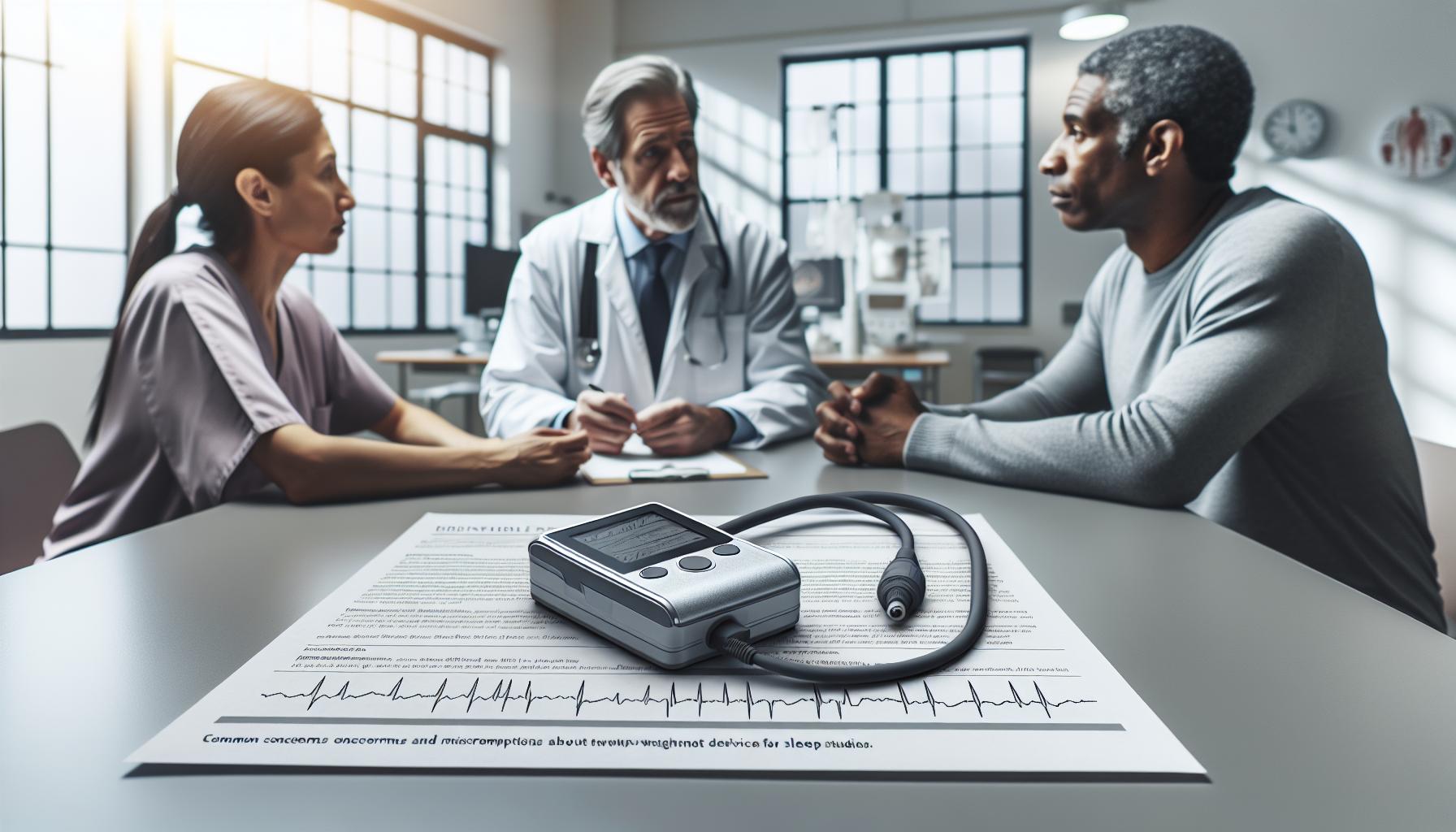
Common Concerns and Misconceptions about WatchPAT
When it comes to using the WatchPAT for sleep studies, many individuals harbor common misconceptions that can lead to unnecessary anxiety or incorrect expectations. It’s important to clarify these concerns and shed light on the realities of this technology and its effectiveness. Understanding these aspects can empower users to make informed decisions regarding their sleep health.
One prevalent myth is that the WatchPAT results are less accurate than traditional sleep studies conducted in a lab. While lab polysomnography is the gold standard, studies have shown that the WatchPAT device is quite reliable for diagnosing obstructive sleep apnea (OSA) and other sleep disorders. It uses advanced algorithms to analyze data gathered during sleep, leading to findings that correlate well with in-lab results. According to clinical validations, the accuracy of WatchPAT, particularly for identifying OSA, stands on par with extensive lab tests, making it a viable option for many patients looking for convenience without sacrificing accuracy.
Another concern revolves around the complexity of using the device. Some might fear that setting it up at home will be complicated. However, the WatchPAT is designed with user-friendliness in mind. The device is worn comfortably on the wrist, with a simple finger probe to monitor vital signs. Users will receive straightforward instructions for setup, typically requiring minimal time and effort. This ease of use not only eliminates the stress associated with overnight lab visits but also allows patients to conduct their sleep studies in a familiar environment, making it easier to achieve natural sleep patterns.
Finally, individuals worry that a home sleep test like the WatchPAT might overlook critical health issues. It’s essential to recognize that while the WatchPAT provides valuable insights into sleep apnea, it has limitations, especially in detecting conditions such as central sleep apnea. Therefore, users should consider the WatchPAT as an initial step in assessing their sleep health and be open to following up with their healthcare provider for further evaluation if needed. A collaborative approach will ensure that any underlying issues are thoroughly addressed.
In summary, the WatchPAT offers a practical and accurate means of diagnosing sleep-related concerns, easing anxieties about the testing process while providing a crucial snapshot of sleep health. By dispelling these misconceptions, we encourage users to engage with their sleep health proactively.
Features and Limitations of the WatchPAT Device
The WatchPAT device stands out in the realm of sleep studies due to its innovative approach and user-friendly design. Its primary strength lies in its ability to provide a comprehensive analysis of your sleep patterns right from the comfort of your own home. One major feature is its wrist-worn monitor, which tracks vital signs including heart rate and oxygen saturation, while a finger probe records respiratory events. This makes it less intrusive than traditional methods, encouraging a more natural sleep experience. Another notable aspect is its proprietary algorithm, which processes the collected data to generate a detailed report on sleep stages, apnea events, and overall sleep quality.
Key Features of the WatchPAT
- Comfortable Wear: The wristband design allows for easy wear throughout the night without the hassle of bulky equipment.
- Accurate Monitoring: By analyzing vital signs and breathing patterns, it provides reliable insights into sleep disorders, particularly obstructive sleep apnea (OSA).
- User-Friendly Setup: Setup instructions are straightforward and intuitive, requiring little time to get started. This demystifies the process for users who may find traditional sleep studies daunting.
- Comprehensive Reporting: The device generates an easy-to-understand report that medical professionals can use to diagnose and recommend treatment plans.
However, while the WatchPAT presents many advantages, it does come with limitations that potential users should consider. One significant drawback is its reduced capability in diagnosing certain sleep disorders, especially central sleep apnea, as it primarily focuses on obstructive events. Additionally, factors such as the user’s comfort level with technology, the accuracy of self-application, and ambient environmental conditions may affect the quality of the data collected. Also, while it serves as an excellent preliminary tool, it may not replace the comprehensive evaluations provided by in-lab polysomnography for more complex cases.
Considerations for Users
Before opting for a WatchPAT study, it’s essential to recognize these limitations. If you have previously diagnosed sleep disorders, there may be value in discussing a more traditional sleep study with your healthcare provider. Integrating the insights gained from a WatchPAT test can guide you toward more tailored healthcare strategies without overlooking critical evaluations.
By balancing its benefits and limitations, you can make an informed decision about whether the WatchPAT device aligns with your sleep health needs and lifestyle.
Real-Life Experiences: Users Share Their Stories
Many users have turned to the WatchPAT sleep study for accurate insights into their sleep patterns, and their experiences offer a compelling look at the device’s effectiveness. For instance, one user, Sarah, previously struggled with persistent fatigue and frequent daytime drowsiness. After hearing about the WatchPAT’s home-testing convenience, she decided to give it a try. “I loved the idea of not having to go to a lab,” Sarah shared. “It felt less daunting, and I could sleep in my own environment.” After a straightforward setup, she wore the device comfortably throughout the night, and the results were quick to arrive. Her diagnosis revealed significant sleep apnea events, leading her to effective treatment quickly.
Another user, Mike, emphasized the importance of understanding the WatchPAT’s limitations. Although it provided key data indicating potential apnea, he later learned that central sleep apnea issues might not be fully captured by the device. “It’s excellent for noticing obstructive issues,” Mike explained, “but I had to follow up with a traditional sleep study for a comprehensive understanding of my sleep health.” His experience underscores the value of using WatchPAT as an initial step while remaining open to further testing when needed.
For users concerned about accuracy, the clinical validation behind the WatchPAT can be reassuring. Research has shown that the device performs well in identifying obstructive sleep apnea when compared to traditional polysomnography methods. Users often appreciate the thorough reporting that accompanies their data, illuminating sleep stages and apnea events in an easy-to-understand format. One user commented, “The report I got after my test was a game-changer. It not only explained my sleep issues but also gave me a clear path for treatment.”
Ultimately, those considering the WatchPAT are encouraged to think of it as a collaborative tool in their sleep health journey. It’s a great first step that lets users gather vital information right from the comfort of home. However, many recommend discussing the findings with a healthcare provider to ensure that no underlying issues go unnoticed. As several users have found, this approach can empower individuals to take control of their sleep health effectively and decisively.
Insurance Coverage: Will Your Plan Pay for It?
Navigating insurance coverage for sleep studies can feel overwhelming, especially when considering a new technology like the WatchPAT. Users often wonder if their insurance plans will cover this innovative device, especially given the costs associated with traditional sleep studies, which can easily exceed several thousand dollars. Understanding the specifics of how your insurance plan relates to the WatchPAT can alleviate some of this anxiety and empower you to make informed decisions.
Many insurers recognize the importance of diagnosing sleep apnea and may cover the costs of home sleep tests like the WatchPAT, especially when prescribed by a healthcare provider. It’s essential to first verify that your insurance plan includes coverage for sleep testing, specifically for home sleep apnea tests. Start by calling your insurance provider or reviewing your benefits plan, paying close attention to any requirements they may have regarding the referral process or documentation needed for coverage.
When seeking reimbursement, keep a few key points in mind:
- Pre-Authorization: Some insurers might require pre-authorization before you proceed with a WatchPAT test. Ensure that your doctor submits the necessary paperwork.
- Network Providers: Check if the sleep clinic or provider offering the WatchPAT is in-network for your plan, as this can significantly reduce your out-of-pocket expenses.
- Cost Sharing: Be prepared for potential cost-sharing elements, such as deductibles and co-pays, which can vary widely depending on your health plan.
Clinical validation supports the use of WatchPAT for diagnosing obstructive sleep apnea, making it a strong contender in insurance discussions. In practice, many users have reported successful claims for their WatchPAT tests, citing the effectiveness of the device in producing accurate results comparable to traditional methods. As you consider your options, remember to remain proactive in communicating with both your healthcare provider and insurance representative to navigate the complexities of coverage successfully. This approach can ultimately lead to a smoother process and a better understanding of your sleep health needs.
When to Choose a WatchPAT Study vs. In-Lab Testing
For many individuals battling sleep issues, determining the appropriate method for testing can be overwhelming. Choosing between a WatchPAT study and a traditional in-lab sleep study often depends on various factors, including symptoms, comfort, and healthcare advice. Home sleep tests like the WatchPAT offer a convenient alternative, particularly for those experiencing symptoms of obstructive sleep apnea (OSA). However, in-lab testing remains the gold standard for comprehensive sleep evaluations, especially for complex or atypical cases.
If you primarily exhibit symptoms related to OSA, such as loud snoring, daytime fatigue, or pauses in breathing during sleep, a WatchPAT study might be the best choice. These home testing devices are specifically designed to detect sleep apnea and typically yield accurate results comparable to in-lab studies [1[1]. They are user-friendly and allow you to undergo testing in the comfort of your home, which can lead to a more natural sleeping environment.
On the other hand, an in-lab sleep study is often recommended for individuals with more complex symptoms or those who may have other sleep disorders, such as periodic limb movement disorder or narcolepsy. During these studies, healthcare professionals can monitor various parameters in a controlled environment, providing them with a broader and more detailed understanding of your sleep patterns. Additionally, if you have a history of significant health issues, like heart disease, or if your initial WatchPAT results are inconclusive, an in-lab study may be necessary.
In summary, while the WatchPAT provides a practical and effective way to diagnose OSA in many patients, certain circumstances warrant the comprehensive approach offered by traditional sleep studies. Consulting with a healthcare provider can help you make an informed choice that best fits your health needs and lifestyle preferences.
Frequently asked questions
Q: How does the accuracy of WatchPAT compare to traditional polysomnography?
A: WatchPAT is designed to provide comparable accuracy to traditional polysomnography while being more convenient for home use. Studies have shown that WatchPAT can effectively diagnose obstructive sleep apnea and other sleep disorders with a similar sensitivity and specificity, making it a reliable alternative.
Q: What factors can affect the accuracy of the WatchPAT sleep study?
A: Several factors can influence the accuracy of the WatchPAT study, including the proper setup of sensors, the user’s sleeping position, and presence of disturbances during sleep. To enhance accuracy, follow all setup instructions carefully and ensure a quiet sleep environment.
Q: Is the WatchPAT sleep study suitable for everyone?
A: While the WatchPAT sleep study is suitable for many people, it may not be ideal for individuals with certain medical conditions or those requiring comprehensive diagnostics for complex sleep disorders. Always consult a healthcare provider to determine if WatchPAT is right for you.
Q: Can WatchPAT provide accurate results for diagnosing sleep apnea?
A: Yes, numerous studies validate that WatchPAT can accurately diagnose sleep apnea. Its ability to monitor oxygen levels and sleep patterns makes it a powerful tool in identifying sleep-related breathing disorders effectively from home.
Q: How should I prepare for the WatchPAT sleep study to ensure accuracy?
A: To maximize accuracy, ensure you are well-rested prior to the study and follow all device setup instructions carefully. Avoid consuming alcohol or caffeine the day of the test, and maintain a consistent sleep schedule leading up to the night of the study.
Q: How long does it take to get results from a WatchPAT sleep study?
A: Results from the WatchPAT sleep study are typically available within a few days after the device is returned. The data will be analyzed by a sleep specialist who will provide a detailed report of findings and recommendations based on your results.
Q: What should I do if I experience issues while using the WatchPAT device?
A: If you experience any issues during the WatchPAT study, try to resolve them according to the included instructions. If problems persist, contact your sleep specialist or the support team for immediate assistance to ensure valid data collection.
Q: How can I interpret my WatchPAT results effectively?
A: To interpret your WatchPAT results, review the report provided by your sleep specialist and focus on key metrics, such as apnea-hypopnea index (AHI) and oxygen saturation levels. Consulting your healthcare provider can help clarify the meaning and implications of your results.
Closing Remarks
Understanding the accuracy of the WatchPAT Sleep Study is crucial for your health journey. With its advanced technology for monitoring sleep patterns, you can take significant steps toward better sleep quality and overall well-being. If you have lingering questions about setup processes, costs, or how it compares to traditional polysomnography, we’ve got you covered with a wealth of resources. Explore our articles on wearables for sleep tracking and tips on navigating insurance for sleep studies.
Don’t miss out on the opportunity to enhance your sleep health today! Sign up for our newsletter for exclusive insights and updates. Remember, a good night’s sleep leads to improved focus and productivity-your journey to restful nights starts now. Share your thoughts in the comments below, and check out our related content on managing sleep disorders and the latest in sleep technology to deepen your understanding and stay informed!
Get our latest guides, news, and insights highlighted in your Google Search & AI Overviews.