
When it comes to sleep tracking, many are turning to devices like Fitbit to monitor their nightly rest. But how accurate is this technology? Clinical studies shed light on the effectiveness of Fitbit’s sleep tracking features, revealing both strengths and limitations. Understanding how well these devices measure sleep can empower you to make informed choices about your health and well-being. With sleep playing a crucial role in our overall quality of life, being equipped with accurate insights can help you address sleep issues and improve your nightly routines. Join us as we delve into the findings and explore whether Fitbit truly delivers on its promise of reliable sleep tracking.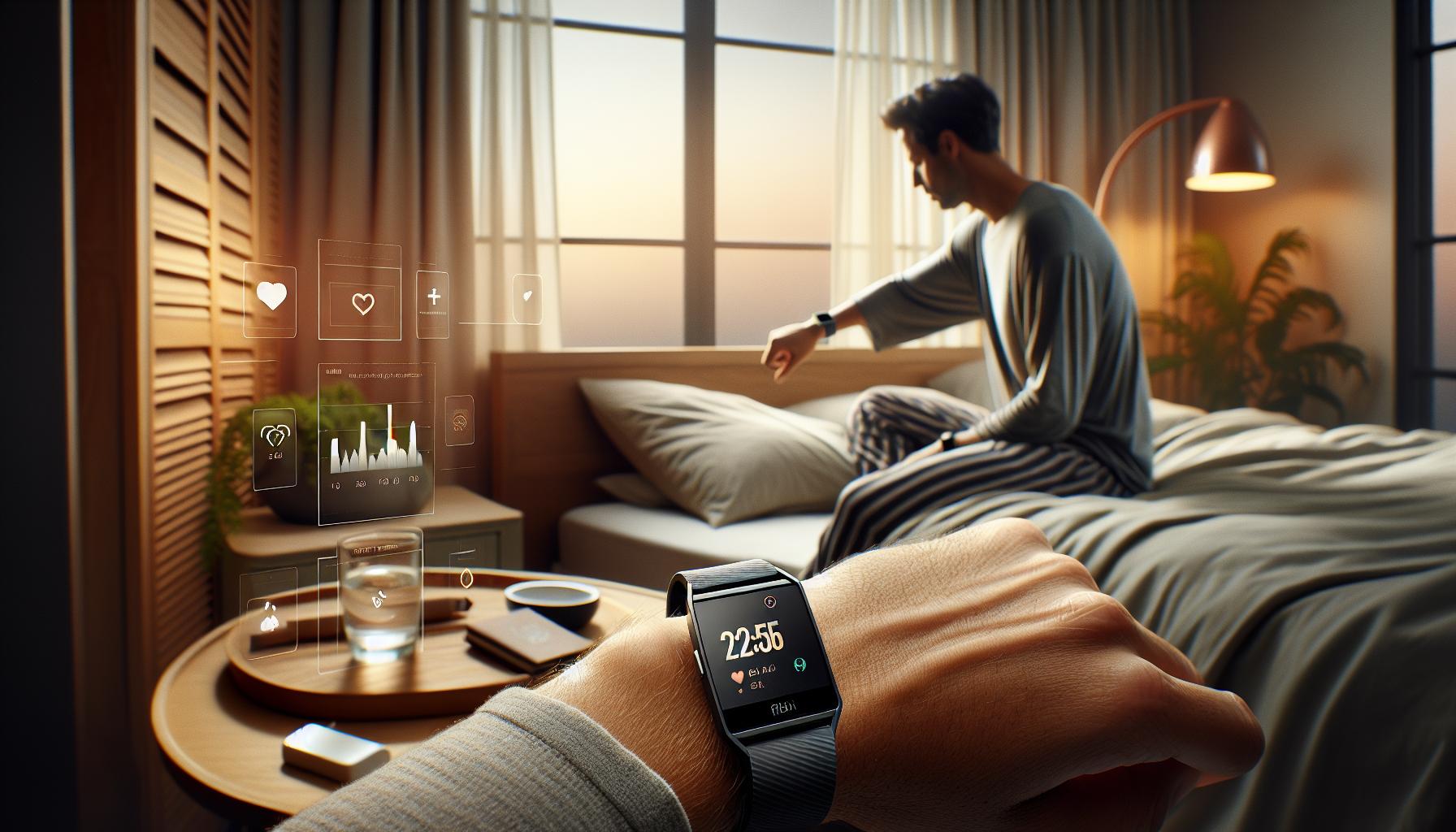
Understanding Fitbit Sleep Tracking Technology
Sleep is an essential part of our overall health, and understanding how technology like Fitbit monitors it can help us optimize our rest. Fitbit employs a combination of accelerometer data and heart rate variability to provide insights into sleep patterns. This wearable technology analyzes your movements and physiological signals throughout the night to differentiate between various sleep stages, such as light, deep, and REM sleep.
By wearing a Fitbit device while sleeping, users can gain a clearer picture of their sleep quality over time. The data generated helps identify patterns that may contribute to sleep disturbances, offering a convenient overview of nightly rest without the need for complex setups or clinical visits. Still, it’s crucial to approach these insights with a balanced perspective. While Fitbits can provide useful feedback and suggest lifestyle adjustments, they are not a substitute for professional sleep evaluations when serious disorders are suspected.
To maximize the benefits of Fitbit sleep tracking, users should familiarize themselves with the device’s features and settings. Make sure to wear the device snugly on your wrist and set a consistent sleep schedule within the app, as these factors can influence the accuracy of the data collected. Furthermore, it’s beneficial to regularly review your sleep trends and any behavioral factors you can control, such as caffeine intake or screen time before bed, to improve your overall sleep hygiene. Armed with this knowledge, Fitbit users can not only track their sleep but also work towards enhancing their sleep quality systematically.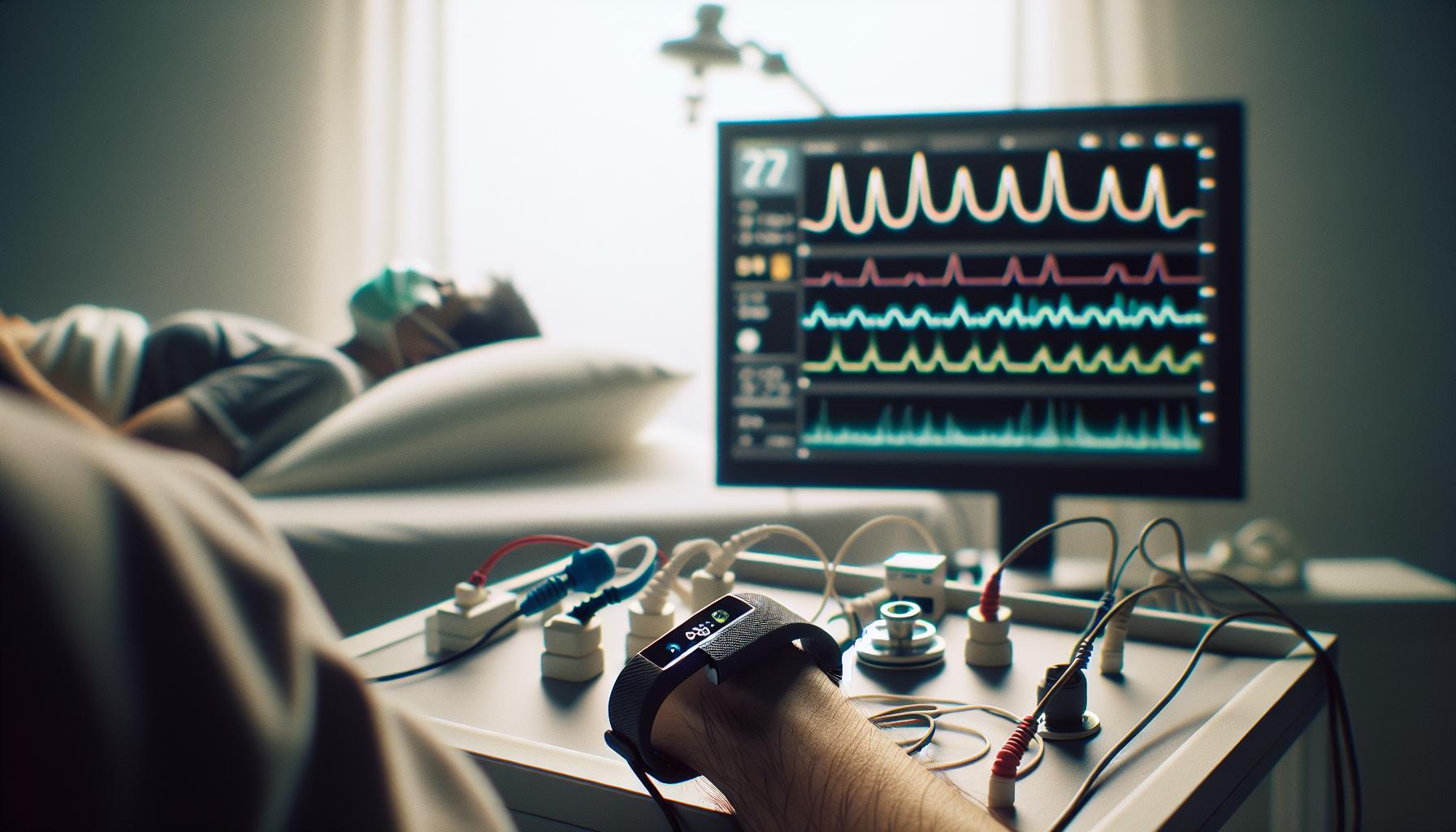
How Fitbit Compares to Clinical Sleep Studies
Sleep plays a crucial role in our overall well-being, yet many individuals are unsure about the true accuracy of consumer sleep tracking devices like Fitbit compared to traditional clinical sleep studies. While Fitbits offer a convenient, user-friendly way to monitor sleep patterns by tracking movements and heart rate, the precision of their data can vary significantly from the rigorous standards upheld in a clinical setting. Clinical sleep studies, known as polysomnography, provide comprehensive insights into various sleep stages by measuring brain waves, oxygen levels, heart rate, and respiratory functions throughout the night.
Fitbit devices utilize accelerometers and heart rate sensors to estimate sleep duration and identify segments of sleep, such as light, deep, and REM. However, research has indicated that while these wearables can serve as helpful tools for general sleep tracking, they may not capture the same level of detail or accuracy as clinical studies. For instance, a study published in the Journal of Clinical Sleep Medicine found that Fitbits often overestimate total sleep time and misclassify sleep stages, particularly the distinction between light and deep sleep.
When considering whether to use a Fitbit or undergo a clinical sleep study, it’s essential to evaluate your specific needs. If you’re experiencing persistent sleep issues such as insomnia or sleep apnea, a clinical evaluation is the most reliable route. Polysomnography can determine the presence of sleep disorders with a level of accuracy that consumer devices are still striving to achieve. However, if you’re looking to understand your sleep habits better or seeking to improve your general sleep hygiene, a Fitbit may be a practical and cost-effective solution.
In conclusion, Fitbits can be valuable for casual sleep tracking, but they are not substitutes for the comprehensive data provided by clinical studies. Understanding the strengths and limitations of each option empowers you to make informed decisions about your sleep health.
Key Features of Fitbit Sleep Tracking
Fitbit devices are more than just fitness trackers; they offer an intriguing insight into your sleep patterns, making sleep health more accessible than ever. With the integration of advanced sensors and intuitive software, these devices help users gather substantial data on their nightly rest. One of the technology is its ability to monitor sleep stages. By using a combination of motion sensors and heart rate variability, Fitbits categorize sleep into various stages: light, deep, and REM. This categorization provides users with insights into not just how long they sleep, but also the quality of that sleep.
Understanding Sleep Data
Fitbit’s sleep data interface is designed to be user-friendly, offering easily interpretable charts and graphs. After each night of sleep, users can review their sleep score, a composite measure that indicates the overall quality of their sleep based on duration and restfulness. For example, a high sleep score suggests that the user not only slept long enough but also experienced sufficient deep and REM sleep, both crucial stages for restorative rest.
Another remarkable feature is Fitbit’s Smart Wake function. This tool aims to wake users during their lightest sleep phase within a specified time window-previously set by the user-to minimize grogginess. This functionality ties into the broader goal of ensuring users wake up feeling refreshed and alert.
Practical Uses and Tips
Utilizing the Fitbit app allows users to set personalized goals. You can establish targets for total sleep time or sleep quality, helping to motivate better sleep habits. The platform also offers features such as sleep reminders, encouraging users to wind down at consistent times to optimize their nightly routines.
Moreover, Fitbit provides users with insights based on their sleep patterns, suggesting changes in lifestyle that could enhance sleep quality. For instance, if a user notices frequent disruptions or inadequate deep sleep, they might be prompted to explore relaxation techniques or environmental factors that impact their sleep.
In conclusion, while Fitbit devices do not replace clinical sleep studies, they serve as a valuable tool for improving your understanding of sleep patterns and habits. By leveraging these features, users can actively engage in enhancing their sleep health and make informed choices that benefit their overall well-being.
What Do Recent Clinical Studies Reveal?
Recent clinical studies examining the accuracy of Fitbit sleep tracking have revealed both promising insights and notable limitations. Primarily, these studies emphasize that while Fitbit devices can offer a continuous stream of sleep data, they may not always match the precision of conventional sleep studies, which rely on polysomnography. In essence, Fitbit can serve as a valuable preliminary tool for users looking to understand their sleep habits but should not replace a clinical sleep study when serious sleep disorders are suspected.
One interesting finding is that Fitbit trackers tend to be quite effective at detecting overall sleep duration. A study comparing Fitbit data with polysomnography found that while sleep duration estimates were generally accurate within around 30 minutes, the device struggled with more intricate sleep stage assessments. For example, Fitbit often misclassifies sleep stages, particularly between light and deep sleep, primarily because it relies on motion and heart rate data rather than the brain activity measured in a sleep lab.
Moreover, the ability of Fitbits to provide actionable insights is noteworthy. Users report benefits such as increased awareness of sleep patterns and encouragement to create healthier bedtime routines. This user-driven data can highlight trends over time, prompting lifestyle adjustments that promote better sleep quality. Aspects like consistent bedtimes and the impact of caffeine or screen time on sleep can easily become more apparent when monitored regularly.
In summary, while Fitbit devices can enhance personal sleep tracking, they serve as a complementary resource rather than a replacement for comprehensive clinical evaluation. The distinction between wearables and formal sleep studies underscores the importance of consulting with a healthcare provider when concerns about sleep quality or disorders arise. Through understanding their devices’ strengths and weaknesses, users can better navigate their journey toward improved sleep health.
Accuracy of Fitbit Sleep Data: What to Expect
Fitbit devices have gained popularity for their ability to track sleep patterns, but many users wonder just how accurate this data really is. Recent clinical studies indicate that Fitbit’s estimates of sleep duration are generally reliable, often within 30 minutes of traditional polysomnography measurements. However, when it comes to assessing different sleep stages-such as light, deep, and REM sleep-Fitbit’s accuracy can vary significantly. The device primarily uses movement and heart rate variability to assess sleep, lacking the brain wave analysis found in clinical settings. This limitation can lead to misclassifications, particularly between light and deep sleep stages.
For many consumers, understanding the balance of utility and accuracy is essential. Fitbit offers a convenient way to monitor sleep habits that can be particularly beneficial for tracking overall duration and trends over time. Users often report increased awareness about their sleep patterns, which can motivate healthier sleep practices. For example, monitoring sleep data might reveal that late-night screen time correlates with poorer sleep quality, prompting changes in evening routines.
Despite these advantages, it’s crucial to recognize the limitations of wearable devices. If you suspect you have a sleep disorder-such as sleep apnea or chronic insomnia-relying solely on a Fitbit is not advisable. Consulting with a healthcare professional and potentially undergoing a formal sleep study may provide more comprehensive insights. Fitbit’s capabilities serve best in conjunction with professional advice, helping bridge the gap between consumer-level tracking and necessary medical intervention. Remember, while Fitbits can enhance your awareness of sleep habits, they should complement, not replace, professional health assessments when concerning sleep issues arise.
Interpreting Sleep Stages Recorded by Fitbit
Understanding how Fitbit interprets sleep stages can significantly enhance your ability to draw insights from your sleep data. Fitbit devices categorize your sleep into three main stages: light sleep, deep sleep, and REM (Rapid Eye Movement) sleep. Each stage serves a critical function in your overall sleep quality and health. For instance, REM sleep is essential for emotional regulation and memory consolidation, while deep sleep plays a vital role in physical recovery and immune function. However, the accuracy of Fitbit’s classifications can vary, which is crucial to consider when interpreting your sleep reports.
Fitbit primarily utilizes movement and heart rate variability to estimate sleep stages. This method offers a convenient and non-invasive means to monitor your nightly rest. Yet, it lacks the sophisticated brain wave analysis employed in clinical sleep studies. As a result, misclassifications can occur, especially between light and deep sleep stages. For example, if you happen to be relatively still during light sleep, a Fitbit may mistakenly categorize this as deep sleep, leading to inaccurate insights into your rest quality.
To make the most of your Fitbit sleep data, consider focusing on trends over time rather than individual night readings. Look for patterns, such as consistently higher percentages of light sleep or disruptions in REM sleep, as these can provide more actionable insights. Engaging with the data in this way allows you to identify potential lifestyle factors affecting your sleep, such as caffeine intake or screen time before bed.
Ultimately, while Fitbit’s sleep tracking can provide valuable insights into your patterns and behaviors, it is important to view the information with a degree of skepticism, particularly regarding specific sleep stages. If you’re experiencing persistent sleep issues or suspect a disorder, seeking professional advice and potentially undergoing a polysomnography sleep study may be necessary for a comprehensive understanding of your sleep health.
Limitations of Fitbit Sleep Tracking Devices
Fitbit devices have revolutionized personal health tracking, but when it comes to sleep tracking, their accuracy can leave users wanting more. While these wearables are great at providing basic insights into how long you sleep, they struggle with the nuance of sleep stages and can sometimes misclassify periods of rest. Relying on movement patterns and heart rate variability, Fitbit’s algorithms are fundamentally limited compared to the comprehensive data obtained from clinical sleep studies, which use detailed brain wave activity measurements.
One significant limitation is the potential for misinterpretation between light sleep and deep sleep stages. For instance, if you lie still during a light sleep phase, the device may mistakenly flag this as deep sleep, skewing your overall data. This misclassification makes it essential for users to approach the readings with a degree of skepticism, particularly when interpreting specific sleep stages. Instead of focusing on nightly fluctuations, consider analyzing broader trends in your data, which can provide more actionable insights.
Another factor to bear in mind is the potential impact of external variables on the accuracy of sleep data. Factors such as stress, varying sleep environments, or the consumption of substances like caffeine or alcohol can influence how well you sleep, yet these insights may not be fully captured by a Fitbit. Users need to stay aware of these limitations and consider keeping a sleep diary alongside using their Fitbit for a more rounded view of their sleep health.
For those experiencing sleep-related issues or disruptions, a comprehensive analysis through a polysomnography sleep study remains the gold standard. While Fitbit is an excellent tool for casual tracking, consider it a starting point rather than a definitive guide when addressing more serious concerns about sleep quality and disorders. Understanding these limitations empowers you to make informed decisions regarding your sleep health and seek further help when necessary.
Common User Experiences and Feedback
User experiences with Fitbit sleep tracking vary widely, illuminating both the strengths and weaknesses of the technology. Many users appreciate the convenience and accessibility of using a Fitbit device to monitor their sleep without the need for a clinical sleep study. The ability to check sleep duration and trends through the companion app provides a sense of empowerment and fosters a proactive approach to sleep health. For instance, a user might notice they consistently sleep less on weekdays compared to weekends, prompting them to adjust their routines to achieve better rest.
However, reliability concerns are common. Some users report discrepancies in their sleep stage data, with many claiming that the device misclassifies light sleep as deep sleep. This can lead to confusion and frustration, particularly for those using the data to address specific sleep issues. In a shared story, one user recounted how their Fitbit suggested they were in deep sleep for much of the night, while they felt alert and awake, ultimately questioning the validity of the device’s assessments.
Another recurring theme in user feedback revolves around external influences that can skew data accuracy. Users frequently mention that factors such as stress levels, ambient noise, or even extensive screen time before bed can impact their sleep quality. Such insights lead to a broader understanding of how to interpret the data presented by Fitbit. To optimize their sleep tracking experience, some users recommend keeping a sleep diary, allowing them to correlate their nightly data with lifestyle choices-like caffeine intake or exercise habits-which Fitbit might not fully capture.
Despite these mixed reviews, user feedback consistently emphasizes the importance of viewing Fitbit data as a starting point rather than an end-all solution. Users often advise others experiencing sleep disturbances to consider a sleep study-with its comprehensive analysis of sleep stages-as a next step toward a clearer picture of their sleep health. By blending personal tracking with professional evaluation, users can develop a more holistic understanding of their sleep patterns and take informed action to improve their overall well-being.
Overall, while Fitbit devices provide valuable insight into sleep habits and trends, understanding their limitations enables users to leverage this technology effectively.
Tips to Optimize Your Sleep Data from Fitbit
Monitoring your sleep using a Fitbit can provide valuable insights into your nightly habits, but to truly optimize the data you receive, it’s essential to approach it with intention and understanding. Many users find themselves overwhelmed or confused by the information-this is where a few practical strategies can make a significant difference in leveraging your Fitbit for better sleep health.
Start by ensuring that your device is worn correctly. The fit should be snug but comfortable, positioned above the wrist bone. This placement allows for accurate heart rate monitoring, which is crucial for tracking your sleep stages. Regularly update your device to the latest software version to benefit from improvements in algorithms and features, which can enhance accuracy in sleep tracking.
Correlate Your Sleep Data with Lifestyle Factors
Keeping a sleep diary can be immensely beneficial. Document your caffeine intake, exercise routine, stress levels, and screen time, as these factors could influence your sleep quality. By cross-referencing this information with the data your Fitbit provides, you might see patterns emerge that highlight what positively or negatively affects your sleep. For example, you may discover that nights with heavy screen usage or late caffeine consumption correlate with poor sleep quality.
- Limit Screen Time: Aim to reduce exposure to screens an hour before bedtime to improve your sleep onset.
- Wind Down: Create a bedtime routine that helps signal to your body that it’s time to sleep-consider activities like reading a book or practicing relaxation techniques.
- Consistent Sleep Schedule: Try to go to bed and wake up at the same time every day to stabilize your body’s internal clock.
Analyze and Adjust
After a few weeks of tracking, review your sleep data regularly. Look for consistent trends and use the insights to make informed adjustments to your routine. If you notice that you feel most rested after specific lifestyle changes-like an earlier bedtime or less evening exercise-consider making those changes permanent. Don’t hesitate to leverage the Fitbit app’s insights and recommendations tailored to your sleep metrics too.
Lastly, remember that while Fitbit provides a valuable overview, it shouldn’t replace professional healthcare advice. If you have ongoing sleep concerns, consider sharing your data with a healthcare provider who can provide a more comprehensive analysis or recommend a sleep study if necessary. This understanding can empower you to take your sleep health into your own hands while also recognizing when it’s time to seek further help-striking that balance is key to achieving better restful nights.
When to Consider a Sleep Study vs. Fitbit
Determining whether to rely on a Fitbit for sleep tracking or to pursue a clinical sleep study can be a daunting decision for many. While Fitbits are great for providing general sleep insights, they may not detect underlying sleep disorders with the precision needed for diagnosis. If you’re consistently experiencing sleep issues like excessive daytime fatigue, difficulty in falling asleep, or episodes of waking gasping for air, it might be time to consider a more thorough evaluation.
Understanding Sleep Studies
Sleep studies, also known as polysomnography, are comprehensive tests conducted in specialized sleep centers. These studies monitor multiple bodily functions, including brain activity, eye movement, heart rate, and blood oxygen levels, allowing for in-depth analysis of sleep stages and disorders. The cost of a sleep study can range from $1,000 to $3,000 or more, depending on factors like location and whether your insurance covers it. It’s essential to know that you may need a referral from a healthcare provider to schedule one.
In contrast, a Fitbit uses algorithms to estimate sleep patterns based on movement and heart rate, which can be helpful for tracking general trends over time. However, it is limited in its ability to accurately identify disorders such as sleep apnea, restless leg syndrome, or insomnia. For individuals who suspect they have a sleep disorder, the Fitbit may initially serve as a useful tool for noticing patterns, but it should not be relied upon for a definitive diagnosis.
When to Seek Professional Help
If your Fitbit reveals persistent sleep disruptions, such as frequent awakenings or irregular sleep stages, consider discussing your findings with a healthcare provider. They may recommend a sleep study if they suspect conditions like obstructive sleep apnea or narcolepsy. Additionally, if lifestyle changes suggested by your Fitbit do not improve your sleep after several weeks, professional assistance could be warranted.
For those who do choose to enter the world of sleep studies, remember that the experience is designed to be as comfortable as possible, and sleep technicians will guide you through every step. You may experience some anxiety about the setting or the equipment used, but understanding the process can help ease those concerns.
In summary, while Fitbits provide valuable data, they are best utilized as a preliminary tool rather than a substitute for the comprehensive diagnostics offered by sleep studies. Balancing the insights gained from your Fitbit with professional medical advice can empower you to take informed steps towards achieving better sleep health.
Addressing Sleep Disorders: Fitbit’s Role
If you’ve ever wondered how to connect your sleep health with technology, a Fitbit might be your first step. While these devices can track your sleep patterns, providing insights into your nightly rest, they also serve a greater purpose: helping identify potential sleep disorders. Many users benefit from the detailed feedback the device offers, which can lead to informed conversations with healthcare providers about any underlying issues.
Fitbit’s sleep tracking relies on data from your movements and heart rate, allowing it to categorize your sleep stages-light, deep, and REM. This basic tracking can signal red flags if you notice significant disruptions or insufficient deep sleep, which are often indicative of disorders like insomnia or sleep apnea. Here’s what to consider when navigating this terrain:
- Monitor sleep patterns: Regularly check your sleep data for any inconsistencies, such as inconsistent bedtime or irregular sleep duration.
- Understand limitations: Be aware that while Fitbits can suggest patterns, they lack the diagnostic ability of a sleep study, which provides comprehensive analysis through polysomnography.
- Initiate conversations with healthcare providers: Share your sleep data with your doctor, especially if you notice consistent unrest or issues like snoring or fatigue during the day-these could warrant further investigation.
Despite the convenience of using a Fitbit, remember that it should complement, not replace, professional medical advice when it comes to sleep disorders. If your device highlights concerning trends, it may be time to explore more in-depth evaluations or sleep studies. These studies, while more invasive and potentially costly (ranging from $1,000 to $3,000), provide crucial insights that a wearable simply cannot match.
Ultimately, while Fitbits can be a great tool for self-monitoring, they are just one part of the puzzle. They empower you to better understand your sleep habits and initiate discussions with healthcare providers about crucial next steps. By combining the nuances of technology with professional guidance, you can pave the way toward improved sleep health.
Future of Sleep Tracking Technology and Research
The landscape of sleep tracking technology is evolving rapidly, ushering in a new era of possibilities for both consumers and researchers. As chronic sleep issues become increasingly prevalent, the demand for effective monitoring solutions grows stronger. Companies like Fitbit are stepping up to meet these needs, but the future promises even more advanced innovations that can enhance the way we understand and manage our sleep health.
Recent advancements in wearable technology are paving the way for devices that will not only track sleep duration but also analyze the quality of sleep more accurately. Emerging features may include advanced sensors that can detect subtle physiological changes-such as variations in breathing patterns or changes in heart rate variability-that indicate deeper sleep issues. This could mean more reliable data that informs users and their healthcare providers about the onset of sleep disorders far earlier than traditional methods.
Integrating AI and Data Analysis
The integration of artificial intelligence into sleep tracking devices is another promising development. AI could enable wearables to analyze vast amounts of sleep data, learning from individual sleep patterns to provide personalized recommendations. For instance, imagine a future where your device not only tells you how well you slept but also suggests changes in your routine based on predictive analytics-like adjusting your bedtime or recommending lifestyle changes tailored to your unique sleep profile.
Collaboration with Healthcare Providers
Looking ahead, the collaboration between technology companies and healthcare providers is likely to intensify. New partnerships could facilitate better data sharing, leading to a more integrated approach to sleep health. This might include direct communication between your wearable and a sleep specialist, allowing for timely interventions when necessary. Moreover, the data captured may contribute significantly to larger clinical research, boosting understanding of sleep disorders on a broader scale and leading to improved treatment options.
As these technologies develop, consumers should remain informed. While the capabilities of wearables like Fitbit are growing, it’s crucial to remember their limitations compared to comprehensive clinical studies. Balancing the use of technology with professional medical advice ensures that you’re leveraging the best of both worlds: the convenience of personal monitoring and the depth of clinical insight. Staying updated on these advancements will empower you to make informed decisions about your sleep health, leading to better long-term outcomes.
Frequently Asked Questions
Q: How does Fitbit sleep tracking technology measure sleep accuracy?
A: Fitbit sleep tracking uses a combination of heart rate monitoring, motion detection, and sleep stage algorithms to assess sleep patterns. It compares these findings against clinical sleep studies to gauge accuracy, making it a useful tool for understanding general sleep quality.
Q: What factors can affect the accuracy of Fitbit sleep tracking?
A: Several factors can impact Fitbit’s accuracy, including device placement, sleep disturbances, and individual differences in sleep patterns. To optimize tracker performance, ensure it fits snugly on your wrist and avoid caffeine or heavy meals right before bed.
Q: Can Fitbit sleep tracking diagnose sleep disorders?
A: No, Fitbit does not diagnose sleep disorders; it can, however, provide insights into sleep patterns that might indicate issues like insomnia or sleep apnea. If you have concerns about your sleep health, consider seeking a clinical evaluation for a formal diagnosis.
Q: How does Fitbit compare to traditional sleep studies for accuracy?
A: While Fitbit provides a reasonable estimate of sleep duration and quality, traditional sleep studies, or polysomnography, offer more precise measurements. These studies monitor brain activity, heart rate, and breathing patterns, giving a comprehensive view of sleep health.
Q: Is it normal for Fitbit to misinterpret sleep stages?
A: Yes, it’s common for Fitbit to occasionally misclassify sleep stages. Factors like restlessness or changes in sleep environment can lead to inaccuracies. For best results, use it consistently in the same conditions and validate findings with personal observations.
Q: What should I do if my Fitbit sleep data seems inaccurate?
A: If your Fitbit sleep data appears inaccurate, first check the device fit and ensure proper usage. Updating the software and recalibrating your sleep settings may also help. For persistent issues, consider reviewing findings with a healthcare professional.
Q: How often should I sync my Fitbit for accurate sleep tracking?
A: Syncing your Fitbit regularly, ideally every night, ensures the latest data is logged and analyzed. Frequent syncing also helps improve the accuracy of sleep metrics by allowing the device to adjust to your sleep patterns.
Q: Where can I find more detailed clinical studies on Fitbit sleep tracking?
A: For in-depth clinical studies, look for academic journals or publications focusing on wearable technology and sleep research. Additionally, you might reference specific findings in sections of articles dedicated to clinical comparisons in Fitbit insights.
Concluding Remarks
As we’ve explored, Fitbit sleep tracking offers valuable insights, but it’s essential to understand its limitations. Gaining more awareness about your sleep patterns can empower you to make informed choices for improved sleep health. If you’re considering whether to rely solely on a wearable or seek a comprehensive sleep study, weighing your options carefully is crucial.
For further exploration, check out our guides on understanding sleep disorders and the benefits of polysomnography to clarify your next steps. Don’t forget to subscribe to our newsletter for the latest insights and updates on sleep health technology! Your journey to better sleep starts here-embrace your health decisions with confidence, and explore our resources to ensure you’re equipped with the knowledge needed for restful nights. Share your thoughts or questions in the comments; we love hearing from you!
Get our latest guides, news, and insights highlighted in your Google Search & AI Overviews.