
Did you know that nearly one in three adults report not getting enough sleep? As sleep plays a crucial role in overall health, many people turn to sleep tracking devices in hopes of understanding and improving their sleep patterns. However, how accurate is the data these devices provide? In this article, we’ll explore the reliability of sleep tracking technology, helping you decipher what the information means and how it can guide your journey to better rest. Whether you’re struggling with insomnia or simply looking to optimize your nightly routine, understanding the nuances of sleep tracking data can empower you to make informed decisions about your sleep health. Dive in to discover how to separate fact from fiction and find the best approach to your sleep wellness.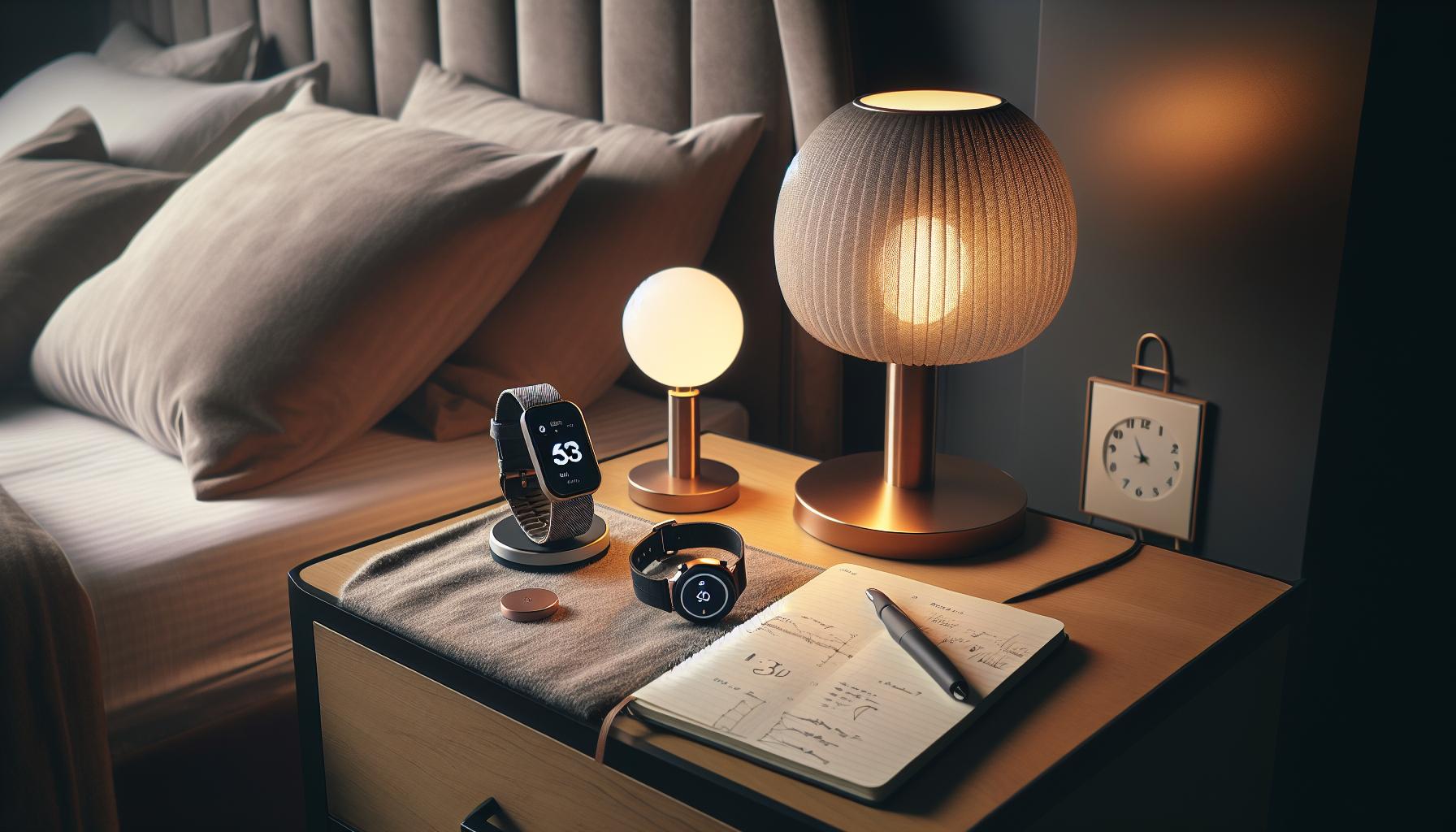
Understanding Sleep Tracking Technology and Its Purpose
Understanding the intricacies of sleep tracking technology is essential for anyone looking to optimize their sleep quality and overall health. Sleep trackers, which come in various forms such as wearables, smartphone apps, and smart mattresses, aim to provide insights into your sleeping patterns and help identify areas for improvement. These devices typically use a combination of heart rate monitoring, motion detection, and sometimes even sound analysis to gather data. By analyzing this information, users can gain a clearer understanding of their sleep cycles, including how much time they spend in different stages such as REM and deep sleep.
One of the primary purposes of sleep tracking technology is to empower individuals to make informed decisions about their sleep hygiene. For instance, if a user notices that they consistently wake up during the night or have a high percentage of light sleep, they can adjust their bedtime routine or environmental factors like room temperature and noise levels. This self-initiated feedback loop is crucial because, although these devices can provide valuable insights, they are not a substitute for professional sleep studies when needed. The data from a sleep tracker can serve as a starting point for users to explore further and engage in healthier sleep habits.
In this digital age, sleep tracking technology also bridges the gap between everyday life and scientific understanding of sleep. Users can easily access their data over weeks or months, which fosters a deeper awareness of their sleep trends and behaviors. This ongoing monitoring can also inspire motivation for making necessary lifestyle changes, reinforcing the idea that sleep is fundamental to overall well-being. As technology continues to evolve, the integration of machine learning may further enhance the accuracy and reliability of these devices, making them even more beneficial tools for managing sleep health.
The Science Behind Sleep Tracking Accuracy
While sleep tracking technology has made significant strides in helping individuals monitor their sleep patterns, understanding the accuracy of this data is essential for making informed decisions. Most sleep trackers, whether they are wristbands, smartwatches, or apps, primarily rely on heart rate monitoring and motion detection to infer sleep stages. They analyze how your body moves during the night and your heart rate fluctuations to provide insights into whether you are in light sleep, deep sleep, or REM sleep. However, these devices are not always perfectly reliable.
is built on the fact that many consumer-grade trackers use algorithms that can sometimes misinterpret normal movements during sleep or variations in heart rate. For example, if you turn over frequently, a tracker might mistakenly categorize that as wakefulness rather than a continuation of your sleep. Additionally, some devices can have difficulty distinguishing between sleep states because they do not directly monitor brain activity, which is the definitive way to determine sleep cycles as seen in clinical sleep studies. This divergence can create discrepancies where users may believe they are achieving more restful sleep than they actually are.
To enhance the reliability of sleep data, it is crucial to choose devices recognized for their advanced metrics and validation studies. Here are some factors to consider when evaluating sleep trackers:
- Clinical Validation: Look for products that have undergone testing compared to polysomnography, the gold standard for sleep monitoring.
- Sensor Technology: Higher-end models may utilize multi-sensor systems, combining heart rate, SpO2 (oxygen saturation), and motion for improved accuracy.
- User Feedback: Reviews can provide insights into how accurately devices perform in real-world conditions, beyond laboratory settings.
While sleep trackers may serve as a useful tool for improving sleep hygiene, it is essential to supplement this data with insights from sleep studies when there are concerns about sleep disorders. Devices that provide comprehensive, individualized feedback can help you understand trends, but they should not replace medical advice. By harnessing both the technology of sleep trackers and professional guidance, you can gain a clearer picture of your sleep health.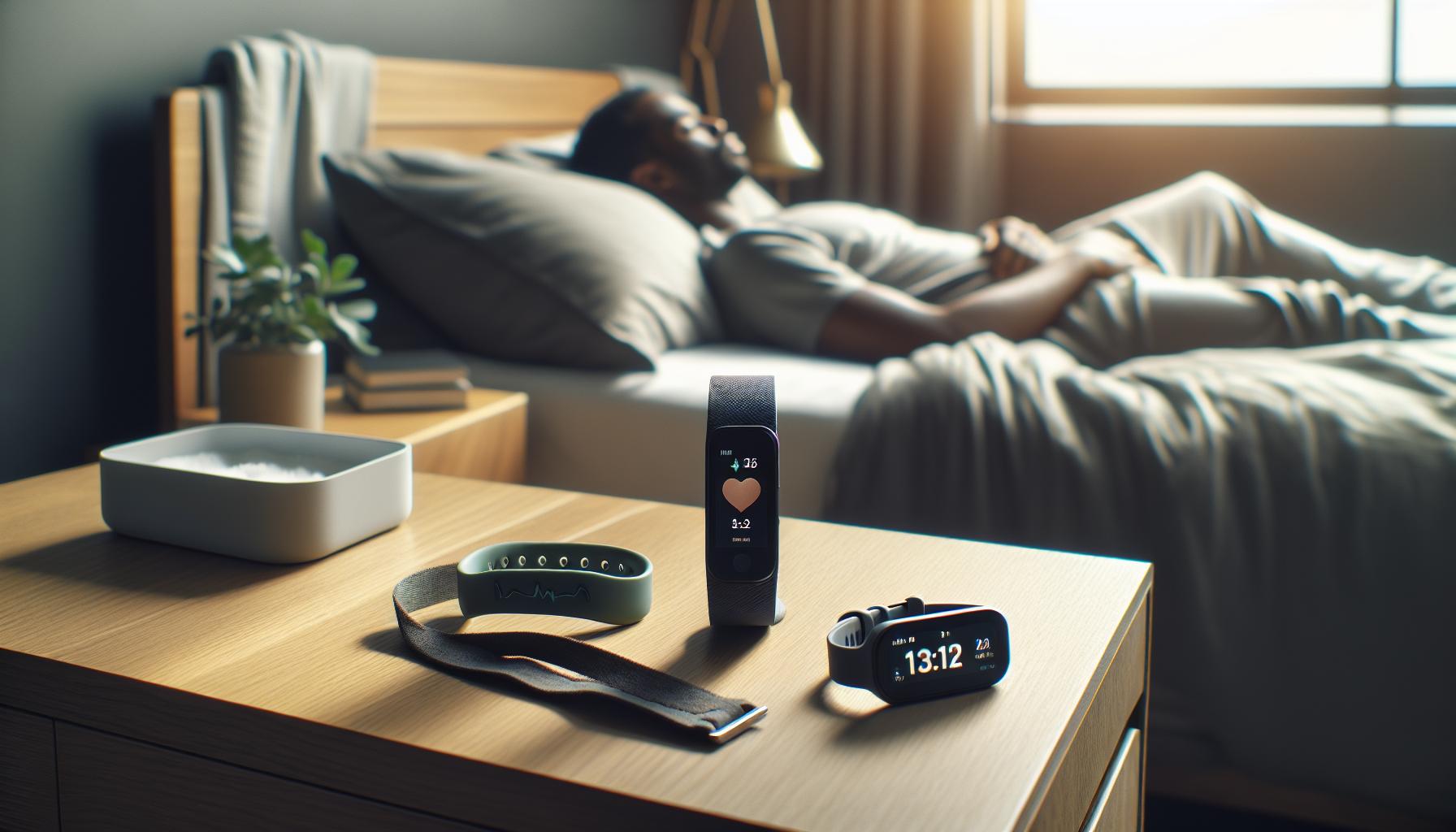
How Sleep Trackers Measure Sleep Stages
Sleep trackers have revolutionized how we monitor our sleep, but have you ever wondered how they decipher the intricate dance of sleep stages? These devices employ a combination of sensor technologies, primarily utilizing motion detection and heart rate variability, to provide insights into your nightly rest. By evaluating how you move and how your heart rate fluctuates throughout the night, sleep trackers attempt to categorize your sleep into various stages: light sleep, deep sleep, and REM sleep.
The fundamental principle behind these devices rests on the assumption that different sleep stages are marked by distinctive patterns of movement and physiological signals. For instance, during deep sleep, your body remains relatively still, while REM sleep is associated with higher brain activity and occasional small movements. However, an important point to consider is the limitations of consumer-grade trackers when it comes to accurately parsing these stages. Many devices lack direct measurement of brain activity, which is crucial for precisely determining sleep stages-something that only a polysomnography (PSG) test, conducted in a sleep lab, can reliably achieve.
Given these constraints, understanding the algorithms that sleep trackers use is key. They usually analyze your time spent in bed, your movements, and variations in heart rate to make educated guesses about your sleep stages. While some high-end models incorporate additional metrics such as blood oxygen levels, sleep staging accuracy can still be inconsistent. For instance, if you toss and turn frequently, your tracker might misinterpret these movements as wakefulness, skewing your overall sleep reports.
To enhance the effectiveness of sleep trackers, selecting devices that are clinically validated and known for their advanced sensor technology is crucial. For instance, some models are equipped with multiple sensors, integrating data from heart rate, oxygen saturation, and motion, which can lead to more reliable insights into your sleep patterns. Understanding these nuances can empower you to make more informed decisions about your sleep health, using the insights gained to adjust your habits and better your overall sleep experience.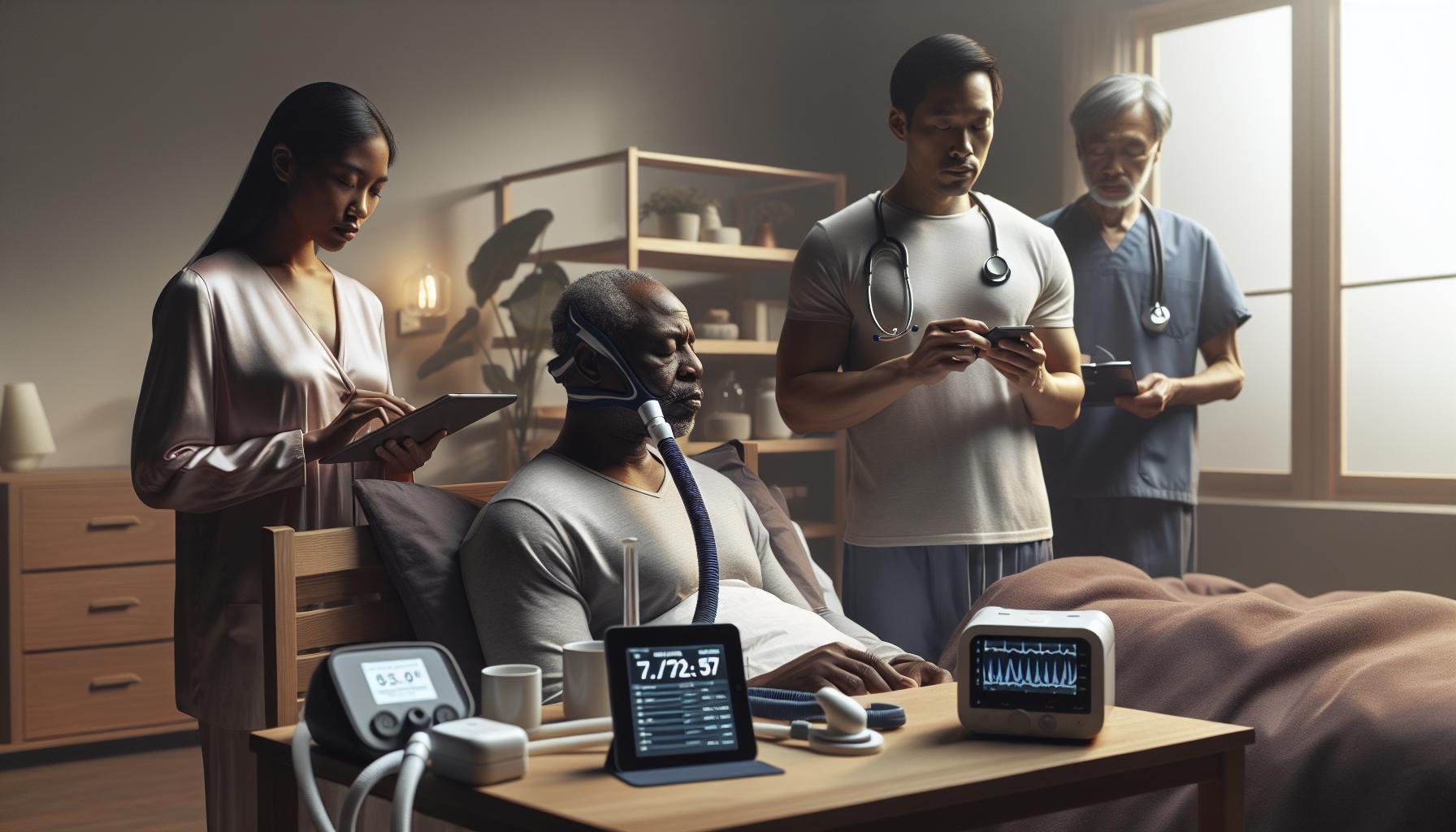
Common Sleep Disorders and Their Detection
Many people struggle with sleep disorders that can significantly impact their overall health and daily functioning. It’s crucial to recognize these disorders and understand how they can be detected. Although sleep trackers provide valuable insights into sleep patterns, they may not always accurately identify specific sleep disorders.
Common sleep disorders include insomnia, sleep apnea, restless legs syndrome (RLS), and narcolepsy. Each of these conditions has distinct symptoms and implications for sleep quality. For example, insomnia is characterized by difficulty falling or staying asleep, while sleep apnea involves interruptions in breathing during sleep, leading to fragmented rest and daytime fatigue. RLS manifests as uncomfortable sensations in the legs, often prompting an uncontrollable urge to move them, making it challenging to fall asleep. Narcolepsy is marked by excessive daytime sleepiness and sudden sleep attacks, which can be dangerous in situations such as driving.
Detection of these disorders often requires more than just consumer-grade sleep trackers. While these devices can monitor movement and heart rate, they may overlook critical information such as brain wave patterns or blood oxygen levels, which are essential for diagnosing many sleep disorders. Therefore, if a sleep tracker indicates poor sleep quality, it is beneficial to consult a healthcare professional who may recommend a sleep study or polysomnography (PSG). In this controlled setting, professionals can gather comprehensive data about your sleep architecture, enabling them to diagnose conditions more accurately.
Many individuals find their trackers flagging issues like insufficient REM sleep or frequent disruptions, which could hint at underlying conditions. For those experiencing persistent sleep problems, seeking help can lead to more targeted treatments and lifestyle changes. Overall, while sleep trackers serve as a useful tool for tracking general sleep health, they should not replace professional medical advice and testing for diagnosing and managing sleep disorders effectively.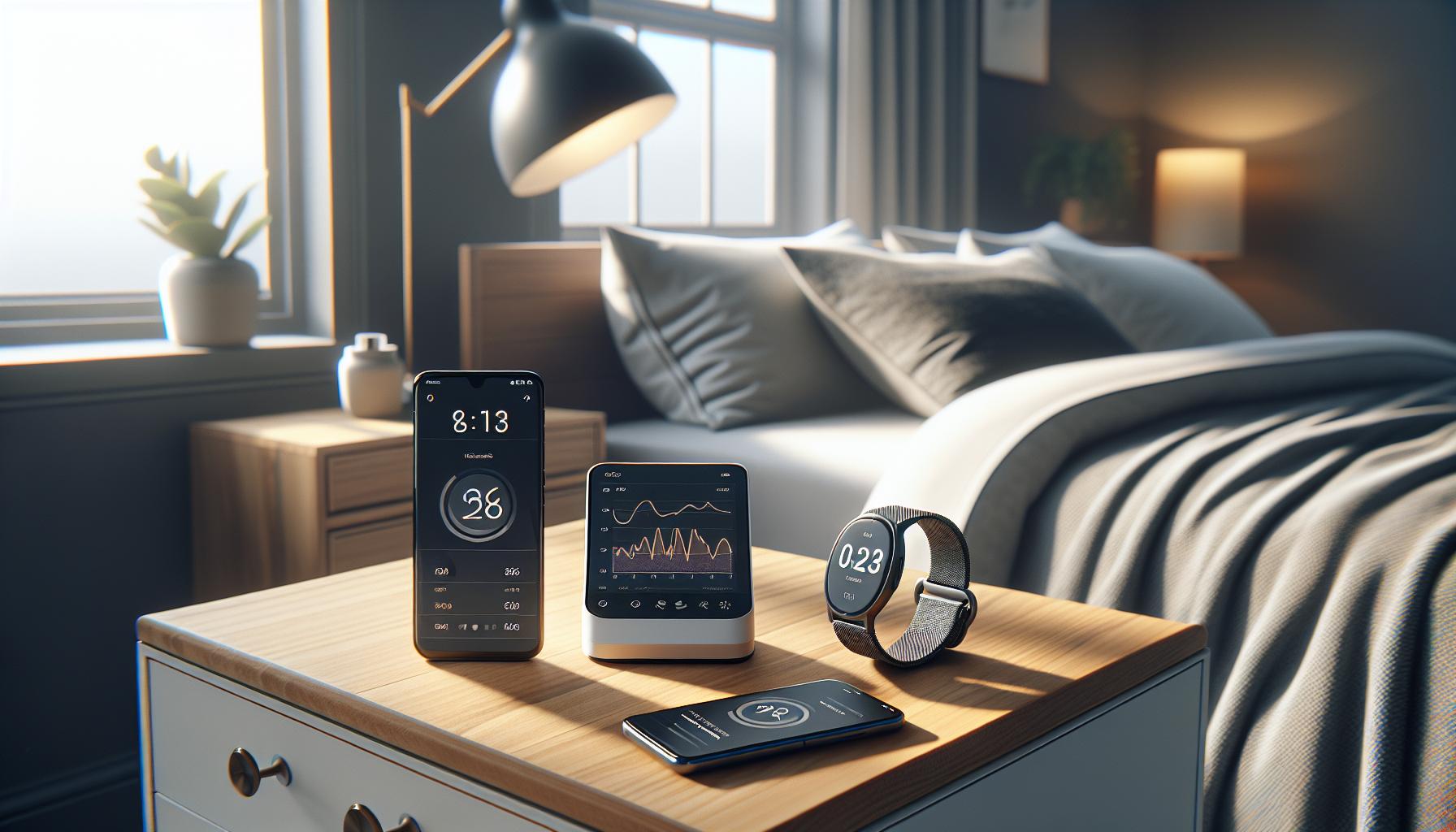
Comparing Different Sleep Tracking Devices
Comparing various sleep tracking devices can feel overwhelming, given the multitude of options available today. Each device comes with its own set of features, strengths, and limitations, which can significantly influence the accuracy of sleep data. To navigate this landscape effectively, it’s essential to understand the different types of devices and how they measure sleep, ensuring you choose one that aligns with your personal needs and sleep goals.
Types of Sleep Trackers
There are primarily three categories of sleep tracking devices: wearables, non-wearable devices, and smartphone applications.
- Wearables: These include smartwatches and fitness bands (like the Apple Watch) that track heart rate, movement, and in some cases, oxygen levels. Their portability makes them convenient but also reflects the data through algorithms that can vary in accuracy.
- Non-wearable devices: Products like the Muse S Headband focus on providing more sophisticated tracking through EEG sensors. They measure brain waves, which enhance the precision of identifying sleep stages compared to traditional wearables that rely on movement data alone.
- Smartphone applications: Many apps can assess sleep by tracking sounds and movements through the microphone and accelerometer. While some can offer insights, they may not be as reliable as dedicated devices.
Each type has its pros and cons. For instance, wearables are generally more user-friendly and provide real-time feedback but may struggle with distinguishing between light and deep sleep accurately. In contrast, devices like the Muse S can deliver deeper insights but may require more time to set up and use comfortably.
Key Features to Consider
When comparing devices, consider these attributes:
- Accuracy: Look for reviews or studies that validate a device’s sleep tracking accuracy. Research shows that devices measuring additional metrics, like heart rate variability, may provide broader insights into sleep quality.
- User experience: Evaluate the comfort and usability of the device. If a tracker is uncomfortable to wear, you’re less likely to utilize it consistently.
- Cost: Prices can range from budget-friendly options under $50 to premium devices that may exceed $300. Consider your budget but balance it against the quality and features you need.
- Integration: Some devices sync with health applications and can provide a more comprehensive view of your overall health by connecting sleep data with activity levels, nutrition, and more.
Investing time in research and reading user experiences can help clarify which device might suit you best. Remember that while wearables and apps can be useful for general tracking and providing data trends, they shouldn’t replace professional assessments if sleep disorders are suspected. For more precise information, consider a sleep study or consultation with a sleep specialist when necessary. This combination of devices paired with expert advice offers the most comprehensive approach to improving sleep quality.
Factors That Affect Sleep Tracking Reliability
The accuracy of sleep tracking devices is influenced by a multitude of factors, making it essential for consumers to understand what affects their reliability. Various elements can skew the data that these devices provide, which can lead to misconceptions about your sleep quality and patterns. For instance, body movements during the night, such as tossing and turning or even sitting up briefly, can interfere with a tracker’s ability to determine whether you are in deep or light sleep. Devices that rely solely on motion sensors may misinterpret these movements, potentially misrepresenting your overall sleeping patterns.
Another significant aspect is the sensitivity of the technology employed in sleep trackers. Wearable devices typically use accelerometers to determine sleep stages based on activity levels, which can be effective but lacks the precision of methods like EEG, which measures brain waves. For example, the Muse S Headband offers enhanced accuracy by identifying specific brain activity related to different sleep stages, while a fitness band may have difficulty discerning between varying depths of sleep. Users should prioritize trackers that employ more sophisticated technology for more reliable data.
External factors also play an essential role. Environmental conditions, including noise levels, room temperature, and mattress quality, can impact sleep quality significantly. If a tracker is unable to account for these aspects, it may yield misleading conclusions regarding your sleep health. Additionally, your individual sleep needs or patterns can vary-such as having an irregular sleep schedule or differing requirements for sleep duration-which can confuse data interpretation by standard trackers.
Lastly, it’s crucial to consider user comfort and adherence to wearing the device. If a sleep tracker is uncomfortable, it’s likely you won’t wear it consistently, leading to gaps in data collection. Also, many consumers might not take the time to learn how to set up their trackers correctly or interpret the data they receive, leading to misunderstandings about what the information means. For optimal data accuracy, taking the time to understand how to use your sleep tracker effectively and addressing the factors listed above can make a significant difference in the insights you gain about your sleep.
User Experiences: Real vs. Recorded Sleep Data
Experiencing sleep can feel vastly different from what sleep trackers report. Many users find themselves questioning the accuracy of recorded sleep data when their tracker suggests they enjoyed a full night’s rest, yet they feel groggy and unrested upon waking. This discrepancy can stem from how these devices interpret movements and physiological signals, leading to a mix of revealed patterns and misjudged states of sleep. Understanding these nuances can empower users to make informed decisions about their sleep health.
Typically, sleep trackers rely on motion sensors and heart rate data to classify sleep stages. However, these devices often lack the precision of clinical sleep studies, which employ polysomnography to gather comprehensive data, including brain wave activity. For instance, someone might record 7 hours of sleep on a tracker but experience frequent awakenings that disrupt their sleep quality. This situation highlights a common user experience where individuals report feeling less refreshed than their devices suggest, raising the question: how do we align our lived experience with recorded data?
Many users have found it helpful to maintain a sleep diary alongside their tracking device. By recording not just the times they go to bed and wake up, but also their perceived sleep quality, notable disturbances, and daily habits-like caffeine intake or stress levels-individuals can better contextualize their tracked data. This self-awareness brings a more nuanced interpretation of their sleep patterns, enabling them to identify potential disruptions that their devices might overlook. Moreover, sharing this information with sleep specialists can provide a clearer picture and lead to more personalized recommendations.
Ultimately, while sleep trackers are a useful tool for monitoring sleep, they should be viewed as part of a broader conversation about sleep health. Users should approach their recorded data with a critical eye, aware of the inherent limitations of wearable technology. When necessary, combining insights from personal experiences and professional evaluations can lead to a more balanced understanding of one’s sleep quality, aiding in the pursuit of better rest.
Limitations of Sleep Tracking Technology
While sleep trackers have gained popularity as tools for monitoring sleep, it’s essential to recognize their limitations. One striking fact is that the average sleep tracker only provides a rough estimate of sleep quality, often failing to capture the nuances of individual sleep patterns. This can lead to a false sense of security regarding sleep health. Many devices utilize algorithms based on movement and heart rate to infer sleep stages. However, they can misinterpret restlessness as wakefulness or fail to recognize brief awakenings, thus skewing the overall data.
Understanding Accuracy and Reliability
Most sleep trackers do not incorporate the same level of clinical evaluation as sleep studies. Clinical tests, such as polysomnography, involve a comprehensive analysis of brain activity, eye movements, and heart rates. This means that while sleep trackers can be convenient for everyday use, they lack the precision necessary for diagnosing sleep disorders accurately. For example, someone might have a lot of sleep interruptions that go undetected by their tracker, leading to a misjudged perception of their sleep quality.
Common Misconceptions
Another limitation stems from the user’s expectations. Some individuals mistakenly believe that a tracker can provide a complete overview of their sleep health, which isn’t the case. Instead, wearable technology is best used as a general guide rather than an authoritative source. Users should be encouraged to recognize their feelings about sleep-such as waking up frequently or feeling tired despite recorded “good” sleep-as valuable indicators of their sleep health.
Complementing Technology with Other Tools
To bridge the gap between tracked data and actual experience, users can maintain a sleep diary. Documenting factors like wake-up times, perceived quality, and daily habits (caffeine or stress levels) can offer insights that devices alone may overlook. Real-life tracking is invaluable for identifying disruptive patterns or lifestyle factors affecting sleep. By combining these observations with the information from sleep trackers, individuals can gain a more holistic view of their sleep health.
By embracing the strengths and recognizing the , you can empower yourself to make more informed choices about your sleep routines. Consider these devices as part of a broader strategy for understanding your sleep, rather than relying solely on their data for insights into your overall health.
The Role of Sleep Studies vs. Wearable Trackers
Sleep studies, often regarded as the gold standard for diagnosing sleep disorders, offer a level of depth and accuracy that wearable trackers simply cannot match. These clinical evaluations, typically conducted in sleep labs, utilize polysomnography to record various physiological parameters, including brain waves, heart rate, breathing patterns, and eye movements. This comprehensive approach allows medical professionals to identify specific sleep issues, such as sleep apnea or narcolepsy, providing nuanced insights that consumer-grade devices might overlook.
In contrast, wearable trackers primarily rely on movement and heart rate to estimate sleep stages. While some advanced models may incorporate additional metrics, their methodologies can lead to inaccuracies. For example, a user’s device might interpret tossing and turning as wakefulness, misrepresenting the quality of deep or REM sleep. Furthermore, trackers often lack the ability to distinguish between different sleep disorders, potentially leaving users unaware of underlying conditions that could require medical intervention.
For individuals experiencing significant sleep problems, such as insomnia, chronic fatigue, or disrupted sleep patterns, a sleep study may be the most appropriate route. These evaluations not only provide a detailed sleep profile but also enable healthcare providers to recommend tailored treatment plans. However, a sleep study typically involves higher costs, potential insurance hurdles, and the discomfort of sleeping in an unfamiliar environment.
On the other hand, wearables serve as excellent tools for general tracking of sleep patterns and can foster better sleep hygiene. They help users become more aware of their sleep habits and lifestyle choices, encouraging adjustments that promote better sleep quality. When combined with subjective sleep diaries-where users note their feelings upon waking and any associated daily habits-wearable devices can enhance one’s understanding of their sleep health without replacing the need for professional evaluation when necessary.
In summary, while sleep studies provide essential medical insights and diagnostic precision, wearable trackers can play a complementary role in fostering awareness and self-monitoring. Knowing when to consult a sleep specialist versus relying on wearable technology involves understanding the limitations and strengths of each method, guiding users toward informed decisions about their sleep health.
Optimizing Sleep Tracking for Better Insights
To maximize the value of your sleep tracker and gain meaningful insights into your sleep quality, it’s essential to approach its use strategically. Understanding how to optimize your tracking can illuminate patterns and problems that affect your health. While these devices can provide helpful data, being mindful of their limitations will help you make better use of the information at hand.
First, consistency is key. Try to wear your tracker every night, as varying usage patterns can result in incomplete data. Aim for a regular sleep schedule, going to bed and waking up at the same time every day. This routine helps your device more accurately assess your sleep cycles, such as REM and deep sleep stages. Provide your tracker with as much context as possible by maintaining a nightly sleep diary. Note factors such as caffeine intake, exercise, and stress levels, as these can all influence sleep quality. When you compare this contextual data with tracker readings, you can identify specific habits that lead to better rest.
In addition to consistent usage, it’s critical to understand how your specific device measures sleep. Most trackers use motion sensors to detect activity levels, which allows them to estimate whether you are awake, in light sleep, or in deep sleep. Some advanced trackers may also monitor heart rate variability, but the accuracy can vary significantly between devices. Recognize that while these devices may provide a general overview, they might not detect sleep disorders effectively. If your tracker indicates excessive wake times or insufficient REM sleep, consider consulting a sleep specialist to dive deeper.
Lastly, remember to regularly review and interpret your sleep data. Use apps associated with your device to track long-term trends rather than focusing solely on nightly scores. Look for patterns over weeks or months; this broader view can highlight improvements or ongoing issues. If you notice consistent poor-quality scores, don’t hesitate to seek professional advice. Balancing device findings with clinical evaluations can provide comprehensive insights for optimizing your sleep health.
How to Interpret Your Sleep Data Effectively
Understanding how to decode your sleep data can feel like navigating a maze, but doing so can significantly improve your sleep quality. The first step is to familiarize yourself with the metrics your tracker provides, such as total sleep time, sleep efficiency, and the breakdown of sleep stages, which typically include light, deep, and REM sleep. Each of these stages plays a vital role in rejuvenating your body and mind, influencing everything from memory consolidation to emotional wellbeing.
To effectively interpret your data, start by identifying patterns rather than focusing on individual nights. Look for trends over weeks or months to see if there are consistent days when your sleep quality is better or worse. Factors such as stress, physical activity, or even dietary choices can impact your sleep. Keeping a sleep diary alongside your tracking data can provide context-note how caffeine or alcohol intake, exercise, and daily stressors align with your sleep quality.
Additionally, understanding the accuracy of your device is crucial. Most wearable trackers rely on motion sensors and heart rate monitoring, but their ability to accurately measure sleep stages can vary. Some devices may not differentiate well between light sleep and being awake, while others may excel at this. Therefore, treat your sleep tracker as a tool for general guidance rather than a definitive source. If your readings consistently indicate poor sleep quality, it may be worthwhile to consult a sleep specialist who can conduct a more thorough evaluation. A polysomnography test can provide insights into potential sleep disorders that wearables might miss.
Lastly, integrate your sleep data with lifestyle changes to enhance your overall sleep health. For example, if your tracker indicates that you’re frequently waking up during the night, explore strategies such as optimizing your bedroom environment or adjusting your bedtime routine. By taking actionable steps based on your sleep data, you can pave the way toward achieving a more restful night, ultimately contributing to your overall wellbeing.
When to Consult a Sleep Specialist
Recognizing when to seek the expertise of a sleep specialist can truly be a game-changer for your health and well-being. Sleep trackers provide a wealth of information, but they have limitations. If your device consistently shows low sleep quality, high levels of restlessness, or excessive awakenings without any improvement after implementing lifestyle changes, it may be time to consult a professional.
Identifiable signs for consideration include:
- Persistent Insomnia: If you find it difficult to fall asleep or stay asleep for several weeks, this could be an indication of an underlying sleep disorder that warrants professional assessment.
- Daytime Fatigue: Continued feelings of exhaustion during the day, regardless of how long you slept, can suggest issues that a sleep tracker cannot diagnose.
- Bedtime Snoring or Breathing Issues: If your partner reports loud snoring or episodes where you seem to stop breathing, it’s vital to seek help. These can be symptoms of sleep apnea, which can have serious health implications.
- Consistent Mood Changes: Trouble sleeping can significantly affect your mental health. If you notice increased irritability or mood swings, it may be beneficial to talk to a specialist.
An in-depth assessment at a sleep clinic may include a polysomnography (PSG) test, which records brain waves, oxygen levels, heart rate, and breathing while you sleep. This thorough analysis can reveal specific sleep disorders that wearable trackers often miss, such as parasomnias or periodic limb movement disorder. Treatment options to follow may involve lifestyle adjustments, cognitive behavioral therapy for insomnia, or even CPAP therapy for sleep apnea.
Investing in a sleep study may seem daunting, especially regarding cost or setup procedures, but many insurance plans cover these evaluations. It’s essential to approach the process calmly; knowing you have options and support can alleviate the anxiety surrounding your sleep issues. Taking that step to consult a sleep specialist empowers you to understand your sleep health better and can lead to a more restorative sleep experience.
Q&A
Q: How do sleep trackers determine sleep quality?
A: Sleep trackers assess sleep quality through various metrics, including the duration of sleep, sleep stages (light, deep, REM), and movement patterns during the night. They often use heart rate variability and body temperature changes to provide a comprehensive view of your sleep health. For better insights, consider using devices that offer advanced sleep analytics.
Q: Can sleep tracking data be inaccurate?
A: Yes, sleep tracking data can be inaccurate due to factors like device placement, user movement, and the limitations of the technology itself. Environmental factors such as noise and light exposure can also impact accuracy. To improve reliability, ensure proper device positioning and consider using clinical sleep studies as a comparison.
Q: What are the limitations of at-home sleep trackers?
A: At-home sleep trackers often lack the precision of clinical devices. They may not correctly identify sleep disorders or accurately measure sleep stages. Furthermore, they can be influenced by external factors, such as stress or changes in routine. Using them alongside professional sleep studies can provide a clearer picture of your sleep health.
Q: How can I interpret my sleep tracker results?
A: To interpret sleep tracker results, focus on overall sleep duration, cycles, and any patterns in your data, such as frequent awakenings or poor deep sleep. Cross-reference this data with how you feel during the day and consider consulting a sleep specialist if you notice persistent issues.
Q: Are sleep trackers useful for diagnosing sleep disorders?
A: Sleep trackers can provide preliminary insights into sleep patterns but are not definitive diagnostic tools for sleep disorders. They can help identify potential issues, but a sleep study conducted by a professional is recommended for accurate diagnoses.
Q: What is the difference between sleep tracking and sleep studies?
A: Sleep tracking uses non-invasive wearable technology to estimate sleep patterns, while sleep studies (polysomnography) are conducted in a lab to monitor brain activity, oxygen levels, heart rate, and other physiological functions. Sleep studies provide a more detailed and accurate assessment of sleep disorders.
Q: How does lifestyle affect the accuracy of sleep tracking?
A: Lifestyle factors like caffeine intake, stress levels, and exercise can significantly affect sleep quality and consequently the accuracy of sleep tracking. Maintaining a consistent sleep schedule and a relaxing bedtime routine can help improve your sleep data accuracy.
Q: Can I trust my sleep tracker for health insights?
A: While sleep trackers can offer useful insights into your sleep patterns, they should be considered as a guide rather than definitive health information. Always cross-reference your tracker data with how you feel and consult a healthcare provider for serious concerns about your sleep health.
To Conclude
Understanding the reliability of sleep tracking data is essential for optimizing your health and well-being. With so many options available, from wearables to sleep studies, it’s vital to choose tools that truly benefit your sleep quality. If you’re still feeling uncertain about the accuracy of these devices, exploring in-depth studies can provide clarity and confidence.
Take your sleep health journey further by checking out our guides on sleep studies and how sleep impacts overall health. Don’t hesitate to leave your thoughts in the comments or share your experiences-we’d love to hear from you! Want to stay updated on the latest in sleep research and tips? Sign up for our newsletter and equip yourself with knowledge that empowers you to make informed choices about your sleep health. Your journey to better sleep starts now!
Get our latest guides, news, and insights highlighted in your Google Search & AI Overviews.