
Did you know that lack of quality sleep can significantly impact your health, mood, and cognitive function? If you’ve been feeling more fatigued than usual, struggling to focus, or experiencing unusual sleep patterns, it might be time to consider a sleep study. This essential guide will help you identify the warning signs that indicate the need for an evaluation of your sleep health. Understanding when to seek professional help can empower you to take control of your well-being, improve your energy levels, and enhance your overall quality of life. Join us as we explore common symptoms and practical steps to determine if a sleep study is right for you. Your journey to better sleep starts here!
What Is a Sleep Study and Why Do You Need One?
A sleep study, or polysomnography, is a comprehensive test designed to monitor various bodily functions while you sleep. By recording brain waves, heart rate, breathing patterns, and oxygen levels, these studies provide crucial insights into your sleep health. If you’ve ever struggled to wake up feeling refreshed, or if you experience persistent daytime fatigue, a sleep study could be the key to understanding what’s disrupting your rest.
Circumstances that might necessitate a sleep study include sleep apnea, insomnia, narcolepsy, or other sleep disorders. These conditions not only affect your nightly rest but can also have long-term health implications if left unchecked. For instance, untreated sleep apnea can lead to serious issues such as cardiovascular problems and decreased cognitive function. If your sleep is frequently interrupted or if you experience symptoms such as loud snoring, gasping for air during sleep, or excessive daytime sleepiness, it’s advisable to consult with a healthcare professional about potentially scheduling a sleep study.
The process of undergoing a sleep study is typically straightforward, although it may seem intimidating at first. In-lab tests occur overnight in a sleep facility where you’ll be monitored in real-time, while at-home tests enable you to track your sleep in a familiar environment. Each setting has its strengths, and understanding which option aligns best with your needs often involves a discussion with your healthcare provider.
Ultimately, a sleep study is an essential tool for diagnosing sleep disorders, offering not only answers but also a path toward better health and improved quality of life. If you recognize any of the warning signs-such as persistent fatigue, difficulty concentrating, or irregular sleep patterns-it might be time to consider a sleep study. Taking that step can lead to essential changes that help restore your well-being and energy levels.
Common Symptoms Indicating a Sleep Study May Be Necessary
If you’re often waking up feeling unrefreshed or struggling to stay awake during the day, you may be experiencing symptoms that suggest a sleep study could be necessary. Sleep disorders can manifest in various ways, and recognizing those signs early is crucial for addressing underlying health issues. Here are some common symptoms that may indicate it’s time to consult a healthcare professional about scheduling a sleep study.
Frequent Daytime Sleepiness
Do you find yourself battling overwhelming drowsiness during the day? This could be a primary indicator of various sleep disorders. If you’re falling asleep during quiet daytime activities, such as reading or watching TV, it’s a sign that your nighttime rest isn’t restorative. Excessive daytime sleepiness may point towards conditions like sleep apnea or narcolepsy, both of which can significantly impact your quality of life.
Poor Sleep Quality
Many people underestimate the importance of good sleep quality. If you’re frequently waking up throughout the night, experiencing insomnia, or have difficulty falling asleep, these issues warrant further investigation. Common complaints include tossing and turning, nightmares, or simply feeling unrested despite spending a full night in bed. Such persistent problems can indicate disorders like restless leg syndrome or insomnia itself, suggesting that a sleep study might be beneficial.
Snoring and Breathing Difficulties
Loud snoring and observed breathing interruptions during sleep are symptoms commonly associated with sleep apnea. If a partner has pointed out that you stop breathing for brief moments during the night or if you wake up gasping for air, it’s imperative to seek medical advice. Sleep apnea not only disrupts your sleep but can also lead to severe health complications, including cardiovascular issues if left untreated.
Mental Health Symptoms
The relationship between sleep and mental health is profound. If you are experiencing increased anxiety, depression, or mood swings, these could be linked to poor sleep patterns. Chronic sleep deprivation can exacerbate mental health conditions, so addressing sleep issues through a study may not only improve sleep but also enhance overall emotional well-being.
Recognizing these symptoms is the first step toward finding solutions that can lead to better sleep health. If they resonate with you, discussing a sleep study with your healthcare provider may help illuminate what’s affecting your rest and how to address it effectively.
When to Consider a Sleep Study: Key Warning Signs
It’s estimated that nearly 70 million adults in the U.S. suffer from sleep disorders, which can significantly impact both physical and mental health. Understanding when to seek a sleep study is critical for those struggling with various sleep-related issues. Recognizing key warning signs can be a game-changer in your quest for better sleep.
Overwhelming Daytime Fatigue
If you find yourself fighting off sleepiness during the day, despite what you think is enough rest at night, this is a glaring warning sign. Frequent yawning, difficulty concentrating, or even dozing off during mundane activities indicate that your sleep quality may be compromised. Conditions like sleep apnea or hypersomnia can cause this excessive daytime fatigue, leading to serious health risks if left untreated.
Disrupted Sleep Patterns
Waking up frequently during the night, having trouble falling asleep, or experiencing restlessness can all be signs that a sleep study may be warranted. If your nights are filled with tossing and turning, vivid dreams, or nightmares that leave you unsettled, it’s important to evaluate the quality of your sleep. Persistent insomnia or issues like restless leg syndrome necessitate a closer look, as they can indicate underlying sleep disorders.
Observable Breathing Issues
Breathing disturbances during sleep, such as loud snoring, choking, or gasping for air, are telltale symptoms of sleep apnea-a condition that warrants immediate medical attention. If your partner mentions you stop breathing during the night, or you frequently wake up feeling out of breath, it’s time to consider a sleep study. Early intervention can prevent complications like cardiovascular diseases and improve your overall health.
Mental and Emotional Health Concerns
Your mental well-being is intricately tied to your sleep habits. Increased anxiety, mood swings, or depressive symptoms might correlate with poor sleep quality. If you notice that your emotional state fluctuates with your sleep patterns, it could signal a need for a professional evaluation through a sleep study. Addressing sleep issues not only stabilizes your sleep but can have a positive impact on your mental health as well.
Recognizing these warning signs and understanding their implications can empower you to make informed decisions about your sleep health. If any of these symptoms resonate, it may be time to consult a healthcare provider about scheduling a sleep study, paving the way for a more restful future.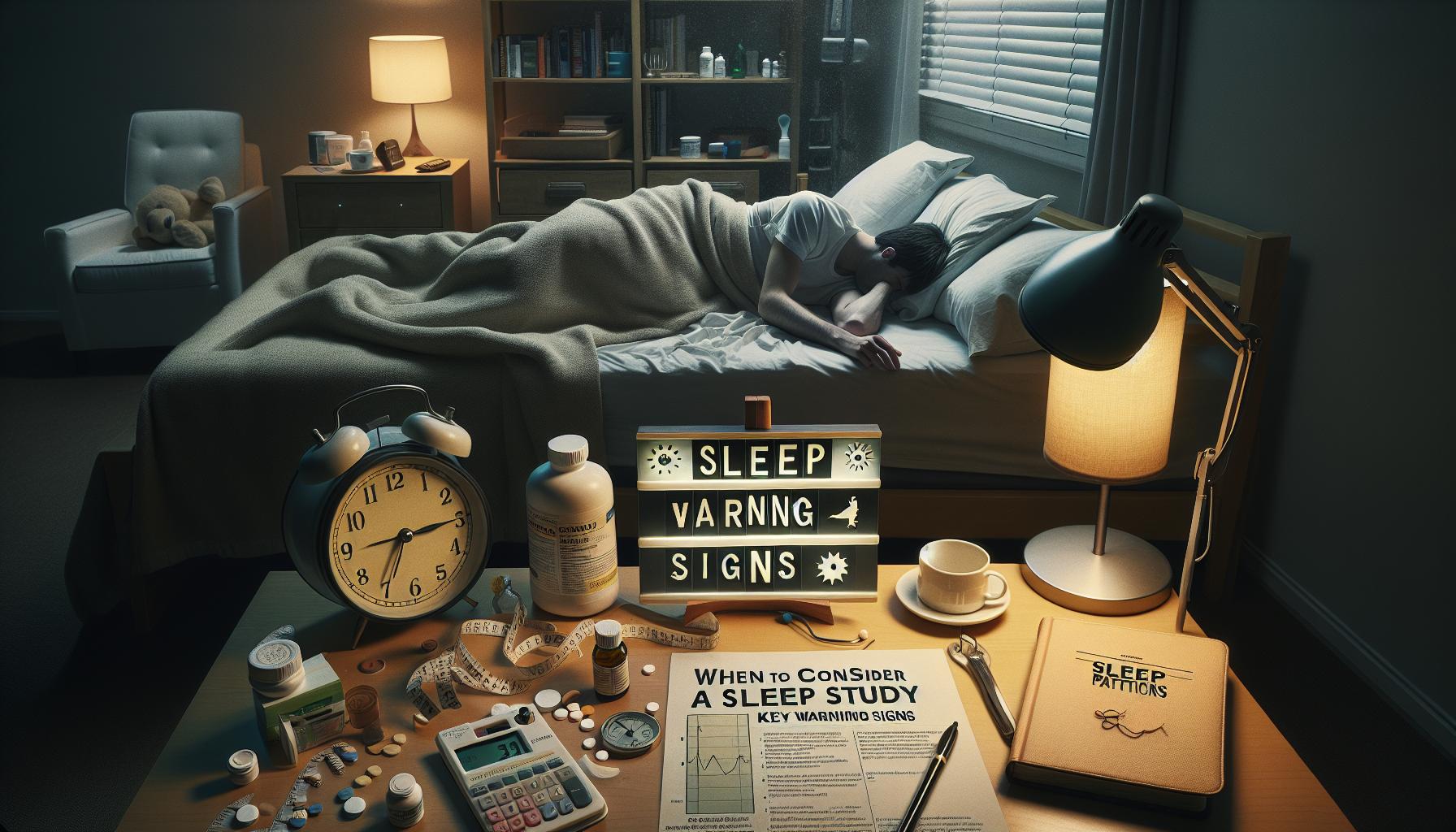
Understanding Sleep Disorders: What You Need to Know
Sleep disorders can significantly affect your daily life, but understanding them is the first step toward better health. It’s estimated that approximately 70 million Americans suffer from such disorders, which encompass a range of issues from insomnia to sleep apnea. These conditions are not just nuisances; they can lead to serious health consequences, including cardiovascular problems and mental health challenges. Understanding sleep disorders helps to identify whether you might need a sleep study, especially if you notice any concerning symptoms.
One of the most common sleep disorders is sleep apnea, characterized by repeated interruptions in breathing during sleep. These interruptions can lead to poor sleep quality, excessive daytime fatigue, and even higher risks for conditions like high blood pressure and heart disease. Another prevalent disorder is insomnia, which can manifest as trouble falling asleep, staying asleep, or waking up too early. Insomnia not only affects shared sleep partners but also contributes to a lack of focus and irritability during the day.
Sleep disorders can also extend to less talked about conditions such as restless leg syndrome and narcolepsy. Restless leg syndrome causes uncomfortable sensations in the legs, compelling individuals to move them, while narcolepsy can lead to abrupt sleep attacks during the day, impacting work and social life. Treatment for these disorders often starts with a sleep study, which evaluates the cycles and disturbances in your sleep, providing invaluable data to guide appropriate interventions.
If you suspect you have a sleep disorder, consider keeping a sleep diary. Track your sleep patterns, behaviors, and any symptoms you experience. Sharing this diary with a healthcare provider can help determine whether you need further evaluation through a sleep study. Remember, seeking help is a proactive step toward improving your sleep quality and overall health. Making informed choices about your sleep can lead to enhanced physical and mental well-being.
Different Types of Sleep Studies Explained
Understanding the different types of sleep studies can empower you to make informed decisions regarding your sleep health. Sleep studies, or polysomnographies, are designed to monitor various physiological functions during sleep. By recognizing the available options, you can better understand what might be necessary based on your symptoms or symptoms you’re tracking in a sleep diary.
Types of Sleep Studies
There are mainly two types of sleep studies: in-lab sleep studies and home sleep apnea tests. Here’s a closer look at each:
- In-Lab Sleep Studies: Conducted in a specialized sleep center, these studies involve monitoring a range of physiological parameters, including brain waves, oxygen levels, heart rate, and respiratory effort. Patients usually stay overnight, connected to sensors and equipment that track their sleep patterns in detail. This thorough assessment helps diagnose conditions like sleep apnea, narcolepsy, and periodic limb movement disorder.
- Home Sleep Apnea Tests: Designed for convenience, these tests allow individuals to monitor their own sleep patterns at home. Patients typically receive a simplified device that measures airflow, oxygen saturation, and respiratory effort. While home tests are less comprehensive than in-lab studies, they are appropriate for diagnosing obstructive sleep apnea in individuals who exhibit classic symptoms.
Choosing the Right Study
The selection of a study often depends on your symptoms and previous evaluations. If your doctor suspects a complex sleep disorder, an in-lab sleep study may be warranted for its detailed data. For those primarily concerned about sleep apnea, especially if they already experience excessive daytime sleepiness or loud snoring, a home sleep apnea test could be the right choice.
Understanding these distinctions helps demystify the sleep study process. Remember that both options are designed to collect crucial data that can guide proper treatment, providing a path to better sleep health. If you’re uncertain about which test is right for you, discussing your symptoms openly with your healthcare provider can clarify the best approach tailored to your needs.
How Sleep Studies Are Conducted: A Step-by-Step Guide
Understanding how sleep studies are conducted can ease concerns and illuminate the path toward better sleep health. The process may seem daunting, but knowing what to expect can make it far less intimidating. Here’s a step-by-step look at how a typical sleep study unfolds, whether conducted in a lab or at home.
The journey usually begins with a visit to your healthcare provider. During this consultation, discuss your symptoms-such as persistent snoring, excessive daytime sleepiness, or difficulty concentrating. Based on your discussion, your doctor may recommend a sleep study and explain the two main options: an in-lab polysomnography or a home sleep apnea test.
If you’re scheduled for an in-lab sleep study, you’ll arrive at a sleep center in the evening. Once there, a technician will help you get set up by placing electrodes on your scalp and sensors on your face, chest, and limbs. These devices monitor brain waves, heartbeat, breathing patterns, and muscle activity throughout the night.
For those opting for a home sleep apnea test, you’ll be given a simplified monitoring device that you’ll wear while you sleep. This typically includes a nasal cannula to track airflow and an oximeter to measure blood oxygen levels. The convenience of being at home can alleviate some anxiety and help you sleep more naturally.
Regardless of the type of study, each method aims to gather crucial data about your sleep patterns. After the study, a sleep specialist will analyze the results and discuss them with you, helping to identify any potential sleep disorders. This thorough understanding is vital for developing an effective treatment plan tailored to your specific needs, ensuring that you’re on the right path toward improved sleep health.
What to Expect Before, During, and After a Sleep Study
Preparing for a sleep study can feel daunting, but understanding what to expect can help alleviate anxiety. Before the study begins, you’ll typically have a consultation with your healthcare provider to discuss your symptoms, such as excessive daytime sleepiness, loud snoring, or irregular breathing patterns during sleep. This conversation establishes the need for a sleep study, helping you grasp its importance in diagnosing potential sleep disorders.
Before the Sleep Study
In the days leading up to your sleep study, you might be advised to keep a sleep diary, documenting your sleep patterns, nighttime habits, and any factors that could affect your sleep, like caffeine intake or medications. This information can provide valuable insights for your healthcare provider and the sleep specialists assessing your condition. Also, consider arranging for transport to and from the facility, especially for an in-lab study, as you may feel fatigued afterward.
During the Sleep Study
When you arrive for an in-lab sleep study, the environment is designed to be comfortable and conducive to sleep. You’ll be in a private room, similar to a hotel setting, yet equipped with all the necessary monitoring equipment. Technicians will place sensors on your scalp, face, chest, and legs to record brain waves, oxygen levels, and more. The process is non-invasive, taking only a short time. If you’re undergoing a home sleep apnea test, you’ll receive a device to wear that measures essential indicators like airflow and oxygen levels. This at-home option provides the benefit of sleeping in your own space, which can help ease anxiety.
After the Sleep Study
Once the study concludes, the data collected will be analyzed by a sleep specialist who will identify any abnormalities or patterns indicative of sleep disorders. Expect a follow-up appointment to discuss the findings and possibly recommend a treatment plan tailored just for you, which might include lifestyle changes, therapy, or even a CPAP machine if sleep apnea is diagnosed. Understanding the results will empower you to take proactive steps toward improving your sleep health and overall well-being.
Equipped with the right knowledge about what to expect, you can approach your sleep study with confidence, knowing it is a crucial step towards better sleep. Remember, seeking help is a positive action towards reclaiming restful nights and vibrant days.
Comparing At-Home and In-Lab Sleep Studies
Understanding the differences between at-home and in-lab sleep studies is essential for anyone considering a sleep evaluation. Each method has distinct advantages and can cater to varying needs based on the individual’s symptoms and lifestyle.
In-lab sleep studies are comprehensive tests conducted in a clinical environment equipped with specialized monitoring equipment. They often provide the most accurate assessments of sleep disorders like sleep apnea or REM sleep behavior disorder. During these studies, technicians observe patients overnight, recording data such as brain waves, heart rate, and breathing patterns using polysomnography. The more detailed data collected allows clinicians to accurately diagnose complex sleep issues, but the experience can sometimes induce anxiety due to the unfamiliar setting and equipment.
At-Home Sleep Studies
On the other hand, at-home sleep studies offer a more comfortable alternative for those who prefer a familiar environment. These tests typically use simplified devices that monitor key indicators like oxygen levels and airflow while the patient sleeps. Although they are less comprehensive than in-lab studies, they can be effective for diagnosing conditions like obstructive sleep apnea, especially in patients with mild symptoms. At-home tests are particularly appealing because they often reduce anxiety and allow for more natural sleep patterns, making it easier to capture true sleeping conditions.
Cost and Accessibility
Cost is another significant factor to consider. At-home studies generally tend to be more affordable than in-lab studies, which may involve facility fees and additional costs for specialized equipment. Most insurance plans can cover either option, but it’s wise to check your policy to determine what is applicable; some plans may have preferred methods based on your symptoms.
Ultimately, choosing between at-home and in-lab sleep studies depends on your specific symptoms, comfort level, and the type of data your healthcare provider needs to make an accurate diagnosis. Discussing these factors with your doctor can help you make an informed decision tailored to your unique sleep health needs.
Navigating Insurance: Coverage for Sleep Studies
Navigating the complexities of insurance coverage for sleep studies can be daunting, but understanding key details can simplify the process and ensure you receive the necessary care without unexpected financial burdens. The first steps involve knowing what type of sleep study you might need-whether an in-lab polysomnography or an at-home sleep test-as coverage can vary significantly. Generally, most insurance plans cover these studies when they are deemed medically necessary; however, it’s critical to verify specific coverage details with your insurer.
Start by checking your insurance policy. Look for sections that detail coverage for diagnostic tests, particularly those related to sleep disorders. Often, insurers will require a referral from a primary care physician or a sleep specialist to authorize the study. This authorization is essential for ensuring that the costs are covered. If you’re unsure about a specific requirement, don’t hesitate to call your insurance provider’s customer service for clarification. Having clear documentation from your healthcare provider about your symptoms and the necessity of the study can support your case for coverage.
Additionally, consider the costs involved. In-lab studies tend to be more expensive due to facility fees and the equipment used, whereas at-home tests are usually more budget-friendly. If you’re worried about high out-of-pocket expenses, inquire with your insurance about any co-pays or deductibles that may apply. Some plans might cover the full cost of the study, while others may only pay a portion.
Lastly, keep an eye out for any restrictions or conditions in your insurance plan. Some insurers prefer certain types of tests or may have a preferred provider network. Understanding these nuances can help you make informed decisions and potentially save money. If you find that your insurance does not cover the needed sleep study, exploring financing options or payment plans with the sleep center might be beneficial, ensuring you get the diagnostics you need without financial strain.
The Role of Wearable Sleep Trackers: Do They Help?
Wearable sleep trackers have surged in popularity, promising insights into our nighttime habits and overall sleep quality. However, with a multitude of options available, consumers often wonder about their real effectiveness, especially when considering professional sleep studies. While these devices can indeed provide valuable information, understanding their capabilities and limitations is crucial in deciding when to rely on them versus seeking a clinical evaluation.
First, it’s important to recognize what these devices can do. Most wearables, such as smartwatches and fitness bands, track basic metrics like sleep duration and detect movement to estimate sleep quality. They often categorize sleep into stages: light, deep, and REM sleep. This data can help you notice patterns or irregularities in your sleep habits, potentially indicating whether you might need a more comprehensive sleep study. For example, if a wearable continuously shows you’re getting less than seven hours of sleep, or that your deep sleep duration is significantly lower than average, these findings may warrant further discussion with a healthcare provider.
However, while wearables can serve as an initial alert system, they are not a substitute for professional evaluation. Most consumer-grade devices lack the precision and clinical validation offered by polysomnography, which records brain waves, heart rate, and oxygen levels while you sleep. Wearable trackers primarily rely on motion-based algorithms, which may misinterpret periods of wakefulness as sleep. A sleep study, on the other hand, provides a comprehensive view of your sleep environment and physiological responses, crucial for diagnosing conditions like sleep apnea or restless leg syndrome.
In practical terms, wearables can be a convenient first step in monitoring sleep, especially if signs like persistent fatigue or daytime drowsiness are emerging. If your tracker indicates consistent sleep issues or if you experience symptoms like snoring or gasping during sleep, it’s wise to consult a sleep specialist. They can guide whether a clinical study is necessary and interpret the more complex data that wearables cannot provide. Balancing both tools can empower you to take charge of your sleep health, enabling informed discussions with healthcare providers and tailoring solutions to enhance your sleep quality.
Real-Life Scenarios: When to Seek Professional Help
If you’re unsure whether you might need a sleep study, recognizing the right moment to seek professional help is vital for your health. Many people overlook subtle signs of sleep disorders, assuming that fatigue or poor sleep quality is simply a normal part of life. However, persistent issues often signal that it’s time to consult a specialist. Here are some common scenarios that should prompt you to consider a sleep study.
- Persistent Daytime Sleepiness: If you find yourself constantly tired during the day, despite what you believe to be a full night’s sleep, it may be a red flag. Sleep disorders like sleep apnea can significantly reduce the quality of your sleep, leading to excessive daytime drowsiness.
- Unexplained Snoring or Gasping: If your partner reports that you snore loudly or experience pauses in breathing during sleep, it’s essential to seek help. These symptoms could indicate obstructive sleep apnea, a condition that can have severe health implications if left untreated.
- Difficulty Concentrating: Struggling to focus or experiencing memory lapses can be linked to poor sleep quality. Sleep deprivation can impair cognitive function, and if you frequently experience these issues, a sleep assessment may help identify underlying problems.
- Restless Legs or Periodic Limb Movement: If you experience uncomfortable sensations in your legs or an uncontrollable urge to move them at night, it could indicate Restless Legs Syndrome or periodic limb movement disorder. These conditions can disrupt sleep significantly and warrant further investigation.
Getting proactive about your sleep issues can improve your overall well-being. If you’re experiencing any of these symptoms, documenting them can provide valuable insights during a consultation. This information can help healthcare providers determine whether you should undergo a sleep study to accurately diagnose potential disorders.
Remember, while wearable trackers can offer insights into sleep patterns, they often fall short in clinical accuracy. Real-life symptoms should guide your decision to seek professional help, ensuring that you receive the right diagnosis and treatment. Taking the next step towards a sleep study could be the key to restoring your health and enhancing your daily life.
Tips for Overcoming Sleep Study Anxiety and Preparing for Your Test
Feeling anxious about an upcoming sleep study is completely normal, especially if you’re unfamiliar with the process. Understanding what to expect and how to prepare can significantly reduce that anxiety. Sleep studies, or polysomnographies, are essential for diagnosing sleep disorders, and knowing how they work can empower you on your journey to better sleep.
Start by familiarizing yourself with the setup for a sleep study. If you’re scheduled for an in-lab study, it typically takes place at a sleep center where you’ll spend the night. You’ll be connected to monitors that track your sleep stages, heart rate, and breathing patterns. While this might sound intimidating, the staff is there to ensure you’re comfortable. Dressing in loose, comfortable clothing can help you feel more at ease. Bring along any items that might make you feel relaxed, such as a favorite pillow or blanket.
For those opting for an at-home sleep study, the equipment is usually less daunting. You’ll receive a kit that includes sensors to monitor your sleep. It typically involves wearing a wrist or finger device that tracks your movements and oxygen levels while you sleep. Familiarize yourself with the equipment beforehand, and don’t hesitate to ask your healthcare provider about anything that concerns you.
It’s important to discuss your concerns with your doctor prior to the test. They can provide reassurance and may offer practical advice for managing anxiety. Practicing relaxation techniques, such as deep breathing or meditation, can also be beneficial both in the days leading up to the study and during the night itself. Remember, the goal of the sleep study is to help you understand your sleep patterns better, ultimately leading to improved health and well-being.
During the night of the study, try to approach it as an opportunity rather than a source of stress. Embracing the experience with a mindset geared toward positive outcomes can help ease anxiety. Trust the process, and remember that taking this step is a commitment to bettering your sleep health.
Frequently Asked Questions
Q: What are the signs that indicate I may need a sleep study?
A: If you experience persistent fatigue, loud snoring, choking or gasping during sleep, and difficulty concentrating, these may be signs you need a sleep study. Consulting a healthcare provider for a professional assessment is advisable for further evaluation.
Q: How can I tell if my sleep issues are serious enough to warrant a sleep study?
A: When sleep disturbances lead to daily life impairment, such as trouble staying awake during the day or mood swings, it’s crucial to consider a sleep study. Tracking patterns in your sleep can help convey your symptoms to a doctor for assessment.
Q: What lifestyle factors might suggest the need for a sleep study?
A: Significant lifestyle changes, excessive caffeine or alcohol consumption, and irregular sleep schedules may increase your risk of sleep disorders, indicating the need for a sleep study. Monitoring your habits and discussing them with a healthcare provider can help.
Q: Are there specific medical conditions linked to the need for a sleep study?
A: Conditions like obesity, hypertension, and diabetes are associated with sleep disorders. If you have any of these conditions, and experience sleep issues, it’s wise to discuss scheduling a sleep study with your healthcare provider.
Q: When should I seek professional help for my sleep problems?
A: If you’re experiencing severe symptoms like insomnia, persistent nightmares, or extreme daytime sleepiness, you should seek professional help. Identifying these issues early can lead to more effective treatment options.
Q: Can untreated sleep disorders worsen over time?
A: Yes, untreated sleep disorders can lead to serious health complications, including cardiovascular issues and mental health problems. It’s crucial to address any persistent sleep issues before they become more severe.
Q: What preliminary steps can I take before visiting a sleep specialist?
A: Keep a sleep diary detailing your sleep patterns, symptoms, and lifestyle factors for a few weeks before your appointment. This will provide valuable insights for your sleep specialist regarding the potential need for a sleep study.
Q: How does stress affect my sleep quality, and when should I be concerned?
A: Chronic stress can greatly impact sleep quality, leading to insomnia or sleep disruptions. If stress-related sleep issues persist for a few weeks, it’s advisable to consult a healthcare professional for evaluation and potential sleep study referral.
To Wrap It Up
If you’ve identified several warning signs indicating you may need a sleep study, don’t wait-taking action now can improve your sleep health. Remember, recognizing the need for a professional evaluation is the first step toward unlocking better sleep and overall well-being. For more in-depth insights, check out our guides on sleep hygiene and top-rated sleep products that can enhance your nighttime routine.
Investing in a sleep study may seem daunting, but understanding your sleep patterns can provide clarity and direction. Whether you’re ready to consult a sleep specialist or explore tracking devices for at-home insights, we’ve got you covered with resources to simplify the process.
Join our community today for more expert tips and stay informed about your sleep health! Don’t hesitate to share your experiences or questions below, as your journey could help others take their first steps toward restful nights. Explore our comprehensive articles on sleep disorders and the latest in wearable sleep technology to empower your choices and foster positive sleep habits.
Get our latest guides, news, and insights highlighted in your Google Search & AI Overviews.