
Did you know that sleep is as crucial to your health as diet and exercise? Understanding how to conduct a sleep study can be a game-changer for those struggling with sleep disorders or persistent fatigue. A sleep study, or polysomnography, is a comprehensive examination that monitors various bodily functions during sleep to diagnose issues like insomnia or sleep apnea. By delving into this process, you can gain valuable insights into your sleep patterns and improve your overall health. As you read on, we’ll explore what to expect during a sleep study, how to prepare, and the technology involved, empowering you to make informed decisions about your sleep health. Your journey toward better sleep starts here.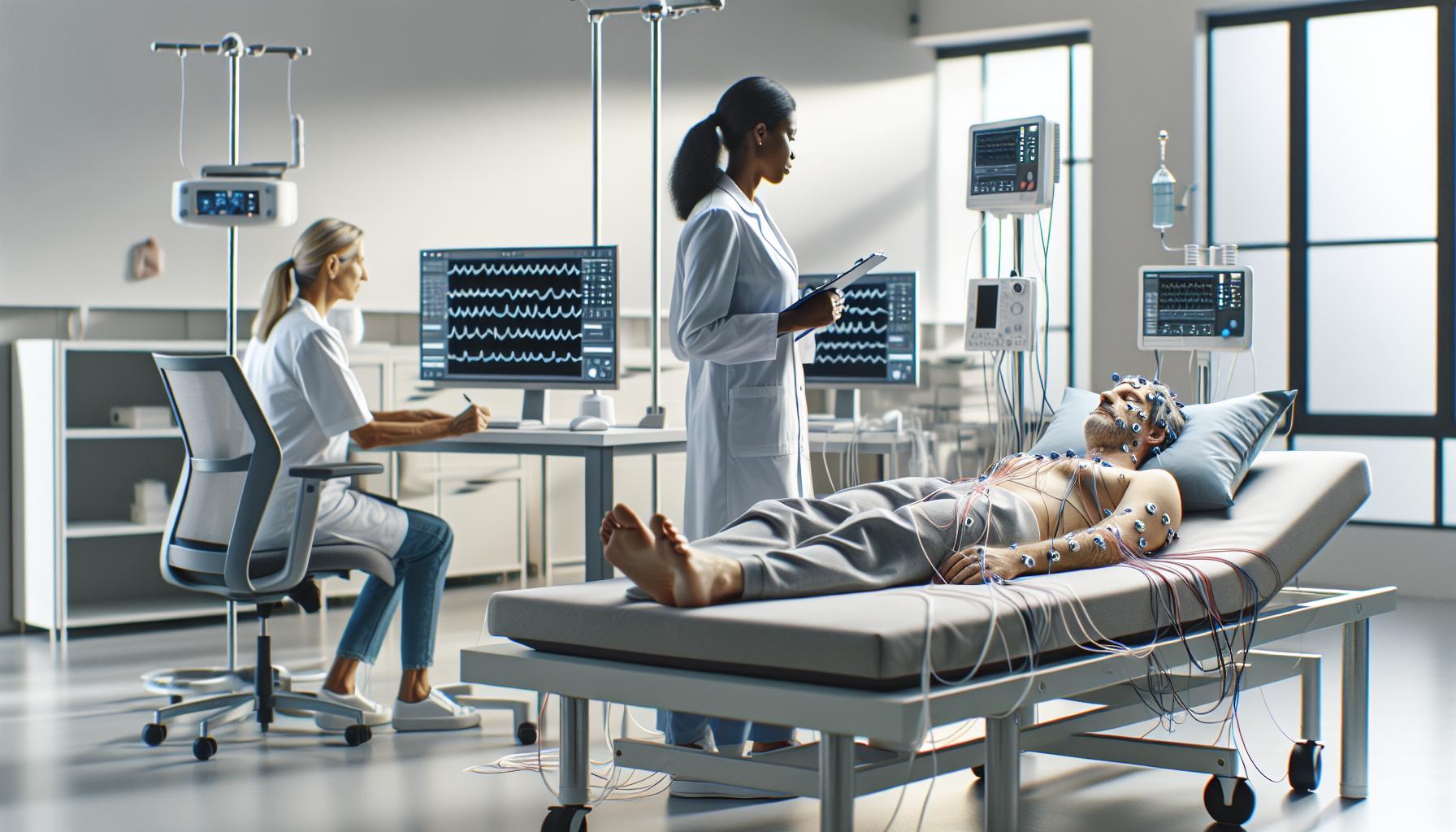
Understanding the Basics of Sleep Studies
Understanding sleep studies can feel overwhelming, yet they are significant in uncovering the mysteries of how we sleep. Sleep studies, also known as polysomnography, are essential diagnostic tools used to evaluate sleep disorders. These studies provide invaluable data on your sleep patterns and can help diagnose conditions like sleep apnea, insomnia, and restless legs syndrome. Each study aims to understand your sleep quality, duration, and any disruptions that may be affecting your overall health.
During a sleep study, various physiological data is collected while you sleep. This typically includes brain waves, oxygen levels, heart rate, and breathing patterns. Sensors are placed on your body to monitor these metrics, which helps professionals gain insights into the stages of your sleep cycle-from light sleep to deep sleep and REM sleep. By analyzing these cycles and any interruptions, healthcare providers can pinpoint specific issues affecting your sleep quality.
Prior to the study, it’s normal to have questions or concerns. Understanding what to expect can alleviate anxiety. If you’re undergoing an in-lab sleep study, you will spend the night at a sleep center where a technician will monitor you while you sleep. You’ll be connected to equipment that will track your sleep patterns without causing discomfort. Alternatively, at-home sleep studies may also be available, offering more convenience and comfort in a familiar environment using portable devices that collect similar data.
Another key aspect of sleep studies is their adaptability to different technologies, such as wearable devices that allow for ongoing sleep tracking outside of clinical settings. These devices are becoming more sophisticated, providing insights into your sleep health without the need for an overnight stay, but it’s essential to recognize their limitations compared to clinical-grade assessments. Understanding these tools and their capabilities can empower you to make informed choices about your sleep health and when to seek further evaluation through a sleep study.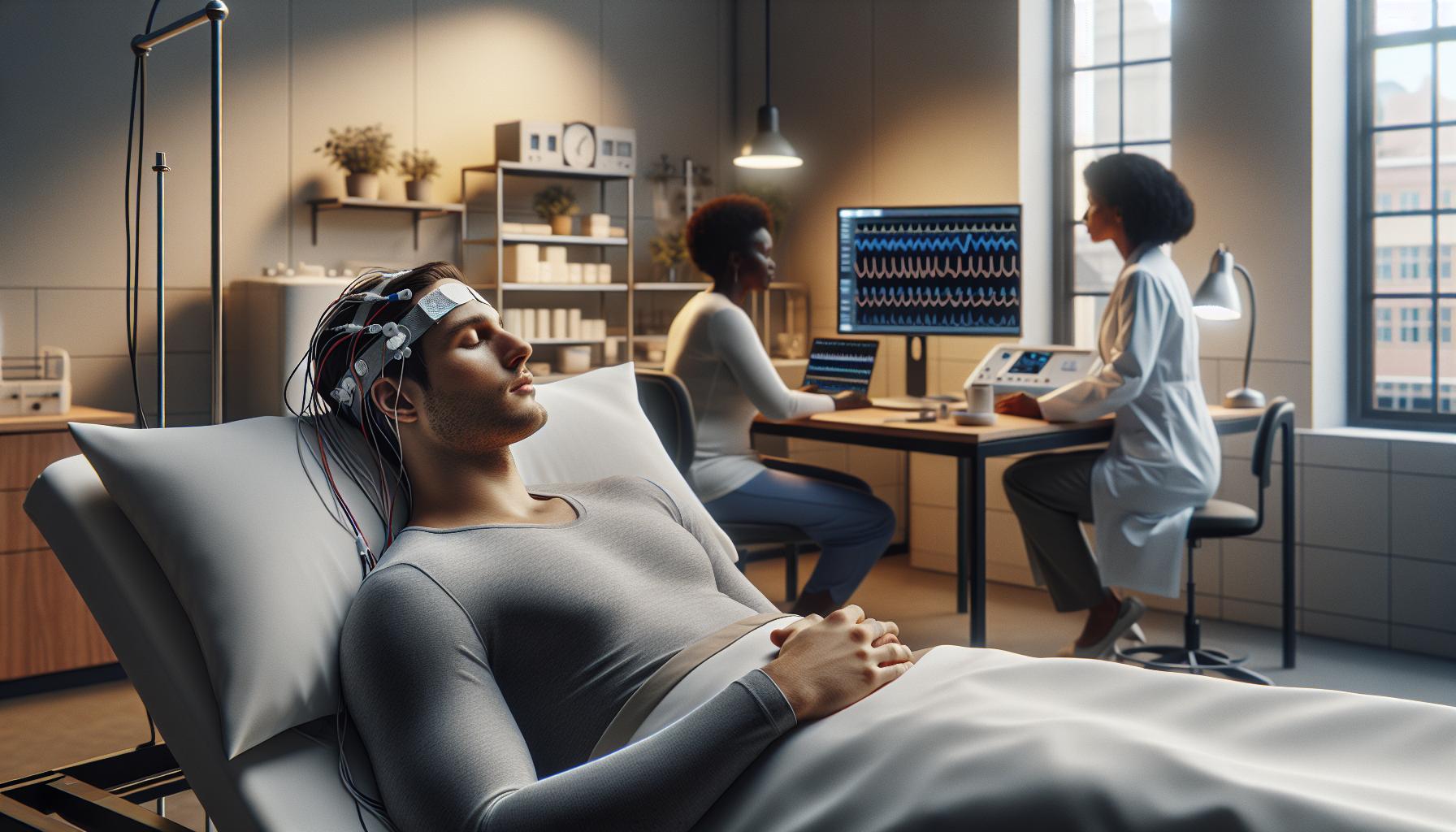
What Happens During a Sleep Study?
During a sleep study, you enter a carefully controlled environment designed to monitor critical aspects of your sleep. Whether conducted in a specialized sleep center or in the comfort of your own home, the primary goal remains the same: to gather comprehensive data on your sleep patterns and any disruptions that may occur throughout the night. This monitoring is key to diagnosing various sleep disorders, such as sleep apnea, insomnia, and restless legs syndrome.
Once you arrive at the sleep center for an in-lab study, the process begins with a brief orientation. A sleep technician will explain what to expect during the night and address any concerns you may have. You’ll be asked to change into comfortable sleep attire and will have several sensors placed on your body. These sensors, which may include small electrodes on your scalp to measure brain waves, bands around your chest and abdomen to track breathing, and finger sensors to monitor oxygen levels, allow for a comprehensive assessment without interfering much with your comfort.
While you sleep, these devices continuously transmit data to a computer, capturing various physiological metrics like heart rate, breathing patterns, and sleep stages-from light sleep to deep sleep and REM sleep. The technician will be observing you throughout the study, ensuring that everything runs smoothly, and may adjust the setup if necessary. It’s normal to feel a little anxious about having sensors attached, but rest assured, these are designed to be as non-intrusive as possible, allowing you to focus on getting a good night’s rest.
If opting for an at-home study, the setup is somewhat different but still straightforward. You’ll receive a portable device that can be adjusted to suit your needs. This might include placing sensors on your fingertips or forehead. The device tracks similar metrics and, although it lacks some complex measurements available in a lab, it offers a significant level of insight into your sleep patterns. The results from both types of studies are then interpreted by healthcare professionals to inform your treatment plan.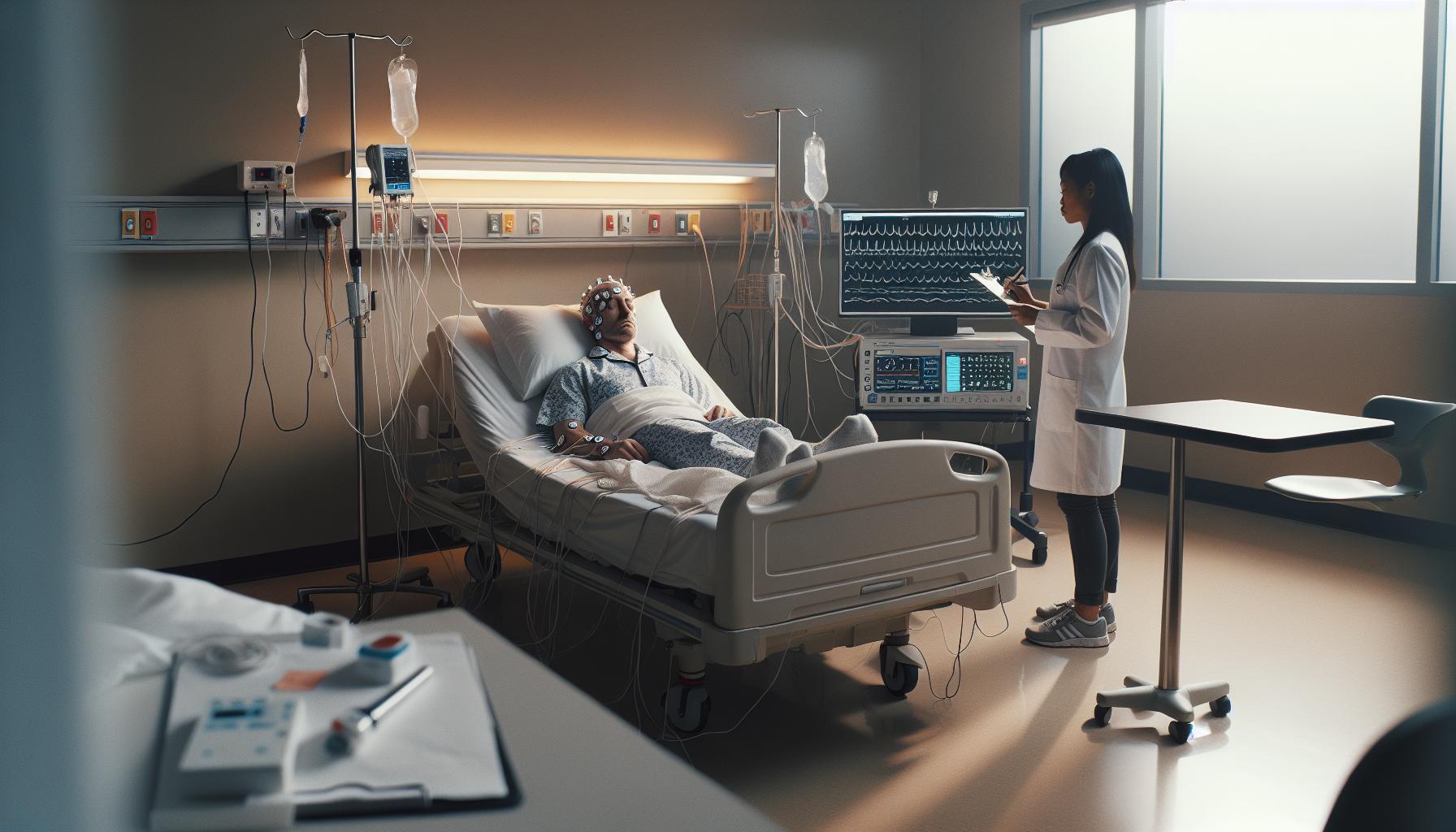
Preparing for Your Sleep Study: What to Expect
When preparing for a sleep study, several steps can help ease your anxiety and ensure the session goes smoothly. Knowing what to expect can help you feel more in control, turning what might seem like an intimidating experience into a manageable one. Your first point of contact will typically be your healthcare provider, who will outline the purpose of the study and answer initial questions. This is also a good time to discuss any specific symptoms or concerns that led you to consider a sleep study.
Before the study, you should plan your evening carefully. Ensure you have followed any pre-study instructions, such as avoiding caffeine or alcohol for a few hours beforehand. This can be crucial since these substances may impact your sleep quality and, in turn, the study results. Additionally, it’s essential to maintain your usual sleep schedule for the days leading up to the study; sudden changes in your sleep routine can skew the data collected. Pack a small bag with comfortable sleepwear, toiletries, and anything else you might need overnight.
On the day of the study, arrive at the sleep center feeling relaxed. You’ll likely have a brief orientation upon arrival, where a sleep technician will guide you through the process. They will explain how the equipment works, address any lingering questions, and make sure you feel at ease. For an in-lab study, you’ll wear several sensors that monitor different aspects of your sleep, such as brain waves, oxygen levels, and heart rate, but rest assured, these devices are designed to be as comfortable as possible.
If you’re undertaking an at-home sleep study, the process will be a bit different. You will receive a portable device that you’ll need to set up in your own sleeping environment. Typically, this involves placing sensors on your skin or connecting them to a small recording device. Ensure you follow the setup instructions closely, as proper placement is crucial for accurate readings. Throughout the night, the device will collect data on your sleep patterns, helping healthcare professionals gain insights into your sleep quality without requiring you to stay in a clinical setting. Keep in mind that understanding how to use the device properly can be key to getting helpful results.
Types of Sleep Studies: In-Lab vs. At-Home
When it comes to understanding sleep studies, choosing between in-lab and at-home options is a crucial first step. Both types serve the same purpose-evaluating your sleep patterns and diagnosing potential sleep disorders-but they each offer distinct advantages and considerations.
In-lab sleep studies are conducted in a sleep center, where patients spend the night. This setup allows for comprehensive monitoring with sophisticated equipment, including polysomnography. During an in-lab study, a trained technician attaches electrodes to your scalp, face, chest, and legs to measure brain waves, heart rate, oxygen levels, and muscle activity. The controlled environment can often help to generate more accurate data, particularly for complex sleep disorders such as sleep apnea or REM sleep behavior disorder. However, some individuals may find the unfamiliar setting and numerous wires somewhat intimidating, which could affect their ability to sleep soundly during the test.
On the other hand, home sleep studies have gained popularity due to their convenience and comfort. Patients can conduct these studies in their own sleeping environment, using portable monitoring devices. These devices usually track essential metrics, such as airflow, blood oxygen levels, and heart rate, making them suitable for diagnosing conditions like obstructive sleep apnea. Home studies are typically more cost-effective and allow patients to maintain their normal nighttime routines. However, they may provide limited information compared to in-lab studies, as fewer parameters are commonly monitored, leading to less comprehensive data interpretation.
When deciding which option suits you best, consider factors such as the specific symptoms you’re experiencing, the recommendations of your healthcare provider, and your personal comfort with sleep environments. Sleep studies aim to provide insights for better sleep health, so choosing the right method can set the stage for accurate diagnosis and effective treatment.
Key Equipment Used in Sleep Studies
The effectiveness of a sleep study hinges significantly on the tools and technology employed throughout the process. Understanding the key equipment used not only demystifies the procedure but also prepares you for what to expect, reducing any anxiety about the experience.
In an in-lab sleep study, the cornerstone of monitoring is polysomnography. This comprehensive tool records various physiological signals during sleep, including:
- Electroencephalography (EEG): Measures brain wave activity to determine different stages of sleep.
- Electrooculography (EOG): Tracks eye movements, important for identifying REM sleep.
- Electromyography (EMG): Assesses muscle activity, which can indicate conditions like sleep apnea or muscle disorders.
- Oximetry: Monitors blood oxygen levels to ensure they remain within a healthy range throughout the night.
- Respiratory belts: Gauge airflow and chest movements to analyze breathing patterns.
These components work in concert to provide a detailed picture of your sleep cycle, allowing specialists to identify potential disorders accurately.
For at-home sleep studies, the equipment is often streamlined for ease of use. Home sleep testing devices typically include:
- Portable oximeters: Simple devices that clip onto your finger to check oxygen saturation levels.
- Chest straps: These measure respiratory effort and detect snoring and other sleep disruptions.
- Nasal cannulas: Used to monitor airflow and breathing patterns while you sleep.
While these devices are less comprehensive than those used in a clinical setting, they can still effectively diagnose common conditions like obstructive sleep apnea.
Additionally, awareness of the limitations of these devices is crucial. In-lab studies offer a broader range of data and a controlled environment, making them ideal for complex sleep disorders. In contrast, at-home devices may miss critical information about sleep stages or heart rate variability.
Arming yourself with knowledge about these tools helps you approach your sleep study with confidence, ensuring that you understand both the purpose and the findings of your tests. By learning how these pieces of equipment contribute to a comprehensive understanding of your sleep health, you empower yourself to engage actively in discussions about your sleep patterns and potential treatments.
Interpreting Sleep Study Results: A Guide
Understanding your sleep study results can initially feel overwhelming, but breaking down the findings into manageable components makes the process easier. A sleep study provides a wealth of data that professionals analyze to identify any abnormalities in your sleep patterns. The output often includes evaluations of sleep stages, breathing patterns, oxygen levels, and any disruptions or disturbances that occurred throughout the night. Understanding these variables can empower you to take informed steps towards better sleep health.
Key Parameters Assessed
When interpreting the results, focus on the following key parameters:
- Sleep Architecture: This refers to the structure of your sleep cycles, including the duration of different stages: REM, light, and deep sleep. Disruptions in this architecture can indicate insomnia or other disorders.
- Apnea-Hypopnea Index (AHI): This score indicates the severity of sleep apnea, measuring how many times your breathing stops or slows during sleep per hour. An AHI greater than five is typically considered significant.
- Oxygen Saturation Levels: Monitoring the percentage of oxygen in your blood is critical. Levels consistently below 90% during sleep could signal issues such as sleep apnea, warranting further medical attention.
- Movement and Activity Levels: Assessing muscle activity through EMG can indicate conditions like periodic limb movement disorder (PLMD) or restless leg syndrome (RLS).
Discussing Results with Your Provider
It’s essential to discuss these results with your healthcare provider to fully understand their implications for your health. They can explain how the findings relate to your symptoms and suggest appropriate treatments or lifestyle changes. Bringing any questions or concerns you have to this conversation can promote clearer communication and ensure you feel confident in the next steps.
As you process your sleep study results, remember that each parameter interrelates, creating a comprehensive picture of your sleep health. Being proactive, asking questions, and actively participating in your health decisions can help you manage any identified sleep disorders effectively. Engaging with your healthcare provider not only demystifies the results but can also lead you towards a healthier, more restful sleep.
Common Sleep Disorders Detected in Sleep Studies
Sleep studies are instrumental in diagnosing various sleep disorders that can affect your quality of life. Understanding these common conditions is crucial for anyone considering or undergoing a sleep study. Here are some prevalent sleep disorders typically identified through these assessments, offering insights into how they can impact sleep health.
Obstructive Sleep Apnea (OSA)
Obstructive Sleep Apnea is one of the most frequently diagnosed sleep disorders. It occurs when the throat muscles intermittently relax and block the airway during sleep, leading to snoring and repeated pauses in breathing. This can result in fragmented sleep and decreased oxygen levels in the bloodstream. The severity of OSA is often assessed using the Apnea-Hypopnea Index (AHI), which calculates the number of apnea (breathing stops) and hypopnea (shallow breathing) events per hour.
Insomnia
Insomnia involves difficulty falling asleep, staying asleep, or waking too early. A sleep study can help differentiate between primary insomnia (psychological in nature) and secondary insomnia, which may be caused by other medical conditions or medications. Reviewing sleep architecture during the study can reveal disruptions in sleep stages, providing further insight into this condition.
Restless Legs Syndrome (RLS)
Restless Legs Syndrome is characterized by an overwhelming urge to move the legs, often accompanied by uncomfortable sensations, especially in the evening or at night. This disorder can significantly affect the ability to fall and stay asleep. While RLS is typically diagnosed based on patient history, sleep studies might reveal associated disruptions in sleep patterns, such as periodic limb movements.
Periodic Limb Movement Disorder (PLMD)
Similar to RLS, PLMD involves involuntary leg movements during sleep that can disturb sleep quality. These movements can occur in a repetitive pattern and are often identified through polysomnography, which records the specific limb activity, aiding in diagnosis.
Parasomnias
Parasomnias encompass various abnormal behaviors during sleep, such as sleepwalking, night terrors, and REM sleep behavior disorder, where individuals act out their dreams. Sleep studies can capture these behaviors, providing critical evidence for diagnosis and treatment recommendations.
By understanding these common sleep disorders, individuals can be better prepared to discuss their symptoms and potential treatments with healthcare providers. Sleep studies not only help in diagnosing these conditions but also pave the way for effective management strategies, empowering patients to regain control over their sleep health.
The Role of Polysomnography in Sleep Studies
Polysomnography serves as the cornerstone of sleep studies, offering critical insights into various sleep disorders. This comprehensive evaluation involves the measurement of multiple physiological parameters during sleep, enabling healthcare providers to diagnose conditions like sleep apnea, insomnia, and restless legs syndrome effectively. Through a carefully coordinated series of observations, polysomnography not only captures the quantity of sleep but also its quality, providing a detailed picture of an individual’s sleep architecture.
During the sleep study, electrodes are placed on the scalp, face, chest, and legs to monitor brain activity, breathing patterns, heart rate, and muscle movements. These sensors collect a wealth of data, helping doctors assess whether a patient experiences frequent interruptions in breathing or if they exhibit abnormal sleep behaviors. For instance, a key aspect of polysomnography is the Apnea-Hypopnea Index (AHI), which quantifies the severity of obstructive sleep apnea by analyzing how many times a person stops or has shallow breathing during sleep.
Interpreting the results from a polysomnography can illuminate the underlying causes of sleep disturbances. For example, the test can reveal whether the sleep disruptions are due to obstructive sleep apnea or central sleep apnea, which is tied to neurological issues. This differentiation is crucial for guiding treatment options-ranging from lifestyle modifications and CPAP therapy to medications or even surgery, depending on the diagnosis.
Engaging in polysomnography can seem daunting, especially if you’re not familiar with what to expect. However, understanding its pivotal role in diagnosing sleep disorders can alleviate concerns. Knowing that healthcare professionals are using advanced monitoring technologies to tailor a specific treatment plan helps empower patients, equipping them to take control of their sleep health and overall well-being.
Exploring Wearable Devices for Sleep Tracking
Wearable devices for sleep tracking have revolutionized how we monitor our sleep patterns, offering an accessible alternative to traditional sleep studies. These gadgets come in various forms, from smartwatches to specialized sleep trackers, and they provide valuable insights that can help improve overall sleep health. If you’ve ever wondered about the efficacy of these devices compared to a full polysomnography sleep study, you’re not alone. Let’s explore how these wearables function and when they might be appropriate for you.
One of the primary advantages of wearable devices is their convenience. You can wear them at home, allowing for a less daunting experience than a sleep study in a lab. Most devices monitor metrics like total sleep duration, sleep stages (light, deep, REM), and disturbances during sleep. They generally use motion sensors and heart rate monitors to track your sleep quality and can sync with mobile apps for easy viewing of your sleep data. However, while these devices provide useful information, their accuracy can vary based on the technology used and the wearer’s activity throughout the day.
Choosing the Right Device
When considering a wearable for sleep tracking, it’s essential to look at key features such as battery life, comfort, and the type of data collected. Some popular options include:
- Smartwatches: Devices like the Apple Watch and Fitbit offer sleep tracking alongside other fitness metrics.
- Dedicated sleep trackers: Products like the Oura Ring focus solely on sleep and overall wellness metrics.
- Apps with smartphones: Utilizing the sensors in your phone can also provide basic sleep data, creating a budget-friendly tracking option.
While wearables are a convenient tool for tracking sleep patterns, they cannot entirely replace the detailed analysis provided by a sleep study, especially for diagnosing sleep disorders like sleep apnea. If you notice consistent difficulties with sleep quality or suspect a sleep disorder, consulting with a healthcare provider can help determine whether you should opt for a more comprehensive sleep evaluation.
In a world where sleep health is critical, understanding the function and limitations of wearable devices can empower you to take actionable steps toward better sleep. Whether you’re using these devices for casual monitoring or as part of a larger strategy to address sleep issues, the goal remains the same: to enhance your sleep quality and overall well-being.
Insurance Coverage for Sleep Studies: Navigating Your Options
Navigating insurance coverage for a sleep study can feel overwhelming, but understanding your options can significantly ease the process. In many cases, insurance will cover a sleep study if it’s deemed medically necessary. Typically, this means you’ll need to have a referral from your primary care physician or a sleep specialist, outlining your symptoms, such as excessive daytime sleepiness, snoring, or breathing issues during sleep. Be prepared to document your sleep concerns thoroughly to justify the need for testing.
Once you have a referral, it’s crucial to check with your insurance provider regarding coverage specifics. This can include copays, deductibles, and any pre-authorization requirements. Coverage often varies based on your plan, so asking questions like these can be helpful:
- Does my plan cover in-lab vs. home sleep studies?
- What are the out-of-pocket costs I may incur?
- Are there specific sleep disorders that must be diagnosed for coverage?
To avoid any surprises, request a pre-authorization (if necessary) before scheduling your study. This can usually be done directly by your healthcare provider’s office, ensuring that they coordinate with your insurance on your behalf.
In some scenarios, if your insurance denies coverage based on the tests’ necessity, consider appealing their decision. Provide any additional documentation from your healthcare provider that supports your case. Additionally, keep in mind that some clinics may offer payment plans or sliding scale fees, making sleep studies more accessible if insurance coverage is inadequate.
As you navigate through these options, remember that prioritizing your sleep health is crucial. If you suspect a sleep disorder, moving forward with diagnostic testing can lead to life-changing treatments, making the insurance process worth the effort. Trust in your need for quality sleep and take steps to ensure you receive the testing necessary for diagnosis and potential treatment-your well-being deserves it.
Real-Life Scenarios: When to Consider a Sleep Study
Considering a sleep study can feel daunting, but it’s essential to recognize the signs that indicate when it’s the right step for your health. Many people overlook their sleep issues, chalking them up to stress or aging. However, persistent sleep disturbances can seriously impact your overall well-being and daily functioning. If you often find yourself waking up tired, struggling to concentrate, or experiencing chronic fatigue, it might be time to seek professional help.
When to Seek a Sleep Study
- Persistent Snoring: If snoring disrupts your partner’s sleep or your own, it could signal a more serious condition like sleep apnea.
- Daytime Sleepiness: Consistently feeling excessively sleepy during the day can be a sign of underlying sleep disorders.
- Sleepwalking or Nightmares: Frequent sleepwalking or disturbing nightmares may warrant a sleep study for proper diagnosis and treatment.
- Restless Legs Syndrome: If you experience an uncontrollable urge to move your legs while resting, this condition often requires professional evaluation.
Recognizing these scenarios empowers you to take control of your sleep health. For instance, if you’ve noticed that a partner consistently complains about your loud snoring and it’s complicated by episodes of gasping for breath, this could indicate obstructive sleep apnea. In this case, an overnight sleep study, which includes polysomnography, could provide crucial insights. This test tracks various physiological functions during sleep, helping pinpoint the cause of disturbances.
Real-World Decision Making
It’s worth considering how sleep disorders can affect your lifestyle and safety. If you’re frequently drowsy when driving or find your performance suffering at work, a sleep study can clarify your situation. Likewise, if you have conditions like hypertension or diabetes, making sure that a sleep disorder isn’t exacerbating these issues is vital. Investing in your sleep through diagnostic testing is a proactive step toward a healthier life, potentially allowing you to access effective treatments that could improve your overall quality of life.
In summary, if you’re facing symptoms that disrupt your sleep or daily life significantly, don’t hesitate to talk to your doctor about the possibility of a sleep study. Prioritizing your sleep is an investment in your health that can lead to meaningful improvements. Taking this step could be transformative not just for your night’s rest, but for your entire life.
The Future of Sleep Studies: Innovative Technologies and Trends
The landscape of sleep studies is evolving rapidly, driven by advancements in technology and a growing awareness of the importance of sleep health. One exciting trend is the integration of artificial intelligence (AI) and machine learning into sleep diagnostics. These technologies can analyze sleep patterns and identify disorders with remarkable accuracy, often faster than traditional methods. AI-driven algorithms, trained on vast datasets, can help clinicians make more informed decisions, potentially leading to improved treatment plans and outcomes.
Another significant innovation is the rise of wearable sleep trackers. These devices, which range from smartwatches to dedicated sleep bands, provide users with valuable insights into their sleep cycles and patterns. Unlike traditional sleep studies that require an overnight stay in a lab, wearables enable continuous monitoring in the comfort of home. They track metrics such as heart rate, movement, and even oxygen levels, offering a convenient and accessible way for individuals to keep tabs on their sleep health. However, it’s important to approach these devices with some caution; while they can be useful for tracking trends, they may not always provide the comprehensive data needed for diagnosing serious sleep disorders.
Telemedicine and Home Sleep Studies
The COVID-19 pandemic has accelerated the adoption of telemedicine, making consultations with sleep specialists more accessible than ever. Patients can now discuss their sleep issues from home, often leading to a quicker recommendation for home sleep apnea tests (HSATs). These simplified tests are designed for easier setup and use at home, allowing individuals to gather actionable data without the anxiety of a lab environment. As these practices become more commonplace, they promise to democratize access to sleep health resources.
Emerging Technologies for Enhanced Sleep Quality
Furthermore, companies are innovating beyond wearables with smart bedding and sleep environment technologies. Devices like smart mattresses and sleep monitors can adjust firmness, temperature, and even provide white noise to enhance sleep quality. These advancements aim to create optimal sleeping conditions that go hand-in-hand with the diagnostics of sleep studies. For example, high-tech pillows now come equipped with sensors that monitor sleep position and provide feedback, guiding users towards better sleep habits.
In summary, the future of sleep studies is leaning towards more personalized and accessible solutions. As these technologies continue to advance, they hold the potential to empower individuals to take charge of their sleep health like never before, ensuring a better night’s sleep is within everyone’s reach.
Q&A
Q: How long does a typical sleep study last?
A: A typical sleep study lasts about 8 hours, aligning with a full night’s sleep. However, preparation and setup can add additional time, so plan for a 10-12 hour commitment at the facility. Review the “What Happens During a Sleep Study?” section for more details.
Q: What should I wear to a sleep study?
A: Wear loose, comfortable clothing to your sleep study, such as pajamas. Avoid heavy or tight attire that may cause discomfort. It’s also best to come without makeup or hair products, as they could interfere with sensors.
Q: Can I take my medications during a sleep study?
A: You should consult your doctor about taking medications during a sleep study. Some medications can affect sleep patterns, so it’s essential to follow your healthcare provider’s instructions and discuss your usual routine prior to the study.
Q: How are sleep studies scored?
A: Sleep studies are scored using polysomnography, which measures various parameters like brain waves, eye movements, and heart rate. Trained specialists interpret the data to diagnose any sleep issues, outlined in the “Interpreting Sleep Study Results” section.
Q: Will I be monitored during a home sleep study?
A: Yes, during a home sleep study, you will be monitored using portable devices that record data about your sleep patterns. Instructions in the “Types of Sleep Studies” section explain how to set up these devices for accurate results.
Q: Are there side effects from a sleep study?
A: Generally, side effects are minimal due to non-invasive monitoring. Some may experience discomfort from sensors or equipment. If you’re concerned about specific symptoms, addressing these in “Preparing for Your Sleep Study” can be helpful.
Q: What happens if I can’t sleep during a sleep study?
A: If you have trouble sleeping during the study, the technician will still gather important data about your sleep environment and patterns. They will use this information to analyze your sleep quality. Insights can be found in “Common Sleep Disorders Detected”.
Q: How do sleep studies help with sleep apnea?
A: Sleep studies are critical for diagnosing sleep apnea. They monitor airflow and breathing patterns during sleep, helping doctors determine severity and treatment options. Check the “Role of Polysomnography” section for more insights.
Wrapping Up
Understanding the intricacies of a sleep study is crucial for anyone experiencing sleep issues. By demystifying the process-from setup to results-you can make informed decisions about your sleep health. If you’re considering a sleep study or simply curious about your options, check out our articles on the importance of sleep and tips for better sleep hygiene for further insights on improving your rest. Don’t let sleep concerns linger-take action now!
For more tailored advice, explore our health resources or subscribe to our newsletter for updates on the latest in sleep science. Join the conversation, share your thoughts in the comments, and discover practical guides to maximize your sleep quality. Remember, understanding your sleep is the first step toward a healthier, more energized life!
Get our latest guides, news, and insights highlighted in your Google Search & AI Overviews.