
Did you know that nearly one in three adults struggle with sleep issues at some point in their lives? Understanding how a sleep study is scored can empower you to take control of your sleep health. This vital diagnostic tool not only reveals how well you’re sleeping but also highlights potential disruptions that could be impacting your overall well-being. By demystifying the scoring process, you’ll be better prepared to interpret your results and engage in meaningful conversations with your healthcare provider. So, whether you’re experiencing insomnia, snoring, or just curious about what happens during a sleep study, keep reading to uncover the insights that can help you achieve restorative sleep and improve your quality of life.
How Sleep Studies Work: Key Components Explained
Sleep studies are essential tools in understanding and diagnosing sleep disorders, and they rely on several key components to deliver accurate results. At the heart of many sleep studies is polysomnography (PSG), a comprehensive test that records brain waves, oxygen levels in your blood, heart rate, breathing, and eye and leg movements during sleep. This multi-faceted approach provides a holistic view of your sleep patterns and can uncover various issues, such as obstructive sleep apnea or insomnia.
During a sleep study, your body is monitored through a series of sensors placed on the scalp, face, and limbs. These sensors capture data on your sleep stages, which are categorized into REM (Rapid Eye Movement) and NREM (Non-Rapid Eye Movement) sleep. The analysis of these stages helps clinicians understand your overall sleep architecture, which can be significantly disrupted by sleep disorders. Typically, you will cycle through NREM stages before reaching REM, with each cycle lasting about 90 minutes. Understanding how well you transition between these stages is crucial for determining the quality of your sleep.
Expect some discomfort or unease when first arriving for your sleep study, as you will likely be in an unfamiliar environment attached to various monitoring devices. However, modern sleep clinics strive to create a calming atmosphere that resembles a hotel room to help ease your anxiety. Knowledge of what to expect during the study can alleviate concerns; for example, a technician will guide you through the setup process, ensuring you are comfortable and adjusting equipment as needed.
Ultimately, the insights gained from a sleep study are invaluable. They allow healthcare professionals to make informed diagnoses and treatment plans. If you struggle with sleep issues, understanding how sleep studies work can empower you to take the next step toward better rest. As technology advances, wearables and home sleep testing options are also emerging, giving you more choices in how to approach your sleep health management. Whether opting for a clinic-based study or at-home monitoring, having a supportive network and clear information at your side will make the process smoother.
Understanding the Scoring Process for Sleep Studies
Understanding how sleep studies are scored is vital for anyone seeking to comprehend their sleep health. At the heart of this process is polysomnography (PSG), which gathers a wealth of data through sensors that track brain activity, oxygen levels, heart rate, and more. This comprehensive approach enables specialists to analyze distinct sleep stages, including REM (Rapid Eye Movement) and NREM (Non-Rapid Eye Movement) sleep, giving practitioners insights into sleep patterns and potential disorders.
During scoring, each recorded event-be it an apnea (where breathing stops) or a hypopnea (where breathing is shallow)-is meticulously categorized. The Apnea-Hypopnea Index (AHI) is a crucial metric derived from this scoring. It measures the number of apneas and hypopneas per hour, helping identify the severity of conditions like obstructive sleep apnea. For Medicare patients, it’s important to note that scoring methods can vary, which may necessitate dual scoring based on different oxygen desaturation parameters to ensure eligibility for coverage when treatment is required [[1]].
In addition to AHI, sleep studies also evaluate sleep architecture-how sleep stages are ordered and how many times a person cycles through them. Each night primarily consists of alternate cycles of NREM and REM sleep, which are essential for restorative sleep. Accurate scoring of these stages allows clinicians to recognize disruptions caused by disorders such as insomnia or narcolepsy. Understanding this process can not only demystify the analysis for patients but also empower them to be proactive in discussing results and possible next steps in their treatment [[2]][[3]].
Arming yourself with knowledge about the scoring process can greatly reduce anxiety surrounding sleep studies. As you prepare for your evaluation, remember that the data collected will ultimately guide treatment strategies tailored specifically for your needs. Whether through traditional PSG or emerging technologies, knowing how scoring works enhances your ability to advocate for your own sleep health.
Types of Sleep Studies: Which One Is Right for You?
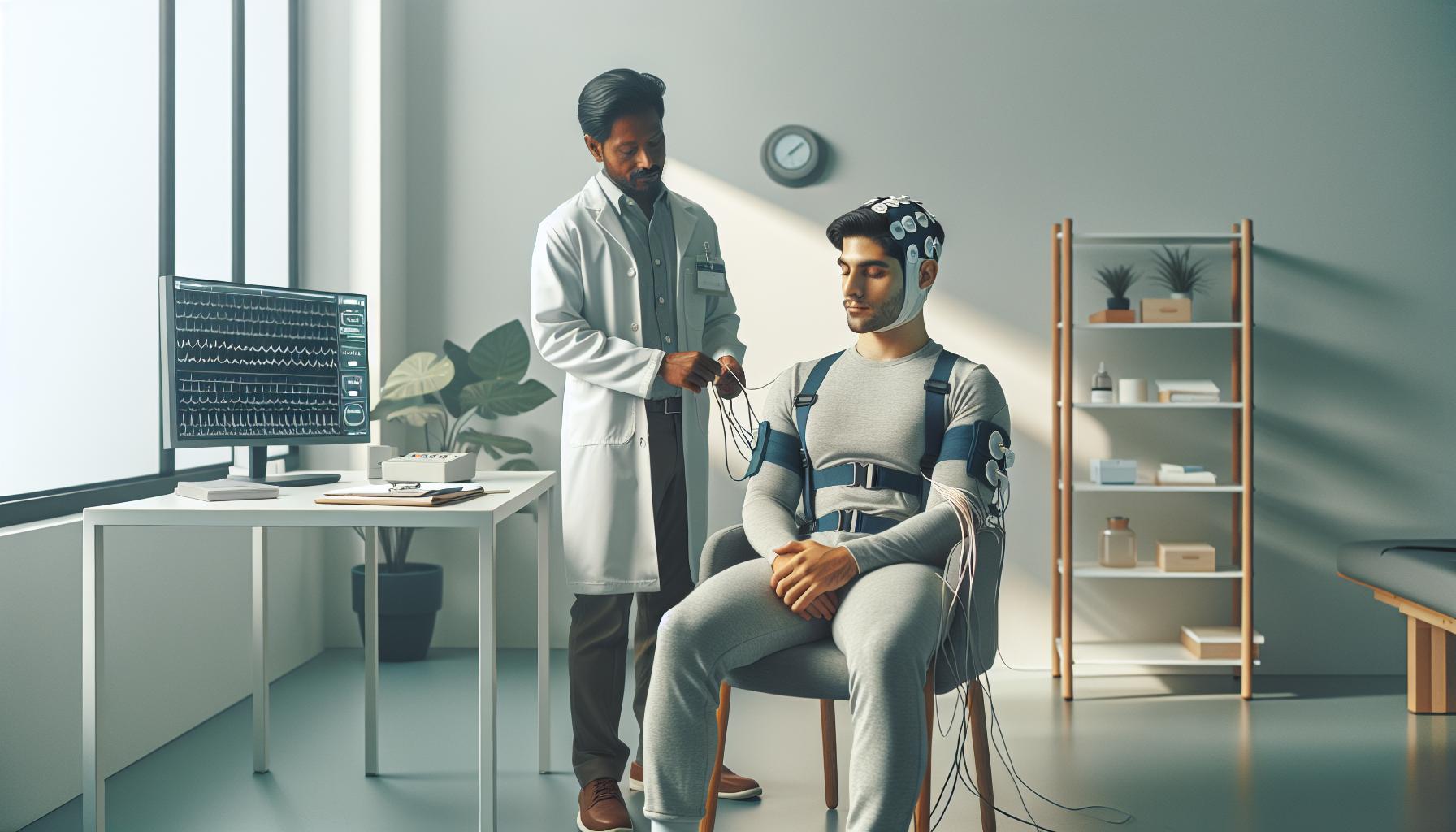
Choosing the right type of sleep study can greatly influence the effectiveness of your sleep health evaluation. Understanding the different options available will help you make an informed decision tailored to your individual needs.
Most importantly, sleep studies fall into two primary categories: in-lab sleep studies and home sleep tests. An in-lab sleep study, also known as polysomnography (PSG), takes place in a specialized sleep clinic equipped with advanced monitoring equipment. This comprehensive evaluation is ideal for diagnosing complex sleep disorders as it captures detailed data, including brain activity, heart rate, breathing patterns, and more. In contrast, home sleep tests offer convenience and can be more comfortable for patients who may feel anxious about a clinical setting. These tests typically focus on diagnosing sleep apnea through simpler measurements, such as airflow, oxygen levels, and respiratory effort.
When deciding which study is right for you, consider the symptoms you’re experiencing. If you have severe symptoms like loud snoring, significant daytime sleepiness, or witnessed apneas, an in-lab study is more suitable. It allows healthcare providers to observe you in real-time and get a comprehensive overview of your sleep architecture. On the other hand, if your symptoms are milder or you suspect you might have sleep apnea, a home sleep test could suffice. It’s crucial to discuss with your healthcare provider which option aligns best with your symptoms and health history.
Each type of sleep study comes with its own setup protocols and guidelines to follow. For example, prior to an in-lab study, you may be advised to avoid caffeine and alcohol and limit your sleep to ensure accurate results. Home tests usually involve simpler setups where you wear a device that collects data while you sleep in your own bed, eliminating much of the pre-test anxiety associated with lab settings.
Ultimately, understanding these options empowers you to advocate for your sleep health. Whether you opt for the advanced diagnostics of an in-lab study or the convenience of a home test, knowing what to expect can enhance your comfort and cooperation during the testing process.
What to Expect During a Sleep Study
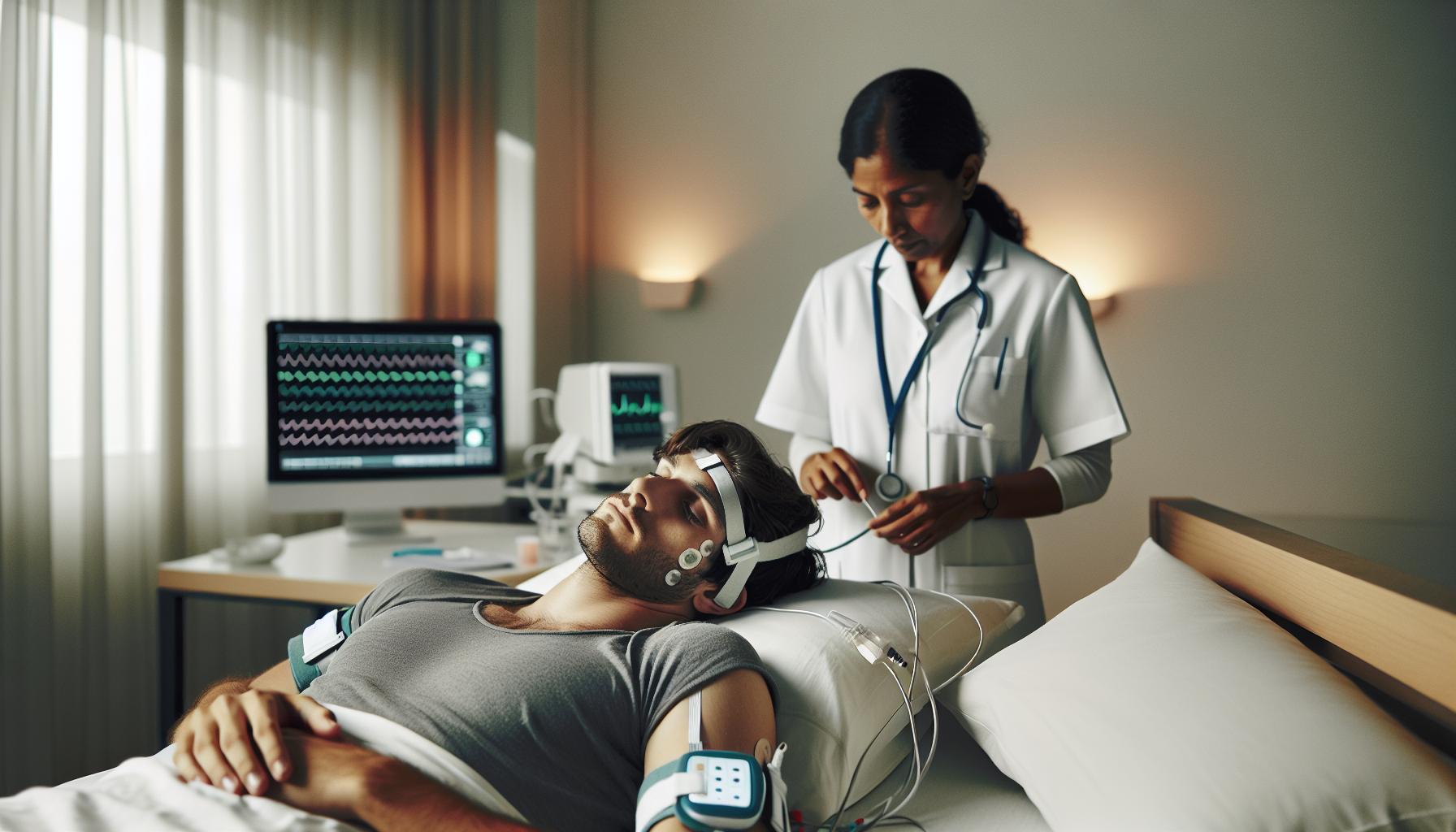
Undergoing a sleep study can feel daunting, but understanding the process helps calm that anxiety. As you prepare for your overnight observation, keep in mind that the primary goal is to gather essential data about your sleep patterns. This information is critical for diagnosing potential sleep disorders, such as sleep apnea or restless leg syndrome, which can significantly impact your health.
During an in-lab sleep study, also known as polysomnography, you’ll be monitored overnight in a specialized sleep clinic. As soon as you arrive, a sleep technician will place sensors on your scalp, face, chest, and legs. These sensors measure various parameters, including brain waves, heart rate, blood oxygen levels, and breathing patterns. This process may involve slight discomfort from the adhesive pads but should not be painful. The environment is typically designed to be conducive to sleep, resembling a comfortable bedroom. You’ll have control over the room’s light and temperature, making it easier to find a restful position.
If you’re doing a home sleep test, the setup is simpler and less invasive. You’ll receive a portable device that tracks airflow, oxygen levels, and heart rate. Always follow the instructions provided, ensuring that the device is correctly positioned to gather accurate data. Most people find that sleeping in their own bed with familiar surroundings aids in achieving natural sleep patterns, a vital factor in obtaining reliable results.
Understanding what to expect enhances your experience. Sleep studies can run the course of a single night or extend into multiple nights, depending on your provider’s protocols and needs. Upon waking, the technician will remove the sensors or you’ll simply return the home device. The collected data will then be analyzed to provide insights into your sleep quality and diagnose any disorders. Remember that your comfort during this process is paramount, and don’t hesitate to ask questions to ease any uncertainties you have.
Breaking Down Sleep Stages: REM vs. NREM
Understanding the different stages of sleep is essential for grasping how a sleep study is scored and how it helps in diagnosing sleep disorders. Each cycle of sleep typically lasts about 90 minutes and includes alternating periods of Non-Rapid Eye Movement (NREM) and Rapid Eye Movement (REM) sleep. These stages contribute uniquely to your overall health and well-being, influencing everything from memory consolidation to mood regulation.
NREM Sleep
NREM sleep is divided into three stages, and it plays a crucial role in physical restoration. During this phase, your body repairs tissues and strengthens the immune system. Here’s a closer breakdown:
- Stage 1: This is a light sleep phase that serves as a transition from wakefulness to sleep. It’s relatively easy to wake someone during this stage, and it lasts only a few minutes.
- Stage 2: This stage constitutes a deeper sleep where your heart rate slows, and body temperature drops. Brain activity shows specific patterns, such as sleep spindles and K-complexes, signaling that you are entering deeper sleep.
- Stage 3: Often called deep sleep or slow-wave sleep, this is the most restorative stage. Waking someone from deep sleep can be quite difficult, and this is when growth hormone is secreted, aiding in bodily repair.
REM Sleep
REM sleep is characterized by rapid eye movements and increased brain activity, similar to when you are awake. This stage is essential for cognitive functions such as memory, learning, and emotional regulation. Key points about REM sleep include:
- Occurs approximately 90 minutes after falling asleep and recurs multiple times throughout the night.
- Muscle tone is at its lowest, which prevents you from acting out your dreams.
- Dreaming mainly occurs during this stage due to the increased brain activity.
Sleep studies, particularly polysomnography, aim to measure the time spent in each of these sleep stages, which directly impacts the scoring process. The ratio of NREM to REM sleep and the duration of each stage are crucial for identifying potential disorders. For instance, reduced REM sleep may indicate certain psychiatric conditions or the effects of medication, while persistent awakenings can suggest fragmented sleep often seen in sleep apnea. Understanding these stages and their significance not only helps medical professionals in diagnosing conditions but also empowers you to prioritize your sleep health.
Common Sleep Disorders Evaluated in Studies
Many people are unaware that sleep disorders can significantly impact their physical and mental health. Understanding can empower you to seek help when needed. Sleep studies, particularly polysomnography, are crucial in diagnosing a variety of conditions, ranging from insomnia to sleep apnea, enabling targeted treatments that can vastly improve sleep quality and overall health.
Insomnia
One of the most prevalent sleep disorders is insomnia, characterized by a consistent difficulty in falling or staying asleep. The sleep study can identify patterns related to insomnia, such as anxiety-driven disruptions or behavioral issues, which may contribute to the condition. A sleep study assesses sleep latency (the time it takes to fall asleep) and wakefulness after sleep onset, helping clinicians devise effective treatment plans.
Sleep Apnea
Sleep apnea is another significant disorder frequently evaluated through sleep studies. This condition causes multiple interruptions in breathing during sleep, leading to fragmented sleep and reduced oxygen levels in the blood. Polysomnography is essential for diagnosing obstructive sleep apnea (OSA) and central sleep apnea (CSA) by monitoring breathing patterns, heart rate, and oxygen saturation throughout the night. Identifying the type and severity of sleep apnea is vital for determining treatment options, which can range from lifestyle changes and CPAP machines to surgical interventions.
Restless Legs Syndrome (RLS)
Restless Legs Syndrome (RLS) is a disorder that causes an overwhelming urge to move the legs, often accompanied by uncomfortable sensations. Sleep studies can help diagnose RLS by documenting leg movements during sleep and assessing their relationship to sleep disruption. By identifying RLS, healthcare providers can recommend appropriate interventions, which may include lifestyle modifications or medications.
Other Sleep Disorders
Additional conditions evaluated in sleep studies include narcolepsy, characterized by excessive daytime sleepiness and sudden sleep attacks, and circadian rhythm disorders, which involve disruptions in the body’s internal clock. Through detailed monitoring, sleep studies can uncover the complexities of these disorders, guiding healthcare providers to recommend behavioral therapies, light exposure treatments, or medication adjustments.
Understanding these common sleep disorders and their implications can help you recognize the signs and seek support when necessary. By addressing your sleep health proactively, you can improve not only your sleep but also your overall quality of life.
Technology Used in Sleep Studies: From Polysomnography to Home Devices
The evolution of technology in sleep studies has transformed how we diagnose and understand sleep disorders. Traditional polysomnography (PSG) remains the gold standard, where you sleep in a lab outfitted with sensors that monitor your brain activity, breathing patterns, heart rate, and more. This comprehensive setup provides critical data that doctors use to assess sleep quality and identify disorders. During a PSG, the physician can observe the nuances of your sleep stages, helping pinpoint conditions such as sleep apnea, insomnia, and restless legs syndrome.
However, the landscape is changing with the rise of at-home testing devices. These portable technologies, including wearable trackers and smartphone applications, empower individuals to monitor their sleep from the comfort of their homes. They can track basic sleep metrics like duration and disturbances, which can offer insights into your sleep habits without the need for an overnight lab stay. While these gadgets can provide useful data, they typically can’t match the depth and accuracy of a clinical sleep study. Thus, they serve best as preliminary tools to identify whether you may need further evaluation.
Types of Technologies Used
Various technologies are at play in the realm of sleep studies, each suited for different needs:
- Polysomnography (PSG): This comprehensive lab-based study is ideal for diagnosing complex sleep disorders. It requires overnight monitoring with electrodes and sensors.
- Home Sleep Apnea Tests (HSAT): These simplified tests are designed specifically for sleep apnea diagnosis and can be done at home with minimal equipment.
- Wearable Devices: Fitness trackers and smartwatches can monitor heart rate, movement, and sleep duration, offering a user-friendly option for daily tracking.
- Smartphone Apps: Many apps can track sleep patterns and provide insights into sleep quality, often using sound and motion sensors.
When considering these options, it’s essential to evaluate your specific needs and health concerns. If a minor sleep issue is suspected, a wearable device or home test might suffice. But in cases where significant sleep disruption occurs, or you simply want a thorough evaluation, consulting a sleep specialist for a PSG is advisable.
As technology continues to advance, the integration of data from home devices with clinical assessments may lead to more accurate diagnostics and personalized treatment plans. Always remember that while at-home technologies provide convenience, discussing your sleep issues with a healthcare provider is crucial for effective and safe management.
Interpreting Sleep Study Results: A Guide for Patients
Understanding the results of your sleep study can feel overwhelming, but grasping the basics can empower you to take charge of your sleep health. Sleep studies, particularly polysomnography, generate extensive data that are compiled into a report, focusing on different metrics that reflect your sleep quality and any potential disorders. By familiarizing yourself with how these scores are derived, you can better understand what might be affecting your rest and what next steps may be needed.
When you undergo a sleep study, various physiological parameters are monitored and scored, including brain wave activity, eye movements, heart rate, oxygen levels, and muscle activity. This information reveals how long you spend in different sleep stages-such as REM (Rapid Eye Movement) and NREM (Non-Rapid Eye Movement)-and identifies disruptions, such as apneas or leg movements. Each of these components accumulates scores that contribute to your overall sleep quality rating. For instance, higher percentages of REM and deep sleep phases typically indicate restorative sleep, while frequent awakenings or prolonged light sleep can suggest sleep disturbances.
Key Metrics in Sleep Study Reports
The interpretation will often focus on several key areas:
- Arousal Index: This measures the number of times you awaken or have significant disruptions. A higher index may signal sleep apnea or other disorders.
- Oxygen Saturation: Essential for assessing the severity of sleep apnea, this metric indicates how efficiently your body is absorbing oxygen during sleep.
- Sleep Latency: This denotes the time it takes for you to fall asleep. Longer latencies may indicate insomnia or other issues.
- Cyclic Variations: Observing how your heart rate and breathing patterns change can indicate underlying conditions like sleep apnea.
Equipped with this understanding, you can approach follow-up discussions with your healthcare provider confidently. They’ll help you navigate your results, recommend treatments, or further tests if necessary. Remember, though at-home devices are useful for monitoring basic sleep patterns, they generally lack the detail provided by a full polysomnography. They can initiate a conversation about your sleep, but a comprehensive study is often needed to make conclusive diagnoses or treatment plans.
Don’t hesitate to ask your doctor to explain the findings in clearer terms-it’s essential that you fully grasp how these results impact your health and what steps you can take moving forward. Sleep is vital, and knowing how to interpret your sleep study results can significantly influence your path to better rest.
The Role of Wearable Devices in Sleep Analysis
Wearable devices have become increasingly popular for tracking sleep, providing users with insights that were once only attainable through comprehensive sleep studies. These devices, including smartwatches, fitness trackers, and sleep rings, utilize sensors to monitor various physiological metrics such as heart rate, movement, and sometimes even blood oxygen levels. However, while they offer a convenient way for individuals to gain an overview of their sleep patterns, it’s crucial to understand their capabilities and limitations.
Understanding Wearable Device Functionality
Let’s break down how these devices actually work and what to expect when relying on them for sleep analysis:
- Sleep Tracking Algorithms: Most wearables utilize algorithms that analyze data collected during the night to determine sleep stages (REM and NREM) and overall sleep quality. While these algorithms can provide useful estimates, they often lack the precision of a polysomnography (PSG), which measures brain waves and other crucial indicators.
- Convenience and Accessibility: One of the primary advantages of wearables is their availability and ease of use. Users can wear these devices every night, allowing for continuous tracking of sleep patterns over time. This makes them particularly valuable for spotting trends or changes in sleep quality.
- Data Variability: It’s important to note that different devices may yield different sleep metrics on the same night. This variability can make it challenging to establish a reliable baseline without professional input.
While wearable devices are great for tracking basic sleep patterns and can prompt individuals to seek further evaluation if persistent issues arise, they should not replace traditional sleep studies when a more thorough assessment is needed. Conditions like sleep apnea or chronic insomnia often require the detailed analysis only a comprehensive sleep study can provide, particularly in diagnosing underlying disorders effectively.
When to Seek Professional Help
If a wearable device highlights consistent sleep issues-such as extended periods of wakefulness during the night or difficulty falling asleep-it may be time to consult with a healthcare provider. A discussion about your wearable’s findings can guide your doctor in determining whether a formal sleep study is warranted to explore deeper issues.
Ultimately, while wearables play a valuable role in sleep analysis, their best use is as stepping stones to greater awareness about sleep health. By combining the insights gleaned from these devices with professional guidance, individuals can take proactive steps toward improving their sleep quality.
Preparing for Your Sleep Study: Tips and Advice
Preparing for a sleep study can feel a bit daunting, but understanding what to expect and how to prepare can significantly ease your anxiety and pave the way for a successful assessment. First and foremost, it’s crucial to have a clear conversation with your healthcare provider about the study’s purpose and your specific symptoms. This sets the groundwork for expectations and helps you feel more informed and in control.
One key aspect you should focus on is your usual sleep patterns. Keep a sleep diary for at least one to two weeks prior to your study, noting when you go to bed, when you wake up, and any nighttime awakenings. This documentation can be invaluable for your sleep technician, providing them with a clearer picture of your sleep habits and issues. Also, be sure to follow any pre-study instructions given by your sleep center. This may include avoiding caffeine, alcohol, or certain medications that could affect your sleep on the night of the study.
On the day of the sleep study, pack essentials that will make you feel comfortable overnight, including a favorite pillow, sleepwear, and anything else you might need to help recreate your usual bedtime routine. Many sleep centers allow you to bring personal items that will help you relax, such as a book or music. When you arrive, a technician will explain the setup process, which includes attaching sensors and electrodes to your body to monitor various physiological metrics throughout your sleep.
Lastly, it’s essential to discuss insurance coverage and the potential costs associated with the study beforehand. Many insurance plans cover sleep studies, but coverage can vary. Having transparent conversations about what to expect regarding financial aspects will alleviate one more layer of stress.
By taking these steps, you’ll be well-prepared for your sleep study, leading to more accurate results and ultimately, better insights into your sleep health.
Insurance and Costs: Navigating Sleep Study Coverage
Navigating the insurance landscape for sleep studies can feel overwhelming, especially when you consider the potential costs involved. Sleep studies, whether conducted in a lab or at home, are essential for diagnosing various sleep disorders, but their price tags can vary significantly. Many patients find themselves wondering what their insurance will cover, and how much they’ll be expected to pay out-of-pocket. Understanding these financial aspects can make the journey to better sleep less daunting.
Most health insurance plans cover sleep studies to some extent, but the level of coverage can differ widely among insurers and even individual plans. For instance, a comprehensive plan might cover the full cost of an overnight polysomnography, which can range from $1,000 to $2,500 without insurance, while others may require patients to pay a deductible or a co-pay. It’s crucial to verify the specifics of your plan-some may also cover home sleep testing, which is typically less expensive. Take the time to consult your insurance provider directly for a detailed breakdown of your coverage. This step can save you from unexpected bills later on.
To further demystify costs, consider these common prices associated with sleep studies and related equipment:
| Service | Estimated Cost Without Insurance | Estimated Cost With Insurance |
|---|---|---|
| Overnight Sleep Study | $1,000 – $2,500 | $400 – $1,200 (after co-pay/deductibles) |
| CPAP Machine | $1,000 – $3,000 | $400 – $800 (usually after deductible) |
Being prepared can ease anxiety around the financial side of your sleep study. Make it a point to ask your healthcare provider about any prior authorization requirements they might need from your insurance before scheduling your study. Understanding what information and documentation you might need can streamline the process and help you focus on what really matters: your health and well-being.
Finally, keep in mind that seeking a sleep study can be just the first step in addressing sleep issues. Engaging with your healthcare provider about follow-up treatments-be it a CPAP machine for sleep apnea or lifestyle changes for insomnia-will also have its own cost considerations. Being informed can empower you to make the best decisions for your sleep health and financial situation, leading to a more restful night’s sleep in the long run.
When to Consider a Sleep Study Versus Home Testing
For many seeking answers about their sleep troubles, the decision between a professional sleep study and home testing can feel overwhelming. While both options can provide valuable insights, the choice largely depends on the severity of your symptoms, accessibility, and the accuracy needed for diagnosis.
If you suspect a serious condition like obstructive sleep apnea (OSA), an overnight polysomnography conducted in a sleep lab is often the best choice. This comprehensive test not only monitors your brain activity and sleep stages but also measures breathing patterns, heart rate, and oxygen levels. The detailed analysis obtained can help diagnose complex sleep disorders that home tests may not capture, such as specific types of apneas or other sleep disorders. Professionals administering these tests can provide immediate support and adjustment of treatment as necessary.
On the other hand, home sleep tests (HSTs) are more convenient, often less costly, and designed for those who display moderate risk symptoms of sleep apnea. These tests are typically less comprehensive, focusing mainly on airflow, breathing effort, and oxygen levels during sleep. They can effectively rule out or confirm a diagnosis of OSA in individuals with a lower risk for more severe sleep disorders, making them a practical first step. Patients can use portable devices in the comfort of their own home, allowing for a more natural sleep environment.
In deciding between the two, consider factors like healthcare provider recommendations, your specific symptoms, and lifestyle. For instance, if you frequently snore loudly, experience daytime sleepiness, or have a history of sleep apnea in your family, opting for a comprehensive sleep study might be warranted. However, if your symptoms are mild, a home test may provide sufficient information to determine next steps in treatment.
Ultimately, consulting with a sleep specialist can guide you to make an informed decision based on your unique situation. Ensuring that you understand the capabilities and limitations of both testing options can empower you to pursue the right path toward achieving healthier sleep patterns.
Faq
Q: What factors are considered in scoring a sleep study?
A: Scoring a sleep study involves evaluating various factors such as sleep stages, total sleep time, sleep efficiency, and the number of awakenings. Specialized technicians analyze data from polysomnography, considering heart rate, oxygen levels, and brain activity to provide a comprehensive overview of sleep patterns.
Q: How long does it take to get results from a sleep study?
A: Typically, patients receive results from a sleep study within one to two weeks. During this time, a sleep specialist reviews the scored data and prepares a report that outlines findings and potential recommendations for treatment based on the analysis.
Q: Can a sleep study diagnose multiple sleep disorders?
A: Yes, a sleep study can diagnose multiple sleep disorders, such as sleep apnea, insomnia, or restless legs syndrome. Comprehensive analysis allows specialists to identify co-existing conditions, which can lead to more tailored treatment options.
Q: What is the difference between REM and NREM sleep scoring?
A: In scoring, REM (Rapid Eye Movement) sleep is associated with dreaming and occurs in cycles throughout the night, while NREM (Non-Rapid Eye Movement) sleep is divided into stages of light and deep sleep. Each stage serves different physiological functions, impacting overall sleep quality.
Q: How can I prepare for a sleep study to ensure accurate scoring?
A: Preparation includes avoiding caffeine and alcohol for 24 hours before the study and following any specific instructions from your sleep clinic. Bringing comfortable clothing and notifying staff of any medications can also help ensure accurate scoring of your sleep patterns.
Q: What do sleep study results indicate about sleep quality?
A: Results from a sleep study can indicate sleep quality by showing how much time you spend in each sleep stage, frequency of disruptions, and overall sleep efficiency. High-quality sleep typically features adequate amounts of REM and deep NREM sleep with minimal awakenings.
Q: Why might a doctor order a follow-up sleep study?
A: A doctor may order a follow-up sleep study to further investigate unresolved sleep issues or assess the effectiveness of a treatment plan. This helps in tailoring strategies for improved sleep health based on the latest findings.
Q: How has technology influenced sleep study scoring?
A: Technology, such as wearables and enhanced monitoring equipment, has improved the accuracy of sleep study scoring. Advanced devices can track various parameters remotely, offering more comprehensive insights into sleep patterns and facilitating earlier interventions.
Concluding Remarks
Understanding how sleep studies are scored can empower you to take control of your sleep health. If you’re experiencing sleep issues or simply want to learn more about effective sleep diagnostics, now is the time to act. Explore our resources on “How to Prepare for Your Sleep Study” and “Understanding Sleep Disorders” for the comprehensive insights you need to navigate your sleep journey confidently.
Don’t hesitate to reach out for a consultation or subscribe to our newsletter for the latest tips and updates in sleep health. Many individuals face concerns about sleep tests, but rest assured, we’re here to guide you through every step. By taking proactive measures, you can ensure better sleep outcomes.
Your path to restful nights starts here; delve deeper into sleep solutions and equip yourself with the knowledge that leads to improved well-being. Join our community by sharing your thoughts in the comments below, and let’s explore the possibilities together!
Get our latest guides, news, and insights highlighted in your Google Search & AI Overviews.