
Did you know that more than one-third of adults report not getting enough sleep? If you’ve been struggling with sleep issues, a sleep study might offer the answers you seek. Understanding how you’ll be connected to various sensors during this study is essential for easing anxiety and getting accurate results. This article will demystify the setup process for a sleep study, explaining what sensors you’ll encounter and how they monitor your sleep stages, breathing patterns, and more. By grasping the technology used and what to expect, you can feel more empowered and confident about this critical step toward better sleep health. Join us as we dive into the fascinating world of sleep studies and the sensors that help uncover your sleep patterns.
Understanding Sleep Studies: What to Expect
Sleep studies can feel daunting, but understanding what to expect can significantly ease your mind. These studies, often referred to as polysomnography, are essential for diagnosing sleep disorders like sleep apnea, insomnia, and restless legs syndrome. When you arrive at the sleep center, the first thing you’ll notice is the calm, dimly-lit environment designed to promote relaxation. The sleep technician will greet you, explain the process, and answer any questions you may have, helping to alleviate any anxiety.
During the study, you’ll be connected to various sensors that monitor your body’s activity while you sleep. These key sensors include electrodes placed on your scalp to measure brain waves, sensors attached to your face and chin to monitor muscle activity, and bands around your chest and abdomen that track your breathing. Additionally, a small device may be placed on your finger to monitor your blood oxygen levels. It’s important to note that while these sensors may feel a bit unusual at first, they are painless and crucial for gathering accurate data about your sleep patterns.
As the night progresses, the sensors will collect comprehensive data on your sleep stages, breathing patterns, and heart rate. The process allows healthcare providers to analyze how well you sleep and to identify any disruptions, which is critical for formulating an effective treatment plan. It’s perfectly normal to feel apprehensive before your first sleep study, but remember that it is an important step towards understanding and improving your sleep health. With proper preparation and knowledge, you can approach your sleep study with confidence.
Key Sensors Used in Sleep Studies
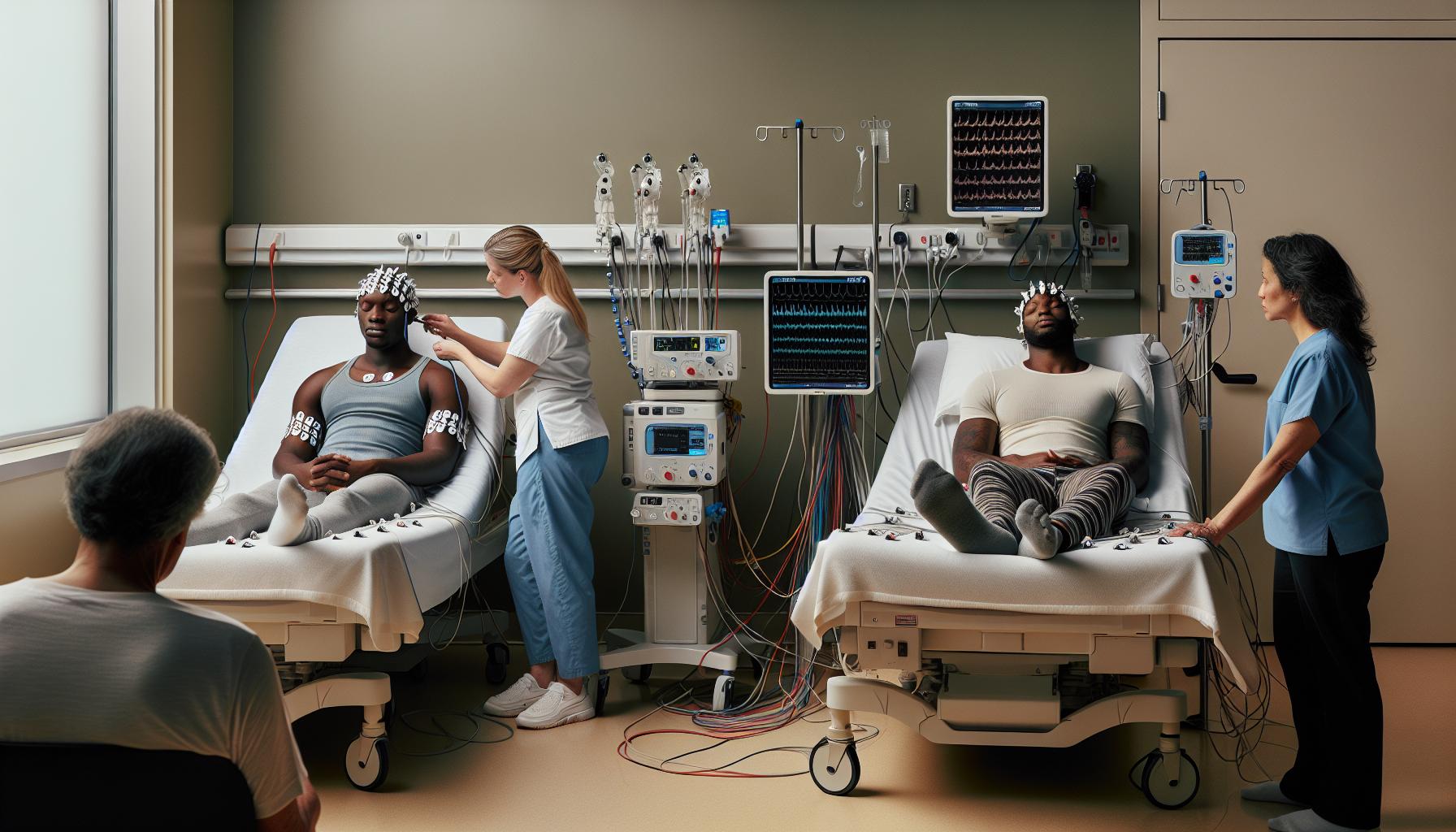
The technology behind sleep studies relies on a variety of sensors that provide crucial insights into what happens during sleep. Understanding these sensors can demystify the process and help ease any anxiety you might feel about having one conducted. Each sensor has a specific role, gathering data that sleep specialists will later analyze to diagnose potential sleep disorders.
One of the key components is the electroencephalogram (EEG), which uses electrodes placed on the scalp to monitor brainwave activity. This data helps determine the different sleep stages, such as REM (Rapid Eye Movement) and non-REM sleep. Understanding these stages is vital since they reflect the quality and restorative aspects of your sleep. Alongside the EEG, sensors are positioned on the face and chin to measure muscle activity; this helps identify conditions like sleep apnea where breathing may be obstructed.
Breathing patterns are tracked using bands around the chest and abdomen, which monitor respiratory effort during sleep. Additionally, a sensor placed on your finger measures blood oxygen levels using pulse oximetry, providing crucial data on how effectively your body absorbs oxygen while you sleep. Each sensor works together, creating a comprehensive picture of your sleep environment, which is essential for identifying sleep-related issues.
While it might feel strange to be connected to several sensors, they are painless and designed for your comfort. A sleep technician will ensure you understand the setup and answer any questions to help you feel at ease. By knowing what these sensors measure and how they work, you can better appreciate the importance of your sleep study and the role it plays in improving your sleep health.
Preparing for Your Sleep Study: Step-by-Step Guide
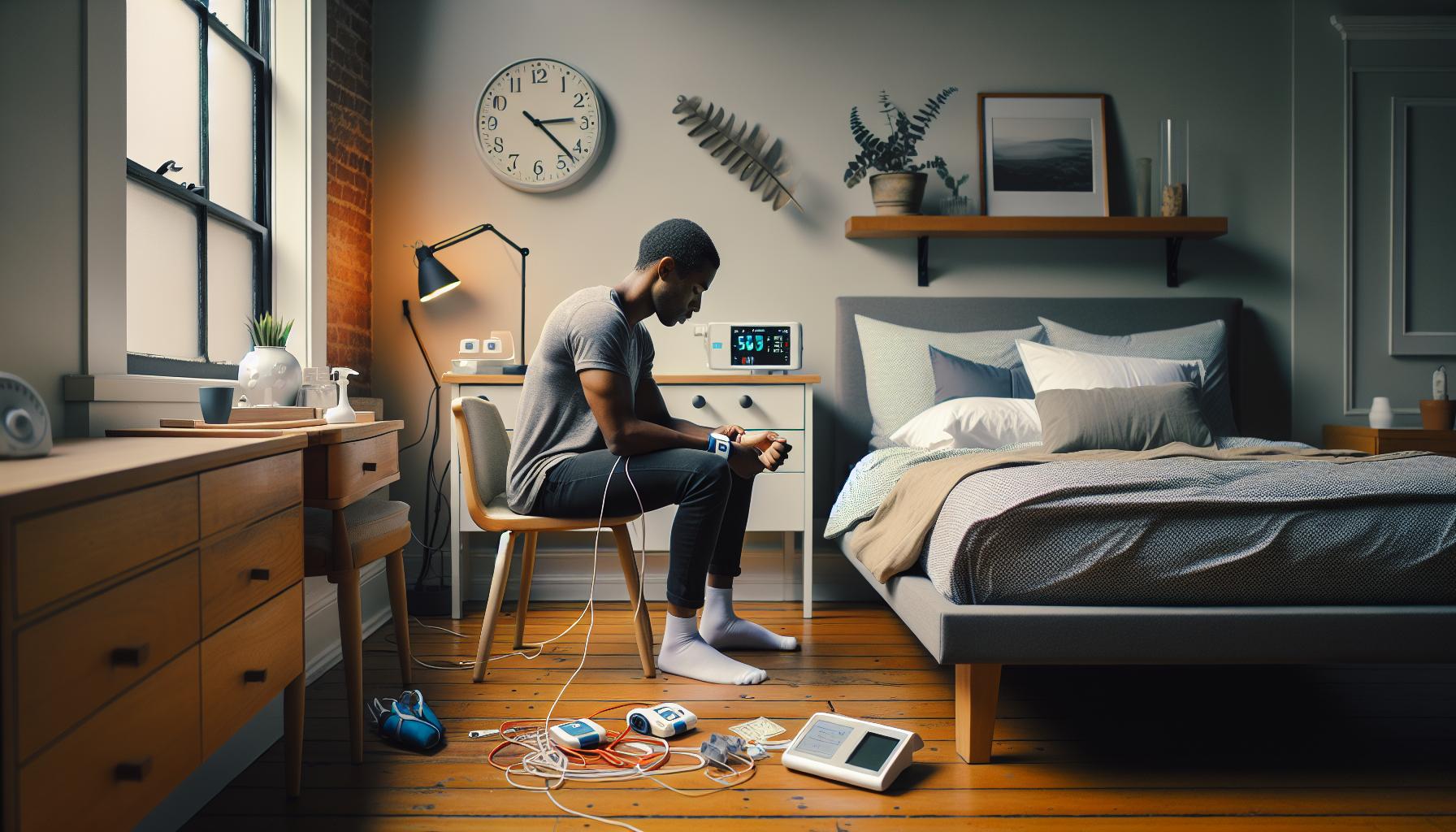
As you prepare for a sleep study, it’s natural to feel a mix of curiosity and apprehension about what the process entails. Understanding the step-by-step preparation can alleviate some of that anxiety. Here’s a comprehensive guide to ensure you’re ready for your night of monitoring.
Start by consulting your healthcare provider who will help determine whether a sleep study is necessary for you. This preliminary step is crucial as it guides the need for a specific type of sleep study based on the symptoms you’re experiencing. They’ll also discuss any medications you might need to stop beforehand or adjustments to your usual routines to ensure an accurate assessment of your sleep health.
Next, review any specific instructions provided by the sleep clinic. These might include guidelines such as avoiding caffeine or alcohol at least 24 hours before the test, as these substances can interfere with your sleep patterns. If you’re on medication, check which ones should be paused; sometimes, keeping your usual regimen is advisable, but it’s best to clarify this in advance.
On the night of the sleep study, arrive at the clinic a little early to familiarize yourself with the environment. Comfort is essential, so wear loose-fitting, comfortable clothing that you can easily sleep in. Bring along any personal items that can help you relax, such as a favorite pillow or blanket, to make the setting feel more like home.
Once you arrive, trained technicians will guide you through the setup process. They will attach various sensors to your body, as outlined in previous sections- EEG electrodes will go on your scalp, bands around your chest and abdomen will monitor your breathing, and a pulse oximeter will be placed on your finger to check your blood oxygen levels. While the thought of being hooked up to multiple devices may feel daunting, rest assured that these sensors are non-invasive and designed with your comfort in mind.
Lastly, remain calm and keep an open mind. It’s completely normal to feel a bit anxious about the sleep study, but the staff are there to support you and address any concerns. This test is a crucial step toward understanding your sleep patterns and health, paving the way for better results in your sleep quality and health overall. By being prepared and knowing what to expect, you can approach your sleep study with less stress and more confidence.
Common Sleep Disorders Diagnosed in Sleep Studies
Many individuals enter sleep studies to uncover the mysteries behind their nightly restlessness. These comprehensive assessments can diagnose various sleep disorders that significantly impact health and daily living. Understanding these conditions empowers you to take charge of your sleep health.
Among the common sleep disorders diagnosed during these studies, obstructive sleep apnea (OSA) stands out. Characterized by repeated interruptions in breathing during sleep, OSA can lead to severe daytime fatigue and increased risk for cardiovascular problems. Sleep studies help identify the severity of the condition through monitoring breathing patterns and oxygen levels.
Another prevalent disorder is insomnia, which encompasses difficulty falling asleep, staying asleep, or waking too early. Sleep studies observe brain activity and physiological responses, providing essential data to tailor effective treatment plans, whether behavioral therapy or medication.
Restless Legs Syndrome (RLS) is also frequently diagnosed in sleep studies. Those with RLS experience an uncontrollable urge to move their legs, often accompanied by uncomfortable sensations. The nocturnal leg movements and disruptions in sleep can be assessed, which aid in proper management strategies.
Other disorders include narcolepsy, which causes excessive daytime sleepiness and sudden sleep attacks, and parasomnias, which involve unusual behaviors during sleep, like sleepwalking or night terrors. Each condition presents unique challenges, and accurate diagnosis through a sleep study is vital for effective treatment.
Understanding these common conditions can reduce anxiety surrounding sleep studies. Rather than merely a diagnostic tool, they are pathways towards better sleep health and overall well-being, allowing you to reclaim restful nights.
How Sensor Technology Works: The Science Explained
The intricate world of sleep studies relies heavily on advanced sensor technology, delivering invaluable insights into your sleep health. Understanding how these sensors work can greatly demystify the sleep study process and help ease any anxiety you may have about it. Each sensor plays a specific role in providing a comprehensive view of your sleep patterns and physiological responses throughout the night.
In a typical sleep study, a variety of sensors are meticulously placed on your body to capture essential data. Common sensors include:
- Electrodes: These are attached to your scalp to monitor brain activity, helping to classify sleep stages, such as REM and non-REM sleep.
- EMG (Electromyography): Sensors placed on your chin and legs measure muscle activity, which can indicate conditions like restless legs syndrome.
- ECG (Electrocardiography): Monitors heart rate and rhythm, providing critical information about cardiac health during sleep.
- Pulse Oximeter: A small clip that attaches to your finger, it tracks the oxygen levels in your blood-essential for diagnosing conditions like obstructive sleep apnea.
- Respiratory Monitors: These check how well you breathe at night, measuring airflow and effort, which is crucial for detecting sleep apnea.
These sensors continuously gather data, painting a clear picture of your sleep architecture and overall health. The combined information from these various devices helps clinicians pinpoint specific sleep disorders, allowing for tailored treatment plans.
When it comes to real-world application, understanding this technology can empower you to ask informed questions during your sleep study. You might wonder, for example, how certain data points will be used to diagnose your condition or how the sensors adapt to your movements throughout the night. Familiarity with these aspects diminishes the fear of the unknown, making the experience more manageable.
Ultimately, sensor technology in sleep studies not only aids in diagnosis but also contributes to a deeper understanding of how sleep impacts overall health. Embracing this technology allows for informed decisions about your sleep health, paving the way toward better sleep and improved well-being.
Polysomnography vs. Home Sleep Tests: Which is Right for You?
When considering a sleep study, you may find yourself weighing the options between polysomnography (PSG) and home sleep tests (HST). Both have their unique advantages and considerations, making it essential to determine which is best suited for your needs. Polysomnography is often conducted in a sleep lab and involves comprehensive monitoring with a variety of sensors that track brain activity, heart rate, and breathing patterns. This in-depth analysis can identify complex sleep disorders like obstructive sleep apnea or narcolepsy and typically includes an overnight stay at the facility.
On the other hand, home sleep tests offer a more convenient and less intimidating alternative. With this option, you’ll use a simplified device that can be set up in the comfort of your own bed. While these tests primarily focus on detecting sleep apnea, they provide valuable insights into your nocturnal breathing. However, they may not capture the full spectrum of sleep stages or related disorders. For someone with straightforward apnea symptoms, a home test might suffice; for more intricate issues, polysomnography is likely the way to go.
Key Differences Between PSG and HST
| Feature | Polysomnography (PSG) | Home Sleep Test (HST) |
|---|---|---|
| Location | Sleep clinic | Home |
| Duration | Overnight | 1-2 nights |
| Data Collected | Comprehensive: brain waves, heart rate, breathing, and more | Limited: primarily focuses on breathing patterns |
| Ideal For | Complex sleep disorders | Suspected sleep apnea |
| Cost | Higher (may require insurance authorization) | Lower (more likely to be covered by insurance) |
Making the right choice ultimately hinges on your symptoms and comfort level with technology. If you’re experiencing signs of a sleep disorder other than sleep apnea, consulting with a sleep specialist may be necessary to help guide you towards the most effective evaluation. Remember, whichever route you choose, both PSG and HST can provide critical insights into your sleep health, empowering you to take actionable steps toward better rest and overall wellness.
Wearable Devices: Tracking Sleep at Home
Sleep is an intricate process that profoundly influences our daily lives, making tracking it essential for understanding personal health. Wearable devices have emerged as popular tools for monitoring sleep in the comfort of your home, offering user-friendly options that cater to various needs. These devices, ranging from smartwatches to dedicated sleep trackers, can provide valuable insights into your sleep patterns and overall health without the need for clinical settings.
One of the primary advantages of wearable devices is their convenience. They are typically designed to be lightweight and easy to operate, allowing for seamless integration into your daily routine. Many devices can track multiple metrics, including heart rate, sleep duration, and even the quality of your sleep cycles. As you prepare for sleep, simply put on the device, and it will gather data while you rest. Most wearables sync with smartphones or computers, giving you easy access to your sleep reports and progress over time. However, it’s crucial to remember that the data provided by these devices may not always be as comprehensive as a full polysomnography (PSG) study, especially for diagnosing specific sleep disorders.
When utilizing wearable sleep trackers, it’s beneficial to approach the data with a discerning mindset. While these devices can help you identify general patterns-like how long you sleep and how restful it feels-interpretation should be tempered with caution. For example, if a wearable indicates significant disruptions or inadequate sleep quality, it does not substitute for the more thorough analysis that a sleep study could provide. In such cases, seeking professional advice is advisable if you suspect a sleep disorder like sleep apnea or restless leg syndrome.
As the market for sleep wearables continues to grow, various options cater to different budgets and preferences. Some devices cost around $30 to $50, focusing on basic tracking functionalities, while high-end models can range from $100 to several hundred dollars and offer advanced features such as environmental monitoring and heart rate variability analysis. The key is to choose a device that aligns with your goals: whether you’re interested in sleep enhancement, fatigue management, or simply curiosity about your nightly habits. Remember, the right wearable can be an empowering tool, helping you take proactive steps towards better sleep hygiene and overall wellness.
Analyzing Sleep Stages: What Your Data Reveals
Understanding how sleep stages are analyzed can provide profound insights into your overall sleep health and potential disorders. During a sleep study, specialized sensors monitor your brain activity, eye movements, heart rate, and breathing patterns. This data reveals the different stages of sleep you progress through each night, including REM (rapid eye movement) sleep and various non-REM stages. Knowing how much time you spend in each stage can help healthcare providers determine whether you are experiencing healthy sleep patterns or if you are at risk for sleep disorders.
The results usually delineate your sleep architecture, characterized by the distribution of various sleep stages throughout the night. For example, REM sleep is critical for cognitive functions such as memory consolidation and emotional regulation, while deep sleep is essential for physical restoration and healing. A well-balanced sleep cycle typically includes multiple cycles of these stages throughout the night. If data indicates insufficient REM or deep sleep, it may point to issues such as sleep apnea or chronic stress.
What Your Data Reveals
When examining your sleep study results, focus on a few key metrics to understand your sleep quality better:
- Total Sleep Time: This indicates how long you were asleep versus how long you were in bed.
- Sleep Efficiency: This is the percentage of time you were asleep while in bed, which helps shed light on how restful your sleep was.
- Duration of Each Sleep Stage: How much time you spent in each stage can indicate whether you are getting restorative sleep.
By understanding these elements, you can identify patterns that might need addressing. For example, a predominance of lighter sleep stages and reduced time in deep sleep could be a sign of underlying issues. Consequently, tracking your sleep stages through a combination of detailed lab tests and wearable devices can empower you to take informed steps toward enhancing your sleep health.
Ultimately, while the data gathered from sleep studies and wearable devices can provide valuable insights, interpreting them effectively requires a cautious approach. It’s essential to consult with a sleep specialist if you notice significant discrepancies in your sleep patterns or if the data raises concerns about your sleep quality. Together, you can develop an actionable plan tailored to improve your sleep health.
Decoding Sleep Study Results: Interpreting the Findings
Understanding your sleep study results can seem daunting, yet these findings are a treasure trove of insights into your sleep health. A sleep study provides crucial metrics that can help diagnose conditions like sleep apnea, insomnia, or even restless leg syndrome. The data collected from sensors used during the study is how clinicians determine the health of your sleep cycles and what issues, if any, may be present.
Key metrics you should focus on include:
- AHI (Apnea-Hypopnea Index): This measures the severity of sleep apnea, indicating how many times breathing is interrupted per hour of sleep. A higher AHI can lead to serious health concerns.
- Sleep Latency: This is the time it takes for you to fall asleep. Longer sleep latency can signal issues like insomnia.
- Stages of Sleep: Your study results will detail how long you spent in REM vs. non-REM sleep. Each stage plays a crucial role in recovery, memory, and emotional stability.
An example scenario might help illustrate the importance of these metrics. Suppose your results show a high AHI with very little time spent in deep sleep. This pattern could suggest that you’re not reaching restorative sleep, which is vital for physical health. Consequently, your healthcare provider might recommend a CPAP machine or other interventions to improve your sleep quality.
When reviewing your report, don’t hesitate to ask questions. Clarifications on the implications of your findings can turn anxiety into empowerment. Collaborate with your healthcare professional to interpret the data thoroughly and develop a personalized action plan for improving your sleep, whether that includes lifestyle changes, further testing, or specific therapies. Decoding the results isn’t just about the numbers – it’s about unlocking a path to better sleep and overall health.
Insurance and Costs: Navigating Sleep Study Expenses
Understanding the costs associated with a sleep study is crucial for anyone considering this important step towards better sleep health. While the prospect of comprehensive sleep testing may seem daunting, particularly from a financial perspective, being informed can help alleviate anxiety and facilitate smarter healthcare decisions.
Sleep studies, often called polysomnography, can range significantly in cost, typically between $600 and $3,000, depending on various factors including the facility, type of study, and your insurance coverage. It’s essential to check with your health insurance provider to understand what they cover, as many plans may include sleep studies as part of their benefits, especially if there is a documented medical necessity. Always ask your provider if a referral from your primary care physician is required prior to the study, as this might influence your coverage.
What to Expect: Itemized Costs
You might encounter several components in your billing, including:
- Facility Fees: This includes the cost of the sleep center, staff, and equipment use.
- Professional Fees: Charges incurred from the sleep specialist interpreting your study results.
- Home Sleep Testing Equipment: If you opt for a home sleep test, the rental or a purchase of device can affect your overall costs.
- Follow-Up Visits: There may also be additional costs for consultations regarding your results and treatment options.
It’s advisable to request an estimate from the facility beforehand so you can prepare financially. Some centers provide a payment plan option, which may help manage larger expenses over time.
Tips on Navigating Insurance and Costs
- Pre-Authorization: Check if your insurance requires pre-authorization for the study and obtain it.
- In-Network Providers: Ensure you go to an in-network sleep center to minimize out-of-pocket costs.
- Flexible Spending Accounts: If available, consider using FSA or HSA funds to cover out-of-pocket expenses related to the study.
- Transparent Billing: Upon receiving your bill, don’t hesitate to ask questions for clarification, particularly if charges seem higher than expected.
Being proactive and informed about your options can greatly enhance your experience with sleep testing, allowing you to focus on achieving better sleep rather than financial stress.
Real-Life Scenarios: When to Seek a Sleep Study
Many people experience sleep disturbances at some point in their lives, but knowing when to seek a sleep study can be unclear. If you find yourself feeling excessively tired during the day, struggling to focus, or experiencing a consistent pattern of disrupted sleep, it might be time to consult with a healthcare professional about the possibility of undergoing a sleep study. These studies, which investigate your sleep patterns and physiology by using various sensors, can reveal important insights and lead to effective treatments for sleep disorders.
There are several specific scenarios where seeking a sleep study could be particularly beneficial. For instance, if you frequently snore loudly or experience gasping or choking sensations during sleep, these could be signs of obstructive sleep apnea, a serious condition that can lead to various health complications if left untreated. In addition, if you notice symptoms of insomnia, such as an inability to fall asleep or stay asleep, despite having the opportunity to rest, a sleep study can help identify any underlying issues contributing to these challenges.
Another common reason to consider a sleep study is if you or your partner notice unusual behaviors during sleep, such as sleepwalking, talking, or engaging in other activities while seemingly asleep. These could suggest parasomnia disorders, which could benefit from comprehensive evaluation through a sleep study. Additionally, if you are experiencing excessive daytime sleepiness that interferes with daily activities, this might warrant further investigation as well.
Before proceeding, be sure to discuss your symptoms thoroughly with your doctor, who can provide guidance on whether a sleep study is necessary in your case. They will explain what to expect during the study, including how you will be hooked up to sensors that monitor your brain waves, heart rate, breathing, and movements throughout the night. This preparation can alleviate any anxiety about the process and help you understand the vital role of these studies in diagnosing and treating sleep health issues.
Troubleshooting Sleep Study Devices: Common Issues and Solutions
During a sleep study, you’ll be connected to several devices that monitor various aspects of your sleep. While the setup is designed to be straightforward, occasionally you may encounter issues with the sensors that can be frustrating. Understanding common problems and their solutions can help ensure your experience is as smooth as possible.
One prevalent issue involves sensor placement. If a sensor feels uncomfortable or is incorrectly positioned, it can affect the quality of the data collected. If you notice any discomfort, inform the sleep technologist right away. They are trained to adjust the sensor positioning for optimal comfort and function. It’s important to remember that the sensors should stay in place without causing excessive pain or distraction.
Another common problem is that sensors may become detached during the night. This can happen while you sleep, especially if you move around a lot. While the sleep lab technicians will usually check the connections beforehand, it’s a good idea to ask about how each sensor works. You may also need to practice gentle movements to avoid dislodging them. If you wake up and notice a sensor has come loose, notify the technician immediately for a quick fix.
Wiring can pose its own challenges as well. With multiple cables running from the sensors to the monitoring equipment, occasionally a wire may get tugged or pulled loose. Maintaining a careful awareness of the cabling can help prevent this; if you feel constrained, speak up and ask for a slight adjustment.
Finally, make sure you have a clear understanding of the equipment before going to bed. Familiarizing yourself with the sensors and what to expect can ease anxiety and prevent unnecessary confusion during the night. A clear discussion with the sleep technologist about any concerns or specific instructions can significantly enhance your comfort level.
Always remember, the goal of the sleep study is to gather accurate data about your sleep patterns. Any issues you encounter with the devices should be discussed with your sleep technician, who can not only solve problems on the spot but also guide you through the process effectively.
Frequently asked questions
Q: What types of sensors are used in a sleep study?
A: Sleep studies typically utilize multiple sensors to monitor various body functions. Common sensors include EEG (brain activity), EOG (eye movements), and EMG (muscle activity). These help assess sleep stages and diagnose disorders. For more about the key sensors used, check the section on Key Sensors Used in Sleep Studies.
Q: Are the sensors comfortable during a sleep study?
A: Most sensors used in sleep studies are designed to be non-invasive and comfortable. However, some individuals may find them slightly uncomfortable at first. For tips on preparing for your sleep study, visit the Preparing for Your Sleep Study section.
Q: How long does it take to set up the sensors for a sleep study?
A: Setting up sensors for a sleep study usually takes 30 to 60 minutes. A sleep technician will attach the sensors while explaining the process so you understand what to expect. Learn more in the Preparing for Your Sleep Study section.
Q: Can I move around while wearing sleep study sensors?
A: While you might feel some restrictions due to the sensors, you typically can move around as needed. However, it’s advisable to try to remain as still as possible to ensure accurate readings. For more details, refer to the Analyzing Sleep Stages section.
Q: How is data from sleep study sensors interpreted?
A: Data from sleep study sensors is analyzed to identify patterns in sleep stages and potential disorders. Clinicians look at metrics like brain waves, oxygen levels, and heart rate. For a deeper understanding, see the Decoding Sleep Study Results section.
Q: What should I wear to a sleep study?
A: Wear comfortable, loose-fitting pajamas for your sleep study. It’s best to avoid clothing with metal components, as these can interfere with the sensors. More preparation tips can be found in the Preparing for Your Sleep Study section.
Q: Do I need to do anything special before the sleep study?
A: Yes, it’s important to avoid caffeine and alcohol on the day of your sleep study, as they can affect your sleep patterns. For a complete list of recommendations, check the Preparing for Your Sleep Study section.
Wrapping Up
Understanding how you’re connected during a sleep study can alleviate concerns and demystify the process. The sensors, while unfamiliar, are crucial for gathering data that can help identify sleep disorders and improve your overall sleep health. If you’re considering a sleep study, don’t hesitate-taking the first step toward better sleep could transform your nights.
Explore our resources on how to prepare for your study, what to expect during polysomnography, and tips for optimizing your sleep environment. Also, check out our guides on wearable sleep trackers and their effectiveness compared to clinical studies. Remember, the journey to better sleep begins with the information you gather, so keep learning and asking questions.
Join our newsletter for the latest insights and tools tailored to enhance your sleep quality. Share your experiences in our comments section-your story could help others in their sleep journey! Your health matters, and we’re here to support you every step of the way.
Get our latest guides, news, and insights highlighted in your Google Search & AI Overviews.