
Did you know that nearly one in three adults doesn’t get enough sleep? Understanding how we study sleep is crucial for addressing this widespread issue and improving our overall health. In “How Do We Study Sleep? Research Methods Explained,” we’ll explore various research methods that provide insights into sleep patterns, disorders, and the technologies available for monitoring our rest. From sleep studies conducted in clinical settings to advanced wearable devices that track our nightly rhythms, this guide will help you navigate the complex landscape of sleep research. Whether you’re struggling with your own sleep issues or simply curious about what goes on when we sleep, you’ll gain valuable knowledge on making informed choices for better sleep health. Continue reading to discover the fascinating world of sleep research and how it can potentially transform your sleep experience.
Understanding Sleep: The Basics of Sleep Science
Understanding the mechanisms of sleep and the various research methods used to study it can empower you to make informed decisions about your sleep health. Sleep science, an interdisciplinary field, combines elements of psychology, medicine, and neuroscience to unravel the complexities of sleep, including its stages, functions, and the impact of disorders. Did you know that approximately one-third of our lives is spent sleeping? This makes understanding sleep not just beneficial, but essential for overall well-being.
Research methods in sleep science range from clinical trials and polysomnography to wearable technology and home sleep studies. Polysomnography (PSG) is the gold standard for diagnosing sleep disorders. During a PSG, multiple physiological parameters are measured, including brain activity, heart rate, and breathing patterns while the subject sleeps in a controlled environment. This comprehensive approach helps healthcare providers identify conditions like sleep apnea, restless leg syndrome, and narcolepsy. However, traditional sleep studies can be daunting: they often involve overnight stays in sleep labs and can come with a hefty price tag, typically ranging from $1,000 to $3,000.
Alternatively, advancements in technology have facilitated the development of wearable devices that track sleep patterns in real-time. These devices-such as smartwatches and fitness trackers-use sensors to monitor movement, heart rate, and even blood oxygen levels. While they offer convenience and immediate feedback, it’s important to recognize their limitations. For example, while wearables can provide insights into sleep duration, they aren’t always as accurate in distinguishing between different sleep stages compared to PSG. Nevertheless, they are a useful starting point for understanding your sleep without the need for a formal study.
In guiding your decision between seeking a full sleep study or leveraging wearables, consider your specific symptoms or concerns. If you experience severe issues such as excessive daytime sleepiness or loud snoring, it might be best to consult a healthcare professional to determine if a sleep study is warranted. On the other hand, if you’re merely curious about your sleep patterns or seeking general improvement, starting with a wearable device may suffice. But remember, the ultimate goal of both methods is to enhance your sleep quality, leading to better health and improved quality of life.
Why Sleep Matters: Importance of Quality Rest
Quality sleep is fundamental to our physical and mental health, acting as the foundation upon which well-being is built. Lack of sufficient sleep can lead to a host of issues, including impaired cognitive function, increased stress levels, and a greater risk of chronic diseases such as heart disease, obesity, and diabetes. Research has shown that a consistent sleep schedule enhances mood and cognitive performance while improving overall productivity. Strikingly, studies suggest that even a single night of poor sleep can significantly impact your ability to think clearly and make decisions.
Understanding the specifics of why sleep matters empowers individuals to make healthier lifestyle choices. Sleep is not merely a passive state of rest; it’s an active process during which vital restoration occurs. During deep sleep, essential bodily functions like tissue growth and repair, immune system strengthening, and memory consolidation take place. Inadequate rest disrupts these processes, leading to long-term health complications. This makes it crucial to prioritize high-quality sleep, ensuring you get the restful state your body needs to recover and rejuvenate.
To enhance your sleep quality, practical steps can be taken. Establishing a bedtime routine, creating a sleep-conducive environment, and managing stress through relaxation techniques such as meditation can greatly improve your sleep health. Additionally, tracking sleep using wearable devices can provide insights into your sleep patterns, helping you identify trends and areas for improvement. These devices often monitor various parameters like movement, heart rate, and sleep duration, serving as valuable tools in managing your sleep health. When combined with professional evaluations such as polysomnography when necessary, these insights can guide you toward better quality rest.
Moreover, it’s essential to recognize the signs that you may need to consult a healthcare professional regarding your sleep. If you’re experiencing chronic insomnia, excessive daytime sleepiness, or loud snoring, it may be time to undergo a sleep study. These evaluations, while initially daunting, are crucial for diagnosing severe sleep disorders, leading to targeted treatments that can significantly enhance your quality of life. Balancing the use of home sleep technology with professional guidance equips you to make informed decisions, ensuring that your need for quality rest is met.
Exploring Sleep Disorders: Common Issues and Symptoms
Many people experience sleep disorders without realizing the significant impact they can have on health and well-being. Common sleep disorders include insomnia, sleep apnea, restless legs syndrome, and narcolepsy, each presenting its own unique challenges and symptoms. Understanding these conditions not only helps you identify when you might need professional intervention but also empowers you with the knowledge to seek appropriate help.
Insomnia
Insomnia is characterized by difficulty falling or staying asleep, resulting in inadequate rest. This disorder can manifest as:
- Difficulty falling asleep: Lying awake for long periods before sleep onset.
- Frequent awakenings: Waking up multiple times during the night.
- Early morning waking: Waking up too early and being unable to fall back asleep.
Individuals with insomnia often experience fatigue, irritability, and difficulty concentrating during the day. If these symptoms persist for several weeks, seeking a sleep study might be beneficial to determine underlying causes.
Sleep Apnea
Sleep apnea is a serious condition that involves repeated interruptions in breathing during sleep. Common symptoms include:
- Loud snoring: Often a first sign that others may notice.
- Gasping or choking: Episodes where a person briefly stops breathing.
- Excessive daytime sleepiness: Feeling incredibly tired during the day despite a full night’s sleep.
This disorder can lead to complications such as cardiovascular issues, making it critical to consult with a healthcare provider if sleep apnea is suspected.
Restless Legs Syndrome (RLS)
RLS is characterized by uncomfortable sensations in the legs, typically accompanied by an irresistible urge to move them. Symptoms generally worsen during periods of rest, especially in the evening, and can significantly disrupt sleep. Individuals may describe the sensations as crawling, tingling, or itching, which can be alleviated temporarily by movement. If you find yourself frequently unable to sit still at night, you may want to consider contacting a sleep specialist.
Narcolepsy
Narcolepsy is a neurological disorder that affects the body’s ability to regulate sleep-wake cycles. The most prominent symptoms include excessive daytime sleepiness and sudden sleep attacks, which can occur at inappropriate times. Other symptoms, such as cataplexy (sudden loss of muscle control), sleep paralysis, and vivid hallucinations, can further complicate everyday life. If you struggle with uncontrollable sleepiness despite adequate nightly rest, a sleep study is crucial to rule out narcolepsy.
Recognizing these sleep disorders is essential in taking proactive steps toward better sleep health. While wearable devices can help track sleep patterns and identify issues, they may not capture the full complexity of sleep disorders. Thus, if symptoms persist, discussing them with a healthcare provider and possibly undergoing a sleep study will help you receive an accurate diagnosis and appropriate treatment, enhancing your quality of sleep and overall health.
How Sleep Studies Work: From Polysomnography to Home Tests
A sleep study can provide invaluable insights into your sleep patterns and health, offering a window into the mysterious world of rest that many of us take for granted. At a sleep center or even in the comfort of your own home, these studies can assess how well you sleep and diagnose potential disorders, enabling tailored approaches to improve your well-being.
Polysomnography (PSG) is the gold standard of sleep studies, often conducted in a dedicated sleep lab. During this comprehensive test, various physiological parameters are monitored, including brain activity (EEG), eye movements, heart rate, oxygen levels, and breathing patterns. This data is invaluable: it allows specialists to observe different sleep stages and detect abnormalities such as sleep apnea or periodic limb movements. Although the lab environment can feel intimidating, the staff are trained to make the experience as comfortable as possible with amenities designed to help you relax.
In contrast, home sleep tests (HST) are gaining popularity for their convenience and ease of use. These tests typically involve wearing a simplified device that records key indicators like airflow, breathing effort, and blood oxygen levels while you sleep at home. While HSTs can effectively identify obstructive sleep apnea, they might not capture the full range of sleep disorders that a full PSG would. Nonetheless, they offer a less invasive and often more straightforward option for many patients, especially those who find the idea of spending a night in a lab daunting.
When considering a sleep study, it’s essential to discuss the options with your healthcare provider. They can recommend the most appropriate type based on your symptoms and health history. Both PSG and HST come with specific preparation requirements, such as avoiding caffeine or sedatives before the test, making an understanding of the setup and what to expect crucial for a successful evaluation. Below are some key points to keep in mind:
- Costs: Insurance often covers both types of studies, but it’s wise to verify your coverage beforehand.
- Environment: While PSGs get you out of your usual environment, they provide comprehensive data through various monitoring equipment.
- Follow-Up: Expect a follow-up appointment to discuss results and next steps, which could range from lifestyle changes to potential treatment options.
By understanding how sleep studies work and being proactive in your approach, you can take meaningful steps towards enhancing your sleep health and overall quality of life.
The Role of Wearable Devices in Sleep Tracking
Wearable devices have transformed the way we track our sleep, offering a convenient and accessible alternative to traditional sleep studies. These gadgets, ranging from smartwatches to specialized sleep trackers, collect a variety of data while you sleep, such as heart rate, movement, and in some cases, blood oxygen levels. This information can provide insights into your sleep patterns and quality, helping you understand how well you’re resting each night.
One of the key benefits of using wearable devices is their ease of use and affordability. Many wearables are designed to seamlessly fit into your daily routine, making it easier to monitor your sleep without the discomfort of a sleep study. However, it’s essential to consider that while these devices can track various sleep metrics, their accuracy may not match that of a polysomnography (PSG) sleep study performed in a clinical setting. Wearables typically use algorithms to estimate sleep stages based on movement and heart rate, which can lead to discrepancies, especially in identifying lighter sleep stages or sleep disorders.
Getting Started with Wearable Devices
To start utilizing these devices, choose one that suits your lifestyle and budget. Popular models like the Fitbit, Apple Watch, and Oura Ring offer user-friendly interfaces and companion apps that provide insights into your sleep data. Setting up these devices is generally straightforward: simply charge the device, follow the manufacturer’s setup instructions, and wear it overnight. Make sure to also review privacy settings regarding how your data will be used and stored.
While wearables can be incredibly informative, they are best used as a preliminary tool for assessing sleep patterns rather than a definitive diagnosis tool. If your data reveals persistent issues such as excessive daytime sleepiness, frequent awakenings, or irregular breathing patterns at night, consulting a healthcare professional for a sleep study may be advisable. This guidance can help you decide whether a sleep study or further investigation into potential sleep disorders is necessary.
Ultimately, wearable devices can empower you to take a more active role in your sleep health. By combining daily wearables with insights from healthcare professionals when needed, you can enhance your understanding of sleep’s impact on your overall well-being, making informed decisions for better rest and health.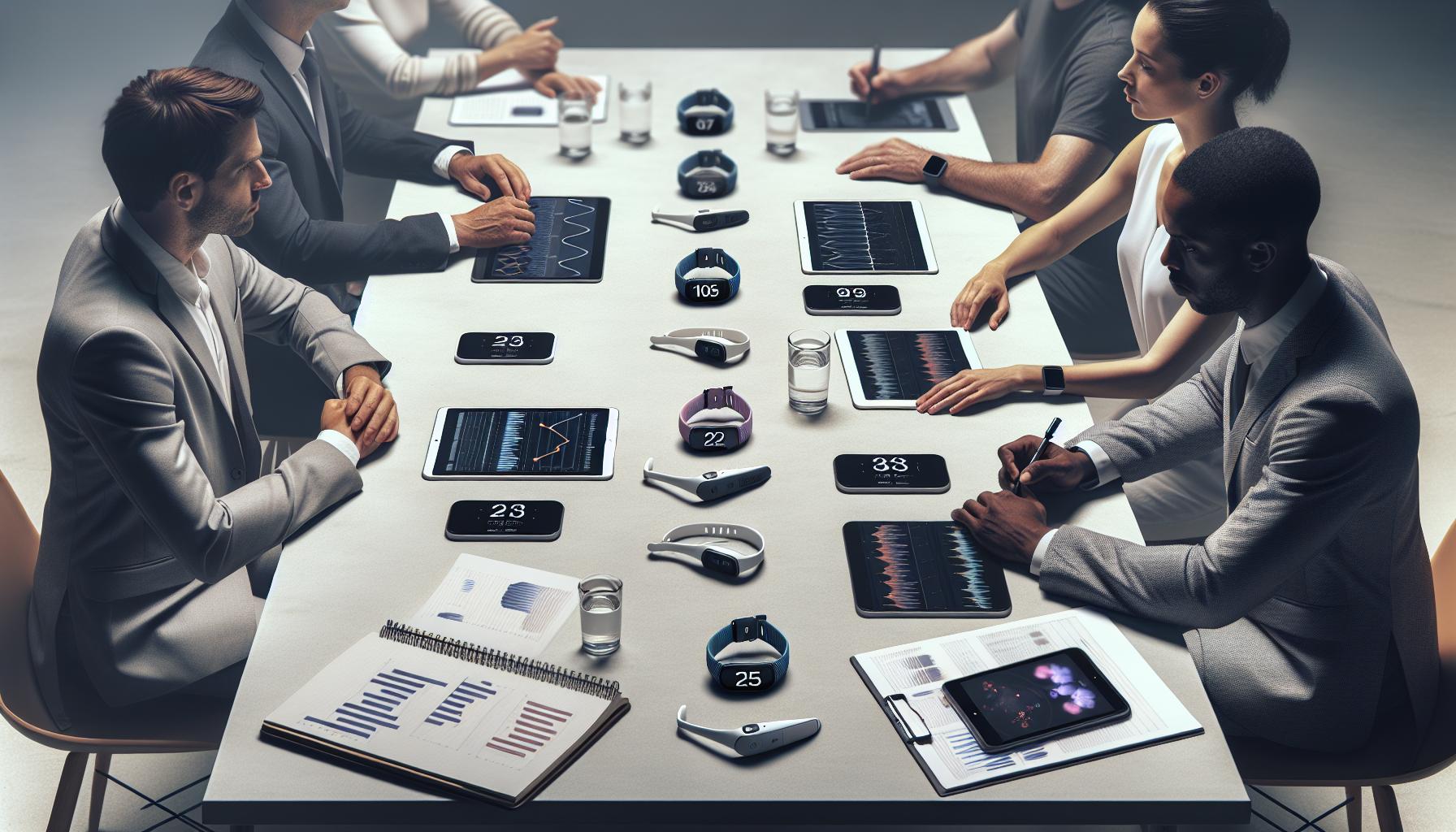
Comparing Sleep Trackers: Features and Accuracy
When it comes to tracking sleep, the landscape is vast and varied, with a multitude of devices promising insights into your nightly rest. From smartwatches to specialized sleep trackers, the features and accuracy of these devices can significantly differ. Understanding what each option brings to the table is essential for making an informed decision about which device aligns best with your sleep goals.
Many popular sleep trackers, such as the Fitbit and Apple Watch, offer a range of metrics, including heart rate monitoring, movement tracking, and in some cases, blood oxygen levels. However, the accuracy of these metrics varies widely. For instance, while devices like the Wellue O2 Ring provide more precise data on blood oxygen saturation, traditional wearables often rely on algorithms that estimate sleep stages based mainly on movement and heart rate changes. This can lead to inaccuracies, particularly when attempting to discern lighter stages of sleep or diagnose potential disorders.
Key Features to Consider
When comparing sleep trackers, consider these critical features:
- Heart Rate Monitoring: Essential for assessing overall health, particularly sleep apnea risks.
- Blood Oxygen Monitoring: Devices like the Wellue O2 Ring excel here, providing real-time data that can be crucial for health insights.
- Movement Tracking: Most devices use accelerometers to measure your movements, which can indicate sleep quality and disturbances.
- Sleep Stage Detection: Some trackers provide sleep cycle breakdown (light, deep, REM), but accuracy varies significantly.
Accurate sleep tracking can empower you to make adjustments for better rest. If your device indicates frequent awakenings or disturbed sleep patterns, it may be time to consult a healthcare professional for a deeper investigation through a sleep study. Conversely, if you’re simply interested in general trends and habits, a reliable smartwatch may provide enough insights to get started.
Ultimately, whether you’re investing in a high-end sleep tracker or using a basic smartwatch, it’s essential to manage expectations about what these devices can and cannot do. No tracker can replace the comprehensive insights gained from a polysomnography (PSG) sleep study when it comes to diagnosing sleep disorders. However, integrating wearables into your routine can serve as a valuable first step in understanding your sleep health journey.
Setting Up a Sleep Study: What to Expect
Setting up a sleep study can be an important step in understanding your sleep health, especially if you’re experiencing issues like insomnia, excessive daytime sleepiness, or suspected sleep apnea. Knowing what to expect can ease anxiety and help you feel more prepared for the process. Typically, sleep studies can be conducted either in a sleep clinic or at home, depending on the severity of your symptoms and your doctor’s recommendations.
Regardless of the setting, the first step is usually a thorough consultation with a sleep specialist. During this appointment, you’ll discuss your sleep habits, medical history, and specific concerns. The specialist may recommend a certain type of study based on the information you provide. Here’s a glimpse of what you can expect for different types of studies:
Types of Sleep Studies
- Polysomnography (PSG): This comprehensive in-lab study measures brain waves, blood oxygen level, heart rate, and breathing, along with eye and leg movements. You’ll spend the night at a sleep center where electrodes and sensors will be attached to monitor your sleep stages.
- Home Sleep Apnea Testing (HSAT): For those suspected of having sleep apnea, this at-home test is less invasive. You’ll wear a portable device that tracks your breathing patterns, heart rate, and blood oxygen levels while you sleep at home.
Preparation and Setup
Prior to your sleep study, your healthcare provider will give you specific guidelines. These may include recommendations on what to wear, medications to avoid, and when to stop eating or drinking. For a PSG, you are typically advised to arrive at the clinic in comfortable clothing and with a list of medications you’re currently taking.
On the day of the study, the setup might seem daunting, but sleep technologists will be on hand to assist you. They will attach sensors to your scalp, face, chest, and legs, which may take up to 45 minutes. Though this may feel uncomfortable at first, these devices are generally non-intrusive and designed to monitor your sleep without interfering.
Cost and Insurance Considerations
Before scheduling your sleep study, check with your insurance provider regarding coverage. Costs can vary widely, with PSG studies typically being more expensive than HSAT. Some clinics offer payment plans or sliding scales based on income, which can make the process more manageable.
Experiencing a sleep study can bring up feelings of anxiety or uncertainty. However, keeping an open dialogue with your healthcare provider can help alleviate concerns. Remember, these studies are not just a means to diagnose sleep disorders; they are crucial tools for paving the way toward better sleep health and overall well-being. With the right preparation and mindset, you can approach your sleep study confidently.
Decoding Sleep Stages: REM vs. Non-REM
Understanding the intricate tapestry of sleep stages is crucial for anyone looking to enhance their sleep quality and overall health. Sleep is not a singular state but a complex process involving various stages, two of which are crucial: REM (Rapid Eye Movement) and Non-REM (NREM). Each stage serves a specific purpose and is characterized by unique physiological activities that can significantly impact how rested and rejuvenated you feel upon waking.
During REM sleep, the brain becomes highly active, resembling its state while awake. This is the stage where most dreaming occurs, and it’s essential for emotional regulation and memory consolidation. Your heart rate and breathing can become irregular, and your body experiences temporary paralysis, effectively preventing you from acting out your dreams. Interestingly, REM sleep tends to lengthen with successive cycles throughout the night, peaking in the early morning hours, which can be particularly rejuvenating for mental clarity and emotional resilience.
In contrast, Non-REM sleep is subdivided into three stages, each serving its function in physical restoration and recovery. Initially, you transition from wakefulness into light sleep (NREM Stage 1), where you might experience a sense of drifting in and out of consciousness. This is followed by deeper stages (NREM Stages 2 and 3), where your body works on repair processes, muscle growth, and immune function. During these stages, the body’s energy is replenished, and this restorative phase is crucial for physical health.
Understanding how these stages interleave in sleep cycles-typically every 90 to 110 minutes-can empower you when considering sleep studies or using wearable devices to track your sleep. If you notice patterns of fragmented REM or insufficient deep sleep, it might highlight the need for further evaluation or lifestyle adjustments. This insight into your sleep architecture can be invaluable, guiding informed decisions about when to seek professional assessment or whether a sleep tracker might suffice for monitoring your sleep health. By demystifying the sleep stages, you are better equipped to address your sleep needs meaningfully.
Analyzing Data: Interpreting Your Sleep Results
Understanding your sleep data can transform your sleep health from a guessing game into a clear path toward restorative rest. Whether you’ve undergone a sleep study or are utilizing a wearable sleep tracker, interpreting the results is vital for making informed decisions about your sleep habits and overall wellbeing.
When analyzing sleep data, focus primarily on the total sleep time, sleep efficiency (the percentage of time spent asleep while in bed), and the distribution of sleep stages. Commonly reported sleep stages include deep sleep (NREM Stage 3), light sleep (NREM Stages 1 and 2), and REM sleep. A healthy adult needs to cycle through these stages multiple times each night. Aim for about 20-25% of your total sleep time to be in REM sleep and approximately 13-23% in deep sleep. Any significant deviations from these metrics may signal underlying issues or insufficient sleep quality.
Additionally, consider factors such as wake after sleep onset (WASO), which indicates how many times you wake up after initially falling asleep, and sleep latency, the time it takes to fall asleep once in bed. Long durations in these areas can suggest problems like insomnia or fragmented sleep. If you notice frequent disturbances or prolonged periods of wakefulness, it may be time to re-evaluate your bedtime environment or consult a sleep specialist for further insights.
To enhance your analysis, compare your data against recommended guidelines. For instance, if you find you’re spending too little time in deep sleep (less than 13% of total sleep), it may indicate lifestyle changes are necessary-perhaps adjusting your daily routine to include more physical activity, limiting caffeine intake, or establishing a more consistent sleep schedule. Using a table to highlight your key metrics can make these comparisons clearer and keep you focused on your sleep health journey.
In summary, the ability to interpret your sleep data effectively can empower you to make proactive choices regarding your sleep hygiene. By understanding the nuances of your sleep patterns, you are better positioned to identify when professional help is warranted or when simple adjustments in your daily life might solve your sleep challenges. As always, balance the insights gained from technology with guidance from healthcare professionals to navigate your sleep health confidently.
Navigating Insurance for Sleep Studies: What You Need to Know
Navigating insurance coverage for sleep studies can often feel like a daunting task, but understanding your options can empower you to make informed financial decisions regarding your health. Before scheduling a sleep study, it’s essential to check whether your health insurance plan covers the cost since coverage can vary widely depending on the provider. Usually, health plans will cover polysomnography if it’s deemed medically necessary by your healthcare provider, typically following an evaluation of your symptoms and overall health history.
Start by contacting your insurance company directly to ask about coverage specifics. Here are key questions to guide your discussion:
- Is prior authorization required? Many insurers require approval before you proceed with a sleep study, which can affect your out-of-pocket costs.
- What types of sleep studies are covered? Policies may cover in-lab studies differently than at-home sleep tests; knowing what your plan includes helps avoid unexpected bills.
- What is my deductible, and how much of it has been met? Understanding your deductible can inform how much you may need to pay upfront.
Once you have this information, ensure your primary care physician documents your sleep issues thoroughly to support the medical necessity of the test. This step can be crucial for obtaining insurance approval. If your plan does not cover sleep studies or if the out-of-pocket cost is prohibitive, consider exploring alternative options like home sleep apnea tests, which may be less expensive and sometimes reimbursable through insurance.
It’s also important to keep records of all communications and correspondence with your insurance provider. Should you face coverage denials, having clear documentation can support your appeal. Many patients find it helpful to work directly with the sleep clinic to navigate the insurance process; they often have experience dealing with various plans and can assist in gathering necessary information or submitting claims.
Understanding these aspects of insurance coverage will help alleviate some anxiety associated with sleep studies, allowing you to focus on the process of improving your sleep health.
When to Seek a Sleep Study vs. Using Trackers
When it comes to understanding your sleep health, knowing whether to opt for a formal sleep study or relying on sleep trackers can be a pivotal choice. Sleep disorders can significantly impact your overall well-being, so having the right tools to assess your sleep quality is essential. Sleep trackers, which have gained popularity for their convenience and affordability, can provide a glimpse into your sleep patterns. However, their capabilities can be limited when it comes to diagnosing complex sleep disorders.
For example, if you consistently experience symptoms like excessive daytime sleepiness, loud snoring, or observed pauses in breathing during sleep, it might be time to consult a healthcare professional about getting a sleep study. Polysomnography, the most comprehensive type of sleep study, records brain waves, blood oxygen levels, heart rate, and breathing, as well as eye and leg movements during sleep. This detailed analysis can help identify serious conditions like sleep apnea or restless legs syndrome, which a wearable device might not accurately detect.
While trackers can help you monitor sleep duration and general patterns, they often lack the precision needed to evaluate sleep disorders. They typically use accelerometry and heart rate data to estimate sleep quality, which can sometimes lead to inaccuracies, especially in individuals with underlying health issues. Understanding the nuances of your symptoms is crucial; if your tracker indicates poor sleep but you feel fine, or vice versa, it might not tell the whole story.
Consider the following when deciding between a sleep study and using trackers:
- Symptom Severity: If you have severe or persistent sleep issues, a sleep study is more likely to provide actionable insights.
- Diagnostic Needs: For detailed information about potential sleep disorders, a professional study is the gold standard.
- Cost and Accessibility: Sleep trackers are generally lower-cost and easily accessible but may not provide the depth necessary for diagnosing complex issues.
In essence, while sleep trackers are excellent for gathering initial data and fostering awareness about your sleep habits, a sleep study becomes indispensable in identifying and treating serious sleep disorders. Balancing your personal experiences with the data collected from these methods can guide you toward making informed decisions about your sleep health.
Emerging Technologies in Sleep Research: Trends to Watch
The landscape of sleep research is rapidly evolving, driven by technological advancements that promise to enhance our understanding of sleep and its impact on health. One of the most exciting trends is the development of smart devices designed to monitor and analyze various aspects of sleep. These devices range from wearables like smartwatches and fitness trackers to non-contact monitors that use sensors to track sleep patterns without needing to be worn. They can provide insights into sleep duration, cycles, and even sleep quality-information that’s often crucial for individuals struggling with sleep disorders.
Wearable Technology and Health Apps
Wearable technology continues to lead the charge in sleep research. Devices equipped with accelerometers and heart rate monitors can detect movement and physiological changes during sleep, offering valuable data on how rest affects overall wellness. Health apps that aggregate this data often incorporate machine learning algorithms to provide personalized recommendations for improving sleep quality. This kind of technology not only empowers users to take charge of their sleep health but also helps researchers gather a vast amount of anonymized sleep data, leading to broader insights into sleep patterns across diverse populations.
Artificial Intelligence in Sleep Analysis
AI is becoming increasingly integral in the field of sleep research. Algorithms can analyze data collected from wearable devices and sleep studies, identifying patterns and potential issues like sleep apnea or insomnia. These systems can even predict sleep disturbances by considering factors such as stress levels, environmental variables, and lifestyle choices. The automated analysis not only saves time for healthcare providers but also improves diagnostic accuracy, ensuring that individuals receive tailored interventions based on their specific needs.
Virtual Sleep Clinics
The pandemic has accelerated the adoption of telemedicine and virtual sleep clinics, making it easier for individuals to consult with sleep specialists from the comfort of their homes. These clinics often use comprehensive online assessments to gather information about a patient’s sleep patterns and lifestyle. Following the initial consultation, specialists can guide patients on whether they need a formal sleep study or can benefit from using wearables for monitoring purposes, streamlining the path to effective treatment.
Emerging technologies in sleep research are not just providing a glimpse into our nightly rest; they are reshaping the approach to understanding sleep disorders. As these tools become more sophisticated and accessible, individuals will be better equipped to manage their sleep health proactively and effectively. Balancing the insights gained from technology with traditional methods like polysomnography will ensure that we continue to advance in diagnosing and treating sleep-related issues effectively.
Q&A
Q: What types of sleep studies exist for diagnosing sleep disorders?
A: There are several types of sleep studies, including polysomnography, which records brain waves, oxygen levels, heart rate, and breathing while you sleep. Home sleep apnea tests are also common, allowing patients to monitor sleep at home. Understanding these methods can help determine the best approach for diagnosing sleep issues.
Q: How do researchers analyze sleep data from studies?
A: Researchers analyze sleep data using various metrics, such as sleep duration, efficiency, and stages of sleep (REM vs. non-REM). They often use software to visualize and interpret this data, identifying patterns and anomalies to help diagnose sleep disorders or assess sleep quality.
Q: What role do lifestyle factors play in sleep studies?
A: Lifestyle factors, such as diet, exercise, and stress, significantly affect sleep quality. During sleep studies, researchers often collect information about these factors to correlate lifestyle choices with sleep patterns, which can lead to personalized treatment recommendations.
Q: When is a sleep study necessary over home sleep tracking devices?
A: A sleep study is recommended if you exhibit severe symptoms of sleep disorders, like persistent snoring or excessive daytime sleepiness. Home devices can help track basic patterns but may not provide the comprehensive data needed to diagnose complex sleep issues accurately.
Q: What innovations are shaping the future of sleep research?
A: Emerging technologies in sleep research include advanced wearable devices, AI-driven data analysis, and smart home integration. These innovations enable more accurate tracking and personalized insights into sleep health, enhancing our understanding of sleep disorders.
Q: How can I prepare for a sleep study?
A: Preparing for a sleep study typically involves avoiding caffeine, alcohol, and certain medications before the test. It’s also helpful to maintain a regular sleep schedule leading up to the study to ensure accurate results. Refer to the section on setting up a sleep study in the main article for further details.
Q: What are the most common sleep disorders studied?
A: Common sleep disorders studied include insomnia, sleep apnea, restless legs syndrome, and narcolepsy. Understanding these disorders helps researchers develop targeted treatments and improve sleep health outcomes.
Q: How does sleep research contribute to overall health improvement?
A: Sleep research directly contributes to understanding the link between sleep and chronic health conditions like obesity, diabetes, and cardiovascular diseases. By addressing sleep issues, healthier lifestyle choices can be promoted, improving overall well-being.
In Summary
Understanding how we study sleep empowers you to make informed choices about your sleep health. From basic sleep studies to advanced wearables, the methods we’ve explored are designed to help identify and address sleep disorders effectively. If you’re considering a sleep study, remember to discuss your specific needs with a healthcare professional-they can guide you towards the best options tailored to your situation.
For more insights, check out our articles on natural cures for insomnia and healthy sleep tips to enhance your nightly rest. Don’t hesitate to leave your comments or share your thoughts on sleep health; your feedback could help others on their journey toward better sleep. Explore these resources, because investing in your sleep today creates a brighter, healthier tomorrow!
Get our latest guides, news, and insights highlighted in your Google Search & AI Overviews.