
Did you know that nearly 30 million Americans suffer from obstructive sleep apnea, a condition that can significantly impact your health and quality of life? If you’ve been struggling with sleep issues, an at-home sleep study might be the perfect solution for you. This comprehensive guide will walk you through the process of conducting a home sleep study, helping you navigate setup, what to expect, and how to interpret the results. Understanding your sleep patterns is crucial, especially if you’re looking to improve your overall well-being. So, let’s demystify the process and empower you to take charge of your sleep health!
Understanding Home Sleep Studies: What to Expect
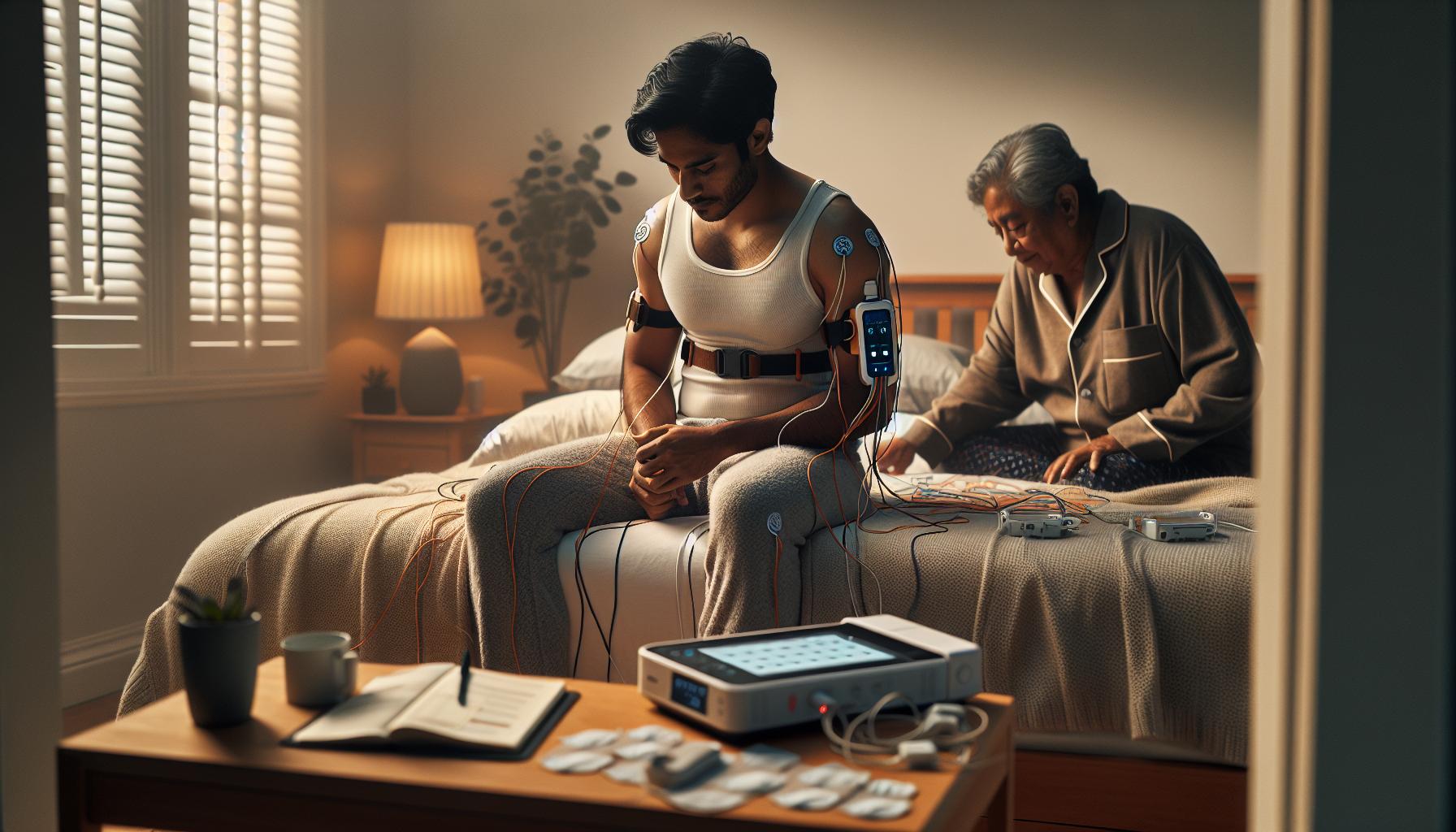
Understanding home sleep studies offers a pathway to deciphering the mysteries of your sleep patterns without the discomfort and invasiveness of a traditional sleep lab. Many people experience anxiety at the thought of being tethered to wires and monitored in an unfamiliar environment. Thankfully, home sleep studies provide a user-friendly alternative, allowing you to assess your sleep health in the comfort of your own bed.
During a home sleep study, you can expect to use a portable device designed to monitor various physiological signals that indicate the presence of sleep disorders, particularly obstructive sleep apnea (OSA). The setup is relatively straightforward. Typically, the equipment includes a small monitor that may be worn on your body and sensors that track your heart rate, airflow, and oxygen levels. As you drift off to sleep, these devices collect vital data throughout the night, which is later analyzed by sleep specialists to determine whether OSA or other conditions are affecting your rest.
It’s important to prepare adequately for the study to ensure the best results. Familiarizing yourself with the device will help alleviate any concerns about its use. Most home sleep tests are designed to be intuitive, and many come with instructional materials or videos to guide you through each step. If you’re taking the test for the first time, remember that it’s normal to feel a bit apprehensive, but the simplicity and convenience of home testing can significantly reduce pre-sleep anxiety.
Ultimately, understanding what to expect from a home sleep study empowers you to take proactive steps towards improving your sleep health. By engaging in this process, you’re not just testing for sleep disorders; you’re investing in your overall wellbeing, which can lead to more restorative sleep and a healthier lifestyle.
Key Benefits of Completing a Home Sleep Study
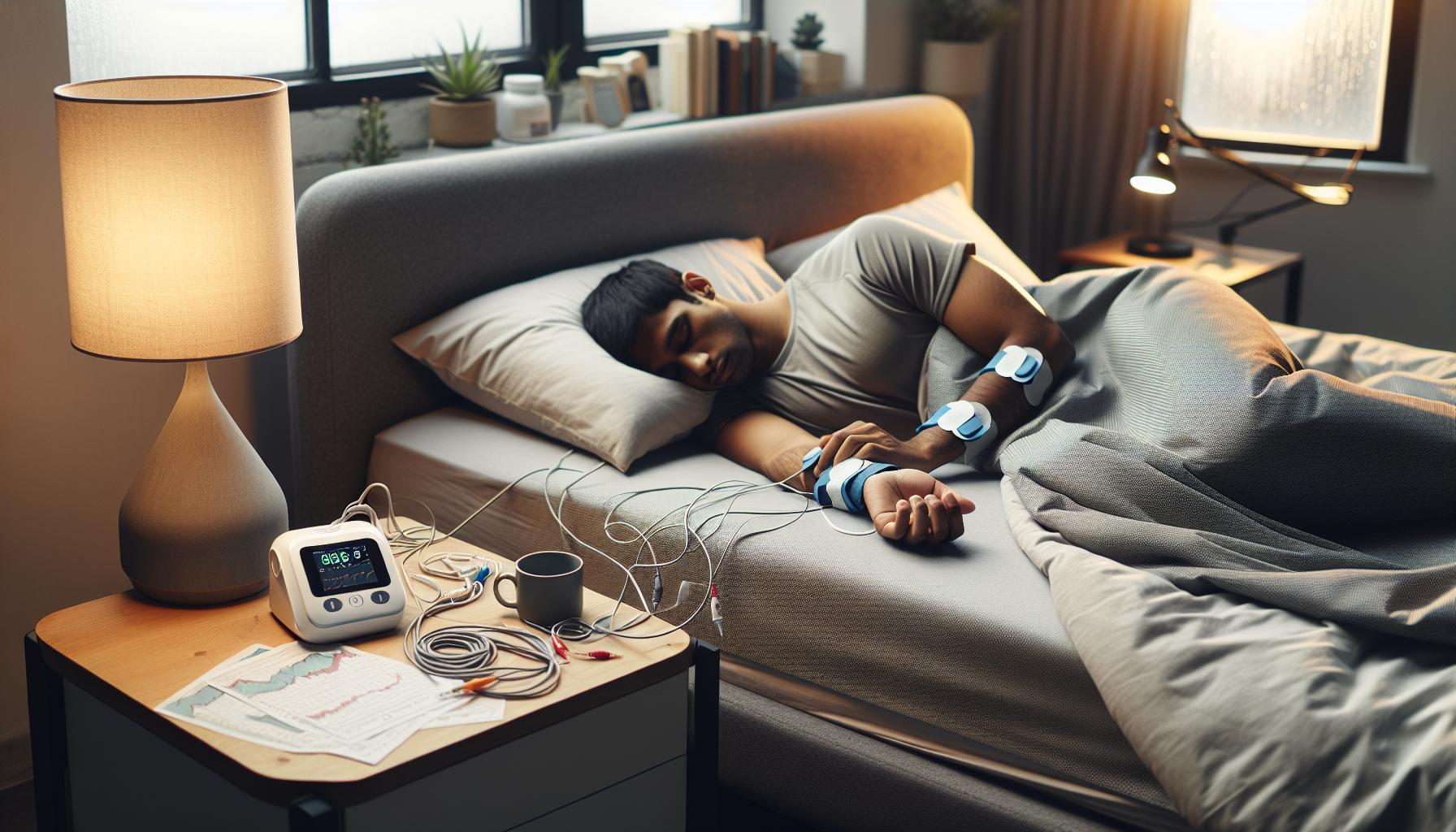
Completing a home sleep study can be a game-changer for those struggling with sleep issues. One of the primary benefits is convenience; you can conduct the test in your own bed, in a familiar environment that promotes relaxation. This eliminates the anxiety many feel about sleeping in a clinical setting, making it easier to capture accurate sleep patterns. Moreover, home sleep tests are typically less expensive than traditional in-lab studies, making them a more accessible option for many individuals seeking help.
Another significant advantage is the simplicity of setup. Most home sleep study devices are designed to be user-friendly, often requiring minimal instruction. You’ll be provided with clear directions, making it easy to attach sensors and start the study without needing extensive technical knowledge. This straightforward process ensures that you can focus on what matters most: getting a good night’s sleep.
Additionally, home sleep studies are effective in diagnosing common conditions such as obstructive sleep apnea (OSA) and other sleep-related disorders. Without the added pressure of being monitored in a lab, you may sleep more naturally, allowing the device to collect vital data like your heart rate, oxygen levels, and breathing patterns accurately. The insights gained from this data can be invaluable in guiding treatment options and improving your overall well-being.
Overall, choosing to complete a home sleep study not only streamlines the process of evaluating your sleep health but also empowers you to take control of your sleep journey. By demystifying how sleep studies work and highlighting their advantages, you can approach your sleep health with confidence and clarity.
Essential Equipment for Home Sleep Testing
When preparing for a home sleep study, the equipment you’ll use is critical for obtaining accurate results. Understanding this equipment can help ease any concerns and set you up for a successful night of testing. Most home sleep study kits are designed for ease of use, enabling you to monitor essential sleep metrics right from the comfort of your bed.
The essential equipment typically includes the following components:
- Polysomnography Device: This monitors your brain waves, oxygen levels, heart rate, and breathing patterns. Often, this is a single unit placed on your chest or around your waist with multiple sensors.
- Oximeter: A small device that clips onto your finger to measure your blood oxygen saturation levels, providing critical data for diagnosing conditions like obstructive sleep apnea.
- Chest and Abdominal Bands: These bands are worn around your chest and abdomen to track your respiratory effort throughout the night.
- Electrodes: Small sticky pads placed on your scalp to record brain activity. While these might seem intimidating, they’re lightweight and designed for your comfort.
- Wires and Connectors: Various cables connect the devices to a central data recording unit, which captures all the information you need.
Before the study, familiarize yourself with each piece of equipment. Most providers will send you detailed instructions on setting everything up. A typical setup involves placing the bands around your chest and abdomen, applying the electrodes, and securing the oximeter. Once you’re ready, the equipment will record information throughout the night, allowing you to sleep as naturally as possible.
Remember, the goal of these devices is to collect data that could help diagnose sleep disorders effectively. While it’s natural to feel a bit anxious about using the equipment, understanding its purpose and how it works can make the experience much more manageable. Your comfort and peace of mind are essential for obtaining the best results, so take the time to ask questions and clarify any uncertainties with your healthcare provider before the night of your study.
Step-by-Step Instructions for Setup
Getting ready for a home sleep study can feel daunting, but with clear steps, you can set up your testing equipment easily and confidently. Knowing exactly what to do will help you feel more at ease, allowing the night to unfold naturally. Here’s how to properly set everything up so you can focus on getting a good night’s sleep.
Start by reviewing all equipment provided in your home sleep study kit. Familiarize yourself with each component:
- Polysomnography Device: This will often be a portable unit that you can wear on your chest or around your waist. Make sure it’s securely fastened, as it will collect vital data about your sleep.
- Oximeter: This clips onto your finger and monitors your blood oxygen levels throughout the night. Ensure it’s snug but not too tight to avoid discomfort.
- Chest and Abdominal Bands: Place these bands around your ribcage and abdomen to accurately measure your breathing patterns. Adjust them so that they fit comfortably but are not loose.
- Electrodes: These sticky pads will be placed on your scalp. Clean the area beforehand and apply them as instructed to ensure they adhere properly. You may want to gently rub the area for better conductivity.
- Wires and Connectors: Carefully connect all wires from the sensors to the central data unit, ensuring that they are secured without being overly tight.
Once everything is connected, it’s a good idea to perform a quick check. Make sure that all devices are functioning properly and that you can move comfortably. After that, turn off any bright lights in your sleeping area and prepare for bed as you normally would. Being in a relaxing and familiar environment can help you fall asleep more easily, enhancing the quality of your sleep study.
Before you go to sleep, take a moment to remind yourself of the goals of this test: gathering essential data on your sleep patterns and potential disorders. Accept that some discomfort or awkwardness may occur, but it’s all part of the process to help identify and address sleep issues. If you have any uncertainties or questions about the setup, reach out to your healthcare provider, as they can provide additional clarity and reassurance.
Interpreting Your Home Sleep Study Results
Interpreting the results of your home sleep study can feel like deciphering a foreign language, but it doesn’t have to be overwhelming. When you receive your report, it typically includes data about your breathing patterns, oxygen levels, and sleep stages. Understanding these results is crucial in determining if you have conditions like sleep apnea or other sleep disorders.
One of the key metrics to look for is the number of apneas and hypopneas per hour, often calculated as the Apnea-Hypopnea Index (AHI). This index provides a clear indication of how often your breathing was interrupted during the night. For instance:
- A score of 0-5: Normal sleep.
- A score of 5-15: Mild sleep apnea.
- A score of 15-30: Moderate sleep apnea.
- A score of 30 or higher: Severe sleep apnea.
These values help characterize your sleep quality and highlight areas of concern that might need further examination.
Additionally, pay attention to your oxygen saturation levels, represented as a percentage. Normal levels should generally be between 95% to 100%. A consistent drop below 90% during the night can suggest potential breathing problems. Alongside these factors, your report will often detail your total sleep time and the amount of time spent in different sleep stages (e.g., deep sleep, REM sleep), which is significant for understanding the overall quality of your rest.
Finding clarity in these findings can sometimes lead to more questions. If your results indicate potential sleep disorders, consider discussing them with a healthcare provider or a sleep specialist. They can guide you toward appropriate treatment options, like CPAP therapy for sleep apnea, lifestyle changes, or further diagnostic tests. Understanding your sleep study results not only empowers you to take control of your sleep health but also opens the door to better sleep quality and overall well-being.
Common Sleep Disorders Diagnosed by Home Studies

Many people underestimate the impact sleep disorders can have on overall health and well-being, often experiencing chronic fatigue, mood swings, or cognitive impairment without connecting these issues to their sleep quality. Home sleep studies are a practical solution for identifying specific sleep disorders in the comfort of your own home, and they address several common issues that can affect your nightly rest.
Sleep Apnea
One of the most prevalent sleep disorders diagnosed through home sleep studies is obstructive sleep apnea (OSA). This condition occurs when the throat muscles intermittently relax and block the airway during sleep, leading to repetitive pauses in breathing. Symptoms might include loud snoring, choking or gasping during sleep, and excessive daytime sleepiness. Understanding your apnea-hypopnea index (AHI) can often inform you about the severity of your sleep apnea, helping guide further treatment.
Insomnia
While less common for home testing than sleep apnea, chronic insomnia can also be assessed. This disorder is characterized by difficulty falling asleep, staying asleep, or waking up too early. Home sleep studies may not diagnose insomnia directly, but they can rule out other sleep disorders that contribute to sleepless nights. If you find that you struggle to achieve restorative sleep consistently, noting your sleep patterns through a home study can provide critical insights.
Restless Legs Syndrome (RLS)
Restless Legs Syndrome is another disorder that can be discussed in conjunction with a home sleep study. Individuals with RLS experience uncomfortable sensations in their legs and an irresistible urge to move them, often disrupting sleep. While RLS is typically diagnosed based on clinical evaluation, sleep studies can identify associated sleep disturbances that may not be immediately apparent.
Other Sleep-Related Disorders
In addition to the above, home sleep studies can help identify conditions like periodic limb movement disorder (PLMD), where repeated leg movements disrupt sleep, and central sleep apnea, which involves changes in brain signaling that affect breathing. In all cases, understanding the particular sleep disorder at play can empower individuals to seek targeted treatments, from lifestyle changes and behavioral therapies to possible medical interventions.
Through a home sleep study, you can gain valuable insights into your sleep health that may not have been evident before. If your results suggest a specific disorder, it’s crucial to follow up with a healthcare provider, who can tailor a plan to improve both your sleep and your overall quality of life.
Differences Between Home and In-Lab Sleep Studies
While considering a sleep study, it’s essential to understand that the experience can vary significantly between home sleep studies and in-lab evaluations. These two approaches cater to different needs and comfort levels, making it crucial to determine which might be more suitable for you.
Home sleep studies allow you to test in the comfort of your own bed, using portable equipment that can assess your breathing patterns and other vital signs as you sleep. This method is less intrusive and can often reduce the anxiety some feel about sleeping in an unfamiliar environment. It typically involves fewer sensors and a simpler setup, which can be done independently. Reports suggest that home sleep tests can be more convenient and less expensive than their in-lab counterparts, often costing significantly less and being covered by many insurance plans [[1](https://www.health.harvard.edu/staying-healthy/trending-now-home-sleep-tests)].
In contrast, in-lab sleep studies, or polysomnography, provide a comprehensive evaluation with a team of trained sleep technicians monitoring you closely throughout the night. This option uses a broader array of sensors-tracking brain waves, heart rate, oxygen levels, and more-to gather detailed data about your sleep stages and diagnose complex disorders effectively. For individuals with severe sleep issues, the in-lab method can yield more precise information and facilitate immediate intervention if necessary.
When choosing between the two, consider the following factors:
- Comfort Level: If sleeping in a hospital or clinic makes you anxious, a home sleep study may be the better choice.
- Diagnosis Complexity: For complicated sleep disorders, in-lab testing might be recommended to ensure comprehensive monitoring.
- Cost and Convenience: Home sleep studies usually come with fewer financial burdens and greater ease of scheduling.
Ultimately, understanding these differences empowers you to make an informed decision. If you suspect you have a sleep disorder but are unsure about which testing option suits you best, consulting a healthcare provider can guide you toward the appropriate direction based on your specific symptoms and lifestyle.
Wearable Sleep Trackers: Pros and Cons
Wearable sleep trackers have surged in popularity, offering insight into your nightly slumber right from the wrist or bedside. These devices can provide valuable data about sleep patterns, making them appealing for those seeking to improve their sleep quality. However, as with any technology, there are pros and cons to consider before relying solely on a wearable device.
One significant advantage of wearable sleep trackers is their convenience and accessibility. Most people can easily integrate these devices into their nightly routine without the need for complex setups or additional equipment. Many popular brands, like Fitbit or Apple Watch, offer mobile apps that display detailed sleep reports, helping users understand their sleep cycles, duration, and disturbances. This real-time feedback can motivate individuals to adopt healthier sleep habits, like adjusting bedtime or creating a calming pre-sleep ritual. Plus, the cost of these devices is often much lower than professional sleep studies, which may require co-pays or out-of-pocket payments depending on insurance.
However, it’s crucial to remember that wearable trackers have limitations. While they can provide data on sleep duration and basic sleep stages, they often lack the sophistication needed to monitor more complex sleep disorders accurately. For instance, issues like sleep apnea or REM sleep behavior disorder typically require more detailed analysis, often performed in a professional sleep study setting. Wearables may struggle to differentiate between deep sleep and light sleep effectively, and inaccuracies could lead to misguided conclusions about one’s sleep health.
When evaluating whether to use a wearable sleep tracker or opt for a home sleep study, consider your specific needs and symptoms. If you suspect a serious sleep issue, a professional study may be necessary for an accurate diagnosis. However, if you’re looking to improve your sleep hygiene and monitor general trends, wearables can be a helpful tool in your journey toward better rest. Balancing the convenience of technology with professional insights empowers you to make informed choices about your sleep health.
Troubleshooting Common Home Sleep Study Issues
Navigating a home sleep study can be an enlightening experience, but it’s not without its challenges. Many individuals undertaking this process may encounter issues that could impact the quality of their results. Understanding these common problems and knowing how to troubleshoot them is crucial for a successful sleep assessment.
One common issue involves difficulty with device setup. It’s essential to ensure that all sensors are correctly placed according to the provided instructions. If you’re having trouble, double-check the electrode locations and connections. Consider watching tutorial videos or reaching out to customer support for guidance. Additionally, improper positioning of the nasal cannula or oximeter can lead to inconclusive data regarding your breathing patterns. Make sure these devices are snug yet comfortable to capture accurate readings.
Another frequent concern is disturbances during sleep, which can skew the results. If you’re a restless sleeper or share your bed with a partner who might stir often, consider creating a calming pre-sleep environment. Practice relaxation techniques, and ensure the room is dark and quiet. Using tools like white noise machines or earplugs can help minimize interruptions. Remember, the goal is to simulate a typical sleep environment as closely as possible, so try to maintain your regular bedtime routine.
Battery life and device functionality are also vital components to monitor. Before beginning your study, check that your devices are fully charged and functioning properly. If you notice any issues such as intermittent data loss, restarting the device can sometimes resolve minor glitches. Keep a charger or backup power source nearby and familiarize yourself with how to troubleshoot the equipment before the actual study night.
Finally, if technical issues arise during the study itself, document them as accurately as possible. This information can be helpful for your healthcare provider when interpreting the data. Each of these steps contributes to obtaining the most accurate and helpful results from your home sleep study, allowing you to address any potential sleep disorders effectively.
Insurance Coverage for Home Sleep Tests
Navigating the world of can be daunting, but understanding your options can help alleviate some of that anxiety. Many insurers recognize the importance of diagnosing sleep disorders efficiently and affordably, which is why coverage for home sleep studies has become increasingly available. However, the extent of coverage can vary widely from one provider to another, and it often depends on the specifics of your health plan.
Before proceeding with a home sleep study, it’s essential to verify whether your insurance plans cover such tests. Contact your insurance provider directly and inquire about the following points:
- Pre-authorization: Some plans may require pre-authorization before you undergo testing. Be sure to obtain any necessary approvals to avoid unexpected expenses.
- In-Network vs. Out-of-Network: Determine whether the facility or provider conducting the home sleep test is within your insurance network. Using in-network providers typically results in lower out-of-pocket costs.
- Co-pays and Deductibles: Understand your co-payment responsibilities or any deductibles that need to be met. This knowledge will help you calculate the total anticipated cost of the procedure.
- Coverage for Equipment: Confirm whether your plan covers the rental or purchase of any equipment used for the study, as these expenses can add up quickly.
Being proactive by gathering documentation, such as your doctor’s referral or any previous sleep study results, could streamline the approval process. Sometimes, aligning your needs with your insurer’s requirements can lead to a smoother experience.
Furthermore, if insurance coverage becomes a significant hurdle, don’t hesitate to discuss alternative funding options with your healthcare provider. Many clinics offer payment plans or sliding scale fee structures based on income. Understanding these options can empower you to take charge of your sleep health without the burden of excessive costs. By navigating the insurance landscape carefully, you can set yourself up for success in diagnosing and managing sleep disorders effectively.
When to Seek Professional Sleep Evaluation
When it comes to understanding sleep health, knowing when to seek a professional sleep evaluation can be crucial. Many people think about their sleep only when a problem arises, but recognizing the signs early can lead to better health outcomes. If you experience persistent sleep disturbances, excessive daytime sleepiness, or prolonged snoring, it’s important to consult a sleep specialist. These symptoms often indicate underlying sleep disorders such as sleep apnea, insomnia, or restless legs syndrome.
Professional sleep evaluations typically involve comprehensive processes that go beyond what home sleep studies can offer. For example, while a home sleep study may provide useful initial insights, professionals utilize advanced polysomnography to gather more detailed data about your sleep cycles, brain activity, and other physiological parameters. This information can be crucial for diagnosing complex sleep disorders that require tailored treatment plans.
If you’ve been using wearable sleep trackers and find discrepancies between your tracking data and how you feel, it might be a signal to seek professional help. While wearables can provide helpful insights, they are not always thoroughly reliable. If you notice a consistent lack of restful sleep or recurring issues that affect your daily life, reaching out to a professional can determine the best path forward, which may involve a comprehensive evaluation and even more advanced sleep studies.
Moreover, consider seeking a professional sleep evaluation if lifestyle changes-like improving sleep hygiene and adjusting bedtime routines-do not yield better sleep quality. Sometimes, conditions are beyond self-management and require medical intervention. A sleep professional can guide you through the process, addressing concerns such as medication side effects, anxiety, or depression, which all significantly impact sleep quality. Remember, the journey to better sleep starts with awareness and the willingness to seek help when needed.
Real Experiences: Stories from Home Sleep Study Participants
People often wonder about the experiences of those who have undergone home sleep studies. These personal stories provide a glimpse into the process, revealing both the benefits and challenges that come with it. Many participants report feeling relieved to take the first step towards diagnosing a potential sleep disorder without the intimidating environment of a lab. Instead of traditional setups, they appreciated the ease and comfort of conducting the test in their own bed, which helped them relax and fall asleep more naturally.
Participants have shared various perspectives on the setup process. One user explained that understanding how to use the equipment was essential, as they were initially nervous about wiring themselves up. Clear instructions provided by the testing company were crucial, helping them feel more confident as they connected sensors to their body. Many also emphasized the importance of preparing their sleeping environment-like minimizing light and noise- to ensure the most accurate results. Their experiences show that preparation can significantly affect the quality of data collected during the study.
As for the results, reactions varied. Some participants expressed joy at discovering their diagnosis, after years of uncertainty regarding their sleep issues. They appreciated quick follow-ups from sleep specialists who helped interpret the data, making the process feel comprehensive. In contrast, others briefly noted a sense of disappointment if their study results didn’t align with their expectations or if they were advised to make lifestyle changes instead of receiving immediate solutions. It’s a mix of emotions, reinforcing the need for realistic expectations when entering this journey.
In summary, hearing firsthand accounts from home sleep study participants showcases both the emotional and practical aspects of the experience. It sheds light on the importance of preparation, communication, and understanding that this might be just one step in a broader journey toward improved sleep health. These narratives can serve as both reassurance and motivation for those considering a home sleep study for their own sleep challenges.
Frequently Asked Questions
Q: What preparation is needed before a home sleep study?
A: Before a home sleep study, you should consult your doctor to ensure you qualify for the test. Avoid stimulating substances like caffeine and alcohol on the night of the test. Follow specific guidelines provided by your healthcare provider regarding medications and activities prior to the study, ensuring accurate results.
Q: How long do you wear the equipment during a home sleep study?
A: You typically wear the equipment for one night. The device records your sleep patterns, breathing, and heart rate while you sleep. Make sure to wear it for a full duration of sleep for optimal data collection. This allows for accurate assessment of any potential sleep disorders.
Q: What should I do if I experience discomfort during the home sleep test?
A: If you experience discomfort during a home sleep test, try to adjust the equipment for better fit or reposition sensors as needed. It’s important to remain as relaxed as possible. If discomfort persists, consult your healthcare provider before the test or during follow-up discussions for alternative solutions.
Q: Can children undergo home sleep studies, and are there different guidelines?
A: Yes, children can undergo home sleep studies, but specific guidelines vary. Consulting a pediatric sleep specialist is crucial to determine if a home test is appropriate. Adjustments may be needed regarding equipment size and monitoring requirements tailored to children’s smaller and more sensitive physiology.
Q: How is data from a home sleep study analyzed?
A: Data from a home sleep study is analyzed by a sleep specialist who reviews your breathing patterns, oxygen levels, and heart rate. They will look for symptoms of sleep apnea or other disorders using specific metrics. Results typically come with a professional evaluation and recommendations for treatment if needed.
Q: How can I ensure accurate results from my home sleep study?
A: To ensure accurate results, carefully follow the pre-test instructions provided by your healthcare provider. Adhere strictly to the equipment setup guidelines on the night of the test, maintaining a typical bedtime routine to help simulate normal sleep conditions. This will yield more reliable data.
Q: Are there any risks associated with home sleep studies?
A: Home sleep studies generally have low risks, but potential concerns include equipment malfunction or incorrect usage, leading to inaccurate results. Patients should report any issues to their healthcare provider. Following instructions carefully minimizes risks and optimizes the test’s effectiveness.
Q: What should I expect after completing a home sleep study?
A: After completing a home sleep study, expect to receive your results within a few days to weeks. Your healthcare provider will discuss the findings and potential next steps for treatment if any sleep disorders are diagnosed. Follow-up care is important to address any identified issues effectively.
The Conclusion
Now that you have a comprehensive understanding of how to conduct a home sleep study, you’re one step closer to improving your sleep health. Remember, a home sleep test is a convenient and cost-effective option to diagnose sleep apnea and other issues while you sleep in the comfort of your home. If you have lingering questions about the process, consider exploring our detailed guides on sleep health or check out our informative sections on sleep disorders and wearable sleep technology for further insights.
Don’t wait to take control of your sleep. Begin your journey toward restful nights today! Dive into our resources to find tools that suit your needs, like our comparisons of different sleep monitoring devices, or schedule a consultation for personalized advice. Share your experiences or ask questions in the comments below – we love engaging with our community. Your path to better sleep starts now!
Get our latest guides, news, and insights highlighted in your Google Search & AI Overviews.