
Did you know that millions of people struggle with sleep disorders without even realizing it? Sleep diagnostics, particularly polysomnography, is essential for identifying these issues and improving overall health. By monitoring brain activity, breathing patterns, and other vital signs during sleep, these tests provide invaluable insights into conditions like sleep apnea and insomnia. Understanding the sleep study process can be life-changing, empowering you to make informed health decisions. In this guide, we’ll unravel the complexities of sleep diagnostics, offering practical information on what to expect, how they work, and when to seek help. Whether you’re dealing with restless nights or just curious about optimizing your sleep, you’ll find the answers you need to navigate the world of sleep health with confidence.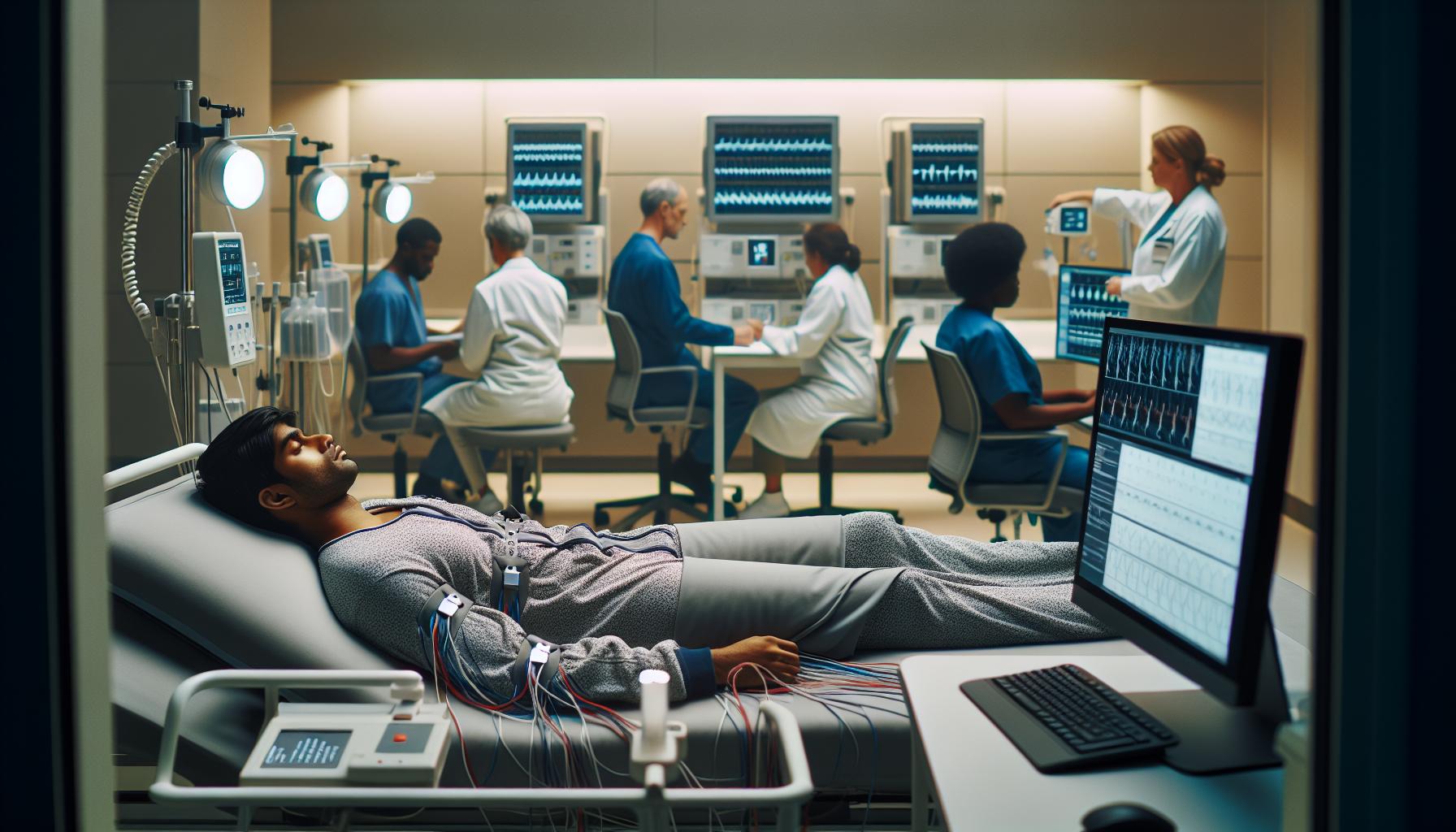
What Is Sleep Diagnostics and Why It Matters
Sleep diagnostics is a crucial aspect of understanding and treating sleep disorders. In essence, it encompasses the tools and methods used to assess various sleep patterns and disturbances. The significance of sleep diagnostics cannot be overstated, as it lays the foundation for tailored treatment plans that can significantly enhance one’s quality of life. With many people grappling with issues such as insomnia, sleep apnea, and restless leg syndrome, accurate diagnostics is vital for effective solutions.
A common method for diagnosing sleep disorders is polysomnography (PSG), a comprehensive sleep study that records brain waves, oxygen levels, heart rate, and breathing, along with eye and leg movements during sleep. This detailed information helps healthcare professionals identify sleep disorders and understand their severity. But the journey doesn’t stop with traditional sleep labs; breakthroughs in technology have introduced at-home sleep studies and wearable devices that promise convenience for the user. While these may not provide the same level of detail as in-lab studies, they offer a valuable starting point for individuals hesitant about clinical environments.
Understanding sleep diagnostics also involves recognizing when one should seek professional help. Early intervention can prevent more serious health issues that stem from untreated sleep disorders. Therefore, feeling consistently fatigued, having trouble concentrating, or experiencing nighttime symptoms like snoring or gasping for air can be indicators that it’s time to consult a healthcare provider.
Moreover, as the field evolves, new technologies are emerging, enhancing the way sleep diagnostics are carried out. Innovations like performance tracking devices and mobile applications can offer insights into sleep patterns but should be approached with caution. While they can be useful tools for monitoring sleep, they should not replace professional assessments when serious issues are suspected. By staying informed about sleep diagnostics, individuals can empower themselves to make educated decisions regarding their sleep health, paving the way for improved overall well-being.
Understanding Sleep Disorders: Common Issues Explained
Sleep disorders are prevalent and can affect individuals of all ages, leading not only to fatigue but also to a range of health issues. A startling statistic reveals that approximately 70 million Americans face sleep problems, underscoring the need for effective sleep diagnostics. Understanding these common sleep disorders is essential for navigating your sleep health journey and seeking appropriate care.
One of the most recognized sleep disorders is insomnia, characterized by difficulty falling asleep or staying asleep. This condition can manifest as acute (short-term) or chronic (long-lasting) insomnia, often linked to stress, anxiety, or lifestyle factors. People suffering from insomnia may experience daytime lethargy, mood disturbances, and impaired cognitive function. For effective management, cognitive-behavioral therapy (CBT) and lifestyle modifications, such as establishing a consistent sleep schedule and creating a calming bedtime routine, can be beneficial.
Another prevalent issue is sleep apnea, a potentially serious disorder where breathing briefly stops during sleep. The most common type, obstructive sleep apnea (OSA), occurs when throat muscles relax excessively. Symptoms include loud snoring, gasping for air during sleep, and daytime fatigue, which can escalate to serious health risks like heart disease if not treated. Diagnosis typically involves a sleep study (polysomnography), allowing healthcare providers to monitor sleep behavior and breathing patterns accurately.
Furthermore, conditions like restless leg syndrome (RLS) and narcolepsy present unique challenges. RLS causes an uncontrollable urge to move the legs, often accompanied by uncomfortable sensations, especially when resting. On the other hand, narcolepsy is characterized by excessive daytime sleepiness and sudden sleep attacks, often resulting in life-altering situations for those affected. Treatment plans for RLS might include lifestyle changes and medication, whereas narcolepsy often requires stimulant medications to help manage symptoms.
Understanding these common issues sets the stage for knowing when to seek professional help. If you experience ongoing challenges with sleep that interfere with daily life, consider reaching out to a healthcare provider for guidance on diagnostic tests that can tailor solutions to your specific needs.
In summary, familiarizing yourself with the various sleep disorders highlights the importance of sleep diagnostics-a key step towards reclaiming a good night’s sleep and overall health. Whether it’s through behavioral changes or medical interventions, the journey to better sleep health is within reach.
The Process of Sleep Testing: What to Expect
When it comes to restoring your sleep health, understanding the sleep testing process can alleviate anxiety and provide clarity. Sleep studies are essential tools for diagnosing disorders like insomnia, sleep apnea, and narcolepsy. Patients often wonder about the logistics of these tests-what happens, how they’re conducted, and what to expect throughout the entire process.
Typically, a sleep study begins with a visit to a sleep clinic where healthcare professionals will gather your medical history and discuss your symptoms. This initial appointment may involve filling out questionnaires to assess your sleep habits and the nature of your sleep issues. Once you’ve established the need for a sleep study, you will likely undergo a polysomnography (PSG), which is a comprehensive recording of the brain waves, oxygen levels, heart rate, and breathing, as well as eye and leg movements during sleep.
During an overnight sleep study, you’ll be asked to arrive at the sleep lab in the evening. The setup involves placing several sensors on your body, including electrodes on your head, chest, and legs. These sensors are attached using a conductive gel, and while being monitored may feel slightly cumbersome, most people adapt quickly and find it’s not as uncomfortable as anticipated. You will be in a private room that mimics a home environment, allowing for a natural sleeping atmosphere.
Throughout the night, a technician monitors your sleep through a window or video feed. They look for patterns that may indicate a sleep disorder. Many patients worry about sleeping in front of strangers, but rest assured, technicians are there to ensure your comfort and safety, and they usually keep contact to a minimum unless adjustments are needed. The test will last for a full night, and you’re generally able to get up for bathroom breaks as necessary.
Once the study is complete, the data collected will inform your healthcare provider about your sleep stages and any disruptions occurring throughout the night. After analyzing the results, you’ll have a follow-up appointment to discuss the findings and possible treatments if needed. Understanding the entirety of the sleep testing process empowers you to approach it with informed confidence, leading to better outcomes and a clearer understanding of your sleep health.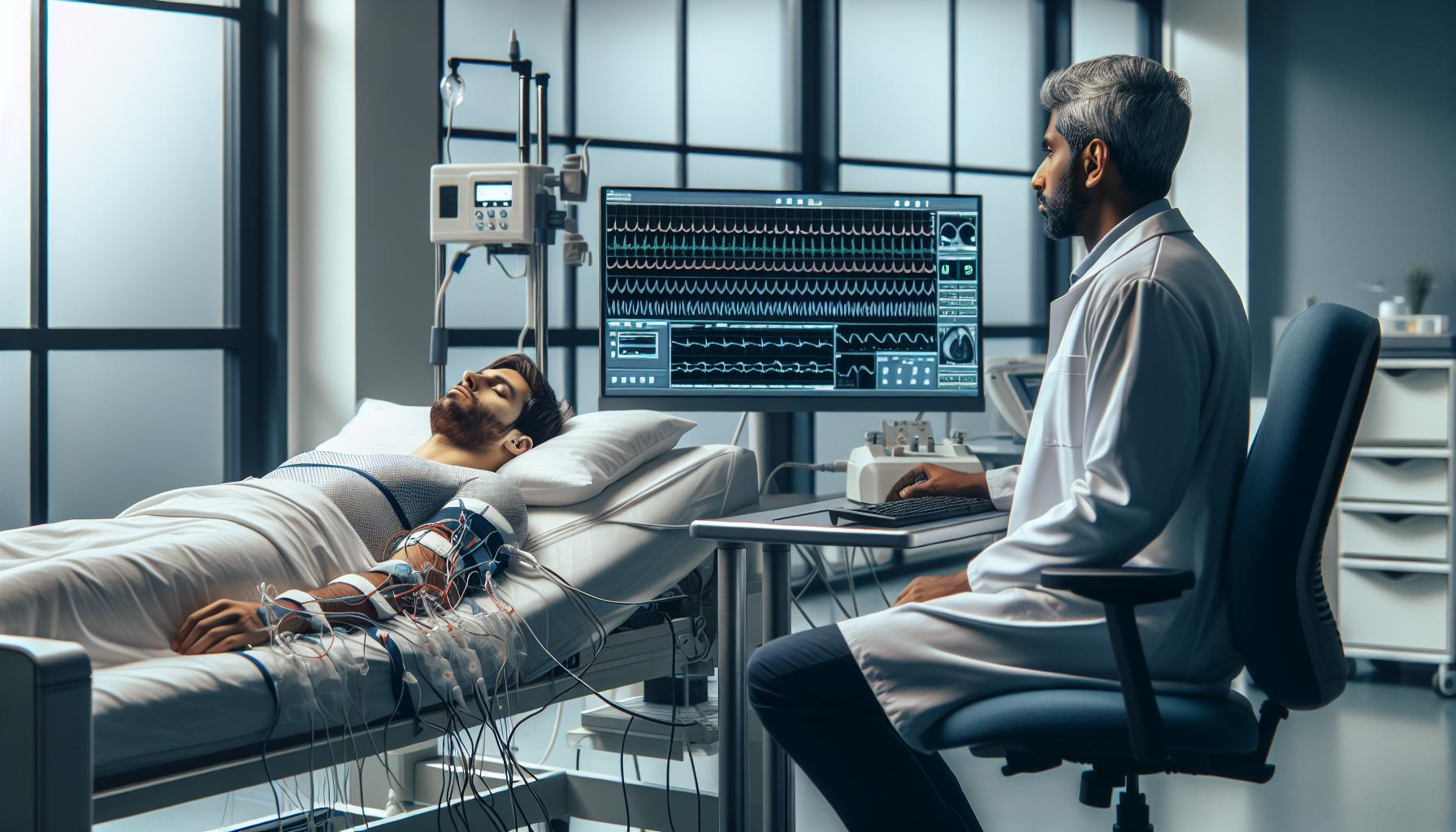
Types of Sleep Studies: Polysomnography and Beyond
Polysomnography is the gold standard for diagnosing a wide range of sleep disorders, providing comprehensive insights into your sleep patterns and health. This overnight test monitors brain waves, oxygen levels, heart rate, and breathing, along with eye and leg movements. Patients are often surprised by the detailed data recorded during a single night, which can reveal critical information about issues like sleep apnea, insomnia, and narcolepsy.
However, polysomnography isn’t the only option available. Here are some other types of sleep studies you might encounter:
Types of Sleep Studies
- Home Sleep Apnea Test (HSAT): This is a simplified version of polysomnography, allowing patients to undergo testing in their own homes. It typically involves fewer sensors but still measures key indicators like airflow and oxygen levels, making it a convenient alternative for diagnosing sleep apnea.
- Multiple Sleep Latency Test (MSLT): Conducted the day after a polysomnography, the MSLT measures how quickly a person falls asleep in a quiet environment and is particularly useful for diagnosing narcolepsy.
- Maintenance of Wakefulness Test (MWT): This test assesses an individual’s ability to stay awake during the day. It is commonly used to gauge the effectiveness of treatments for sleep disorders or to determine fitness for work in jobs requiring sustained alertness.
- Actigraphy: Using a wrist-worn device similar to a fitness tracker, actigraphy measures movement patterns over an extended period, providing valuable data about sleep-wake cycles without needing an overnight stay in a lab.
When considering these options, it’s essential to discuss your symptoms and lifestyle with a healthcare provider. They can recommend the most suitable type of study based on your individual needs, ensuring you receive the most accurate diagnosis and appropriate treatment plan. Each type of sleep study offers its unique advantages and considerations, empowering patients to take charge of their sleep health in a way that feels right for them.
Ultimately, whether opting for an in-lab study or a home test, understanding the available types of sleep studies allows you to approach your sleep health proactively, reducing anxiety and setting a clear path toward better rest and overall well-being.
How to Prepare for a Sleep Study: A Complete Guide
When preparing for a sleep study, many people often feel a mix of anticipation and anxiety. Understanding what to expect can make the process smoother and help you feel more at ease. The key to a successful sleep study lies not just in the equipment and procedures, but also in how well you prepare in the days leading up to it.
First, consult with your healthcare provider about any medications you take. Some may need to be adjusted or temporarily stopped before the study. For instance, stimulants and certain sedatives can affect sleep patterns, making it important to follow your doctor’s guidance closely. Additionally, avoid consuming caffeine and nicotine on the day of your sleep study, as these substances can interfere with your ability to fall asleep.
The night before your study, ensure you have a calming bedtime routine. Go to bed at your usual time to establish a sense of normalcy. If you are undergoing an overnight polysomnography, you will come into the sleep center for monitoring. Wear comfortable clothing that allows for easy access to sensors, and don’t forget to bring any items that typically help you sleep, like a pillow or blanket.
Once at the sleep center, technicians will attach electrodes and sensors to monitor your brain waves, oxygen levels, heart rate, and more. While the setup might feel cumbersome, it’s important to remember that these devices are designed to help measure your sleep accurately. If you’re participating in a home sleep apnea test, follow the provided instructions closely for setting up your equipment, which typically includes a small monitoring device. This straightforward preparation can ensure you get quality data that will help in diagnosing any sleep issues.
Understanding these aspects can alleviate a lot of stress. Preparing adequately for your sleep study ultimately sets the stage for better sleep health insight. By following these guidelines, you can approach your sleep study with confidence, knowing that you’re taking the necessary steps towards understanding and improving your sleep.
At-Home Sleep Testing vs. In-Lab Studies: Pros and Cons
Choosing between at-home sleep testing and in-lab studies can feel overwhelming, especially when it comes to diagnosing sleep disorders. Each method has its unique benefits and drawbacks, making it important to understand your options thoroughly.
At-home sleep testing, often referred to as a home sleep apnea test (HSAT), offers convenience as you can sleep in your familiar environment. It usually involves a simplified setup with fewer electrodes and sensors, designed to measure key metrics such as oxygen levels and airflow. This method is generally less expensive-often ranging from $150 to $350-compared to in-lab tests, which can cost upwards of $1,000. The comfort of sleeping in your own bed may lead to a more natural sleep environment, which can provide clearer insights into your usual sleeping patterns. However, the downside is that the data collected may not be as comprehensive. Home tests often lack the detailed monitoring of brain waves and body movements that are standard in polysomnography (PSG) conducted in a sleep lab.
In contrast, in-lab studies provide a more in-depth analysis of sleep patterns and behaviors. During a polysomnography, multiple sensors track brain waves, heart rate, breathing patterns, and muscle activity, giving sleep specialists a detailed view of your sleep architecture. This method is particularly beneficial for diagnosing complex sleep disorders, such as narcolepsy or REM sleep behavior disorder, due to its ability to capture nuanced data that home kits cannot. While the experience can be intimidating-often involving overnight stays in a sleep center-it benefits from professional oversight. Technicians can make real-time adjustments and address issues as they arise, which enhances data accuracy.
Ultimately, the choice between at-home sleep testing and in-lab studies depends on individual circumstances. If you have the potential for more straightforward sleep issues like sleep apnea, a home test might suffice. However, if your symptoms are more complex, consulting a sleep specialist for an in-lab study is advisable. By weighing the pros and cons of each option in the context of your personal health needs, you can make an informed decision that leads to better sleep health.
Wearable Sleep Trackers: Do They Really Work?
Wearable sleep trackers have surged in popularity, with many people turning to devices like smartwatches and fitness bands to monitor their sleep patterns. But do these gadgets truly offer reliable insights into your sleep health? The answer isn’t straightforward, as their effectiveness can vary widely depending on the device used and the sleep issues being monitored.
Most wearable sleep trackers operate using accelerometers to detect movement during the night, registering when you’re asleep versus awake. Some advanced models integrate heart rate monitors and other sensors. While these features can provide a general overview of your nightly rest, they often fall short in terms of accuracy. For instance, while a tracker might indicate you’ve had a restless night, it may not distinguish between light sleep, deep sleep, and REM sleep, key stages necessary for recovery and well-being.
Moreover, the context of your sleep issues plays a significant role in whether a wearable tracker is adequate. For example, if you simply want to monitor sleep duration and establish routines, a wearable might do the trick. However, if you suspect you have a sleep disorder such as sleep apnea, it’s essential to consult a healthcare professional and consider a more comprehensive sleep study.
In terms of cost, wearables range widely-from budget models around $50 to high-end smartwatches that can cost several hundred dollars. Consider the potential limitations of these devices, particularly when seeking accurate diagnostic information. Ultimately, while wearable trackers provide valuable insights and can foster better sleep habits, they’re best viewed as a supplementary tool rather than a definitive solution for diagnosing sleep disorders.
Decoding Your Sleep Data: Interpreting Results
Understanding your sleep data can feel overwhelming, especially when faced with various metrics and terms. Whether you’ve undergone a formal sleep study or tracked your sleep with a wearable device, the ability to interpret the results is crucial for improving sleep health. Most sleep studies provide insights into sleep cycles – including light sleep, deep sleep, and REM sleep – alongside other metrics like total sleep time and awakenings during the night.
Key Metrics to Consider
When looking at your sleep data, focus on a few critical components:
- Total Sleep Time: This is the amount of time you were actually asleep. It’s essential to compare this with recommended sleep duration based on your age group.
- Sleep Efficiency: Calculated as the percentage of time spent asleep while in bed. A higher percentage indicates better sleep quality.
- Sleep Stages: Look at how much time you spent in each stage of sleep:
- Light Sleep: Important for memory and mood regulation.
- Deep Sleep: Critical for physical recovery and immune function.
- REM Sleep: Vital for cognitive function and emotional health.
- Awakenings: Frequent awakenings can indicate issues like insomnia or anxiety.
These metrics can highlight potential problems. For instance, if you notice insufficient REM or deep sleep, it could signal stress or sleep disorders that merit further investigation with a healthcare provider.
Real-World Application
Consider a scenario where you’ve tracked your sleep using a smartwatch and noticed you’re consistently getting five hours of sleep instead of the recommended seven. Furthermore, if your data shows minimal deep sleep, it might be worth trying some sleep hygiene tips, like avoiding screens before bed or establishing a calming bedtime routine.
However, if your wearables indicate a pattern of erratic sleep – perhaps characterized by numerous awakenings and insufficient deep sleep – it may be time to consult a sleep specialist. They can recommend a comprehensive sleep study, such as polysomnography, where more detailed data on your brain activity and breathing is analyzed to diagnose potential sleep disorders.
Decoding your sleep data isn’t just about numbers but understanding what they mean for your overall health and well-being. By paying attention to trends in your sleep patterns, you can make informed decisions to enhance your sleep quality and, ultimately, your life.
Insurance Coverage for Sleep Tests: What You Should Know
Navigating the world of insurance coverage for sleep tests can seem daunting, but understanding your options can make a significant difference in your overall sleep health journey. Sleep studies, such as polysomnography, can be essential for diagnosing sleep disorders, yet concerns about cost and insurance coverage often deter people from seeking the help they need. Did you know that many insurance plans typically cover the majority of sleep tests when certain criteria are met? This includes instances where a physician recommends a sleep study due to symptoms like chronic insomnia, excessive daytime sleepiness, or observed apneas.
Understanding Coverage
Insurance coverage for sleep tests varies significantly across plans, so it’s crucial to familiarize yourself with your specific policy. Many providers will cover in-lab sleep studies, especially when a physician prescribes them after a consultation. However, coverage for at-home sleep testing can differ. Some plans may only cover these if the in-lab option is not readily available or if a patient meets particular criteria. To avoid unexpected costs, it’s wise to:
- Contact your insurance company and inquire about their coverage policies regarding sleep studies.
- Discuss your symptoms openly with your healthcare provider, who can help determine the necessity of a sleep study.
- Ask about pre-authorization; some insurers require this step before they will approve coverage for a sleep study.
Costs to Consider
Out-of-pocket costs can vary widely, depending on your plan’s deductible, copays, and maximum out-of-pocket limits. On average, the cost of an overnight sleep study can range from $1,000 to $3,000, but with insurance coverage, your cost could drop significantly. If your insurance does not cover sleep studies, many sleep centers offer payment plans or discounts for patients who pay in cash.
Keeping track of the specific documentation required for your insurance claim can further streamline the process. This often includes a referral from your primary care doctor, detailed sleep logs, or questionnaires about your symptoms.
In summary, while understanding insurance coverage for sleep tests may require some effort, it’s an essential step in improving your sleep health. By being proactive in understanding your policy and working closely with your healthcare provider, you can reduce financial barriers and get the help you need to achieve restful sleep.
When to Seek Professional Help for Sleep Issues
Recognizing can be a game-changer in your quest for better rest. If you find yourself tossing and turning night after night, it might feel tempting to dismiss these struggles as mere stress or just a passing phase. However, persistent sleep problems can indicate underlying conditions that could benefit from expert intervention. For instance, if you’re experiencing chronic insomnia, excessive daytime sleepiness, or loud snoring accompanied by gasping for air, these signs could suggest conditions like sleep apnea or restless legs syndrome that necessitate professional assessment.
Signs It’s Time to See a Sleep Specialist
If you’ve been experiencing any of the following symptoms consistently, it may be wise to consult a sleep specialist:
- Difficulty falling asleep or staying asleep: If insomnia challenges persist for more than a month, professional guidance is advisable.
- Excessive daytime fatigue: Regularly feeling exhausted or unable to concentrate can indicate disrupted sleep quality.
- Loud snoring: If others have noted your snoring or if you frequently wake up gasping for air, this could signal obstructive sleep apnea.
- Uncontrollable urges to move your legs: This could suggest restless legs syndrome, which can disrupt your sleep cycle.
- Frequent nightmares or sleepwalking: Unusual behaviors during sleep warrant attention, as they can affect overall health and safety.
Addressing these signs promptly can lead to better quality sleep and improved overall health. Many individuals remain unaware of the extent of their sleep issues, and leveraging professional help can provide clarity and solutions.
The Role of Sleep Studies
If you identify with any of the symptoms listed, a healthcare provider may recommend a sleep study. These tests, which record your sleep patterns and physiological processes during rest, can be conducted in a lab or at home. Understanding your sleep stages through a polysomnography test can unveil conditions that may otherwise go undetected. Should insurance coverage be a concern, discussing your symptoms with your provider can often lead to pre-authorization for the necessary studies.
Taking the step to consult a sleep specialist not only alleviates anxiety around sleep disturbances but equips you with the knowledge and tools to reclaim restful nights. The journey to better sleep doesn’t have to feel overwhelming-by recognizing when to seek help, you’re taking an important step towards improving your sleep health.
Emerging Technologies in Sleep Diagnostics: What’s New?
Recent advances in sleep diagnostics are transforming how we understand and treat sleep disorders. Innovative technologies are making it easier for both patients and healthcare providers to gather and analyze sleep data with unprecedented accuracy. From smart devices to AI-driven analytics, these emerging tools are paving the way for more personalized sleep care.
One of the most significant developments is the rise of at-home sleep monitoring devices. Unlike traditional sleep studies that often require an overnight stay in a lab, modern technologies like advanced wearables or dedicated sleep tracking systems allow individuals to monitor their sleep patterns in the comfort of their own beds. These devices often use sensors to track movements, heart rate, and even blood oxygen levels. Many can connect to smartphones via apps, providing insights and actionable feedback on sleep quality, duration, and disruptions.
Artificial intelligence (AI) is also playing a key role in enhancing sleep diagnostics. Machine learning algorithms can analyze data from sleep studies and identify patterns that may indicate specific disorders. For instance, AI can differentiate between types of sleep apnea or other disruptions with a level of detail that was previously unattainable. As these technologies evolve, they promise to enhance the accuracy of diagnoses and lead to more effective, tailored treatment options.
Moreover, continuous advancements in telehealth are making professional assistance more accessible. Patients can share sleep data captured by advanced wearables with specialists remotely. Through virtual consultations, physicians can develop personalized sleep improvement plans, streamlining the path to treatment while reducing the need for in-person visits. This integration of tech not only supports timely interventions but also empowers individuals to take control of their sleep health proactively.
As you explore options in sleep diagnostics, remember that while these tools are incredibly helpful, the effectiveness of your approach will largely depend on how well you leverage the insights they provide. Whether you’re considering a sleep study or using an advanced tracker at home, understanding the implications of the data-and knowing when to seek further professional support-will ultimately lead to better sleep health outcomes.
Improving Sleep Health: Tips for Better Rest
It’s estimated that nearly one-third of adults experience sleep problems, yet many struggle to find effective solutions. Understanding and improving your sleep health is critical not just for feeling rested but for overall well-being. Fortunately, there are actionable steps you can take to enhance your sleep quality.
Create a Sleep-Friendly Environment
Your bedroom should be a sanctuary for sleep. Aim for a cool, dark, and quiet atmosphere. Consider using blackout curtains, earplugs, or a white noise machine to minimize disturbances. Invest in a comfortable mattress and pillows that support a good night’s sleep, as these can significantly affect how quickly you fall asleep and how well you stay asleep.
Establish a Consistent Sleep Schedule
Going to bed and waking up at the same time every day can help regulate your body’s internal clock. This consistency can make it easier to fall asleep and wake up feeling refreshed. Even on weekends, try to maintain a similar schedule to avoid disrupting your sleep patterns.
Limit Blue Light Exposure Before Bed
The blue light emitted by phones, tablets, and computers can suppress melatonin production, making it difficult to fall asleep. Aim to turn off electronic devices at least an hour before bedtime. Instead, engage in calming activities like reading a book, meditating, or taking a warm bath to signal to your body that it’s time to wind down.
Be Mindful of Diet and Exercise
What you eat and drink can influence your sleep. Avoid heavy meals, caffeine, and alcohol close to bedtime, as these can disrupt sleep cycles. Regular physical activity can promote better sleep, but try to avoid vigorous exercise right before bed. Aim for at least 30 minutes of moderate exercise most days-but let your body relax afterward.
By implementing these strategies, you’re taking significant steps toward better sleep health. Remember, improving your sleep is a gradual process, and what works for one person may not work for another. Don’t hesitate to seek professional advice or undergo sleep testing if you continue to experience difficulties. With the right focus on your sleep habits and environment, restful nights can be within your reach.
Frequently Asked Questions
Q: What are common sleep disorders that diagnostics can identify?
A: Common sleep disorders include insomnia, sleep apnea, restless leg syndrome, and narcolepsy. Sleep diagnostics help pinpoint these issues by evaluating sleep patterns and respiratory functions. Early identification can lead to effective treatments and improved sleep health. For more on specific disorders, check the section on Understanding Sleep Disorders.
Q: How do I know if I need a sleep study?
A: You may need a sleep study if you experience persistent sleep issues such as excessive daytime sleepiness, loud snoring, or difficulty falling asleep. Consulting a healthcare professional can help determine if a sleep study is necessary. For guidance on seeking help, refer to When to Seek Professional Help.
Q: What can I expect during a sleep study?
A: During a sleep study, expect to be monitored overnight in a comfortable lab setting or at home with portable equipment. Technicians will track brain waves, oxygen levels, and heart movements. This helps in diagnosing sleep disorders effectively. For detailed preparation, see How to Prepare for a Sleep Study.
Q: Are at-home sleep tests accurate?
A: At-home sleep tests can be accurate for diagnosing sleep apnea, but they might miss other disorders. They are convenient and allow for personalized comfort but should be followed by comprehensive evaluations for best results. For a comparison, check At-Home Sleep Testing vs. In-Lab Studies.
Q: How can I interpret my sleep study results?
A: Interpreting sleep study results involves understanding patterns of sleep stages, any disruptions, and other physiological measurements logged during the test. Your healthcare provider will typically explain the findings and recommend steps based on results. Learn more in Decoding Your Sleep Data.
Q: What role do wearable sleep trackers play in diagnostics?
A: Wearable sleep trackers offer insights into sleep quality and patterns but are not a substitute for clinical assessments. They can indicate when to seek professional evaluation based on irregularities monitored over time. For a deeper look, explore Wearable Sleep Trackers: Do They Really Work?.
Q: How much do sleep diagnostics cost, and is it covered by insurance?
A: Costs for sleep diagnostics vary widely and can range from a few hundred to several thousand dollars, depending on the type of study. Many insurance plans cover the expenses, but it’s essential to check your specific coverage. Refer to Insurance Coverage for Sleep Tests for more details.
Q: What emerging technologies are improving sleep diagnostics?
A: Emerging technologies include advanced polysomnography, AI-based analysis, and sleep tracking apps that provide real-time data. These tools enhance the accuracy of diagnoses and can personalize treatment plans better. For the latest innovations, visit Emerging Technologies in Sleep Diagnostics.
Engage with our article to delve deeper into sleep health and diagnostics!
Wrapping Up
Understanding sleep diagnostics can open the door to better health and improved sleep quality. Now that you’ve learned about the different types of sleep studies, wearables, and how to navigate your options, it’s time to take action. If you’re struggling with sleep issues, consider consulting with a sleep health professional or exploring at-home testing devices. Don’t forget to check out our guides on common sleep disorders and tips for setting up your sleep study for more insights.
Your journey to better sleep doesn’t have to end here. Explore our website for expert resources and tools designed to empower you in making informed choices about your sleep health. And if you found this information helpful, please share your thoughts in the comments below or subscribe to our newsletter for the latest updates on sleep wellness. Remember, understanding your sleep is the first step toward improving it!
Get our latest guides, news, and insights highlighted in your Google Search & AI Overviews.