
Did you know that over 70 million Americans suffer from sleep disorders, often unknowingly? Understanding the costs associated with a sleep study is crucial for anyone considering it as a solution for their sleep issues. In this article, we’ll explore the real costs of sleep studies in 2026, helping you navigate what to expect, the different testing options available, and potential insurance issues. By demystifying these financial aspects, we aim to empower you to make informed decisions about your sleep health. The journey to better sleep begins with understanding your options-so let’s dive in and uncover the true expenses behind the sleep study process.
How Much Does a Sleep Study Really Cost?
Understanding the costs associated with a sleep study can be a significant factor in deciding whether to undergo the procedure. Prices can vary widely based on the type of study, the facility, and your health insurance plan. Generally speaking, in-lab polysomnography-considered the gold standard for diagnosing sleep disorders-can cost anywhere from $1,000 to $3,000. This broad range reflects the complexity of the study, which requires specialized equipment and staff to monitor various physiological functions such as brain activity, oxygen levels, and heart rate overnight.
Conversely, at-home sleep apnea tests tend to be more economical, typically costing between $200 to $800. These tests are simpler and involve wearing a portable monitor that tracks breathing and heartbeat while you sleep in your own bed. While they offer a more affordable option, it’s important to note that they may not provide a comprehensive diagnosis for all types of sleep disorders-a factor worth considering when weighing your options.
Another aspect influencing sleep study costs is insurance coverage. Many plans cover some or all costs associated with medically necessary sleep studies, but pre-authorization is often required. It’s advisable to check with your insurance provider to understand your specific benefits, potential out-of-pocket expenses, and whether you need a referral from your primary care physician.
Finally, remember that while costs matter, the long-term benefits of addressing a sleep disorder might outweigh the initial financial investment. Undiagnosed sleep issues can lead to serious health problems, including cardiovascular disease and diabetes, making an accurate diagnosis crucial for your well-being. In evaluating your options, consider both immediate expenses and long-term health impacts to make an informed decision about your sleep health.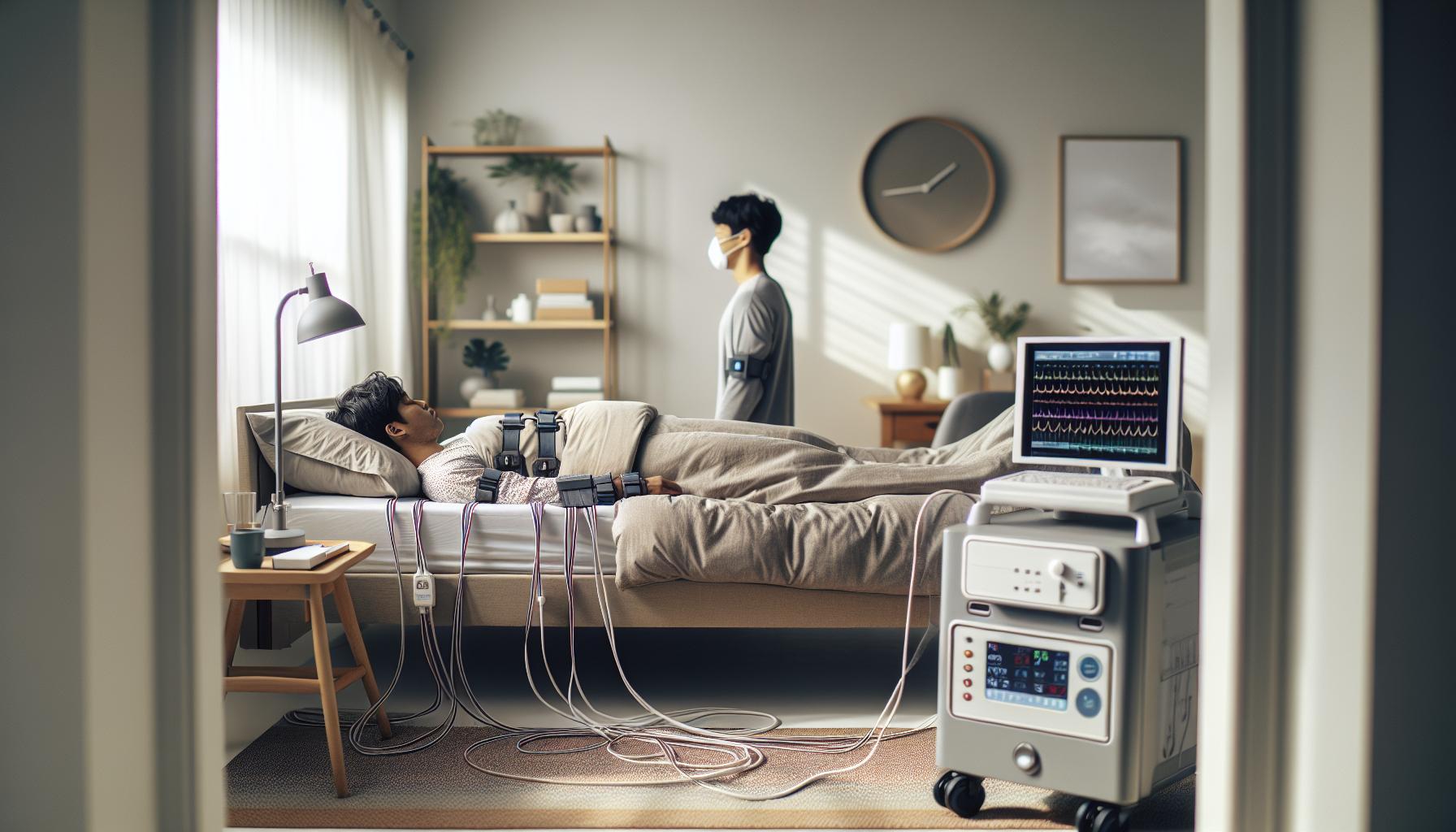
Understanding Different Types of Sleep Studies
Understanding the variety of sleep studies is crucial for making informed decisions about your sleep health. Sleep studies, or polysomnography, come in different forms, each tailored to diagnose specific sleep disorders. The two primary types are in-lab sleep studies and home sleep apnea tests, each with distinct purposes, methods, and costs.
In-Lab Sleep Studies
In-lab polysomnography is considered the gold standard for a comprehensive assessment of sleep disorders. This type of study typically occurs in a sleep clinic where specialized equipment monitors your brain waves, oxygen levels, heart rate, and breathing patterns throughout the night. The average cost for an in-lab sleep study ranges from $1,000 to $3,000, depending on factors like the facility’s location and the specific tests performed. While this investment may seem steep, it offers detailed insights into complex sleep issues, including conditions like sleep apnea, narcolepsy, and REM sleep behavior disorder.
Home Sleep Apnea Tests
For those suspected of having obstructive sleep apnea, a home sleep apnea test can be a convenient and cost-effective option. These tests usually require you to wear a portable monitor that tracks your breathing and heart rate while you sleep in your own bed. The costs are considerably lower, typically ranging from $200 to $800. However, while these tests can effectively diagnose sleep apnea, they often lack the comprehensive data provided by in-lab studies. Therefore, home tests are best for individuals with clear symptoms of sleep apnea who may not require a full polysomnography.
Understanding Your Needs
When choosing between an in-lab and a home sleep study, consider your specific symptoms and concerns. If you’re experiencing signals of a more complex sleep disorder, an in-lab study will be more beneficial, despite the higher cost. On the other hand, if sleep apnea is suspected and you prefer a less invasive approach, a home sleep test could be the right choice. Always consult with your healthcare provider to evaluate the most suitable option based on your health history and symptoms.
By understanding the types of sleep studies available, you can better navigate your diagnostic journey, ensuring you select the right option that aligns with both your health needs and financial considerations.
What to Expect During a Sleep Study
Undergoing a sleep study can feel intimidating, but knowing what to expect can significantly ease anxiety. When you arrive at a sleep clinic, the environment is typically calm and designed to help you relax as you prepare for the night ahead. Staff members will guide you through the process and answer any questions you may have, ensuring you feel comfortable and informed.
Once you’re settled, the technician will attach small sensors to various parts of your body. These sensors monitor vital functions, including brain waves, heart rate, blood oxygen levels, and breathing patterns. Don’t worry-this is a painless process, and the sensors are designed to be as unobtrusive as possible. You’ll likely be in a private room resembling a hotel suite, equipped with a comfortable bed, soft lighting, and soundproofing to minimize disturbances.
As you prepare for sleep, the technician will explain the procedure in detail. Polysomnography, the technical term for the sleep study, records your sleep cycles throughout the night. It’s important to remember that while it may take some time to fall asleep with all the equipment, the data collected is crucial for diagnosing conditions like sleep apnea, insomnia, and narcolepsy. You’ll also be monitored via video, ensuring that the staff can provide assistance if needed without interrupting your sleep.
In the morning, you’ll wake up as the study concludes, and the sensors will be gently removed. Afterward, the tech will inform you about what to expect regarding results timelines and follow-up appointments. The insights gained from this study can pave the way for targeted treatment, which is a significant step toward improving your sleep health. Understanding this process not only prepares you but also empowers you to take charge of your sleep well-being.
Insurance Coverage for Sleep Studies Explained
Navigating insurance coverage for sleep studies can feel daunting, yet understanding the basics can significantly alleviate concerns and help prepare you for costs. Did you know that many insurance plans cover sleep studies if deemed medically necessary? However, this coverage can vary widely depending on your specific plan and provider.
First, it’s essential to communicate with your healthcare provider about your symptoms. Conditions like sleep apnea or severe insomnia are generally the most common reasons for referral. If your doctor determines that a sleep study is essential for diagnosis, they can provide documentation that supports your case-this is often a requirement for insurance approval.
What to Check with Your Insurance Provider
Before scheduling your sleep study, it’s wise to contact your insurance provider to understand your benefits. Here are key questions to discuss:
- Is the sleep study covered? Confirm whether your plan covers in-lab and at-home sleep studies.
- What are the out-of-pocket costs? Inquire about your deductible, copay, and coinsurance rates related to sleep studies.
- Are pre-approvals necessary? Some plans may require a pre-approval process to ensure coverage.
- Which facilities are in-network? Opting for an in-network provider can significantly reduce your costs.
If your insurance does not provide coverage, you may also explore care credit options or financing plans offered by sleep clinics, which can ease the burden of upfront costs.
After the Study: Claim and Follow-Up
Once you’ve completed the sleep study, ensure that you receive all necessary paperwork, including the results and itemized bills. This documentation is crucial for filing insurance claims and addressing any discrepancies related to coverage. If your claim is denied, don’t hesitate to appeal the decision; many claims are reversed upon review.
Being proactive about your insurance coverage not only eases financial worry but also empowers you to prioritize your sleep health effectively. By understanding these steps and gathering all relevant information, you can navigate the process confidently and get the help you need.
Comparing In-Lab vs. At-Home Sleep Studies
When it comes to sleep studies, understanding the differences between in-lab and at-home options is crucial for making an informed decision. In-lab studies are typically more comprehensive and facilitate in-depth monitoring by trained sleep specialists. During these studies, you will be observed overnight in a clinical environment, where various parameters, such as brain activity, heart rate, and breathing patterns, are meticulously recorded using advanced equipment. The average cost for an in-lab sleep study ranges from $1,000 to $3,000, depending on the facility and specific tests conducted.
On the other hand, at-home sleep studies offer a more convenient and less intimidating alternative. These tests often utilize portable devices that you can take home to monitor your sleep patterns. They primarily focus on measuring breathing and oxygen levels, making them effective for diagnosing conditions like obstructive sleep apnea. While at-home tests are generally more affordable, usually costing between $200 and $800, they might not capture the full spectrum of sleep issues as in-lab studies do.
Here’s a quick comparison of the two options:
| Feature | In-Lab Sleep Study | At-Home Sleep Study |
|---|---|---|
| Cost | $1,000 – $3,000 | $200 – $800 |
| Environment | Clinical, monitored | Home, unmonitored |
| Comprehensiveness | High – multiple parameters monitored | Moderate – focuses on breathing |
| Preparation | Requires travel and overnight stay | Simple setup, comfortable |
Choosing between these two options largely depends on your specific circumstances, including symptoms, anxiety levels about testing, and insurance coverage. If your doctor suspects a complex sleep disorder, they may recommend an in-lab study for its detailed insights. However, if you’re primarily concerned about sleep apnea, an at-home study could provide the necessary information without the stress of a clinical environment. Understanding these factors will empower you to select the sleep study that best suits your needs.
Key Factors That Impact Sleep Study Costs
The cost of a sleep study can vary significantly based on several factors, making it essential for individuals to grasp what influences these expenses. One of the primary determinants is the type of study chosen. In-lab sleep studies, with their comprehensive monitoring of various parameters including brain activity and heart rate, usually range from $1,000 to $3,000. Conversely, at-home sleep studies are more budget-friendly, typically costing between $200 and $800, but they focus primarily on breathing and oxygen levels.
Insurance coverage plays a crucial role in the overall cost as well. Many health plans may cover at least a portion of sleep study expenses, but this often depends on whether the study is conducted in a hospital or in the comfort of your home. It’s prudent to contact your insurer ahead of time to clarify what expenses you may face and if specific diagnoses are required for coverage.
Another significant factor is the location of the sleep study. Costs can differ dramatically depending on the facility’s geographical area, the reputation of the clinic, and its state-of-the-art equipment. Facilities in urban areas may charge higher rates than those in rural settings. Additionally, the complexity of the sleep disorder being investigated can affect pricing. For instance, a diagnosis of complicated conditions may entail more extensive testing and longer observation periods, thereby raising the overall cost.
Finally, timing and demand can influence price. Some clinics may offer discounts or special rates during certain periods, while peak demand for sleep studies can lead to increased prices. Planning ahead and investigating multiple options can help you secure the most favorable rates. Understanding these key factors can empower you to navigate the costs associated with sleep studies more effectively.
Alternative Options: Sleep Trackers and Wearables
Wearable technology and sleep trackers are gaining popularity as affordable alternatives to traditional sleep studies. These devices offer an accessible way to monitor sleep patterns, providing insights that can guide users toward better rest without the high costs associated with in-lab or at-home sleep studies. While they don’t replace professional evaluations, they can serve as a helpful first step for individuals who suspect they might have sleep issues like sleep apnea or insomnia.
Most sleep trackers utilize built-in sensors, including accelerometers and heart rate monitors, to analyze movements and physiological changes throughout the night. With models ranging from smartwatches to specialized sleep bands, costs typically fall between $50 and $300, depending on the features they offer. Some trackers, like the Fitbit or Apple Watch, also provide additional health metrics, such as daily activity levels and heart rate variability, which can paint a broader picture of overall health.
Benefits and Limitations
While sleep trackers can deliver valuable data, it’s essential to understand their limitations. They often rely on algorithms that may not accurately detect specific sleep disorders such as obstructive sleep apnea. Therefore, if you identify potential issues using a tracker, it’s wise to consult a healthcare professional for a comprehensive evaluation, possibly leading to a formal sleep study when needed.
Here are some pros and cons of using sleep trackers:
- Pros:
- Cost-effective compared to sleep studies.
- Provides daily insights and trends over time.
- Portable and user-friendly with app integrations.
- Cons:
- Variability in accuracy depending on the device.
- Cannot provide definitive diagnoses.
- Dependent on user compliance-must be worn consistently.
In conclusion, while sleep trackers and wearables offer a cost-effective method for monitoring sleep, they should complement, not replace, professional medical advice or sleep studies when more serious conditions are suspected. Understanding their role and limitations can empower you to make informed decisions about your sleep health.
The Long-Term Value of Sleep Studies
Understanding goes beyond the immediate financial cost. Investing in a sleep study can lead to significant health benefits, potentially offsetting future medical expenses and enhancing overall quality of life. With chronic sleep disorders linked to serious health issues like cardiovascular disease, diabetes, and mental health disorders, obtaining a proper diagnosis and treatment can empower individuals to take charge of their health.
A sleep study provides comprehensive insights that at-home sleep trackers often cannot match. For example, polysomnography-a common sleep study method-monitors brain activity, eye movements, and heart rate, allowing healthcare providers to diagnose complex conditions like sleep apnea, narcolepsy, or restless leg syndrome accurately. Such diagnoses are crucial, as untreated conditions can lead to diminished cognitive function, increased risk of accidents, and long-term health complications.
Furthermore, a formal diagnosis through a sleep study enables patients to receive tailored treatment options-ranging from lifestyle changes and CPAP therapy for sleep apnea to medication for insomnia. These personalized approaches can not only improve sleep quality but also enhance daytime performance, productivity, and emotional well-being. In the long run, proactively addressing sleep issues can translate into savings by reducing healthcare costs associated with untreated sleep disorders, such as frequent doctor visits or hospitalizations.
Ultimately, while the upfront cost of a sleep study may seem daunting, the investment could lead to a healthier, more productive life. Prioritizing sleep health through a sleep study helps individuals make informed decisions about their well-being, paving the way for better long-term health outcomes.
Preparing for Your Sleep Study Appointment
Before your sleep study appointment, it’s important to prepare adequately to ensure accurate results and a comfortable experience. Many individuals feel anxious about the unknown aspects of a sleep study, but understanding what to expect can significantly ease these concerns. Consider the following practical steps to get ready for your appointment:
- Consult Your Doctor: Discuss any medications you are currently taking, as some may need to be adjusted. It’s also helpful to write down your sleep patterns and any symptoms you experience prior to the study, as this information can assist the sleep specialist in making a thorough evaluation.
- Follow Pre-Study Instructions: Your sleep center will provide specific guidelines. This may include restrictions on caffeine and alcohol consumption for at least 24 hours before the study. Adhering to these recommendations is crucial for obtaining valid results.
- Choose Comfortable Clothing: Wear loose-fitting pajamas or comfortable clothing. Avoid anything with small metallic objects or excessive zippers that may interfere with the monitoring equipment.
- Bring Essentials: Pack a few items to make your overnight stay more comfortable, such as a favorite pillow, toiletries, or any sleep aids you normally use (without medication, unless specified).
- Understand the Equipment: Familiarize yourself with the monitoring devices that will be used during the study. While it may seem daunting, the staff will guide you through the process. They use sensors to monitor various bodily functions, such as heart rate and brain activity, which provide crucial data for diagnosing sleep disorders.
It’s also beneficial to mentally prepare yourself. Understanding that this study is a critical step towards improving your sleep health can alleviate some anxiety. The information gathered will offer insight into potential sleep issues, enabling healthcare providers to recommend appropriate treatments tailored to your needs.
Remember, the investment of time and effort in preparing for your sleep study can lead to significant long-term health benefits. Embrace this opportunity to better understand your sleep patterns and take charge of your overall well-being.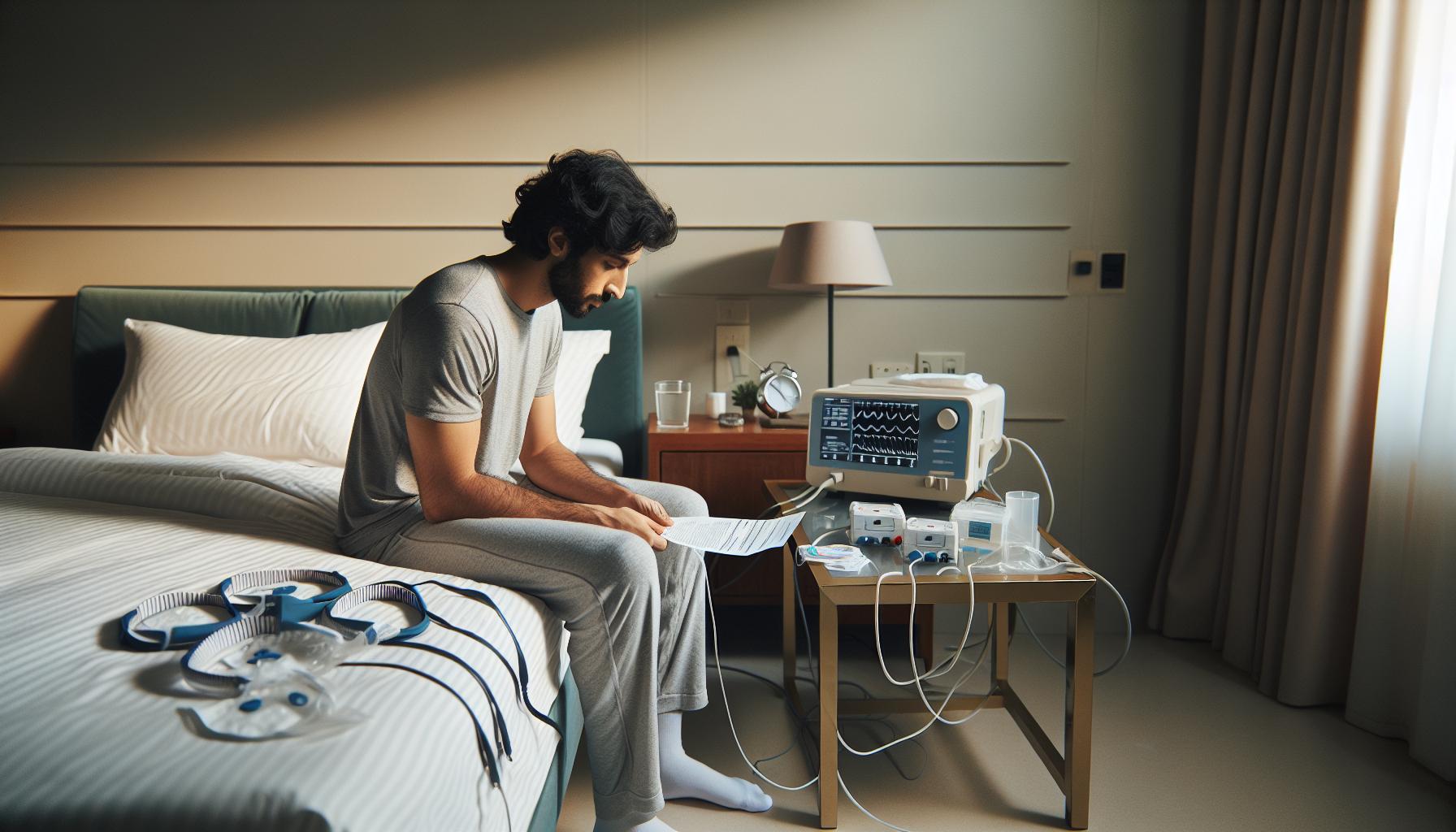
Common Sleep Disorders Diagnosed in Studies
Sleep studies play a crucial role in identifying a range of sleep disorders that can significantly affect an individual’s health and quality of life. With sleep apnea being among the most commonly diagnosed conditions, many patients experience thickened or blocked airways, leading to disrupted sleep patterns and severe daytime fatigue. Understanding the types of sleep disorders diagnosed during these studies can empower you to seek the help you need and navigate your treatment options effectively.
Types of Sleep Disorders Diagnosed
Several sleep disorders can be evaluated through a sleep study, including:
- Obstructive Sleep Apnea (OSA): Characterized by repeated episodes of partial or complete blockage of the airway during sleep, resulting in loud snoring and gasping for air.
- Central Sleep Apnea: Unlike OSA, this condition occurs not from a blockage, but because the brain fails to send the proper signals to the muscles that control breathing.
- Insomnia: Affects the ability to fall asleep or stay asleep, often accompanied by daytime fatigue, mood changes, and difficulty concentrating.
- Restless Legs Syndrome (RLS): Involves an uncontrollable urge to move the legs, especially at night, which can lead to severe sleep disruption.
- Periodic Limb Movement Disorder (PLMD): Characterized by involuntary limb movements during sleep that can cause frequent awakenings.
- Parasomnias: These include behaviors such as sleepwalking or sleep talking, which can disrupt the sleep process and cause confusion or anxiety upon waking.
Why Diagnosis Matters
Receiving a proper diagnosis through a sleep study is vital as it not only clarifies the underlying issues affecting sleep but also guides treatment decisions. For example, if a sleep study reveals OSA, treatment might involve a CPAP machine – a device that helps keep the airway open during sleep – or lifestyle changes. Alternatively, diagnosing insomnia might lead to behavioral therapies aimed at improving sleep hygiene.
Understanding these disorders and their implications can significantly impact your overall health, including reducing the risk of related conditions like heart disease, obesity, and diabetes. Therefore, if you’re experiencing troubling sleep symptoms, considering a sleep study is a proactive step towards reclaiming your health and well-being.
Real-Life Stories: When to Get a Sleep Study
Experiencing consistent fatigue despite a full night of sleep can be a perplexing and frustrating situation. Many individuals find themselves wondering whether their sleep disturbances are a normal part of life or a sign that something more serious may be at play. Sleep studies can shine a light on this ambiguity, providing critical insight into potential sleep disorders that could be impacting health and well-being.
For instance, take the story of Lisa, a 37-year-old mother of two who struggled with persistent exhaustion for years. She often woke up feeling as though she hadn’t slept at all, despite spending up to eight hours in bed each night. After some research, she learned that her symptoms aligned with obstructive sleep apnea (OSA), characterized by interrupted breathing during sleep. Lisa decided to undergo a sleep study, which confirmed her suspicion. With a proper diagnosis in hand, she was able to start a treatment plan involving a CPAP machine, leading to a significant improvement in her quality of life.
Similarly, John, a 45-year-old accountant, had battled insomnia for as long as he could remember. He often lay awake at night, his mind racing with work-related thoughts. Frustrated with his sleeplessness and its effects on his job performance, John sought a sleep study. The results indicated not only insomnia but also significant stress-related sleep disturbances. Through a combination of cognitive-behavioral therapy and better sleep hygiene practices, John finally found relief and could enjoy restful nights.
Recognizing the signs that may warrant a sleep study-such as excessive daytime sleepiness, chronic snoring, or restless legs-can be crucial for early intervention. If you find yourself nodding off during the day or noticing your partner struggling to breathe at night, it might be time to explore sleep studies as a diagnostic tool. These personal stories illustrate how identifying and addressing sleep disorders can lead to life-changing outcomes, empowering individuals to regain control over their sleep health and overall quality of life.
Tips for Reducing Sleep Study Anxiety
Experiencing anxiety before a sleep study is entirely normal, as it’s stepping into the unknown. Whether you’re concerned about the costs involved, the unfamiliar environment, or how you’ll perform during the tests, understanding how to manage these feelings can make a significant difference in your experience. Here are some effective strategies to reduce sleep study anxiety, empowering you to approach this important assessment with confidence.
Familiarize Yourself with the Process
Knowledge is your best ally when it comes to alleviating anxiety. Start by learning about what a sleep study entails, including the equipment used, the procedures performed, and the facilities where you’ll be tested. Speak with your healthcare provider to clarify any doubts and request a detailed explanation of what to expect. Knowing that technicians are there to assist you throughout the process can be reassuring, as they are trained to handle any concerns that may arise.
Plan Ahead
Being prepared can significantly ease apprehension. Here are a few practical tips:
- Wear comfortable clothing that you can sleep in.
- If you’re undergoing an in-lab study, consider bringing your favorite pillow or blanket for added comfort.
- Document any questions or worries you have and address them with the staff upon arrival.
Planning can transform uncertainty into a sense of control, making the entire experience much smoother.
Practice Relaxation Techniques
Mindfulness and relaxation exercises can help settle your nerves as the appointment approaches. Techniques such as deep breathing, meditation, or gentle yoga can lower stress levels. Consider practicing these methods daily leading up to the study, so they become a familiar tool to calm your mind. Listening to soothing music or audiobooks can also help create a tranquil atmosphere that fosters relaxation.
Communicate Your Concerns
Don’t hesitate to express any fears or uncertainties with the sleep study technician or your healthcare provider. They are there to help and can provide solutions tailored to your needs. Sometimes just voicing your concerns can greatly reduce anxiety. Furthermore, ask about results and follow-up processes to ease your mind about what happens after the study.
By taking these steps, you can transform your anxiety into preparedness, making your sleep study a more positive experience. Remember, understanding the significance of the study for your health is the ultimate goal, and taking proactive measures will help you achieve that with less stress.
Q&A
Q: How can I reduce the cost of a sleep study?
A: To reduce the cost of a sleep study, consider discussing payment plans with your healthcare provider or opting for at-home sleep studies, which are often less expensive. Additionally, check if any local universities or sleep centers offer discounted studies for research purposes. For more on cost factors, refer to the section on key factors that impact sleep study costs in our article.
Q: Are there any alternatives to a traditional sleep study?
A: Yes, alternatives to traditional sleep studies include using wearable sleep trackers or smartphone apps that monitor your sleep patterns. While they may not offer comprehensive diagnostics, they can provide valuable insights into your sleep quality. For detailed comparisons, see the section on alternative options: sleep trackers and wearables.
Q: How much do at-home sleep studies typically cost?
A: At-home sleep studies usually cost between $150 and $500, significantly less than in-lab studies, which can range from $1,000 to $3,000. Costs vary based on the testing equipment used and the complexity of your symptoms. More details can be found in the comparison of in-lab vs. at-home sleep studies.
Q: What should I expect in terms of insurance coverage for a sleep study?
A: Most insurance plans cover sleep studies if deemed medically necessary. However, coverage may vary based on your provider and plan specifics. It’s advisable to verify with your insurance company beforehand and refer to our section on insurance coverage for sleep studies explained for guidance.
Q: Why is a sleep study important for diagnosing sleep disorders?
A: A sleep study is crucial for diagnosing sleep disorders because it provides concrete data about your sleep patterns, including quality and duration, as well as identifying issues like apnea or insomnia. This comprehensive view helps healthcare providers create effective treatment plans. For common disorders diagnosed, check the section on common sleep disorders diagnosed in studies.
Q: Can lifestyle changes impact the outcome of a sleep study?
A: Yes, lifestyle changes can significantly impact your sleep study results. Factors like caffeine intake, sleep hygiene, and stress levels can affect sleep quality. It’s advisable to maintain a consistent sleep schedule and avoid stimulants before the study. For more tips, see preparing for your sleep study appointment.
Q: How can I prepare my child for a sleep study?
A: Preparing your child for a sleep study involves explaining the process in simple terms, reassuring them about the equipment, and encouraging them to bring a favorite item for comfort. Practicing a calm bedtime routine beforehand can also help ease anxiety. For further advice, check our section on tips for reducing sleep study anxiety.
Q: When should I consider getting a sleep study?
A: Consider getting a sleep study if you experience persistent sleep issues, such as chronic snoring, excessive daytime sleepiness, or difficulty concentrating. Early diagnosis can lead to more effective treatment. For further insights, refer to our section on real-life stories: when to get a sleep study.
Wrapping Up
In summary, understanding the costs and processes surrounding sleep studies is crucial for making informed decisions about your sleep health. If you suspect you have sleep apnea or another sleep disorder, taking action now can significantly improve your well-being. Explore our resources on the insurance coverage for sleep studies or consider alternatives like wearables to track your sleep patterns effectively.
Don’t let uncertainty about sleep studies hold you back. Ready to take the next step? Sign up for our newsletter for the latest insights on sleep health or consult with a sleep specialist to discuss your concerns. For more information on related topics, check out our articles on sleep disorders or CPAP treatment options. Your journey to better sleep starts today-let’s navigate it together!
Get our latest guides, news, and insights highlighted in your Google Search & AI Overviews.