
Did you know that sleep disorders can significantly impact your overall health, potentially leading to serious conditions like cardiovascular disease? If you’ve been experiencing persistent sleep issues, participating in a insomnia/treatment/natural-cures-for-insomnia” title=”Natural Cures for …: From Acupressure to Yoga – Sleep Foundation”>sleep study could be the key to uncovering the underlying causes and finding effective solutions. This guide will walk you through the essential steps to become a sleep study participant, addressing common questions and concerns along the way. From understanding what a sleep study entails to navigating the sign-up process, you’ll gain valuable insights that empower you to take charge of your sleep health. Continue reading to discover how you can contribute to vital research and improve your well-being through informed choices.
How Sleep Studies Work: A Simple Overview
Understanding how sleep studies work can demystify the experience and help potential participants feel more comfortable about engaging in the process. Sleep studies, also known as polysomnographies, are comprehensive examinations of sleep patterns that aim to diagnose various sleep disorders such as sleep apnea or insomnia. These studies monitor brain waves, oxygen levels, heart rate, breathing, and eye and leg movements while you sleep.
At the core of sleep studies is the use of sophisticated technology to track your sleep stages, which include REM (rapid eye movement) and non-REM sleep, each playing a critical role in overall health and well-being. Through electrodes and sensors, healthcare professionals can gather valuable data to pinpoint disruptions in sleep architecture. For those worried about the potential discomfort during a sleep study, it’s worth noting that modern facilities strive to create a welcoming environment that closely resembles a home setting, alleviating the anxiety associated with sleep disruption in an unfamiliar place.
Participating in a sleep study often opens the door to understanding your sleep challenges better. It provides not just insights into your sleeping habits but also contributes to broader research that could benefit countless others suffering from sleep-related issues. With the advancement of technology, options for home-based sleep studies are becoming more prevalent, allowing participants to sleep in their own beds while still providing clinicians with the necessary information to make informed assessments.
By choosing to engage in a sleep study, you’re taking an important step toward enhancing your health. If you’re considering becoming a participant, familiarize yourself with what to expect, and don’t hesitate to reach out to your healthcare provider with questions – clarity can ease many concerns associated with the sleep study process.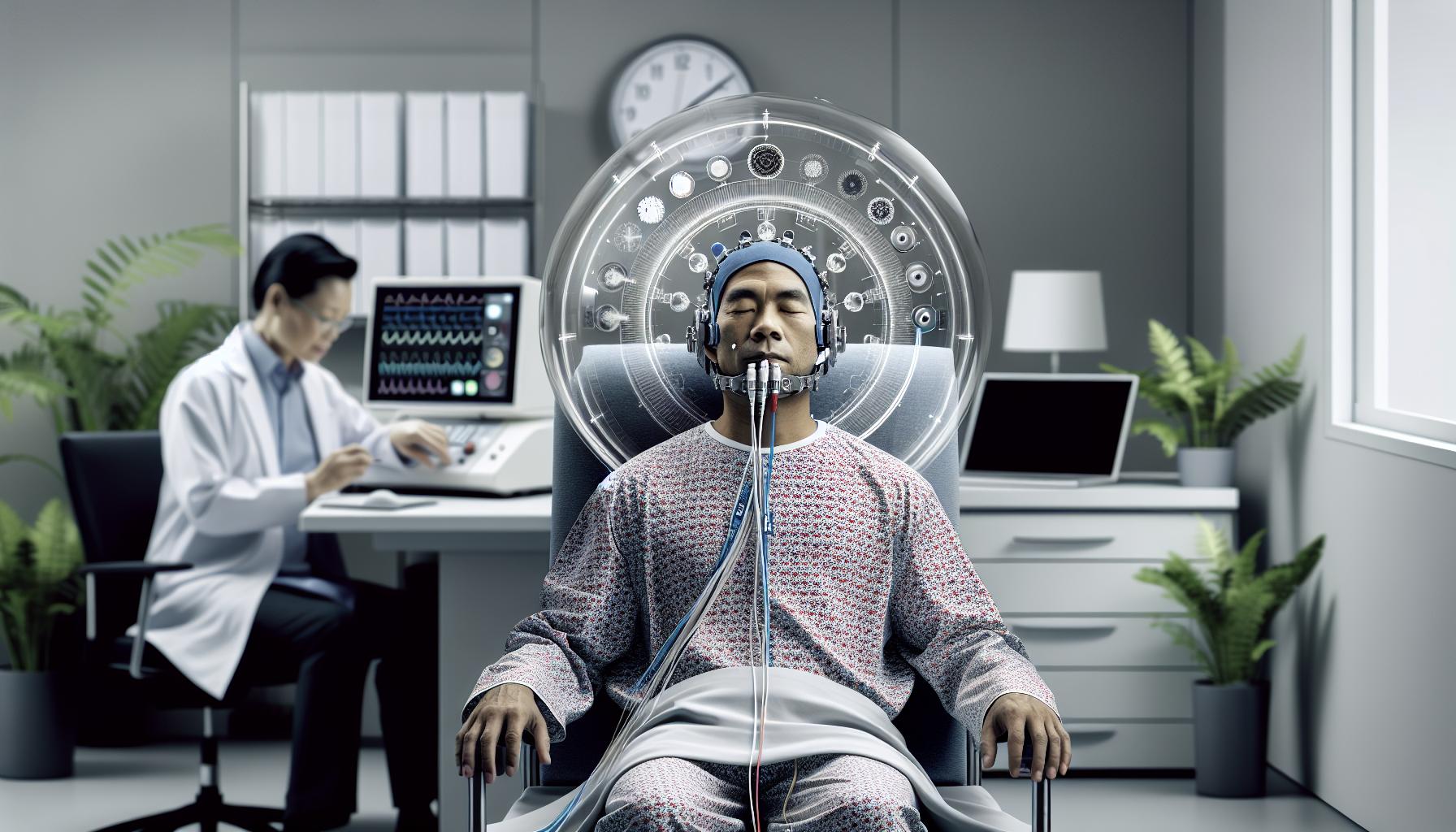
Who Can Participate in Sleep Studies?
Anyone experiencing difficulties with sleep or suspected sleep disorders can generally consider participating in sleep studies. While these studies can benefit a broad spectrum of individuals, certain groups may find themselves more strongly encouraged to participate, particularly those showing signs of significant sleep disturbances or chronic sleep issues.
Common candidates for sleep studies include individuals suffering from conditions such as sleep apnea, insomnia, restless leg syndrome, or extreme daytime sleepiness. These conditions can drastically affect quality of life and overall health, making clinical observations essential for proper diagnosis and treatment. Beyond those diagnosed with sleep disorders, anyone concerned about their sleep patterns-be it difficulty falling asleep, staying asleep, or feeling rested upon waking-can also benefit from a sleep study.
It’s crucial to note that participation is typically open to a wide age range, from children to older adults. Researchers and clinicians recognize that sleep issues can arise at any age, and thus, age itself is often not a barrier to enrollment. However, parents may need to provide consent for minors, and elderly participants might have additional considerations regarding their overall health and medication use.
For those contemplating enrollment, the process often includes an initial consultation with a healthcare provider, who can assess symptoms and determine if a sleep study is appropriate. This assessment ensures that participants meet the necessary criteria, helping to streamline the study’s execution for all involved.
In essence, anyone eager to understand their sleep health better may find sleep studies an excellent opportunity. By stepping forward, you can contribute meaningful data to the ongoing research that aims to improve sleep-related health outcomes.
Understanding the Benefits of Joining a Sleep Study
Participating in a sleep study can be a transformative decision, opening doors to better understanding your sleep health and improving your overall well-being. Many people suffer from sleep disorders, often struggling to find the right solutions. Engaging in a sleep study not only provides personalized insights into your sleep patterns but also contributes to a broader understanding of sleep health that benefits the entire community.
One of the primary benefits of joining a sleep study is access to advanced diagnostic techniques. Most sleep studies utilize technologies like polysomnography, which records brain waves, oxygen levels, heart rate, and breathing, providing a comprehensive view of your sleep cycles. This level of data can lead to accurate diagnoses that might not be possible through standard consultations. Identifying specific conditions such as sleep apnea or insomnia can significantly improve treatment plans, allowing for tailored interventions rather than guesswork.
Participation can also foster a deeper connection with healthcare providers. During the study, participants often receive one-on-one consultations with experts in sleep medicine. These specialists can offer invaluable advice regarding lifestyle changes or therapeutic options that may significantly enhance sleep quality. Additionally, the findings from your study can lead to ongoing support, helping to track progress in your treatment journey.
Moreover, joining a sleep study can often come at little to no cost, especially if facilitated by research institutions or universities. Many studies compensate participants, covering expenses such as travel or providing financial incentives, making it a beneficial arrangement. Check with your insurance provider, as many plans now include coverage for diagnostic sleep testing as part of their benefits.
In essence, by stepping into a sleep study, you’re not just aiding your health but are also contributing to significant research initiatives aimed at enhancing our overall understanding of sleep. This collaboration can lead to breakthroughs in treatment methodologies that help countless others facing similar challenges, making your involvement impactful beyond just personal gain.
Types of Sleep Studies: In-Lab vs. At-Home
When considering a sleep study, understanding the differences between in-lab and at-home options can significantly affect your experience and the insights you gain. In-lab sleep studies, also known as polysomnography, take place in a specialized sleep center where healthcare professionals monitor various physiological parameters while you sleep. This setting allows for comprehensive data collection, including brain activity, heart rate, breathing patterns, and oxygen levels.
In-Lab Studies
In-lab studies provide a controlled environment that can be beneficial for diagnosing complex sleep disorders. The presence of medical personnel ensures troubleshooting can occur in real-time, which is vital for conditions like sleep apnea. However, some individuals may feel anxious or uncomfortable sleeping in an unfamiliar setting connected to wires and monitoring devices. In-lab studies typically last overnight, and you can expect to be monitored throughout your sleep, with sensors attached to your scalp, body, and even your finger to measure oxygen saturation.
At-Home Studies
On the other hand, at-home sleep studies offer a more relaxed option where you can sleep in your own space, which may reduce pre-study anxiety. These studies often utilize portable monitoring devices that track vital signs like breathing and movement. While they can be less comprehensive than in-lab studies, they are particularly effective for diagnosing obstructive sleep apnea. Keep in mind that the quality of your results heavily depends on how well you follow the setup instructions provided with the device. Overall, at-home studies can be a convenient option if you prefer privacy and comfort.
You might wonder which option is better for you. If you’re primarily concerned about conditions such as sleep apnea and are comfortable with technology, an at-home study might be sufficient. However, if you have more complex sleep issues or want an in-depth analysis, an in-lab study could give you the precision needed for a proper diagnosis. Weighing the pros and cons of each method will help you make an informed choice about your sleep health.
What to Expect: Your First Sleep Study Experience
Stepping into the world of sleep studies can feel daunting, but understanding what to expect can ease your worries and help you prepare for the experience. Whether you’re heading to a sleep clinic for an in-lab study or setting up a device at home, knowledge is your best ally. At your first sleep study, the primary goal is to gather data on your sleep patterns and how your body behaves during sleep. This information can be crucial for diagnosing potential sleep disorders like sleep apnea, insomnia, or restless leg syndrome.
For in-lab studies, you’ll arrive at a sleep center where a technician will guide you through the process. Initially, they’ll attach various sensors to monitor different physiological parameters, such as brain activity through EEG, oxygen levels, and heart rate. Although it may sound uncomfortable, the setup is typically painless. The technician will review the equipment with you and answer any questions you may have, helping to alleviate anxiety before bedtime. Expect to spend a night in a cozy, controlled environment where you can sleep while being monitored, allowing for an accurate assessment of your sleep.
If you’re opting for an at-home study, the experience is different but still straightforward. You’ll receive a portable monitoring device that you’ll set up yourself. Detailed instructions will guide you, covering how to attach sensors and ensure everything is in place for accurate readings. Remember, the quality of your results hinges on how well you follow these guidelines, so take your time during setup.
Regardless of the setting, the most crucial part is being as relaxed as possible. While it’s natural to feel a bit anxious about the sleep study, remember that these tests are pivotal in identifying issues that could greatly improve your sleep health. Approach the experience as a step toward better sleep and wellness, knowing that the insights gained can lead you to the right treatment or lifestyle adjustments.
Step-by-Step Guide to Signing Up for a Sleep Study
Signing up for a sleep study might seem complicated, but it can be straightforward when you understand the process. Whether you’re experiencing persistent sleep issues or simply want to learn more about your sleep patterns, here’s a clear, step-by-step guide to navigate the signup for a sleep study effectively.
1. Talk to Your Doctor
Your journey begins with a conversation. Schedule an appointment with your healthcare provider to discuss your sleep concerns. They can assess your symptoms, conduct an evaluation, and determine if a sleep study is necessary. If recommended, your doctor will provide a referral, which is often required for insurance coverage.
2. Research Sleep Centers
Next, find a sleep center or clinic that suits your needs. Look for accredited facilities that specialize in sleep medicine. A reputable center will have qualified sleep specialists and a variety of study options. You can also check online for reviews or ask your doctor for their recommendations.
3. Schedule an Appointment
Once you’ve chosen a sleep center, call to schedule an appointment. During this call, the staff will explain the process, available types of studies, and what to expect. Be prepared to provide your medical history, and any medications you’re taking, as well as details about your sleep patterns.
4. Understand the Cost
Cost is an essential factor. Check with your insurance provider to understand coverage for the sleep study. Ask about any out-of-pocket costs you might incur. Many sleep studies are covered, but it’s crucial to confirm details before proceeding.
5. Attend the Pre-Study Consultation
Most sleep centers will schedule a pre-study consultation. This appointment allows you to meet the medical team, ask questions, and discuss any concerns. They’ll also go over the specifics of your upcoming study, whether it’s in-lab or at-home, and provide guidance on what to prepare.
6. Prepare for the Study
You’ll receive instructions on how to prepare for the sleep study. If it’s in-lab, you may need to adjust your sleep schedule leading up to the night of the study. For at-home studies, follow all setup instructions carefully to ensure accurate results.
By following these steps, you’ll be well-prepared to take part in a sleep study and gain valuable insights into your sleep health. Taking the initiative to understand and address your sleep issues is a significant step toward better overall health.
Cost of Sleep Studies: Insurance and Out-of-Pocket Costs
Understanding the financial aspect of sleep studies can significantly ease any anxiety you might have about participating. Many people hesitate to seek a sleep evaluation due to uncertainty about costs, especially if they’re worried about how their insurance will cover these services. Sleep studies are an investment in your health, and knowing what to expect can help you navigate this crucial step toward better sleep.
When considering costs, it’s essential to first check with your insurance provider to understand what is covered under your plan. Many health insurance plans cover sleep studies, particularly if they are deemed medically necessary. This can include both in-lab polysomnography and home sleep apnea testing. Reach out to your insurer and ask about the following:
- Pre-authorization requirements: Some insurers require prior approval before you undergo a sleep study.
- Co-pays and deductibles: Be clear on how much you’ll need to pay out-of-pocket, such as co-pays for doctor visits or deductibles for the sleep study itself.
- Out-of-network vs. in-network providers: Costs can vary significantly depending on whether you choose a provider within your insurer’s network.
If insurance coverage is not available or not sufficient, it’s wise to inquire about the out-of-pocket costs for sleep studies. Typically, in-lab studies can range from $600 to $3,000, while at-home tests may be less expensive, averaging between $150 and $500. Some sleep centers offer financing options or sliding scale fees based on income, so don’t hesitate to discuss potential financial plans with the clinic’s administration.
Another important aspect is finding out if the sleep center provides a detailed estimate before the study. Knowing the total projected costs, including any additional testing or consultations that might arise after your initial assessment, will help you prepare financially. Thus, whether through insurance or self-payment, being proactive about understanding costs can empower you to take control of your sleep health journey.
Preparing for Your Sleep Study: Tips and Tricks
Preparing for a sleep study can feel daunting, but understanding how to approach it can help ease your anxieties and set you up for success. The most important preparation step is to familiarize yourself with the process and the environment in which you’ll be evaluated. Here are some tips to guide you through your preparation.
First, ensure you have a clear understanding of the study’s purpose. This knowledge allows you to articulate any concerns and ask informed questions during the pre-study consultation. Depending on whether you’re doing an in-lab study or a home sleep test, you’ll need to adjust your preparation accordingly. For in-lab studies, it’s recommended you maintain your regular sleep schedule leading up to the study. If you usually go to bed late, try to stick to that routine, as this helps your body feel more comfortable during the test.
When it comes to your attire, consider wearing loose-fitting, comfortable clothing. Avoid wearing any heavy fragrances or lotions, as these can interfere with the sensors you’ll be connected to during the study. Packing a few essentials, like a favorite pillow or blanket, can also provide extra comfort. If you’re going for a home sleep study, it’s essential to ensure you have a quiet, dark place to rest, minimizing distractions that could affect your sleep quality.
Practical Tips for the Night Before
As the day approaches, make a checklist to help you prepare. Here are some key items to consider:
- Adjust medication: Consult your healthcare provider about any medications you should avoid before the study, particularly sleep aids.
- Avoid stimulants: Limit caffeine and nicotine intake 24 hours before the study, as these can disrupt your natural sleep patterns.
- Stay hydrated: Drink enough water, but not so much that you’ll need to use the restroom frequently during the night.
Lastly, remember that it’s perfectly normal to feel anxious about participating in a sleep study. Many participants share similar feelings. Engaging with your healthcare team about these concerns can help reassure you. They can provide insights into what to expect and reassure you that they are there to support you through the process. By following these tips and preparing adequately, you can take confident steps towards understanding your sleep health better.
The Role of Wearables in Sleep Research
Wearable technology has revolutionized personal health monitoring, especially in the realm of sleep research. Devices like smartwatches and sleep trackers allow users to collect real-time data on their sleep patterns, offering invaluable insights for understanding sleep health. For those considering participation in a sleep study, leveraging these wearables can enhance your understanding of your own sleep habits and even support your discussions with healthcare professionals.
Wearable devices typically monitor various metrics such as sleep duration, sleep stages, heart rate, and even movement throughout the night. This data can provide a comprehensive picture of your sleep quality and highlight any issues you might need to address, such as potential sleep disorders like insomnia or sleep apnea. However, it’s important to note that while wearables provide useful insights, they may not always match the accuracy of clinical assessments conducted in a sleep lab. For instance, polysomnography, the gold standard in sleep testing, offers a more detailed analysis of sleep stages and disruptions, as it monitors brain activity, oxygen levels, and more.
### Benefits of Wearables in Sleep Research
The integration of wearables into sleep research serves several purposes:
- Baseline Data: They help establish a baseline of your typical sleep patterns before you enter a study, allowing researchers to compare data accurately.
- Continuous Monitoring: Unlike a one-night sleep study, wearables can track your sleep over extended periods, capturing variations and trends that might be missed in a single session.
- Increased Engagement: Using portable, user-friendly technology, patients can become more engaged in their health, making it easier to report changes or concerns to their healthcare providers.
- Cost-Effective: Many wearables are relatively affordable compared to comprehensive sleep studies, enabling individuals to monitor their sleep health without the financial burden of frequent lab visits.
### Limitations and Considerations
While wearables offer a wealth of data, it’s crucial to approach their results with caution. The accuracy of these devices can vary significantly based on the model and how they are used. For example, some trackers may struggle to distinguish between sleep stages accurately or may not capture brief awakenings, leading to incomplete or misleading data. Therefore, it is advisable to use wearables as a supplement to clinical evaluations, particularly if you suspect you may have a sleep disorder.
In summary, wearable technology can be a powerful tool in your journey toward better sleep health. By tracking your sleep patterns and sharing this information with your healthcare team, you can take proactive steps that may improve your sleep quality and overall well-being-making them a worthy companion in the path to understanding when to participate in a sleep study.
Common Sleep Disorders: When to Seek Help
Many people experience trouble sleeping at some point, but how do you know when it’s time to seek help? Common sleep disorders like insomnia, sleep apnea, and restless legs syndrome can severely impact your quality of life. Ignoring these issues can lead to more significant health problems down the road, making it essential to recognize the signs and symptoms that warrant professional evaluation.
Signs to Consider
If you find yourself struggling with persistent sleep issues, it might be time to consult with a healthcare provider. Here are some indicators that suggest you should consider a sleep study:
- Chronic Insomnia: Difficulty falling asleep or staying asleep for three nights a week over a month.
- Sleep Apnea Symptoms: Loud snoring, choking or gasping during sleep, or excessive daytime sleepiness.
- Restless Legs Syndrome: Uncomfortable sensations in the legs and an overwhelming urge to move them, especially at night.
- Behavioral Changes: Increased irritability, difficulty focusing, or mood swings linked to poor sleep.
Understanding when to seek help can empower you to take control of your sleep health. If you observe any of these signs, consider documenting your sleep patterns using a wearable device. This information can serve as a helpful reference for your healthcare provider and may lead to a quicker diagnosis.
When to Use Wearables vs. Seek Professional Help
While wearables can provide valuable insights into your sleep patterns, they aren’t a replacement for clinical evaluations. If you’re tracking your sleep and notice regular disruptions or significant deviations from your previous patterns, this is a clear sign that a professional sleep study might be necessary.
Wearable devices are excellent for ongoing monitoring, but they often lack the precision of polysomnography, the gold standard for sleep analysis. A sleep study can measure brain waves, oxygen levels, and heart rates with much greater accuracy, helping diagnose disorders more effectively.
In summary, recognizing when to seek help for sleep issues is crucial. By paying attention to your body’s signals and using available technology wisely, you can take the first steps toward better sleep and an improved quality of life. If in doubt, don’t hesitate to reach out to a healthcare professional who can guide you through the options available, including the potential benefits of participating in a sleep study.
Testing Technologies: Polysomnography Explained
Polysomnography, often referred to as a sleep study, is the gold standard in diagnosing sleep disorders. This comprehensive test records various bodily functions while you sleep, including brain waves, oxygen levels, heart rate, and movements. It provides a detailed snapshot of your sleep architecture, allowing healthcare providers to identify issues like sleep apnea, insomnia, and other disturbances that may be impacting your health.
During the procedure, you’ll typically spend the night in a sleep lab where technicians will attach electrodes to your scalp, face, and body. These electrodes capture your brain activity, muscle tone, heart rate, and respiratory patterns. Although the setup may seem daunting, technicians are trained to make the experience as comfortable as possible. Some facilities even offer private rooms with calming environments to ease any anxiety you may feel about sleeping in a new location.
What to Expect from Polysomnography
- Preparation: Before the study, avoid caffeine and alcohol to ensure the most accurate results.
- The Experience: You’ll lie on a comfortable bed, and while it might be strange to have wires attached to you, most participants report that they can fall asleep despite the setup.
- Results: After the study, a sleep specialist will analyze the data to identify any irregularities in your sleep pattern. They may discuss the findings with you and recommend treatment options if necessary.
Polysomnography offers precision beyond what typical wearables can provide. While devices like fitness trackers can give you a general overview of your sleep patterns, they often lack the detail required for an accurate diagnosis. For example, they may not effectively monitor sleep stages or significant events like apnea. Understanding what polysomnography can reveal about your sleep can empower you to seek this valuable tool, especially if you’re struggling with chronic sleep issues.
In summary, polysomnography is a vital step for anyone experiencing serious sleep disturbances. By participating in a sleep study, you can gain insights that lead to effective treatments, helping you reclaim restful nights and improve your overall health. If you’re considering enrolling, talking to your healthcare provider can help you navigate the next steps and alleviate any lingering questions about the process.
Real-Life Scenarios: Sleep Study vs. Home Tracking
Choosing between a sleep study and home tracking can be a pivotal decision for individuals trying to understand their sleep patterns or diagnose potential disorders. While wearables and mobile apps offer a convenient way to monitor sleep, they often fall short of capturing the comprehensive data that a formal sleep study provides. Understanding these differences is crucial for making the right choice based on your specific needs.
In a sleep study, you undergo polysomnography in a controlled environment, where medical professionals monitor your sleep stages, breathing patterns, and brain activity. This data is interpreted by sleep specialists who can offer an accurate diagnosis on issues like sleep apnea or restless leg syndrome. For example, if you consistently feel tired despite logging sufficient hours in bed, a sleep study could reveal undetected disturbances affecting your sleep quality. The environment of a sleep lab, despite initial anxiety, is tailored to gather precise data, making it an invaluable tool for serious sleep issues.
Conversely, home tracking devices-like fitness bands or smartphone apps-provide a general overview of your sleep habits by tracking movement and heart rate. While they can highlight obvious problems, such as insufficient sleep duration or irregular patterns, they typically lack the depth needed to assess the nuances of your sleep stages or the presence of disorders like sleep apnea. For instance, a person might rely on a wearable that indicates poorly rated sleep quality, but without further investigation through a sleep study, they might miss significant issues requiring medical attention.
In determining which option to pursue, consider your symptoms and the level of detail you need. If you’re experiencing severe daytime fatigue or have concerns about sleep-related health issues, a sleep study is recommended for precise diagnostic capabilities. However, if you’re simply curious about your sleep habits or wanting to improve sleep hygiene without significant concerns, start with wearable technology to gather initial insights. Ultimately, whether opting for home tracking or a formal sleep study, understanding your sleep is the first step toward achieving better health.
Q&A
Q: What are the qualifications to become a sleep study participant?
A: To qualify as a sleep study participant, you typically need to be at least 18 years old and have a sleep disorder or related symptoms. Some studies may have specific health requirements or exclusion criteria. Always check with the study coordinator to confirm eligibility, which you can find detailed in the “Who Can Participate in Sleep Studies?” section of our guides.
Q: How do I find available sleep studies to participate in?
A: You can find available sleep studies by searching online databases, clinical trial registries, or contacting local sleep centers. Websites like ClinicalTrials.gov list ongoing studies. Be sure to reach out to any nearby sleep research facilities for additional opportunities.
Q: What should I expect during the sign-up process for a sleep study?
A: During the sign-up process, you will typically complete an initial questionnaire and may have a pre-screening interview. This is to assess your sleep patterns and health history. It’s essential to provide accurate information for a successful application.
Q: Are there any risks associated with participating in a sleep study?
A: Generally, sleep studies are considered safe. However, some participants may experience discomfort from the sensors or have anxiety about sleeping in an unfamiliar environment. Discuss any concerns with your study coordinator, who can address specific risks relevant to the study.
Q: Can I receive compensation for participating in a sleep study?
A: Many sleep studies offer compensation, which can vary depending on the nature of the study. Always inquire during the sign-up process about potential financial incentives, including reimbursement for travel or time spent participating.
Q: How long does a typical sleep study last?
A: A typical overnight sleep study lasts about 6-8 hours, coinciding with your usual sleep schedule. For more extensive studies, like multi-night sleep assessments, participants may be asked to stay longer. Check the specific details in the “What to Expect” section of our article.
Q: Can I continue my regular medications before the sleep study?
A: Consult with your healthcare provider about medications prior to the study; some might need adjustment, especially if they affect sleep. Transparency about your medication is crucial and should be discussed during the preparatory phase before the study as indicated in “Preparing for Your Sleep Study.”
Q: Will my insurance cover the costs of a sleep study?
A: Many insurance plans cover sleep studies, especially if they are deemed medically necessary. However, it’s advisable to verify with your insurance provider regarding coverage specifics and any potential out-of-pocket costs, as discussed in the “Cost of Sleep Studies” section.
Concluding Remarks
Ready to take the next step in your sleep health journey? Participating in a sleep study can provide valuable insights into your sleep patterns and help identify sleep disorders that may be affecting your well-being. Remember, the process is straightforward: you’ll learn what to expect, from logistics to costs, ensuring you’re fully prepared. Don’t let uncertainty hold you back-explore resources like our in-depth guides on sleep disorders and sleep technology to further empower your choices.
Take action today! Sign up for our newsletter and stay updated on the latest sleep research, tips, and products. Have questions or concerns? Engage with us in the comments-we’re here to support you! For those interested in other aspects of sleep health, check out our articles on sleep apnea and the impact of screen time on sleep. Your path to better sleep starts now-let’s navigate it together!
Get our latest guides, news, and insights highlighted in your Google Search & AI Overviews.