
Did you know that the average adult needs between 7 to 9 hours of sleep each night to function optimally? If you’re struggling with sleep issues, a sleep study might be a crucial step toward understanding and improving your rest. But how long does a sleep study actually take? In this article, we’ll explore the typical duration of sleep studies, what you can expect during the process, and how this vital information can help pave the way to better sleep. Knowing the time commitment involved can alleviate anxiety and prepare you for a more informed experience. Together, we’ll navigate through this essential journey towards understanding your sleep patterns and finding solutions for a healthier night’s rest.
Understanding Sleep Study Duration: What to Expect
Understanding the duration of a sleep study can be crucial for those experiencing sleep-related issues. Typically, an overnight sleep study, also known as polysomnography, requires the participant to be in the sleep clinic for about 8 to 10 hours. This timeframe not only allows for the collection of comprehensive data throughout the night but also accommodates the setup of necessary equipment.
During this period, technicians will monitor various physiological parameters, including brain waves, oxygen levels, heart rate, and breathing patterns. Many participants find that the first night in a sleep facility can feel strange or uncomfortable due to the unfamiliar environment and equipment. However, it’s important to recognize that this setup is designed for accurate diagnosis and treatment planning.
In some cases, extended studies may be necessary, especially if there are specific concerns that need further investigation. These could include multiple nights or additional testing throughout the day. Understanding that the duration may vary depending on individual needs and the complexity of the sleep disorder can ease any anxiety about the process.
Preparation is key to ensuring a smooth experience; arriving relaxed and informed can enhance the quality of the study and the resulting data. Remember that your comfort and cooperation significantly impact the effectiveness of the sleep study, paving the way for better sleep health.
Types of Sleep Studies and Their Lengths
Participating in a sleep study can be an eye-opening experience, offering insights into the intricacies of your sleep patterns and health. Generally, there are two primary types of sleep studies: in-lab polysomnography and home sleep apnea testing. Each serves distinct purposes and varies in duration.
In-lab polysomnography, usually conducted overnight, typically lasts between 8 to 10 hours. This comprehensive study encompasses a wide variety of measurements, such as brain wave activity, heart rate, breathing patterns, and oxygen levels. The setup for these tests involves attaching sensors to the body, which can take about an hour before you actually settle down to sleep. Participants might feel a bit awkward due to the environment and equipment, but this detailed data collection is crucial for a correct diagnosis of sleep disorders.
Conversely, home sleep apnea tests are generally shorter, often ranging from 4 to 8 hours. These are designed to measure airflow and breathing disruptions, typically focusing on diagnosing obstructive sleep apnea. While the setup at home is more comfortable and less intrusive, it also offers less comprehensive data compared to in-lab studies. This type usually requires the use of a portable monitoring device, which is returned the next day.
Ultimately, the choice between these types of sleep studies will depend on your specific needs and the severity of your sleep issues. Knowing what to expect can help reduce anxiety and ensure a smoother experience during the study. If your doctor recommends a sleep study, consider discussing the appropriate type based on your symptoms and overall health. Additionally, understanding the duration and process involved can empower you to take charge of your sleep health journey effectively.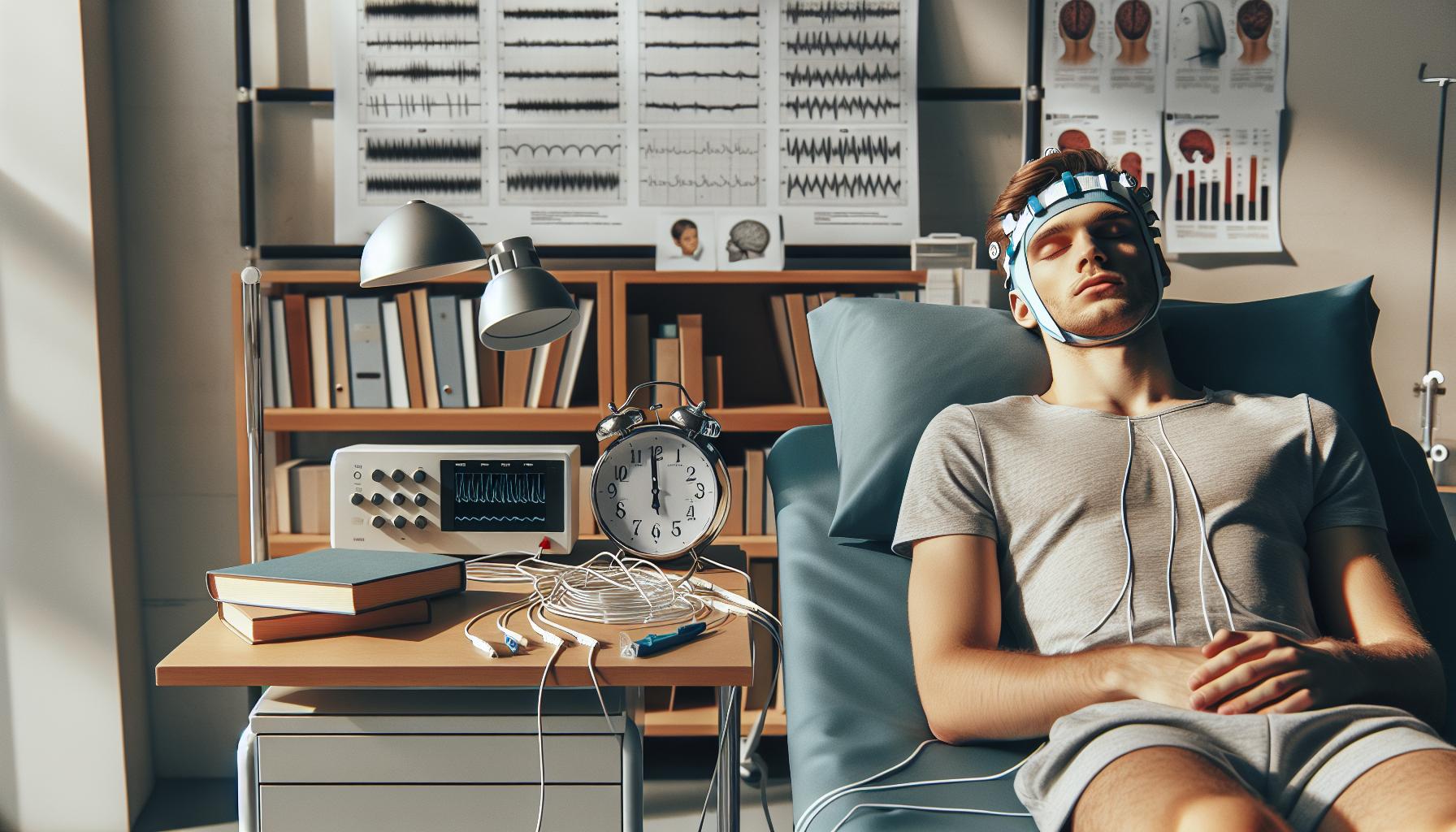
Key Stages of a Sleep Study Explained
Participating in a sleep study can illuminate the habits and patterns that define your sleep. Understanding the key stages of this process may ease anxieties and set realistic expectations. During a sleep study, each phase plays a vital role in diagnosing sleep disorders effectively.
The first stage is the setup, where skilled technicians attach sensors to observe various physiological markers. These sensors monitor brain activity, heart rate, muscle activity, oxygen levels, and more, offering a comprehensive view of your sleep. This setup can take around an hour, during which you might feel a bit uncomfortable but know it is essential for accurate results.
Once you are settled, the monitoring phase begins. During this stage, you enter different sleep cycles, including REM (rapid eye movement) and non-REM stages. The equipment records these cycles, allowing specialists to see how your body responds throughout the night. This phase is crucial, as it helps identify disruptions, such as sleep apnea or restless leg syndrome. Expect to sleep for about 8 to 10 hours in a lab setting; however, don’t be surprised if your sleep feels different due to the unfamiliar environment and equipment.
Finally, there is the data analysis stage, where technicians review the collected recordings. They interpret your sleep patterns and any irregularities discovered while you were sleeping. Insights from this analysis can guide your healthcare provider in recommending appropriate treatments or addressing concerns about your sleep health.
By familiarizing yourself with these key stages, you can approach your sleep study with confidence, knowing how each component contributes to your understanding of your sleep quality and overall health.
Factors Affecting Sleep Study Duration
Participating in a sleep study can feel daunting, especially if you’re unsure how long it will take. While the monitoring aspect of a sleep study usually requires a full night’s rest, several factors influence the overall duration of the entire process. Understanding these considerations can help you better prepare and alleviate any anxiety surrounding the experience.
First, the type of sleep study you undergo can significantly affect the time commitment. For instance, a polysomnography (PSG) conducted in a sleep lab typically spans several hours, while a home sleep apnea test might only require you to sleep with a device for one night. The complexity of the study directly correlates with how long you’ll need to be involved. Additionally, if any follow-up tests or assessments are necessary based on initial findings, this can extend the total duration of your evaluation.
Another significant factor is the setup process. Before you even settle in for the night, you’ll spend time getting fitted with various sensors and devices, which usually takes about an hour. This step is crucial, as it ensures that all necessary physiological data can be collected throughout the night. If any issues arise during the setup, like difficulty attaching sensors or if you require additional equipment, it can also prolong this phase.
Environmental factors play a role too; sleeping in an unfamiliar setting can impact how quickly you fall asleep and how effectively you sleep. The discomfort from sensors and monitoring equipment may lead to sleep disturbances, meaning that even the hours spent actually sleeping could be less straightforward than anticipated. For a restful measurement, aim for a consistent sleep schedule leading up to the study, along with relaxation techniques that can help you adapt to your surroundings more easily.
In summary, the overall duration of your sleep study experience can vary widely based on the type of study, setup requirements, and personal comfort levels during monitoring. Preparing mentally and adjusting your expectations accordingly can help turn what might seem like an overwhelming process into a more manageable journey toward understanding your sleep health.
Setup Process for an Overnight Sleep Study
Before you embark on your overnight sleep study journey, understanding the setup process is crucial for easing any anxiety and ensuring you have a smooth experience. When you arrive at the sleep lab, be prepared to spend about an hour getting equipped with various sensors and devices that will monitor your sleep patterns. This procedure is essential for gathering physiological data, including your brain waves, heart rate, and breathing patterns, each contributing to a comprehensive assessment of your sleep health.
During the setup, a sleep technician will guide you through each step, ensuring that you’re comfortable and informed. The process typically involves:
- Preparation: You may be asked to avoid caffeine or sleep aids before the study. Dressing comfortably is encouraged, as you’ll want to feel relaxed throughout the setup and the sleep itself.
- Application of Sensors: Sensors will be placed on your head, face, chest, and legs. These monitor critical metrics, and while some may feel a bit intrusive, technicians usually strive to make them as unobtrusive as possible.
- Test Runs: The technician may conduct brief tests to ensure that the sensors are working correctly and to demonstrate how monitoring will occur while you sleep. This is a good time to ask any questions or express concerns about the devices.
It’s common to feel a bit uneasy sleeping connected to several machines in an unfamiliar environment. To improve your comfort, consider arriving at the lab with strategies to help relax-listening to calming music, using breathing techniques, or bringing a familiar blanket can all aid in settling your nerves. Remember, the technicians are trained to help you through any discomfort you’ll experience as you adjust to the equipment.
By taking the time to prepare for the setup process, you can alleviate some of the stress associated with having your sleep studied. Understanding what to expect will empower you to approach this essential aspect of your health with confidence.
What Happens During a Sleep Study Night
On the night of your sleep study, you might find it surprising just how much goes on while you’re attempting to sleep. Though you’ll be in a lab, the ultimate goal is to monitor your sleep in a way that feels as natural as possible. Typically beginning around your usual bedtime, the night consists of various phases that together yield valuable insight into your sleep patterns.
Once you settle into the sleep lab, the environment is usually designed to feel homey, with dim lights and soothing colors. After the setup process, you’ll transition to actual sleep, during which technicians will monitor a range of physiological data. These include brain waves, oxygen levels, heart rate, and respiratory patterns through the already affixed sensors. By tracking these metrics, they can observe your sleep stages-such as REM and deep sleep-and diagnose any potential sleep disorders effectively.
During the study, you may not sleep as soundly as you would at home, especially as you acclimate to the sensors. However, this discomfort is temporary and essential for gathering accurate data. Sleep technicians typically monitor you via video and audio throughout the night, ready to intervene if you experience significant disturbances or issues, ensuring your safety and comfort. They’re not just passive observers; they will take notes on any unusual movements or sounds that might indicate sleep apnea or other conditions.
When you awaken in the morning, it’s common to feel a mix of relief and anxiety about what the results will reveal. After the study, the sensors will be removed, and you can go about your day, likely curious about what just transpired. The data collected is then analyzed by sleep specialists, who will interpret the findings to outline any sleep issues you may have. Understanding can significantly alleviate anxiety and help you focus on the crucial health insights this process can provide.
Common Misconceptions About Sleep Studies
Many people harbor misconceptions about sleep studies that can amplify their anxiety leading up to the procedure. One common myth is that sleep studies are invasive and uncomfortable. In reality, the primary aim is to create a non-threatening environment that closely resembles your usual sleep setting. You’ll typically spend the night in a comfortable, quiet room, equipped with sensors that monitor various physiological functions while you sleep. These devices are designed to be minimally intrusive, allowing you to sleep naturally, although some initial discomfort while adjusting to the sensors is normal.
Another misunderstanding revolves around the process and what is actually being measured. Many assume that sleep studies only track how long they sleep, but they actually provide a comprehensive analysis of sleep stages, breathing patterns, heart rate, and even brain activity. This breadth of data helps specialists diagnose conditions effectively, such as sleep apnea, insomnia, or restless leg syndrome. Consequently, leaving out these measurements would significantly hinder the understanding of your sleep health.
Additionally, there’s a belief that any sleep disturbances during a study will lead to inaccurate results. On the contrary, variations in sleep patterns are expected and provide valuable information. Sleep technicians are trained to interpret these fluctuations accurately, understanding that the sleep environment is different from the comfort of home. They keep an eye on your biomechanics throughout the night, assuring that any anomalies are documented and factored into the eventual analysis.
Lastly, many individuals believe that sleep studies are exclusively for people with severe sleep issues. In truth, they can be beneficial even for those experiencing mild symptoms or persistent fatigue. If you notice that your daily functioning is affected by your sleep patterns, a sleep study could provide the clarity needed to address those concerns. Understanding these common misconceptions can help reduce anxiety about the process and empower you with the knowledge needed to navigate your sleep health journey better.
How to Prepare for Your Sleep Study
Preparing for a sleep study can feel daunting, but a little planning can go a long way in easing your anxiety and ensuring accurate results. Before the big night, you’ll want to familiarize yourself with a few key steps that can set you up for success. First and foremost, maintaining your regular sleep schedule in the days leading up to the study can help preserve your sleep patterns, which are crucial for an accurate assessment.
Here are some practical tips to help you get ready:
- Consult Your Doctor: Make sure to discuss any medications or health conditions with your healthcare provider before your study. They may recommend adjustments to your medications or provide other personalized advice.
- Prepare Your Sleep Environment: While sleep studies are conducted in controlled environments, trying to replicate your usual bedtime routine can help. Bring along your favorite pillow or blanket if allowed, to create a familiar ambiance.
- Avoid Stimulants: In the 24 hours leading up to your study, steer clear of caffeine and nicotine. These substances can disrupt your sleep patterns and might affect the results.
- Dress Comfortably: Wear loose-fitting clothes that are easy to remove, as you’ll be changing into a gown for the study. Also, avoid wearing lotions or oils on your skin, as these can interfere with the sensors.
- Arrive Early: Plan to arrive at the sleep center ahead of schedule. This allows you time to relax, fill out necessary forms, and adjust to the new surroundings.
By focusing on these steps, you can help minimize stress and maximize the effectiveness of your sleep study. Understand that the overall goal is to collect data on your sleep patterns, so the more relaxed and prepared you are, the more reliable the findings will be. Remember, it’s perfectly normal to feel nervous, but taking these proactive measures can make the experience more manageable and informative.
Interpreting Sleep Study Results and Their Timings
Understanding your sleep study results can provide critical insight into your sleep health, but it’s important to recognize that interpreting these results can take time and is often a collaborative process between you and your healthcare provider. After your sleep study, typically conducted overnight, the collected data will be analyzed. This process may take several days to a few weeks depending on the complexity of your situation and the volume of data collected. During this period, specialists will evaluate your sleep patterns, including the different stages of sleep you experienced, any disruptions, and how well your breathing functioned throughout the night.
Once the analysis is complete, you can expect a comprehensive report detailing findings such as the duration of each sleep stage (light, deep, and REM sleep) and any abnormalities like sleep apnea incidents or restless leg syndrome. Understanding terms like AHI (Apnea-Hypopnea Index), which indicates the severity of sleep apnea, can help clarify how to interpret the significance of the results. For many, the timing of when you receive information about your results is just as important as the content itself, as it can often influence treatment decisions.
After your results are shared, it’s essential to schedule a follow-up appointment to discuss the findings further. This is the opportunity to ask questions, explore the implications of your results, and consider the next steps-whether that involves treatment adjustments, lifestyle changes, or additional testing. Additionally, if your results indicate a sleep disorder, knowing how long it typically takes for treatment outcomes to become apparent can help manage expectations.
In summary, while waiting for and interpreting sleep study results can initially feel overwhelming, knowing what to expect and how to address these results proactively can empower you to take control of your sleep health journey. Don’t hesitate to reach out to your healthcare provider with queries as you navigate the complexities involved in understanding your sleep data.
Costs Associated with Sleep Studies and Insurance Tips
The financial aspect of undergoing a sleep study can often be a concern for many individuals considering this important step in understanding their sleep health. Sleep studies-especially those conducted in a lab-can vary significantly in cost, depending on factors such as location, facility, and the complexity of the study. Generally, you might expect costs to range from $1,000 to $3,000 for an overnight polysomnography session. Keep in mind, this number may include various ancillary costs such as facility fees, technician fees, and the price for any required follow-up appointments.
Understanding Insurance Coverage
Navigating insurance coverage can also complicate your understanding of sleep studies. Most health insurance plans do cover sleep studies, especially if prescribed by a physician, but not all plans are created equal. Be proactive in checking with your insurance provider to understand what is covered under your specific plan. Here are a few tips to make the process smoother:
- Pre-Authorization: Verify whether you need pre-authorization from your insurance before scheduling the study.
- In-Network Facilities: Choose an in-network facility to minimize out-of-pocket costs.
- Out-of-Pocket Maximums: Familiarize yourself with your out-of-pocket maximums and deductibles, as these can significantly affect how much you ultimately pay.
Alternative Sleep Study Options
It’s also worth noting that there’s an increasing trend of at-home sleep studies, which can be less expensive, generally costing between $150 to $500. These studies can provide valuable information and may be sufficient for straightforward cases like obstructive sleep apnea. However, ensure that the home study is appropriate for your situation, as certain conditions may still require comprehensive testing in a lab.
Additionally, if you’re unsure about the need for an extensive sleep study, consider tracking your sleep using wearable technology or smartphone applications. While these tools won’t replace professional evaluations, they can offer insights into your sleep patterns and help you make more informed decisions about whether further testing is necessary.
In summary, understanding costs and insurance implications can alleviate some anxiety associated with seeking a sleep study. Being informed can empower you to discuss your options with your healthcare provider, ensuring you get the necessary support without unexpected financial stress.
At-Home Sleep Study vs. In-Lab Study Duration
The duration of sleep studies can vary significantly between at-home sleep tests and in-lab studies, each offering distinct advantages based on individual needs and circumstances. Understanding the time commitment required for both options can help you make a more informed decision.
In an in-lab sleep study, or polysomnography, patients typically spend one night at a sleep clinic. This comprehensive study involves monitoring various body functions, such as brain waves, oxygen levels, and heart rate, while you sleep. The setup can take about an hour to equip you with the necessary electrodes and sensors, after which you are expected to sleep for at least 7 to 8 hours. The entire process may extend to 9 hours when considering the pre-study setup and post-study processing.
On the other hand, an at-home sleep study generally requires less preparation time. These tests usually involve a simpler setup, often taking as little as 15 to 30 minutes for a patient to wear the monitoring device. The study itself typically lasts for one night, similar to the in-lab version. However, it’s important to note that these studies are often geared towards specific conditions like obstructive sleep apnea, which limits the range of information collected compared to a comprehensive in-lab evaluation.
Ultimately, the choice between an at-home or in-lab sleep study depends on your specific symptoms and what your healthcare provider recommends. If you’re experiencing complex sleep issues, a more extensive in-lab study may be necessary, providing a detailed evaluation that can help in diagnosing and treating complex sleep disorders. Conversely, if you are simply looking to rule out sleep apnea and are comfortable using a home device, an at-home sleep study could be a quicker and more convenient option. Understanding these differences can empower you to discuss your options with your doctor effectively.
When to Consider a Sleep Study vs. Home Sleep Tracker
Considering a sleep study can be a pivotal step in understanding your sleep health, especially if you’ve been experiencing persistent issues. On the other hand, home sleep trackers have gained popularity due to their convenience and accessibility. Both options serve specific purposes, which can sometimes make it hard to determine the best path forward for your sleep concerns.
When should one opt for a formal sleep study? If you’re dealing with symptoms like excessive daytime sleepiness, loud snoring, or episodes of gasping during the night, it’s a sign that you might benefit from an in-depth evaluation. An in-lab sleep study allows healthcare providers to monitor detailed physiological data across various stages of sleep, potentially diagnosing conditions like obstructive sleep apnea or other sleep disorders. The comprehensive data collection can provide insights that wearable devices generally can’t match.
Conversely, a home sleep tracker is ideal for those who might want to get a preliminary understanding of their sleep patterns without undergoing the rigorous setup of a sleep study. These devices can help identify snoring, sleep duration, and activity levels, but they may lack the depth necessary for a formal diagnosis. For example, if you suspect you have sleep apnea but are reluctant to spend a night in a lab, starting with a home tracker could be worthwhile. It allows you to gather data that you can then discuss with your doctor, potentially streamlining any future testing needs.
Ultimately, your choice will depend on your symptoms, comfort level, and the guidance of your healthcare provider. If you’re uncertain, having a conversation about your sleep health can help clarify your options. This way, you ensure that whether you choose a formal sleep study or a home tracker, the path you take is informed and tailored to your specific needs.
Frequently asked questions
Q: How long does a typical overnight sleep study take?
A: A typical overnight sleep study, or polysomnography, usually lasts about 6 to 8 hours. This duration includes the time it takes to set up the equipment and the actual sleep monitoring period. For detailed guidelines, refer to the Setup Process for an Overnight Sleep Study section.
Q: What factors can extend the duration of a sleep study?
A: Various factors can extend a sleep study, such as participant anxiety, equipment issues, or additional tests needed to diagnose specific sleep disorders. If you’re interested in this topic, check the Factors Affecting Sleep Study Duration section for more insights.
Q: Can I leave early if I don’t sleep during a sleep study?
A: Generally, it is recommended to stay for the full duration of the study, even if sleep does not occur as expected. This allows the technologist to gather all necessary data. See the What Happens During a Sleep Study Night section for more context.
Q: Are there any preparations that can help shorten the sleep study process?
A: Yes, preparing adequately by following the pre-study instructions can streamline the process. This includes avoiding caffeine and maintaining a regular sleep schedule. For preparation tips, refer to the How to Prepare for Your Sleep Study section.
Q: What happens if I wake up during a sleep study?
A: If you wake during the study, you may be encouraged to try to fall back asleep. Technologists monitor you continuously and may adjust the setup for comfort. More details can be found in the What Happens During a Sleep Study Night section.
Q: Can sleep studies be done during the day?
A: Yes, especially in cases of shift work or specific sleep disorders, daytime sleep studies can be conducted. These are known as multiple sleep latency tests (MSLT). For further information, explore the Types of Sleep Studies and Their Lengths section.
Q: How does a home sleep study compare to an in-lab study in terms of duration?
A: A home sleep study generally lasts about the same duration as an in-lab study but is typically designed to be more flexible and convenient for the participant. For a deeper understanding, look into the At-Home Sleep Study vs. In-Lab Study Duration section.
Q: What should I expect on the night of my sleep study?
A: On the night of your sleep study, you can expect to arrive at the facility, undergo setup procedures, and then sleep for about 6 to 8 hours while being monitored. For a detailed look at expectations, see the Understanding Sleep Study Duration: What to Expect section.
Concluding Remarks
Now that you understand how long a sleep study can take, you’re one step closer to taking control of your sleep health. Sleep studies are essential in diagnosing disorders like sleep apnea and insomnia, and knowing what to expect can alleviate any anxiety you may have. Remember, a sleep study can provide invaluable insights, often leading to better sleep quality and overall health improvements. Don’t wait to prioritize your sleep-consider scheduling your sleep study today!
For more information on how to prepare for your study and what to expect, check out our guides on sleep disorders and tips for better sleep practices. Be sure to explore our detailed comparison of wearables to aid in monitoring your sleep, as well as our articles on understanding sleep stages and treatment options. If you have questions or want to join our community for more sleep health tips, don’t hesitate to comment below or sign up for our newsletter to stay informed. Your path to restful nights starts here!
Get our latest guides, news, and insights highlighted in your Google Search & AI Overviews.