
Have you ever wondered why you still feel tired after a full eight hours of sleep? You’re not alone; many people experience this frustrating cycle. While it may seem counterintuitive, simply clocking in the hours doesn’t guarantee rejuvenation. Factors such as sleep quality, stress levels, and underlying health issues can impact your rest and energy. Recognizing these elements is essential for improving your wakefulness and overall well-being. In this article, we will delve into the reasons behind persistent tiredness, helping you understand the difference between just feeling tired and facing deeper fatigue. Stay with us to uncover the insights that could lead to better sleep and a more energized you.
Understanding Sleep Cycles and Stages
Understanding sleep cycles is crucial for anyone puzzled by persistent fatigue, even after what seems like sufficient hours in bed. Our nightly rest consists of several cycles, typically lasting 90 minutes each, during which we transition through different stages of sleep, including light sleep, deep sleep, and REM (Rapid Eye Movement) sleep. Each of these stages plays a significant role in restoring our bodies and minds, and disruptions to these cycles can leave you feeling tired upon waking.
During the initial stages of sleep, your body begins to relax, and heart rate slows as you enter light sleep. This is where the transition from wakefulness to sleep occurs, and it’s a critical phase for preparing your body for deeper sleep. Next comes deep sleep, known for its restorative qualities; it’s when the body recuperates and strengthens the immune system. Finally, REM sleep is essential for cognitive functions such as memory and learning, where most dreaming occurs. It’s during REM that your brain consolidates information and repairs emotional well-being.
When these cycles are interrupted-whether from external disturbances, stress, or even sleep disorders-your body may not fully recharge, leading to feelings of tiredness. It’s important to assess not just how long you sleep, but how well you cycle through these stages. For example, if you frequently wake during the night or sleep lightly, you may struggle to reach the deeper stages that contribute significantly to overall restfulness.
Creating a conducive sleep environment, managing stress levels, and maintaining a consistent sleep schedule can help optimize these cycles. Remember, quality often outweighs quantity when it comes to sleep. By understanding and nurturing your sleep cycles, you can take meaningful steps towards achieving a more rested state, even if you’re clocking eight hours or more in bed each night.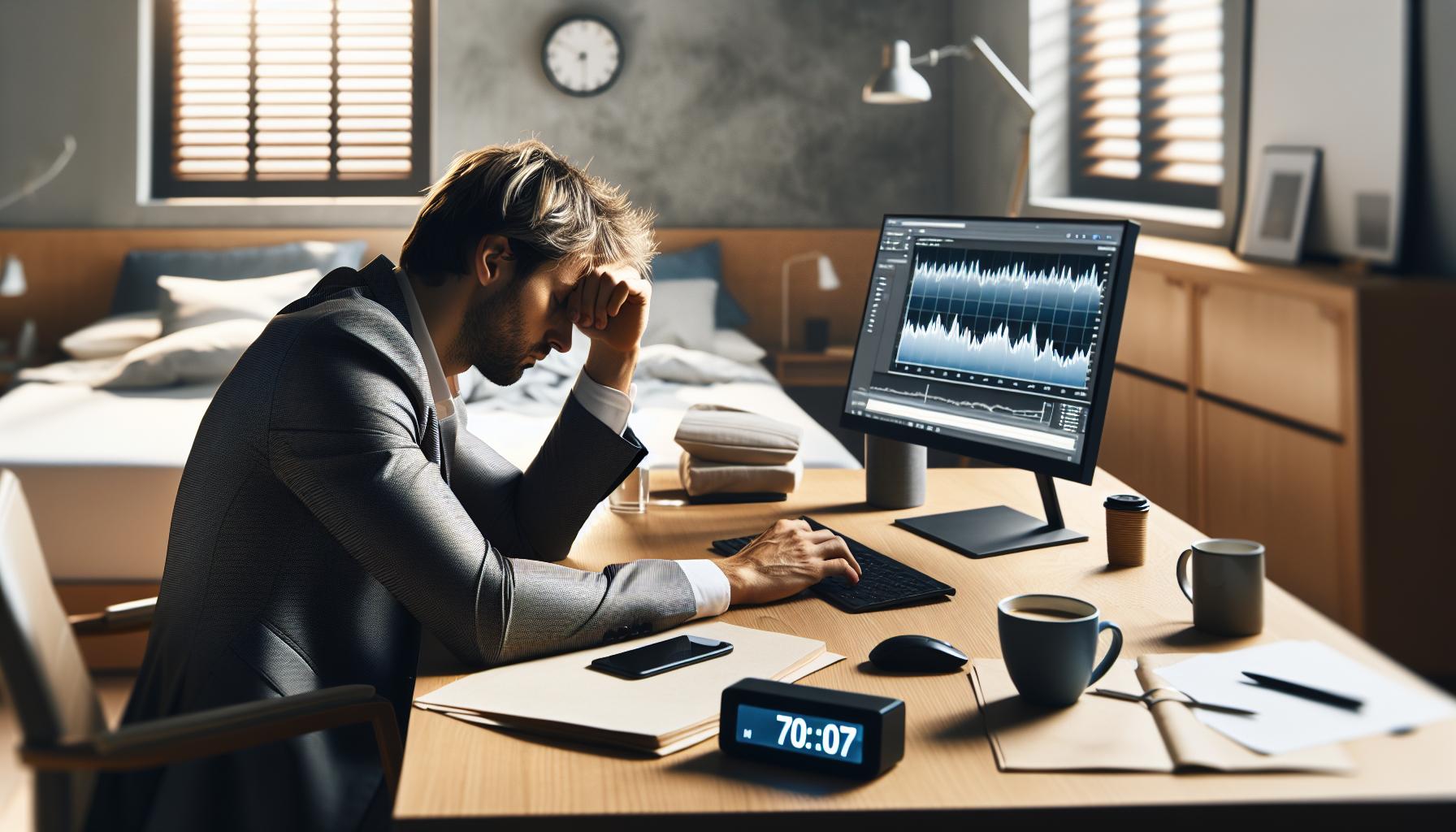
The Impact of Sleep Quality on Fatigue
Experiencing fatigue despite clocking a full eight hours of sleep can be incredibly frustrating, and it often boils down to the quality of that sleep. While many focus on duration, the dynamics of sleep quality are pivotal in determining how refreshed you feel each morning. Good sleep quality includes not only the number of hours you sleep but also how well you transition through various sleep stages-light sleep, deep sleep, and REM sleep. Disruptions in any of these stages can lead to inadequate rest and, consequently, fatigue.
High-quality sleep plays a significant role in various bodily functions, including physical recovery, cognitive performance, and emotional stability. For instance, deep sleep is essential for restoring energy and repairing muscles, while REM sleep contributes to memory consolidation and emotional processing. If you often wake up feeling groggy, it could be a sign that you are not spending enough time in deep or REM sleep. This interruption can stem from several factors, including environmental noise, uncomfortable sleep settings, or even health issues.
Additionally, mental health factors such as stress and anxiety can severely impact sleep quality. Worrying about daily life can prevent the mind from entering a restful state, making it difficult to drift into deeper sleep stages. Maintaining a calming bedtime routine, limiting screen time before bed, and ensuring a dark, quiet sleep environment can positively influence your sleep quality. It’s crucial to create a space that promotes relaxation, as the right environment can significantly enhance how restorative your sleep is.
To further optimize sleep quality, consider keeping a sleep diary or utilizing sleep technology, like wearables, to track your sleep patterns. These insights can help identify issues contributing to your fatigue. If you continue to struggle with sleep despite making lifestyle adjustments, consulting a healthcare professional is advised, as underlying health issues or sleep disorders may need to be addressed. Understanding the dynamics of sleep quality empowers you to take actionable steps towards improving your overall health and well-being.
Common Reasons You Feel Tired After Sleep
Feeling tired despite a full night’s sleep is a common concern, and understanding the reasons behind this paradox can be enlightening. It’s not just about the quantity of sleep; the quality matters significantly. For instance, disruptions in your sleep cycle can prevent you from reaching the deeper, restorative stages of sleep, like REM and deep sleep, which are crucial for feeling refreshed. If you wake up during these critical phases, you’re likely to feel groggy and unrested, even if you’ve met the clock’s demands for eight hours.
Several factors can contribute to this phenomenon. Sleep disorders such as sleep apnea, where breathing interruptions occur throughout the night, can dramatically affect sleep quality. Unlike a typical restless night, sleep apnea can lead to micro-awakenings that inhibit deep sleep, leaving you feeling exhausted upon waking. It’s essential to consult a healthcare professional if you suspect you have a sleep disorder, as they can recommend evaluations, like a sleep study, to uncover underlying issues.
Your environmental factors can also play a pivotal role. A bedroom that is too bright, noisy, or uncomfortable can impede your ability to fall and stay asleep, leading to fragmentation of sleep. Using blackout curtains, investing in a white noise machine, or adjusting your mattress and pillow can create a more conducive sleeping environment. Furthermore, lifestyle choices like excessive screen time before bed can interfere with your body’s natural circadian rhythm, as the blue light emitted by devices can suppress melatonin production, making it difficult to fall asleep.
Lastly, don’t overlook the impact of stress and anxiety. A racing mind can prevent you from entering the restful state necessary for quality sleep. Engaging in relaxation techniques or mindfulness practices before bed, such as deep breathing or reading, can help settle your mind. By addressing these various factors, you can enhance your overall sleep quality, ensuring that the time spent in bed translates into the restful sleep your body craves.
How Stress and Anxiety Affect Your Rest
While we often associate sleep difficulties solely with our physical state, emotional factors like stress and anxiety play a pivotal role in our ability to achieve restful sleep. When stress levels rise, your body enters a heightened state of alertness, which is essential for responding to immediate threats but detrimental for winding down at night. This can lead to an ongoing cycle where anxious thoughts monopolize your mind, producing a scenario where even a full night’s sleep may not feel restorative.
Practicing relaxation techniques can significantly mitigate the impact of stress on your sleep. Common methods include:
- Deep Breathing Exercises: Focusing on your breath can help calm the nervous system and promote relaxation.
- Progressive Muscle Relaxation: This involves tensing and then relaxing different muscle groups to relieve physical stress.
- Mindfulness Meditation: Engaging in mindfulness can help you become aware of your thoughts and feelings without judgment, thus reducing anxiety.
- Journaling: Writing down your thoughts before bed can help declutter a busy mind and reduce racing thoughts.
Aside from these techniques, it’s essential to create a calming bedtime routine. Consistency signals to your brain that it’s time to wind down. Consider dimming the lights, reducing noise, and perhaps engaging in a relaxing activity such as reading. This reassures your mind that it’s time to rest rather than ruminate.
In a world full of distractions and pressures, prioritizing mental well-being is crucial for quality sleep. If stress and anxiety persist despite these strategies, seeking professional guidance may be beneficial. Therapists specializing in cognitive-behavioral therapy (CBT) can provide structured methods to address anxiety, ultimately supporting better sleep quality.
The Role of Nutrition in Your Energy Levels
The food you eat plays a crucial role in determining your energy levels throughout the day, and it becomes even more significant when considering that you might still feel tired after a full eight hours of sleep. Consuming the right nutrients can be a game changer, improving not only the quality of your sleep but also how refreshed you feel upon waking. For instance, certain nutrients can aid in the production of neurotransmitters that regulate sleep cycles and energy levels.
A balanced diet rich in whole foods can significantly boost your energy. Consider incorporating these elements into your meals:
- Complex Carbohydrates: Foods such as whole grains, fruits, and vegetables provide a steady release of energy, helping to avoid blood sugar spikes and crashes that can lead to fatigue.
- Lean Proteins: Including sources like chicken, fish, legumes, and nuts can help in the production of dopamine and norepinephrine, key neurotransmitters that enhance alertness.
- Healthy Fats: Sources like avocados and olive oil are essential for brain health, which influences energy levels and mood.
Besides focusing on what to eat, it’s equally important to consider what to avoid. Heavy, rich foods can disrupt your sleep by causing discomfort or indigestion, while caffeine and sugar may lead to an energy crash later in the day, leaving you feeling depleted.
Timing also plays a pivotal role in your nutritional strategy. Eating smaller, more frequent meals throughout the day can help maintain steady energy levels, as opposed to large, infrequent meals that can cause dips in your energy. Being mindful of your eating schedule and ensuring you consume nutrient-dense foods can help create an environment conducive to better sleep and sustained energy, ultimately allowing you to wake up feeling refreshed rather than fatigued.
Sleep Disorders That Can Cause Fatigue
Sleep is designed to rejuvenate us, but for many, waking up still feeling tired is a common struggle. One significant contributor to this persistent fatigue can be sleep disorders-conditions that disrupt the quality and quantity of restorative sleep we need. Understanding these disorders is essential to identify whether they could be affecting your rest, leaving you wondering why you’re still tired despite clocking in a full eight hours.
Among the most prevalent sleep disorders linked to fatigue is Obstructive Sleep Apnea (OSA). This condition causes repeated interruptions in breathing during sleep, often leading to brief awakenings that disrupt the sleep cycle. Even a single night of untreated OSA can make you feel exhausted the next day, while chronic cases can lead to long-term health issues, including serious fatigue.
Another disorder, Insomnia, affects millions of people by making it challenging to initiate or maintain sleep. Individuals with insomnia often find themselves tossing and turning, unable to reach the deeper, restorative stages of sleep. This condition does not just lead to tiredness; it can also cause cognitive impairments and irritability, compounding daytime fatigue.
Restless Legs Syndrome (RLS) and Periodic Limb Movement Disorder (PLMD) are also notable culprits. RLS involves uncomfortable sensations that create an uncontrollable urge to move the legs, making it difficult to fall asleep. PLMD causes involuntary leg movements during sleep, which can awaken the individual without them realizing it. Both conditions can severely impact sleep quality, leading to chronic tiredness.
Lastly, the relationship between Chronic Fatigue Syndrome (CFS) and sleep disturbances is crucial to consider. CFS symptoms often include profound fatigue that is not alleviated by rest and can be exacerbated by sleep disorders. Many individuals with CFS experience irregular sleep patterns and suffer from unrefreshing sleep, resulting in a vicious cycle of fatigue.
By recognizing these disorders and understanding their impact on your sleep quality, you can take a proactive approach to seeking help. Consultation with a healthcare provider or a sleep specialist may be warranted if you suspect that a sleep disorder is the root cause of your ongoing fatigue. Addressing these issues early can open the door to better sleep, improved energy levels, and overall well-being.
The Effects of Screen Time on Sleep Quality
Excessive screen time, especially before bedtime, has become a widespread concern that may significantly impact sleep quality. Research indicates that the use of screens in the hours leading up to sleep is associated with poor sleep outcomes, including insomnia and disrupted sleep patterns. A recent study found that young adults who frequently used screens in bed reported higher levels of sleep disruption, suggesting a strong correlation between screen exposure and sleep issues [[2](https://www.bbc.com/news/articles/cz79jpxzev5o)].
The blue light emitted by smartphones, tablets, and computers can interfere with the body’s natural circadian rhythms by inhibiting the production of melatonin, the hormone responsible for regulating sleep. This disruption can trick our brains into thinking it’s still daytime, making it harder to unwind. To mitigate these effects, many users attempt adjustments like enabling night mode or reducing screen brightness; however, the act of engaging with stimulating content on devices-such as social media or games-can still lead to heightened alertness, thereby delaying sleep onset and reducing overall sleep quality [[1](https://www.missionhealth.org/healthy-living/blog/screen-time-before-bed-how-tech-affects-sleep-habits)].
To improve sleep hygiene, it’s beneficial to establish a tech-free time before bed. Here are some practical tips to help minimize screen time and enhance your sleep quality:
- Create a wind-down routine: Dedicate at least 30 minutes before bed to relaxing activities that don’t involve screens, such as reading a book, practicing meditation, or taking a warm bath.
- Set limits on device usage: Use digital wellbeing tools available on most smartphones to set boundaries for how much time you can spend on specific apps or on devices overall.
- Design a sleep-conducive environment: Ensure your bedroom is dark, quiet, and cool to promote better sleep. Consider using blackout curtains to block out light from outside and using white noise machines to drown out background noise.
Taking these steps can help counteract the negative effects of screen time on sleep and lead to a more restful night, ultimately addressing one of the key factors that might leave you feeling tired after a full night’s sleep.
Identifying Underlying Health Issues
Almost everyone experiences fatigue at some point, but when you wake up feeling tired after a full night’s sleep, it can be frustrating and perplexing. Understanding the various underlying health issues is crucial, as they could turn out to be the key to unlocking better sleep and renewed energy. Persistent fatigue might stem from conditions such as sleep apnea, depression, or even chronic fatigue syndrome, which often go unnoticed. If left unaddressed, these issues can impact your overall well-being and quality of life.
### Common Health Conditions That Cause Fatigue
Recognizing patterns in your fatigue can help you determine if it’s time to seek medical advice. Here are some common conditions linked to persistent tiredness:
- Sleep Apnea: Characterized by interrupted breathing during sleep, this condition often leads to fragmented sleep and excessive daytime drowsiness.
- Depression and Anxiety: Both mental health issues can greatly affect sleep patterns and lead to feelings of exhaustion, even after sufficient rest.
- Chronic Fatigue Syndrome: This complex disorder is characterized by extreme fatigue that doesn’t improve with rest and worsens with physical or mental activity.
- Thyroid Disorders: Hypothyroidism, in particular, can cause fatigue due to hormonal imbalances that affect metabolism.
### Taking Action
Identifying these issues requires an open dialogue with your healthcare provider. They might recommend a combination of blood tests and sleep studies to diagnose any underlying disorders effectively. For instance, a sleep study can reveal if sleep apnea is disrupting your nightly rest, while blood tests can check for hormonal imbalances or nutrient deficiencies.
### Utilize Technology Wisely
Wearable sleep tracks and other technology can also play a vital role in identifying sleep patterns and disturbances. Many devices can monitor your sleep cycles, heart rate, and even snoring patterns, offering insights that you can share with your healthcare provider. However, it’s important to remember that while these gadgets can provide helpful data, they are not substitutes for professional medical evaluations.
By acknowledging these underlying health issues and taking proactive steps, you can improve not only your sleep quality but also your overall vitality. A collaborative approach with healthcare providers, bolstered by the insights gleaned from sleep tracking technology, can lead to effective interventions and a more energized life.
Natural Remedies for Better Sleep
Natural solutions for nighttime rest can often make a significant difference in how refreshed we feel after sleep. Many people overlook simple lifestyle adjustments that can help them achieve better sleep quality. For instance, creating a consistent bedtime routine can signal to your body that it’s time to wind down. This might include activities such as dimming the lights, reading a book, or practicing relaxation techniques like deep breathing.
Herbal Remedies and Supplements
Exploring herbal options can also enhance sleep. Valerian root, chamomile, and lavender are renowned for their calming properties. Studies have shown that these herbs can improve sleep quality and even aid in reducing anxiety. Moreover, magnesium supplements are often recommended for their role in muscle relaxation and promoting a sense of calm before bed.
Sleep Hygiene Practices
Good sleep hygiene is essential for achieving restorative sleep. This includes maintaining a cool, dark, and quiet sleep environment, as well as keeping a consistent sleep schedule-even on weekends. Establishing a digital curfew is beneficial, too; turning off screens at least an hour before bedtime reduces exposure to blue light, which can interfere with your body’s natural sleep-wake cycle.
Mindfulness and Relaxation Techniques
Incorporating mindfulness practices, such as meditation or yoga, can effectively diminish stress and anxiety levels. Engaging in these activities during the day or right before bedtime can lead to improved sleep outcomes. Even a few minutes of focused breathing exercises can help clear your mind and prepare your body for rest.
Making these adjustments and adopting natural remedies can guide you toward more restorative sleep and a renewed sense of energy during the day. Each individual’s preferences will vary, so exploring what works best for you can lead to optimal outcomes. Understanding and addressing your sleep needs is a proactive step toward better health and vitality.
When to Consider Sleep Technology and Tracking
Understanding your sleep patterns can be the key to unlocking better rest and rejuvenation. If you find yourself still exhausted after a full night’s sleep, it may be time to explore sleep technology and tracking options. These tools can provide insights into factors you might not be aware of, such as your sleep cycles, interruptions, and overall sleep quality. Devices such as fitness trackers and dedicated sleep monitors can help you identify patterns or disturbances that could be affecting the quality of your everyday rest.
Why Use Sleep Trackers?
Sleep trackers serve as practical tools to gain a deeper understanding of your sleep habits. They can monitor various aspects of your sleep, including duration, quality, and frequency of disturbances. For instance, many wearables can estimate the time you spend in different sleep stages-such as light, deep, and REM sleep-which can help you analyze whether your body is achieving the restorative rest it needs. However, it’s essential to approach the data from these devices with a balanced perspective; while they provide useful insights, they don’t replace the accuracy of a clinical sleep study.
When to Seek Professional Help
If your tracker flags issues like consistent disturbances or very little deep sleep, it may be wise to consult a sleep specialist. A professional evaluation can help rule out sleep disorders such as sleep apnea or insomnia, which could be causing your fatigue despite sufficient sleep duration. Polysomnography, a comprehensive sleep study that includes monitoring brain waves and other physiological indicators, may be recommended for an accurate diagnosis. Alternatively, if you’re simply looking to manage occasional sleep disturbances or optimize your rest, wearable trackers can serve you well.
Getting Started with Sleep Technology
When considering sleep technology, begin by setting clear goals for what you want to achieve. Are you looking to improve sleep duration, reduce interruptions, or simply better understand your sleep patterns? With various options available-from smartphones with sleep tracking capabilities to specialized wearables like the Oura Ring or Eight Sleep mattress-explore products that align with your needs and budget. Take the time to read reviews and compare features, as well as consider the setup process: how easy is it to wear, charge, and sync the device to your phone?
| Device Type | Key Features | Cost Range |
|---|---|---|
| Fitness Trackers | Activity monitoring, basic sleep tracking | $50 – $300 |
| Dedicated Sleep Trackers | Detailed sleep cycle analysis, smart alarms | $100 – $500 |
| Mattress Trackers | Body temperature control, sleep quality metrics | $200 – $3,000 |
In summary, sleep technology and tracking can be empowering tools in your journey toward understanding and improving your sleep. They can help pinpoint habits and conditions that may be keeping you from feeling well-rested. By combining insights from these devices with feedback from healthcare professionals when necessary, you can work toward achieving not just more sleep, but better-quality rest.
Tips for Improving Your Sleep Environment
Creating a sleep-friendly environment is crucial for achieving quality rest. Did you know that the right sleep setting can enhance your sleep quality significantly? Small adjustments in your surroundings can lead to big improvements in your overall energy levels. Here are some practical tips to transform your sleep environment into a sanctuary of rest.
Optimize Your Bedroom Temperature
Maintaining an ideal bedroom temperature is vital for good sleep. Most experts recommend a cooler room, typically around 60 to 67 degrees Fahrenheit (15 to 19 degrees Celsius). This temperature range helps lower your body’s core temperature, which is essential for falling asleep and staying asleep. Consider investing in a programmable thermostat or fans to optimize airflow.
Control Light and Noise Pollution
Light and noise can both be significant sleep disruptors. Invest in blackout curtains to block any unwanted light from streetlights or early morning sun. Additionally, consider using earplugs or a white noise machine to mask disruptive sounds. Soft, dimmable lighting is ideal for winding down before bed, signaling to your body that it’s time to relax.
Choose Comfortable Bedding
Your mattress and pillows play a crucial role in ensuring good sleep quality. Choose bedding that suits your sleep style, whether you prefer a firmer mattress or a softer one. Memory foam and latex are popular options for supportive sleep. Regularly replace pillows to maintain proper neck alignment and prevent waking up with stiffness.
Keep Clutter to a Minimum
A cluttered environment can lead to a cluttered mind and make it challenging to relax. Try to keep your bedroom tidy and free of distractions. Consider decluttering regularly to create a serene space that promotes relaxation. Organizing your sleep space can reinforce a sense of calm that’s conducive to rest.
Limit Screen Time Before Bed
Excessive screen time can interfere with your body’s natural sleep cycle due to blue light exposure. Aim to turn off electronic devices at least an hour before bedtime. Instead, consider reading a book or engaging in relaxation exercises. This change can significantly enhance your ability to unwind and transition into sleep.
By implementing these strategies, you can create an environment that promotes restful sleep and reduces feelings of tiredness throughout the day. A few simple adjustments may be all it takes to transform your sleep quality and overall well-being. Make your sleep space a sanctuary, and you’ll be on your way to more refreshing nights and energized days.
Lifestyle Changes to Combat Daily Fatigue
It’s not uncommon to wake up after a full eight hours of sleep still feeling tired. This lingering fatigue can often be traced back to lifestyle choices that affect sleep quality. Adjusting daily habits may hold the key to combating that relentless exhaustion and improving overall well-being.
One vital lifestyle change is incorporating regular physical activity into your routine. Engaging in consistent exercise can enhance sleep quality by alleviating stress and anxiety, which are known culprits of disrupted sleep. Aim for at least 30 minutes of moderate activity most days, but be mindful of timing; exercising too close to bedtime can have the opposite effect. Additionally, try to find enjoyable activities, whether it’s jogging, yoga, or dancing, as this will make it easier to stick with your exercise regimen.
Mindful eating also plays a significant role in how rested you feel. Pay attention to your diet-what you eat, when you eat, and how it affects your sleep. Foods rich in magnesium, such as leafy greens, nuts, and seeds, can promote better sleep by relaxing your muscles. Conversely, consuming heavy, rich meals or caffeine close to bedtime can lead to restless nights. Try to establish a regular eating schedule that consists of balanced, nutritious meals. Aim to eat dinner at least two to three hours before bedtime to give your body time to digest.
In addition, consider implementing stress-reduction techniques into your daily routine. Practices like mindfulness meditation, deep breathing exercises, or even journaling before bed can help clear your mind and reduce anxiety. When your brain is less cluttered, it becomes easier to fall asleep and stay asleep throughout the night. Finding methods that work for you is key; whether through guided meditation apps, quiet reading time, or gentle stretches, integrating relaxation techniques can enhance your relaxation response.
Finally, be proactive about your sleep hygiene by establishing a consistent sleep schedule. Go to bed and wake up at the same time each day to regulate your body’s internal clock. This consistency helps your body recognize when it’s time to rest, improving overall sleep efficiency. By addressing lifestyle factors such as exercise, diet, stress management, and sleep routine, you can effectively combat feelings of fatigue even after a good night’s sleep, setting the stage for greater energy and vitality during your waking hours.
Faq
Q: Why do I feel fatigued even after a full night’s sleep?
A: Feeling fatigued after eight hours of sleep can be due to poor sleep quality, sleep disorders, or underlying health issues. Factors like stress or improper sleep environments may disrupt your sleep cycles, leading to tiredness upon waking. To understand your fatigue better, consider evaluating your sleep quality.
Q: How does sleep quality affect my energy levels?
A: Sleep quality is crucial for optimal energy levels. Disruptions during sleep can prevent you from reaching restorative sleep stages, leaving you feeling tired. To improve your sleep quality, focus on a calm bedtime routine and a comfortable sleep environment, as discussed in our article.
Q: What are common sleep disorders that might cause tiredness?
A: Common sleep disorders like sleep apnea, insomnia, and restless legs syndrome can significantly impact sleep quality and cause fatigue even after sufficient hours of sleep. If you suspect a sleep disorder, consult a healthcare professional for possible evaluation and treatment.
Q: Can my diet influence how I feel after sleep?
A: Yes, your diet plays a significant role in energy levels. Consuming a balanced diet rich in nutrients supports better sleep and wakefulness. To enhance your energy, focus on foods that stabilize blood sugar and offer sustained energy, as outlined in our nutrition section.
Q: How do stress and anxiety contribute to fatigue?
A: Stress and anxiety can lead to restless nights and disrupted sleep stages, preventing adequate restorative sleep. Managing stress through relaxation techniques, such as mindfulness or deep breathing, can enhance your sleep and reduce daytime tiredness. Explore our tips to mitigate stress for better rest.
Q: What lifestyle changes can help reduce morning fatigue?
A: To reduce morning fatigue, consider establishing a regular sleep schedule, limiting screen time before bed, and incorporating physical activity into your day. These changes can help improve overall sleep quality, as detailed in our lifestyle tips section.
Q: Is sleeping longer beneficial if I still feel tired?
A: Sleeping longer isn’t always beneficial if sleep quality is poor. Instead, focus on improving sleep hygiene and the sleep environment. Consider consulting with a sleep specialist if excessive tiredness persists despite longer sleep durations.
Q: What role does technology play in improving sleep?
A: Technology can assist in improving sleep through sleep tracking tools and apps that monitor your sleep patterns and provide insights. However, it’s essential to use such technology wisely to avoid it becoming a source of disturbance at bedtime. For recommendations, refer to our sleep technology section.
The Conclusion
Feeling tired even after a full night’s sleep is more common than you think, but the good news is there are steps you can take to uncover the root causes and improve your rest. Explore our guides on effective sleep studies and smart wearable technology like Eight Sleep that might just transform your sleep experience for the better. Remember, investing in your sleep health is a step towards overall well-being, so don’t delay-take action today!
Want to dive deeper into sleep disorders or find the right wearable tech for your needs? Check out our articles on sleep stages and the importance of monitoring your sleep patterns. And don’t forget to join our newsletter for the latest insights and tips to boost your sleep quality. Your journey to restorative sleep begins now; let us guide you every step of the way! Share your thoughts below and start the conversation-together, we can unlock the secrets to better sleep.
Get our latest guides, news, and insights highlighted in your Google Search & AI Overviews.