
Did you know that over 70 million Americans struggle with sleep disorders? If you’re one of them, understanding how much a sleep study costs and how to navigate insurance can feel overwhelming. “How Much for Sleep Study? Cost Comparison and Insurance Tips” aims to demystify the financial aspects of sleep testing, ensuring you’re well-informed before making decisions. Whether you’re considering an overnight polysomnography or exploring at-home testing options, knowing the potential costs and insurance coverage can help alleviate financial anxiety and empower you to prioritize your sleep health. Dive in as we break down expenses, what to expect during the process, and how to effectively work with your insurance provider to cover your sleep study.
Understanding Sleep Study Costs: A Breakdown
Understanding the costs associated with sleep studies is crucial for anyone considering this path to improve their sleep health. On average, in-lab sleep studies-often referred to as polysomnography-can range from $1,000 to $3,000 depending on the facility and specific tests performed. Home sleep tests typically cost between $150 and $500. These variances can stem from factors such as location, the complexity of the study, and additional assessments, such as consultations with sleep specialists or follow-up appointments.
Insurance coverage for sleep studies can significantly affect out-of-pocket costs. Most major insurers cover diagnostic sleep studies, but the extent of coverage varies. It’s essential to first check your policy to see what is included and consider calling your insurance provider for clarification on copays, deductibles, and any pre-authorization requirements. If you find that your plan has high out-of-pocket fees, it may be worth asking about payment plans or financial assistance programs offered by the sleep clinic.
When preparing for a sleep study, knowing these financial aspects can give you peace of mind and allow you to focus on the process ahead. Understanding what is covered and planning for potential costs helps avoid unwelcome surprises, ensuring that you’re ready to take this important step toward better sleep.
Factors Influencing Sleep Study Prices
Understanding the costs associated with sleep studies can be complex, and several factors influence the price you might pay. The setting of the study, its complexity, and any additional services can greatly affect your overall expenditure. For instance, in-lab studies, which offer comprehensive evaluations, typically range from $1,000 to $3,000. In contrast, home sleep tests can be much more affordable, starting as low as $150 but potentially reaching up to $500 depending on the equipment and software used.
Location
The geographical area where the sleep study is conducted plays a significant role in pricing. Urban centers often have higher costs due to greater demand and operational overheads. Conversely, rural clinics may offer more competitive rates, making geographic considerations essential when choosing where to undergo testing.
Type of Sleep Study
Different types of sleep studies come with varying price tags. For example, a simple home sleep apnea test is generally less expensive than a comprehensive polysomnography session, which involves extensive monitoring of brain waves, oxygen levels, heart rate, and other vital signs overnight.
Additional Services
Consider whether the sleep study includes additional services such as consultations with sleep specialists or follow-up appointments. Each of these aspects can add to the overall cost, so it’s advisable to inquire about what the quoted price covers.
Technology and Equipment
The types of technology and equipment used may also impact the cost. Advanced diagnostic tools that provide more detailed data could lead to higher costs but may yield more precise results, potentially guiding better treatment options.
In conclusion, as you evaluate the financial aspects of sleep studies, keep these influencing factors in mind. Doing so will empower you to make informed decisions, enabling you to choose a sleep study that provides the best value and suits your specific needs while maintaining your budget. Be sure to review your insurance coverage to mitigate costs further!
Types of Sleep Studies and Their Costs
Different types of sleep studies serve distinct purposes and come with varying price tags, making it essential to understand what each entails before making a decision. Generally, sleep studies can be categorized into two primary types: in-lab studies and home sleep tests.
In-lab polysomnography is the gold standard for diagnosing sleep disorders. This comprehensive test involves monitoring various physiological parameters overnight, such as brain waves, oxygen levels, heart rate, and more. Costs for in-lab polysomnography typically range from $1,000 to $3,000, depending on the facility and location. Patients can expect to stay overnight in a sleep clinic equipped with advanced technology, which allows for a thorough evaluation but may also induce some anxiety about the clinical environment.
On the other hand, home sleep tests are gaining popularity due to their convenience and cost-effectiveness. Designed primarily for diagnosing sleep apnea, these tests allow individuals to monitor their sleep in the comfort of their homes using portable devices that measure breathing patterns and oxygen levels. Prices for these tests generally range from $150 to $500. However, keep in mind that while these tests are convenient, they may not provide as comprehensive data as an in-lab study, and the results are typically interpreted by a clinician post-testing.
Ultimately, your choice may depend on your specific symptoms, doctor’s recommendations, and insurance coverage. When considering which type of study to pursue, take the time to discuss your options with your healthcare provider to determine the most cost-effective and beneficial approach tailored to your needs.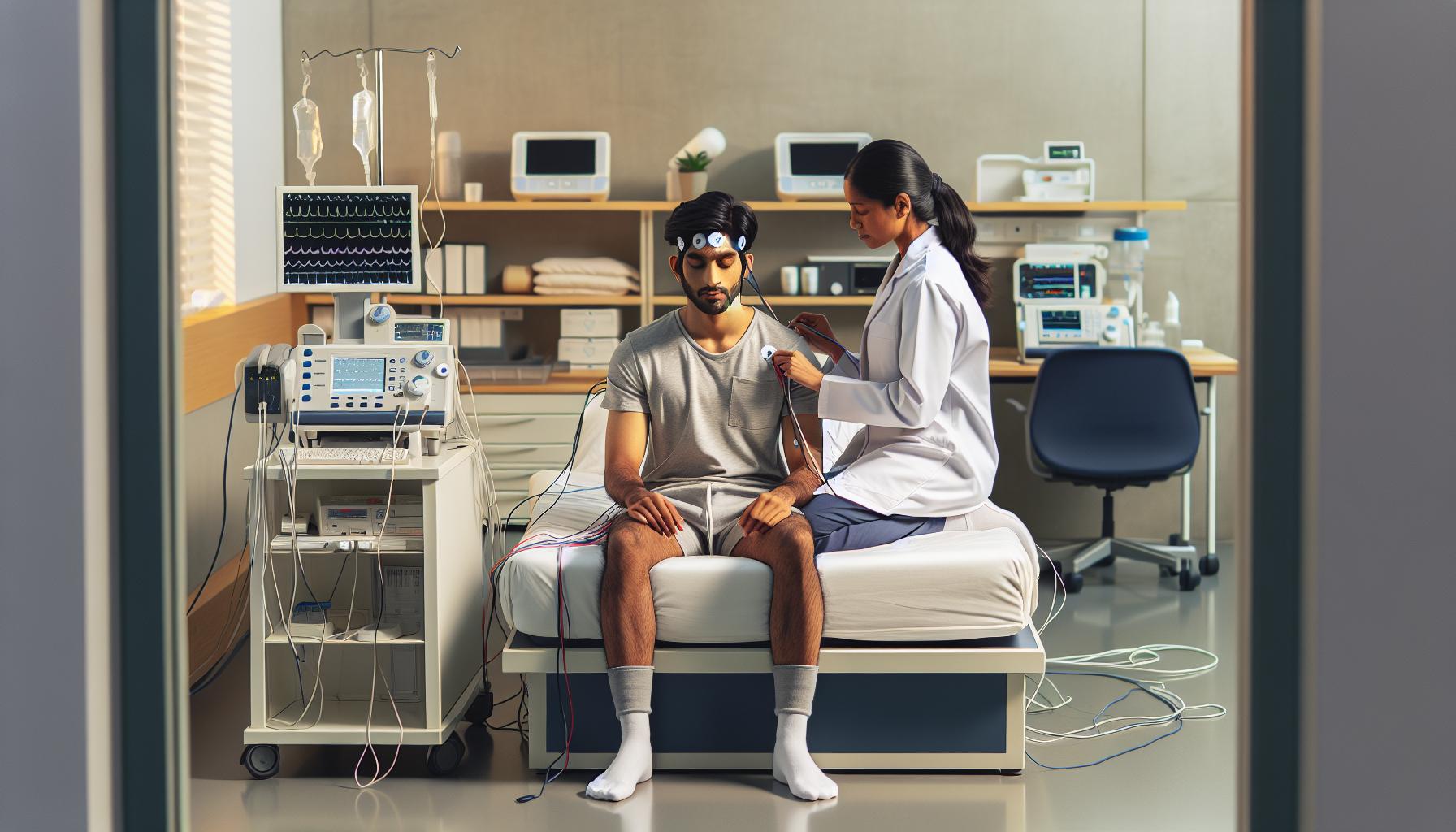
What to Expect During a Sleep Study
During a sleep study, whether conducted in a clinic or at home, it’s essential to know what to expect to help alleviate any potential anxiety. These studies are crucial for diagnosing sleep disorders, and understanding the process can make it feel less intimidating.
Upon arriving at a sleep clinic for an in-lab polysomnography, you will be greeted by a technician who will explain the procedure. You’ll be asked to wear comfortable clothing and will have sensors attached to your body to monitor various parameters, including brain activity, breathing patterns, and heart rate. The wiring might seem overwhelming, but it’s streamlined to allow you to lie down comfortably while you sleep. Expect to stay overnight, which can feel daunting at first, but remember, this environment is designed specifically for observing your sleep patterns without interruptions.
For home sleep tests, the process is much simpler and revolves around ease of use. You will receive a device that you can set up yourself, typically including sensors for your finger and head. Once you’ve learned how to use the device-often through a quick demonstration or provided instructions-you can go to bed as you normally would. The key advantage here is the comfort of your own home, which can lead to a more natural sleep experience. However, remember that home tests primarily focus on diagnosing sleep apnea and might not be as comprehensive as in-lab studies.
What Happens After the Study?
Upon completion of either study, the data collected will be analyzed by a sleep specialist. They will review the patterns and irregularities during your sleep and recommend appropriate treatments or further testing if necessary. You’ll receive your results in a few days to a couple of weeks, depending on the facility, so don’t hesitate to reach out if you have questions about the findings.
Overall, whether you choose an in-lab or home study, being prepared and informed can make the experience a lot smoother. Knowing the process can empower you to take the necessary steps toward understanding your sleep health better.
Comparing In-Clinic vs. Home Sleep Studies
For individuals grappling with sleep issues, the choice between in-clinic and home sleep studies can significantly impact both the experience and costs involved. While both options serve the purpose of diagnosing sleep disorders, they differ fundamentally in their setup, pricing, and overall experience.
In-clinic sleep studies, also known as polysomnography, require you to spend a night at a sleep center equipped with advanced monitoring technology. Apart from the atmosphere of a clinical setting, this option usually captures a wide array of data, including brain waves, heart rate, breathing patterns, and even leg movements. Costs for these studies can range from $1,000 to $3,000 depending on the location and specific procedures involved. The trade-off for this comprehensive data collection is that it often comes with discomfort from wires and sensors, which some patients may find anxiety-inducing. Nevertheless, for complex sleep disorders, the detailed results from these studies can lead to more accurate diagnoses and effective treatment plans.
On the other hand, home sleep studies have gained popularity due to their convenience and affordability. Generally priced between $300 and $600, these tests typically focus on diagnosing obstructive sleep apnea (OSA) and involve basic monitoring equipment that you can set up yourself. This experience allows you to sleep in your own environment, which can lead to a more natural sleep pattern. It’s important to note, however, that the simplicity of home sleep tests may limit the range of sleep disorders that can be effectively diagnosed, as they often do not evaluate other critical factors like REM sleep stages that in-lab studies cover.
Ultimately, the best choice depends on personal preferences, specific sleep concerns, and financial considerations. Being informed about the strengths and limitations of each option can help you confidently choose the path that aligns best with your sleep health needs. Understanding the nuances of both methods not only eases the decision-making process but also reduces anxiety associated with navigating sleep disorders.
Insurance Coverage: Navigating Your Benefits
Navigating the maze of insurance coverage for sleep studies can feel overwhelming, but understanding your benefits is crucial for managing costs effectively. Many insurance plans may cover the expenses associated with both in-clinic and home sleep studies, but the extent of coverage often depends on the reason you are getting tested and the specific terms of your policy. Before scheduling your sleep study, it’s wise to verify with your insurance provider about what is included in your plan, as well as any prerequisites that must be met.
Key Considerations for Coverage
When discussing coverage with your insurance company, consider the following points:
- Medical Necessity: Sleep studies may be more likely to be covered if they are deemed medically necessary. A doctor’s referral is often required to demonstrate that your sleep issues are severe enough to warrant testing.
- Type of Study: Confirm whether your plan covers both in-clinic polysomnography and home sleep tests. Coverage might vary significantly between these options.
- Out-of-Pocket Costs: Understand your copayment, deductible, and any coinsurance associated with the study. This knowledge helps in estimating what you’ll actually pay.
- In-Network vs. Out-of-Network: Utilizing in-network providers can greatly reduce your expenses, so it’s worth checking if the sleep center you choose is within your insurance network.
Maximizing Your Benefits
To ensure you make the most of your insurance benefits, follow these strategies:
- Pre-authorization: Some insurance plans require pre-authorization for sleep studies. Contact your insurer beforehand to confirm requirements, as this could save you headaches later on.
- Request an Itemized Bill: After your study, obtain an itemized bill for all services. This can help you understand what you are being charged for and provide clarity in case of discrepancies during the claims process.
- Appeal If Necessary: If your claim is denied, don’t hesitate to appeal. Many claims are initially rejected due to administrative errors. Following up can lead to coverage or resolution.
By proactively engaging with your insurance provider and clearly understanding your plan’s terms, you can navigate the financial aspects of sleep studies more effectively, alleviating some of the stress associated with sleep health management. Remember, investing time in this area can significantly reduce out-of-pocket expenses and ensure you receive the care necessary for effective diagnosis and treatment.
Tips for Reducing Out-of-Pocket Expenses
Understanding the financial implications of a sleep study can often feel daunting. However, employing a few strategic tips can substantially reduce your out-of-pocket expenses while ensuring you receive the necessary care for your sleep issues.
One of the most effective ways to lower costs is to plan ahead. Start by checking with your insurance provider to clarify which types of sleep studies they cover and what your specific policy entails. If you can, obtain a written confirmation regarding your benefits; this documentation is invaluable if any disputes arise later.
Furthermore, consider selecting an in-network provider when scheduling your sleep study. In-network facilities typically negotiate lower rates with insurance companies, which can significantly decrease your personal expenditure. If you need to use an out-of-network provider, find out if the out-of-network benefits apply-this can sometimes lead to unexpected savings.
Another crucial step is to obtain an itemized bill following your sleep study. An itemized bill will detail every service you received and can help identify any unexpected charges that can be disputed with your insurance. If you notice discrepancies or if charges seem higher than anticipated, do not hesitate to contact the billing department for clarification or to address errors.
Lastly, being proactive about pre-authorization can further mitigate surprise expenses. Some insurance plans require prior approval before covering a sleep study. By ensuring all necessary pre-approvals are secured, you can avoid the unexpected financial burden of a denied claim. If a claim is denied, don’t shy away from filing an appeal; many reimbursement issues can be resolved with patience and persistence.
By following these practical strategies, you can navigate the costs associated with sleep studies more effectively, ensuring you receive the vital diagnosis and treatment without breaking the bank.
Essential Sleep Study Preparation Steps
Preparing for a sleep study can seem intimidating, but with the right steps, you can ensure a smoother experience and better results. An essential part of preparation is understanding what is expected and how to set yourself up for success, both clinically and financially.
Start by consulting with your healthcare provider about what to expect. They can provide personalized advice based on your specific sleep issues. Understanding the type of study you’ll undergo-whether it’s a polysomnography (in-lab) or home sleep apnea test-can help you prepare mentally and logistically.
Next, gather all necessary documents for insurance. This includes your insurance card, a referral (if required), and any records of prior sleep-related issues. Many insurance companies require pre-authorization for sleep studies, so check with them ahead of time to ensure that your study will be covered. Requesting an itemized breakdown of your anticipated costs can also be invaluable in managing your expenses.
In preparation for the study itself:
- Follow pre-study instructions: Your doctor will provide guidelines, such as avoiding caffeine and alcohol the day before or needing to adjust your medication.
- Create a comfortable environment: If you’re undergoing a home study, designate a quiet, comfortable place for testing to minimize disruptions.
- Understand the equipment: Familiarize yourself with any devices you will be using, whether they are sensors worn on your body or in-home monitoring devices. Knowing how to operate these devices can ease anxiety on the day of the test.
- Plan for the night: If the study is at a sleep clinic, arrange for someone to drive you home afterward, as you might feel groggy.
By taking these proactive steps, you can enhance your overall experience and effectiveness of the sleep study, leading to a better understanding of your sleep health and appropriate treatment options.
Top Devices for At-Home Sleep Monitoring
Monitoring your sleep at home has never been more accessible, thanks to a variety of innovative devices that provide insights into your sleep patterns and quality. These at-home sleep monitoring devices can serve as effective alternatives or supplements to traditional sleep studies, especially if you’re looking for cost-effective solutions or if you’re not quite ready to undergo a full clinical evaluation.
There are several types of devices available in the market, ranging from wearable technology to non-contact sensors. Wearables, like smartwatches and fitness trackers, typically monitor sleep duration, heart rate, and movement during sleep. These devices can give you a general idea of your sleep quality and provide data on how long you spend in different sleep stages. Popular options include the Fitbit series and the Apple Watch, which are generally priced between $100 and $400, depending on the model and features.
For those who prefer a device that doesn’t require wearing something on your wrist, non-contact monitors such as the Withings Sleep and ResMed S+ utilize sensors placed under your mattress or on your nightstand. These systems can often provide more detailed analysis, including breathing patterns and potential sleep disturbances, without the discomfort of wearing a device. Prices for these monitors generally range from $100 to $300, making them a worthwhile investment for anyone curious about their sleep health.
Setup and Features
Setting up these monitoring devices is typically straightforward. Most wearables sync with a smartphone app, allowing you to track your data easily. Here are some essential features to look for in your at-home monitoring device:
- Sleep Staging: Understand how much time you spend in light, deep, and REM sleep.
- Heart Rate Monitoring: Track your heart rate variability, which can provide insights into stress and recovery.
- Environmental Tracking: Some devices measure noise and temperature, helping to gauge factors affecting your sleep quality.
While these devices provide valuable insights, it’s important to approach the data with a critical eye. They are not substitutes for formal sleep studies but can be helpful tools for identifying patterns and discussing concerns with healthcare providers. By understanding their limitations, such as potential inaccuracies in tracking sleep stages, you can better use the data they provide to enhance your sleep health.
Maximizing Insurance Claims for Sleep Studies
Navigating insurance claims for sleep studies can feel overwhelming, especially when you’re already dealing with the stress of sleep issues. Understanding how to maximize your insurance benefits can significantly reduce out-of-pocket costs and make the entire process less daunting. Start by reviewing your insurance policy carefully; look for specifics about what types of sleep studies are covered and any requirements such as pre-authorization. Many plans cover polysomnography (in-lab sleep studies) and home sleep apnea testing, but benefits can vary widely.
Once you’ve established what your policy covers, it’s crucial to get a clear estimate of the costs associated with the sleep study. Contact your healthcare provider’s billing department to ask for an itemized list of expected charges. Additionally, request that they verify the benefits with your insurance company. This step can ensure that both you and the provider are on the same page regarding what will be covered and what you might need to pay upfront. If your insurance requires you to use an in-network facility for full coverage, confirm that the sleep study will indeed be performed at such a location.
Be proactive during the claims process. After your sleep study, keep a collection of all related documents, including your referral, test results, and any communication with the insurance company. If a claim gets denied, don’t hesitate to appeal. Often, insurance companies deny claims due to clerical errors or lack of proper documentation rather than outright refusal to cover necessary treatments. Be persistent, and consider enlisting your healthcare provider’s help-they can advocate for you by providing any required information or clarifications to support your claim.
Finally, explore potential financial assistance options. Some providers might offer payment plans or discounts for cash payments, which can be particularly useful if you’re facing high deductibles or co-pays. In some cases, it may also be worth discussing the possibility of alternative treatments or at-home sleep monitoring options that may be more affordable and still provide useful insights into your sleep health.
By taking these steps, you empower yourself to navigate the complexities of insurance claims, maximizing your benefits while minimizing stress and financial strain.
Exploring Alternatives: Sleep Trackers vs. Studies
Sleep-related issues often prompt individuals to consider whether they need a formal sleep study or if they can benefit from at-home sleep trackers. Both options serve unique purposes and can address different needs, but understanding their differences is key to making an informed decision.
Sleep Studies vs. Sleep Trackers
A sleep study, or polysomnography, is a comprehensive examination typically conducted in a sleep lab. This in-depth evaluation measures brain activity, eye movements, heart rate, and breathing patterns, providing a thorough diagnosis of sleep disorders such as sleep apnea or insomnia. The costs can range from $1,000 to $3,000, depending on the facility, insurance coverage, and location. This investment not only provides accurate diagnostic data but also opens the door to tailored treatment.
In contrast, sleep trackers-wearable devices or smartphone apps-monitor sleep patterns over time. They typically assess your movements, heart rate, and sometimes even your breathing, to estimate sleep stages. While these devices can offer insights and trends in your sleep, their accuracy is variable. Many consumers find them helpful for identifying problematic sleep habits or patterns, often at a fraction of the cost-ranging from $50 to several hundred dollars for advanced wearables.
When to Choose a Sleep Study
- Persistent Sleep Issues: If you experience severe sleep disturbances or excessive daytime sleepiness, a sleep study can provide necessary diagnostic capabilities that a tracker cannot.
- Potential Medical Conditions: If you suspect conditions like sleep apnea, a study is essential for confirming the diagnosis and setting a treatment plan.
When a Sleep Tracker Suffices
- Mild Sleep Interruptions: If your issues are not severe, using a tracker can help refine habits and understand your sleep trends.
- Convenience and Cost: Trackers are non-invasive, easy to use, and much more affordable, making them a good starting point for many.
Conclusion
In navigating the maze of sleep health, both sleep studies and trackers have valuable roles to play. The choice depends on the severity of sleep issues and the desire for precise information. For serious concerns, the comprehensive nature of sleep studies provides a robust solution, while for mild disturbances, sleep trackers can offer helpful insights without the cost and commitment of a formal study. Consider your sleep health carefully-your choices could lead you to better nights and more productive days.
Real-Life Scenarios: When to Seek Help
Experiencing sleepless nights? You’re not alone-over 70 million Americans battle sleep disorders, and many overlook the signs that it’s time to seek help. Understanding when to consult a sleep specialist can be the difference between restless nights and rejuvenating sleep.
If you’ve noticed that your sleep issues are persistent and affecting your daily life, it might be time for a deeper evaluation. For instance, those who struggle with intense snoring, choking sensations during sleep, or extreme daytime fatigue could be exhibiting symptoms of sleep apnea, which requires a formal sleep study for accurate diagnosis. Costing between $1,000 to $3,000, these studies can help identify underlying issues that simple tracking devices might miss.
When opting for a sleep study, consider your personal sleep patterns. Frequent awakenings, difficulty falling asleep, or even sudden changes in your sleep behavior warrant professional evaluation. If a sleep tracker indicates prolonged periods of light sleep or insufficient REM sleep, that could signify the need for further investigation. A sleep study provides comprehensive monitoring of your brain waves, oxygen levels, and heart rate, ensuring any serious sleep disorders are caught early.
Your insurance may cover part or all of a sleep study, reducing the financial burden significantly. Be proactive-check insurance policies about sleep disorder coverage, and inquire about in-clinic versus home study options to navigate costs effectively. Ultimately, whether you choose to start with a wearable tracker or proceed directly to a sleep study, knowing when to seek help can lead you not just to answers but to restful nights and brighter days.
Key Signs to Seek Help
- Chronic Fatigue: If exhaustion persists despite adequate sleep, consulting a specialist is advisable.
- Sustained Snoring or Gasping: Indications of sleep apnea can necessitate a formal study.
- Impact on Daily Life: If sleep issues are affecting mood, performance, or relationships, professional advice should be considered.
In this journey towards better sleep, recognizing the need for deeper investigation is crucial. Empower yourself by understanding your body’s signals and taking action towards reclaiming your sleep health.
Q&A
Q: How much does a sleep study typically cost without insurance?
A: A sleep study can range from $1,000 to $3,000 out-of-pocket, depending on the type and location of the study. Costs may vary based on the facility and specific tests conducted. To get a precise estimate, check local providers and compare prices.
Q: What factors can increase the cost of a sleep study?
A: Several factors can influence the cost of a sleep study, including geographic location, the type of sleep study (home versus in-lab), and any additional tests required (like CPAP titration). Understanding these aspects can help you anticipate potential expenses.
Q: Are home sleep studies cheaper than in-lab studies?
A: Yes, home sleep studies are typically less expensive, often costing between $300 to $500, compared to in-lab studies. However, in-lab studies provide more comprehensive data, which may be necessary depending on your health concerns.
Q: How can I determine whether my insurance will cover a sleep study?
A: To find out if a sleep study is covered by insurance, contact your provider directly and ask about your benefits. It’s also helpful to obtain a pre-authorization from your doctor, which can facilitate claims processing.
Q: What are the common insurance companies covering sleep studies?
A: Most major insurance companies cover sleep studies, including Blue Cross Blue Shield, Aetna, and UnitedHealthcare. It’s essential to verify coverage specifics with your insurance representative as policies can vary significantly.
Q: When should I consider getting a sleep study if I have sleep issues?
A: Consider a sleep study if you experience symptoms like persistent snoring, daytime fatigue, or difficulty concentrating. A study can help diagnose conditions such as sleep apnea or restless leg syndrome, allowing for effective treatment.
Q: How can I appeal an insurance denial for a sleep study?
A: If your insurance denies coverage for a sleep study, you can appeal by gathering supporting documentation, including your doctor’s notes and medical necessity. Provide a clear explanation of why the study is essential for your health.
Q: What should I ask my doctor before undergoing a sleep study?
A: Before a sleep study, ask about the specific type of study needed, preparation steps, and what to expect during the test. Understanding the procedure will help alleviate anxiety and ensure you are well-prepared for the exam.
To Conclude
Understanding the costs and options related to sleep studies is essential for taking control of your sleep health. Whether you’re considering a traditional sleep study or exploring new technology like wearables, the right choice can lead to better sleep and improved well-being. Don’t hesitate to take the next step: reach out to your healthcare provider, consult our comprehensive guides on sleep disorders, and explore our tips on insurance coverage to ensure you make an informed decision.
If you found this information helpful, consider signing up for our newsletter for more insights on sleep health. Dive deeper into related articles about overcoming sleep anxiety or the latest sleep technologies to empower your journey. Your path to restful nights starts now-engage with us, share your thoughts below, and let’s keep the conversation going for a healthier sleep experience!
Get our latest guides, news, and insights highlighted in your Google Search & AI Overviews.