
Navigating the world of sleep studies can feel overwhelming, especially when considering the costs involved. A private sleep study, vital for diagnosing issues like sleep apnea or insomnia, can ring in hefty out-of-pocket expenses. Understanding these costs is crucial for those seeking relief and clarity about their sleep health. From the initial consultation to the complexity of the tests, each step comes with its own price tag. This guide will take you through what to expect financially and how to make informed choices without breaking the bank. Together, we’ll explore how to get the help you need while aligning with your budget, empowering you on your journey to better sleep.
Understanding the Costs of a Private Sleep Study
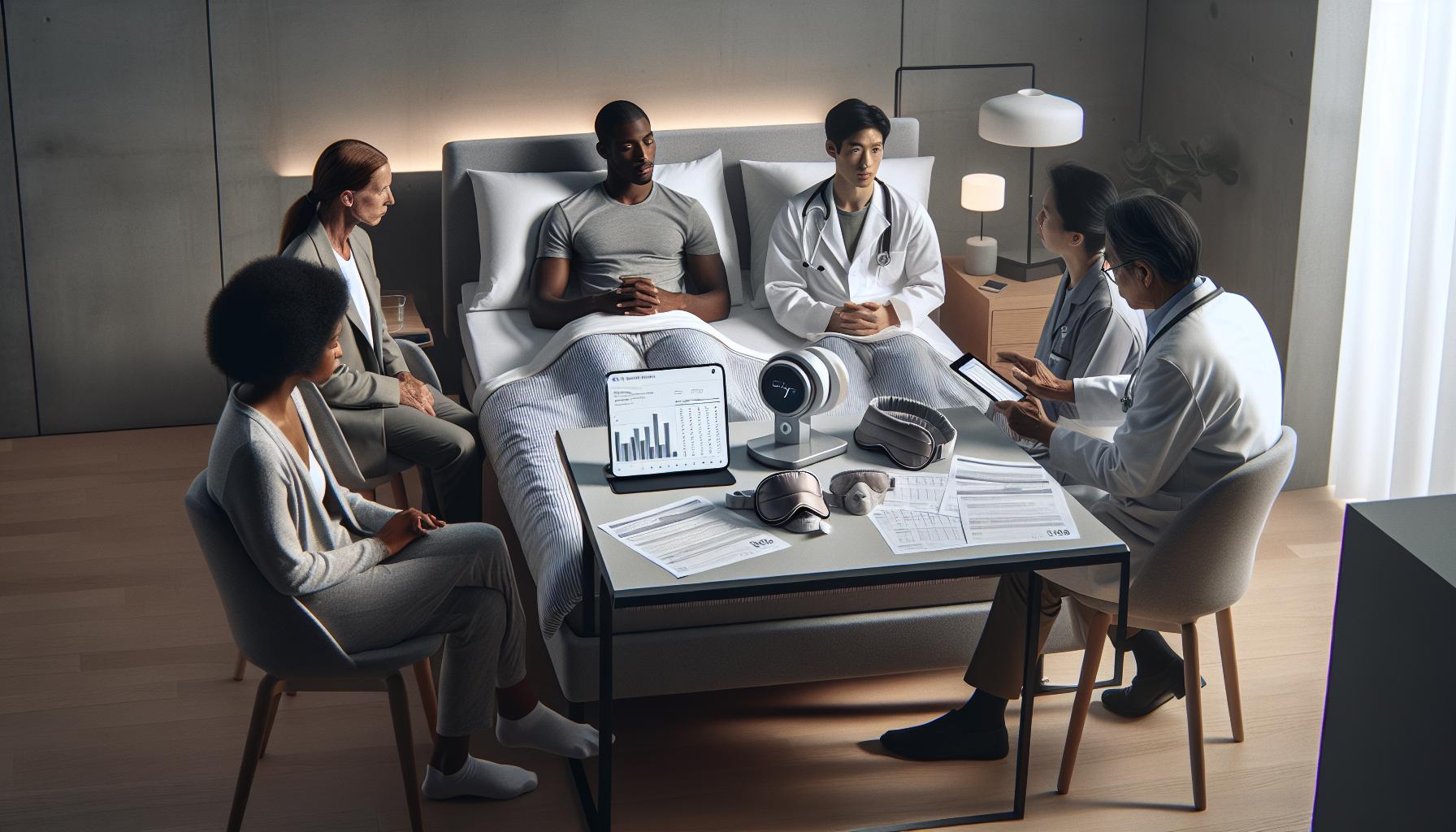
The cost of a private sleep study can vary significantly based on various factors, including the type of consultation, where the study is conducted, and the technology used. Typically, a comprehensive in-clinic sleep study, known as polysomnography, may range from $1,000 to $3,000. In contrast, an at-home sleep test, which is a simpler and more streamlined process, usually costs between $200 to $500. This difference highlights the importance of understanding what you need and what your health care provider recommends.
A number of factors influence these prices. Type of study: Polysomnography typically requires more resources and monitoring personnel, contributing to higher costs. Location: Costs can fluctuate depending on geographic area and facility type, with urban centers typically charging more. Additionally, the insurance coverage can play a significant role, with some plans covering a significant portion of the expenses, while others might leave patients to pay substantial out-of-pocket amounts.
When considering whether to undergo a sleep study, it’s vital to weigh the potential health benefits against the financial investment. Recognizing symptoms of sleep disorders early can lead to timely intervention, potentially saving money in the long run by avoiding more severe health complications. Ultimately, deciding between an in-clinic study or an at-home test should take into account both the nature of your symptoms and financial implications, ensuring a choice that prioritizes your well-being within your budget.
What Factors Influence Sleep Study Pricing?
The price of a private sleep study can be influenced by a variety of factors, which can make it challenging for consumers to understand what they might pay out of pocket. A comprehensive approach to grasping these costs can empower patients to make informed decisions regarding their sleep health.
Type of Study: The nature of the sleep study itself is one of the most significant factors influencing cost. For example, a polysomnography (PSG) in a clinical setting is generally more expensive because it involves extensive monitoring, specialized equipment, and professional staff. Prices can range typically from $1,000 to $3,000. In contrast, home sleep apnea tests (HSATs) are simpler and less resource-intensive, typically costing between $200 to $500.
Location: The geographical area where the study is conducted also plays a vital role. Urban centers often have higher operational costs, which can translate to increased prices for sleep studies. Conversely, rural settings may offer more competitive rates. Always check local facilities and consider travel costs when weighing options.
Insurance Coverage: The role of health insurance cannot be overstated. Insurance plans differ in their coverage for sleep studies, with some covering a substantial portion while others may leave patients with high out-of-pocket costs. Always verify your insurance benefits, as some plans may also require prior authorization for certain types of tests.
Facility Reputation and Technology: The reputation of the testing facility and the technology used can also influence pricing. Facilities with cutting-edge equipment and highly qualified specialists may charge higher fees due to the quality of service and expertise provided. It may be worth the investment if it leads to a more accurate diagnosis and effective treatment.
By understanding these factors, you can better navigate the financial landscape of sleep studies and make choices that align with your health needs and budget considerations. Ultimately, taking charge of your sleep health can lead to better outcomes and may even prove cost-effective in the long run.
Comparing Costs: In-Clinic vs. At-Home Sleep Studies
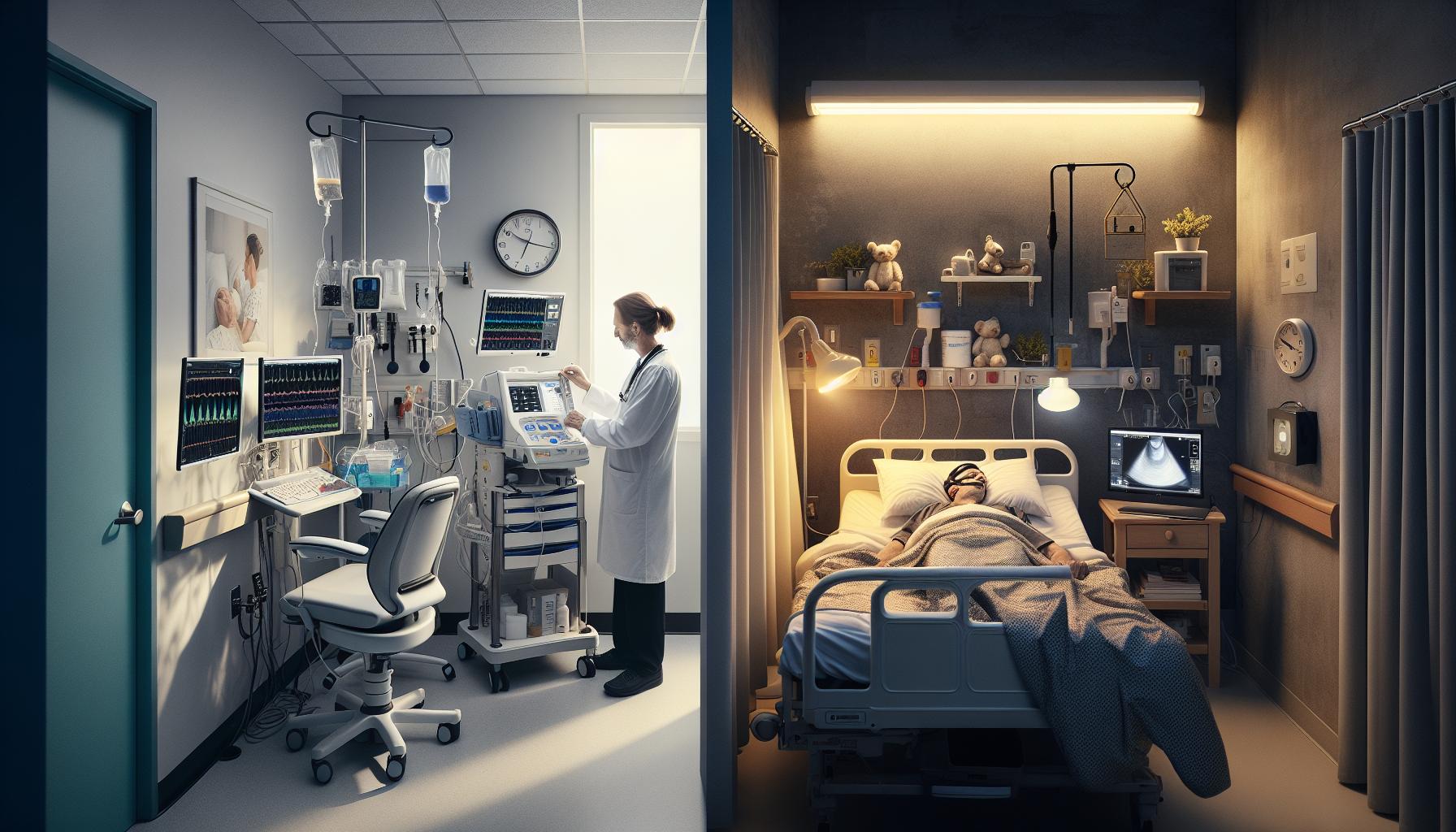
The decision between an in-clinic sleep study and a home sleep test (HST) can significantly impact your health journey and your wallet. While clinic-based polysomnography (PSG) offers comprehensive monitoring typically between $1,000 to $3,000, home sleep tests are a more affordable alternative, often costing between $200 to $500. Understanding these differences is crucial for making an informed choice that aligns with your sleep health needs and financial situation.
In-clinic studies provide thorough observation in a controlled environment, capturing extensive data on various sleep stages, oxygen levels, and heart rates. The monitoring is conducted by trained professionals who can promptly address issues and ensure accurate results. If you suspect severe sleep disorders like obstructive sleep apnea, a PSG might be warranted despite the higher cost. On the other hand, HSTs offer convenience and privacy, allowing you to monitor your sleep patterns from the comfort of your home. They are simpler to set up but come with some limitations, such as the inability to capture complex sleep issues comprehensively.
Consider your individual circumstances when weighing these options. If you have a history of sleep disorders or complex medical needs, the benefits of an in-clinic study might justify the higher expense. However, for many, especially those with suspected mild sleep apnea, a home test can effectively diagnose issues without the stress and expense of a clinical setting. Always consult with your healthcare provider to determine the best approach based on your specific requirements and budget.
Ultimately, whether you choose an in-clinic study or an at-home test, being informed about the costs and what to expect will help ease any anxiety you may have about the process, allowing you to focus on achieving better sleep and overall health.
Insurance Coverage for Sleep Studies: What You Need to Know
Understanding insurance coverage for sleep studies can feel overwhelming, but having the right information can ease your concerns and help you make informed decisions about your sleep health. Many insurance plans cover sleep studies, yet the degree of coverage can vary widely based on the specifics of your policy and the type of sleep study you’re undergoing.
What to Expect with Insurance Coverage
When considering a sleep study, it’s crucial to check if your insurance provider classifies the study as medically necessary. Typically, coverage tends to be more favorable for in-clinic polysomnography (PSG) than for home sleep tests. For in-clinic studies, which can range from $1,000 to $3,000, insurance companies are more likely to approve claims if you have a documented history of sleep-related issues. In contrast, home sleep tests-priced between $200 to $500-may face higher scrutiny and might be covered less depending on your symptoms and initial consultations.
Steps to Navigate Insurance Coverage
To effectively navigate your insurance coverage, follow these steps:
- Contact Your Provider: Before scheduling a sleep study, reach out to your insurance company to understand your coverage. Ask about deductibles, copayments, and whether prior authorization is required.
- Get a Referral: Many insurance plans require a referral from your primary care doctor to a sleep specialist or sleep center. Ensure you have this before initiating the study.
- Document Symptoms: Your healthcare provider should document your sleep issues thoroughly. This record supports your case for the necessity of the study.
- Follow Up: After the study, follow up with your insurance provider regarding reimbursement. Keep all invoices and medical records handy.
In some cases, you may still find yourself facing out-of-pocket expenses, especially if your insurance company denies coverage for certain tests. Being proactive by understanding your benefits and maintaining open communication with both your healthcare provider and your insurer can make a significant difference in managing potential costs related to sleep studies. Empower yourself with information, and prioritize your sleep health-good sleep is vital to overall well-being.
Steps to Prepare for Your Sleep Study Appointment
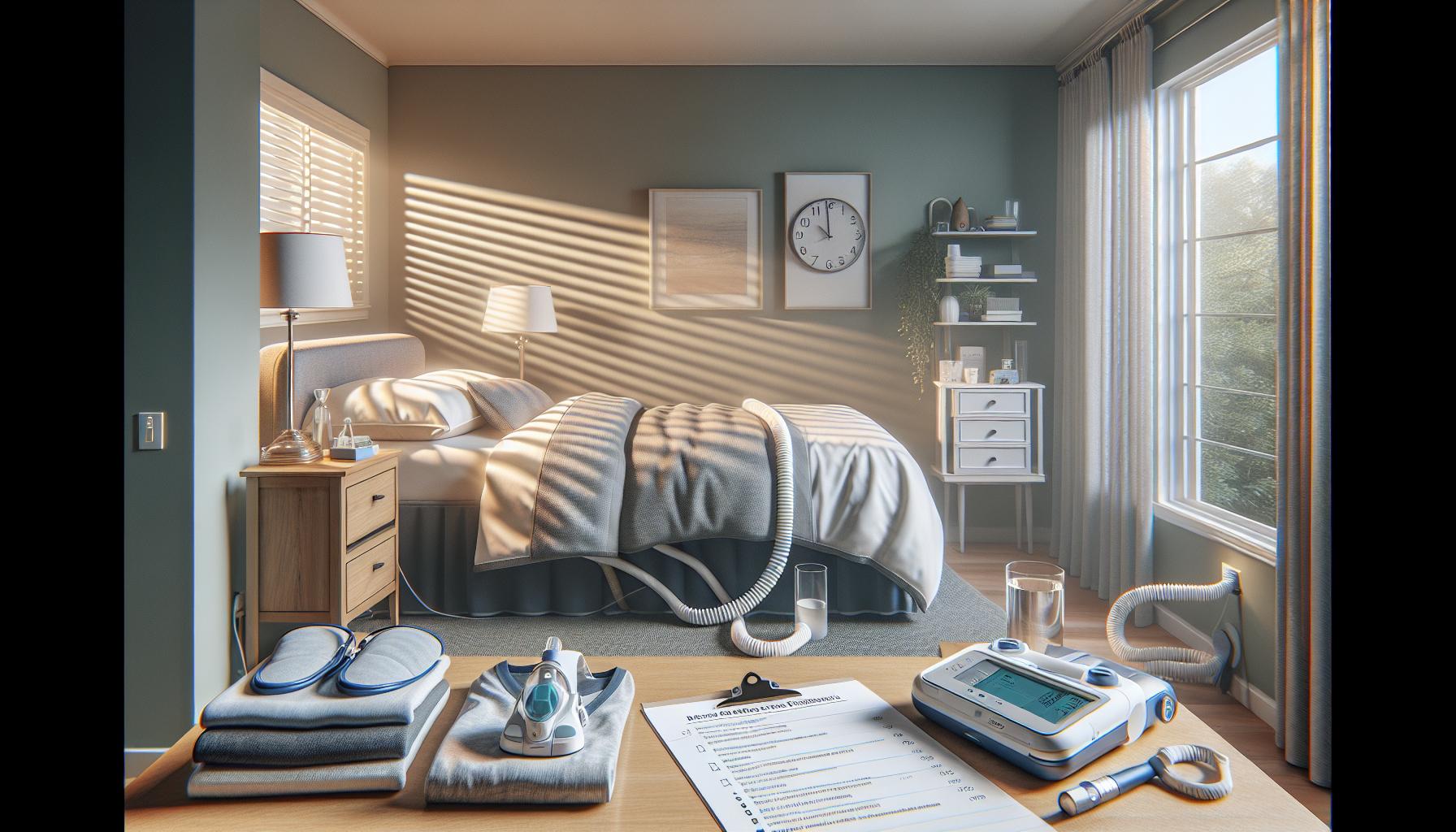
Preparing for a sleep study can feel daunting, but with the right information and steps, you can approach it with confidence. First, it’s important to know that sleep studies typically involve monitoring your brain activity, oxygen levels, heart rate, and breathing while you sleep. This data helps doctors diagnose potential sleep disorders. To ensure a smooth experience, here are several key steps you can take.
Consult Your Doctor
Before you schedule a sleep study, have a detailed discussion with your healthcare provider. Make sure they have documented your symptoms clearly, as this will help justify the need for the study to your insurance provider. This conversation can also clarify what type of study-either in-clinic or at-home-is most appropriate for you.
Understand the Costs
Costs can vary significantly depending on the type of sleep study. In-clinic studies may range from $1,000 to $3,000, while home tests typically fall between $200 to $500. Confirm with both your healthcare provider and insurance company what your out-of-pocket cost may be, including possible deductibles and co-pays.
Prepare for the Day
On the day of your sleep study, follow these preparation tips:
- Avoid Stimulants: Refrain from caffeine, nicotine, and alcohol on the day of the study.
- Stick to Your Routine: Try to maintain your usual schedule as much as possible, including your bedtime.
- Bring Essentials: If you’re going to an in-clinic study, bring items that will help you relax, such as your favorite pillow, pajamas, or reading material.
- Follow Pre-Study Instructions: Your sleep center may provide specific guidelines regarding eating or medications before the study; adhere strictly to these.
Manage Anxiety
It’s normal to feel anxious about undergoing a sleep study, especially if it’s your first time. Familiarize yourself with the procedure beforehand to reduce anxiety. Knowing what to expect can help, so consider asking your healthcare provider or the sleep center any questions you have about the process, equipment, or how the results will be handled.
Taking these preparatory steps will not only empower you in understanding your sleep health but will also contribute to a more successful study experience, ultimately guiding you toward better sleep solutions.
What to Expect During a Sleep Study Procedure
Undergoing a sleep study can feel daunting, but understanding the procedure can ease much of your anxiety. During a typical sleep study, also known as polysomnography, you’ll be monitored overnight to assess various physiological parameters that affect your sleep quality. This study is crucial for diagnosing conditions like sleep apnea, insomnia, and other sleep-related disorders.
When you arrive for your sleep study, you’ll first check in at the facility, where a sleep technician will explain the procedure and ensure you’re comfortable. Next, you’ll be shown to a private room that resembles a hotel room, equipped with a bed and necessary monitoring equipment. Don’t worry about having to sleep on an unfamiliar mattress-many centers strive to create a relaxing environment to promote natural sleep.
Once you’re settled in, the technician will place electrodes on your scalp, face, and body to measure brain waves, muscle activity, and heart rate. These sensors are typically painless and are attached with a mild adhesive. In addition, you may receive a device to monitor your oxygen levels and a belt around your chest or abdomen to track your breathing patterns. While it may feel a bit unusual to go to sleep while wired up, most people adjust quickly. If you’re feeling anxious, remember that the staff is there to support you and can answer any questions you have.
As you sleep, the monitoring equipment will record various metrics, including the different stages of your sleep cycle and any interruptions that occur. This data provides critical insights into your sleep quality and can help doctors recommend appropriate treatments or lifestyle changes. Keep in mind that while the goal is to obtain a full night’s sleep, some individuals may wake up briefly during the study due to the unfamiliar environment or equipment.
You will generally receive a follow-up appointment after the study, where your doctor will discuss the results with you. Understanding the findings from your sleep study can empower you to take actionable steps toward improving your sleep health. Embrace this opportunity to prioritize your well-being and seek the restful nights you deserve.
Types of Sleep Studies and Their Price Points
The cost of a private sleep study can vary significantly based on several factors, including the type of study and the facility you choose. Generally, sleep studies can fall anywhere from $1,000 to over $5,000 out of pocket, depending on the specifics of your situation and location. Recognizing the types of sleep studies available can not only help you make an informed decision but also prepare you for the potential costs involved.
Types of Sleep Studies
There are primarily two types of sleep studies: in-laboratory polysomnography (PSG) and home sleep apnea testing (HSAT).
- In-laboratory polysomnography: This is the most comprehensive type of sleep study, typically conducted overnight in a sleep clinic. It involves monitoring various bodily functions, including brain waves, oxygen levels, heart rate, and breathing patterns. The cost for an in-lab PSG can range from $3,000 to $5,000, considering the extensive technology and personnel required to conduct the study.
- Home sleep apnea test: Designed for convenience, HSAT allows individuals to take the test in the comfort of their own home. This type typically measures fewer parameters and is primarily focused on diagnosing sleep apnea. Costs for home testing generally fall between $300 to $1,000, making it a more budget-friendly option.
What Influences Pricing?
Several key factors influence the costs associated with sleep studies:
- Location: Prices vary widely based on geographic location. Urban centers often have higher costs than rural areas.
- Facility Type: Accredited sleep centers may charge more than smaller, less equipped clinics.
- Insurance Coverage: It’s vital to check if your insurance provider covers any portion of the study as this can significantly alter your out-of-pocket expenses.
Understanding these aspects can empower you to approach sleep studies with confidence, ensuring you make educated financial decisions while seeking solutions for any sleep-related concerns.
Exploring Home Sleep Testing Devices and Costs
Home sleep testing devices are revolutionizing the way we diagnose sleep disorders, particularly sleep apnea, from the comfort of our own homes. These devices are considerably less intrusive than traditional in-lab polysomnography and come with a range of costs that typically make them a more accessible option for many patients. Generally, you can expect to spend between $300 and $1,000 on a home sleep apnea test, depending on the complexity of the device and the specific features it offers.
### What to Expect with Home Sleep Testing
Using a home sleep testing device usually involves setting up the equipment on your own, which may include a nasal cannula to measure airflow, a pulse oximeter to monitor blood oxygen levels, and a chest strap to detect breathing patterns. The setup process is designed to be straightforward, with many devices providing detailed instructions, often accompanied by online support or customer service. While you benefit from the convenience of testing at home, it’s essential to follow the provided guidelines closely to ensure accurate results.
### Evaluating Device Features and Costs
When choosing a home sleep testing device, consider the different capabilities each option offers. For instance, some devices may only measure airflow and oxygen levels, while others can provide a more comprehensive analysis by monitoring additional parameters like heart rate and snoring patterns. Here’s a quick comparison of some popular devices and their typical price ranges:
| Device Name | Price Range | Key Features |
|---|---|---|
| WatchPAT | $600 – $800 | Easy to use, measures oxygen levels and sleep stages. |
| ApneaLink Air | $300 – $500 | Compact, records respiratory events and oxygen saturation. |
| Sleep 100 | $500 – $1,000 | Includes advanced analytics for sleep quality assessment. |
### When to Opt for Home Testing Versus Lab Studies
While home sleep tests can effectively diagnose sleep apnea, they may not be suitable for everyone. If you experience complex sleep issues or other interrelated conditions, an in-lab study might provide a more comprehensive understanding of your sleep patterns. For those primarily concerned with sleep apnea, home testing can often be sufficient and significantly more cost-effective. If you’re unsure, consulting with a sleep specialist can help clarify which option is right for your specific situation.
Real-Life Scenarios: When to Opt for a Sleep Study
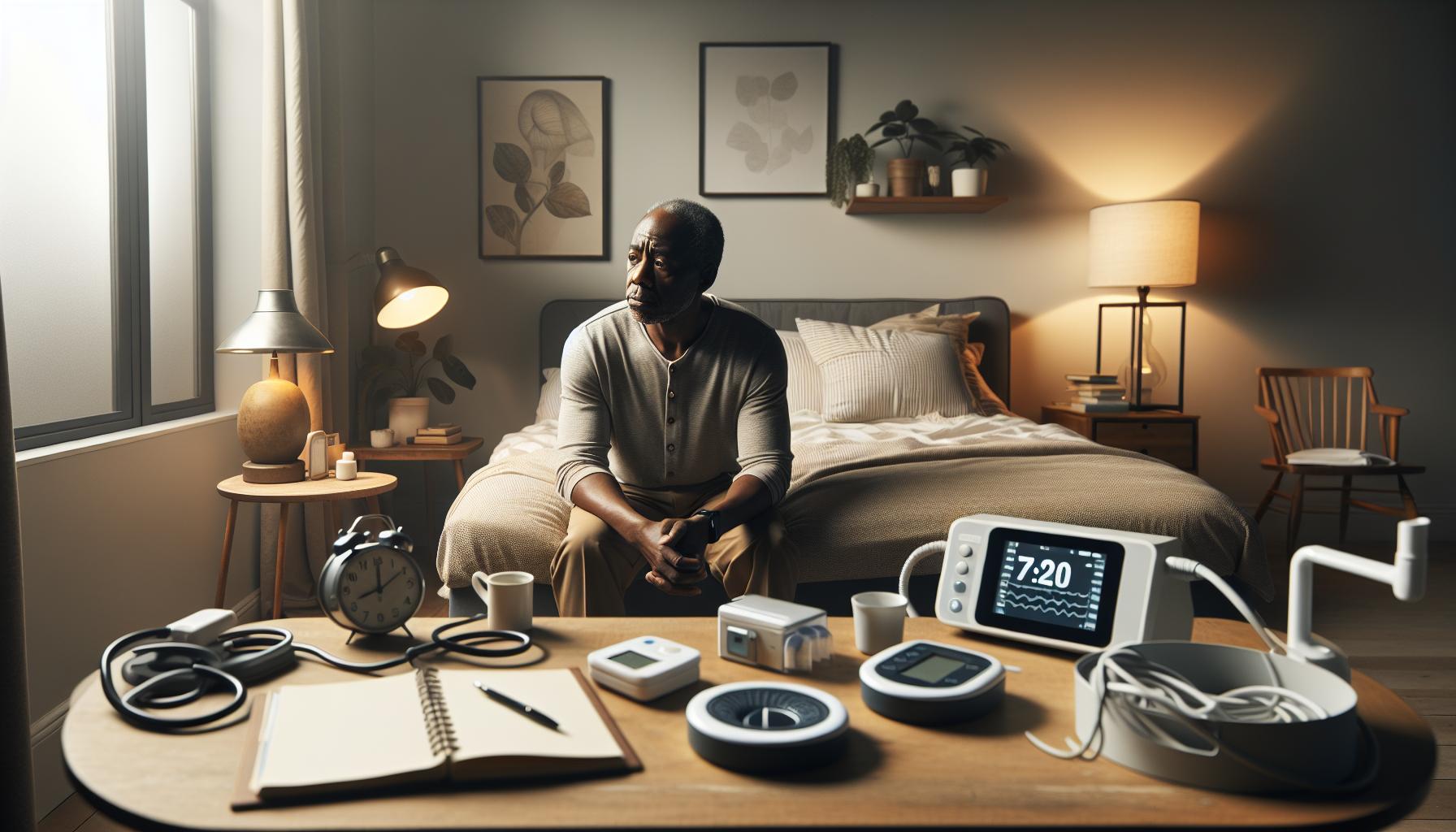
Navigating the decision to undergo a sleep study can feel overwhelming, especially with the complexities of sleep disorders and varying options available. One critical factor to consider is your symptoms: if you frequently experience excessive daytime sleepiness, loud snoring, or episodes of gasping for air during sleep, these may indicate conditions like sleep apnea. In such cases, a sleep study is imperative for an accurate diagnosis. A home sleep test can be a cost-effective first step, costing between $300 and $1,000, while in-lab studies provide comprehensive evaluations for more complex conditions, typically at a higher price point.
If you’re unsure whether to proceed with a sleep study, think about the impact your symptoms have on daily life. For instance, if you find it challenging to concentrate at work due to fatigue, that could signal a need for professional evaluation. Alternatively, if you only experience occasional sleepless nights, monitoring your sleep with a wearable tracker might suffice initially. Devices such as the Fitbit or Oura Ring can provide valuable insights into your sleep patterns without the need for immediate testing, allowing you to track trends over time without significant upfront costs.
Another scenario to consider is the presence of underlying health issues or lifestyle factors. If you have a history of cardiovascular problems, diabetes, or significant weight gain, seeking a formal sleep evaluation could be crucial; these factors often correlate with more severe sleep disorders. Consulting with a healthcare provider can help clarify the most suitable option, whether that’s an in-lab polysomnography or a simpler home test. Remember, the goal is to foster better health and quality of life, and the right sleep study can be a vital step in that journey.
Ultimately, the choice between a sleep study and home monitoring depends on symptom severity and how prepared you are to tackle potential sleep disorders. If you opt for a sleep study, being proactive about what to expect can ease anxiety. You can expect to undergo non-invasive monitoring that will provide vital information to guide effective treatment options. However, if you’ve previously used a home sleep device and have clear symptoms, discussing these results with a specialist may streamline your experience and lead to quicker intervention and relief.
Common Sleep Disorders Diagnosed in Sleep Studies
Sleep studies are vital tools for diagnosing a variety of sleep disorders, which can significantly impact overall health and well-being. Understanding the common disorders identified during these studies can empower you to make informed decisions regarding your sleep health.
Many individuals are affected by obstructive sleep apnea (OSA), a condition characterized by repeated pauses in breathing during sleep. These interruptions can lead to excessive daytime sleepiness and an increased risk of cardiovascular issues. Sleep studies help in pinpointing the severity of OSA and determining appropriate treatments such as CPAP (Continuous Positive Airway Pressure) therapy.
Another prevalent condition is insomnia, which involves difficulty falling or staying asleep. Sleep studies often reveal underlying issues such as anxiety, depression, or medical conditions contributing to insomnia. By understanding the root causes through a sleep study, effective management strategies can be developed.
Narcolepsy is another disorder frequently diagnosed through sleep studies. This neurological condition is marked by uncontrollable episodes of deep sleep during the day. A comprehensive study can differentiate narcolepsy from other sleep disorders, leading to a targeted treatment plan.
Other conditions, such as restless legs syndrome (RLS) and parasomnias (like sleepwalking or night terrors), may also come to light during a sleep study. Both have unique characteristics and can greatly affect sleep quality. By recognizing these disorders, healthcare providers can offer tailored interventions, whether it’s medication, lifestyle changes, or cognitive behavioral therapy.
The costs of sleep studies can vary widely based on the type and complexity of the disorder diagnosed. Understanding these common disorders and their implications can guide you in deciding whether a sleep study is necessary for your situation, potentially leading to better sleep and improved quality of life.
The Role of Wearable Sleep Trackers in Diagnosis
Wearable sleep trackers have become a popular choice for those looking to better understand their sleep patterns and overall health. These devices, often worn on the wrist or as a part of a sleep mask, use accelerometers and heart rate sensors to monitor your movement and physiological signals while you sleep. Surprisingly, research has shown that many of these wearables can provide insights comparable to professional sleep studies for basic sleep patterns, although they lack the comprehensive diagnosis capabilities of clinical evaluations.
When considering the role of wearable devices in sleep diagnosis, it’s important to acknowledge their limitations. While they can help identify general trends, such as total sleep time and sleep quality, they often fall short in diagnosing specific sleep disorders like obstructive sleep apnea or narcolepsy, which typically require more detailed assessments including polysomnography (a comprehensive sleep study). Wearables can, however, serve as a first step in understanding your sleep. For instance, if a tracker indicates consistently poor sleep quality or patterns of restlessness, this may prompt you to seek a professional evaluation.
Many consumers appreciate wearables for their accessibility and ease of use. They typically come without the hefty price tag associated with sleep studies, often costing between $50 to $300, whereas an in-clinic sleep study can range from $1,000 to $3,000 without insurance coverage. Therefore, for those on a budget or just starting to explore their sleep issues, these devices can provide a cost-effective way to gather data to discuss with healthcare providers.
While integrating wearable technology into your sleep health journey, remember to interpret the data with caution. It can be tempting to self-diagnose; yet, if your wearable presents concerning trends, consulting with a healthcare professional for a confirmed diagnosis remains crucial. By utilizing results from wearables alongside professional assessments, you can achieve a more comprehensive understanding of your sleep health and make informed decisions regarding any necessary interventions.
Tips for Navigating Out-of-Pocket Expenses in Sleep Health
Navigating the out-of-pocket expenses of a sleep study can feel overwhelming, but with the right strategies and insights, you can manage costs effectively. The first step is understanding the potential expenses involved in both in-clinic and at-home sleep studies. In-clinic studies can range from $1,000 to $3,000, while home sleep testing options typically cost between $300 and $600. These significant price differences often stem from the extent of the testing and the technology used. Knowing this can help you budget accordingly and explore options that work for your financial situation.
To minimize out-of-pocket costs, consider the following tips:
- Verify Insurance Coverage: Many insurance plans partially cover sleep studies, so contact your provider to understand what is included. Ask about copayments, deductibles, and any pre-authorization requirements.
- Seek In-Network Providers: Choose sleep centers and healthcare professionals that are in-network to reduce your expenses. In-network providers typically have negotiated rates with insurance companies, leading to lower out-of-pocket costs.
- Explore Payment Plans: If uninsured or underinsured, inquire whether the clinic offers payment plans that can break down the cost into manageable monthly payments.
- Utilize Flexible Spending Accounts (FSAs): If your employer offers an FSA, consider using these pre-tax dollars for medical expenses, including sleep studies.
Additionally, consider the role of wearable sleep trackers-they are significantly less expensive and can provide useful preliminary insights before committing to a full study. They typically range from $50 to $300, making them a budget-friendly starting point for understanding your sleep patterns. While they don’t provide the comprehensive diagnostic capabilities of clinical evaluations, they might highlight underlying issues worth discussing with your healthcare provider, which could lead to a more targeted and potentially less costly sleep study.
Finally, educate yourself about various sleep disorders and associated costs. Some conditions, like sleep apnea, often warrant sleep studies, while others may not require clinical testing as aggressively. By understanding your symptoms and communicating them effectively to your healthcare provider, you can ensure that any recommended testing is justified and necessary, ultimately protecting your financial health while seeking better sleep.
Q&A
Q: How much does a private sleep study typically cost out-of-pocket?
A: A private sleep study usually costs between $1,000 and $3,000, depending on the type of study and location. In-home sleep studies tend to be less expensive, ranging from $300 to $800. It’s important to inquire with local sleep centers for specific pricing information.
Q: What additional costs should I consider when planning a sleep study?
A: Besides the study fee, consider consultation fees, potential hospital or facility fees, and any follow-up appointments. Insurance may cover some costs, so review your plan for specifics. Check the “Insurance Coverage for Sleep Studies” section in our article for more insight.
Q: Are there payment plans available for private sleep studies?
A: Many sleep centers offer payment plans or financing options for out-of-pocket expenses. Contact the facility to inquire about available payment arrangements and any discounts for upfront payments.
Q: Will I receive a detailed report from my sleep study, and how much will that cost?
A: Yes, after your sleep study, you will receive a detailed report. The cost of this report is typically included in the study fee, but confirm this with the sleep center beforehand to avoid unexpected charges.
Q: How do costs for sleep studies compare in different states or regions?
A: Costs can vary significantly by location. Urban centers generally have higher fees due to demand and operational costs. Compare pricing via local sleep centers or check online resources for average costs in your area.
Q: Can a primary care doctor refer me for a private sleep study, and what is the cost?
A: Yes, a primary care doctor can refer you for a private sleep study. The referral itself is usually free, but the study’s out-of-pocket cost will depend on the facility. Review our section on “Comparing Costs: In-Clinic vs. At-Home Sleep Studies” for more information.
Q: Is financing a private sleep study worth it, and what should I know?
A: Financing a sleep study can make it more accessible but can also lead to added costs due to interest. Consider your financial situation and explore options like medical credit cards or interest-free loans before deciding.
Q: Are there any hidden fees associated with private sleep studies?
A: Always ask for a detailed breakdown of costs when scheduling your study. Hidden fees can include charges for additional services, equipment rentals, or follow-up consultations. Read the full guide on “Tips for Navigating Out-of-Pocket Expenses in Sleep Health” for thorough advice.
The Way Forward
In conclusion, understanding the costs and processes involved in a private sleep study empowers you to take control of your sleep health. With out-of-pocket pricing considerations, you can make informed decisions about whether a sleep study is right for you. Remember, early detection of sleep disorders can lead to better health outcomes, so don’t hesitate to explore your options. For further assistance, check out our guides on navigating insurance for sleep studies and the latest wearables that can complement your sleep monitoring.
If you found this information helpful, consider signing up for our newsletter to stay updated on sleep health tips and resources. Join our community, share your experiences in the comments, and explore related topics to enhance your understanding and management of sleep health. Your journey to better sleep starts here-take the next step today!
Get our latest guides, news, and insights highlighted in your Google Search & AI Overviews.