
Did you know that nearly one in three adults suffers from sleep-related issues? For many, quality rest is elusive, leading to daytime fatigue and decreased productivity. If you’ve turned to wearable technology like the Fitbit Inspire 3 to monitor your sleep patterns, you’re not alone. Accurate sleep tracking can empower you to make informed decisions about your health, but how reliable are these devices?
In this review, we’ll dive into the Fitbit Inspire 3’s sleep tracking capabilities, exploring its features, strengths, and limitations. Whether you’re looking to improve your sleep quality or simply curious about how well this device performs, understanding its accuracy is vital. Join us as we unpack what the Inspire 3 can-and cannot-tell you about your sleep, allowing you to take control of your nighttime routine and overall well-being.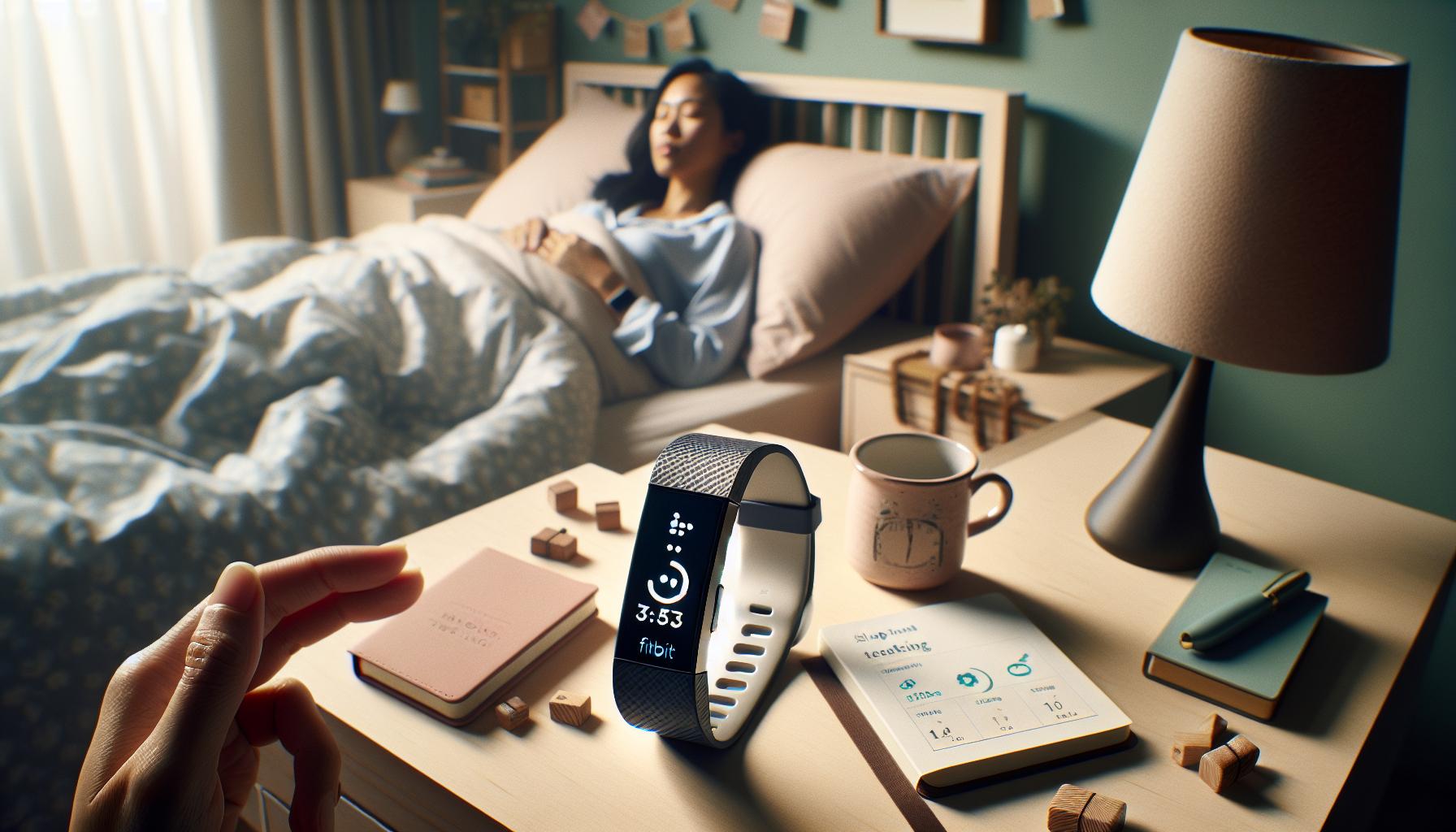
Understanding Fitbit Inspire 3 Sleep Tracking Technology
Sleep is often referred to as the body’s natural reset button, but how can you be sure you’re getting quality rest? The Fitbit Inspire 3 offers sophisticated sleep tracking technology designed to provide insights into not only how long you sleep but also the quality of that sleep. This wearable captures various data points, including heart rate, movement, and even insights into sleep stages, providing a comprehensive overview of your sleep patterns.
Understanding how the Fitbit Inspire 3 measures sleep is essential for users looking to enhance their sleep quality. The device utilizes advanced sensors to monitor changes in your heart rate and movement throughout the night. When you wear the Inspire 3 during sleep, it records periods of wakefulness, light sleep, deep sleep, and REM sleep. By analyzing this data, the tracker can provide a detailed breakdown of how much time you spend in each stage, helping you to understand your overall sleep health.
One of the standout features of the Fitbit Inspire 3 is its ability to suggest personalized insights. Through the Fitbit app, users can review nightly scores that indicate how well they managed stress, whether they were ready for physical activity the next day, and if they’re on track to meet their health goals. These tailored recommendations can serve as a foundation for better sleep hygiene practices and adjustments to daily routines.
While the Fitbit Inspire 3 is a powerful tool for sleep tracking, users should be aware of its limitations. Unlike professional sleep studies that monitor brain activity and other physiological indicators, the Inspire 3 provides estimates based on movement and heart rate data. This means that while it can give a good sense of sleep quantity and general quality, it may not capture the complete picture for individuals with severe sleep disorders. Ultimately, the Inspire 3 is best used as a complementary tool alongside good sleep habits.
In summary, understanding the technology behind the Fitbit Inspire 3 helps users take informed steps towards optimizing their sleep. By integrating its insights into daily routines, you can cultivate better sleep practices and work towards achieving a more restorative sleep cycle.
How Does Fitbit Inspire 3 Measure Sleep?
The Fitbit Inspire 3 employs advanced technologies to measure sleep and provide insights into your nightly rest. This device utilizes motion sensors and heart rate monitoring to analyze your sleep patterns. As you wear the Inspire 3 during the night, it keeps track of your movement and heart rate variations, which are indicators of different sleep stages-light sleep, deep sleep, REM sleep, and time spent awake. By interpreting this data, the device can generate a detailed report that includes how long you spend in each sleep stage, allowing you to gain a clearer understanding of your sleep quality.
To set up sleep tracking, simply wear the Fitbit Inspire 3 while you sleep. The device calibrates itself to your personal sleep rhythms over time, providing increasingly accurate readings with consistent use. The paired Fitbit app not only records your sleep duration but also assigns a sleep score based on various metrics, like sleep duration and disturbances throughout the night. This score helps users quickly assess their sleep quality at a glance.
Many users express satisfaction with Fitbit’s ability to provide daily insights, which can lead to actionable changes in behavior. For instance, if the tracker indicates insufficient REM sleep, individuals might adjust their bedtime routine or daytime activities to improve their nighttime rest. Understanding the device’s feedback fosters better sleep hygiene practices, empowering users to take control of their sleep health.
However, it’s important to recognize that while the Fitbit Inspire 3 is a valuable tool, it cannot replace comprehensive evaluations conducted in sleep studies. Unlike clinical assessments that analyze brain activity and other vital signs, the Inspire 3 mainly relies on heart rate and movement data, meaning its findings should be interpreted as estimates rather than definitive conclusions-especially for those dealing with serious sleep disorders. Hence, while it contributes significantly to sleep awareness, for deeper analysis of sleep issues, consulting a healthcare professional is recommended.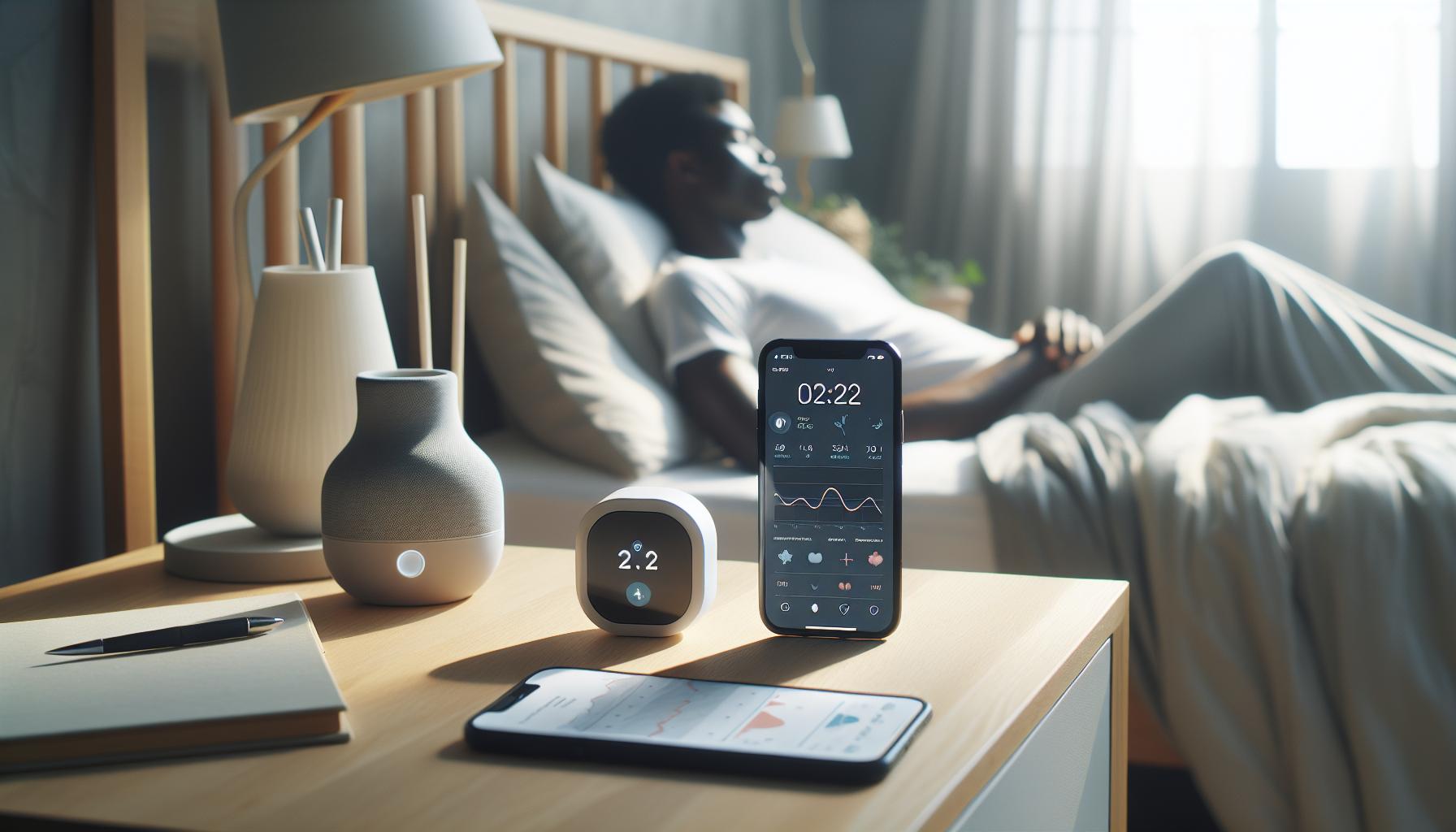
Accuracy of Sleep Data: What Users Can Expect
Wearing the Fitbit Inspire 3 can provide you with a wealth of data about your sleep patterns, but how accurate is that data? Users can expect a reasonably high level of accuracy from this device, although it’s essential to understand its capabilities and limitations. The Inspire 3 leverages both motion sensors and heart rate monitoring to estimate the different stages of sleep. This combination means that you’ll receive insights into how long you spend in light, deep, and REM sleep, as well as periods of wakefulness throughout the night.
One notable aspect of the Inspire 3 is its adaptive calibration over time. As you consistently wear the tracker during sleep, it learns your individual sleep patterns, which can lead to more accurate readings. Many users report finding value in the daily feedback this tool provides, enabling them to identify areas for improvement, such as increasing deep sleep duration or reducing nighttime awakenings. However, it’s crucial to remember that while the Inspire 3 offers a good approximation of sleep quality, it operates primarily on algorithms developed from general data, and individual variations may affect results.
For those concerned about the precision of the sleep data from Fitbit, consider it a useful starting point rather than an absolute measure. Users often find that comparing their Inspire 3 data over time yields meaningful insights into their sleep habits, empowering them to make positive lifestyle changes. Still, if you’re experiencing severe sleep issues, consulting with a healthcare provider or undergoing a formal sleep study may provide a more comprehensive understanding of your sleep health.
Lastly, for maximizing the accuracy of sleep data collection with the Inspire 3, ensure a snug fit of the device throughout the night. This will help in effectively tracking heart rate changes and movements, providing clearer insights into your sleep health and overall well-being.
Comparing Fitbit Inspire 3 to Other Sleep Trackers
When considering sleep tracking devices, the Fitbit Inspire 3 stands out among various products given its balance of affordability and functionality. However, understanding how it compares to other sleep trackers can be vital in determining if it’s the right fit for individual needs.
The Inspire 3 utilizes both heart rate monitoring and motion sensors to analyze sleep stages, providing users with insights into light, deep, and REM sleep, as well as periods of wakefulness. In comparison, devices such as the Oura Ring and Apple Watch offer more advanced features like body temperature tracking and sleep environment analysis. While the Inspire 3 is often priced around $100, the Oura Ring can start from $299, reflecting its premium features and design.
For those who prioritize data accuracy and a comprehensive understanding of their sleep health, the Whoop Strap provides detailed insights into sleep recovery, heart rate variability, and strain, but it requires a subscription that can add up over time. Conversely, the Inspire 3 provides valuable sleep tracking without a subscription, making it a cost-effective option for casual users.
Key factors to consider when comparing these devices include:
- Cost: The Inspire 3 is more affordable, while others like the Oura Ring and Apple Watch come with a higher price tag.
- Features: Some trackers offer advanced metrics such as temperature variations and detailed environmental assessments, while the Inspire 3 focuses on core metrics.
- Subscription Fees: Devices like Whoop have ongoing costs, whereas the Inspire 3 delivers comprehensive insights without extra monthly fees.
- Accuracy: While Fitbit provides good accuracy for average consumers, professional devices often offer more precise measurements geared towards serious athletes or medical requirements.
Ultimately, the choice between the Fitbit Inspire 3 and other sleep trackers depends on individual needs and lifestyle. For most users seeking general sleep insights without the burden of subscriptions or exorbitant costs, the Inspire 3 is a reliable choice. However, those with more specific health goals or serious sleep disorders may benefit from exploring devices that offer enhanced data analysis.
Common Sleep Issues Identified by Fitbit Inspire 3
Understanding common sleep issues is crucial for anyone looking to improve their sleep quality. The Fitbit Inspire 3 stands out for its ability to provide valuable insights into sleep patterns, helping users identify potential problems such as sleep fragmentation, insufficient sleep duration, and differing sleep stages.
One frequent issue flagged by users is sleep fragmentation, which refers to frequent awakenings throughout the night. The Inspire 3 can detect these disturbances by analyzing movements and heart rate variability during sleep, providing a clearer picture of how restful the sleep was overall. If you notice that the tracker is identifying multiple awakenings, it may be beneficial to reflect on lifestyle factors like stress or late-night screen time that could disrupt sleep.
Another significant concern is insufficient sleep duration. The Fitbit Inspire 3 helps users track total sleep time and the balance between light, deep, and REM sleep. Many people aim for 7-9 hours of sleep, but busy lifestyles often lead to reduced sleep times. If your Inspire 3 indicates consistently low sleep duration, you might consider adjustments to your evening routine or prioritize sleep just as you would any other commitment.
Additionally, users often note the clarity of their sleep stages provided by the Inspire 3. Understanding your time spent in each stage-light, deep, and REM-can be enlightening. For instance, too little REM sleep might leave you feeling unrefreshed upon waking, even if total sleep time seems adequate. Recognizing these patterns can inspire users to seek environments conducive to deeper sleep, such as reducing noise and light exposure before bed.
Lastly, the Fitbit Inspire 3 fosters awareness of sleep quality, which encompasses more than just the duration. Being mindful of these insights allows users to address and take actionable steps toward common sleep issues, ultimately leading to more restorative nights and better overall health. Consider how these insights align with your personal sleep challenges and explore strategies to enhance your nightly rest.
User Experiences: Real-Life Sleep Tracking Stories
The Fitbit Inspire 3 has transformed the way many individuals perceive their sleep. Users have shared compelling accounts of how this tracker has both highlighted sleep issues they weren’t aware of and provided actionable insights to lead to better rest. For instance, Jenna, a busy working mom, found that her Inspire 3 revealed she was averaging only five hours of sleep consistently. This data prompted her to enhance her bedtime routine and cut down on screen time, resulting in a more balanced sleep schedule of nearly seven hours.
John, another user, became alarmed when he noticed that his device frequently identified disturbances during his sleep. With the Inspire 3 indicating multiple awakenings, he decided to investigate potential disruptions in his environment. After removing a noisy air purifier and ensuring his bedroom was dark, he reported not only improved sleep quality but also a significant increase in his time spent in deep sleep.
Moreover, some users have shared that they appreciated connecting with the Inspire 3’s sleep stage tracking. Emily discovered that while she felt rested after about six hours of sleep, her tracker showed she was lacking adequate REM sleep-a crucial phase for cognitive restoration. This led her to prioritize her sleep both in duration and quality, ultimately making more informed lifestyle choices.
While these experiences are encouraging, it’s essential to acknowledge some limitations. Many users note discrepancies in sleep stage detection compared to sleep studies, leading to further curiosity about the accuracy of such devices. This reinforces the need for a multifactorial approach to sleep health-where wearables like the Inspire 3 serve as helpful tools but not definitive diagnostics. It’s wise to remain open to the possibility of seeking professional guidance, especially if sleep issues persist despite using the device.
The real-life stories of Inspire 3 users illustrate the meaningful impact this technology can have on understanding sleep, highlighting the balance between tracking advancements and the importance of informed sleep practices.
Limitations of Fitbit Inspire 3 Sleep Tracking
While the Fitbit Inspire 3 has gained popularity for its sleep tracking capabilities, it’s important to recognize its limitations. One of the primary concerns among users is that sleep stage detection may not align precisely with clinical sleep studies. Many people have reported discrepancies between the sleep data provided by the Inspire 3 and results from polysomnography, a standard method used to diagnose sleep disorders. This raises questions about the accuracy of the device, especially when individuals rely on it to identify underlying sleep issues.
Another notable limitation is the potential for false awakenings or misunderstandings regarding sleep disruptions. The Inspire 3 uses movement sensors and heart rate variability to estimate sleep stages, which can sometimes misclassify periods of stillness or shallow sleep as deep sleep. This discrepancy can lead to users feeling misinformed about their actual rest quality, which can be frustrating and counterproductive in their sleep improvement efforts.
Additionally, the Fitbit Inspire 3’s accuracy can vary based on individual differences. Factors such as age, sleep environment, and personal health conditions can affect how well the device tracks sleep. For example, individuals with sleep apnea may experience interruptions that the tracker cannot accurately record, potentially overlooking key health indicators. Therefore, while the device offers valuable insights, its findings should be interpreted with caution and not seen as a substitute for professional evaluation.
Finally, users should remember that wearables like the Inspire 3 are primarily designed for general wellness tracking, not clinical diagnostics. The information they provide can serve as a helpful starting point for discussions with healthcare providers, but persistent sleep issues warrant further investigation through professional sleep studies. In summary, while the Fitbit Inspire 3 can illuminate patterns and assist in identifying potential sleep issues, it is not infallible. Empower yourself by using the data it provides to guide informed decisions while being mindful of its limitations.
Tips for Improving Sleep Tracking Accuracy
To enhance the accuracy of sleep tracking with your Fitbit Inspire 3, understanding how the device works and implementing a few practical strategies can make a significant difference. The Inspire 3 primarily relies on motion sensors and heart rate data to determine when you fall asleep, when you wake up, and the different stages of your sleep cycle. Here are some tips to improve your sleep tracking experience:
Consistent Sleep Schedule
Maintaining a regular sleep schedule can help your Inspire 3 provide more reliable insights. Try to go to bed and wake up at the same time every day, even on weekends. This consistency can help your body establish a predictable rhythm.
Proper Device Positioning
Ensure that your Fitbit Inspire 3 is securely fastened on your wrist. A snug fit allows for better heart rate measurements and increased accuracy in monitoring movement throughout the night. If you find the watch is too loose, consider adjusting the band or wearing it higher on your wrist, as a better position can improve sensor contact.
Optimize Your Sleep Environment
Consider factors in your sleep environment that could affect your tracking data. Aim for a dark, cool, and quiet space. If you frequently wake up, it might be due to external disturbances that the device struggles to categorize correctly, so eliminating noise and light can contribute to higher quality sleep and more accurate readings.
Review Sleep Data Regularly
Take the time to regularly review your sleep data through the Fitbit app. If you notice discrepancies or patterns that seem inconsistent with how you feel during the day, consider adjusting your sleep habits or discussing your findings with a healthcare provider. Keeping a journal of your sleep quality can also help you identify potential correlations with lifestyle choices, such as caffeine intake or exercise.
By integrating these simple practices into your nightly routine, you can enhance the Fitbit Inspire 3’s ability to track your sleep accurately. Remember, while the device can provide valuable insights, it is essential to listen to your body and consult with healthcare professionals if sleep issues persist.
Interpreting Your Sleep Data: A Guide for Users
Understanding and interpreting the data collected by your Fitbit Inspire 3 can seem daunting at first, but it offers valuable insights into your sleep patterns that can help improve your overall health. Each time you wear your device to sleep, it records various metrics, including total sleep time, sleep stages (light, deep, and REM sleep), and even how many times you wake throughout the night. By discerning these data points, you unlock the potential to tailor your sleep habits for better rest.
Start by familiarizing yourself with the Fitbit app. Once synced, your sleep data will be visualized in graphs that demonstrate trends over time. Look for patterns-are you consistently getting less sleep on weekends? Are there days where sleep quality drops significantly? These trends can act as a red flag and prompt you to investigate further. For instance, many users find that high caffeine intake or late-day exercise can disrupt their sleep cycles, which can be reflected in the app’s data.
Understanding Sleep Stages
The Inspire 3 breaks down your sleep into different stages, which provides insights into the quality of your sleep. Here’s what to look for:
- Light Sleep: This stage makes up a significant portion of your night and is essential for your body to transition between wakefulness and deeper sleep.
- Deep Sleep: Crucial for physical recovery and health, deep sleep is when the body repairs itself. If you notice low percentages in this stage, consider adjusting your sleep environment and bedtime routine.
- REM Sleep: This stage is vital for memory and emotional processing. A reduction in REM can indicate stress or disturbances during the night.
Using Data to Your Advantage
To effectively use your sleep data, consider establishing a sleep diary. Note variables such as daily stress levels, caffeine intake, and any exercise activities. Compare these notes with your Fitbit data to identify connections. For example, you might find that nights following intense workouts lead to deeper sleep or that excessive screen time impacts REM sleep.
Remember, while the Fitbit Inspire 3 offers helpful insights, its readings are estimates. Individual variations in sleep experience, such as medical conditions or unique habits, might not be fully captured. Use the data as a guiding tool rather than an absolute metric. If discrepancies arise between how you feel and what the data suggests, it may be worth consulting a healthcare professional who can help interpret your individual needs.
By taking time to engage with and analyze your sleep data, you position yourself to make informed decisions that enhance your sleep quality, ultimately contributing to better health and well-being.
Integrating Fitbit Inspire 3 with Sleep Habits
Integrating the Fitbit Inspire 3 into your sleep habits can significantly enhance your ability to track and improve your sleep quality. This tracker not only provides data on your sleep duration but also offers insight into the quality of your sleep through detailed metrics like light, deep, and REM sleep stages. To get the most out of your Fitbit, start by establishing consistent bedtime routines that align with your tracked data.
One effective way to integrate your Fitbit data into your habits is by setting specific sleep goals. Based on the insights you gather, determine how many hours of sleep you need to feel rested. If the tracker indicates you’re frequently getting less sleep than needed, try adjusting your bedtime by 15 to 30 minutes earlier each night until you hit your target sleep duration. You can also experiment with your pre-sleep activities-like reducing screen time or introducing calming activities such as reading or meditation-to see how these adjustments affect your sleep stages as reflected in the app.
Utilizing the Fitbit app can further aid in this integration. Use its sleep insights to identify patterns-are there particular days when your sleep quality dips? By cross-referencing these trends with your daily activities, like exercise or caffeine intake, you can pinpoint specific habits that may negatively impact your sleep. For instance, some users find that intense workouts later in the evening might disrupt their ability to fall asleep or stay asleep, which can be evident in lower deep sleep percentages on the Fitbit.
Additionally, don’t overlook the importance of consistency in your sleep environment. The Fitbit Inspire 3 can help highlight how environmental changes-like room temperature, noise, and light exposure-affect your rest. Use the data to make necessary adjustments to create a more conducive sleep environment. By being proactive and embracing these insights, you empower yourself to not only monitor but also enhance your sleep habits, leading to better overall health and well-being.
The Role of Sleep Stages in Tracking Accuracy
Understanding sleep stages is crucial for evaluating the accuracy of sleep tracking devices like the Fitbit Inspire 3. The device distinguishes between different sleep stages-light, deep, and REM sleep-based on heart rate variability and movement throughout the night. By analyzing these factors, the Fitbit Inspire 3 can provide a comprehensive picture of your sleep quality, revealing not just how long you sleep, but the restorative functions that various sleep stages serve.
The Importance of Sleep Stages
A solid night’s sleep consists of cycles that include multiple stages, each playing a distinct role in physical and mental recovery. For instance, deep sleep is vital for physical restoration, energy replenishment, and overall health, while REM sleep contributes to cognitive functions like memory consolidation and emotional balance. Understanding how much time you spend in these stages can help you target specific areas for improvement. If your data shows minimal deep sleep, you might explore lifestyle changes such as reducing caffeine intake before bed or increasing your physical activity during the day to promote deeper rest.
Factors Impacting Tracking Accuracy
While the Fitbit Inspire 3 offers a sophisticated approach to sleep stage tracking, it’s essential to recognize its limitations. The accuracy of these measurements can be affected by various factors, including how securely the device fits on your wrist and whether you sleep with it covered under blankets. To enhance accuracy, it’s best to wear the tracker snugly and consistently each night, ideally in a position that minimizes movement interference. Users have noted that varying sleep environments-such as changes in light or noise-can also skew results, making it important to create a stable sleep setting.
Practical Steps for Better Data
To get the most from your Fitbit Inspire 3, consider maintaining a consistent sleep schedule. Going to bed and waking up at the same time each day can help regulate your body’s internal clock, potentially leading to better sleep quality. Additionally, use the insights gained from the Fitbit app to correlate sleep patterns with daily habits. If you notice that certain activities negatively impact your sleep stages, such as late-night screen time or alcohol consumption, making adjustments could significantly enhance the quality of your sleep and the accuracy of your sleep tracking data.
In summary, recognizing gives you a more nuanced understanding of your sleep health. By leveraging the capabilities of the Fitbit Inspire 3 while maintaining mindful habits and a conducive sleep environment, you can improve both your sleep quality and the data reported by your device.
When to Invest in Professional Sleep Studies
Investing in a professional sleep study can be a critical step toward understanding and improving your sleep health, especially when at-home tracking devices like the Fitbit Inspire 3 suggest potential issues. While wearables can provide a general overview of your sleep patterns, they lack the comprehensive insights that a sleep study can offer. A polysomnography test-usually conducted in a sleep clinic-monitors brain waves, oxygen levels, heart rate, and breathing to create a detailed picture of your sleep stages and overall health.
When to Consider a Professional Sleep Study
- Persistent Sleep Issues: If you frequently experience insomnia, excessive daytime sleepiness, or sleep disruptions that don’t seem to improve with lifestyle changes or tracking devices, it might be time to seek a professional evaluation. The key symptoms indicating a need for further testing include:
– Snoring followed by pauses in breathing (possible sleep apnea)
– Chronic fatigue despite adequate sleep hours
– Difficulty staying awake during the day
- Medical Background: Individuals with pre-existing conditions like obesity, high blood pressure, or significant mental health concerns should also consider undergoing a sleep study. These factors can contribute to more severe sleep disorders that typical fitness trackers may not accurately capture.
- Limited Tracker Insights: If your Fitbit Inspire 3 reports irregularities such as excessive time in light sleep or issues with REM stages without sufficient context, a sleep study can help clarify whether these concerns point toward deeper issues requiring medical attention.
The Cost and Process of Sleep Studies
Before deciding on a sleep study, it’s helpful to understand what to expect. The costs of a sleep study can vary, often ranging from $300 to $3,000 depending on factors like your insurance coverage and the specific tests performed. Here’s a brief overview of the typical process:
- Consultation: Start with a meeting with a sleep specialist who will review your symptoms and history.
- Study Setup: A professional sleep study can either be in a lab or through a home sleep test, with the latter being more convenient and less costly.
- Results Interpretation: A sleep technician will analyze the collected data, providing insights that go beyond the capabilities of consumer wearables.
Receiving the results of a sleep study can be a relief, especially when you finally understand the underlying issues affecting your sleep quality. The insights gained from a professional evaluation can guide treatment options, whether they involve lifestyle changes, cognitive-behavioral strategies, or medical interventions.
Professional sleep studies are vital for anyone whose sleep problems are persistent or affecting their quality of life. When used judiciously alongside wearable technology, they can empower you to take charge of your sleep health more effectively.
Q&A
“`markdown
Q: How reliable is the Fitbit Inspire 3 sleep tracking compared to professional sleep studies?
A: The Fitbit Inspire 3 offers a convenient way to monitor your sleep patterns, but it is not as reliable as professional sleep studies. While it provides useful insights into sleep stages and duration, it may not accurately diagnose sleep disorders. For serious concerns, consult a healthcare professional.
Q: What factors can affect the accuracy of Fitbit Inspire 3 sleep tracking?
A: Several factors can impact the accuracy of the Fitbit Inspire 3 sleep tracking, including how snugly the device fits, movement during sleep, and external disturbances. Ensure the device is worn correctly and consider using it in a consistent sleep environment to enhance reliability.
Q: Can the Fitbit Inspire 3 differentiate between different sleep stages?
A: Yes, the Fitbit Inspire 3 can differentiate between sleep stages such as light, deep, and REM sleep. However, while it provides estimations, it uses movement patterns rather than brain activity, so the data should be viewed as informative rather than definitive.
Q: How can I improve the accuracy of my Fitbit Inspire 3 sleep tracking?
A: To enhance the accuracy of your Fitbit Inspire 3, ensure it is worn securely, maintain a consistent sleep schedule, and minimize electronic device usage before bed. Additionally, regularly update the device software to benefit from accuracy improvements suggested by Fitbit.
Q: What should I do if my Fitbit Inspire 3 sleep data seems incorrect?
A: If you notice inaccuracies in your Fitbit Inspire 3 sleep data, first check the device fit and settings. If issues persist, consider recalibrating the device and ensuring it is updated. For persistent discrepancies, consult Fitbit support for troubleshooting tips.
Q: How does Fitbit Inspire 3 sleep tracking affect its battery life?
A: Using sleep tracking on the Fitbit Inspire 3 generally consumes minimal battery compared to other features, allowing for up to 10 days of battery life. Limiting notifications and using battery-saving modes can help preserve battery life even with continuous sleep tracking.
Q: Is the sleep tracking feature of the Fitbit Inspire 3 worth it?
A: Yes, the sleep tracking feature of the Fitbit Inspire 3 is considered valuable for those wishing to gain insights into their sleep habits. While it may not be clinically precise, the trends it reveals can help you identify areas for improvement in your sleep routine.
Q: How does the Fitbit Inspire 3 compare to other sleep trackers on the market?
A: The Fitbit Inspire 3 offers competitive sleep tracking capabilities, including heart rate monitoring and sleep stage analysis. However, when compared to higher-end models, such as those from Withings or Garmin, it may lack some advanced features. For more detailed comparisons, check the section on comparing sleep trackers in our main article.
“`
In Conclusion
In conclusion, the Fitbit Inspire 3 sleep tracking feature offers a blend of convenience and insight, helping users better understand their sleep patterns. Whether you’re looking to improve your rest or monitor sleep disturbances, utilizing this device can be a valuable step towards better sleep health. If you have lingering questions about its accuracy or how it compares to clinical sleep studies, check out our related articles on how wearables measure sleep and navigating sleep studies for deeper insights.
Don’t wait to enhance your sleep quality! Explore our website for more tips on maximizing your Fitbit experience and join our newsletter for exclusive insights on health trends. Engaging with our content not only informs your decisions, it helps us tailor resources specifically for your needs. Let’s keep the conversation going-share your experiences with sleep trackers in the comments below!
Get our latest guides, news, and insights highlighted in your Google Search & AI Overviews.