
Did you know that about one in three American adults struggle to get enough sleep, leading to significant health consequences? If you’re among the many concerned about your sleep quality, understanding how much a sleep study at home costs and your affordable testing options is crucial. Home sleep studies offer a convenient way to evaluate sleep patterns, and they can be effective in diagnosing sleep disorders like sleep apnea. In this article, we will explore the costs involved, what to expect during a home sleep study, and how you can easily set up these tests. By empowering yourself with this knowledge, you can make informed decisions about your sleep health, paving the way for better rest and rejuvenation.
Understanding the Cost of At-Home Sleep Studies
is crucial for anyone considering this option for diagnosing sleep apnea or other sleep disorders. Typically, the price for these tests can range from $150 to $600, depending on factors such as the provider, the complexity of the test, and the technologies used. Many people find at-home sleep studies a more affordable alternative to in-lab testing, which could cost $1,000 or more. Since insurance companies often cover a portion of sleep studies, it’s essential to check with your provider regarding coverage details.
When budgeting for your sleep study, consider additional costs that may arise. For instance, if your sleep study service includes a consultation with a sleep specialist, there may be separate fees involved for that consultation. Additionally, some devices may require a rental or deposit fee, which would add to your overall costs. Understanding the features and capabilities of different testing equipment can also influence your decision. For example, some devices may provide basic monitoring, while others offer advanced data analysis and insights, which might justify a higher price.
Before committing to an at-home sleep study, it’s advisable to research various providers and their offerings. You can often find bundled packages that might offer diagnostic consultations alongside testing devices. Online services tend to be more competitive, with many allowing you to connect with licensed healthcare providers virtually, which can save on travel and in-person consultation costs as well. Remember, the aim is to find a balance between cost and the reliability of the test results, considering what best fits your specific needs and financial situation.
In sum, by taking the time to explore your options and understand the potential costs associated with at-home sleep studies, you can make a more informed choice that aligns with your health goals and financial realities. This proactive approach not only alleviates concerns about affordability but also empowers you to prioritize your sleep health effectively.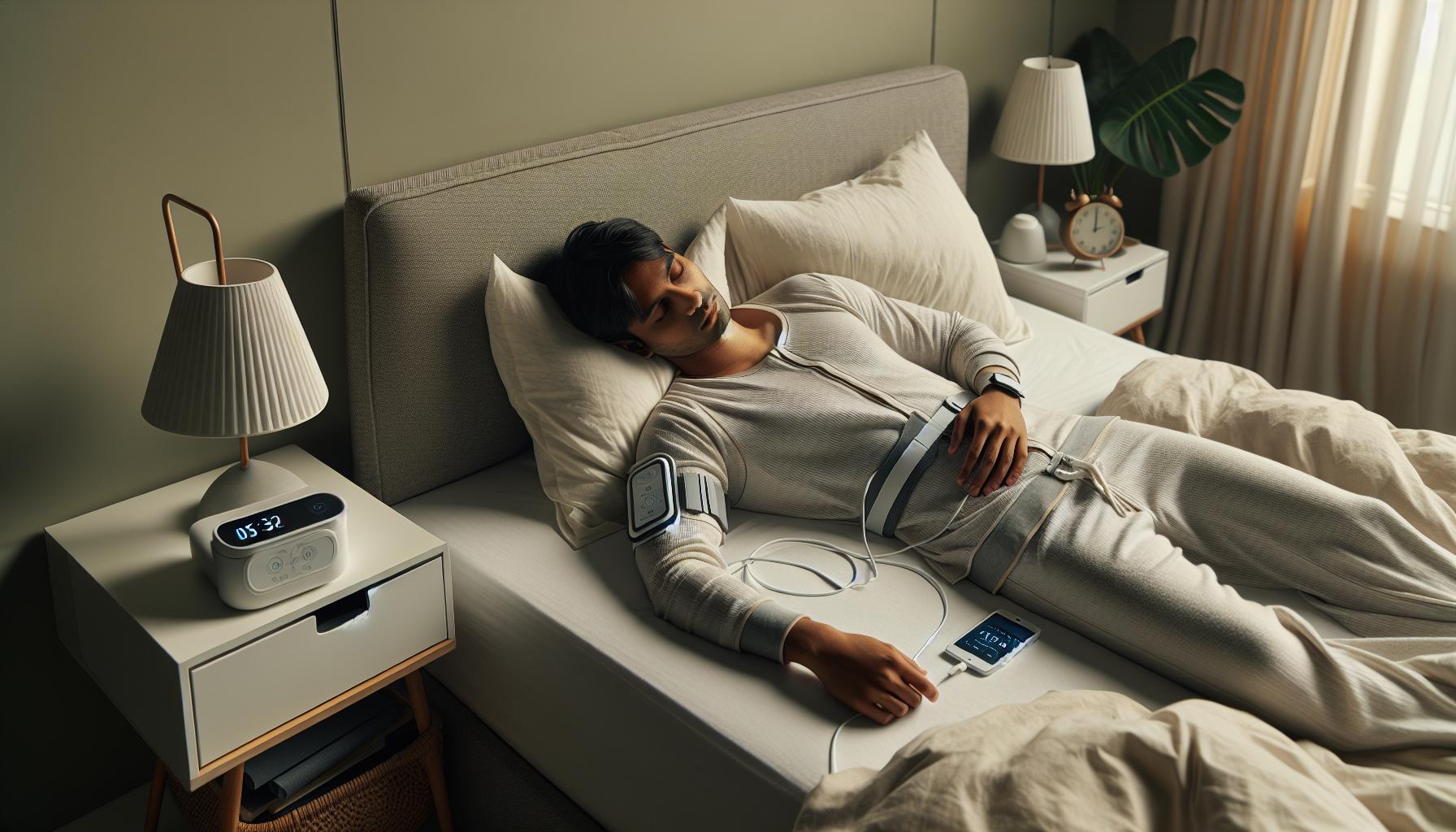
What to Expect During a Home Sleep Study
During an at-home sleep study, you’ll embark on a journey towards uncovering the secrets of your sleep patterns, all from the comfort of your own bed. Imagine laying down in your familiar environment while a small, easy-to-use device captures essential data about your sleep. That’s the beauty of home sleep studies: they simplify the often daunting process of monitoring sleep without the sterile atmosphere of a sleep lab.
Before starting, it’s crucial to receive a brief tutorial on how to set up the equipment. Typically, this involves placing sensors on your body to monitor your breathing, oxygen levels, and heart rate. You might connect a small device to your fingertip to measure oxygen saturation and wear a belt around your chest to track breathing patterns. Here are some common components of the home testing device:
- Nasal cannula or thermistor: Monitors airflow during sleep
- Pulse oximeter: Measures oxygen levels
- Chest strap: Tracks breathing effort
It’s important to ensure that everything is securely in place before you go to sleep. Although the equipment is designed for ease of use, some people might feel anxious or uncomfortable at first. This is entirely normal! A tip for easing any anxiety is to practice relaxation techniques or listen to calming music before bed. Managing your environment-keeping the room dark, quiet, and at a comfortable temperature-can make all the difference in helping you settle down and sleep soundly.
After you wake up, you’ll simply remove the equipment and send it back for analysis, usually through a prepaid shipping label provided by the service. Most providers will give you results within a few days, which will be evaluated by a healthcare professional who will then discuss the findings with you. This follow-up is a great opportunity not only to review results but also to explore potential next steps for improving your sleep quality. By embracing the insights gained from this simple, at-home procedure, you can empower yourself to take informed actions toward achieving restorative sleep.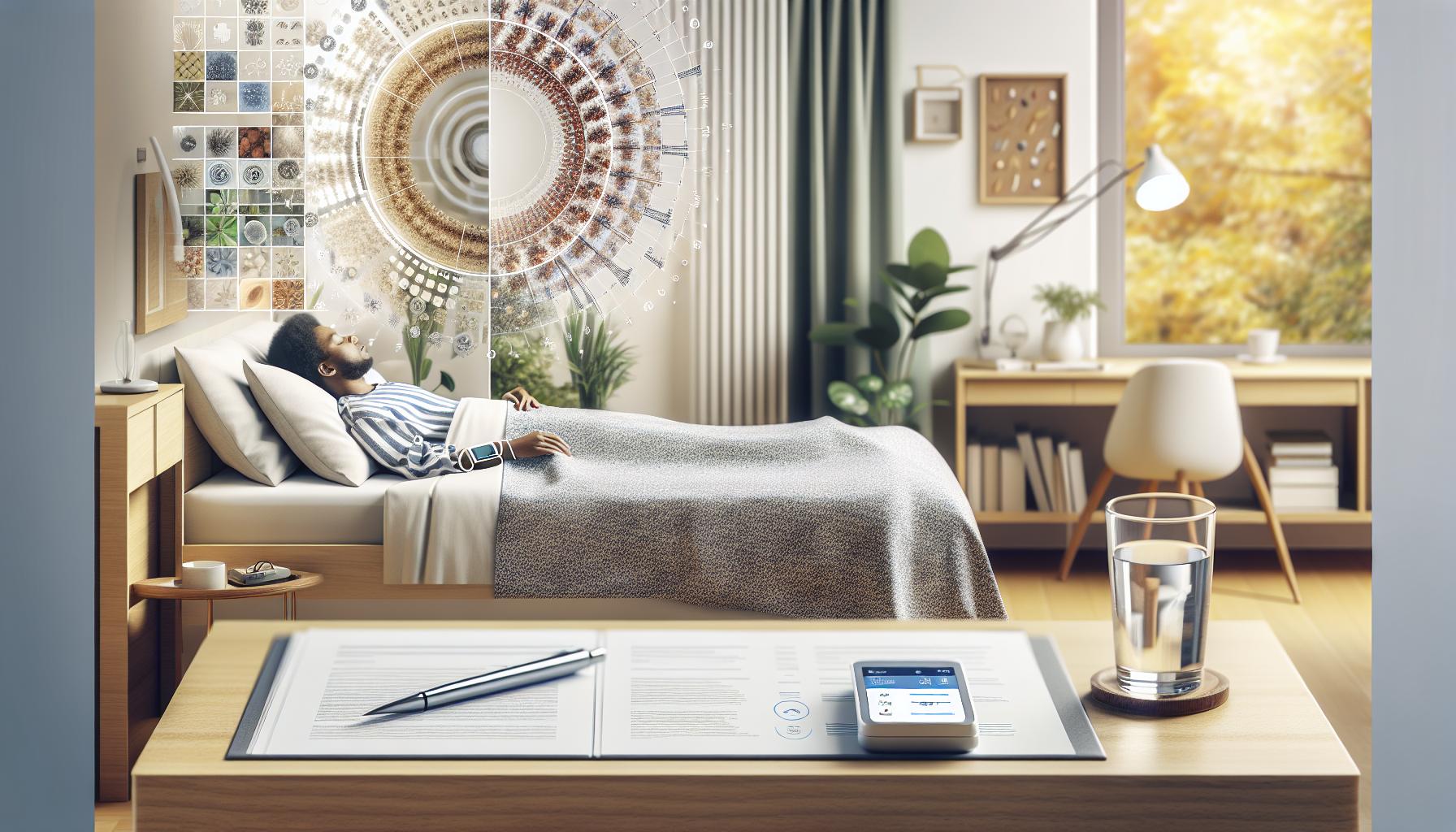
Essential Setup Steps for Home Testing
Setting up for a home sleep study might feel daunting, but it is an essential step that can significantly affect the data quality and results you receive. With just a bit of preparation, you can ensure that your home sleep testing experience is seamless and effective.
Begin by carefully reviewing any instructions provided by your testing service. They often include a video tutorial or written guide that explains how to properly position the sensors. The primary equipment typically includes a nasal cannula or thermistor for airflow monitoring, a pulse oximeter for measuring blood oxygen levels, and a chest strap that tracks breathing efforts. Proper placement of these components is vital; the nasal cannula should fit snugly to ensure accurate airflow readings, while the pulse oximeter needs to be securely attached to your fingertip.
Before you go to sleep, take time to familiarize yourself with the equipment. This helps in reducing anxiety that can come from using unfamiliar devices. It’s a good idea to practice wearing the sensors for 15-30 minutes while awake to ensure comfort and to troubleshoot any potential issues, such as a loose strap or incorrect placement. If you find any parts uncomfortable, adjust them until you feel at ease.
Once you’re ready to sleep, create a conducive environment. Darkness, minimal noise, and a comfortable temperature can enhance your chances of a restful night, leading to better monitoring results. After waking up in the morning, simply remove the devices and prepare them for return shipment, following the provided instructions for boxing and sending back the equipment.
Remember, the data collected during your sleep study is only as good as the setup you perform. By taking the time to adequately set up your equipment, you’ll be in a prime position to gain valuable insights into your sleep patterns and overall health, paving the way for informed discussions with your healthcare provider about any potential issues identified.
Comparing Home Sleep Study Options: Devices and Services
When considering a home sleep study, it’s important to understand the different devices and services available, as they can significantly influence both your experience and the accuracy of your results. Home sleep studies generally involve using portable devices that monitor several physiological aspects of your sleep, including breathing patterns, oxygen levels, and heart rate.
Most commonly, these tests use a few key devices:
- Pulse Oximeter: This clips onto your fingertip to measure your blood oxygen levels throughout the night.
- Breathing Monitor: Either a nasal cannula or thermistor is used to track airflow and detect breathing irregularities.
- Chest Strap: This device monitors your effort to breathe, helping to identify any complications that may arise during sleep.
Various services streamline the process of obtaining and utilizing these devices. Some providers offer comprehensive packages that include everything from sending the testing equipment to you, to reviewing the results with a qualified sleep specialist. Prices can vary widely depending on the service, so it’s wise to shop around. Typically, home sleep studies can range from $150 to $500, depending on what’s included in the service and whether any additional consultations are needed.
Additionally, when comparing options, consider the following:
Key Considerations
- Ease of Use: Some devices are user-friendly and designed for a more straightforward setup, which is essential if you’re feeling anxious about the process.
- Accuracy: Depending on the technology and sensors used, some devices may provide more accurate results than others. Look for studies that have been validated against in-lab polysomnography.
- Support and Guidance: Choose a service that offers robust customer support to help navigate any installation or troubleshooting issues, ensuring you get the most accurate readings.
In summary, selecting the right home sleep study device and service can make a significant difference in your comfort and the reliability of your results. Take the time to compare your options based on the devices, the support provided, and the overall cost to help ensure a successful evaluation of your sleep health.
Insurance Coverage: Navigating Your Sleep Study Costs
Navigating the labyrinth of insurance coverage for at-home sleep studies can feel overwhelming, but understanding your options can help alleviate some of that stress. Many individuals wonder whether their insurance will cover the costs of sleep testing and to what extent. Generally, coverage for home sleep studies is increasingly available, as these tests gain recognition for their cost-effectiveness and convenience in diagnosing sleep disorders like obstructive sleep apnea (OSA).
First, it’s important to contact your insurance provider to confirm their specific policies regarding home sleep studies. Some insurers may require pre-authorization, meaning you’ll need to get approval before undergoing the test. This often involves having a conversation with your primary care physician (PCP), who may need to document your symptoms and the necessity of the sleep study. It can be helpful to have an open dialogue with your doctor to ensure you’re meeting the insurance criteria for the study.
Understanding Costs
Typically, the out-of-pocket cost for a home sleep study can range from $150 to $500, depending on the provider and the comprehensiveness of the service. Insurers may cover some or all of these costs after you meet your deductible. Knowing the potential expenses ahead of time can prepare you for the financial implications of your testing.
Furthermore, don’t hesitate to ask your insurance company if they have preferred providers for home sleep studies. Choosing an in-network provider can significantly reduce your costs. In some cases, specific devices or brands may be covered, while others might not be. Keep an eye out for any limitations on the number of studies you can have per year, as this can also affect your treatment options in the long run.
Real-World Considerations
When considering how to best handle your insurance coverage, consider the following points:
- Documentation: Ensure you have all the necessary documents and a referral from your PCP if required.
- Cost Estimates: Ask your provider for a detailed breakdown of the costs, so you know what to expect.
- Appeals Process: If your claim is denied, inquire about the appeals process. Many claims are successfully overturned when challenged.
By taking these proactive steps, you can secure the support you need and lower any financial barriers that might stand in the way of your sleep health. Remember, understanding your insurance options is not just about saving money; it’s about ensuring you receive the quality care necessary to effectively manage your sleep disorder.
Real Experiences: Home Study vs. Sleep Tracker
Realizing the differences between at-home sleep studies and sleep trackers can significantly impact your journey to better sleep. While both aim to provide insights into your sleep patterns, they serve different purposes and levels of accuracy. Home sleep studies (HSTs) are medically supervised tests designed to diagnose sleep disorders like obstructive sleep apnea (OSA), while sleep trackers primarily monitor general sleep habits and offer insights on sleep quality but lack the clinical validation and comprehensive data needed for an official diagnosis.
Home sleep studies involve wearing a portable device that records vital physiological signals during sleep, such as oxygen levels, heart rate, and airflow. These studies can range in cost from $150 to $500, depending on the provider and the specificity of the test, which can be reimbursed by insurance if the study is warranted due to persistent sleep issues. In contrast, many sleep trackers are less expensive, often ranging from $20 to a few hundred dollars, but they primarily use algorithms to estimate sleep stages based on movement. Thus, while trackers can be a cost-effective way to monitor sleep, they may not accurately identify serious conditions.
For some individuals, starting with a sleep tracker can provide preliminary insights into their sleep patterns, prompting them to seek medical advice. However, if a tracker indicates potential issues-like frequent nighttime awakenings or insufficient REM sleep-transitioning to a home sleep study becomes advisable. Engaging with healthcare professionals armed with data from your sleep tracker can facilitate a more informed discussion about your sleep health, ensuring that you receive appropriate testing and treatment when necessary.
In summary, both home sleep studies and sleep trackers have their places in the realm of sleep health. If you’re experiencing significant sleep disturbances, a home study will likely provide the detailed information required for a diagnosis and tailored treatment plan. Conversely, for those simply looking to improve sleep habits, a tracker can offer valuable insights at a lower cost. Understanding these distinctions ensures you make informed choices regarding your sleep health journey.
Common Sleep Disorders Identified by Home Testing
Home sleep testing has emerged as a convenient and effective way to diagnose various sleep disorders from the comfort of your own home. This method allows individuals to monitor their sleep patterns and physiological responses, making it easier to identify notable conditions that may disrupt sleep. One of the most common disorders detected through these tests is obstructive sleep apnea (OSA), a serious condition characterized by repeated episodes of partial or complete blockage of the airway during sleep.
Additionally, home sleep studies can reveal other issues like central sleep apnea, a condition where the brain fails to send the correct signals to the muscles that control breathing, leading to disruptions. Another disorder often detected is sleep-related hypoventilation, where nighttime breathing becomes shallow or insufficient. This can significantly impact oxygen levels throughout the night, resulting in a host of health concerns.
Increasingly, many people opt for home sleep testing as a first step when experiencing sleep issues. The process typically involves wearing a portable device that tracks vital signs, including oxygen levels, heart rate, and airflow. These tools are designed to discern interruptions in breathing and other factors that could indicate sleep disorders. The simplicity of at-home testing can make it less intimidating than traditional sleep labs, which may require overnight stays and complex setups.
It’s essential, however, to understand the limitations of home tests. While they can accurately diagnose prevalent issues like OSA, they may not capture the full spectrum of sleep disorders, especially those that require more detailed assessment of brain activity, such as narcolepsy or REM sleep behavior disorder. Therefore, if home testing reveals potential disorders, a follow-up with a healthcare professional may be needed for a more comprehensive evaluation.
In summary, home sleep testing is an invaluable tool for identifying sleep disorders, particularly OSA, central sleep apnea, and sleep-related hypoventilation. By taking this step, you empower yourself to take control of your sleep health, gaining insights that can lead to effective treatment and improved overall well-being.
How Accurate Are Home Sleep Studies?
Understanding how accurate home sleep studies can be is crucial for individuals considering this convenient option for diagnosing sleep disorders. Generally, these tests provide valuable insights into sleep-related issues, particularly obstructive sleep apnea (OSA). In fact, studies have shown that home sleep tests can effectively identify OSA with an accuracy comparable to traditional laboratory methods, especially when they include essential monitoring of breathing patterns and oxygen levels.
However, it is essential to recognize the limitations inherent in these tests. Home studies typically rely on fewer parameters than comprehensive laboratory sleep studies, which use polysomnography to monitor brain activity, heart rate, and various sleep stages extensively. Because of this reduced scope, home tests may overlook other complex conditions like narcolepsy or REM sleep behavior disorder. For patients who present symptoms of such disorders, further evaluation by a sleep specialist may be necessary following the initial home study results.
Factors Influencing Accuracy
The accuracy of a home sleep study can depend on several factors, including:
- Device Quality: The sophistication of the monitoring device can affect accuracy. Advanced devices that track multiple parameters (like airflow, heart rate, and oxygen levels) tend to yield more reliable results.
- User Compliance: Proper usage is essential. Misplacing sensors or not following setup instructions can lead to misinterpretation of data.
- Symptom Severity: Individuals with more severe sleep apnea are often diagnosed correctly; however, those with mild conditions may go undetected.
While home sleep studies offer a practical starting point for many people experiencing sleep difficulties, consulting a healthcare provider for a comprehensive assessment is advisable, especially if initial findings indicate potential issues. This multifaceted approach ensures you receive the most accurate diagnosis and effective treatment plan tailored to your specific needs.
Troubleshooting Common Issues with Sleep Devices
is essential for ensuring accurate results during your home sleep study. Many individuals may encounter problems that can impact the effectiveness of the test, leading to confusion and potential misinterpretation of data. Staying informed and knowing how to address these issues can enhance the overall experience and accuracy of your sleep monitoring.
One of the most frequently reported problems is poor device placement. For example, a common scenario is not securing the sensors properly. This can lead to inaccurate readings or, worse, no data being captured at all. To avoid this, ensure that you diligently follow setup instructions, checking that all sensors are correctly placed and snug against the skin. If you’re using a nasal cannula for airflow measurement, ensure it’s positioned comfortably in your nostrils without obstruction.
Another area for troubleshooting is battery life, particularly for portable devices. Low battery power can cause unreliable data collection or sudden device shutdowns during the night. To mitigate this issue, always charge your device fully before use and keep a backup charger handy. Additionally, familiarize yourself with the start and end processes to ensure that the device is actively recording data throughout the night.
Finally, user compliance plays a critical role in capturing quality data. If you experience discomfort or interruptions while wearing your device, remember to try adjusting it slightly rather than removing it. Some devices are equipped with adjustable straps or settings that can enhance comfort without compromising data integrity.
By proactively addressing these troubleshooting aspects, you can improve your home sleep study experience and receive the most relevant insights into your sleep health. As always, if problems persist, don’t hesitate to reach out to your healthcare provider for further assistance or clarification on best practices for using your specific sleep device.
Maximizing Results: Tips for Effective Sleep Monitoring
Getting an accurate picture of your sleep health isn’t just about the data collected; it’s also about how you prepare for the experience. Proper planning can significantly enhance the quality of your home sleep study. Understanding a few key strategies will help you maximize the results, ensuring that the test provides the most reliable insights into your sleep patterns.
To start, familiarize yourself with the device you’ll be using. Take the time to read the instructions thoroughly, ensuring you know how to correctly wear and secure it. A well-positioned device allows for precise monitoring of your sleep stages and potential issues like obstructive sleep apnea. If you’re using sensors that apply to your limbs or body, make sure they are snug yet comfortable, as this can affect data quality.
Additionally, consider your pre-study environment and routine. Creating a conducive sleeping environment can lead to more authentic results. Aim to keep your bedroom dark, quiet, and cool. If possible, maintain a regular sleep schedule leading up to the study, as erratic sleep patterns can skew results. Avoid caffeine or heavy meals several hours before bedtime, as they can disrupt your ability to fall or stay asleep, impacting the data collected during the study.
Lastly, it helps to track your experiences and any unusual occurrences while using the device. Keeping a sleep diary can provide valuable context to your healthcare provider; noting things like how well you slept, any awakenings, or discomfort while wearing the device can help interpret the results more accurately. Engaging fully in the process and taking proactive steps can ensure your home sleep study yields the best possible insights into your sleep health.
Future Trends in Sleep Study Technology
As technology evolves, the future of sleep study technology promises to make the diagnosis and management of sleep disorders even more convenient, affordable, and effective. One of the most exciting developments is the introduction of artificial intelligence and machine learning algorithms that can analyze sleep data more accurately. These advancements allow for real-time assessments, enabling healthcare providers to tailor recommendations based on individual sleep patterns and disorders more effectively.
Another trend gaining momentum is the miniaturization of sleep study devices. Compact, wearable technology is becoming increasingly sophisticated, allowing users to track their sleep with high accuracy without the need for cumbersome equipment. For instance, advancements in smartwatch technology now enable monitoring of vital signs and sleep stages, making it easier for consumers to collect data without turning to elaborate sleep studies unless necessary. This not only reduces costs but also encourages proactive management of sleep health.
The integration of telemedicine with home sleep studies is another noteworthy trend. Patients can consult with sleep specialists remotely to discuss symptoms, interpret data, and receive immediate feedback, all from the comfort of their homes. This approach not only streamlines the process but makes it more accessible to those who may have difficulty visiting a sleep clinic.
Overall, these innovations will not only enhance the patient experience but also widen the scope of early detection and treatment of sleep disorders. As costs decrease and accessibility increases, more individuals will benefit from understanding their sleep health better, leading to improved overall well-being. In this rapidly evolving arena, staying informed about these trends is essential for anyone considering a home sleep study.
Finding Qualified Sleep Health Professionals
Finding the right sleep health professional can feel daunting, especially when you’re already navigating the complexities of sleep disorders and at-home testing solutions. Engaging with a qualified expert is vital, as they can provide personalized insights and guide you through the process of understanding and monitoring your sleep health. Look for professionals affiliated with recognized organizations, such as the American Academy of Sleep Medicine (AASM), which ensures that practitioners meet high standards of training and experience.
When seeking a sleep specialist, consider these key points:
- Board Certification: Verify that the provider is board-certified in sleep medicine, ensuring they possess the necessary expertise to address your specific sleep issues.
- Experience and Reviews: Research the specialist’s experience with your particular concerns, such as sleep apnea, insomnia, or restless leg syndrome. Patient reviews and testimonials can provide insight into the quality of care and effectiveness of treatment.
- Telehealth Availability: In light of recent advancements, many sleep professionals offer telehealth consultations, making it easier to get expert advice without the hassle of in-person visits. This can be particularly beneficial for those living in remote areas or struggling with mobility.
- Comprehensive Approach: Look for healthcare providers who take a holistic view of sleep health. This includes evaluating your sleep habits, environment, mental health, and lifestyle factors that could affect your sleep quality.
It’s also helpful to prepare a list of questions before your appointment. This may include inquiries about their approach to at-home sleep studies, recommendations for technology or devices to monitor sleep, and how best to interpret results from those tests. Understanding their process helps you feel more empowered and engaged in your own health journey.
Connecting with the right professionals can demystify the sleep study process and lead to effective treatment options, so don’t hesitate to seek out support tailored to your specific needs.
FAQ
Q: What is the average cost of a home sleep study?
A: The average cost of a home sleep study ranges from $150 to $600, depending on the provider and the complexity of the test. Many insurance plans may cover part of the cost, so it’s essential to check with your provider for specific coverage details.
Q: How can I find affordable options for home sleep studies?
A: To find affordable options, consider researching various sleep study providers online and compare prices. Many clinics offer discounts or payment plans. Additionally, check if your health insurance covers these tests or offers in-network providers for lower rates.
Q: Are home sleep studies as reliable as in-lab studies?
A: Home sleep studies can be reliable for diagnosing obstructive sleep apnea, but they might not detect all sleep disorders. For comprehensive assessments, especially with complex sleep issues, an in-lab study may still be recommended. Consult with your healthcare provider about which option is suited for you.
Q: What should I do if I have trouble with my home sleep study device?
A: If you experience issues with the home sleep study device, first refer to the setup and troubleshooting guide provided. Common solutions include checking connections or battery levels. If problems persist, contact the provider’s support team for assistance to ensure accurate readings.
Q: Do home sleep studies require a prescription?
A: Yes, in most cases, a home sleep study requires a prescription from a healthcare provider. This ensures that the test is appropriate for your symptoms and medical history. Schedule a consult with a sleep specialist to discuss your concerns and receive the necessary documentation.
Q: How long does it take to get results from a home sleep study?
A: Typically, you can expect results from a home sleep study within a week or two after the test is completed. The provider will analyze the data and share the findings with you, discussing potential treatment options if needed.
Q: Can I use my health insurance for a home sleep study?
A: Many health insurance plans do cover home sleep studies, but coverage details can vary significantly. Always check with your insurance provider before scheduling the study to understand deductibles and co-payments for your specific plan.
Q: How do I prepare for a home sleep study?
A: To prepare for a home sleep study, follow the provider’s instructions carefully, which may include avoiding caffeine or certain medications before the test. Ensure the testing environment is comfortable and sleep-friendly to achieve the best results.
For detailed preparation steps, visit our section on Essential Setup Steps for Home Testing.
In Conclusion
Investing in a home sleep study can unlock the key to understanding your sleep patterns without breaking the bank. With affordable testing options readily available, you can take the first step towards better sleep today. Don’t let sleep challenges hold you back any longer-explore our guides on sleep disorders and wearable technology to see how they can complement your findings.
To make this journey easier, we recommend checking out our article on “How to Set Up Your Sleep Study” for practical setup tips and troubleshooting advice. If you’re still uncertain about whether a home sleep study or professional clinic visit is right for you, consider signing up for our newsletter for ongoing insights and expert advice that caters to your sleep health needs. Your restful nights are just one decision away-let’s take that step together!
Get our latest guides, news, and insights highlighted in your Google Search & AI Overviews.