
Have you ever struggled with sleep issues, wondering if a sleep study could offer some answers? The costs of these essential tests can vary dramatically, often leaving consumers confused and anxious about making the right choice. Whether you’re considering an at-home test or an overnight stay at a sleep clinic, understanding the financial implications is crucial for your peace of mind. In this article, we’ll break down the costs associated with sleep studies, helping you navigate the options and empowering you to make informed decisions about your sleep health. Get ready to uncover the truth behind the numbers and find the best path forward for restful nights ahead.
Understanding the Cost of a Sleep Study
can serve as a crucial step in addressing sleep issues that impact your daily life. Many individuals find themselves anxious about the financial commitment required for such tests, which are often essential for diagnosing sleep disorders like sleep apnea. The cost of a sleep study can vary significantly based on several factors, including the type of study performed, the location, and whether it is done in a clinical setting or at home.
For in-lab sleep studies, the estimates range between $900 to $3,000 or more, depending on the facility and state. For instance, a sleep study in California averages from $936 to $1,484, while in Colorado, it’s slightly lower, ranging from $824 to $1,306[1]. In contrast, at-home sleep studies typically offer a more budget-friendly option, with costs ranging from $100 to $500, and in some cases up to $1,000[2]. This flexibility allows individuals to choose an option that best suits their needs while considering their financial constraints.
In addition to the direct costs of sleep studies, it’s also essential to consider potential hidden expenses. For example, equipment rental fees, follow-up consultations, and possible additional tests may not be included in the initial price quote. To navigate this landscape effectively, it’s advisable for patients to check with their insurance providers regarding coverage options, as plans can differ widely in terms of what they reimburse for sleep studies, whether in-home or in a clinical setting
What to Expect During a Sleep Study
When you arrive for a sleep study, either at home or in a clinical setting, you might find yourself balancing curiosity and anxiety. Understanding what to expect can greatly ease this apprehension, making your experience smoother and more beneficial.
In a typical in-lab sleep study, known as polysomnography, you’ll be placed in a comfortable room designed to mimic a natural sleep environment. Before you sleep, a technician will attach sensors to your scalp, face, chest, and legs; these monitors track brain waves, heart rate, breathing, and movements. The process generally takes 30 to 60 minutes, so patience is key. You may feel a bit of discomfort from the sensors, but they are designed to cause minimal disturbance.
For at-home sleep studies, the setup is slightly different. You’ll be provided with a portable device which often includes a finger clip (for monitoring oxygen levels) and leads to attach to your chest. The advantage here is the comfortable and familiar environment of your own bed, which can lead to more natural sleep patterns. These studies typically capture essential data to identify issues like sleep apnea but might not provide the extensive information available during in-lab testing.
Regardless of the setting, experts recommend preparing for the study by following specific guidelines, such as avoiding caffeine and alcohol before bedtime, keeping a consistent sleep schedule, and discussing any medications with your healthcare provider. This preparation can significantly influence the accuracy of your study results, ensuring that the data collected truly reflects your sleep patterns.
In both scenarios, you will wake up to find the testing gear removed and get guidance on the next steps from a sleep technician or your healthcare provider. Although the thought of a sleep study can be daunting, knowing what to expect can help you approach it with confidence, ultimately benefiting your long-term sleep health.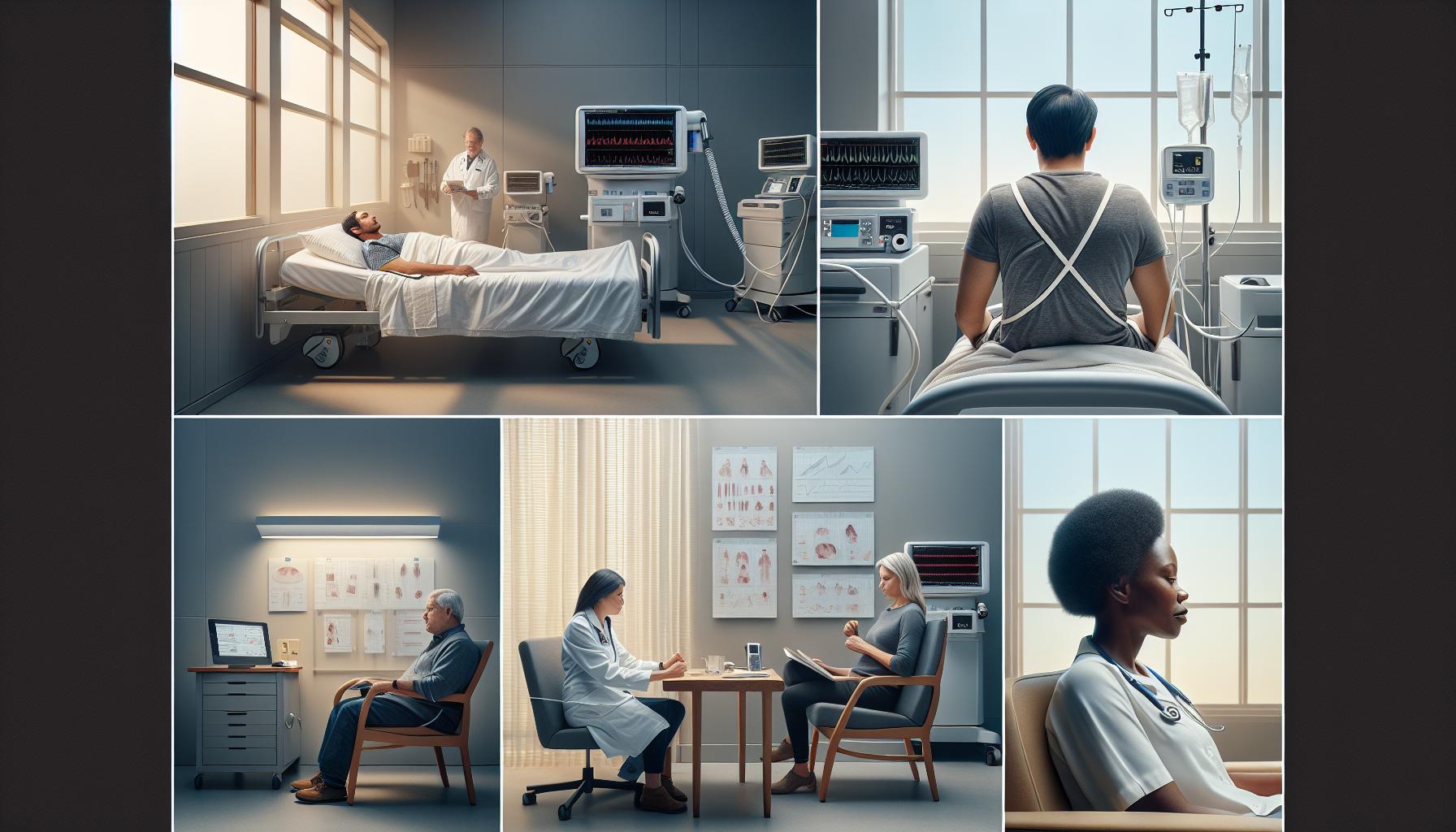
Types of Sleep Studies Explained
Understanding the nuances of sleep studies can significantly enhance your sleep health journey. There are primarily two types of sleep studies you may encounter: in-lab studies and at-home studies. Each has its unique features, benefits, and costs, making it essential to choose the one that best fits your lifestyle and needs.
In-lab studies, known as polysomnography, typically take place in a sleep center designed for optimal comfort and monitoring. During these sessions, you will be fitted with multiple sensors that track a variety of physiological signals overnight, including brain activity, heart rate, breathing patterns, and muscle movements. This comprehensive data collection allows healthcare professionals to diagnose a range of sleep disorders, including sleep apnea, insomnia, and restless leg syndrome. However, the cost for these tests can be substantial, usually ranging from $1,000 to $10,000, depending on the complexity of the procedure and the facility’s pricing structure.
Conversely, at-home sleep studies are increasingly popular due to their affordability and convenience. These setups generally involve a portable device you can wear while you sleep in the comfort of your own home. A typical at-home study often includes a finger clip for monitoring oxygen levels and sensors for tracking respiratory rates. The cost for these tests is significantly lower, usually between $150 and $1,000, making them a more accessible option for many individuals seeking to diagnose sleep apnea or minor sleep issues. However, it’s worth noting that while at-home studies can provide valuable insights, they may lack the comprehensive data that comes from an in-lab study.
With the rising interest in wearable technology for health monitoring, many wonder how effective these devices are compared to professional sleep studies. While wearables can track overall sleep patterns and disturbances, they often provide less detailed information than a polysomnography, making them unreliable for specific diagnostic purposes. Understanding these distinctions can empower you to choose the right method of assessment and ultimately improve your sleep quality.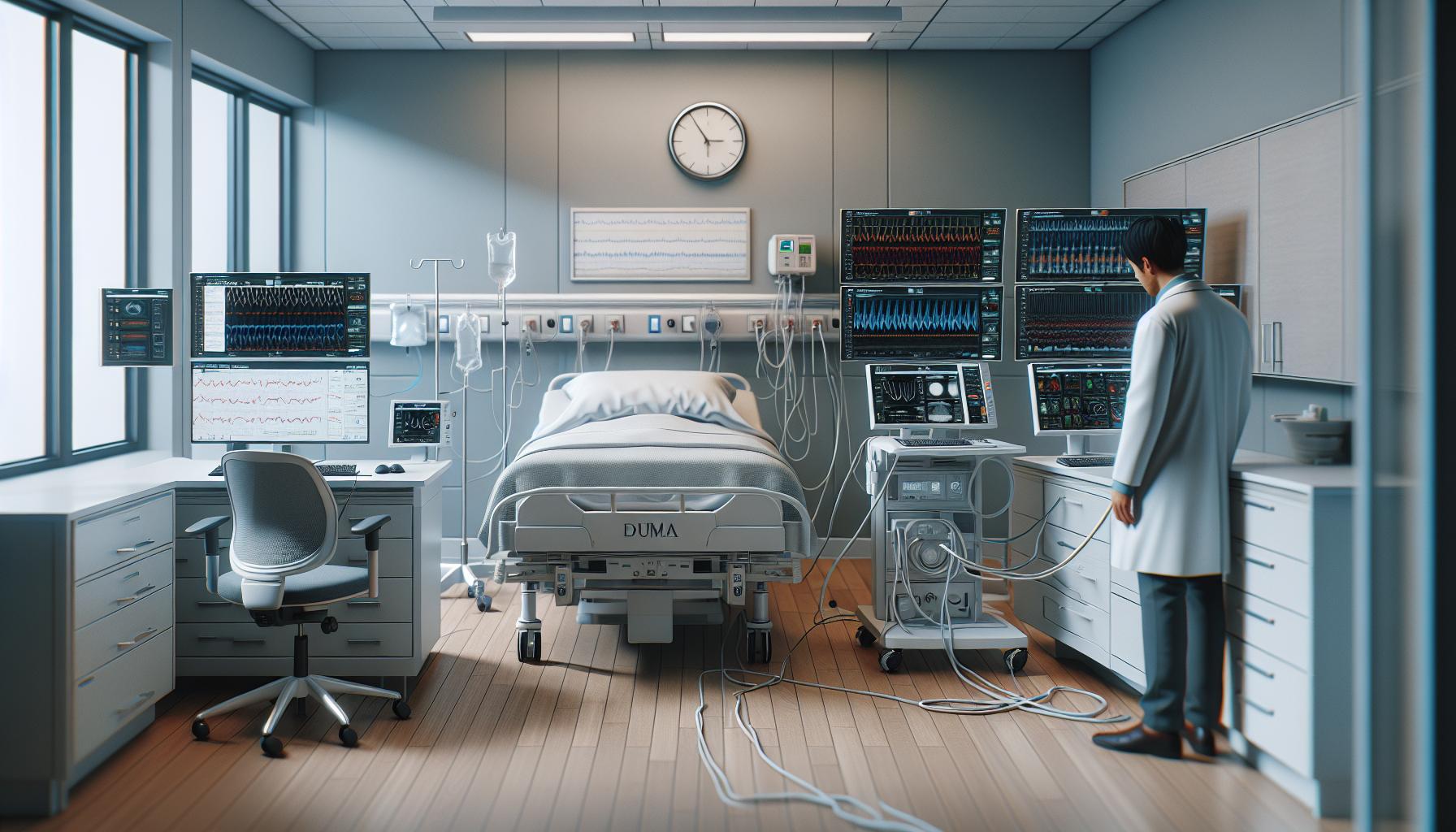
The Importance of Sleep Study Accuracy
Accurate diagnoses play a pivotal role in effectively addressing sleep disorders, making it crucial for individuals to understand the implications of sleep study accuracy. The reliability of results can significantly influence treatment decisions, ultimately affecting overall health and quality of life. In-lab studies, also known as polysomnography, are regarded as the gold standard for diagnosing sleep disorders. They capture comprehensive data on various physiological signals overnight, such as brain activity, heart rate, and breathing patterns. This extensive monitoring allows for precise diagnoses of conditions like obstructive sleep apnea, insomnia, and restless leg syndrome.
In contrast, at-home sleep studies provide convenience and cost-effectiveness, but they come with inherent limitations. While they can identify certain sleep disruptions, they may not capture all the complex signals that a lab study does. For instance, an at-home study typically monitors basic parameters and might overlook subtle sleep stage transitions or non-respiratory disruptions that can be critical for a complete assessment. This reduction in data may lead to misdiagnosis or incomplete understanding of an individual’s sleep health, potentially resulting in less effective treatment plans.
Moreover, the growing trend of using wearable sleep trackers adds another layer of complexity. These devices are popular for monitoring sleep patterns, yet their accuracy varies widely. While they can provide insights into general sleep habits, they lack the detailed physiological data required for a proper diagnosis of sleep disorders. Many consumers find themselves uncertain about whether to trust these devices over traditional sleep studies, underscoring the need for informed choices based on accurate information.
In essence, understanding is vital for anyone navigating their sleep health journey. Making informed decisions, whether opting for an at-home study or an in-lab evaluation, can lead to better management of sleep disorders and ultimately improve your health and well-being. It’s essential to weigh the pros and cons of each option, keeping in mind that the accuracy of diagnostics directly correlates with successful treatment outcomes and enhanced sleep quality.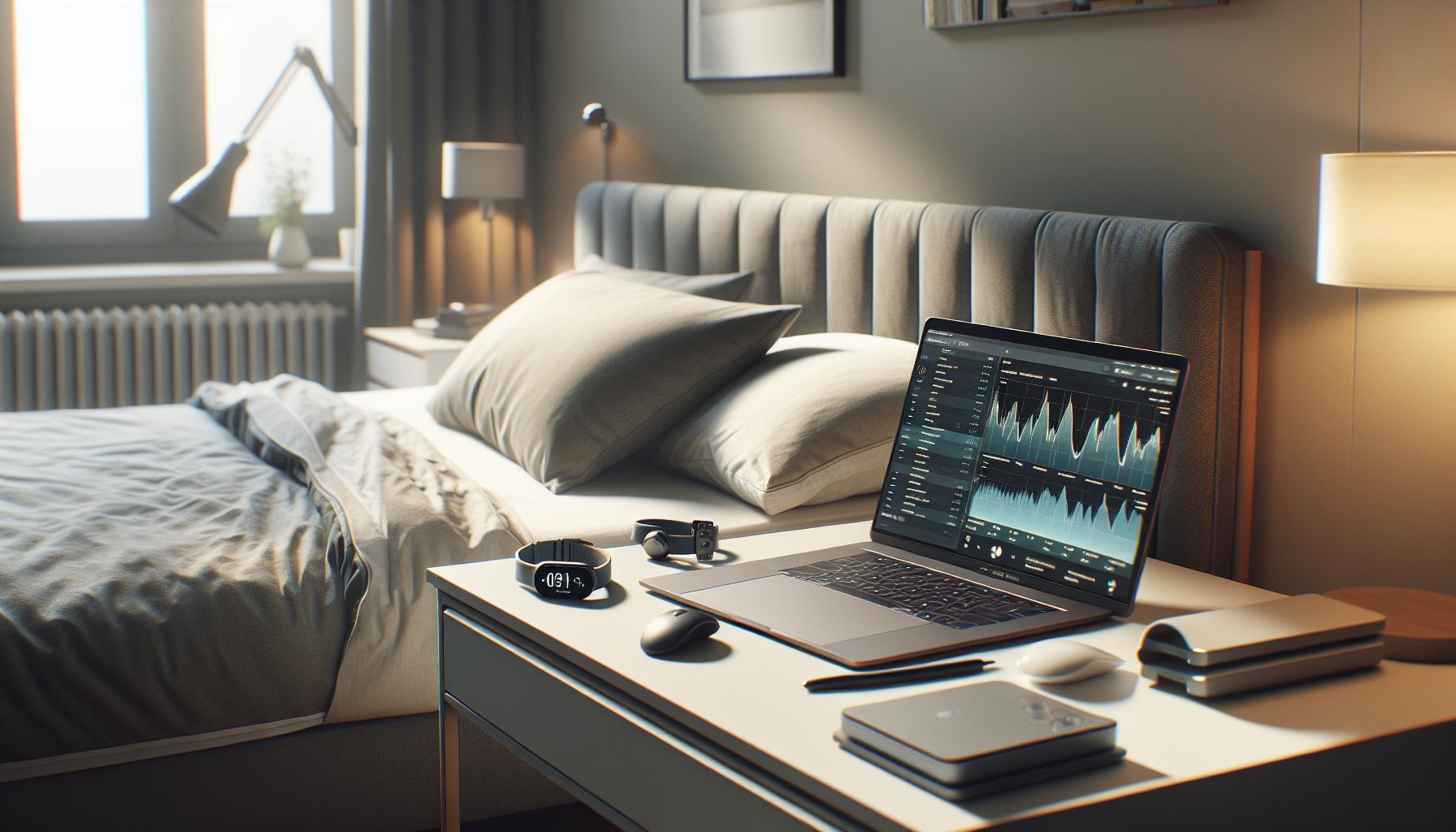
How Much Do At-Home Sleep Studies Cost?
When considering a sleep study, many individuals are pleasantly surprised by the lower costs associated with at-home sleep tests compared to their in-lab counterparts. Typically, at-home sleep studies can range from $100 to $600 depending on the provider and the specifics of the test being offered [[[3]]. However, it’s important to recognize that lower-cost options may come with limited data collection compared to in-lab sleep studies, which typically range from $500 to $3,000 at-home sleep study, understanding what you’ll receive for the price is crucial. Patients should consider the quality of the equipment, the level of monitoring, and the type of analysis provided. It’s also wise to investigate potential hidden costs, such as shipping, additional consultations, or follow-up fees, which can sometimes accompany these tests. By weighing these factors, you can make an informed choice that balances your budget and your health needs effectively.
A Price Comparison: In-Center vs. Home Sleep Studies
When considering a sleep study, many individuals are often surprised by the stark contrast in pricing between at-home tests and in-lab evaluations. On one hand, in-center sleep studies can range from $500 to $3,000, depending on the facility and the specific services included. These comprehensive studies provide detailed monitoring of various sleep parameters, including brain waves, oxygen levels, heart rate, and body movements, offering a full picture necessary for accurate diagnosis of complex sleep disorders like obstructive sleep apnea (OSA) and insomnia.
On the other hand, at-home sleep studies typically cost between $150 and $1,000. The price variance can be attributed to features such as the type of device used and any additional consultations with sleep specialists. For instance, some packages might include virtual follow-ups and comprehensive reports, with offerings as low as $189. These home tests often allow patients to sleep in their own environments, which can lead to more natural sleep patterns and possibly more reliable results when assessing conditions like sleep apnea.
Key Considerations
While the lower costs of home sleep studies are attractive, it’s essential to consider what you’re getting for your money. In-home tests may have limitations regarding the breadth of data collected, often focusing primarily on oxygen levels and airflow without the comprehensive data that in-lab tests provide. Thus, if you’re dealing with more complicated sleep issues or have existing health conditions, an in-lab study might still be worth the investment.
Moreover, keep an eye out for hidden costs that might arise with both options, such as shipping fees for at-home kits or additional charges for follow-up appointments that may not be covered by insurance. Making a well-informed choice about which type of sleep study to pursue can lead to better health outcomes and overall satisfaction with the diagnostic process. By weighing the costs against the depth of information needed for diagnosis, you can ensure you are making a smart choice tailored to your unique health situation.
Insurance Coverage for Sleep Studies
Navigating health can often feel like a daunting task, but understanding the basics can empower you to make informed decisions about your sleep health. Many insurance plans do cover sleep studies, but the extent of coverage can vary considerably depending on the provider, your specific plan, and whether the study is conducted at home or in a lab. Most commonly, insurance will cover a sleep study when it is deemed medically necessary, often based on a referral from a healthcare provider.
Key Considerations for Insurance Coverage
It’s crucial to verify whether the sleep study facility is in-network with your insurance provider. This can significantly impact your out-of-pocket costs. Some insurance companies may require pre-authorizations or additional documentation to justify the need for a sleep study. Therefore, contacting your insurance company ahead of time for specific coverage details is advisable. Questions to ask include:
- Is a referral required from my primary care physician?
- What types of sleep studies are covered (in-lab versus at-home)?
- What percentage of the costs will I be responsible for after my deductible?
- Are there limits on the number of studies covered per year?
Hidden Costs to Watch
While your insurance may cover the study itself, be aware of potential hidden costs that can arise. For example, charges for overnight stays, equipment use, or follow-up consultations may not be included in the initial coverage, leaving you with unexpected bills. Always read the fine print and seek clarification from your insurance representative to avoid surprises later on.
In summary, while navigating insurance for sleep studies can seem overwhelming, proactive research and clear communication with your insurance provider can significantly reduce stress and financial burden. Ensuring you have a solid understanding of what your insurance covers can lead to better decision-making regarding your sleep health and treatment options.
Hidden Costs of Sleep Studies You Should Know
When considering a sleep study, many patients focus primarily on the upfront costs, but it’s essential to be aware of potential hidden fees that can significantly impact your total expenditure. While a sleep study’s base price-whether it’s $500 for a home test or up to $7,000 for an in-center study-is often advertised, these amounts can grow with unexpected charges.
First, be mindful of the additional costs associated with study-related services. For example, while diagnostic testing might be covered, you could face extra charges for items such as overnight stays if you’re in a sleep lab. Furthermore, post-study follow-up appointments are commonly necessary to discuss results and treatment options, and these can also entail separate fees.
Additionally, consider the cost of the equipment required for the study if you’re opting for an at-home test. This can include rental fees for monitoring devices or costs for shipping them back once the study is complete. If the study requires special equipment, like a CPAP machine for those diagnosed with sleep apnea, this could add another layer of expense.
Lastly, it’s wise to scrutinize your insurance policy closely. Even if the sleep study itself is covered, the fine print might reveal exclusions for various charges associated with the test. Contact your insurance provider beforehand to clarify what’s included and to avoid any surprise bills, ensuring you understand your financial responsibilities fully. By approaching the process with this comprehensive understanding of potential hidden costs, you can make more informed choices that safeguard your budget while prioritizing your sleep health.
Are Wearable Sleep Trackers Reliable?
Wearable sleep trackers have surged in popularity, offering a convenient alternative for those seeking insights into their sleep patterns without the costs associated with formal sleep studies. However, the reliability of these devices often comes into question. Unlike comprehensive sleep studies that monitor several physiological parameters such as brain waves, heart rhythms, and oxygen levels, most wearables primarily track movements and heart rate. This limitation means they can provide a general overview of sleep quality but lack the depth and precision of medical-grade testing.
When considering whether to rely on wearable devices, it’s crucial to understand what they can and cannot do. They often employ algorithms to analyze data and provide sleep stage estimates (light, deep, and REM sleep). While these insights can be beneficial for people looking to improve their sleep hygiene, they should not be seen as definitive. For example, a user might find that their wearable suggests they were in deep sleep for several hours, but this doesn’t confirm actual sleep state accuracy, which can only be validated through polysomnography-a method used in clinical settings.
Ultimately, wearables can serve as a preliminary evaluation tool. They are a practical choice for individuals wanting to track their sleep patterns over time, identify trends, and motivate lifestyle changes. Here are a few tips for maximizing the effectiveness of sleep trackers:
- Consistency is key: Wear your tracker regularly to gather reliable data.
- Compare data with subjective feelings: Note how you feel after different sleep durations and qualities to identify patterns.
- Use insights for improvement: Adjust bedtime routines based on your findings-like optimizing sleep hygiene or reducing screen time before bed.
However, if you suspect you have a serious sleep disorder, such as sleep apnea, or if the data suggests irregularities, consulting a healthcare provider for a formal sleep study is important. This step not only ensures accurate diagnosis and treatment but can also provide peace of mind that personal efforts are supported by professional assessments. In summary, while wearable sleep trackers can be informative and helpful, they are best used in conjunction with professional medical guidance to fully understand and address sleep health issues.
Evaluating Sleep Study Alternatives
Exploring alternatives to traditional sleep studies can empower individuals seeking solutions for sleep issues without the hefty price tag. Many people wonder if there are effective options that rival the comprehensive results of in-lab polysomnography. While nothing quite matches the familiar, extensive monitoring of a professional sleep study, several alternatives can provide valuable insights and even diagnostic potential.
At-Home Sleep Testing
At-home sleep testing is a more affordable substitute that involves monitoring key parameters like breathing patterns and oxygen levels during sleep. These tests can often be conducted using simple equipment that you take home. They usually cost significantly less than in-lab studies, ranging from $150 to $300, depending on the provider. However, it’s important to note that these tests may not capture the full spectrum of data that a sleep clinic would-such as brain activity-making them less suitable for complex sleep disorders.
Wearable Technology
Wearable devices have gained traction among those wanting to take their sleep health into their own hands. Gadgets like the Oura Ring and Apple Watch track sleep durations and patterns based on movement and heart rate. While these devices range from $100 to $300 and provide a convenient way to gather data, they have limitations in accuracy. They are best suited for those who seek a general overview of their sleep habits rather than a clinical diagnosis. Individuals looking to improve their sleep hygiene might benefit from these trackers, but they should keep in mind that they cannot replace clinical evaluations for suspected disorders such as sleep apnea.
Considerations Before Choosing
When evaluating alternatives, consider your specific sleep concerns, preferences, and budget. If you suspect a serious sleep disorder, a formal diagnosis through a professional study may be unavoidable. For those looking to monitor their sleep without immediate health concerns, at-home tests or wearables may offer a good balance of cost and information. Remember, consulting with a healthcare provider can further personalize your approach, ensuring your chosen method aligns with your health needs.
In summary, while there are several alternatives to traditional sleep studies, each option comes with its own set of pros and cons. Understanding these differences allows individuals to make informed decisions that best suit their situations and preferences, all while managing the associated costs effectively.
When to Seek a Professional Sleep Study
If you’re struggling with sleep issues, knowing can determine not just your comfort but your overall health. Many people discount their symptoms as standard fatigue or occasional insomnia, but persistent problems can point toward underlying disorders such as sleep apnea, restless leg syndrome, or narcolepsy. A professional sleep study might be necessary if you experience symptoms like loud snoring, gasping for air during sleep, excessive daytime fatigue, or trouble concentrating. These red flags could indicate serious health concerns that require medical intervention.
Common Signs That Warrant a Professional Study
The signs suggesting you might need a professional sleep evaluation include:
- Loud Snoring: If your snoring is loud enough to disturb others, it could signify sleep apnea.
- Gasping or Choking: Waking up gasping for air is a critical sign needing further examination.
- Persistent Daytime Sleepiness: Feeling tired despite getting adequate hours of sleep may indicate poor-quality sleep.
- Difficulty Concentrating: Persistent cognitive issues like memory problems or difficulty focusing can stem from sleep deprivation.
If you encounter any of these issues regularly, consulting with a healthcare provider is a necessary step toward identifying the cause. They may recommend a polysomnography (in-lab sleep study) or an at-home test based on your symptoms and health history.
Understanding the Study Process
When you undergo a professional sleep study, you can expect to be in a controlled environment where multiple factors are monitored, including brain waves, oxygen levels, heart rate, and more. Unlike at-home tests, which primarily measure breathing and oxygen levels, an in-lab study provides comprehensive insights into all stages of your sleep, making it essential for diagnosing complex conditions.
Although the cost of a professional study can be significant-ranging from $1,000 to $10,000 depending on your location and insurance coverage-this investment can lead to a clearer understanding of your sleep health. Early intervention often results in better long-term health outcomes, making the potential expense worthwhile.
In summary, if you’re experiencing significant sleep disturbances, consider seeking a professional sleep study. It can provide the answers you need to reclaim restful nights and improve your quality of life.
Real Patient Experiences: Sleep Study Stories
Many individuals find themselves anxious about the thought of undergoing a sleep study, primarily due to costs and uncertainties surrounding the procedure. However, personal stories from those who have navigated this experience can provide invaluable insights and reassurance. Take, for instance, Mark, a 42-year-old accountant who had been struggling with persistent daytime fatigue and debilitating snoring. After finally deciding to seek professional help, he learned that an in-lab sleep study would cost approximately $2,500 out-of-pocket, depending on his insurance coverage. Although hesitant initially about the expense, his desire for answers persuaded him to proceed.
After the study, Mark discovered he had moderate obstructive sleep apnea. The clarity and confirmation helped him navigate treatment options, like a CPAP machine, which ultimately transformed his sleep quality. He reflected on how the cost paled in comparison to the improvement in his health and daily productivity. Such stories highlight that while the monetary aspect of a sleep study can be significant, the potential benefits often outweigh the financial burden.
Another perspective comes from Sarah, a 35-year-old mother who opted for an at-home sleep study because it was more affordable, in the range of $300 to $600. She appreciated the convenience and privacy of conducting the test in her own space but later realized that the in-lab option might have revealed deeper insights into her sleep architecture that an at-home test couldn’t capture. This experience underscored the importance of understanding the type of study that best fits one’s symptoms and how each option can differ in detail and price.
Ultimately, real patient experiences illustrate that while cost is a crucial factor, it is equally important to consider the potential for substantial health benefits. Engaging in an open discussion with a healthcare provider about symptoms, costs, and study types can help demystify the process, making individuals feel more equipped to make informed decisions about their sleep health.
Q&A
Q: How much can I expect to pay for an in-lab sleep study?
A: You can expect to pay between $1,000 and $10,000 for an in-lab sleep study, depending on your location and specific testing needs. Always check with your insurance provider, as they may cover a significant portion of the costs, particularly if you have a referral from a doctor.
Q: What are the typical costs associated with at-home sleep studies?
A: At-home sleep studies typically cost between $150 and $1,000, with many ranging from $300 to $600. This option can be more affordable and convenient for those suspected of having sleep apnea. Check your insurance coverage to see if it partially covers these expenses.
Q: Are there hidden costs I should be aware of for sleep studies?
A: Yes, there can be hidden costs such as consultation fees, equipment rental, or additional testing. It’s important to inquire about all potential charges before scheduling your sleep study to avoid unexpected expenses.
Q: How does insurance coverage affect the cost of a sleep study?
A: Insurance coverage can significantly lower the out-of-pocket cost for sleep studies. Most providers, including Medicaid and Medicare, cover at-home tests for obstructive sleep apnea, but it’s vital to confirm specific coverage details with your insurer.
Q: When should I consider a sleep study over a home sleep tracker?
A: You should consider a sleep study if you experience severe symptoms of sleep disorders, such as chronic snoring, gasping for air during sleep, or excessive daytime sleepiness. A sleep study provides comprehensive data that can lead to an accurate diagnosis and treatment plan.
Q: What factors influence the cost of a sleep study?
A: The cost of a sleep study is influenced by various factors including the type of study (in-lab vs. at-home), location, insurance coverage, and any necessary follow-up appointments or tests. Understanding these can help you budget more effectively for your sleep study.
Q: Do home sleep studies provide accurate results?
A: Home sleep studies can be quite accurate for diagnosing conditions like obstructive sleep apnea, but they may not be suitable for all sleep disorders. It’s essential to discuss your specific symptoms with a healthcare provider to determine the best testing option.
Q: What should I do if I need financial assistance for a sleep study?
A: If you’re concerned about costs, look into financing options or assistance programs through your healthcare provider or sleep center. Some facilities offer payment plans or sliding scale fees based on income, making sleep studies more accessible.
The Way Forward
In conclusion, understanding the costs and processes surrounding sleep studies can empower you to make informed decisions about your sleep health. Remember, prices can vary based on factors such as location and insurance coverage, so it’s crucial to consult with your healthcare provider and explore all your options. For a more detailed look at different types of sleep studies and the latest wearable technologies, check out our guides on “Understanding Polysomnography” and “Top Sleep Trackers for Your Needs.”
If you still have questions or want to share your experiences, we’d love to hear from you in the comments section below. Don’t forget to subscribe to our newsletter for tips on improving your sleep quality and updates on the latest in sleep research. Make your sleep health a priority today-it’s the first step towards better overall well-being!
Get our latest guides, news, and insights highlighted in your Google Search & AI Overviews.