
Did you know that teenagers need between 8 to 10 hours of sleep each night for optimal health and development? Despite this, many teens struggle to get enough rest, often due to packed schedules filled with school, extracurricular activities, and social obligations. This sleep deprivation can lead to a range of issues, from mood swings to difficulties in concentrating. Understanding adolescent sleep requirements is crucial for parents, educators, and teens themselves, as adequate sleep is foundational to physical health, emotional well-being, and academic success. In this article, we’ll explore how much sleep teenagers truly need, why it matters, and practical tips to help ensure they get the restorative rest they deserve. Dive in to uncover the keys to supporting better sleep habits for the teens in your life.
How Much Sleep Do Teenagers Actually Need?
Teenagers experience numerous changes during adolescence, both physically and mentally, making adequate sleep essential for their development. Most experts recommend that teens aim for between 8 to 10 hours of sleep each night, with some requiring up to 11 hours for optimal health and functioning. Unfortunately, many adolescents fall short, averaging only about 6.5 to 7.5 hours due to busy schedules filled with school, extracurricular activities, and social commitments [1[1].
This sleep deficit can lead to various negative outcomes. A lack of sufficient rest can impact not only physical health but also mental well-being, resulting in irritability, anxiety, and even depression. When teenagers do not get enough sleep, they may struggle with cognitive tasks, leading to lower academic performance and difficulties in concentrating. Sleep deprivation affects the growing brain significantly, contributing to a cycle where insufficient sleep makes it harder to focus, further reducing the quality of sleep achieved [2[2].
Understanding these requirements is crucial, as parents and caregivers play a vital role in promoting healthy sleep habits. Scheduling regular bedtimes, creating a calming bedtime routine, and restricting the use of electronic devices before sleep are all effective strategies to help adolescents meet their sleep needs [3[3]. By prioritizing sleep, teenagers can significantly enhance their overall health and daily functioning.
Understanding the Science of Adolescent Sleep Requirements
Understanding the intricate needs of adolescent sleep is paramount, as teenagers undergo significant physical and psychological transformations during this critical developmental stage. A fascinating fact to consider is that adolescents often experience a shift in their circadian rhythms, which can lead to a natural propensity for staying up late and waking later in the mornings. This biological change underscores the importance of understanding not just how much sleep teens need, but also how their sleep cycles function.
Most experts, including the American Academy of Sleep Medicine, recommend that teenagers aged 13 to 18 years should aim for 8 to 10 hours of sleep each night, with some needing as much as 11 hours for optimal health and performance [2[2]. This high sleep requirement is necessitated by the rapid growth and brain development occurring during these years. During sleep, particularly during the deep sleep stages, the brain consolidates memories, processes emotional experiences, and engages in essential repair functions.
Furthermore, the impacts of insufficient sleep extend beyond mere fatigue. Continuous sleep deprivation can lead to alterations in mood, increased risk of anxiety and depression, and declines in academic performance. Cognitive tasks that rely on concentration and memory become particularly challenging for teenagers who do not get adequate rest. As such, fostering an understanding of the science behind sleep can empower teens and their families to prioritize sleep and recognize its fundamental role in health and well-being.
To emphasize this understanding, it’s crucial to consider how sleep cycles are structured. A typical night of sleep progresses through various stages, including light sleep, deep sleep, and REM (rapid eye movement) sleep. Each stage has distinct benefits-deep sleep is crucial for physical recovery and memory consolidation, while REM sleep is vital for emotional regulation. Insights into these processes can help caregivers appreciate why teens may seem groggy or unfocused if they do not complete an adequate sleep cycle, thus reinforcing the necessity to create conducive sleep environments and routines. Building awareness of these factors can encourage healthier sleep habits, contributing significantly to adolescent development and overall quality of life.
The Importance of Sleep for Teenagers’ Physical Health
Sleep is not just a luxury for teenagers; it is essential for their overall physical health and well-being. In fact, research shows that adolescents require between 8 to 10 hours of sleep each night for optimal functioning. This need stems from their bodies undergoing significant growth and hormonal changes during these formative years. Lack of sufficient sleep can hinder these critical processes, leading to a range of health issues.
During sleep, the body engages in vital activities such as cell repair and growth, which are particularly crucial for adolescents as they continue to develop. Poor sleep can disrupt metabolic processes and lead to weight gain, as insufficient rest has been linked to increased appetite and cravings for unhealthy foods. Additionally, chronic sleep deprivation can contribute to physical health problems such as obesity and cardiovascular issues.
Furthermore, sleep is essential for the immune system. Adequate rest boosts the body’s ability to fight off illnesses, which is especially important for teenagers often exposed to various stressors, from academic pressures to social challenges. Studies indicate that teens who consistently get the recommended hours of sleep also show improved physical health outcomes, including better energy levels, enhanced athletic performance, and faster recovery from illnesses.
Encouraging good sleep habits is crucial for promoting physical health. Here are some actionable tips for parents and teens alike:
- Establish a Regular Sleep Schedule: Encourage going to bed and waking up at the same time every day, even on weekends.
- Create a Relaxing Bedtime Routine: Activities like reading, gentle stretching, or listening to calming music can signal to the body that it’s time to wind down.
- Limit Screen Time Before Bed: The blue light emitted by phones and computers can interfere with melatonin production, making it harder to fall asleep.
- Optimize the Sleep Environment: Make the bedroom a restful place-consider blackout curtains, a comfortable mattress, and a cool room temperature.
By understanding the critical role of sleep in physical health, teenagers and their families can prioritize sleep as an essential part of a healthy lifestyle, leading to better health outcomes and enhanced well-being.
Cognitive Benefits of Adequate Sleep in Adolescents
Getting enough sleep is not merely about feeling rested; it is crucial for the cognitive development of adolescents. During the teenage years, the brain is still maturing and requires ample rest to fully function and process information effectively. Studies show that adolescents need between 8 to 10 hours of sleep each night, and falling short of this recommendation can lead to serious cognitive repercussions.
Adequate sleep plays a significant role in enhancing memory retention and learning capabilities. When teenagers sleep, their brains consolidate information acquired throughout the day, making it easier for them to recall that information later. This means that students who prioritize sleep often perform better academically than their sleep-deprived peers. Lack of sleep can lead to difficulties in focusing, problem-solving, and even critical thinking. Sleep-deprived teens may struggle with tasks that require sustained attention or complex reasoning, which can impact their performance in school and other cognitive pursuits.
Emotional and Behavioral Impact
Sleep is also intricately linked to emotional regulation, which is particularly vital during adolescence-a period often characterized by mood swings and heightened emotional responses. Insufficient sleep can lead to irritability, anxiety, and even depressive symptoms. Additionally, when teenagers do not get enough rest, they may be more prone to risky behaviors, including substance abuse and reckless driving. By ensuring that adolescents achieve adequate sleep, parents and caregivers can support their children’s emotional well-being alongside their cognitive functions.
To optimize sleep for better cognitive outcomes, consider implementing structured sleep strategies. Encourage your teen to maintain a consistent sleep schedule, even on weekends, and create a calming bedtime routine that promotes relaxation. Minimizing exposure to screens an hour before bed can also significantly improve sleep quality, as the blue light emitted by devices can disrupt the natural sleep-wake cycle. Here are some practical strategies to enhance sleep quality for cognitive benefits:
- Limit Caffeine Intake: Encourage your teen to avoid caffeinated beverages in the afternoon and evening to promote better sleep.
- Engage in Physical Activity: Regular exercise can help improve sleep quality; however, aim to complete workouts at least a few hours before bedtime.
- Designate a Sleep-Conducive Environment: Ensure the bedroom is quiet, dark, and cool to facilitate sound sleep, which is essential for cognitive processing.
By understanding and prioritizing the cognitive benefits of adequate sleep, teenagers can not only enhance their academic performance but also support their emotional health during these formative years.
Common Sleep Disorders Affecting Teenagers
Teenagers experience a range of sleep disorders that can significantly impact their overall well-being and academic performance. Among the most common disorders are insomnia, delayed sleep-wake phase disorder (DSWPD), and obstructive sleep apnea (OSA). These conditions often arise due to biological changes, environmental factors, and stressors typical in adolescence, making it crucial for parents and caregivers to recognize the signs early.
Insomnia is prevalent among teenagers, characterized by difficulty falling asleep or staying asleep. This disorder can stem from anxiety, depression, or lifestyle habits that disrupt the body’s natural sleep cycle. To improve sleep quality, teens should be encouraged to establish a calming nighttime routine and avoid caffeine and stimulating activities before bed.
On the other hand, DSWPD affects a significant number of adolescents whose internal clocks are misaligned with societal schedules. They naturally fall asleep and wake up at times that differ from the conventional school schedule, which can lead to chronic sleep deprivation. Establishing a consistent sleep schedule and exposure to natural light during the day can help reset their internal clock.
Obstructive sleep apnea is another serious condition where the airway becomes blocked during sleep, causing interrupted breathing. Symptoms may include loud snoring and excessive daytime sleepiness. If parents notice signs such as gasping for air during sleep or persistent fatigue, seeking medical advice is crucial. Treatment often involves lifestyle changes or the use of devices that assist breathing during sleep.
Regardless of the specific disorder, sleep disturbances can result in irritability, poor academic performance, and increased risk of mental health issues. By fostering awareness and understanding of these common sleep disorders, caregivers can better support their teens in achieving healthier sleep patterns, ultimately enhancing their emotional stability and cognitive function. Regular check-ups with a healthcare provider can also be beneficial to ensure that any underlying sleep disorders are addressed promptly.
How Sleep Hygiene Affects Teenage Sleep Quality
Creating and maintaining good sleep hygiene is crucial for teenagers, as it directly impacts their quality of sleep and overall health. According to the Centers for Disease Control and Prevention (CDC), teenagers aged 14 to 17 typically need between 8 to 10 hours of sleep each night to function optimally. However, many adolescents often fall short of this goal. Understanding the importance of sleep hygiene can empower parents and teens to cultivate habits that promote better sleep quality, which is essential for both physical health and cognitive performance.
One of the most effective ways to enhance sleep quality is by establishing a consistent sleep schedule. Encouraging teens to go to bed and wake up at the same time every day can help regulate their internal body clock, making it easier for them to fall asleep and wake up refreshed. This routine becomes even more critical during weekends when late-night activities can disrupt the regular sleep cycle. Moreover, promoting a calming pre-sleep routine, such as dimming the lights, reading a book, or practicing relaxation techniques, can signal the body that it’s time to wind down.
The sleep environment also plays a pivotal role in sleep hygiene. A comfortable and conducive sleeping space is vital. Factors such as a supportive mattress, cozy bedding, and minimal light and noise can significantly enhance sleep quality. Parents should encourage teens to keep their bedroom as a sleep sanctuary-reserving it mainly for sleep and relaxation rather than distractions like studying or gaming. This clear boundary helps the mind associate the bedroom with restfulness, fostering better sleep habits over time.
Lastly, technology can have both positive and negative impacts on sleep hygiene. While some apps and devices can help track sleep patterns and promote better habits, excessive screen time-particularly before bedtime-can hinder sleep quality. The blue light emitted from screens interferes with melatonin production, making it harder to fall asleep. Encouraging teens to set boundaries on their screen time, especially in the hours leading up to sleep, is an important part of maintaining healthy sleep hygiene.
By adopting these practical strategies, teens can significantly improve their sleep hygiene, leading to better sleep quality and, consequently, enhanced academic performance, mood stability, and overall health.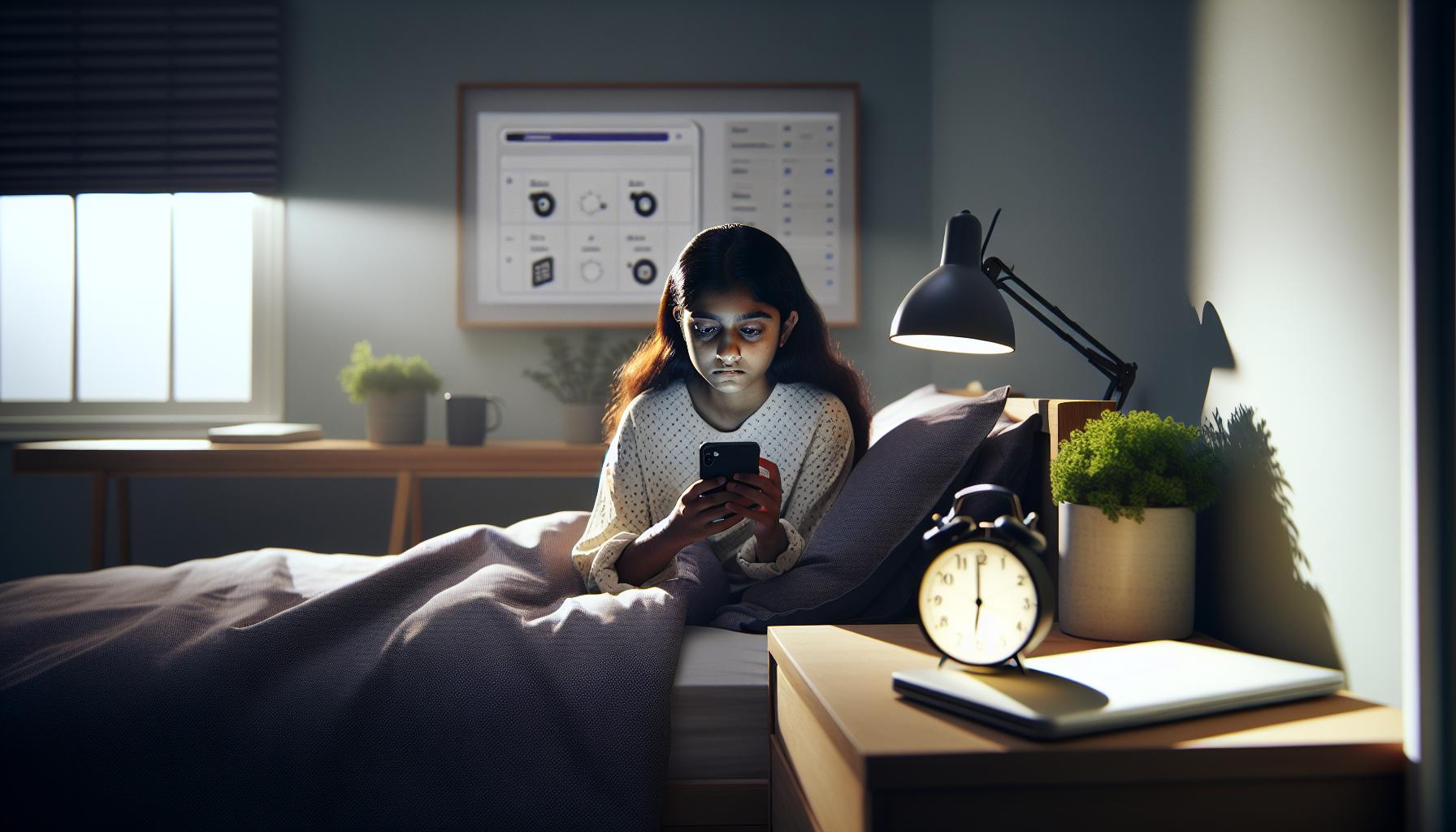
Exploring the Impact of Technology on Teen Sleep Patterns
The relationship between technology use and sleep patterns in teenagers has become a crucial topic of discussion as more adolescents spend extended hours in front of screens. Research indicates that the prevalence of insomnia and other sleep-related issues in teenagers correlates significantly with technology usage, especially late at night. For example, the blue light emitted by devices like smartphones and tablets disrupts melatonin production, the hormone responsible for regulating sleep. This interruption can lead to difficulties in falling asleep and maintaining a restful night, further impacting their overall health and daily functioning.
Understanding the Dynamics of Screen Time
Teenagers often find themselves engaged in various forms of technology, from scrolling through social media to binge-watching shows. While some may argue that these technologies enhance relaxation, the reality is that the longer teens spend on screens, particularly in darkened environments, the more likely they are to experience disturbed sleep. According to studies, these disruptions not only affect the quantity of sleep but can also compromise its quality, leading to a cycle of sleep deprivation [[2]](https://www.sleepfoundation.org/teens-and-sleep/screen-time-and-insomnia-for-teens).
Creating Healthy Boundaries with Technology
To mitigate the adverse effects of technology on sleep, establishing clear boundaries is essential. Here are some proactive strategies that can help:
- Set Screen Time Limits: Encourage teens to limit their screen time, particularly during the hour leading up to bedtime. This practice can help minimize exposure to blue light and improve their chances of falling asleep more easily.
- Designate a Tech-Free Zone: Create a relaxing bedtime routine that involves tech-free activities like reading or meditation. Restricting technology to certain areas of the house can help signal to the brain that it’s time to wind down.
- Utilize Night Mode Features: Many devices now have settings that reduce blue light emissions during evening hours. Encourage teens to enable these features to decrease the negative impact on their sleep cycles.
Leveraging Technology for Better Sleep
While technology poses challenges, it also offers innovative solutions. Sleep-tracking apps and wearables can help teenagers understand their sleep patterns, providing valuable insights that can lead to improved habits. These tools often include reminders and statistics that motivate healthier behaviors. When used mindfully, technology can support better sleep rather than interfere with it, fostering a more balanced approach to adolescent sleep health.
By navigating the complexities of technology use, teens can enjoy the benefits of their devices while prioritizing adequate sleep-an essential component of their overall well-being and academic success.
How to Create the Ideal Sleep Environment for Teens
Creating an optimal sleep environment for teenagers is essential to enhance their overall sleep quality and help them meet their sleep needs. Many adolescents are chronically sleep-deprived, often missing the recommended 8 to 10 hours of sleep per night, which can have serious repercussions on their physical and mental health. A supportive sleep environment can significantly influence how easily they fall asleep and how restorative their sleep is.
To start, the bedroom should be cool, dark, and quiet. According to sleep specialists, temperatures between 60°F and 67°F (15°C to 19°C) are ideal for sleep. Darkening the room can be accomplished with blackout curtains or blinds, which help block out external light sources. Additionally, reducing noise by using earplugs or a white noise machine can create a more peaceful atmosphere conducive to sleep. This helps prevent disturbances that could interrupt their sleep cycles, allowing more time spent in restorative sleep stages.
Another key aspect is minimizing electronic distractions. Teens should be encouraged to limit the presence of electronic devices such as smartphones, laptops, or TVs in their bedrooms. The light emitted from these screens can interfere with melatonin production, making it harder to fall asleep. Establishing a tech-free zone in the hour before bedtime can help signal to the brain that it’s time to relax and prepare for sleep. Instead, suggest engaging in calming activities like reading, journaling, or practicing light stretches.
Finally, the choice of bedding can considerably affect sleep quality. Investing in a supportive mattress and comfortable pillows tailored to their preferred sleeping positions can make a notable difference. Different firmness levels and materials may suit individual preferences better. Encourage teens to explore various options to find what feels best for them, as a good night’s rest begins with physical comfort. With these adjustments, teens can create a sleep atmosphere that not only encourages adequate rest but also supports their health and well-being.
Recognizing Signs of Sleep Deprivation in Adolescents
Recognizing sleep deprivation in adolescents is crucial for their overall well-being, as many teens struggle to get the adequate rest they need. On average, teenagers require between 8 to 10 hours of sleep each night, yet many end up getting only about 6.5 to 7.5 hours. This chronic shortfall can lead to various signs and symptoms that are important for parents and guardians to identify.
One of the most common indicators is changes in mood. If a teen is unusually irritable, anxious, or prone to emotional outbursts, it may signal that they are not getting enough sleep. Sleep deprivation affects the regulation of emotions, making it harder for teens to cope with daily stressors. Additionally, persistent fatigue and daytime sleepiness can manifest as difficulty staying awake during school or after-school activities, which can significantly impact their performance and engagement.
Academic struggles are another telling sign of insufficient sleep. If a previously motivated teen starts to exhibit a decline in grades or loses focus in class, these could be red flags. Sleep deprivation can impair cognitive functions, leading to issues with concentration, memory, and learning. Moreover, teens may occasionally fall asleep in unconventional places-like during a conversation or in the middle of studying-further indicating that their bodies are craving more rest.
Lastly, keep an eye out for changes in appetite and health. Teens who are sleep-deprived may experience increased cravings for sugary or high-carb foods as their bodies seek quick energy to combat fatigue. This can contribute to weight gain and other health issues. Recognizing these signs early can lead to important conversations about sleep hygiene and lifestyle adjustments.
In conclusion, awareness of these symptoms can empower parents to engage with their teens about their sleep needs and work together to establish healthier sleep habits. By prioritizing sleep, you can help your adolescent navigate the challenges of their developmental stage more effectively.
Practical Tips for Establishing a Teen Sleep Schedule
Creating a consistent sleep schedule is essential for teenagers who require between 8 to 10 hours of sleep each night for optimal health and well-being. Establishing this routine can help combat sleep deprivation, which many adolescents face due to academic demands and social activities. One effective strategy is to set a regular bedtime and wake-up time, even on weekends. This helps regulate the body’s internal clock, making it easier for teens to fall asleep and wake up feeling refreshed.
Another important aspect is the creation of a wind-down routine. Encourage teens to engage in calming activities before bed, such as reading, listening to soft music, or practicing relaxation techniques. This signals to the body that it’s time to transition towards sleep. Limiting screen time at least an hour before bedtime is particularly beneficial, given the blue light emitted by devices can interfere with melatonin production, making it harder to fall asleep. Instead, recommend alternatives like journaling or gentle stretching, helping to promote relaxation.
The sleep environment plays a crucial role, too. Make sure the bedroom is conducive to sleep: it should be dark, quiet, and cool. Consider using blackout curtains to block light and white noise machines or fans to drown out distracting noises. Additionally, it can be helpful to reserve the bed for sleep and relaxation only, rather than for studying or electronic entertainment. This way, the brain associates the bed with rest, facilitating quicker sleep onset when they hit the pillow.
Lastly, inviting teens to take an active role in managing their sleep can also foster responsibility. Discuss sleep needs and goals with them, and encourage the use of sleep tracking apps or wearable devices. These tools provide insights into sleep patterns, helping them understand how changes in their routine impact their rest. By incorporating these strategies into their daily lives, teens can improve their chances of achieving the quality and quantity of sleep their bodies require.
The Role of Nutrition in Adolescent Sleep Health
Nutrition plays a crucial role in adolescent sleep health, often underestimated by both teens and their parents. A balanced diet doesn’t just fuel the body during the day; it can significantly impact how well a teenager sleeps at night. Research indicates that certain nutrients can promote better sleep quality while others can disrupt it. For instance, foods rich in magnesium, such as leafy greens, nuts, and whole grains, can help relax the body and foster a deeper sleep. Conversely, diets high in sugars and processed foods can lead to restless nights and sluggish mornings.
Key Nutrients for Sleep
To understand how nutrition influences sleep, focus on specific nutrients:
- Magnesium: Essential for muscle relaxation and stress reduction.
- Tryptophan: An amino acid found in turkey, chicken, and dairy that helps produce melatonin, the sleep hormone.
- Omega-3 Fatty Acids: Found in fish and flaxseeds, these can improve sleep by reducing anxiety.
- Complex Carbohydrates: Foods like oats and brown rice help to increase the availability of tryptophan in the brain.
It’s also important for teens to establish a routine around their eating habits. Consuming large meals or sugary snacks close to bedtime can lead to discomfort and disrupt sleep. Encouraging a lighter evening snack, such as yogurt or a banana, can promote sleep readiness.
Avoiding Sleep Disruptors
On the flip side, certain food and drink choices should be limited, especially in the afternoon and evening. Caffeine is a well-known culprit, found in coffee, tea, and many sodas. Even chocolate contains caffeine and can affect sleep quality if consumed too late in the day. Additionally, high-sugar foods can cause energy spikes that make it difficult to wind down at night.
Establishing a mindful approach to nutrition can empower teenagers to take control of their sleep health. By educating them on how their food choices affect their overall well-being and sleep patterns, parents can support their teens in making healthier decisions that contribute to both restful nights and energized days. Integrating these dietary habits into daily life not only lays the groundwork for better sleep but also fosters a healthier lifestyle overall, reinforcing the connection between nutrition and sleep in a practical, relatable manner.
When to Consider a Sleep Study for Your Teen
If your teen frequently experiences daytime sleepiness, struggles to fall asleep, or exhibits irritability and mood swings, it may be time to consider a sleep study. Sleep studies can provide crucial insights into potential sleep disorders that might be impacting their health and well-being. These studies are typically recommended when symptoms are persistent and significantly affect daily functioning, such as poor academic performance, lack of focus, or disrupted social interactions.
Understanding what a sleep study involves can demystify the process and help alleviate any anxiety your teen may have. The most comprehensive type of study is polysomnography, which records various physiological parameters while your child sleeps. These parameters include brain waves, heart rate, oxygen levels, and eye movements, helping to identify issues like sleep apnea or restless leg syndrome. While some sleep studies are conducted overnight in specialized clinics, there are also at-home testing options that can be less intimidating and more convenient for families.
If you’re wondering about cost, it can vary widely depending on insurance coverage and the specific tests conducted. Be sure to consult with your insurance provider to understand what is covered, as some policies may fully or partially cover sleep studies. Preparation for the study may include keeping a sleep diary or avoiding certain medications, so follow the provider’s instructions closely.
In addition to formal sleep studies, there are consumer-friendly wearable technologies and sleep tracking devices that can provide preliminary data on sleep patterns. These tools can be a good starting point for monitoring your teen’s sleep before committing to a medical evaluation. However, remember that while wearables can track sleep duration and quality, they can’t diagnose sleep disorders. If a problem is suspected, it’s best to consult a healthcare professional for comprehensive evaluation and guidance.
Q&A
Q: How much sleep should teenagers get on average?
A: Teenagers typically require 8-10 hours of sleep each night to support their growth and development. Insufficient sleep can lead to problems like poor academic performance and increased emotional issues.
Q: What are the effects of sleep deprivation on teenagers?
A: Lack of sleep can result in mood swings, difficulty concentrating, decreased academic performance, and increased risk of mental health issues. Addressing sleep deprivation is crucial for a teenager’s overall well-being.
Q: Why do teenagers need more sleep than younger children?
A: During adolescence, teens undergo significant physical and emotional changes which require more sleep for development and health maintenance. Their natural circadian rhythms also shift, making it harder to fall asleep early.
Q: How can parents help teenagers improve their sleep habits?
A: Parents can encourage good sleep hygiene by establishing a consistent bedtime routine, limiting screen time before bed, and creating a comfortable sleep environment. Open discussions about the importance of sleep also help.
Q: What role does technology play in teenagers’ sleep quality?
A: Excessive use of smartphones or computers, especially before bed, can disrupt sleep patterns and delay sleep onset. Reducing screen time in the evening can significantly improve sleep quality.
Q: What signs indicate that a teenager may not be getting enough sleep?
A: Signs of sleep deprivation in teens include excessive daytime sleepiness, irritability, difficulty waking up in the morning, and struggling to concentrate. Monitoring these behaviors can help address sleep issues early.
Q: When should a sleep study be considered for a teenager?
A: A sleep study may be necessary if a teen consistently experiences severe sleep issues, such as sleep apnea, restless leg syndrome, or frequent nightmares that affect daily functioning. Consulting a healthcare provider can guide this decision.
Q: How can nutrition impact a teenager’s sleep quality?
A: A healthy diet, rich in fruits, vegetables, and whole grains can promote better sleep. Limiting caffeine and heavy meals before bedtime is also essential in allowing teens to achieve restorative sleep.
The Way Forward
Understanding the sleep requirements of teenagers is crucial for their overall health and wellbeing. With adolescents needing between 8 to 10 hours of sleep daily to thrive, prioritizing rest should be a non-negotiable part of their routine. If you’re looking for tips on improving sleep quality, check out our article on essential sleep hygiene practices and consider exploring the benefits of sleep studies if sleep issues persist.
Don’t wait; take control of your sleep health today. Sign up for our newsletter for the latest updates on sleep studies and innovations that can enhance your nightly rest. Have questions or experiences to share? We encourage you to leave a comment below or reach out with your thoughts. Together, let’s empower the next generation to embrace better sleep habits for a brighter future!
Get our latest guides, news, and insights highlighted in your Google Search & AI Overviews.