
In an age where sleep health is paramount, understanding the accuracy of sleep-tracking devices can feel overwhelming. The Oura Ring, a popular choice among wellness enthusiasts, claims to provide insights into your sleep patterns, but how reliable are these readings? This article dives into lab-tested data to reveal just how well the Oura Ring measures sleep quality and duration. Many individuals are looking for effective ways to enhance their rest, and having accurate data is crucial to making informed decisions about sleep habits and overall health. Join us as we explore the Oura Ring’s performance, helping you navigate the fascinating intersection of technology and sleep wellness, whether you’re contemplating a purchase or simply seeking to optimize your nightly routine.
How the Oura Ring Measures Sleep Quality
The Oura Ring employs a sophisticated combination of sensors and algorithms to measure sleep quality, making it a highly regarded choice among sleep trackers. By using infrared sensors, the Oura Ring monitors heart rate variability, body temperature, and movement, providing insights into your sleep stages and overall sleep quality. When you wear the ring during sleep, it automatically detects when you fall asleep, how many times you wake up, and how long you spend in different sleep stages, such as REM, deep sleep, and light sleep. This data is then compiled and analyzed to offer personalized insights and suggestions for improving sleep habits.
To better understand how effectively the Oura Ring tracks sleep, it’s essential to consider its ability to differentiate sleep stages accurately. The ring utilizes algorithms that have been validated against more traditional sleep study methods, such as polysomnography, which is considered the gold standard in sleep monitoring. Users often report that the insights from the Oura app coincide closely with their experiences, such as how rested they feel upon waking. This correlation increases the reliability of the data provided by the Oura Ring.
While the Oura Ring offers a wealth of information, potential users should be aware of its limitations. For instance, it may struggle to accurately detect sleep during periods of rest where the wearer is awake but lying still, potentially underreporting actual sleep quality. Furthermore, factors such as the fit of the ring and the individual’s body temperature can affect the accuracy of data collected. Users looking for a more comprehensive understanding of their sleep might consider combining the Oura Ring’s insights with additional sleep hygiene practices or professional consultations when necessary.
In summary, the Oura Ring is a cutting-edge tool for those interested in tracking their sleep quality. It provides actionable insights that are rooted in scientific principles, making it a formidable player in the sleep health tech landscape. With its thoughtful design and robust capabilities, it encourages informed choices about improving sleep health and well-being.
Understanding Sleep Stages and Tracking Accuracy
The Oura Ring dives deep into your sleep patterns, offering insights that can help demystify the often elusive world of sleep stages. When you wear this smart ring, it meticulously tracks your sleep using a combination of advanced sensors and algorithms. Understanding how accurately it identifies different sleep stages-such as REM, light sleep, and deep sleep-can empower you to make better choices for your sleep health.
Oura Ring employs infrared sensors that monitor physiological signals like heart rate variability and body temperature. By analyzing these signals, it determines not just when you fall asleep but also how well you transition through various sleep stages. This dynamic tracking capability allows you to gain clarity on your sleep cycles. Many users report that the insights generated through the Oura app align closely with their subjective experience upon waking, painting a reassuring picture of its accuracy.
While the accuracy of the Oura Ring in identifying sleep stages is robust, there are certain limitations to keep in mind. For instance, it may misinterpret periods of wakefulness as sleep when you are simply resting quietly in bed. This is particularly relevant for those who struggle with insomnia or frequently wake up throughout the night. Factors like the fit of the ring and individual physiological variations can also influence the data collected. Therefore, it’s wise to weave Oura’s insights into broader sleep hygiene practices, such as maintaining a consistent sleep schedule and creating a restful sleep environment.
The intersection of technology and sleep science can be daunting, but tools like the Oura Ring can make the journey smoother. By actively engaging with your sleep data and learning about your unique sleep patterns, you take a significant step toward enhancing your sleep quality. However, remember to approach these tools with an understanding of their strengths and limitations, ensuring you use them to complement a holistic approach to sleep health.
Lab-Tested Insights: Oura Ring vs. Traditional Methods
The Oura Ring has become a noteworthy player in the realm of sleep tracking, but how does it measure up against traditional methods like polysomnography (PSG)? This lab-tested approach remains the gold standard in sleep analysis, requiring patients to be monitored in a sleep clinic where brain activity, eye movements, and muscle tone are recorded. In contrast, the Oura Ring utilizes less invasive technology, relying on sensors to track physiological data such as heart rate variability, body temperature, and movement.
Comparative studies have begun to shed light on the accuracy of the Oura Ring against these clinical measures. Research indicates that while the Oura Ring can accurately measure total sleep time and the amount spent in various sleep stages, it may not be as precise in distinguishing between specific sleep phases such as REM and deep sleep when compared to PSG. This distinction is critical, as sleep studies provide insights that can help diagnose conditions like sleep apnea or insomnia, which wearable tech cannot replace.
Furthermore, the convenience of the Oura Ring makes it a desirable option for many. Instead of scheduling a potentially disruptive overnight stay in a sleep lab, users can obtain valuable sleep insights from the comfort of their own homes. However, users should remain aware of some limitations in data interpretation, particularly around wakefulness during attempts to fall asleep. In certain scenarios, the Oura Ring might misclassify periods of rest as sleep, providing a skewed understanding of sleep quality.
For those considering integrating the Oura Ring into their sleep health routine, it’s crucial to use it as a complementary tool. Engaging actively with the data can help refine one’s sleep habits while remaining mindful to consult healthcare professionals for any persistent concerns. By balancing advanced tracking technology with traditional methodologies, individuals can gather holistic insights into their sleep health, paving the way for enhanced well-being.
Real User Experiences: Oura Ring Sleep Tracking Reviews
Many users of the Oura Ring have shared their experiences regarding its sleep tracking capabilities, revealing a spectrum of opinions that can guide potential buyers. One of the most compelling points raised by users is the ring’s ability to provide a comprehensive overview of sleep quality, which includes total sleep time, sleep efficiency, and the duration spent in different sleep stages. Users frequently appreciate how the data is presented through an easy-to-read app interface, making it simple for anyone to understand their sleep patterns at a glance.
However, the experiences are not solely positive. Some users note discrepancies between the Oura Ring’s readings and their own subjective feelings of restfulness. For instance, several individuals reported instances where they felt alert after a night’s sleep, yet the ring suggested otherwise, categorizing them as having low sleep quality. This has led some to question the accuracy of the ring, particularly when differentiating between REM and deep sleep. This inconsistency may resonate with many who are acclimating to using sleep trackers, as it highlights a common issue in wearables: data interpretation can vary significantly from person to person.
Moreover, first-time users have often expressed concerns about the learning curve involved in understanding how to interpret the data effectively. With metrics like heart rate variability and body temperature, the Oura Ring aims to provide insights into overall health and not just sleep quality. Some have discovered that engaging with the app helps them tweak their nighttime routines, such as adjusting screen time or implementing relaxation techniques before bed.
In summary, while users generally find the Oura Ring to be a useful tool for enhancing their understanding of sleep quality, it is essential to approach the data as part of a broader lifestyle assessment. Users should consider their overall health, daily habits, and subjective feelings of well-being alongside the device’s insights. By doing so, many have found a balance that helps them improve their sleep hygiene and achieve better rest.
Limitations of Oura Ring Sleep Data
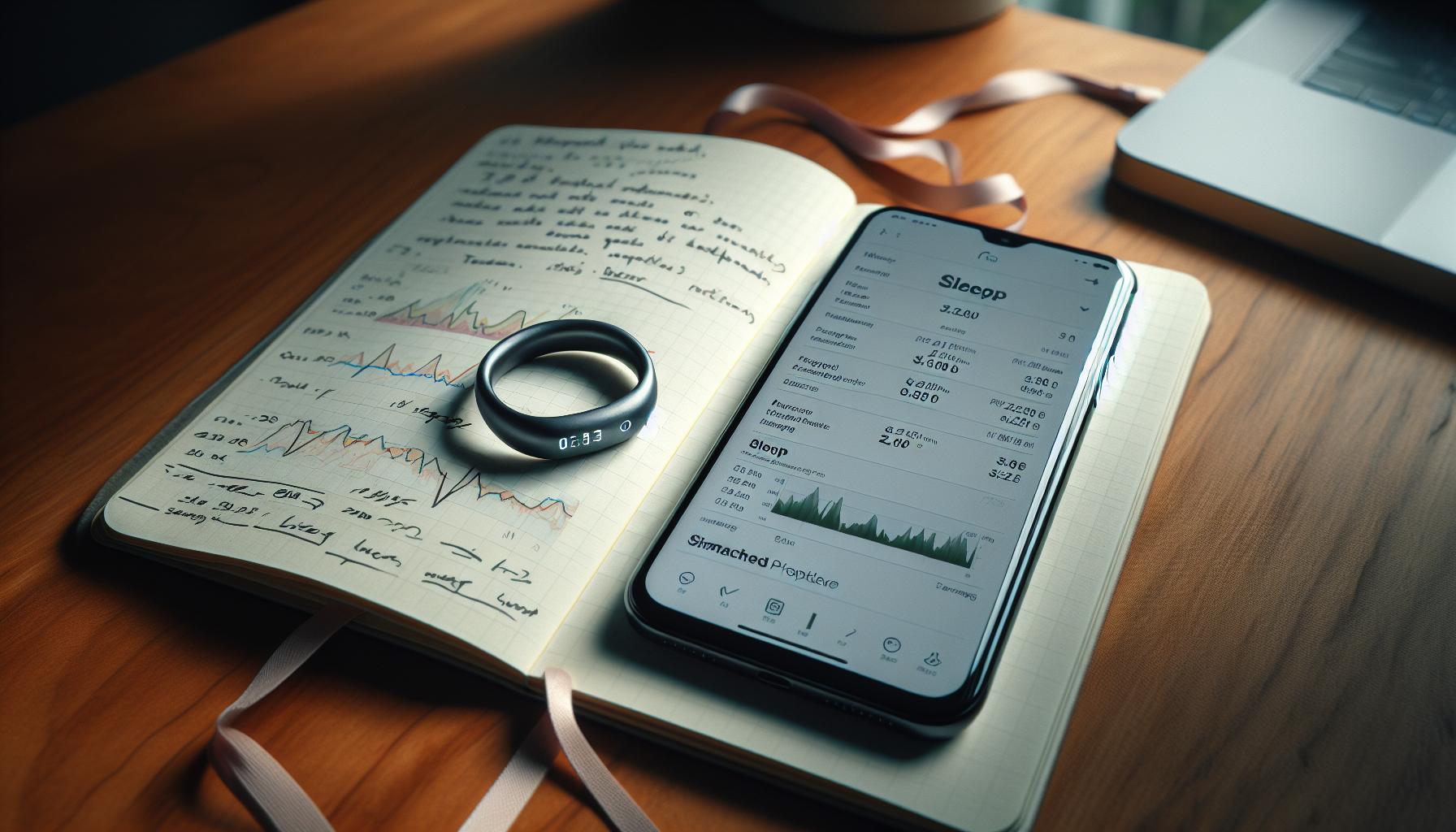
Sleep tracking technology presents exciting opportunities to understand our rest patterns better, yet it’s essential to approach these devices, including the Oura Ring, with a discerning eye. While the Oura Ring is recognized for its sophisticated metrics, it has notable limitations that can affect the accuracy and reliability of sleep data for users. Understanding these constraints helps you to interpret the data more effectively and set realistic expectations.
One significant limitation is the potential discrepancies between device readings and your subjective sleep experience. Users often report that while they might feel well-rested, the Oura Ring may suggest a poor quality of sleep, leading to confusion and frustration. These contradictions can stem from the ring’s reliance on algorithms and physiological metrics, which may not always capture the nuances of individual sleep experiences.
Furthermore, the Oura Ring may struggle with accurately distinguishing between different sleep stages, particularly when it comes to identifying REM and deep sleep. For example, a user might feel they have had a restful night, only to find their data indicates otherwise, highlighting the inherent limitations of consumer-grade technology compared to clinical sleep tests like polysomnography (PSG). Such inaccuracies can mislead users regarding their sleep health.
User Interpretation and Learning Curve
Another layer of complexity is the learning curve associated with interpreting the data provided by the Oura Ring. First-time users, in particular, may find navigating the application and understanding the various metrics – such as heart rate variability and body temperature – to be daunting. Engaging with the app can require time and patience, particularly for those unfamiliar with sleep science.
Finally, it’s crucial to remember that the Oura Ring is designed to be complimentary to traditional sleep studies rather than a replacement. If you experience chronic sleep issues or suspect sleep disorders, it’s advisable to seek professional guidance. The data from wearables should be seen as a piece of the puzzle, alongside physiological assessments and personal experiences, to create a comprehensive picture of your sleep health.
In conclusion, while the Oura Ring is a valuable tool for tracking sleep, it’s essential to remain aware of its limitations. Use it as a guide to enhance your sleep hygiene and establish better nighttime routines, but consider consulting with healthcare professionals for deeper insights into persistent sleep concerns. By balancing device data with professional advice, you can take informed steps toward improving your overall sleep health.
Comparing Oura Ring and Other Sleep Trackers
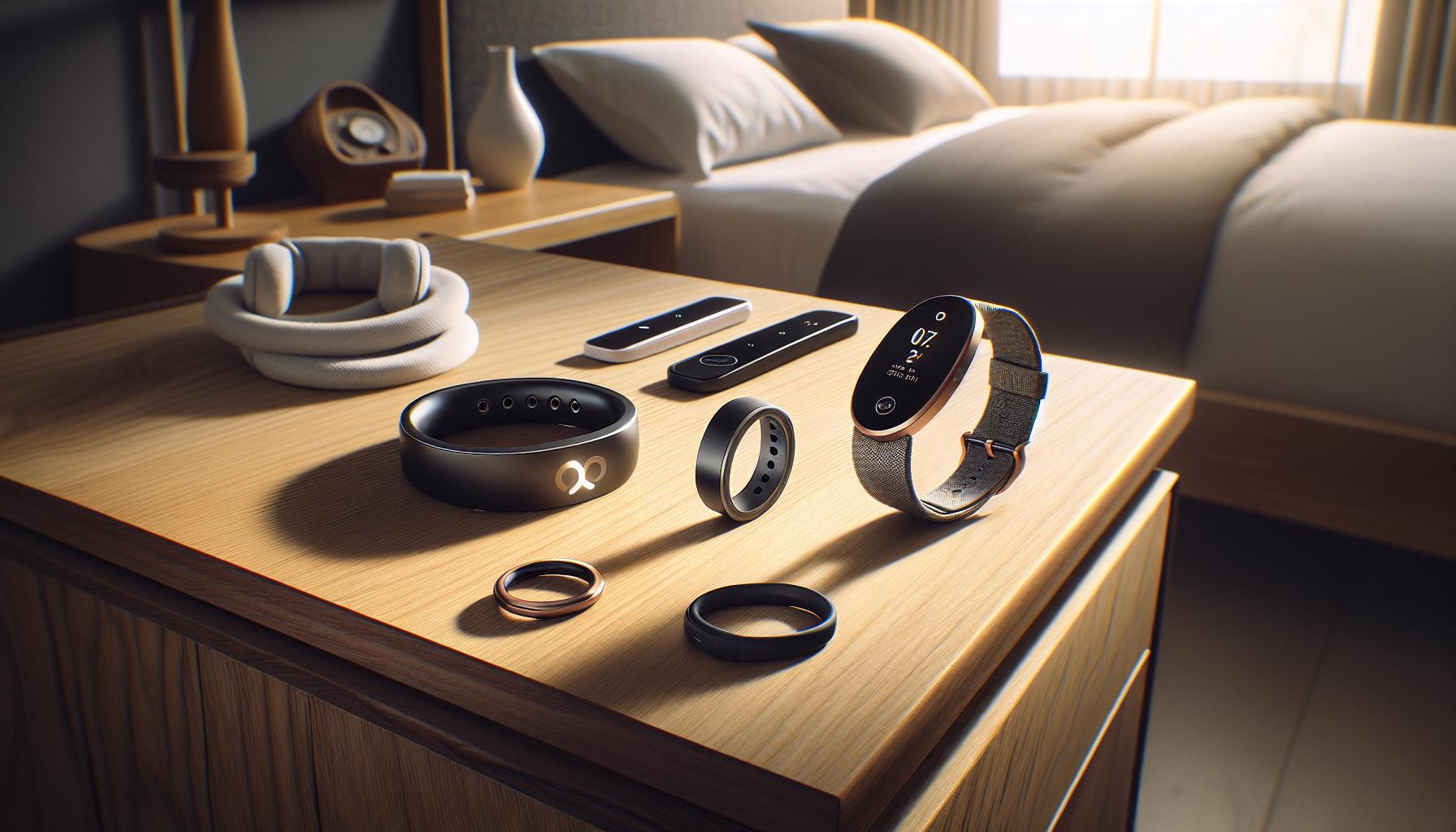
When exploring the landscape of sleep tracking devices, the Oura Ring stands as a prominent contender, yet it’s essential to compare its capabilities with those of other popular sleep trackers. Many users seek clarity on how the Oura Ring’s innovative features stack up against renowned alternatives like the Fitbit Sense, Apple Watch, or the Withings Sleep Tracking mat.
The Oura Ring excels in its seamless design and comprehensive data analysis, capturing a wide range of physiological metrics that play a crucial role in assessing sleep quality. With its advanced algorithms, the ring monitors heart rate variability, body temperature changes, and movement patterns throughout the night. In contrast, devices like the Fitbit Sense and Apple Watch focus more heavily on integrating fitness and health tracking into a smartwatch format, offering sleep insights alongside their broader health metrics. While this offers a more holistic health overview, users might find the simplicity of the Oura Ring-concentrating solely on sleep data-refreshing.
Comparative Accuracy and Features
Each device has its strengths, particularly concerning accuracy and the depth of insights offered. For instance, studies have suggested that while the Oura Ring is proficient at logging total sleep time and general sleep quality metrics, it may struggle to distinguish between deep sleep and REM sleep as effectively as more dedicated, clinical devices. Fitness trackers, such as the Apple Watch, employ similar metrics but augment them with user-friendly visuals and mobile app integration that encourage user engagement. Here’s how they compare:
| Feature | Oura Ring | Fitbit Sense | Apple Watch |
|---|---|---|---|
| Sleep Stage Tracking | Good but less accurate in distinguishing stages | Very good, detailed stage breakdowns | Good, integrates activity data for better context |
| Comfort | Lightweight, discreet | Bulkier, more traditional watch | Stylish but can feel heavy depending on the model |
| Battery Life | Up to 7 days | 6+ days | 18 hours, needs frequent charging |
| App Usability | Simple, streamlined design | Highly interactive with lots of challenges | Intuitive but feature-rich, may overwhelm |
Real-World Usage Insights
User experiences vary widely. Some find the Oura Ring provides a clearer picture of their sleep patterns, while others may prefer the additional lifestyle tracking offered by smartwatches. The practical aspects of daily life also come into play-if you consistently engage with exercise or other wellness apps, a tracker like the Fitbit or Apple Watch might better suit your needs. Ultimately, selecting the most effective sleep tracker depends on your personal priorities, whether that’s precise sleep tracking, integration with broader health metrics, or comfort and wearability.
To navigate this choice confidently, consider what features matter most to you and how each device fits into your overall wellness routine. Remember, your sleep tracker should enhance your understanding of your sleep health, not complicate it.
The Science Behind Sleep Monitoring Devices
The landscape of sleep monitoring devices has evolved significantly over the last few years, with innovations allowing for greater insights into our nightly routines. Understanding how these devices function-especially high-tech wearables like the Oura Ring-can empower users to make informed decisions about their sleep health. The science behind the Oura Ring’s tracking capabilities lies in its sophisticated sensors and algorithms that measure various physiological parameters.
At its core, the Oura Ring employs advanced sensors to monitor heart rate variability, body temperature changes, and movement patterns throughout the night. This data collection provides a comprehensive picture of sleep quality. The ring’s algorithms analyze these metrics to calculate different sleep stages, offering an overview of total time asleep, light sleep, deep sleep, and REM sleep. However, while the Oura Ring delivers valuable insights, it is crucial to recognize its limitations. Research indicates that it may not differentiate between specific sleep stages-such as distinguishing between deep sleep and REM sleep-quite as accurately as clinical sleep studies.
Understanding Sleep Data Accuracy
Accuracy is key when considering a sleep tracking device. The Oura Ring has been compared against traditional methods like polysomnography-considered the gold standard in sleep testing. While Oura can effectively capture overall sleep duration and general quality, it may lack the precision of specialized equipment used in a sleep lab. Polysomnography tracks brain waves, oxygen levels, heart rate, and breathing to measure sleep stages with high accuracy, something consumer wearables cannot fully replicate yet.
For users interested in ongoing sleep tracking, the Oura Ring serves as an excellent tool for observing trends over time. By regularly consulting the data presented through its app, users can identify patterns and make lifestyle adjustments accordingly. For those who experience more serious sleep issues, however, it remains essential to consult healthcare professionals. A validation through traditional sleep studies may be necessary for diagnosing sleep disorders.
In summary, while the Oura Ring offers an innovative approach to sleep monitoring, its accuracy, especially in distinguishing between various sleep stages, may require context and understanding of its limitations. Balancing the insights gained from wearables with clinical results can offer users a more comprehensive understanding of their sleep health.
Setting Up Your Oura Ring for Optimal Tracking
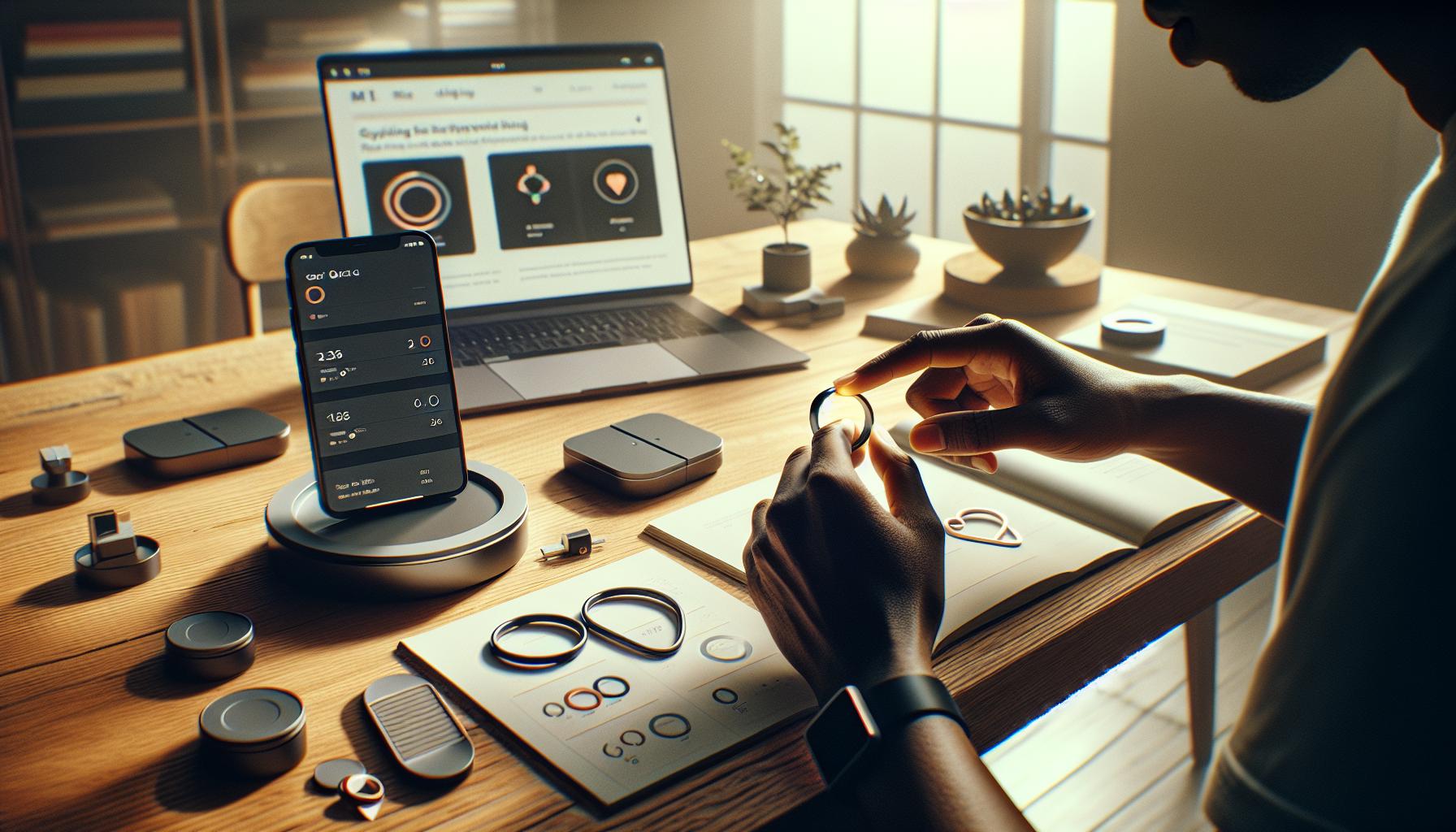
To experience the full benefits of your Oura Ring for sleep tracking, proper setup is essential. Many users find that optimizing their Oura Ring’s performance can significantly enhance the quality of the insights it provides. Getting started is simple, but paying attention to a few key details can make a big difference.
First, ensure that you have the Oura app downloaded on your smartphone. This app is the hub for all your tracking data and insights. Pair your Oura Ring with your phone via Bluetooth by following the on-screen instructions in the app. It’s important to wear your ring consistently, ideally on your index or middle finger, which tend to provide the most reliable data. The ring should fit snugly but comfortably, as a loose fit may affect sensor readings, especially during sleep.
Tips for Optimizing Sleep Tracking
- Track Your Bedtime Routine: To help the ring learn when you typically go to sleep, maintain a consistent bedtime and wake time. The app will use this information to provide better sleep insights.
- Calibrate Settings: Adjust the app settings to reflect your personal sleep needs. This includes setting your sleep goal and ensuring the ring is tracking accurately each night.
- Data Synchronization: Regularly sync your ring with the app after waking up. This ensures that all your night’s data is stored and analyzed properly.
After using the ring for several nights, take time to review your sleep data in the app. Look for trends or patterns that can inform your habits. For example, you may notice that certain behaviors-like screen time before bed-correlate with less restful sleep.
Troubleshooting Setup Issues
If you encounter any difficulties during the setup process, don’t hesitate to check the app’s help section or online forums for solutions. Sometimes a simple restart of your phone or the ring can resolve connectivity issues. If problems persist, consult the customer support team through the app for personalized assistance.
With the right setup and a commitment to consistent use, your Oura Ring can empower you to take control of your sleep health while uncovering valuable data to improve your nightly rest.
Troubleshooting Common Oura Ring Issues
The Oura Ring is a cutting-edge sleep tracker, but like any technology, it can face occasional hiccups. Many users find themselves wondering why the ring might not capture accurate sleep data or how to resolve various issues. Understanding common troubleshooting steps can significantly enhance your experience and help you get the most out of your Oura Ring.
Before diving into solutions, it’s crucial to recognize that the accuracy of sleep tracking can be affected by how and when you wear your ring. For the best results, make sure you wear it on your index or middle finger and ensure it’s snug but comfortable. If you notice irregular data, it might be beneficial to try wearing the ring on a different finger or adjusting its fit. Additionally, ensure that the ring is fully charged before use; a low battery can lead to incomplete tracking.
If your Oura Ring fails to sync with the app, a few quick fixes may help. First, ensure Bluetooth is enabled on your smartphone, and check that both the app and your device are updated to the latest versions. If syncing is still an issue, restarting both your Oura Ring and your smartphone can often resolve the problem. Users frequently report success with these simple resets. If you continue to have difficulties, consider accessing the support section within the app for guided troubleshooting or consult the Oura Ring community for advice.
Lastly, keep in mind that while the Oura Ring provides valuable insights, it is not a substitute for professional medical advice or sleep studies. If you find yourself concerned about your sleep patterns or health despite using the Oura Ring, it may be wise to consult a healthcare provider who specializes in sleep medicine.Long-term users have found that your data becomes more insightful over time as patterns emerge, so don’t hesitate to reach out for help if something doesn’t seem right.
When to Seek Professional Sleep Studies
When it comes to monitoring your sleep quality, the Oura Ring serves as an excellent companion, providing insights that can help you make informed lifestyle choices. However, there are moments when the data collected by your wearable may raise eyebrows or, more importantly, lead to genuine concerns about your sleep health. If you find discrepancies between how you feel and what your Oura Ring reports, it might be time to consider a professional sleep study.
Recognizing the Signs
It’s essential to understand that not all sleep issues can be diagnosed or effectively managed with home technology. Here are several indicators signaling that you should seek professional help:
- Persistent Fatigue: If you regularly wake up feeling unrefreshed or excessively tired during the day despite adequate time in bed, this could indicate an underlying sleep disorder.
- Severe Snoring or Breathing Issues: If you snore heavily, experience gasping for air during sleep, or have difficulty breathing, these can be significant signs of conditions such as sleep apnea.
- Excessive Daytime Sleepiness: Frequently feeling excessively sleepy during the day, even after a full night’s sleep, may point to narcolepsy or other disorders.
- Inconsistent Tracking Results: If you’ve noticed a consistent pattern of irregular sleep data on your Oura Ring, it might be indicative of a deeper issue requiring medical investigation.
What to Expect from a Sleep Study
If you decide to consult a sleep specialist, you may be recommended a polysomnography (PSG) test. This comprehensive study involves spending a night in a sleep lab where professionals will monitor your brain waves, oxygen levels, heart rate, and breathing, as well as eye and leg movements. Here’s a brief overview of what to expect:
- Preparation: Depending on the facility, you may be given instructions on how to prepare for the test, including what to wear and what medications you might need to adjust.
- Setup: Upon arrival, technicians will place sensors on your head, face, and body. While this may involve some discomfort, it’s designed to be as painless as possible.
- Duration: The study typically lasts overnight; however, some facilities may offer home sleep apnea tests that allow you to sleep in your own bed.
- Results: After the study, a specialist will review the data and discuss findings with you, providing insights and potential treatment options tailored to your specific needs.
Remember, utilizing a device like the Oura Ring can be a great first step in understanding your sleep patterns and health, but it should never replace comprehensive medical advice. If your sleep quality is a substantial concern, don’t hesitate to reach out for professional guidance and testing. Knowledge is power when it comes to sleep health, and taking that proactive step can lead you to a deeper understanding of what your body truly needs.
Interpreting Your Oura Ring Sleep Data
Understanding the data your Oura Ring provides can be enlightening, yet it might also be overwhelming at first glance. The device uses advanced technology to monitor your sleep stages, offering insights into how well you sleep each night. Recognizing these patterns is crucial in making informed decisions about your sleep health.
The Oura Ring breaks down your sleep data into key metrics: total sleep time, sleep efficiency, and sleep stages including deep, light, and REM sleep. Here’s how to interpret these elements:
- Total Sleep Time: This indicates how many hours you actually spent sleeping. Aim for 7-9 hours for optimal health. If your daily totals are consistently low, it might suggest you need more time in bed or improvements in your sleep environment.
- Sleep Efficiency: This percentage reflects the ratio of time spent asleep to the total time spent in bed. Higher percentages indicate better sleep quality. If you’re achieving low efficiency, consider assessing your sleeping conditions, such as light levels, noise, or comfort.
- Sleep Stages: Understanding the different stages of sleep is vital for recovery and cognitive function. Deep sleep is important for physical recovery, while REM sleep plays a crucial role in memory consolidation and emotional regulation. A balanced distribution of these stages is indicative of a healthy sleep pattern.
Comparing your nightly data over time can help you identify trends and make adjustments. For example, do your deep sleep hours increase when you avoid caffeine after noon? Or do you find that a relaxing pre-sleep routine leads to more REM sleep?
Data discrepancies can arise. If your Oura Ring reports a significant drop in sleep quality but you feel well-rested, it’s worth investigating potential causes-like how you feel mentally or emotionally-and validating your experience through your own observations.
Interpreting your Oura Ring data empowers you to actively manage your sleep health. While these insights are a powerful tool, remember they should complement, not replace, professional advice if persistent issues arise. If you have concerns about your sleep patterns or overall health, consulting with a healthcare provider is a prudent step. The Oura Ring can provide valuable guidance, but it is essential to remain vigilant and proactive regarding your sleep health.
Making Informed Decisions: Oura Ring for Sleep Health
Making informed choices about sleep health can feel daunting, especially with numerous products touting their benefits. The Oura Ring stands out for its precise sleep tracking capabilities, backed by lab-tested data. As you navigate your sleep health journey, understanding how the Oura Ring operates can empower you to make educated decisions that align with your needs.
The Oura Ring utilizes optical sensors to monitor your heart rate variability, body temperature, and movement throughout the night. This data is then used to evaluate sleep quality, broken down into various key metrics: total sleep time, sleep efficiency, and the proportion of deep, light, and REM sleep. Unlike traditional sleep studies, which require you to spend a night in a laboratory, the Oura Ring provides this information in the comfort of your home and without the need for complex equipment. This convenience is particularly appealing for individuals who might experience anxiety in clinical settings.
When considering the Oura Ring for your sleep health, it’s essential to weigh its benefits against its limitations. While Oura provides insights based on its algorithms, these should be seen as complementary to, rather than a replacement for, professional advice. Individuals experiencing persistent sleep issues or those looking for comprehensive diagnostic solutions might still benefit from consulting sleep specialists who can prescribe polysomnography or other advanced testing methods.
Ultimately, the Oura Ring is a powerful tool for tracking your sleep patterns. It encourages you to engage with your sleep health actively, offering insights that can guide improvements in your nightly routine. For instance, if you notice a decline in REM sleep following stressful days, you might explore relaxation techniques before bedtime. With this information at your fingertips, you can create a more tailored approach to achieving better rest and overall well-being.
Frequently Asked Questions
Q: How does Oura Ring compare to other sleep trackers in accuracy?
A: The Oura Ring is often noted for its advanced technology and accuracy in tracking sleep patterns. Compared to other trackers, it provides insights on sleep stages and overall sleep quality, but individual experiences may vary. For a more detailed comparison, check the section on Comparing Oura Ring and Other Sleep Trackers.
Q: What are common sleep data limitations with the Oura Ring?
A: While the Oura Ring is effective, its limitations include potential inaccuracies in detecting very brief awakenings and reliance on user behavior for optimal performance. For a deeper understanding, review the Limitations of Oura Ring Sleep Data section.
Q: Can I improve the accuracy of my Oura Ring sleep tracking?
A: Yes, to enhance accuracy, ensure your Oura Ring fits snugly and that you consistently wear it at night. Regularly updating your sleep patterns in the app can also help optimize tracking. Refer to Setting Up Your Oura Ring for Optimal Tracking for more tips.
Q: How reliable is Oura Ring when diagnosing sleep disorders?
A: Oura Ring is not a diagnostic tool for sleep disorders; it’s designed for general insights. For serious sleep issues, consider consulting a healthcare professional. Information on when to seek professional help can be found in the When to Seek Professional Sleep Studies section.
Q: What sleep stages can the Oura Ring accurately track?
A: The Oura Ring can track various stages of sleep, including light, deep, and REM sleep. Its ability to provide detailed breakdowns improves overall sleep analysis. Check out Understanding Sleep Stages and Tracking Accuracy for more insights.
Q: Why might my Oura Ring show different sleep data than other devices?
A: Variations in sleep data can occur due to different algorithms and measurement methods used by devices. Each device interprets sleep patterns uniquely. For an explanation of these differences, see the Lab-Tested Insights: Oura Ring vs. Traditional Methods section.
Q: What do I do if my Oura Ring sleep data seems inaccurate?
A: If you notice discrepancies in sleep data, ensure your ring is properly calibrated and worn every night. Resetting the device and reviewing your sleep habits may also help. For troubleshooting, refer to Troubleshooting Common Oura Ring Issues.
Q: How can I interpret my sleep data from the Oura Ring effectively?
A: To interpret your Oura Ring sleep data effectively, regularly check the app’s insights and focus on trends over time rather than daily fluctuations. Find detailed guidance in the Interpreting Your Oura Ring Sleep Data section.
In Retrospect
As we’ve discovered, the Oura Ring offers compelling insights into sleep tracking, blending accuracy with user-friendly technology. If you’re serious about enhancing your sleep quality, considering the Oura Ring could be your next step toward healthier habits. Don’t just take our word for it-explore our comprehensive guides on sleep studies and other wearables to see how they measure up.
Ready to take charge of your sleep health? Dive deeper into our articles on sleep disorders and practical device setups to fully leverage your tracking experience. If you have any questions or want to share your thoughts on your own sleep journey, we invite you to comment below. Your insights could help others on the same path! Don’t forget to subscribe for regular updates, and check out our resources to gain more clarity on sleep technologies. Let’s embark on this journey to better sleep together!
Get our latest guides, news, and insights highlighted in your Google Search & AI Overviews.