
Did you know that nearly 70 million Americans struggle with sleep disorders? For those experiencing chronic sleep issues, understanding how often to undergo sleep studies can be crucial for getting the right diagnosis and treatment. In this guide, we’ll explore the frequency of sleep studies-helping you navigate when they’re necessary, what to expect, and how they can lead to better sleep health. Whether you’re dealing with insomnia, sleep apnea, or restless leg syndrome, comprehending the testing process can alleviate anxiety and empower you to make informed decisions. Join us as we break down the essentials of sleep study frequency and uncover how to achieve restful nights.
Understanding Sleep Studies: What You Need to Know
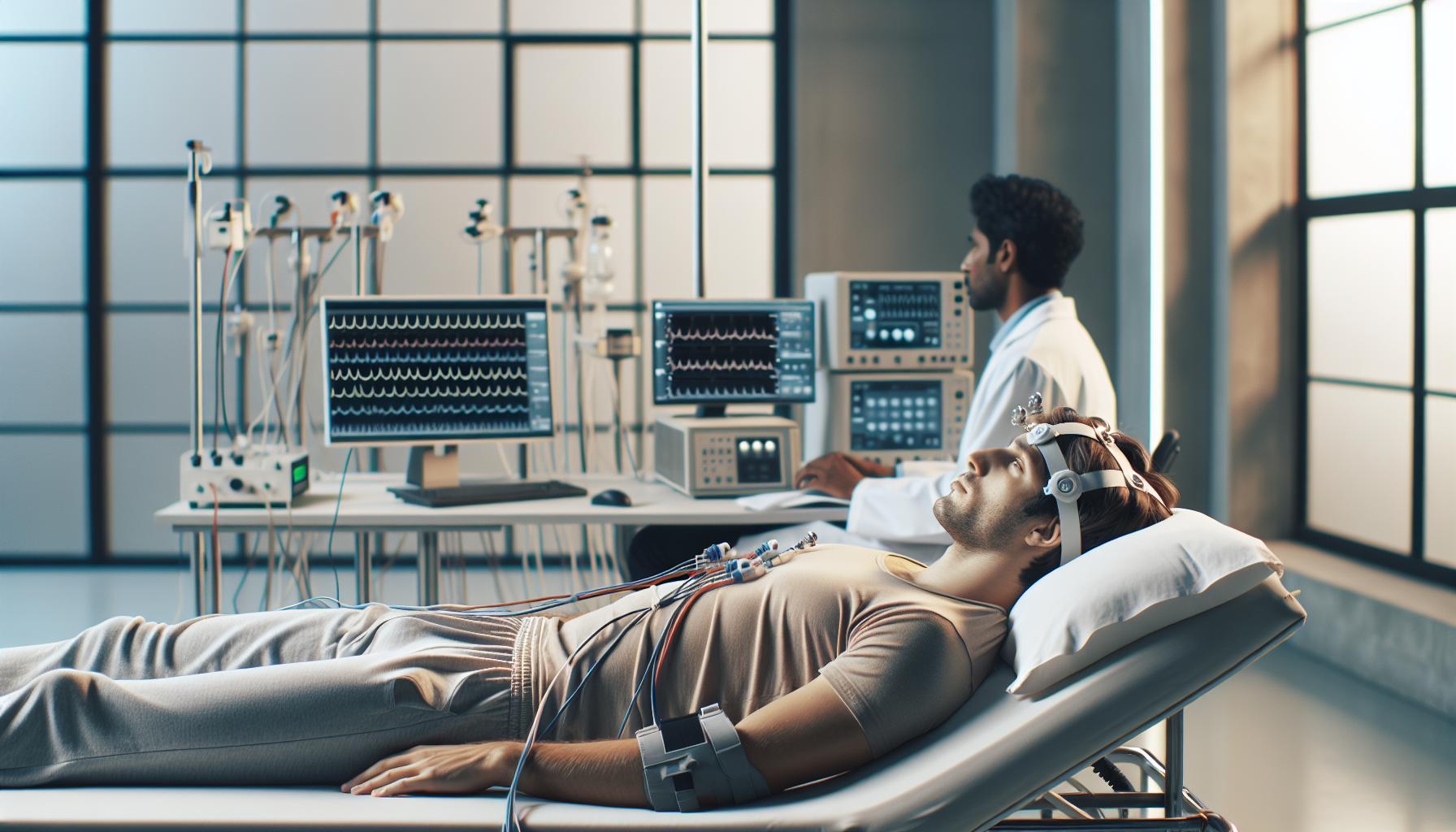 polysomnography, are essential diagnostic tools that provide insights into sleep patterns and disorders. They help identify conditions like sleep apnea, narcolepsy, and insomnia, allowing healthcare providers to formulate effective treatment plans. Whether you’re experiencing persistent sleep issues or simply wish to evaluate your sleep quality, knowing when and how to engage with these studies can empower you to take control of your health.
One of the most common questions arises around the necessity of scheduling a sleep study. If you’re consistently struggling with sleep quality, feeling excessively sleepy during the day, or exhibiting unusual behaviors during sleep, these are strong indicators that a sleep study may be beneficial. Scheduling is generally advised when symptoms disrupt daily life or when previous treatments have failed. Especially in cases where sleep apnea or similar disorders are suspected, timely testing ensures that any underlying issues are addressed before they lead to more serious health problems.
Sleep studies can vary depending on the methods and technology used. The most recognized type is the in-lab polysomnography, which monitors multiple sleep parameters in a controlled environment, providing a thorough overview of sleep architecture. However, home sleep testing has gained popularity due to its convenience; these tests utilize portable devices that you can use in the comfort of your home. These options offer flexibility but may not capture as comprehensive data as in-lab studies do, making it crucial to discuss with your healthcare provider which approach is best suited for your needs.
Additionally, many individuals wonder about the frequency of sleep studies. This can be influenced by several factors, including changes in your health status, treatment responses, and advancements in sleep technology. For patients diagnosed with chronic sleep disorders, regular check-ins through follow-up studies may be recommended to adjust treatment plans effectively. In contrast, first-time attendees might only require an initial assessment unless symptoms persist. Overall, your healthcare provider will guide you on when to schedule your next sleep study based on your ongoing symptoms and previous test results, ensuring a personalized approach to your sleep health.
When Should You Schedule a Sleep Study?
If you’re wondering when to take the plunge and schedule a sleep study, consider this: persistent sleep issues should never be brushed aside. Sleep studies are critical diagnostic tools that can uncover potentially serious sleep disorders impacting your overall health and well-being. If you frequently find yourself tossing and turning at night, struggling with daytime alertness, or waking with unexplained headaches, these could be signs that it’s time for a comprehensive evaluation of your sleep patterns.
Consulting with a healthcare provider is an essential first step. They can assess whether your symptoms warrant further investigation through a sleep study. Typical situations where a study is advised include excessive daytime sleepiness, loud snoring, choking or gasping during sleep, and difficulty falling or staying asleep despite trying various at-home remedies. A physician might also suggest a sleep study if existing treatments haven’t improved your sleep quality, or if you have pre-existing conditions that could be compounded by sleep disorders, such as obesity or cardiovascular issues.
Additionally, if you’ve begun to notice changes in your sleep over time-like increased restlessness or more frequent awakenings at night-it’s wise to discuss these with a professional. Understanding your unique situation is key; some individuals may be candidates for home sleep testing, which is more convenient but may lack the detailed data provided by in-lab polysomnography. This choice will depend on your specific symptoms and the recommendations of your sleep specialist. Trust your instincts-if something feels off with your sleep habits, don’t hesitate to seek evaluation and care.
Common Symptoms Indicating a Need for a Sleep Study
- Persistent insomnia or difficulty falling asleep
- Excessive daytime sleepiness
- Loud snoring or gasping for breath during sleep
- Frequent headaches upon waking
- Restless leg sensations at night
Taking action early can not only help improve your sleep but also protect your long-term health. So, if you’ve been facing lingering issues, scheduling a sleep study may be your best next step for better restful nights ahead.
Types of Sleep Studies Explained
The world of sleep studies can be daunting, but understanding the various types available can empower you to take charge of your sleep health. Essentially, sleep studies are designed to diagnose sleep disorders by monitoring your body’s functions during sleep. The two primary types of sleep studies are polysomnography (PSG) and home sleep apnea testing (HSAT).
Polysomnography is an in-lab sleep study that provides a comprehensive view of your sleep architecture. During this study, you’ll have sensors placed on your head and body that monitor brain waves, oxygen levels, heart rate, and respiratory activities. This thorough approach allows your healthcare provider to diagnose conditions such as sleep apnea, restless legs syndrome, and narcolepsy. While PSG offers detailed insights, it does require you to spend the night in a sleep lab, which can sometimes feel overwhelming.
On the other hand, home sleep apnea testing is a more convenient option, allowing you to undergo testing in the comfort of your own home. These tests typically involve a simpler set of devices that monitor your breathing, heart rate, and oxygen saturation while you sleep. While HSATs are effective for diagnosing obstructive sleep apnea, they may not capture the full spectrum of sleep disorders as a PSG would. Thus, a home test may be recommended for individuals with moderate symptoms of sleep apnea or for those who have previously undergone PSG without definitive results.
In deciding which type of study is best for you, consider your symptoms and the recommendations of your healthcare provider. If you’ve been experiencing symptoms like excessive daytime sleepiness, loud snoring, or gasping for breath during sleep, discussing these two options with your doctor can lead you to the appropriate testing method. Remember, the goal is not just to diagnose but also to pave the way for effective treatment, ensuring you enjoy better sleep and improved health outcomes.
How Often Should You Repeat a Sleep Study?

Determining how often to repeat a sleep study can significantly impact your approach to sleep health. Generally, there isn’t a one-size-fits-all answer, as the frequency largely depends on individual circumstances, including the specific sleep disorder diagnosed, ongoing symptoms, and treatment success. For instance, if you have been diagnosed with obstructive sleep apnea and are undergoing continuous positive airway pressure (CPAP) therapy, a follow-up sleep study may be necessary after a few months to assess how effectively the treatment is working.
Factors Influencing Repeat Studies
Several factors dictate how often you might need to repeat a sleep study:
- Changes in Symptoms: If your symptoms worsen, such as increased daytime sleepiness or changes in snoring patterns, it might signal the need for another evaluation.
- Treatment Adjustments: After changes in your treatment plan or the introduction of new therapies, a follow-up study can help gauge their effectiveness.
- New Medical Conditions: The onset of additional medical issues can interfere with sleep, necessitating a reassessment of your sleep health.
In general, healthcare providers may recommend repeating a sleep study annually or biennially, especially for conditions like sleep apnea that require ongoing monitoring. However, keep in mind that individual factors play a crucial role, and it’s essential to have open discussions with your doctor about your specific needs.
When to Consult Your Doctor
If you experience significant changes in your sleeping patterns or overall health, don’t hesitate to consult your healthcare provider. They can determine whether a sleep study is warranted and how soon it should be conducted. Staying proactive about your sleep health can make a significant difference in your overall well-being.
Factors Affecting Sleep Study Frequency

Determining how often to repeat a sleep study is influenced by various factors unique to each individual’s situation. Understanding these factors can help empower you to make informed decisions about your sleep health management. One major factor is the changes in symptoms. If you notice a significant increase in daytime sleepiness, worsening snoring, or other concerning changes, it may be time to consult your healthcare provider for potential re-evaluation. These shifts can indicate that your current treatment, whether for sleep apnea or another disorder, might not be effectively managing your condition.
Treatment adjustments also play a critical role. After modifying your treatment plan or introducing new therapeutic options, a follow-up sleep study can provide valuable insights into how well these changes are working. For example, if you start using a CPAP machine, a subsequent study could assess whether your symptoms are alleviating as intended or if additional modifications are needed.
Another important consideration involves the emergence of new medical conditions. If you develop other health issues-such as anxiety, depression, or chronic pain-these may impact your sleep quality and necessitate a fresh evaluation. It’s also essential to keep in mind that lifestyle factors like stress levels, weight fluctuations, and medication changes can influence your sleeping patterns.
Consulting your doctor regularly about your sleep health is crucial. They can offer tailored recommendations based on your specific circumstances, advising whether it may be appropriate to repeat a sleep study annually, biennially, or sooner based on the above factors. Staying proactive ensures that any adjustments or ongoing concerns are adequately addressed, leading to better overall sleep quality and health.
Signs You Might Need a Sleep Study
Experiencing difficulty with sleep can sometimes feel like a solitary struggle, but you’re far from alone. Many individuals encounter sleep disturbances that warrant further investigation. Recognizing the signs that indicate the need for a sleep study can empower you to take charge of your sleep health. If you frequently find yourself battling excessive daytime sleepiness, it may be time to consult a healthcare provider. This exhaustion could suggest a sleep disorder such as sleep apnea, where your breathing temporarily stops during sleep, resulting in disrupted rest.
Another significant indicator is the presence of persistent snoring or witnesses reporting unusual breathing patterns during the night. If a partner notes that you stop breathing or gasp during sleep, don’t hesitate to seek a professional evaluation. In addition, major lifestyle changes such as increased stress levels, weight fluctuations, or new medical conditions might also signal a need for a sleep study. For instance, if you’ve recently experienced anxiety or chronic pain, these factors can heavily impact your sleep quality and necessitate a closer look.
Additionally, if you are using a Continuous Positive Airway Pressure (CPAP) machine or other forms of treatment, changes in your symptoms are crucial. If symptoms such as difficulty concentrating, waking up feeling unrested, or mood swings worsen, this could indicate that your current treatment plan may need reevaluation. Keeping an open line of communication with your healthcare provider is essential, as they can help determine if and when a sleep study is necessary based on your changing health status.
Taking proactive steps in understanding your sleep patterns could lead to significant improvements in your overall health. If you observe these signs, consider consulting with a specialist who can guide you on the appropriate next steps, including whether a sleep study is needed. Remember, the sooner you address sleep issues, the sooner you can return to restful nights and energized days.
- Excessive daytime sleepiness: Persistent fatigue during the day is a crucial warning sign.
- Partner reports of snoring or breathing difficulties: Observations from those close to you can reveal important patterns.
- New or worsening symptoms: Changes in health, industry stress, or significant life events affecting sleep patterns need assessing.
- Treatment efficacy concerns: If your existing sleep treatment seems less effective, a reevaluation of your sleep health is warranted.
Interpreting Your Sleep Study Results
can often feel like decoding a complex puzzle, but understanding the key components can empower you to take informed steps towards better sleep health. When you receive your results, they typically include various metrics such as total sleep time, sleep efficiency, the number of awakenings, and the presence of any sleep disorders, such as sleep apnea. These data points can provide insight into your sleep architecture, highlighting how well you’re progressing through the different sleep stages, including REM and non-REM sleep.
In most cases, your doctor will explain the results in detail, but having some foundation knowledge can enhance your understanding. For example, a high number of awakenings or a low sleep efficiency percentage can indicate underlying issues that might require interventions. If your study reveals apnea episodes, the report will often detail their frequency and severity, which are crucial for deciding on treatment options like Continuous Positive Airway Pressure (CPAP) therapy. It’s essential to remember that interpreting these results is not just about understanding numbers; it’s also about correlating them with your symptoms and lifestyle factors, such as stress or medical conditions.
Often, people feel overwhelmed when first reviewing their sleep study findings. It helps to approach your results with a calm perspective. Ask yourself what symptoms you were experiencing before the study, such as excessive daytime sleepiness or snoring, and see how the data aligns with those experiences. For instance, if the study indicates that you have significant disturbances in your REM sleep, you might consider discussions with your healthcare provider about lifestyle changes or treatments that can promote a more restorative sleep cycle.
Ultimately, provides a pathway not just to understanding your sleep better, but also to improving it. Tracking changes and collaborating with your healthcare provider can lead to tailored treatment plans that fit your unique needs, fostering restful nights and revitalized days. Being proactive and informed about your sleep status is an essential step towards enhancing your overall health and well-being.
Home Sleep Testing vs. In-Lab Studies
Home sleep testing and in-lab studies are two prevalent methods for diagnosing sleep disorders, but they cater to different needs and circumstances. Each approach has its unique strengths, making it essential to grasp what distinguishes them when determining how often to repeat a sleep study or if a study is necessary at all.
Home sleep testing typically involves a smaller, more portable device that the patient utilizes in the comfort of their home. This method is often more convenient and less intimidating than an overnight stay in a sleep lab. Costs are generally lower, and patients can slip into their usual sleep environment, which may lead to more natural sleep patterns. However, home tests are primarily effective for diagnosing specific conditions, like obstructive sleep apnea, and might not capture the same level of detail as in-lab testing. Important metrics like brain activity, which can indicate other sleep disorders, are often not measured at home.
Conversely, in-lab studies, also known as polysomnography, provide a comprehensive evaluation of sleep. Patients are monitored overnight in a controlled environment, allowing for the collection of detailed data such as brain waves, blood oxygen levels, heart rate, and respiratory effort. This method is recommended for complex sleep issues or when a precise diagnosis is necessary. Insurance coverage often supports in-lab studies due to their thoroughness and ability to diagnose multiple conditions.
Deciding between these two options largely depends on your symptoms. If you’re experiencing distinct sleep apnea symptoms (such as loud snoring or gasping for air), a home sleep test might suffice. However, if you’re dealing with mixed symptoms like insomnia or excessive daytime sleepiness, an in-lab study may better clarify the underlying issues. Consulting with healthcare professionals can help determine the most suitable approach.
Understanding these differences can empower you as you navigate sleep health. Home devices are a good starting point for addressing common sleep concerns, while more complex issues might necessitate the thorough analysis provided by in-lab testing.
Insurance Coverage for Sleep Studies
Navigating the financial aspect of sleep studies can feel daunting, but understanding insurance coverage can significantly ease your concerns. Many insurance plans cover both home sleep tests and in-lab studies, but specifics can vary widely. Typically, insurers are more likely to authorize in-lab polysomnography due to its comprehensive nature and ability to diagnose a broader range of sleep disorders. This includes conditions like obstructive sleep apnea (OSA), insomnia, and other sleep-related issues.
Before scheduling a sleep study, it’s crucial to check with your insurance provider to understand your policy’s coverage details. Key questions to ask include:
- Is the sleep study covered? Confirm whether your plan includes coverage for either home or in-lab studies.
- What are the costs? Inquire about copays, deductibles, and any out-of-pocket maximums associated with the study.
- Do I need a referral? Some insurance plans may require a referral from a primary care physician to cover the expenses, especially for in-lab studies.
- What providers are in-network? Receiving services from an in-network provider can reduce costs significantly.
It’s essential to have this conversation early in the process, as getting pre-authorization can save you from unexpected bills later. Additionally, remember that even if your primary diagnosis is covered, related follow-up studies or treatments may not be fully funded. Documenting every aspect of your diagnosis and treatment journey can help with appeals if coverage is initially denied.
With a proactive approach, you can navigate insurance complexities and ensure you’re financially prepared for any necessary sleep studies. Understanding your insurance options not only alleviates stress but also empowers you to prioritize your sleep health without the added worry of unexpected costs.
Preparing for Your Sleep Study: A Step-by-Step Guide
Planning for your upcoming sleep study can alleviate anxiety and set you up for a successful experience. Whether you’re scheduled for a home sleep test or an in-lab polysomnography, understanding the steps involved can ensure that you’re not only prepared but also comfortable during the process.
Before anything else, consider checking with your healthcare provider about any specific instructions based on your medical history. This may include guidelines on medication usage, dietary restrictions, and pre-study routines to follow. Here’s a general step-by-step guide to help you prepare:
1. Review Necessary Pre-Study Instructions
- Avoid Stimulants: Reduce or eliminate caffeine and nicotine intake a few days before your study.
- Medication Management: Consult with your doctor about any medications you take regularly. They may suggest you avoid certain drugs that could influence your sleep.
- Alcohol Intake: Avoid alcohol the night before the test, as it can disrupt your sleep patterns and affect the study results.
2. Set Up Your Environment
If you’re conducting a home sleep study, create a conducive sleeping environment. Choose a quiet, comfortable space where you can sleep without interruption. Gather any equipment that may be provided, like a device to monitor your breathing or a pulse oximeter. Ensure that your sleeping area is dark and cool, as these factors contribute to a better quality of sleep.
3. Understand What to Expect on the Day of the Study
Depending on the type of sleep study, the setup process differs. For in-lab studies, arrive on time to allow for equipment setup and briefing from the technologist. They will attach sensors that monitor your brain waves, oxygen levels, and other vital signs. If you’re using a home sleep test device, familiarize yourself with how to wear the monitor and use any accompanying accessories.
4. Stay Relaxed and Open-Minded
Many first-time participants feel anxious about having their sleep monitored. Remember that this study is a tool to help diagnose potential sleep disorders, guiding you toward better health. Bring along anything that might help you relax, such as a favorite pillow or blanket. Also, consider practicing relaxation techniques, if you tend to have difficulty falling asleep when stressed.
By following these steps, you can approach your sleep study with confidence, helping to ensure accurate results and contributing to a better understanding of your sleep health.
Common Sleep Disorders Identified in Studies
Many people underestimate the prevalence of sleep disorders, but studies reveal that nearly 70 million Americans suffer from them, significantly impacting their quality of life and daily functioning. Understanding the can empower you to recognize symptoms and seek proper testing when needed.
Sleep Apnea
One of the most prevalent conditions observed in sleep studies is sleep apnea, characterized by interrupted breathing during sleep. This can manifest as loud snoring and gasping for air, which often leads to fragmented sleep and drowsiness during the day. The most common type, obstructive sleep apnea, occurs when the muscles in the throat relax excessively, blocking the airway. Treatments may include lifestyle changes, CPAP machines, or surgery in severe cases.
Insomnia
Insomnia affects many adults and is characterized by difficulty falling or staying asleep. It can be acute, lasting for a short period due to stressors, or chronic, presenting ongoing challenges that disrupt the sleep cycle. Patients may express frustration with bedtime routines and overall sleep quality. Effective treatments vary from cognitive behavioral therapy to medication, depending on the underlying factors contributing to sleep disruptions.
Restless Legs Syndrome (RLS)
Restless Legs Syndrome, often identified in sleep studies, involves uncomfortable sensations in the legs, compelling individuals to move them for relief. This condition can severely disrupt sleep, leading to significant tiredness during the day. Simple lifestyle changes, iron supplements, and medications are common methods of managing symptoms.
Narcolepsy
Another noteworthy disorder is narcolepsy, which leads to excessive daytime sleepiness and sudden sleep attacks. This condition can be life-altering, affecting daily activities and responsibilities. While there is no cure, lifestyle adjustments and medications can help manage symptoms.
Recognizing these disorders and understanding their symptoms can guide you in seeking a sleep study when necessary. With proper diagnosis and treatment, folks can reclaim restful nights and energized days, ultimately leading to improved overall health and well-being. If you suspect you have any of these conditions, discussing your symptoms with a healthcare professional is a vital first step.
The Future of Sleep Testing: Tech Innovations
As technology rapidly advances, the future of sleep testing promises to transform how we diagnose and understand sleep disorders. Innovations in portable sleep monitoring and artificial intelligence are streamlining the process, making it more accessible and efficient. With these developments, sleep studies can be performed in the comfort of your own home, reducing the anxiety often associated with traditional lab-based testing.
Wearable devices have come a long way, now offering sophisticated tracking capabilities that include heart rate variability, sleep stages, and even blood oxygen levels. Many consumers find themselves turning to smartwatches or dedicated sleep trackers to gather insights about their sleep patterns. While these devices can provide valuable data, it’s crucial to understand their limitations. They may not replace comprehensive sleep studies, especially for diagnosing conditions like sleep apnea or narcolepsy, but they can alert users to potential issues that warrant further investigation.
Innovative Sleep Technologies
New technologies, like contactless sleep monitoring systems that utilize radar or infrared sensors, are also emerging. These devices can track movement and vital signs without any physical contact, making them particularly appealing for those who might be apprehensive about wires and monitors during a study. For example, systems like the Eight Sleep Pod are designed to integrate temperature control with sleep tracking, offering personalized environments aimed at improving sleep quality.
AI and Sleep Analysis
Moreover, artificial intelligence is gaining traction in analyzing sleep data. AI algorithms can process vast amounts of information, identifying patterns and anomalies that human analysts might miss. This not only increases the accuracy of diagnosing sleep disorders but also enhances the personalization of treatment options. For instance, these AI applications can provide tailored recommendations, guiding users on when to seek further evaluation or modify their sleep hygiene practices.
In summary, as technological innovations continue to emerge, they present an exciting opportunity for better understanding and managing sleep health. Whether through wearables or advanced in-home monitoring systems, these tools empower individuals to take a proactive approach towards their sleep. However, when in doubt about your sleep health, consulting a healthcare professional remains a critical step in ensuring your well-being.
Q&A
Q: How do I know if I need a sleep study?
A: You may need a sleep study if you experience persistent sleep disturbances, such as loud snoring, gasping for air during sleep, daytime fatigue, or difficulty staying asleep. Consult with a healthcare professional to evaluate your symptoms and determine the need for further testing.
Q: What is the recommended age for a sleep study?
A: There is no specific age limit for sleep studies; however, they can be particularly beneficial for adults experiencing sleep issues or children exhibiting signs of sleep disorders. Always discuss with your doctor to decide the appropriate time for a sleep assessment based on individual health.
Q: Can sleep studies help with insomnia?
A: Yes, sleep studies can help identify underlying issues contributing to insomnia, such as sleep apnea or restless leg syndrome. By diagnosing these conditions, healthcare providers can recommend suitable treatment options to improve your sleep quality.
Q: What technology do sleep studies use?
A: Sleep studies utilize various technologies, including polysomnography, which records brain waves, oxygen levels, heart rate, and breathing patterns. Home sleep tests also use simplified monitoring devices to gather data in a familiar environment.
Q: How long does it take to get results from a sleep study?
A: Results from a sleep study typically take one to two weeks to be processed and analyzed. After that, healthcare providers will discuss the findings and recommend potential treatment options based on the diagnosis.
Q: Are there alternatives to traditional sleep studies?
A: Yes, home sleep tests are viable alternatives, particularly for diagnosing obstructive sleep apnea. These tests often offer a more convenient and cost-effective option for patients who may not need extensive monitoring or are hesitant about in-laboratory studies.
Q: What can I do to prepare for my sleep study?
A: To prepare for your sleep study, avoid caffeine and alcohol the day of the test, adhere to your normal sleep schedule, and bring comfortable sleepwear. Follow any specific instructions given by your healthcare provider to ensure accurate results.
Q: Will my insurance cover a sleep study?
A: Many insurance plans do cover sleep studies if deemed medically necessary. Check with your provider for specific coverage details and requirements. Consider discussing this with your healthcare provider to understand potential out-of-pocket costs.
Final Thoughts
Understanding how often you should undergo a sleep study is crucial in your journey to better sleep health. By recognizing the signs of sleep disorders and the frequency of retesting needed, you empower yourself to take actionable steps towards improvement. Don’t wait any longer; consider scheduling your sleep evaluation today to unlock the insights into your sleep patterns that can lead to transformative changes.
For further reading, check out our articles on common sleep disorders, where you’ll find valuable insights on symptoms and treatments (Sleep Disorders – Common Types, Symptoms, Treatments [1]]). If you’re curious about how sleep works and its importance for overall health, our comprehensive guide is just a click away ([WhyDoWeNeedSleep?[WhyDoWeNeedSleep? [“>
]). Engaging with these resources will enhance your understanding and management of sleep health.
Join our community of sleep enthusiasts by subscribing to our newsletter for the latest research and tips. Your journey to optimal sleep is just beginning-explore related topics and discover the tools that can guide you in making informed decisions about your sleep health. Remember, you deserve restful nights and revitalized days.
Get our latest guides, news, and insights highlighted in your Google Search & AI Overviews.