
Sleep disorders affect millions of people, yet many struggle to find effective solutions. With advancements in technology, home sleep studies like Snap Diagnostics are gaining popularity for their convenience and potential accuracy. But how reliable are these at-home devices compared to traditional lab studies? In this review, we’ll explore the effectiveness of Snap Diagnostics, addressing common concerns and highlighting what you can expect. By understanding the capabilities and limitations of this sleep study option, you’ll be better equipped to make an informed decision about your sleep health and take the next step toward restful nights.
Understanding Snap Diagnostics: An Overview
Understanding sleep apnea and its implications for your health can be daunting, but the rise of convenient testing options like Snap Diagnostics is changing the landscape. Founded in 1994, Snap Diagnostics specializes in home sleep testing, making it easier for individuals to access crucial evaluations of their sleep health from the comfort of their own homes. This method is designed to be not only accurate but also cost-effective, addressing a growing need for accessible healthcare solutions in our fast-paced world.
At the core of Snap Diagnostics’ approach is its innovative technology, which measures five essential channels of sleep data: airflow, oximetry, heart rate, respiratory effort, and sound. This comprehensive data collection allows for a thorough analysis of your sleep patterns, mimicking traditional in-lab studies without the need for overnight stays in medical facilities. For those who may feel anxious about sleep studies, the home testing format offers a more relaxed environment, enabling users to sleep in familiar surroundings.
It’s vital to understand what to expect when using Snap Diagnostics. Users typically receive a device that they wear overnight, capturing critical sleep metrics. After the test, the data is analyzed by healthcare professionals, who will provide insights into sleep patterns and potential disorders, such as obstructive sleep apnea. This streamlined process not only simplifies patient engagement with their sleep health but also bridges the gap between concern and action, empowering individuals to seek treatment or lifestyle changes as necessary.
With its emphasis on innovation and patient accessibility, Snap Diagnostics represents a significant shift in how sleep disorders are diagnosed and managed. It empowers individuals to take control of their sleep health, ensuring they are well-informed and equipped to make decisions that will improve their overall quality of life.
The Science Behind Sleep Studies Explained
Understanding how sleep studies work can demystify the process and empower you to take charge of your sleep health. At the heart of Snap Diagnostics’ home sleep study is the collection of crucial physiological data that mirrors the analysis performed in traditional sleep labs. This data includes measurements of airflow, oxygen levels in the blood, heart rate, respiratory effort, and even sound-information vital for diagnosing conditions such as obstructive sleep apnea.
When you engage with a device like Snap’s Sleep Apnea Monitor, you’re not just receiving a gadget; you’re getting an opportunity to understand your sleep patterns better. The device is designed for ease of use: you wear it while you sleep, allowing it to gather all the necessary data without the discomfort of a clinical environment. This setup alleviates common sleep study anxieties, such as feeling out of place or restricted by medical apparatus.
After your night of sleep, the collected data is analyzed by healthcare professionals who specialize in sleep medicine. They look for abnormalities in your sleep patterns-disturbances that might suggest sleep disorders. The accuracy of these assessments is bolstered by the sophisticated technology incorporated into Snap Diagnostics’ devices. This not only offers a reliable alternative to in-lab polysomnography but also presents a more accessible option for those hesitant about conventional testing.
Research consistently indicates that home sleep studies can be highly accurate for diagnosing sleep apnea, particularly in individuals with a high pre-test probability for the disorder. However, while these devices are excellent for preliminary assessments, they might not capture the full range of sleep disorders or complex cases. It’s crucial to have an open conversation with your healthcare provider to determine whether a home study is the appropriate choice for you, or if further testing is required to achieve a comprehensive understanding of your sleep health. By taking this informed step, you’ll find yourself better equipped to engage in discussions about your sleep health and potential treatment options.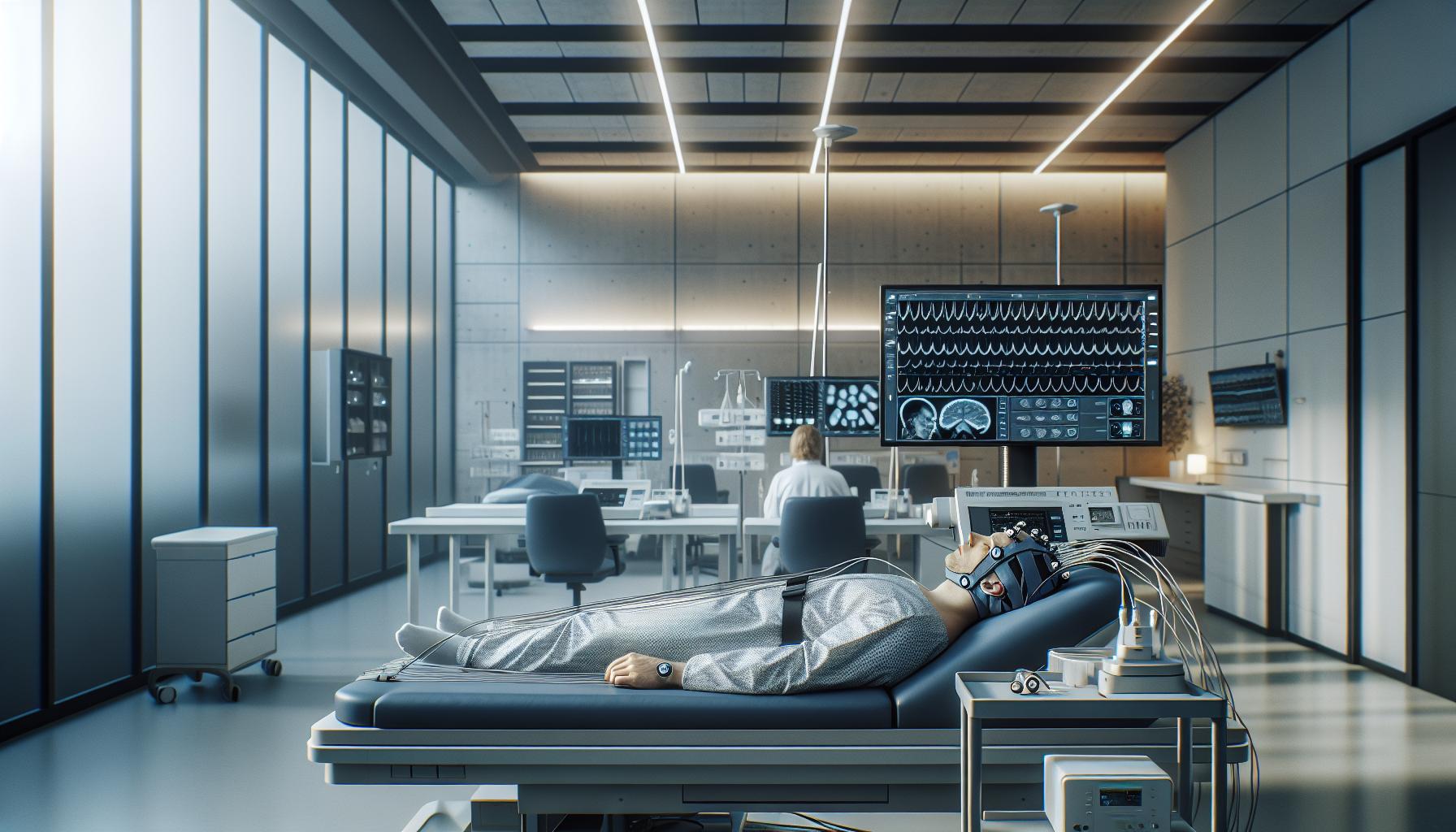
Key Features of Snap Diagnostics Device
When considering a sleep study, it’s essential to know what features can enhance your experience and the accuracy of the results. Snap Diagnostics offers a device specifically designed to provide a comprehensive snapshot of your sleep patterns, making it an appealing choice for those proactive about their sleep health. One of the standout aspects of the Snap device is its ability to measure multiple physiological parameters that are critical for accurate diagnoses of sleep disorders, particularly sleep apnea.
Key features of the Snap Diagnostics device include:
Comprehensive Data Collection
The Snap device tracks five essential channels of sleep data:
- Airflow: Monitors breathing patterns, crucial for identifying blockages.
- Oximetry: Measures blood oxygen levels to detect potential hypoxia.
- Heart Rate: Provides insights into cardiovascular changes during sleep.
- Respiratory Effort: Assesses how hard you are working to breathe.
- Sound Monitoring: Captures sounds that may indicate snoring or other sleep disruptions.
This multi-channel approach mirrors the thorough assessments typically conducted in clinical sleep labs, ensuring that you receive an accurate overview of your sleep health.
User-Friendly Design
Setup is straightforward, designed to be non-invasive and comfortable. You simply wear the device while you sleep, eliminating the discomfort often associated with traditional sleep studies. This ease of use not only enhances compliance but also minimizes the anxiety many individuals face when undergoing sleep testing.
Data Analysis by Experts
Once your study is complete, the gathered data is analyzed by healthcare professionals who specialize in sleep medicine. Their expertise is crucial in interpreting the results and determining whether further testing or treatment is warranted. This layer of professional scrutiny adds a significant level of trust to the findings.
Overall, the Snap Diagnostics device offers a blend of advanced technology and user-centric design, making it a valuable tool in the journey toward better sleep health. Its comprehensive data collection capabilities, combined with the comfort of home testing, provide peace of mind and a thorough assessment for those concerned about their sleep patterns.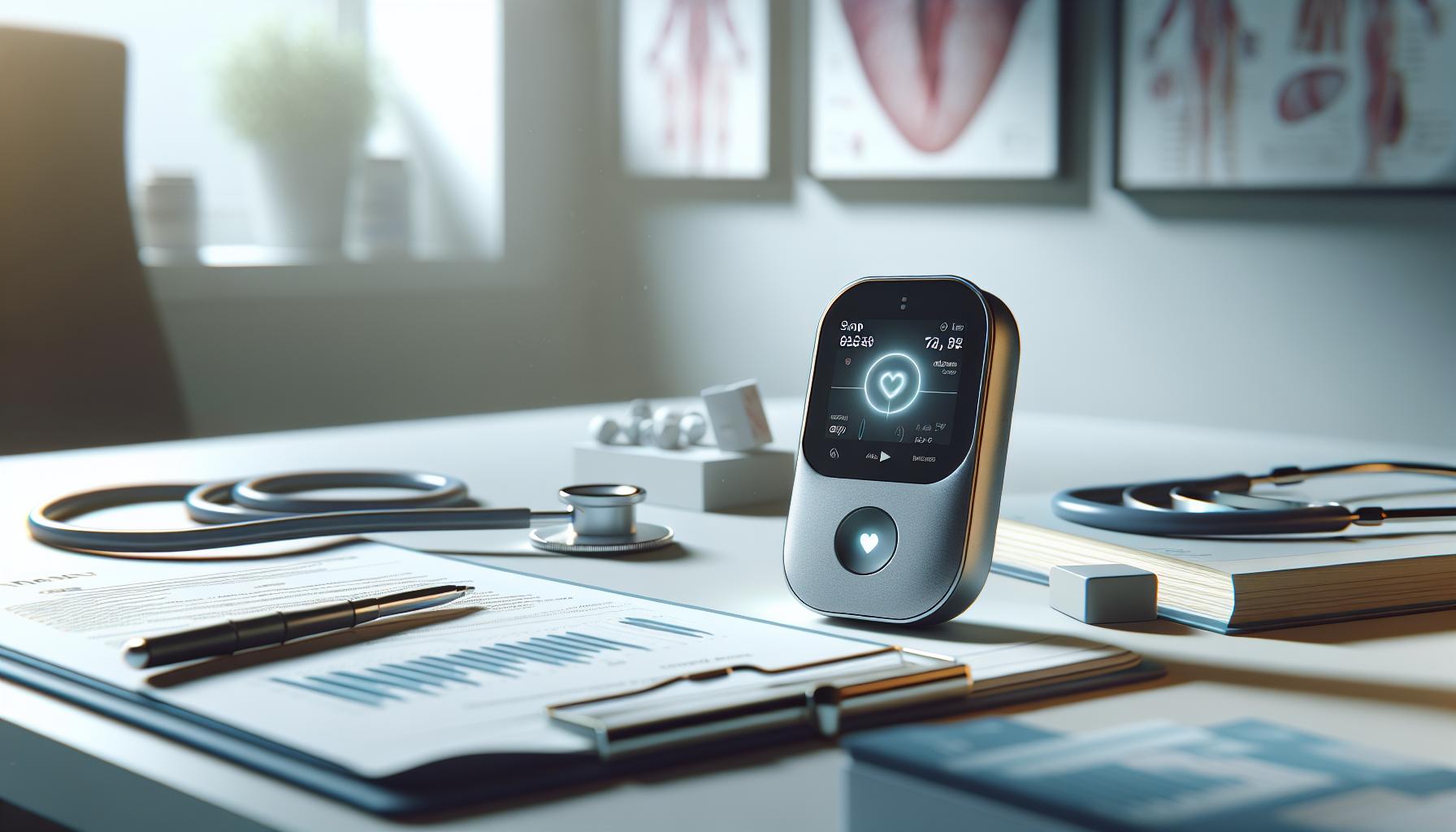
How Accurate Are Sleep Studies?
When considering a home sleep study with Snap Diagnostics, accuracy is a primary concern for many potential users. Home sleep testing can be a viable alternative to traditional lab-based polysomnography, but understanding how closely these tests mirror the comprehensive data collected in a clinical setting is crucial for your peace of mind and health.
The Snap device operates by monitoring multiple physiological parameters crucial to diagnosing sleep disorders. It captures airflow, oximetry (blood oxygen levels), heart rate, respiratory effort, and sound during sleep. This multi-faceted data collection allows healthcare professionals to gain insights comparable to those obtained through traditional sleep studies. However, it’s essential to recognize that while home tests are effective for diagnosing conditions like sleep apnea, they may not detect all disorders or provide the same depth of analysis as in-lab tests.
One of the significant advantages of Snap Diagnostics is its ability to accurately identify sleep apnea episodes, which is often linked to more severe health issues if left untreated. Studies have shown that home sleep apnea tests can provide a sensitivity of about 80-90% for correctly diagnosing moderate to severe obstructive sleep apnea. However, less severe cases may require further evaluation through an in-lab polysomnography to ensure comprehensive care. Therefore, if you present symptoms of sleep disorders beyond sleep apnea, a traditional study may still be warranted.
In terms of user experience, one aspect contributing to the accuracy of Snap Diagnostics is the simplicity of setup and the comfort level it provides. Traditional sleep studies often involve multiple wires and bulky equipment, which can affect your sleep quality during the test. In contrast, Snap allows for a more natural sleep experience in your own bed, potentially leading to more reliable data collection due to reduced anxiety and better sleep quality.
Ultimately, while the Snap Diagnostics device offers a robust option for sleep testing with commendable accuracy for identifying sleep apnea, it’s wise for users to keep in mind its limitations and the potential need for additional testing in specific scenarios. Engaging with healthcare professionals post-testing will help clarify results and guide the next steps in your sleep health journey.
Comparing Snap Diagnostics to Traditional Studies
While home sleep studies, like those offered by Snap Diagnostics, provide an accessible alternative to traditional polysomnography, there are notable differences in methodology and diagnostic depth. Traditional studies, conducted in sleep laboratories, utilize comprehensive monitoring across multiple channels, including brain waves, eye movements, and muscle activity, delivering a wealth of information on various sleep disorders. This setup allows healthcare professionals to observe the full spectrum of sleep stages and transitions, which is vital for diagnosing complex conditions that extend beyond sleep apnea.
In contrast, Snap Diagnostics focuses primarily on tracking essential physiological parameters such as airflow, oxygen saturation, heart rate, and respiratory effort. This streamlined approach is effective for diagnosing obstructive sleep apnea, with studies indicating 80-90% sensitivity for moderate to severe cases. However, it’s important to recognize that this home-based method may not provide the same thorough insights into other sleep disorders like REM sleep behavior disorder or narcolepsy, which require advanced monitoring capabilities.
Cost and Convenience
Home sleep tests generally come at a fraction of the cost of traditional in-lab studies, which can be a significant consideration for many individuals. While lab tests may range from $1,000 to $3,000 depending on the facility and location, home testing with Snap Diagnostics typically costs a few hundred dollars and can often be covered by insurance. This affordability, combined with the convenience of testing from your own bed, makes Snap Diagnostics an attractive choice for many.
Setup and Comfort
Another vital factor is setup and comfort. Traditional sleep studies often involve complex setups with multiple wires and sensors, which can contribute to anxiety and discomfort, potentially affecting sleep quality during the test. In contrast, Snap Diagnostics simplifies this process, allowing users to quickly wear the device and sleep in their own environment, which can lead to more relaxed and representative sleep data. The ease of use also contributes to better adherence, making it more likely that individuals will seek out the testing they need rather than avoid it due to the intimidating experience of a lab test.
Ultimately, the choice between Snap Diagnostics and traditional sleep studies should be based on specific needs and symptoms. If your primary concern is obstructive sleep apnea, Snap Diagnostics might be a suitable and cost-effective choice. However, for more complex sleep disorders or if initial testing raises significant concerns, consulting with a healthcare provider about a traditional sleep study could provide a more comprehensive assessment.
User Experience: Setup and Usage Tips
Getting a good night’s sleep can be challenging enough without the added stress of testing for sleep disorders. Using the Snap Diagnostics home sleep apnea monitor can make the process much smoother, allowing you to gather essential data while resting in the comfort of your own bed. To help you achieve the best possible results, here are some tips for setup and usage.
First, familiarize yourself with the device. The Snap Diagnostics monitor is designed for simplicity and ease of use. Before your sleep study night, take a moment to read the user manual thoroughly and ensure that you have all the necessary components. The device typically includes sensors and a recording unit, all contained in a compact setup that doesn’t require the complex wiring of traditional sleep studies.
Setup Steps:
- Charge the Device: Ensure that the recording unit is fully charged before your sleep study. This will prevent interruptions during the night.
- Attach Sensors: Follow the instructions to correctly attach the sensors. Usually, this involves placing the airflow sensor near your nostrils and positioning the pulse oximeter on your finger.
- Wear Comfortable Clothing: Dress in breathable sleepwear, and avoid any garments that might constrain the sensors.
- Settle In: Take some time to relax before bed. The more comfortable you feel, the more accurately the device can record your sleep patterns.
Tips for Success:
- Maintain Your Regular Sleep Environment: Try to keep your sleep environment as close to your usual setting as possible. Dim the lights and minimize noise to create a calming atmosphere.
- Avoid Stimulants: Refrain from consuming caffeine or heavy meals before bed, as they may interfere with your ability to fall asleep naturally.
- Practice Relaxation Techniques: If you feel anxious about the test, consider practicing deep breathing or meditation to help ease your mind.
After the test, you can return the device as instructed, and you’ll receive your results in a timely manner. Remember, a home sleep study is a convenient and less intimidating way to get insights into your sleep patterns, particularly for diagnosing obstructive sleep apnea. By following these setup and usage tips, you can maximize your chances of obtaining accurate and helpful results from your Snap Diagnostics sleep study.
Interpreting Your Sleep Study Results
can feel daunting, but understanding what the data means is crucial for making informed decisions about your sleep health. Snap Diagnostics provides a detailed analysis of several key metrics collected during your night of sleep, allowing you to better understand your sleep patterns and any potential disorders. The main areas reported include airflow, blood oxygen levels, heart rate, respiratory effort, and ambient sounds.
The first metric, airflow, focuses on how effectively you’re breathing while asleep. Diminished airflow can indicate obstructions in your airways, commonly seen in conditions like obstructive sleep apnea (OSA). Coupled with blood oxygen levels, measured by a pulse oximeter, this metric helps identify any significant drops in oxygen that can lead to various health issues. Ideally, blood oxygen levels should stay above 90% throughout the night.
Heart rate is another vital indicator, as inconsistent heart rates might point to sleep disturbances or apnea events where breathing temporarily stops. Similarly, the respiratory effort captures how hard you’re working to breathe during sleep, which can provide insights into overall respiratory health. Lastly, the ambient sound analysis captures any unusual noises, like snoring, which may also provide clues about obstructive sleep apnea or other sleep-disruptive behaviors.
Understanding these metrics can empower you to discuss your results effectively with a healthcare provider, making the transition to treatment much smoother. As you review your report, pay attention to any flagged metrics, as they often indicate areas for further investigation or immediate action. Don’t hesitate to seek clarification from your healthcare professional; they can provide insights tailored specifically to your health history and concerns.
In summary, by carefully analyzing these aspects of your sleep study, you can better understand your sleep health and take proactive steps toward improving your overall well-being. The data is designed to inform, but it’s also essential to contextualize these findings within your lifestyle and health background. Always remember that you are not alone in this journey-having a dialogue with your healthcare provider is key to addressing any underlying issues.
Cost Analysis: Is It Worth the Investment?
Investing in a sleep study can feel like a big decision, especially when it comes to understanding the cost versus the benefits of such an assessment. For individuals struggling with sleep disorders, such as sleep apnea, the insights gained from a home sleep test can be invaluable. Snap Diagnostics offers a convenient and cost-effective solution, allowing users to gather crucial data from the comfort of their own homes.
Typically, home sleep apnea tests like those provided by Snap Diagnostics are substantially less expensive than in-lab polysomnography. Costs can range from a few hundred to over a thousand dollars depending on the type of study and insurance coverage. This affordability is critical since untreated sleep disorders can lead to severe health issues, including cardiovascular problems, diabetes, and increased risk of accidents. By investing in a sleep study early, you may save significantly on potential long-term healthcare costs.
Moreover, the efficiency of Snap Diagnostics means quicker results compared to traditional methods. Many users receive their reports within days, enabling them to make informed decisions about their health sooner. And with comprehensive data on airflow, oxygen levels, and other vital metrics, users can take their findings directly to their health care provider to discuss the next steps in treatment.
When considering whether a sleep study is worth the investment, think about your current health situation, symptoms, and how they interfere with your daily life. If you frequently suffer from fatigue, excessive daytime sleepiness, or have been informed of potential sleep disturbances, a test might just be the key to unlocking solutions to improve your overall well-being. Engaging in this process not only helps address concerns but also puts you in control of your health journey, paving the way for a better night’s sleep.
Insurance and Sleep Studies: What You Need to Know
Navigating the world of insurance coverage for sleep studies can be daunting, but understanding the basics can empower you to make informed decisions. Depending on your insurance provider, the type of sleep study, and your specific health needs, coverage can vary significantly. It’s crucial to spend a little time reviewing your policy or speaking with a customer service representative to clarify what expenses will be covered. Typically, home sleep studies like those provided by Snap Diagnostics are often more affordable than traditional in-lab testing, making them an appealing option, especially for those concerned about costs.
Most insurance plans consider home sleep apnea testing medically necessary if you exhibit specific symptoms, such as excessive daytime sleepiness or a history of sleep apnea. Therefore, it’s important to document your symptoms and any prior discussions with your healthcare provider when submitting a claim. Before proceeding with a home sleep test, contact your insurer to confirm that the testing will be covered and to understand any potential out-of-pocket expenses you may incur.
Key Considerations
When evaluating your insurance coverage, keep the following points in mind:
- Prior Authorization: Some insurance plans require a prior authorization for any sleep studies. Check if you need a referral from your healthcare provider.
- In-Network vs. Out-of-Network: Understand if Snap Diagnostics is in your insurance network, as this can significantly impact your costs.
- Deductibles and Copays: Be aware of your deductible status and potential copays for outpatient services.
- Coverage Limits: Review if there are specific limitations regarding the number of tests or specific conditions that qualify for testing.
To smooth the process, consider asking your doctor for assistance. They can help provide necessary documentation that outlines your symptoms and urgency for testing, potentially making your claim more compelling.
In summary, knowing how to navigate your insurance coverage for sleep studies not only alleviates financial stress but also assures that you get the vital testing you need to address potential sleep disorders effectively. Taking proactive steps in communicating with your insurance provider can help you maximize your benefits while embarking on the journey towards better sleep health.
Common Sleep Disorders and Their Impact
Sleep disorders affect millions of people worldwide, often leading to debilitating consequences if left untreated. One of the most common conditions is Obstructive Sleep Apnea (OSA), where the airways become blocked during sleep, leading to interrupted breathing. This disorder can result in severe daytime fatigue, increased risk of cardiovascular disease, and impaired cognitive function, making accurate diagnosis crucial.
Another prevalent condition is Insomnia, characterized by difficulty falling or staying asleep. Chronic insomnia can lead to anxiety, depression, and decreased quality of life. Individuals with insomnia often experience a vicious cycle where anxiety about sleep exacerbates the problem, further complicating treatment and management.
Consider also Restless Legs Syndrome (RLS), which manifests as an uncontrollable urge to move the legs, typically accompanied by uncomfortable sensations. RLS can severely disrupt sleep, leading to chronic fatigue and affecting daytime productivity. Moreover, Narcolepsy, a neurological disorder that impacts the control of sleep and wakefulness, can cause sudden sleep attacks and overwhelming daytime drowsiness, significantly impacting daily functioning and safety.
To help users assess their sleep health effectively, home sleep tests, such as those offered by Snap Diagnostics, can be pivotal. By providing convenient and accurate testing options, patients can identify potential sleep disorders and seek timely treatment. With the rise of telemedicine and home-based diagnostics, understanding your sleep health has never been more accessible, empowering individuals to take charge of their well-being.
Users should keep in mind that while home sleep testing is a valuable tool, it may not replace comprehensive evaluations for all disorders. For example, individuals who suspect insomnia or RLS should consider discussing their symptoms with a healthcare professional for tailored advice and possible referrals to specialists. Thus, being proactive about sleep health not only enhances quality of life but can prevent more serious health issues down the line.
Real-Life Success Stories with Snap Diagnostics
The advancements in home sleep testing have transformed the sleep health landscape, and Snap Diagnostics stands as a beacon of success for many individuals seeking answers to their sleep-related issues. Through their innovative home sleep test, users have reported significant improvements in their quality of life after receiving timely diagnoses and appropriate treatment for sleep disorders like Obstructive Sleep Apnea (OSA).
Take the story of Sarah, for instance. After years of battling excessive daytime sleepiness and a persistent snore that kept her partner awake, Sarah turned to Snap Diagnostics for a sleep study. The user-friendly device allowed her to conduct the test in the comfort of her own bedroom. Within just a few nights, she discovered she had moderate OSA. Armed with this information, her healthcare provider promptly introduced a treatment plan, including CPAP therapy, which transformed her nights and revitalized her days. Sarah now wakes up refreshed and has a renewed energy to tackle her daily activities.
Another powerful example comes from John, a busy sales executive who struggled with disruptive insomnia. Skeptical about wearing a device while sleeping, he was pleasantly surprised by the comfort of Snap Diagnostics’ equipment. After completing his test, the data revealed not just the duration of his sleep but also insights into sleep stages that he had never considered. This led to a tailored therapy approach that combined lifestyle adjustments and cognitive behavioral therapy for insomnia (CBT-I). Within weeks, John experienced a notable increase in his sleep quality, transforming his productivity and mood.
These success stories highlight the importance of accessing accurate sleep data through home testing. Many users find that the convenience of Snap Diagnostics’ home sleep tests alleviates anxiety surrounding traditional sleep labs, making the experience less intimidating and more accessible. The initial investment in the test often leads to profound long-term benefits, both in terms of health outcomes and overall quality of life. When navigating the sometimes complex world of sleep health, Snap Diagnostics has empowered individuals to take control, leading to life-enhancing transformations.
Real-life narratives like these not only reassure potential users about the effectiveness of the Snap Diagnostics system but also demonstrate the tangible benefits of addressing sleep disorders promptly and effectively.
Frequently Asked Questions About Snap Diagnostics
Curiosity often surrounds the accuracy of at-home sleep studies, especially when it comes to a device as innovative as Snap Diagnostics. Many potential users ponder whether this home testing option can truly deliver reliable results comparable to traditional sleep labs. The answer leans towards optimism: studies show that Snap Diagnostics exhibits good sensitivity and specificity, making it a viable tool for diagnosing conditions like Obstructive Sleep Apnea (OSA) [[1]](https://snapdiagnostics.com/studies-using-snap/). However, it’s essential to understand that while home sleep tests can be accurate, they might not be as definitive as in-lab studies, which can capture a broader range of sleep parameters.
When considering the typical questions about Snap Diagnostics, it’s beneficial to note what to expect from the device. It often requires a simple setup process involving the attachment of sensors and connection to an app or monitoring device. Most users find it comfortable enough to sleep with. Providing a straightforward user experience alleviates common anxieties related to sleep testing-no need to spend a night in an unfamiliar lab environment [[2]](https://www.reddit.com/r/SleepApnea/comments/1jlaw7h/is_snap_diagnostics_accurate/).
For many, understanding the context of their results is crucial. The device doesn’t just track sleep duration; it can also provide insights into the quality and stages of sleep. These features enable users to better interpret their own sleep patterns and engage in meaningful discussions with their healthcare providers. Ultimately, Snap Diagnostics empowers individuals to take charge of their sleep health, prompting timely interventions that can lead to significant lifestyle improvements.
In navigating the complexities of insurance and costs, users frequently inquire about coverage for at-home sleep studies. Typically, insurance policies may vary significantly, and some will cover the cost of home sleep tests, while others may not. It’s advisable for users to check with their insurance providers beforehand to clarify benefits and out-of-pocket expenses related to using Snap Diagnostics. Being well-informed can prevent unexpected costs and ensure a smoother process in addressing sleep concerns.
Faq
Q: How does Snap Diagnostics ensure accuracy in their sleep study?
A: Snap Diagnostics ensures accuracy by recording breathing patterns directly through airflow and sound and measuring breathing effort via chest movement. This comprehensive data collection helps in providing reliable insights into a patient’s sleep quality and potential disorders [3].
Q: What should I expect during a Snap Diagnostics sleep study?
A: During a Snap Diagnostics sleep study, you will wear a device that monitors your sleep patterns overnight. You can expect to have sensors placed on your body to track airflow, movement, and sound. It’s designed to be as comfortable as possible while still providing accurate data [2].
Q: How frequently do I need to conduct Snap Diagnostics sleep studies for accurate results?
A: For optimal accuracy, it is recommended to conduct Snap Diagnostics sleep studies over multiple nights. This allows for variations in breathing patterns to be captured and analyzed effectively [2].
Q: Can I compare Snap Diagnostics sleep study results with traditional sleep study methods?
A: Yes, comparing Snap Diagnostics results with traditional methods can provide a comprehensive understanding. Snap Diagnostics utilizes innovative technology that may offer advantages in convenience and data collection compared to lab-based studies [2].
Q: Are there any limitations to the Snap Diagnostics sleep study device?
A: While Snap Diagnostics is praised for its convenience and accuracy, limitations may include potential sensor dislodgement during sleep and the need for multiple nights of data for reliable patterns. Be prepared for occasional setup issues [1].
Q: What should I do if I experience issues with the Snap Diagnostics device during the study?
A: If you encounter issues, it is advisable to refer to the user manual for troubleshooting. Additionally, ensure sensors are properly applied before sleep. If problems persist, contact Snap Diagnostics’ support for assistance [1].
Q: How can I interpret the results from my Snap Diagnostics sleep study?
A: Interpreting your sleep study results involves understanding the data on your breathing patterns, sleep phases, and possible disturbances. Consult with a sleep specialist to gain insights and recommendations on improving your sleep health [3].
Q: Is follow-up necessary after a Snap Diagnostics sleep study?
A: Yes, follow-up is often necessary to discuss your results and potential next steps. This can include lifestyle changes, further testing, or treatment options based on your findings from the sleep study [3].
In Summary
In conclusion, the Snap Diagnostics Sleep Study offers an accessible means to assess your sleep health, yet accuracy remains a key concern for potential users. If you’re still considering whether this device meets your needs, remember that exploring detailed guides on sleep studies, wearable sleep technology, and navigating insurance for sleep tests can enormously benefit you.
Don’t let uncertainty hold you back; take the next step towards understanding your sleep patterns today. If you have questions or experiences to share, we’d love to hear from you in the comments! For more insights into enhancing your sleep health, consider subscribing to our newsletter for the latest updates and tips. Your journey to better sleep begins now-let’s explore the options together!
Get our latest guides, news, and insights highlighted in your Google Search & AI Overviews.