
Did you know that nearly one-third of adults don’t get enough sleep? If you’re struggling with sleep issues, understanding how often you should undergo a sleep study is vital for improving your health and well-being. Sleep studies can provide crucial insights into your sleep patterns, helping diagnose disorders like sleep apnea or insomnia. Knowing the right frequency for these assessments can better inform your treatment options, enhance your sleep quality, and ultimately transform your nightly rest. In this guide, we’ll explore the factors that determine your monitoring schedule and empower you to make informed choices about your sleep health. Join us as we demystify the process of sleep studies and help you take charge of your sleep journey.
Understanding the Purpose of Sleep Studies
Understanding the dynamics of sleep can illuminate why sleep studies are essential tools for diagnosing and managing sleep disorders. Sleep studies, also known as polysomnography, delve deep into your sleep patterns, monitoring various physiological parameters, including brain activity, eye movements, heart rate, and oxygen levels. This comprehensive analysis enables healthcare providers to identify conditions such as sleep apnea, insomnia, restless leg syndrome, and others that could significantly impact your overall health and daytime functioning.
Many people assume that an occasional sleep study suffices, but the timing for these tests depends on individual health needs and changes in sleep patterns. If you experience persistent symptoms like excessive daytime sleepiness, loud snoring, or frequent awakenings, it may be time to consult a healthcare professional about undergoing a sleep study. In many cases, repeat studies might be necessary to gauge treatment efficacy or to monitor evolving symptoms, making regular assessments a key part of effective sleep health management.
Choosing between home sleep tests and in-lab studies can also influence your monitoring schedule. Home tests provide a more convenient option for many, capturing essential data in a more familiar setting, while in-lab studies offer comprehensive insights through advanced monitoring equipment and specialist oversight. Each has its merits, but understanding the nuances helps in making informed decisions.
Ultimately, the goal of sleep studies is to empower you with knowledge and effective strategies for improving your sleep. Regular follow-ups and a solid grasp of your sleep health can lead to lasting improvements, ensuring you not only sleep better but also enjoy a higher quality of life. Take charge of your sleep journey-stay informed and open to exploring the options available to you.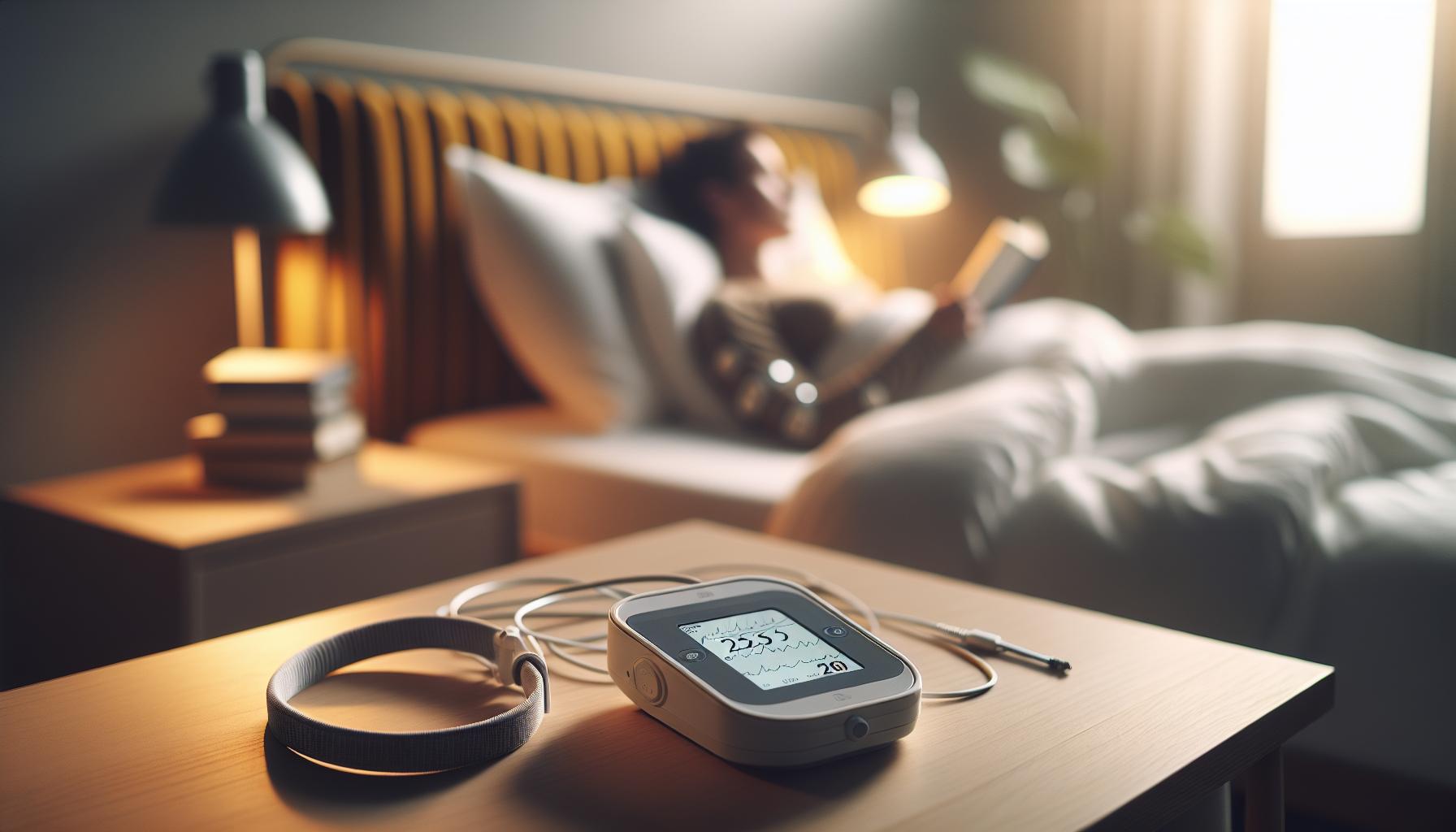
How Often Should You Undergo a Sleep Study?
Regularly assessing your sleep health is as important as the quality of sleep you get each night. The timing of sleep studies can vary greatly depending on individual circumstances, but understanding when to seek these evaluations is essential for maintaining optimal health.
For those experiencing persistent symptoms such as loud snoring, excessive daytime fatigue, or frequent awakenings, it’s wise to consult with a healthcare professional about undergoing a sleep study. In many cases, doctors may recommend follow-up studies after initiating treatments for conditions like sleep apnea or insomnia to evaluate their effectiveness. It’s not just a one-time check; many individuals might require periodic assessments to adapt treatment strategies as their sleep patterns or health conditions change.
Establishing a monitoring schedule can also be influenced by initial diagnosis. For example, if a sleep disorder is confirmed, your doctor might suggest annual or bi-annual sleep studies to ensure treatments remain effective. Conversely, if you utilize a home sleep test initially and results are unclear, an in-lab study might be advisable to gather more comprehensive data.
For those managing their sleep through technology or wearables, keeping track of your sleep patterns over time can aid in recognizing shifts that may warrant a professional evaluation. Technologies like sleep trackers offer useful insights but shouldn’t replace medical advice. If significant changes in your sleep habits are detected, such as increased awakenings or lower sleep quality, consider discussing these with a healthcare provider to determine if a sleep study is necessary.
In conclusion, the frequency of sleep studies should be tailored to your specific needs, health changes, and the advice of your healthcare provider. Staying proactive about sleep health not only enhances your sleep quality but also contributes to your overall well-being.
Signs You Might Need a Sleep Study
Experiencing poor sleep can be more than just an occasional inconvenience; it can signal underlying health issues that necessitate further investigation. Recognizing the signs that you might need a sleep study can empower you to take proactive steps towards better sleep health and overall well-being.
If you frequently find yourself waking up feeling unrefreshed or excessively tired during the day, it could indicate a sleep disorder like sleep apnea or restless leg syndrome. Among other prominent warning signs are loud snoring, gasping or choking during sleep, and chronic insomnia. These symptoms often interfere with restorative sleep, leaving you fatigued and impacting your daily life. The presence of excessive daytime sleepiness, which might lead to difficulties in concentration or mood disturbances, also suggests that a more thorough evaluation may be necessary.
Additionally, if you notice significant changes in your sleep patterns-such as the onset of frequent awakenings or a sudden increase in the time it takes to fall asleep-tracking these changes through a sleep diary could provide valuable insights to discuss with your healthcare provider. It’s also important to remember that lifestyle changes, such as increased stress, new medications, or even changes in your bedtime routine, can contribute to your sleep struggles, but persistent symptoms may warrant a sleep study for accurate diagnosis and effective treatment.
Common Signs to Consider
- Frequent Loud Snoring: Indicates potential airway blockages.
- Excessive Daytime Sleepiness: Struggling to stay awake during the day.
- Gasping or Choking at Night: Could point to sleep apnea.
- Restless Legs: An uncontrollable urge to move, often disrupting sleep.
- Chronic Insomnia: Difficulty falling or staying asleep on a regular basis.
Enlisting the help of healthcare professionals not only alleviates anxiety around the sleep study process but also guides you through understanding the outcomes of your condition. If you’re grappling with these signs, don’t hesitate to reach out for an assessment; it could be the first step toward reclaiming your sleep and improving your overall health.
Types of Sleep Studies Explained
A well-planned approach to understanding sleep studies can significantly enhance your sleep health journey. There are several types of sleep studies available, each designed to diagnose specific sleep disorders, and knowing which one to choose can help you monitor your sleep more effectively over time.
Polysomnography (PSG) is the gold standard in sleep studies. Conducted in a sleep lab or clinic, it records various body functions throughout the night, including brain activity, heart rate, breathing patterns, and blood oxygen levels. This comprehensive set of data allows healthcare providers to diagnose conditions like sleep apnea, narcolepsy, and restless legs syndrome. If you suspect a serious sleep disorder, a PSG may be the most informative option, as it captures a complete picture of your sleep architecture and disturbances.
For those who may find a full night in a lab daunting, Home Sleep Testing (HST) presents a convenient alternative. This type of study allows you to monitor your sleep in the comfort of your home using simplified equipment, typically focusing on breathing patterns and oxygen levels. While HSTs are useful for diagnosing conditions like obstructive sleep apnea, they might not provide as detailed information as PSG, particularly for disorders with more complex symptoms.
There are also specialized tests for specific issues. For example, actigraphy involves wearing a wrist device that tracks your movements, giving insight into your sleep-wake patterns over several days. This method is particularly handy for assessing chronic insomnia or monitoring sleep in shift workers. Similarly, Multiple Sleep Latency Tests (MSLT) and Maintenance of Wakefulness Tests (MWT) are used primarily for diagnosing narcolepsy and assessing daytime sleepiness, often conducted after a PSG.
Each type of sleep study serves its purpose, and how often you might need to undergo such testing can depend on your diagnosis or changing symptoms. Regular follow-ups may be necessary, particularly if you’re diagnosed with a condition that requires ongoing management, such as sleep apnea, where continuous positive airway pressure (CPAP) therapy might need adjustment over time. Understanding the various types of sleep studies ensures that you can engage in informed discussions with your healthcare provider about your sleep health needs and monitoring schedule.
What to Expect During a Sleep Study
A sleep study can be a transformative experience in understanding your sleep health, yet the idea of spending a night hooked to monitors in a lab can understandably feel intimidating. Knowing what to expect can alleviate anxiety and prepare you for what lies ahead. Initially, you will meet with a sleep technologist who will explain the procedure and help you feel comfortable. It’s essential to communicate any specific concerns or questions, as they are there to support you throughout the process.
During the study, which usually takes place in a sleep center, you’ll be connected to various sensors that monitor vital functions. These include brain activity through electroencephalogram (EEG) electrodes, heart rate and rhythm via electrocardiograms (ECG), and breathing patterns through sensors placed on your chest and abdomen. Additionally, a pulse oximeter placed on your finger will track your blood oxygen levels. As you settle into bed, the environment will be designed to mimic a typical bedroom, with a comfortable mattress and ambient lighting to promote relaxation.
As the night unfolds, you’ll drift into different stages of sleep, ranging from light sleep to deep sleep and REM sleep-each playing a unique role in your overall health and well-being. The monitoring equipment will record these stages, allowing your healthcare provider to identify potential disruptions, such as sleep apnea, that could impact your sleep quality. It’s worth noting that although many patients worry about the discomfort of the equipment, most find it less intrusive than expected. You might even nod off quicker than you think!
After the study, your data will be analyzed, revealing insights into your sleep patterns and potential disturbances. Based on the findings, your doctor will help determine the next steps, whether it be treatment for a diagnosed condition or guidance on improving sleep hygiene. Understanding the role of a sleep study can empower you to take control of your sleep health, ensuring you are on the right path to restful nights and energetic days.
Sleep Study Preparation: A Step-by-Step Guide
Preparing for a sleep study is crucial in ensuring that you obtain the most accurate results possible while minimizing any anxiety about the process. First and foremost, remember that sleep studies are designed to identify potential sleep disorders and improve your overall sleep health. With the right preparation, you can enter your sleep study feeling informed and at ease.
To begin, secure your appointment with the sleep clinic and clarify what type of study you’ll undergo-whether it’s an in-lab sleep study or a home sleep test. This is an important first step, as it often determines your preparation routine. If you’re undergoing an in-lab study, plan to arrive with plenty of time to spare, bringing any necessary items like pajamas or comfort items that make you feel relaxed. You may also want to bring along a list of medications you take, as this information will be vital for the medical staff.
It’s also essential to follow any specific instructions provided by your healthcare provider regarding pre-study preparations. For instance, some clinics might ask you to avoid caffeine or alcohol the day before the test, as these substances can significantly affect your sleep pattern and skew results. Additionally, ensure you have a typical, restful schedule leading up to the study-avoid excessive napping and try to keep a regular bedtime to maintain your body’s natural rhythm.
In preparation for your sleep study, consider the following practical tips:
- Dress Comfortably: Wear loose-fitting clothes that you can sleep in easily. If you’re in a lab, you may have to change into a gown, so wear easy-to-remove layers.
- Arrive Prepared: Bring essentials such as toiletries, a sleep mask, or anything else that may help you relax in a new environment.
- Document Your Sleep History: Keeping a sleep diary in the week leading up to your study can provide valuable insights for your healthcare team.
- Communicate Concerns: Any concerns about the equipment or procedures should be discussed beforehand with your sleep technologist. Remember, their goal is to ensure your comfort throughout the study.
This preparation phase not only helps make your experience smoother but also enhances the quality of the data collected during your sleep study, potentially leading to better insights into your health. Equip yourself with knowledge and support, and you’ll emerge from the process ready to take charge of your sleep health moving forward.
Home Sleep Testing vs. In-Lab Studies
When choosing between home sleep testing and in-lab sleep studies, it’s essential to understand the unique advantages and considerations of each option. Home sleep tests, typically involving simpler equipment you use in the comfort of your own bed, are increasingly popular due to their convenience and cost-effectiveness. They primarily focus on diagnosing obstructive sleep apnea (OSA), making them a suitable choice if that’s your primary concern. With a home test, you can set up the equipment yourself, ensuring a familiar sleep environment which can lead to a more accurate portrayal of your typical sleep patterns.
However, in-lab studies, or polysomnography, offer a comprehensive evaluation of sleep disorders beyond just sleep apnea. Conducted in specialized sleep clinics, these studies monitor brain waves, heart rate, breathing, and even oxygen levels throughout the night. This detailed observation can detect a wider array of sleep issues, such as periodic limb movement disorder (PLMD) or narcolepsy, which may not be captured in a home setting. The presence of trained sleep technologists also adds an element of safety and immediate support which can be crucial for those with complex health issues.
Cost Considerations
Home sleep tests are typically less expensive than in-lab studies, often covered by insurance to a greater extent. However, if your situation indicates the potential for more than one sleep disorder or you have significant health concerns, the upfront cost of an in-lab study might be worth it for the expansive data gathered.
Setup and Monitoring
With a home sleep test, instructions usually guide you through the setup process. It’s generally straightforward: attach a few sensors, start the device, and sleep as you normally would. In contrast, an in-lab study requires you to arrive at the facility, where technicians will prepare you by attaching various electrodes and monitoring equipment. For those anxious about sleep studies, remembering that in-lab tests provide professional oversight can ease worries.
Choosing between these options hinges on your specific symptoms and preferences. If you’re pondering how often you should undergo a sleep study, consider if symptoms persist or worsen after an initial study, and communicate openly with your healthcare provider about your ongoing sleep health journey. Ultimately, knowing the differences between home and in-lab studies empowers you to make informed decisions regarding your sleep health management.
Assessing Sleep Study Results: What They Mean
Results from a sleep study can reveal a lot about your sleep health, often answering questions you didn’t even think to ask. Understanding these results is crucial, as they guide your next steps-whether that means starting a new treatment for sleep apnea, evaluating the need for further tests, or discussing lifestyle changes with your doctor.
One of the key metrics reported during a sleep study is the Apnea-Hypopnea Index (AHI), which indicates the severity of sleep apnea. It tallies how many times you stop breathing or have significantly reduced airflow while sleeping. Your AHI score can range from normal (<5), mild (5-15), moderate (15-30), to severe (>30). Knowing where you fall on this scale helps you and your healthcare provider understand the urgency for intervention.
Other results will include detailed information about your sleep architecture, like the amount of time spent in different sleep stages such as REM (rapid eye movement) and deep sleep. Disrupted sleep or insufficient time in restorative sleep stages can signal conditions like insomnia or restless leg syndrome. If your results also show low oxygen levels, further investigation may be needed to address potential respiratory issues during sleep.
Always discuss your results with a sleep specialist who can contextualize this data based on your symptoms and risks. Establishing a regular monitoring schedule is essential, especially if your results show moderate to severe sleep disturbances, causing you to likely require follow-up studies. In situations where symptoms persist or worsen, you may need another sleep study within a year or sooner, depending on your risks and specific concerns. The key is to communicate openly with your healthcare provider and stay proactive about your sleep health.
Monitor Your Sleep: Technology and Wearables
In the age of smart technology, monitoring your sleep has never been more accessible. Wearable devices and sleep tracking apps offer insights into your sleep patterns, helping you understand the quality and duration of your rest. These tools often provide data on vital metrics such as total sleep time, time spent in different sleep stages, and even the frequency of disturbances throughout the night. This can be particularly beneficial if you’re considering whether to undergo another sleep study; regular tracking can help you identify trends and inform your healthcare provider about your sleep health.
When choosing a device, consider factors like comfort, accuracy, and features. Fitness trackers like Fitbit or specialized sleep aids such as the Oura Ring offer detailed sleep analyses, including heart rate and breathing patterns. These devices can sometimes even differentiate between REM and non-REM sleep, giving you a clearer picture of your sleep architecture. However, keep in mind that while these wearables provide a wealth of information, they are not a substitute for professional sleep studies. They are best used as a preliminary tool to gauge your sleep health before seeking formal testing.
Using Technology to Inform Your Health Decisions
Integrating technology into your sleep monitoring can help maintain healthy sleep patterns, especially if you experience issues like insomnia or excessive daytime sleepiness. Some wearables can even send alerts when you’re not getting enough restful sleep or if they detect abnormal patterns that may require a follow-up with your doctor. This proactive approach not only empowers you to take charge of your sleep health but also prepares you with useful data should you need to discuss next steps during medical appointments.
Consider setting up a regular schedule for reviewing your sleep data, much like you would for a physical health check-up. For example, monitor your sleep consistently for at least a month to identify any significant discrepancies or changes. This ongoing evaluation can guide your decision on how often to return for a sleep study, particularly if you’re noticing concerning changes in your patterns or quality of sleep.
Insurance and Costs: Navigating Sleep Study Expenses
Navigating the expenses associated with sleep studies can feel overwhelming, especially when considering how often you might need to repeat these tests. Costs can vary significantly depending on several factors, including the type of study performed, location, and your insurance coverage. On average, a sleep study can range from $1,000 to $3,000, but if you have insurance, it may cover a substantial portion of this expense, reducing your out-of-pocket costs significantly.
To ensure you are utilizing your insurance benefits effectively, it’s crucial to confirm whether your plan covers sleep studies and to what extent. Many insurance providers require prior authorization before undergoing a sleep study. This means you may need to demonstrate medical necessity, perhaps through your doctor’s recommendation or by providing documentation of your sleep issues. Always contact your insurer beforehand to clarify coverage details and understand any associated co-pays or deductibles.
When considering where to undergo a sleep study, compare in-lab options with home testing. Home tests tend to be less expensive, typically between $300 and $900, but are generally suitable only for diagnosing conditions like obstructive sleep apnea. If multiple tests are needed, either due to treatment failure or ongoing symptoms, these costs can add up quickly. Some health systems or sleep centers offer payment plans or financial assistance programs, which can help manage the financial burden.
Always remember to ask about payment plans or potential discounts if you are paying out of pocket. Keeping clear records of what each phase of your testing process costs can also help you manage your budget and make informed decisions about future sleep studies. By proactively discussing these aspects with your healthcare provider and insurance company, you can navigate the landscape of sleep study expenses with greater confidence.
When to Follow Up After a Sleep Study
Maintaining open communication with your healthcare provider is crucial after undergoing a sleep study. Typically, a follow-up appointment should be scheduled within one to two weeks after the study. This timeframe allows your doctor to review the results comprehensively and discuss any findings with you. If your sleep study reveals issues such as sleep apnea, restless leg syndrome, or other sleep disorders, timely follow-up ensures that you begin treatment promptly. Additionally, discussing your sleep study results while they are still fresh in your mind can enhance your understanding and help you ask relevant questions.
During this follow-up, your healthcare provider will explain the implications of the sleep study results and recommend treatment options tailored to your specific needs. If the results indicate a sleep disorder, your doctor may suggest lifestyle changes, a CPAP machine for sleep apnea, or further testing to refine the diagnosis. It’s an excellent time to discuss any ongoing symptoms, how your sleep has been since the study, and any concerns you have about the results or next steps.
If symptoms persist despite treatment-such as excessive daytime sleepiness or restless nights-consider scheduling another sleep study. The frequency of follow-up studies varies; however, it’s reasonable to revisit testing every 1-3 years or if you experience significant changes in your health, sleep patterns, or treatment response. Always be proactive in monitoring your sleep health and don’t hesitate to initiate conversations with your healthcare provider about the need for additional studies or adjustments to your treatment plan. Keeping a sleep diary can also be helpful as it provides detailed insight into your sleep patterns and any challenges you encounter.
In summary, follow-up visits after a sleep study are not just a formality; they play a vital role in your ongoing sleep health. By staying engaged and informed, you can take meaningful steps toward achieving better sleep and overall well-being.
Maintaining Healthy Sleep: Tips Beyond the Study
Good sleep is a cornerstone of overall health and well-being, yet many struggle with maintaining consistent, restorative rest. After undergoing a sleep study, it’s essential to implement practices that optimize your sleep quality and support your findings. Below are practical strategies to achieve and maintain better sleep hygiene.
Create a Consistent Sleep Schedule
Aim to go to bed and wake up at the same time every day, even on weekends. This consistency helps regulate your body’s internal clock, making it easier to fall asleep and wake up naturally. Setting a calming bedtime routine, such as reading or meditating, can signal to your body that it’s time to wind down.
Optimize Your Sleep Environment
Your bedroom should be conducive to sleep. Consider these tips:
- Keep the room dark, quiet, and cool. Blackout curtains, earplugs, or white noise machines can be beneficial.
- Invest in a comfortable mattress and pillows that provide proper support for your sleeping position.
- Limit bedroom activities to sleep and intimacy, which reinforces the connection between your bed and sleep.
Be Mindful of Your Diet
What you consume can significantly impact your sleep quality. Try to avoid caffeine and nicotine in the hours leading up to bedtime, as these stimulants can disrupt your sleep cycle. Additionally, heavy or rich foods may cause digestive discomfort, making sleep elusive. Instead, consider lighter snacks if you’re hungry before bed.
Incorporate Physical Activity
Regular exercise can enhance sleep quality, helping you to fall asleep faster and enjoy deeper sleep. Strive for at least 30 minutes of moderate exercise most days, but try to avoid vigorous activity close to bedtime, as it might have the opposite effect.
Monitor Your Sleep with Technology
Wearable devices or sleep tracking apps can provide valuable insights into your sleep patterns. These tools can help you understand your sleep cycles and disturbances, allowing you to make informed adjustments to your routine. While these tools aren’t replacements for a comprehensive sleep study, they can help you gauge your progress over time.
Maintaining healthy sleep habits is a continuous process, and implementing these strategies can empower you to take control of your sleep health long after your study is done. By actively managing your sleep environment and routine, you can enhance the quality of your rest and overall health.
FAQ
Q: How often should I have follow-up sleep studies after an initial one?
A: Follow-up sleep studies should generally be scheduled every 1 to 2 years, especially if you continue to experience sleep issues or if your condition changes. Regular assessments help ensure effective management of sleep disorders. Always consult your healthcare provider for personalized recommendations.
Q: What factors determine the frequency of sleep studies?
A: The frequency of sleep studies depends on individual health conditions, response to treatment, and changes in sleep patterns. Factors like age, severity of sleep disorders, and underlying health conditions also influence how often you should be tested.
Q: How can I tell if I need another sleep study?
A: You may need another sleep study if you experience new or worsening symptoms such as excessive daytime sleepiness, loud snoring, or unexplained mood changes. Consult with a sleep specialist to assess the need based on your symptoms and previous test results.
Q: Can home sleep tests replace in-lab studies for monitoring?
A: Home sleep tests can be a convenient alternative to in-lab studies for certain conditions, but they may not be suitable for everyone. Consult your doctor to determine whether a home test can accurately assess your sleep issues or if an in-lab study is needed.
Q: Should I keep using wearables to monitor sleep after a sleep study?
A: Yes, using wearable technology can provide ongoing insights into your sleep patterns after a study. Wearables can help track improvements or changes in sleep quality, enabling better management of sleep disorders. Consider them as a complementary tool alongside professional assessments.
Q: How do sleep study results influence my monitoring schedule?
A: Sleep study results will guide how often you need further monitoring. If your results indicate severe sleep apnea or another serious condition, more frequent follow-ups may be necessary. Your healthcare provider will tailor your monitoring schedule based on these findings.
Q: What should I discuss with my doctor before scheduling a sleep study?
A: Before scheduling, discuss your symptoms, previous sleep issues, and any changes in your health. This information will help your doctor determine the necessity and type of sleep study most appropriate for your situation.
Q: Is there a limit to how many sleep studies I can have?
A: There isn’t a strict limit to the number of sleep studies you can undergo, but the need for repeated studies should be medically justified. Excessive testing without changes in symptoms or treatment plans may not be beneficial, so always review with your healthcare provider.
To Wrap It Up
As you consider the frequency of your sleep studies, remember that monitoring your sleep health is essential for optimal wellbeing. Whether you’re dealing with sleep apnea, insomnia, or simply want to track your sleep patterns, regular assessments can empower you to make informed decisions about your health. Don’t hesitate-schedule your next sleep study to take control of your sleep issues today!
To further enhance your journey towards better sleep, explore our articles on sleep deprivation strategies or how to interpret the results of your sleep study. If you have lingering questions or concerns, feel free to reach out via our consultation page. Remember, understanding your sleep is just the first step; embracing it is where the transformation begins. Share your thoughts or experiences in the comments below, and keep the conversation going as we all strive for healthier sleep!
Get our latest guides, news, and insights highlighted in your Google Search & AI Overviews.