
Did you know that nearly 70 million Americans struggle with sleep disorders? With the rise of at-home sleep studies, getting to the bottom of your sleep issues has never been more convenient. However, questions about the reliability and accuracy of these tests linger. This article delves into how home sleep studies compare to traditional methods, what you can expect during the testing process, and how to interpret the results. Understanding these aspects is crucial for making informed decisions about your sleep health. Whether you’re considering a home test or just want to know more about your sleep patterns, this analysis will guide you through the complexities and empower you to take control of your rest. Keep reading to discover how reliable a sleep study can be and what it might mean for your health.
How Do Home Sleep Studies Work?

Home sleep studies offer a convenient way for individuals to assess their sleep health without needing to spend a night in a clinical setting. These tests typically involve the use of portable monitoring devices that track various metrics while you sleep in the comfort of your own bed. Patients usually receive a kit that contains sensors to be applied to certain areas of the body, including a nasal cannula for airflow, a finger clip for oxygen levels, and electrodes to monitor heart rate and movement. After setting up the equipment according to provided instructions, users can go about their normal sleep routine, unaware that they are gathering important data for their health.
Once the test is complete, the collected data is sent back to the sleep clinic for interpretation by board-certified sleep specialists. They analyze the information for signs of common sleep disorders such as sleep apnea, insomnia, or restless leg syndrome. The goal is to provide a comprehensive understanding of your sleep patterns and any potential issues that may affect your overall health. This process not only simplifies the testing experience but also ensures a more personalized approach to sleep medicine.
The accuracy of home sleep studies can be significant, but it’s essential to recognize their limitations. Various factors, such as device calibration and user error, can impact results. Despite these concerns, many at-home sleep tests are validated and can effectively diagnose sleep conditions, making them a practical first step for many individuals. However, for more complex cases, an in-lab polysomnography may be recommended for a more detailed analysis, particularly when additional monitoring is required.
Overall, home sleep studies represent a blend of convenience and technological advancement, making it easier for individuals to prioritize their sleep health without the anxiety of clinical environments. This testing method can serve as a valuable tool in identifying and managing sleep disorders, ultimately leading to improved overall well-being.
Understanding the Accuracy of Home Sleep Tests
While home sleep studies offer convenience and cost-effectiveness, understanding their accuracy is crucial for anyone considering this option to assess their sleep health. Home sleep tests primarily focus on diagnosing obstructive sleep apnea (OSA), a prevalent condition. Studies show that these tests can yield reliable results significantly aligning with those obtained from traditional in-lab polysomnography, particularly when monitoring basic metrics like airflow, heart rate, and oxygen saturation levels. However, accuracy can vary based on several factors related to both the technology and user compliance.
Key variables affecting the reliability of home sleep tests include device calibration, the placement of sensors, and individual user factors such as sleep position and movement during the night. Proper setup is essential; an incorrectly placed sensor can lead to misleading outcomes. Moreover, certain conditions can introduce complications-individuals with multiple sleep disorders may not be accurately diagnosed through home testing alone. For these reasons, while home sleep tests are an excellent first step in identifying sleep issues, they might not be suitable for everyone. A follow-up consultation with a healthcare provider is often necessary to interpret results and determine the next steps.
Understanding the limitations is equally important. In some cases, particularly for individuals with more complex sleep problems or comorbid conditions, in-lab testing may still be recommended to ensure comprehensive data collection that captures the nuances of sleep stages and disturbances. In essence, while home sleep studies can provide valuable insights and serve as a more comfortable alternative, their accuracy hinges on proper execution and contextual understanding of the results.
Investing time in researching the device you’ll be using and following setup instructions meticulously can significantly enhance the accuracy of your home sleep study. On the other hand, those unsure about their results or experiencing ongoing sleep issues should not hesitate to seek further professional guidance to ensure a thorough understanding of their sleep health.
Key Differences: Home Sleep Study vs. In-Lab Testing
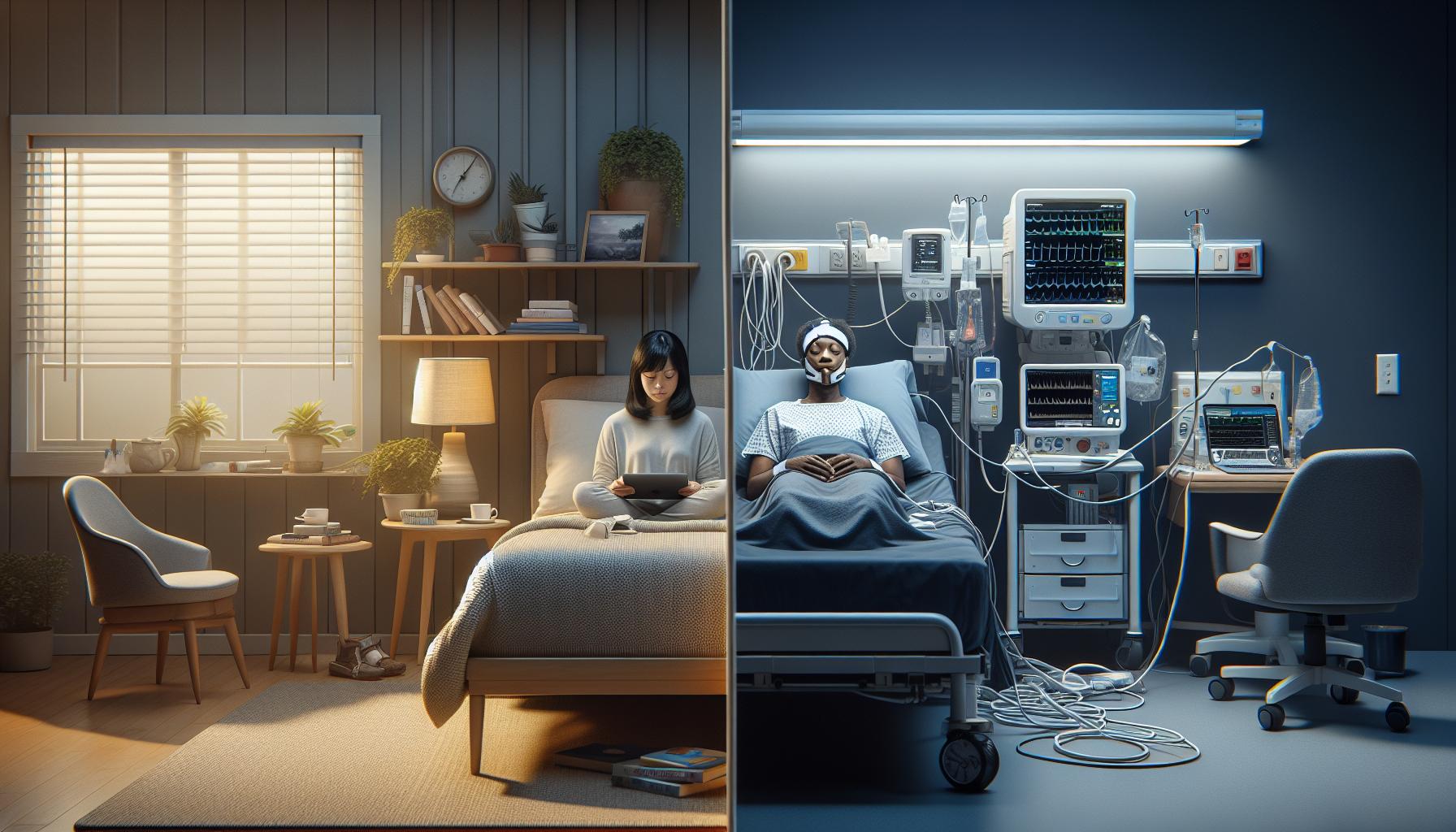
Home sleep studies provide an increasingly popular alternative to traditional in-lab tests, yet understanding their differences is essential for anyone looking to assess their sleep quality effectively. While both methods aim to evaluate sleep patterns and diagnose potential disorders like obstructive sleep apnea, their approaches, environments, and the data they collect differ significantly.
In-lab testing, or polysomnography, involves an overnight stay in a sleep clinic where various sensors and electrodes are monitored by trained professionals. This comprehensive setup captures a wide array of metrics, including brain activity, eye movements, muscle tone, heart rate, and breathing patterns throughout the night. One of the key benefits of this method is the ability to accurately capture complex sleep disorders. For example, if your sleep issues stem from conditions like narcolepsy or REM sleep behavior disorder, in-lab testing is more likely to identify those nuances due to extensive monitoring.
Conversely, home sleep studies deliver a more streamlined approach, focusing primarily on diagnosing obstructive sleep apnea. Patients typically wear a simplified device at home that monitors key metrics such as airflow, oxygen saturation, heart rate, and sometimes leg movements. This option is appealing for its convenience and lower cost, allowing users to sleep in their own environment. However, the limitations are apparent: fewer monitored variables can lead to missed diagnoses or inaccuracies, particularly in individuals with multiple sleep disorders or those who require detailed assessments of sleep stages.
When considering which option might be best for you, weigh the following aspects:
- Cost: Home sleep studies generally cost less than in-lab tests, making them a more accessible option.
- Comfort: Sleeping in your own bed can ease anxiety and yield more natural sleep patterns.
- Data Collection: In-lab tests provide a comprehensive analysis, capturing details that home tests may overlook.
- Patient Compliance: Proper setup and adherence to device instructions are crucial for home studies, as incorrect usage can undermine results.
- Follow-Up: In many cases, in-lab findings may necessitate additional guidance or treatment adjustments that are best handled by a professional.
Ultimately, while home sleep studies offer significant advantages in terms of accessibility and convenience, they are not universally suitable. Individuals experiencing severe symptoms or those with complex health histories may still benefit from the thoroughness of an in-lab evaluation. Balancing comfort with the necessity of accurate diagnosis is key to making the right choice for your sleep health.
What to Expect: Preparing for a Home Sleep Test

Preparing for a home sleep test can feel daunting, but knowing what to expect can ease those nerves and help ensure the process goes smoothly. The first step is to familiarize yourself with the equipment you’ll be using. Typically, home sleep apnea tests involve a small device that measures your breathing patterns and oxygen levels. It’s crucial to follow the setup instructions carefully, as proper placement of the sensors can significantly impact the accuracy of the results. Many devices will monitor airflow through your nostrils or mouth, as well as your heart rate and blood oxygen levels.
A few days before your test, it’s wise to think about your regular sleep routine. Make note of any medications you’re taking and consult your healthcare provider about whether these should be altered on the night of the test. Some medications may affect your sleep patterns or the test results, so transparency with your provider is key. Also, plan to maintain your usual sleep environment. A familiar setting can help you relax and achieve more natural sleep patterns, leading to more accurate readings.
On the night of the test, ensure you avoid consuming caffeine or alcohol, as both can disrupt sleep quality. It might help to have a restful evening filled with activities that calm your mind, such as reading or taking a warm bath. When it comes time to use the device, wear it snugly but comfortably, ensuring that all sensors are properly positioned. This is also a perfect time to have someone close by, if possible, to assist you with any last-minute setup queries or to offer encouragement.
It’s important to remember that while home tests provide convenience and comfort, they do have limitations. If you have ongoing concerns about sleep disorders like insomnia or complex sleep apnea, discussing more comprehensive evaluation options, like in-lab testing, with your healthcare provider might be beneficial. By preparing adequately, you can approach your home sleep test with confidence, helping ensure you get the most accurate results possible for assessing your sleep health.
Cost Considerations: Is a Home Sleep Study Affordable?
The financial aspect of home sleep studies often surprises many potential patients, particularly when contrasting them to traditional in-lab sleep tests. While costs can vary widely based on the specific provider and the technology used, a typical home sleep study ranges from $150 to $500, substantially less than the average $1,500 to $3,000 that an in-lab polysomnography might incur. This price difference makes home sleep tests an appealing option for those seeking affordable diagnostic solutions for sleep disorders.
One crucial factor to consider is whether your health insurance will cover a home sleep study. Many insurance plans do offer some degree of coverage, but the specifics can vary based on the policy and the provider you select. It’s wise to contact your insurance provider beforehand to clarify coverage details and any associated out-of-pocket expenses. If covered, you may only be responsible for a copayment or deductible, which can further alleviate the financial burden.
Additionally, several home sleep testing services operate on a subscription model or offer payment plans, making the upfront costs even more manageable. These models allow patients to spread out expenses over time, ensuring they can access the testing they require without undue stress.
When weighing the cost of a home sleep study, consider not only the test itself but also the potential savings from avoiding costly imaging or prolonged treatment for undiagnosed sleep disorders. By determining the right diagnostic approach for your situation, you can potentially save on both the immediate costs and future healthcare expenses linked to untreated sleep issues. If you’re in doubt, consult with a healthcare provider to evaluate which sleep study option fits your needs and budget best.
Common Misconceptions About Home Sleep Studies
Many people harbor misconceptions about home sleep studies, often influenced by the traditional idea of a sleep study conducted in a clinical setting. A prevalent belief is that at-home tests are not as effective as in-lab evaluations. However, home sleep studies can be quite accurate for diagnosing certain sleep disorders, particularly obstructive sleep apnea, when they are performed correctly. They use a variety of sensors to collect data on vital respiratory and cardiac functions while you sleep, providing a clear picture of your sleep patterns and disturbances.
Another common myth is that home tests are overly complicated and challenging to set up. In reality, these devices are designed for user-friendliness. They typically consist of simple equipment that includes a sensor for your finger, a chest strap, and possibly a nasal cannula. Most modern home sleep tests come with detailed instructions and support from healthcare professionals to ensure smooth setup and operation. If a patient encounters issues, many testing services offer troubleshooting assistance to help resolve any difficulties promptly.
There’s also an assumption that a home sleep study is a lesser alternative to in-lab studies. While it’s true that both have their strengths and limitations, home sleep studies offer significant advantages in terms of cost, convenience, and comfort. Many patients feel more at ease in their own beds, which can lead to more natural sleep patterns compared to the often sterile environment of a sleep clinic. That said, if there are complex sleep issues or comorbid conditions, an in-lab polysomnography may still be recommended for a comprehensive evaluation.
Lastly, some people believe that a home sleep test can replace ongoing consultation with a healthcare provider. It’s crucial to understand that while these tests provide valuable insights, they are just one component of a broader diagnostic process. Following the test, discussions with a healthcare professional are essential to interpret the results accurately and determine appropriate treatment options. This collaborative approach ensures a more effective response to sleep-related issues and promotes better overall health outcomes.
How to Choose the Right Devices for Sleep Monitoring
Choosing the right devices for sleep monitoring can feel overwhelming, but understanding your options helps you make informed decisions that suit your specific needs. Home sleep studies often involve portable devices designed to track essential metrics, giving you insights into your sleep patterns without the stress of a clinical environment. When selecting a device, consider its ease of use, accuracy, and the specific sleep disorders you may be monitoring.
Many home sleep tests typically use a combination of sensors that may measure your heart rate, oxygen levels, and airflow to gather comprehensive data. It’s essential to ensure that the device you choose is designed to detect the particular symptoms you’re experiencing. For instance, if you suspect obstructive sleep apnea, look for devices that closely monitor respiratory events and oxygen saturation. Regular testing options can include finger sensors for pulse oximetry, chest bands for respiratory tracking, and nasal cannulas for airflow measurements.
Key Features to Look For
When evaluating sleep monitoring devices, keep the following features in mind:
- Data Accuracy: Look for devices that provide reliable and clinically validated results.
- User-Friendly Design: Choose devices that are easy to wear and set up with clear instructions to minimize frustration.
- Feedback and Support: Quality devices often offer troubleshooting assistance and customer support, which is invaluable if you encounter issues.
- Analytic Capabilities: Devices that sync with apps can provide more comprehensive insights and reporting on your sleep patterns.
It’s also beneficial to consider the cost associated with various devices. Many home sleep studies can be affordable, especially when compared to in-lab tests. Additionally, check if insurance may cover part of your costs for home sleep monitoring devices, as this can further ease the financial burden.
As you explore options, remember that wearable technology is becoming more prevalent in the sleep monitoring space. Smartwatches and fitness trackers often include sleep-tracking features, but it’s important to note their limitations. They may provide a general overview of sleep stages but are not specifically designed for diagnosing sleep disorders.
Ultimately, your choice of device should reflect your personal needs and the level of insight you require. Don’t hesitate to consult with a healthcare provider to ensure that the device aligns with your health goals and provides reliable feedback about your sleep health, guiding you toward a more restful night’s sleep.
Interpreting Your Sleep Study Results
Interpreting the results of your home sleep study can feel daunting, but understanding the metrics involved will empower you to take charge of your sleep health. Once the data from your sleep test is compiled, it will provide important insights into your sleep patterns, including the frequency of any disturbances in breathing, oxygen saturation levels, and overall sleep efficiency. Many tests will present these findings in easily understandable charts and graphs, simplifying the process of analysis.
Key Metrics to Understand
As you examine your sleep study results, here’s what to look for:
- AHI (Apnea-Hypopnea Index): This is a critical number that quantifies the severity of sleep apnea. It represents the total number of apneas (pauses in breathing) and hypopneas (shallow breathing) per hour of sleep. An AHI of 5 or greater typically indicates a diagnosis of sleep apnea.
- Oxygen Desaturation Levels: This reflects how low your oxygen levels dropped during sleep. Consistent dips below 90% may signal a need for treatment.
- Sleep Architecture: This involves the breakdown of different sleep stages (light, deep, REM) throughout the night. A disrupted sleep pattern can affect overall sleep quality.
- Sleep Latency: This measures how quickly you fall asleep and can indicate issues with sleep initiation or insomnia.
It’s important to discuss your findings with a healthcare provider who can help you interpret the data in the context of your symptoms. They can clarify which aspects of your results are most relevant to your situation and guide you toward potential next steps, whether that’s lifestyle changes, further testing, or treatment options.
Real-World Implications
The results from your home sleep study can significantly influence your daily life. For instance, if your results indicate sleep apnea, addressing this condition can drastically improve your energy levels, mood, and overall health. On the other hand, if the results appear normal but you still experience sleep issues, further investigation into other conditions, such as restless legs syndrome or insomnia, may be warranted.
Understanding your sleep study results is not just about numbers; it’s about finding a path toward better sleep health. Keep in mind that every individual’s sleep journey is unique, and what works for one person may not apply to another. Take your research, consult with professionals, and stay proactive in managing your sleep well-being.
Sleep Disorders Diagnosed by Home Testing
Many people are unaware that home sleep studies can effectively diagnose a variety of sleep disorders, leading to improved health and quality of life. One of the most common conditions identified through these tests is obstructive sleep apnea (OSA), a disorder where breathing repeatedly stops and starts during sleep. This can cause significant disruptions, leading to daytime fatigue, increased risk of cardiovascular issues, and other serious health consequences.
Home sleep studies are particularly adept at detecting sleep apnea due to the clear metrics they measure. For instance, the apnea-hypopnea index (AHI) provides a straightforward way to quantify the severity of the disorder. Aside from sleep apnea, home sleep testing can also help identify other ailments such as central sleep apnea, where the body fails to send proper signals to breathe, as well as conditions related to hypoventilation where breathing is inadequate.
Furthermore, restless legs syndrome and periodic limb movement disorder can also be assessed indirectly through changes in sleep patterns and disturbances captured in the data. Both disorders can lead to fragmented sleep and affect overall health. Home tests don’t replace an in-lab polysomnography (PSG) entirely, especially for more complex conditions, but they serve as a vital first step for many individuals to recognize sleep health issues.
While home testing provides a convenient and less intimidating approach, it’s essential to consult a healthcare provider after receiving your results. Understanding what these findings mean in the context of your overall health can pave the way for effective treatment options. Engaging in this dialogue can also help determine if further testing is needed to better explore other potential sleep-related issues.
The Role of Wearable Technology in Sleep Studies
Wearable technology has transformed the landscape of sleep studies, providing a user-friendly approach to monitoring sleep patterns and overall sleep health. Devices such as smartwatches and fitness trackers can collect a range of data, including heart rate, movement, and even blood oxygen levels, which are critical in assessing sleep quality. This integration of technology allows users to gain insights into their nightly rest without the need for invasive equipment or a sleep lab environment.
One of the primary advantages of wearable devices is their accessibility and ease of use. Many individuals are more comfortable wearing a device while they sleep at home than undergoing a traditional sleep study in a lab setting. These devices often come equipped with apps that provide detailed feedback on sleep stages-light, deep, and REM sleep-making it easier for users to understand their sleep cycles. Recommendations from these apps can guide users towards better sleep hygiene practices.
However, it’s essential to recognize the limitations of wearable technology. While they can indicate patterns and provide preliminary insights, they often lack the accuracy of a professional sleep study. Home sleep tests usually focus on more complex metrics, such as airflow and respiratory events, which wearable devices may not fully capture. Therefore, if sleep issues persist despite lifestyle changes suggested by wearables, consulting a healthcare provider may be necessary.
When choosing a wearable for sleep monitoring, consider features such as battery life, comfort, and specific sleep tracking capabilities. Look for devices that have been validated through clinical studies for the most reliable results. It’s also advisable to regularly check for firmware updates, which can enhance the functionality and accuracy of the device. Ultimately, while wearable technology can play a significant role in understanding and improving sleep patterns, it should complement, not replace, professional medical advice and testing for more complex sleep disorders.
Real Stories: When to Seek Professional Help
In the realm of sleep health, knowing when to seek professional help is crucial. Many people initially turn to at-home sleep tests for convenience and cost-effectiveness, but results can sometimes lead to more questions than answers. Consider the story of Sarah, a 35-year-old teacher who struggled with persistent fatigue and snoring. She purchased a popular sleep tracker, which indicated irregular patterns but couldn’t provide definitive answers. After several months of discomfort and noticing increasing daytime drowsiness, Sarah decided to undergo a professional sleep study. The results revealed obstructive sleep apnea, a diagnosis she would have never received with her home device alone.
It’s important to recognize that home sleep studies, while valuable, have limitations. For instance, they primarily assess obstructive sleep apnea and may miss other disorders like central sleep apnea or complex sleep apnea syndromes. If you experience persistent symptoms such as snoring, gasping for air during sleep, or excessive daytime sleepiness, these may signal a deeper issue needing a more comprehensive evaluation. In another case, Jake-a 48-year-old tech worker-kept a detailed sleep diary alongside his wearable device, yet continued to wake with headaches and sore throats. A visit to a sleep specialist revealed significant upper airway resistance, which was not captured in his at-home tests.
Recognizing when a simple home assessment is insufficient can save you time and improve your health. Common signs that indicate it’s time for a professional consultation include:
- Chronic fatigue or excessive daytime sleepiness: Feeling sleepy during the day despite adequate sleep hours can indicate serious sleep disorders.
- Nonspecific symptoms: Symptoms like headaches, mood swings, or difficulty concentrating could be related to sleep issues that require deeper exploration.
- Non-resolution of symptoms: If lifestyle changes or recommendations from wearable devices or home tests do not significantly improve your sleep, it’s time to consult a specialist.
Ultimately, while at-home sleep studies can effectively diagnose certain conditions like obstructive sleep apnea, they are not a one-size-fits-all solution. If you find yourself uncertain about your sleep health-even after using wearable technology or conducting a home test-don’t hesitate to pursue further evaluation from a qualified healthcare professional. It’s the best way to ensure you receive the right diagnosis and treatment for your specific needs.
Tips for Managing Anxiety Before a Sleep Study
Feeling anxious before an at-home sleep study is entirely normal, especially given that sleep and health are intertwined in such intimate ways. Remember, a sleep study can provide critical insights into your sleep patterns and potential disorders, but the anticipation of the night can stir up concerns. It’s essential to take proactive steps to manage this anxiety and approach the study with confidence.
One effective way to ease your worries is by familiarizing yourself with the home sleep study process. Understanding how the devices work, and knowing what to expect during the study can significantly reduce uncertainty. Generally, a home sleep study involves wearing a device that collects data on your breathing and oxygen levels while you sleep. Reading guides, like those offered by reputable health organizations, can clarify the setup and equipment you will be using, making it feel more like a routine rather than a daunting task [[2]].
Consider establishing a calming bedtime routine leading up to the night of your study. Engage in activities that help you relax, such as reading a book, practicing deep breathing, or taking a warm bath. These activities will not only help you unwind but can also create a conducive sleep environment. If you find yourself feeling overwhelmed, talking to someone who has undergone a similar experience can also be comforting. They can provide valuable insights or simply reassure you that your feelings are valid.
Additionally, prepare your sleep environment to make it as comfortable as possible. Ensure your bedroom is dark, cool, and quiet, and consider using white noise machines or earplugs to block out distractions. A supportive pillow and mattress can also enhance your comfort, helping you to focus less on the study itself and more on getting quality sleep. Finally, it’s essential to remind yourself that the purpose of the study is to gather information that can lead to better health outcomes. This perspective shift can help you view the study as a positive step forward rather than a source of stress.
With the right preparation and mindset, you can approach your at-home sleep study feeling empowered and less anxious, ready to uncover the insights that will guide you toward healthier sleep.
Faq
Q: How accurate are home sleep studies compared to in-lab studies?
A: Home sleep studies can be less accurate than in-lab studies, particularly for diagnosing specific sleep disorders. They measure fewer parameters and may not capture all sleep stages, leading to potential misdiagnosis. However, they are convenient and provide valuable insights for many common sleep issues.
Q: What factors affect the reliability of home sleep studies?
A: Several factors influence reliability, including the quality of the monitoring devices, user compliance, and the specific sleep disorder being evaluated. Proper setup and understanding device functionality are essential for accurate results.
Q: Can a home sleep study diagnose sleep apnea?
A: Yes, home sleep studies are commonly used to diagnose obstructive sleep apnea (OSA). They monitor breathing patterns and oxygen levels during sleep, helping identify the presence and severity of OSA, though they may miss other related conditions.
Q: What equipment is typically used in home sleep studies?
A: Home sleep studies generally use portable monitors that assess parameters such as airflow, oxygen saturation, heart rate, and respiratory effort. Understanding how to properly use and position the equipment is crucial for accurate results.
Q: Are there any risks associated with home sleep studies?
A: While home sleep studies are generally safe, risks include improper use of the equipment, leading to incorrect data capture. It’s essential to follow instructions closely and consult with a healthcare provider if uncertain about the process.
Q: How long does a home sleep study usually take?
A: A home sleep study typically lasts one night, but the pre-study setup may require additional time. Users should ensure they understand how to set up the device properly to maximize the accuracy of their results.
Q: What should I do if my home sleep study results are inconclusive?
A: If your home sleep study results are inconclusive, it’s advisable to consult a sleep specialist. They may recommend an in-lab study or other tests to gain a complete understanding of your sleep issues.
Q: Can lifestyle changes improve the accuracy of my home sleep study?
A: Yes, adopting healthy sleep habits, such as maintaining a consistent sleep schedule and creating a conducive sleep environment, can enhance the accuracy of home sleep studies. Consider reviewing your sleep hygiene as part of your preparation.
The Way Forward
Understanding the reliability of home sleep studies is crucial for making informed decisions about your sleep health. With the convenience and advanced technology available today, these studies can provide valuable insights into your sleep patterns, helping you address issues like sleep apnea and insomnia effectively. If you’re considering a home sleep study, explore our detailed guides on how to set up your device and what to expect, as well as comparisons of popular wearables and their accuracy.
For further reading, check out our articles on how much sleep you need for optimal health, or dive into the stages of sleep to better understand what each phase means for your well-being. Don’t hesitate to share your experiences or ask any questions in the comments below-engaging with our community can provide additional insights and support. Ready to take the next step? Sign up for our newsletter for expert tips and the latest research to enhance your sleep health journey. Remember, the first step towards better sleep is understanding your options!
Get our latest guides, news, and insights highlighted in your Google Search & AI Overviews.