
Did you know that nearly one in three adults report not getting enough sleep? If you’ve struggled with sleep issues, understanding how a sleep study is conducted can be crucial in your journey toward better rest. This comprehensive guide will clarify what to expect during a sleep study, including the setup, the technology used, and the insights gained. By demystifying the process, we aim to empower you to tackle your sleep concerns with confidence. Whether you’re considering a sleep study out of necessity or curiosity, understanding this essential procedure can help pave the way to better sleep health. Join us as we explore the complete process of how sleep studies are conducted, and equip yourself with the knowledge needed to make informed decisions about your sleep needs.
Understanding the Importance of Sleep Studies
Understanding sleep is critical, as it affects numerous aspects of our health, mood, and cognitive function. Sleep studies are vital tools in the diagnosis and management of sleep disorders, offering insights that can significantly improve quality of life. These studies provide objective data on sleep patterns, revealing issues that might otherwise remain unnoticed. For instance, they can identify conditions like sleep apnea, insomnia, or restless legs syndrome, allowing healthcare providers to tailor treatments effectively.
The importance of sleep studies extends beyond diagnosis. Understanding the results can empower individuals to take control of their sleep health. For example, if a sleep study indicates frequent awakenings or disrupted REM sleep, a patient can work with their doctor to develop strategies for better sleep hygiene or explore treatment options. Furthermore, these studies are conducted in a comfortable, controlled environment, which can ease concerns about the reliability of self-reported sleep issues.
As technology advances, sleep studies also adapt. They not only involve traditional polysomnography but can also integrate data from wearables for a more comprehensive view of a person’s sleep health. With an increasing focus on preventive care, sleep studies can also serve as a proactive step, helping to avert more serious health issues down the line. By investing time in understanding these assessments, individuals make informed choices about healthcare interventions, leading to improved sleep and overall well-being.
Types of Sleep Studies: An Overview

Understanding the different types of sleep studies is essential for anyone seeking clarity about sleep health. These studies aren’t just one-size-fits-all; each type serves a specific purpose and can reveal critical insights into how we sleep. Generally, sleep studies can be categorized into two main types: in-laboratory studies and home sleep tests.
In-Laboratory Sleep Studies
In-laboratory studies are comprehensive and closely monitored by healthcare professionals. Typically conducted overnight in a sleep clinic, they provide a clear view of your sleep patterns through polysomnography, which records brain activity, eye movement, heart rate, and oxygen levels. This method is particularly useful for diagnosing complex sleep disorders such as sleep apnea, narcolepsy, and parasomnias.
During an in-laboratory study, several sensors are attached to your body to monitor various physiological signals. This setup might feel a bit daunting, but it offers some of the most detailed data available. In many cases, a healthcare provider will recommend this type of study if symptoms suggest significant sleep issues that require thorough evaluation.
Home Sleep Tests
Home sleep tests are another option, representing a more accessible and less intimidating approach. These tests allow you to monitor your sleep in the comfort of your own home. Typically, they involve wearable devices or portable monitors that track key indicators, such as breathing patterns and oxygen saturation. Home tests are particularly useful for diagnosing obstructive sleep apnea, especially in patients with a lower risk profile.
However, while home sleep tests are convenient, they can lack the comprehensiveness of in-laboratory studies. They may not capture all sleep disorders or provide detailed insights into sleep stages. As a result, it’s essential to discuss with your healthcare provider which option is best suited to your specific situation.
Choosing the Right Type of Study
When deciding on the type of sleep study, consider the severity of your symptoms and any underlying health conditions. If you experience complex symptoms or have a history of sleep disorders, an in-laboratory study may be more appropriate. On the other hand, if you have mild symptoms suggestive of sleep apnea, a home sleep test could suffice.
Regardless of the option chosen, understanding the purpose and process of each type can help empower you in managing your sleep health actively. With the right information, you can make informed decisions and engage more effectively with your healthcare providers about your sleep needs.
What to Expect During a Sleep Study
During a sleep study, you may find yourself in an environment that’s both familiar and foreign. The prospect of sleeping in a lab can feel intimidating, but understanding the setup will help ease any anxiety. Most in-laboratory sleep studies are conducted overnight, allowing healthcare professionals to monitor your sleep patterns through a specialized procedure called polysomnography. This method captures a variety of physiological signals, giving doctors detailed insights into how you sleep.
Upon arrival, you’ll be greeted by a sleep technician who will explain the process and answer any initial questions. As part of the setup, sensors will be attached to your body to track brain waves, heart rate, breathing patterns, and even eye movements. Although this may initially seem overwhelming, the technicians are trained to ensure comfort and efficiency throughout the night. You might be asked to wear a comfortable gown, and once you’re settled in, the technician will guide you on the equipment and what to expect. The laboratory room is designed to create a calm sleeping atmosphere, often equipped with adjustable lighting and a private bathroom for your convenience.
In contrast to in-laboratory studies, home sleep tests offer a more relaxed experience. Here, you will use a portable device at your own home, allowing for a more natural sleep setting. The device typically includes sensors to monitor your breathing and heart rate. While you won’t receive the same in-depth analysis found in a sleep lab, home tests can still provide valuable data-particularly for diagnosing obstructive sleep apnea. The essential thing is to follow the provided instructions carefully to ensure accurate results.
Regardless of the setting, you will likely feel a mix of curiosity and unease initially. Just remember that these tests are designed to help you understand your sleep health better. If you experience issues with the equipment or have questions during your study, don’t hesitate to communicate with the staff or call for assistance. Their goal is to ensure that you get the most accurate results possible for your sleep health evaluation.
How to Prepare for Your Sleep Study
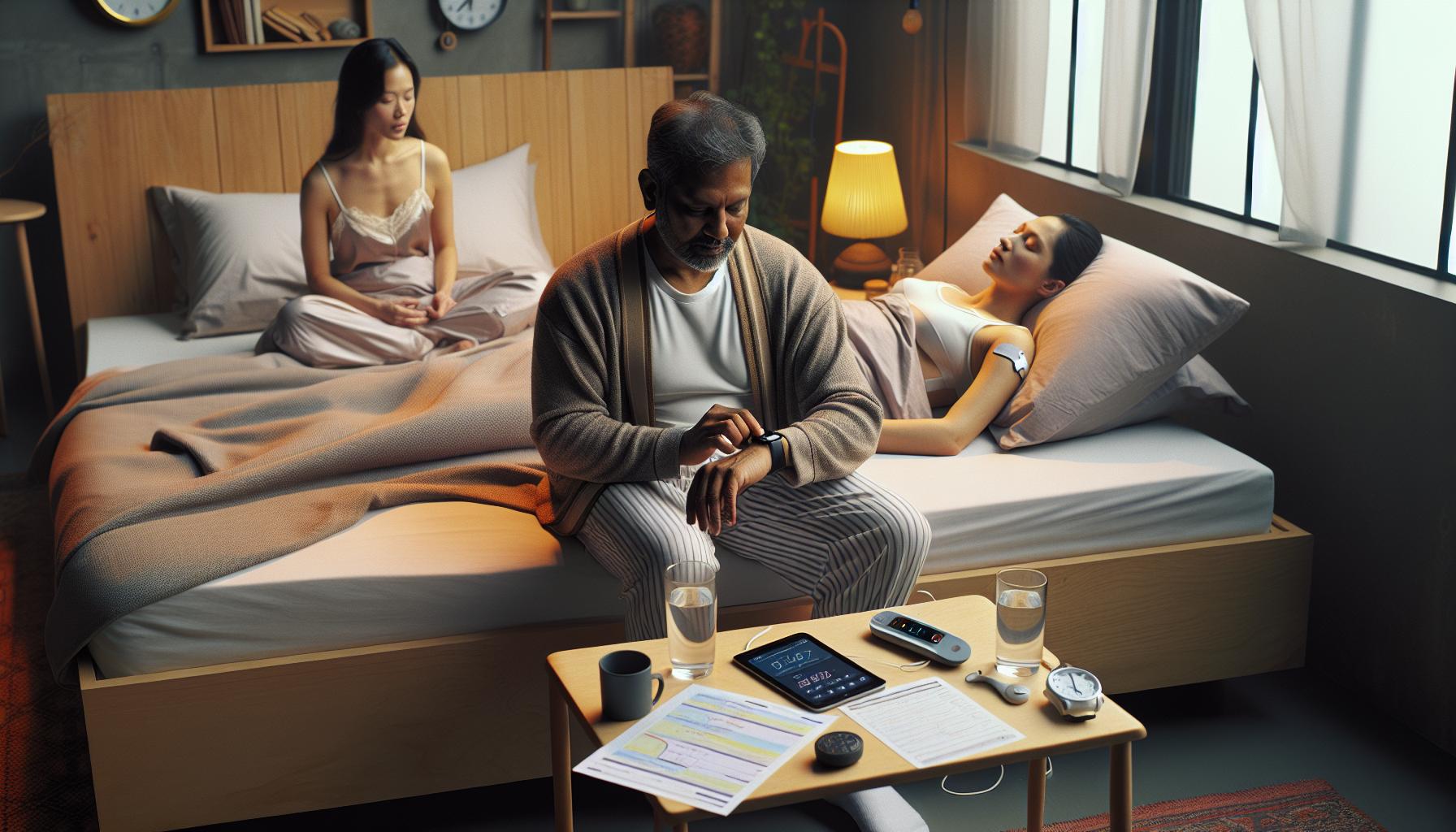
Preparing for a sleep study can feel overwhelming, but understanding what to expect and how to get ready can help alleviate anxiety. These studies are crucial for diagnosing sleep disorders and improving your overall sleep health. Prior to your appointment, it’s beneficial to gather information and establish a plan that best suits your needs.
The first step in preparing is to consult with your healthcare provider about any specific instructions. They may advise you to maintain your regular sleep schedule in the days leading up to the study while avoiding caffeine or alcohol, which can disrupt your sleep patterns. Additionally, on the night of the study, aim to bring comfortable clothing, such as pajamas, to help you feel at ease during the process. It’s also advisable to leave any unnecessary belongings at home, as a clutter-free environment can enhance your comfort.
Documentation and Medical History
Ensure to prepare relevant medical history documentation. Bring a list of medications you are currently taking, including dosage details. This information is vital as certain medications can impact your sleep and the results of your study.
Arriving at the Sleep Center
When you arrive at the sleep center, you’ll be welcomed by a sleep technician who will guide you through the setup process. This includes the attachment of monitoring devices designed to track various physiological signals. If you have any concerns or questions about the equipment, don’t hesitate to ask the staff-they’re there to help you feel comfortable and informed.
Specific Preparations for In-Lab Studies vs. Home Tests
If you are participating in an in-lab sleep study, it’s crucial to ensure you get a good night’s sleep prior to your test, so avoid any late-night activities that may interfere. For home sleep tests, familiarize yourself with the device; following the setup instructions carefully ensures accuracy.
Taking these preparatory steps not only enhances the likelihood of accurate results but also allows you to approach your sleep study with confidence. This is a crucial moment in diagnosing sleep issues, so being well-prepared is key to getting the most out of your experience.
The Role of Polysomnography in Sleep Studies
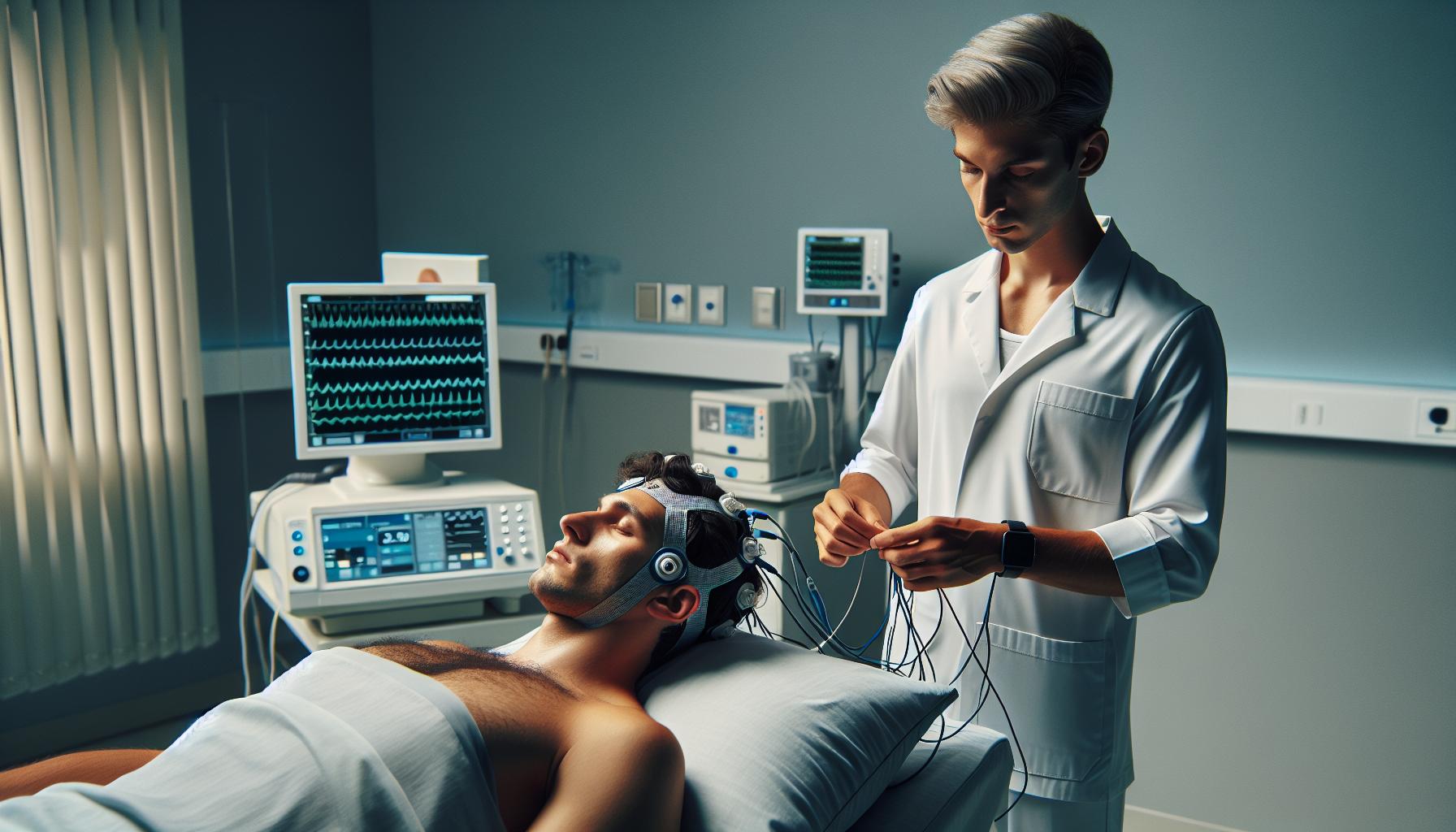
Polysomnography is a cornerstone of sleep studies, providing a comprehensive look at the various factors affecting your sleep. This specialized test records brain waves, oxygen levels, heart rate, and breathing, as well as eye and leg movements, all while you sleep. By capturing this data, polysomnography offers an in-depth view of the sleep cycle, allowing for the identification of disorders such as sleep apnea, narcolepsy, and insomnia.
During a polysomnography session, you’ll find a variety of sensors attached to your body. These sensors are designed to monitor essential physiological signals. While the setup may seem intimidating, experienced sleep technicians are there to help you settle in. Expect to be connected to machines that track your sleep stages, from light sleep to deep sleep and REM cycles. This detailed observation helps healthcare professionals understand how well you navigate through the sleep stages.
Understanding your results from polysomnography can feel overwhelming, but they’re crucial for effective diagnosis. Each sleep stage serves a unique purpose: light sleep helps your body relax, deep sleep is vital for physical restoration, and REM sleep engages your brain in emotional processing and memory consolidation. Disruptions in these stages can lead to significant health issues, so having a clear picture of your sleep patterns is essential for optimizing both sleep quality and overall health.
In summary, polysomnography is not just a test-it’s a vital assessment tool that empowers you and your healthcare provider to make informed decisions about your sleep health. Embracing this process can yield insights that transform your sleeping habits and improve your quality of life.
Wearable Sleep Trackers vs. Clinical Studies
Wearable sleep trackers have surged in popularity, becoming an appealing option for those seeking to monitor their sleep more casually. However, there is a marked difference between the insights gained from these devices and the thoroughness of clinical sleep studies. For instance, while a fitness band can provide general metrics like total sleep time and sleep efficiency, it often lacks the capacity to capture intricate details such as sleep stages, oxygen saturation, and heart rate variability-the kind of data that comprehensive polysomnography (PSG) uncovers.
Using a combination of various sensors, PSG offers a complete view of your sleep architecture. This process involves observing brain waves, eye movements, and breathing, enabling professionals to diagnose serious sleep disorders such as sleep apnea and narcolepsy with precision. In contrast, wearable devices often rely on algorithms that estimate sleep stages based on movement and heart rate, which can lead to less accurate interpretations. This is particularly crucial if you’re experiencing sleep disturbances, as misinterpretations from a wearable might overlook serious underlying issues.
When to Choose Wearables vs. Clinical Studies
For individuals with general sleep questions or minor concerns, wearable trackers can serve as a convenient option. They allow for ongoing monitoring, making them a good first step for those curious about their sleep patterns. Here are some scenarios where a wearable might suffice:
- You’re interested in tracking trends over time without immediate concerns.
- You want to monitor how lifestyle changes (like diet or exercise) affect your sleep.
- You have minor sleep disruptions that don’t affect your daily functioning.
Conversely, if you find yourself consistently waking up feeling unrefreshed or suspect you might have a sleep disorder, seeking a clinical sleep study is imperative. Individuals who experience symptoms such as loud snoring, gasping for air during sleep, or excessive daytime sleepiness should not rely solely on a wearable tracker.
| Aspect | Wearable Sleep Trackers | Clinical Sleep Studies |
|---|---|---|
| Data Collection | Basic metrics (total sleep time, movement) | Comprehensive data (brain waves, oxygen levels, heart rate) |
| Accuracy | Variable, may be inaccurate | High, with professional diagnosis |
| Cost | Low (initial purchase price) | Higher (insurance may cover) |
| Setup | Simple, personal use | Involves overnight stay at a sleep clinic |
Ultimately, understanding the distinct roles of wearable sleep trackers and clinical sleep studies can empower you to make informed choices about your sleep health. Both tools have their place in the quest for better sleep; the key lies in knowing when each is appropriate for your individual needs. As you navigate the complexities of sleep monitoring, remember that prioritizing accuracy and professional input can lead to greater improvements in your sleep quality and overall well-being.
Interpreting Sleep Study Results
is a vital step in understanding your sleep health. After undergoing a sleep study, whether in a clinical setting or via a home test, patients often feel anxious about what the results mean. It’s important to remember that these results are a comprehensive look at your sleep patterns, helping identify potential issues such as sleep apnea, insomnia, or other sleep disorders.
When your sleep physician reviews your results, they will focus on several key factors, including the various sleep stages you went through during the night: light sleep, deep sleep, and REM sleep. Each stage plays a crucial role in overall recovery and health. For instance, insufficient time spent in deep sleep can lead to increased fatigue during the day. The results will also highlight any abnormal breathing patterns or disturbances that occurred during the night, which are critical for diagnosing issues like sleep apnea. Discussing these specifics with your doctor will pave the way for a more personalized treatment plan tailored to your needs.
To gain clarity on your results, it can be beneficial to keep the following in mind:
- Sleep Architecture: Understand how much time you spent in each sleep stage and what that means for your overall health.
- Arousal Events: Note the frequency and duration of any interruptions during your sleep, as they can indicate underlying issues.
- Oxygen Levels: Look for any dips in oxygen saturation levels, which are often linked to sleep apnea.
The interpretation process typically involves both diagnostic criteria and personal health history. If your results indicate significant issues, your physician might recommend further testing, lifestyle changes, or treatments such as Continuous Positive Airway Pressure (CPAP) therapy for sleep apnea. Always feel empowered to ask questions about your findings; understanding your results is key to advocating for your health and navigating any recommended next steps.
Common Sleep Disorders Diagnosed by Sleep Studies
Many people underestimate the significance of sleep until they experience the direct consequences of sleep disorders. Sleep studies, including polysomnography, play a critical role in diagnosing various conditions that can disrupt your sleep quality and overall health. Understanding the common sleep disorders diagnosed through these studies can empower you to seek appropriate help.
A primary disorder identified in sleep studies is Obstructive Sleep Apnea (OSA). This condition involves repeated episodes of blocked airflow during sleep, leading to snoring and frequent awakenings. OSA not only affects your sleep quality but can also increase risks for cardiovascular issues if left untreated. Another prevalent disorder is Insomnia, characterized by difficulty falling asleep or staying asleep, which often leads to daytime fatigue and impaired functioning. Sleep studies can help differentiate primary insomnia from insomnia related to other sleep disorders.
Other notable disorders include Restless Legs Syndrome (RLS), which causes an uncontrollable urge to move the legs, and Parasomnias, which encompasses abnormal behaviors during sleep like sleepwalking or nightmares. Additionally, Circadian Rhythm Disorders, which disrupt the normal sleep-wake cycle, can be diagnosed through extensive monitoring during sleep studies, helping to plan effective interventions for those struggling with shift work or jet lag.
Key Sleep Disorders Diagnosed by Sleep Studies
- Obstructive Sleep Apnea (OSA): Characterized by blocked airflow, it leads to loud snoring and fragmented sleep.
- Insomnia: Involves difficulties in initiating or maintaining sleep, often linked to stress or anxiety.
- Restless Legs Syndrome (RLS): Causes unpleasant sensations in the legs, leading to an urge to move them, typically worsening at night.
- Parasomnias: Includes sleep behaviors such as sleepwalking or talking in sleep.
- Circadian Rhythm Disorders: Disturbances in the natural sleep-wake cycle affecting overall sleep quality.
Awareness of these disorders through sleep studies can be transformative. If you recognize symptoms in yourself or a loved one, consider discussing them with a healthcare professional who can recommend pursuing a sleep study for accurate diagnosis and effective treatment. Taking action now can significantly improve your sleep health and enhance your quality of life.
Insurance Coverage for Sleep Studies
Navigating can feel overwhelming, but understanding the essential steps can make the process smoother. Typically, most health insurance plans do cover sleep studies when they’re deemed medically necessary. This usually means that a sleep physician has evaluated your symptoms-such as persistent snoring, daytime fatigue, or irregular sleep patterns-and recommended a study.
Before scheduling your sleep study, it’s crucial to verify your insurance plan’s specifics. Contact your insurance provider to confirm that sleep studies are covered and whether you need pre-authorization. Additionally, inquire about in-network facilities since this can significantly affect your out-of-pocket costs. For example, some insurers may only cover studies performed at accredited centers, and going out-of-network might result in higher copays or even denial of coverage.
Costs associated with sleep studies can vary widely, ranging from $500 to over $3,000, depending on the type of study and location. In-lab polysomnography, which is the most comprehensive study, tends to be at the higher end of this spectrum compared to home sleep apnea tests. To mitigate expenses, familiarize yourself with any deductibles, co-insurance, or copayment amounts specific to your plan.
Tips for Managing Insurance Claims
- Document Everything: Keep detailed records of all communications with your insurance provider, including names, dates, and issues discussed.
- Request an Itemized Bill: After your study, request an itemized statement from the facility. This can help clarify any charges when dealing with your insurance.
- Be Persistent: If a claim is denied, don’t hesitate to appeal the decision. Oftentimes, additional documentation from your healthcare provider can sway the appeal in your favor.
By taking proactive steps to understand your insurance coverage, you can better prepare for your sleep study. This approach can alleviate some of the stress surrounding the financial aspects, allowing you to focus on what truly matters-your sleep health.
Alternatives to In-Lab Sleep Studies
For individuals hesitant about undergoing an in-lab sleep study, several alternatives exist that can provide valuable insights into sleep issues while offering comfort and convenience. Home sleep apnea testing (HSAT) has emerged as a popular option for those experiencing symptoms of sleep apnea. This method allows patients to use portable monitoring devices in the comfort of their own homes, which often leads to a more natural sleep environment. Typically, HSAT devices record vital metrics such as breathing patterns, oxygen levels, and heart rate, all of which are essential for diagnosing obstructive sleep apnea.
While HSAT can be a practical alternative, it does have limitations. It may not capture the full complexity of sleep disorders compared to polysomnography, which monitors brain activity, leg movements, and sleep stages. Individuals with more complicated sleep issues, such as insomnia or restless legs syndrome, may still require a comprehensive sleep study to ensure accurate diagnosis and treatment. Therefore, understanding the nuances of these alternatives is crucial in deciding which approach works best for your specific needs.
Additionally, advancements in technology have introduced wearable devices that track various sleep metrics, such as heart rate variability and movement throughout the sleep cycle. These consumer-friendly options, like fitness trackers and smartwatches, can offer helpful data over time but do not replace formal medical assessments. The reliability and accuracy of these devices can vary, so it’s essential to approach their results with a critical eye. If you’re considering a wearable, look for devices that offer features specific to sleep quality, such as sleep stage detection and detailed analysis of interruptions.
In conclusion, while in-lab sleep studies remain the gold standard for diagnosing complex sleep disorders, alternatives such as home sleep apnea tests and wearable trackers provide viable pathways for many seeking insight into their sleep health. Choosing the right method depends on the symptoms experienced and the degree of medical intervention required. Whether you opt for a home test or a device, consulting with a healthcare provider can guide you towards the best choice for your situation, ensuring your sleep concerns are addressed effectively.
Tips for Managing Sleep Study Anxiety
Feeling anxious about an upcoming sleep study is completely normal. The idea of sleeping in an unfamiliar environment attached to various wires and monitors can be daunting. Understanding some practical tips and strategies can help you manage this anxiety and make the experience more comfortable.
First, familiarize yourself with the sleep study process. Knowing what to expect can significantly reduce anxiety. Typically, you’ll arrive at the sleep clinic in the evening, where a technician will explain the procedure and help you with the setup. You’ll be connected to sensors that monitor various body functions during sleep. You may be hooked up to electrodes on your scalp, a band around your chest to measure respiration, and a small device on your finger for oxygen levels. Remember, the goal of the study is to gather important data to help diagnose any sleep issues you may have.
Here are some tips to help you feel more at ease:
- Visit the facility in advance: If possible, tour the sleep clinic before your study. Seeing the room, the equipment, and meeting the staff can help alleviate fears and make the environment feel more familiar.
- Bring comfort items: Consider bringing a favorite pillow, blanket, or even soothing music. These items can create a sense of home and comfort, making it easier to relax.
- Practice relaxation techniques: Techniques such as deep breathing, meditation, or gentle stretching can help calm your mind and body before bedtime. Implementing these practices right before the study can be particularly beneficial.
- Communicate with the technician: Don’t hesitate to express your concerns. Technicians are trained to help patients feel comfortable, and they can provide reassurances throughout the process.
Remember, the sleep study is about gathering valuable insights into your sleep patterns, which is a crucial step in addressing any sleep concerns. Most patients find that the experience is not as overwhelming as they envisioned, and they often feel relieved once they see how straightforward the process can be. Sleep is essential for your health, and taking this step towards understanding your sleep better is an important investment in your well-being.
When to Seek Professional Help for Sleep Issues
Sleep is a crucial aspect of overall health, and understanding can significantly improve your quality of life. If you find yourself struggling with sleep on a regular basis-whether it’s difficulty falling asleep, staying asleep, or waking up too early-you shouldn’t dismiss these concerns. Not only can sleep disturbances affect your energy levels and productivity during the day, but they can also have a lasting impact on your mental and physical health.
If you experience persistent symptoms such as loud snoring, gasping for breath during sleep, or excessive daytime sleepiness, it’s time to consult a healthcare professional. These signs can indicate serious conditions like sleep apnea, which can lead to complications if left untreated. It’s particularly important to seek help if your sleep issues are accompanied by mood changes, difficulty concentrating, or overall deterioration in your mental health.
Additionally, consider professional intervention if you’ve tried natural remedies or over-the-counter solutions without success. Consulting a sleep specialist can provide insights into more effective treatment options and may lead to a sleep study, which involves monitoring your sleep patterns and bodily functions. This process helps diagnose any underlying sleep disorders that may not be evident through self-assessment.
Finally, keep in mind that seeking help early on is key. If sleep problems are affecting your daily life, your work performance, or your relationships, don’t hesitate to speak with a healthcare provider. They can guide you through the treatment options available, including lifestyle adjustments, behavioral therapy, or medical interventions, ensuring you’re on the path to better sleep. The earlier you reach out for help, the sooner you can reclaim restful nights and rejuvenated days.
Faq
Q: What is the typical duration of a sleep study?
A: A sleep study usually lasts for one night, but it can take up to several nights if needed for comprehensive data collection. This timeframe allows doctors to gather detailed information about your sleep patterns and diagnose potential sleep disorders.
Q: How are sleep studies conducted at home?
A: Home sleep studies involve using portable monitoring devices that you can set up yourself. These devices typically measure breathing patterns, heart rate, and oxygen levels while you sleep, providing valuable data to evaluate sleep issues.
Q: What should I expect during my first sleep study?
A: During your first sleep study, the technician will explain the process and help you get comfortable with the equipment. You can expect to be monitored overnight while you sleep, with sensors attached to measure various physiological signals.
Q: How do sleep studies identify sleep disorders?
A: Sleep studies identify disorders like sleep apnea and insomnia by monitoring sleep stages and detecting interruptions in breathing or abnormal patterns. Polysomnography is the main method used, capturing data to help make accurate diagnoses.
Q: Can I eat or drink before a sleep study?
A: Generally, you should avoid caffeine and alcohol before a sleep study, as they can affect your sleep quality. Check with your physician for specific instructions on eating and drinking prior to your test.
Q: What are the benefits of an overnight sleep study compared to a home test?
A: An overnight sleep study provides comprehensive monitoring capabilities and is conducted in a controlled environment with medical supervision. This setup allows for more detailed data collection and immediate response to any issues that arise during the study.
Q: How is sleep data analyzed after the study?
A: After a sleep study, the data is analyzed by a sleep specialist who reviews sleep patterns, oxygen levels, and other collected metrics. They will create a report outlining any abnormalities and suggest treatment options based on the findings.
Q: What follow-up care is needed after a sleep study?
A: Follow-up care typically includes a consultation with your healthcare provider to discuss the results. They may recommend further testing, lifestyle changes, or treatments based on the diagnosed sleep disorder.
The Way Forward
Understanding how a sleep study is conducted is the first step towards unlocking a better night’s sleep. We’ve covered key insights about what to expect, including the setup, process, and potential benefits for your sleep health. Don’t let uncertainties hold you back-if you believe a sleep study might be right for you, consider discussing it with your doctor or sleep specialist today.
For those looking to enhance their sleep hygiene further, explore our articles on mastering sleep hygiene and the latest in sleep research and product reviews. If you have questions or want to share your experiences, please leave a comment below. Your journey to better sleep is just a click away-join our newsletter for insights, tips, and the latest trends in sleep wellness. Remember, your best rest is a priority worth investing in!
Get our latest guides, news, and insights highlighted in your Google Search & AI Overviews.