
Did you know that sleep apnea affects millions but goes undiagnosed due to misconceptions about sleep studies? When considering a home sleep study, some people wonder if it’s wise to “beat the system” and manipulate results. However, this approach can lead to false conclusions and prevent necessary treatments. Understanding proper sleep study protocols is crucial for accurately diagnosing issues affecting your nightly rest. In this article, we’ll explore why attempting to cheat on a home sleep study is ultimately a bad idea, the potential consequences, and how to approach the testing process thoughtfully. Your sleep health deserves a genuine assessment, ensuring you receive the support and care you need for a better night’s sleep.
Understanding Home Sleep Studies: What You Need to Know
A growing number of individuals are turning to home sleep studies (HSTs) for diagnosing sleep disorders, especially sleep apnea. This trend offers convenience and can be done in the comfort of your own bed, but it’s vital to comprehend the nuances of these tests to make informed health decisions. Home sleep tests primarily monitor breathing patterns, providing valuable data primarily for diagnosing obstructive sleep apnea. However, they are not designed to detect all sleep disorders or to provide comprehensive evaluations. An understanding of how HSTs function, their limitations, and their appropriate usage can bridge the gap between anxiety and empowerment in pursuing better sleep health.
Many patients mistakenly believe that any home test can provide a definitive diagnosis of sleep disorders. In reality, HSTs focus on assessing the severity of sleep apnea rather than ruling it out entirely. Those with other sleep issues, such as insomnia or restless legs syndrome, may find that HSTs do not yield useful information, since these devices predominantly track airflow and blood oxygen levels, missing critical data regarding sleep stages or brain activity. Moreover, these tests might not be suitable for individuals with mild to moderate sleep apnea, as they can miss important nuances that a polysomnography (clinical sleep study) would capture.
Before opting for an HST, consider the potential risks of manipulating results to show better sleep outcomes. Attempting to manipulate your sleep study could lead to a misdiagnosis or a delay in effective treatment, compounding underlying health issues. If you’re concerned about sleep disorders due to symptoms like excessive daytime sleepiness, loud snoring, or witnessed pauses in breathing, consulting a sleep specialist for a thorough evaluation may be the more prudent course of action. They can guide you towards the most suitable testing method for your unique circumstances.
Staying informed about home sleep studies ensures you can engage proactively with your sleep health. Understanding the purpose of HSTs, knowing their limitations, and recognizing the signs indicating a need for professional intervention can empower you to make knowledgeable choices that lead to improved sleep quality and overall health.
Risks of Attempting to Manipulate Sleep Study Results

Attempting to manipulate sleep study results might seem like a quick fix for those concerned about their sleep health, but it carries significant risks that can lead to long-term consequences. Home sleep tests (HSTs) are designed to provide an objective assessment of sleep patterns and breathing, primarily focusing on the diagnosis of obstructive sleep apnea. However, achieving a better score through dishonest means can obstruct the path to proper diagnosis and treatment.
When results from an HST are manipulated, it can lead to a misdiagnosis. For instance, if a person attempts to artificially modify their results to present normal breathing patterns, the potential presence of a serious condition like sleep apnea might go unnoticed. This can delay potentially life-saving treatments, allowing the underlying issues to worsen over time. The consequences are not just limited to physical health; untreated sleep disorders can lead to increased anxiety, chronic fatigue, and a decrease in overall quality of life.
Moreover, manipulating study conditions can undermine the integrity of the data collected. Home sleep tests have specific monitoring capabilities, such as tracking airflow and blood oxygen levels. These capabilities rely on accurately reflecting the individual’s sleep state. For example, if someone tries to sleep in an unusual position or use external means to “simulate” better breathing, the data may become invalid, providing a misleading representation of their actual sleep condition. This could lead to ineffective or inappropriate treatments being prescribed, creating a cacophony of issues that could have been avoided with honest reporting.
If you suspect you have a sleep disorder, the most prudent approach is to consult with a sleep specialist. They can provide guidance tailored to your situation and recommend the most suitable testing methods. Seeking help early not only fosters a path toward effective treatment but also empowers you to understand and manage your sleep health effectively. It’s essential to respect the process of diagnosis, utilizing the technology available to gain an accurate understanding of your sleep patterns, which ultimately leads to better health outcomes.
The Science Behind Sleep Studies: How They Work
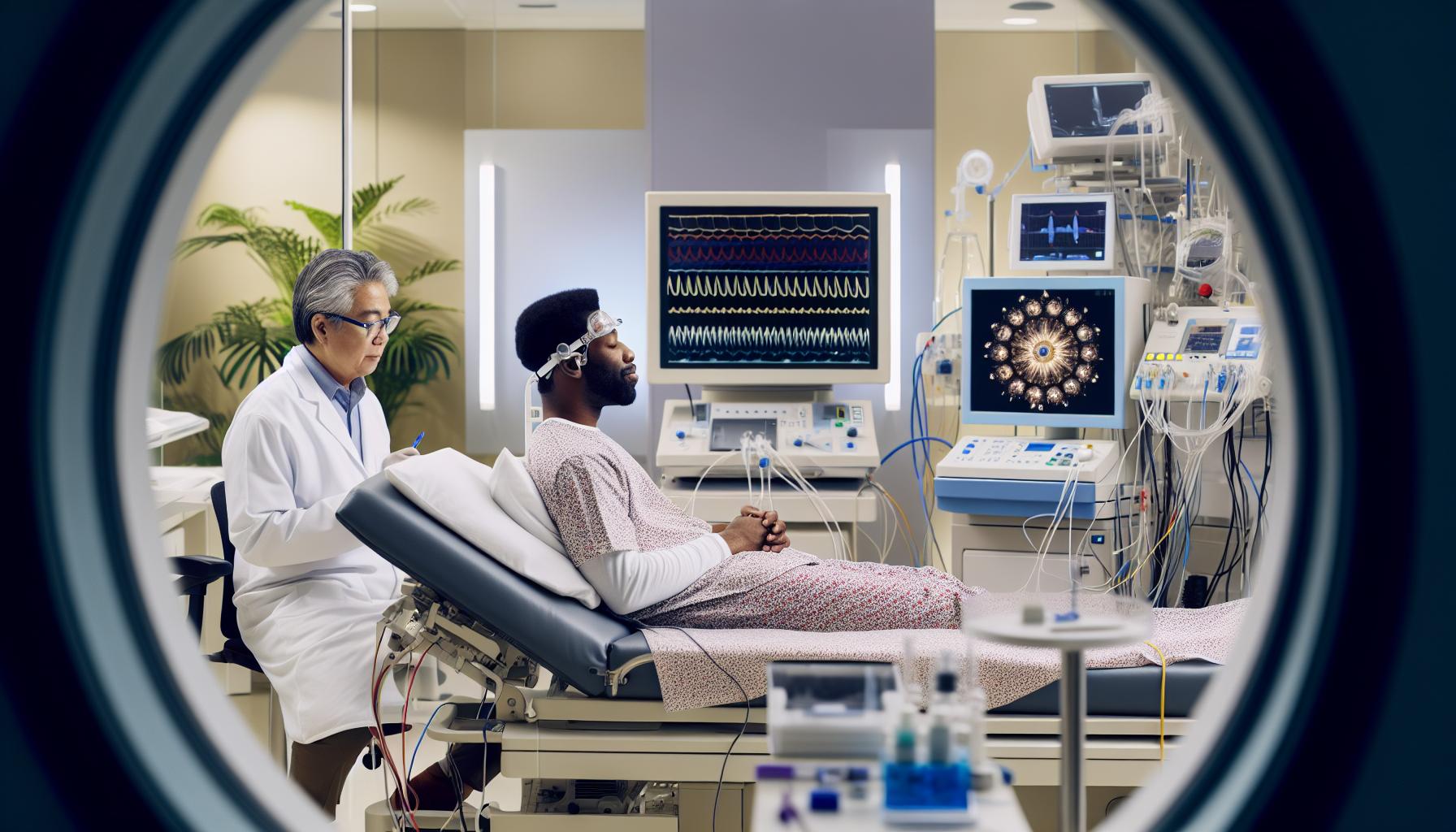
Understanding how sleep studies operate is crucial for anyone curious about their sleep health. Essentially, these tests measure various physiological parameters while you sleep, providing valuable insights into your sleep patterns and potential disorders. Most commonly known as polysomnography, a comprehensive sleep study can monitor metrics such as brain activity, eye movement, heart rate, blood oxygen levels, and breathing patterns.
During a home sleep study, the process is streamlined for convenience and comfort. You will typically use a smaller device, which can monitor specific metrics like airflow, heart rate, and blood oxygen levels, often through simple finger sensors and masks that you wear during the night. The results help healthcare professionals determine the presence of conditions like obstructive sleep apnea or other sleep disorders. With this information, accurate diagnoses can lead to effective treatment strategies.
It’s important to grasp that manipulating these results can significantly undermine the study’s intention. For example, if an individual attempts to create the illusion of normal sleep patterns through unusual sleeping positions or the use of stimulants, it can skew the data collected by the device. Moreover, since the technology relies on accurate reflections of one’s sleep state, this kind of interference can lead to a misleading representation of the individual’s health, potentially ignoring serious medical conditions that require intervention.
The methodology employed in sleep studies is designed to be objective, collecting data without bias from external influences. The components of polysomnography work together to build a comprehensive picture of sleep health, enabling clinicians to provide tailored treatment recommendations. Recognizing the power of accurate and honest reporting not only facilitates proper diagnosis but also assists individuals in taking charge of their sleep health and overall well-being.
Common Misconceptions About Home Sleep Testing
Home sleep testing has seen a surge in popularity, yet several misconceptions can lead to confusion and misguided choices. One pervasive myth is that these tests lack accuracy compared to in-lab studies. While it’s true that home tests may have limitations-often analyzing fewer metrics than polysomnography-in many cases, they provide reliable information for diagnosing conditions like obstructive sleep apnea, particularly when using Type 3 devices that monitor essential metrics like oxygen levels and heart rate more comprehensively.
Another common misunderstanding is that home sleep testing is overly complicated or too technical for the average user. In reality, these devices are designed with user-friendliness in mind. Most systems come with intuitive instructions that guide you through the setup, making the process straightforward. For instance, you might simply place sensors on your finger and secure a headband or mask comfortably before going to sleep. Properly following these instructions can lead to insightful data collection without requiring technical expertise.
Patients often impulsively assume that a negative or inconclusive result means they do not have any sleep issues. However, the accuracy of home sleep testing can vary based on individual circumstances, including the specifics of the device used and how well the setup was executed. If results are inconclusive, further evaluation with a healthcare provider is crucial, possibly necessitating a traditional sleep study for thorough assessment.
Understanding these misconceptions is vital for effective sleep health management. Home sleep tests can be a critical first step toward addressing potential sleep disorders, offering a convenient approach that complements healthcare efforts. By demystifying these tests, we empower individuals to take charge of their sleep health, paving the way for better outcomes through informed decisions.
Signs You Might Need a Sleep Study
Many people might not realize the subtle signs that indicate a potential need for a sleep study. Ignoring these signs could lead to worsening sleep issues and negatively impact overall health. If you find yourself experiencing persistent fatigue or daytime sleepiness, it could be an indicator of a sleep disorder. Other physical signs may include loud snoring, gasping for air during sleep, or restless leg movements. Identifying these symptoms is crucial because they can signal conditions like obstructive sleep apnea (OSA), which can have serious health implications if left untreated.
Common Signs to Watch For
Consider these common signs that may suggest the need for a sleep study:
- Excessive Daytime Sleepiness: If you’re often tired during the day despite spending adequate time in bed, this could point to sleep disruptions.
- Loud Snoring: Frequent, loud snoring-especially if accompanied by choking or gasping sounds-can indicate sleep apnea.
- Restless Sleep: Tossing and turning, or waking up frequently during the night might suggest that your sleep quality is compromised.
- Morning Headaches: Waking up with headaches can be a sign of oxygen deprivation during sleep.
- Difficulty Concentrating: If you struggle with focus, memory, or decision-making during the day, it might be linked to your sleep quality.
If you recognize any of these symptoms, it could be beneficial to discuss them with a healthcare provider. They may recommend a sleep study to explore the underlying causes of your sleep difficulties more closely. Notably, it’s essential to approach these concerns with your doctor openly. While at-home sleep studies offer convenience, a traditional polysomnography may be necessary for more complex cases.
Understanding the signs is just the first step in reclaiming your sleep health. Identifying potential issues early not only paves the way for effective intervention but also promotes better overall health and well-being. Knowing when to seek help is pivotal in your journey toward restful nights and energized days.
Alternatives to Home Sleep Studies: Exploring Options
While home sleep studies offer a convenient way to evaluate sleep issues, they aren’t the only option available. If you’re looking for alternatives, there are several other testing methods and technologies that can provide valuable insights into your sleep health without the potential complications of manipulating results during a home study.
One effective alternative is a clinical sleep evaluation conducted in a sleep clinic. These studies, often referred to as polysomnography, are comprehensive and monitored by professionals. They capture a wide range of data, including brain waves, oxygen levels, heart rate, and breathing patterns. Conducted overnight in a controlled environment, polysomnography offers a detailed analysis of your sleep stages and any potential disorders, making it a robust choice if you suspect severe issues.
You might also consider using wearable technology. Devices like smartwatches and fitness trackers provide insight into your sleep patterns by monitoring movement and heart rate. Though these can’t offer the same level of detail as a polysomnography, they can help you identify trends and patterns over time. For instance, sleep-tracking apps can analyze your sleep habits and offer tips for improvement. Just keep in mind that the accuracy of such devices can vary, and they may not fully capture the complexities of sleep disorders.
Another innovative option is objects like the Eight Sleep Pod, which combines sleep tracking with temperature control. It allows for personalized sleep environments while providing feedback on sleep quality. Such advanced devices can help you understand your sleep metrics and adjust your sleep setting accordingly.
Ultimately, the choice between these alternatives depends largely on your specific needs and the severity of your symptoms. It’s always wise to consult with a healthcare professional who can guide you based on your individual situation. Regardless of the method you choose, gaining insight into your sleep health is a meaningful step towards improvement.
What to Expect During a Home Sleep Study
A home sleep study can be a revealing process, offering insights into your sleep patterns and potential disorders like obstructive sleep apnea (OSA) without the need for a hospital stay. The setup is generally straightforward, allowing you to conduct the test in the comfort of your own bed-a significant advantage for many who might feel anxious in a clinical environment. However, there are certain elements and preparations you’ll want to know about to ensure that you get accurate and actionable results.
First, expect to receive a home sleep testing kit that typically includes a small device you strap to your finger, a belt to measure respiratory effort, and sensors placed on various parts of your body. These devices record vital metrics like heart rate, airflow, oxygen levels, and sound. It’s essential to follow the provided setup instructions carefully to ensure each component is correctly placed. Most importantly, try to maintain your regular sleeping habits during the study; anything less can affect your results.
While undergoing the study, you might feel a little self-conscious about the equipment, but remember that it’s designed to be as unobtrusive as possible. Focus on relaxing and falling asleep as you usually would. If you find that you’re feeling restless or anxious about the process, it could help to engage in relaxing activities before bedtime, like reading or listening to calm music. The purpose of the home sleep study is not only to diagnose potential sleep disorders but to do so in an environment that mimics your typical sleep setting as closely as possible.
After completing the study, the data will be analyzed, typically by a sleep physician. They will interpret the results to determine if further evaluation or treatment is necessary. If the prospect of using home sleep monitoring devices makes you uneasy, remember that seeking professional advice and discussing your experience openly can help address any concerns you might have. This way, you can feel empowered regarding your sleep health and confident that you are taking the necessary steps to improve it.
How to Prepare for a Home Sleep Study Successfully
Preparing adequately for a home sleep study is crucial to ensure that the results are accurate and useful. A common misconception is that the home environment guarantees the same results as a clinical sleep lab; however, the effectiveness of a home test relies significantly on how well you set up and follow through with the test guidelines. By carefully preparing for the study, you can avoid the temptation to manipulate results, which can obfuscate the true condition of your sleep health.
To start, familiarize yourself with the equipment you will be using. Typically, your home sleep testing kit will include various sensors and devices that monitor your sleep patterns and vital signs. Familiarize yourself with how to wear these devices properly:
- Pulse Oximeter: This sensor usually goes on your finger. Make sure it fits snugly but comfortably to ensure accurate readings of your oxygen levels.
- Chest Belt: This monitors your breathing. Position it comfortably but firmly around your chest, similar to how a sports bra would fit.
- Head and Body Sensors: Attach these as directed, often to your forehead or neck, to capture important data about your sleep stages and movements.
Another vital step is to maintain a typical sleep schedule leading up to the study. If you frequently stay up late or alter your routine, this could skew your results. Instead, aim to keep to your regular bedtime, ensuring you get sufficient sleep leading up to the test. If you consume alcohol, caffeine, or other stimulants, try to avoid these in the days leading to your study. They can affect your sleep quality and, in turn, the outcomes of the test.
Also, create a relaxing bedtime routine on the night of the study to help you ease into sleep. Engaging in calming activities, such as reading a book or practicing mindfulness, can help you feel more at ease when it’s time to sleep and can prevent you from feeling anxious about the monitoring devices. Remember, the goal of the home sleep study is to mimic your natural sleep environment as closely as possible. So, try to set up your bedroom in a familiar and comforting way-dim lighting, a comfortable temperature, and quiet surroundings can make a significant difference in helping you fall asleep effortlessly.
By taking these preparatory steps seriously, you’ll not only ensure reliable results but also feel equipped to take charge of your sleep health journey. Understanding that the clearest path to insight is through honesty with your sleep patterns will ultimately empower you to make informed decisions moving forward.
Interpreting Your Home Sleep Study Results
Interpreting the outcomes of your home sleep study can feel daunting, but understanding the key elements can empower you to take control of your sleep health. Your results will typically include data on sleep apnea incidents, oxygen saturation levels, and overall sleep patterns, allowing you to discern critical aspects of your sleep quality. A higher number of apnea events per hour suggests a need for further evaluation, whereas stable oxygen levels indicate good respiratory function during sleep.
Start by closely examining the total number of apneas and hypopneas-these are the incidents of complete or partial cessation of breathing. If the study reveals a significant number (five or more per hour), it’s a strong indicator that you may have obstructive sleep apnea (OSA). Each of these events can disrupt your sleep and lead to various health issues if left unaddressed.
Another powerful metric is the oxygen saturation percentage, which reveals how well your body is getting oxygen during sleep. Levels below 90% during the night can indicate a serious issue that requires immediate attention. Your report may also outline your sleep staging, which categorizes your sleep into light, deep, and REM phases. Disruptions in these stages can often signal underlying conditions.
It’s crucial to discuss your findings with a healthcare provider who specializes in sleep medicine. They can translate the numbers into actionable insights tailored to your specific situation. Understanding your results is the first step toward making informed decisions about your sleep health, including whether lifestyle changes, therapy, or further testing is necessary. Don’t hesitate to seek further evaluations if you have concerns, as quality sleep is essential for overall well-being.
When to Consult a Sleep Specialist
Consulting a sleep specialist can be a pivotal step in addressing sleep-related concerns, particularly if you suspect sleep apnea or other disorders. If you have been experiencing chronic fatigue, loud snoring, or waking up gasping for air, it’s crucial to seek professional advice. Many people overlook subtle signs of sleep issues, attributing them to everyday stresses or lifestyle factors. However, chronic sleep disturbances can lead to serious health consequences, including cardiovascular issues, metabolic syndrome, and impaired cognitive function.
Knowing when to reach out for help can save you time and potential long-term health problems. If you’ve completed a home sleep test and your results indicate irregularities-like a significant number of apnea events or low oxygen saturation-it’s a clear signal to consult a specialist. Even if the results are inconclusive, a sleep doctor can provide deeper insights, often utilizing more comprehensive diagnostic equipment in a sleep lab setting. They can help interpret findings, recommend further testing if necessary, and create a tailored treatment plan to improve your sleep quality.
Additionally, if you’ve attempted lifestyle adjustments, such as changing your sleep environment, modifying your diet, or incorporating relaxation techniques, and you’re still struggling, it’s time to seek expert guidance. A sleep specialist can evaluate whether underlying issues, such as anxiety or asthma, are contributing to your problems and advise on appropriate therapies or interventions.
Furthermore, technology has revolutionized sleep monitoring, but it has its limitations. While wearable devices and apps can provide preliminary insights into your sleep patterns, they cannot replace the expertise of a trained professional who understands the nuances of sleep medicine. Engaging with a specialist ensures that you receive a comprehensive assessment and appropriate recommendations, safeguarding your overall health and well-being.
The Role of Technology in Sleep Monitoring
In the ever-evolving landscape of sleep health, technology plays a pivotal role in monitoring our sleep patterns and addressing potential disorders. The emergence of wearable devices and mobile applications has made sleep tracking accessible and easy, allowing users to gain insights into their sleep quality and habits. These technologies, ranging from smartwatches to dedicated sleep monitors, can track various metrics, such as sleep duration, cycles, and heart rates, often providing personalized feedback based on the data collected. However, the effectiveness of these tools can vary, and understanding their capabilities is crucial for informed decision-making.
The Limitations of Consumer Sleep Tech
While technology can offer valuable data, it has its limitations compared to clinical sleep studies (polysomnography). Unlike home sleep apnea tests conducted under professional oversight, consumer devices typically lack the comprehensive evaluation necessary for diagnosing sleep disorders accurately. For example, they might not effectively measure critical parameters like blood oxygen levels or specific breathing patterns. Misinterpretations of the data can lead users to think they are experiencing normal sleep when, in fact, underlying issues such as apnea are present. This is particularly concerning when individuals try to self-diagnose or manipulate sleep study results based on inaccurate tech readings.
It’s essential to approach these consumer devices as tools for preliminary insights rather than definitive diagnostic tools. Investing in technology should complement, not replace, professional medical advice. Engaging with a sleep specialist remains paramount, especially if a user experiences severe symptoms or irregular test results-even with the assistance of technology. Understanding how to utilize this technology sensibly can empower individuals to make better choices regarding their sleep health.
Examples of Popular Sleep Tracking Technologies
Here are some popular sleep monitoring technologies along with their features:
| Device | Features | Considerations |
|---|---|---|
| Smartwatches (e.g., Fitbit, Apple Watch) | Track sleep duration, heart rate, sleep stages | May not offer medical-grade accuracy |
| Dedicated Sleep Trackers (e.g., Withings Sleep, Oura Ring) | Advanced metrics including snoring detection, sleep cycles | More comprehensive than smartwatches but still not foolproof |
| Mobile Apps (e.g., Sleep Cycle, Pillow) | Alarm features, sound analysis, trend tracking | Data quality varies, often relies on user input |
Ultimately, embracing technology in sleep monitoring can enhance awareness of sleep health, but it requires a balanced perspective. Instead of trying to “beat” a home sleep study by manipulating results, prioritize accuracy and professionalism. By combining technological insights with expert guidance, you can take effective steps towards better sleep and overall well-being.
Empowering Yourself with Better Sleep Health Choices
Navigating the realm of sleep health can feel overwhelming, particularly with the plethora of information available about sleep studies and monitoring technologies. Understanding how to make informed choices can significantly impact your sleep quality and overall well-being. One empowering step is recognizing that good sleep health starts with understanding your needs and the tools available to you, rather than attempting to manipulate results or self-diagnose based on unreliable tech.
When considering a home sleep study, it’s important to understand what to expect and how to prepare effectively. Familiarize yourself with common procedures, such as wearing sensors and keeping a sleep diary. Prior to your test, ensure you communicate any medications you’re taking or lifestyle factors that may influence your sleep. This proactive approach not only helps the testing process but also aids your healthcare provider in interpreting your results accurately.
In addition to medical evaluations, leveraging technology can enhance your understanding of sleep patterns. Wearable devices like smartwatches or dedicated sleep trackers can provide insights, such as sleep length and disturbances, which can be useful to discuss with a sleep specialist. However, use these tools to supplement professional advice instead of replacing it. Their limitations mean they should be viewed as part of a broader strategy toward achieving better sleep health.
Finally, empower yourself by seeking educational resources and support groups. Whether through online forums or local wellness classes, sharing experiences and knowledge about sleep health can provide valuable perspectives and reduce anxiety associated with sleep disorders. Remember, prioritizing your health and well-being should include collaboration with qualified professionals who can guide you in understanding the significance of your sleep study results and help create a tailored plan for improvement.
Frequently Asked Questions
Q: What happens if you manipulate a home sleep study?
A: Manipulating a home sleep study can lead to inaccurate results, potentially causing misdiagnosis of sleep disorders. It undermines your health by preventing appropriate treatment and may result in worse sleep quality over time. *Always prioritize honesty for your well-being.*
Q: Why is it risky to beat a home sleep study?
A: Attempting to beat a home sleep study poses significant risks, including misdiagnosis and improper treatment of sleep disorders. This can exacerbate symptoms and prolong discomfort. *A sleep study should accurately reflect your sleeping patterns for effective outcomes.*
Q: Can a home sleep study be inaccurate?
A: Yes, a home sleep study can yield inaccurate results due to factors like improper device use or environmental disturbances. These inaccuracies can lead to incorrect conclusions regarding your sleep health. *Ensure you follow instructions closely for reliable outcomes.*
Q: How can you ensure accurate results from a home sleep study?
A: To ensure accurate results, *follow the preparation guidelines meticulously*. This includes maintaining a normal sleep routine, minimizing caffeine intake, and avoiding alcohol before the study. *A calm and consistent environment also helps improve data reliability.*
Q: What are the consequences of lying about symptoms during a sleep study?
A: Lying about symptoms can result in a misdiagnosis, leading to ineffective treatment and potentially worsening your sleep condition. *It’s crucial to provide accurate information for proper health management.*
Q: Are there better alternatives to home sleep studies?
A: Yes, alternatives include consulting a sleep specialist for an in-lab study, or using sophisticated sleep tracking devices. These options can provide *more detailed insights into your sleep patterns*. Explore them for comprehensive health understanding.
Q: What should you do if you suspect your results are incorrect?
A: If you suspect incorrect results, consult your healthcare provider immediately. They may recommend a repeat study or further evaluations. *It’s essential to address any concerns to avoid prolonged sleep issues.*
Q: Why should you consult a sleep specialist instead of relying on a home sleep study?
A: Consulting a sleep specialist can provide personalized insights and targeted treatments that a home study might not offer. Specialists can conduct comprehensive evaluations for accurate diagnoses. *Seek professional guidance when unsure about your sleep health.*
Wrapping Up
In conclusion, while it may seem tempting to attempt shortcuts around home sleep studies, the truth is that they are designed for your health and safety. Understanding your sleep patterns can reveal valuable insights into your overall well-being. Now is the time to take control of your sleep health! If you have lingering questions, consider exploring our articles on how sleep disorders impact daily life and the latest wearable sleep technology.
Don’t let confusion hold you back-subscribe to our newsletter for expert tips and exclusive resources on improving your sleep quality. Remember, the right support and information empower you to make informed decisions. Don’t hesitate; share your thoughts or experiences in the comments below, and let’s take the journey to better sleep together!
Get our latest guides, news, and insights highlighted in your Google Search & AI Overviews.