
Did you know that roughly 70 million Americans struggle with sleep disorders? While a sleep study can be a vital tool for diagnosing these issues, some individuals consider faking results to secure easier access to medications or treatments. In “How to Beat a Sleep Study? The Risks of Faking Results,” we delve into the potential consequences of manipulating outcomes. This isn’t just about the ethics-it’s also about how inaccuracies can delay proper care and worsen existing conditions. Understanding the genuine purpose behind sleep studies empowers you to navigate your sleep health with intention. Join us as we explore why honesty is crucial in these tests and how doing the right thing can lead to a healthier, more restful life.
How Sleep Studies Are Conducted: A Step-by-Step Guide
Understanding how sleep studies are conducted can demystify the process and relieve anxiety for those preparing for one. Sleep studies, or polysomnography, are detailed assessments that monitor various physiological parameters during sleep. Here’s a step-by-step guide to what you can expect, helping you approach the study with confidence.
Preparation for the Sleep Study
Before the study, you’ll usually have a consultation with a healthcare provider who will discuss your sleep patterns and any specific concerns. It’s essential to avoid caffeine and alcohol in the days leading up to the test, as these can interfere with your sleep quality. You may also be asked to complete a sleep diary for a week prior to the study, providing valuable insights into your sleep habits.
Setting Up the Study
On the night of the study, you will arrive at a sleep center where a technician will greet you and explain the procedures. The setup involves placing sensors on your scalp, face, chest, and legs to monitor brain waves, heart rate, breathing patterns, and muscle activity. It may feel a bit uncomfortable, but the process is generally non-invasive. Once everything is in place, you will be asked to try to sleep as you normally would.
During the Sleep Study
As you sleep, the equipment will collect data that the sleep specialists will analyze later. The environment is designed to be comfortable, mimicking a home-like setting, but you may still find it challenging to sleep due to the unfamiliar surroundings and sensors. If you’re prone to faking results or misrepresenting your sleep issues, remember that the study is scientific and designed to uncover genuine sleep disorders. It’s crucial to be as honest as possible during this phase since the accuracy of the results depends on your authentic sleep behavior.
Post-Study Analysis
After the study, the recorded data is analyzed to assess various sleep disorders, including sleep apnea and insomnia. The results will be discussed in a follow-up appointment with your healthcare provider, who will help explain the findings and explore potential treatment options if necessary. The key takeaway here is that accurate results are vital – not only for your health but also for appropriate care moving forward.
Understanding this process can help alleviate some nerves and empower you to approach your sleep study with the proper mindset. It’s essential to remember that honesty in reporting your sleep patterns and behaviors contributes significantly to receiving the correct diagnosis and treatment.
Understanding the Importance of Accurate Sleep Study Results
Accurate sleep study results are crucial not just for diagnosing potential disorders but for setting the stage for effective treatment interventions. When patients provide authentic data during their sleep assessments, healthcare providers gain insights into sleep patterns, disturbances, and the overall health of the individual’s sleep. Every element of the study, from brain wave activity to breathing patterns, paints a comprehensive picture about one’s sleep health. Understanding these outputs enables practitioners to tailor personalized treatment strategies, whether it’s lifestyle changes, cognitive behavioral therapy for insomnia, or medical interventions for conditions like sleep apnea.
The risks associated with faking results cannot be overstated. Misleading data can lead to incorrect diagnoses and inappropriate treatments, leaving underlying issues unaddressed. For instance, a patient exaggerating symptoms could receive unnecessary or even harmful interventions, while someone downplaying their issues may not receive the critical care they need. Additionally, when results are distorted, they can affect the entire research landscape by skewing data on sleep disorders, compromising the integrity of future studies.
Trust is paramount in the healthcare relationship. Patients should feel empowered to discuss their sleep issues honestly, knowing that their physician’s goal is to assist them in attaining restorative sleep. Being open about sleep behavior allows doctors to utilize the full range of diagnostic tools and techniques available, ultimately leading to the best outcome. Honesty fosters a collaborative effort between patient and provider to overcome sleep challenges, ensuring that sleep studies serve their intended purpose.
Furthermore, as technology evolves, alternative methods for monitoring sleep health, such as wearables or sleep tracking apps, continue to gain popularity. While these tools provide valuable information, they should not replace formal sleep studies when more serious sleep disorders are suspected. Understanding the balance between DIY approaches and professional evaluations can empower individuals to make informed decisions about their sleep health. In navigating these options, a commitment to accuracy in reporting and utilizing reliable data sources helps ensure a path toward better sleep.
Common Reasons for Faking Sleep Study Results
While the importance of a sleep study’s accuracy can’t be overstated, some patients may feel the urge to manipulate their results for various reasons. Understanding these motivations is crucial, as it not only affects individual treatment outcomes but also impacts the broader field of sleep medicine.
One common reason for faking results is a desire for medication or specific treatments. Some individuals may believe that by exaggerating symptoms such as insomnia or sleep apnea, they can obtain prescriptions for sleep aids or CPAP machines that they think will improve their sleep. However, this approach can backfire, leading to dependencies on medication that isn’t warranted by actual health needs.
Another factor is the pressure to conform to societal expectations regarding health and wellbeing. In a culture that heavily emphasizes optimal sleep, some may feel ashamed of their actual sleep patterns and believe that faking worse sleep will garner more sympathy or understanding from their healthcare providers. This misrepresentation can lead to a disconnect between the patient and provider, ultimately delaying effective treatment.
Finally, anxiety surrounding the sleep study process itself can contribute to faking outcomes. The experience of undergoing a sleep study can be daunting; unfamiliar environments, sensors on the body, and the need to sleep in a strange location can provoke stress. Some patients may feel they cannot accurately portray their sleep issues due to discomfort, leading them to provide results they believe will be more acceptable or understandable to the clinicians.
In any case, the temptation to provide misleading data undermines trust in the therapeutic relationship and can skew the overall findings within the field of sleep research. Clear, honest communication about sleep difficulties is essential for both personal health and the integrity of sleep medicine as a whole. By understanding the reasons behind the urge to distort results, both patients and healthcare providers can work towards a more open dialogue about sleep health.
The Dangers of Misleading Sleep Study Findings
Misleading findings from sleep studies can have serious consequences, both for individuals seeking accurate diagnosis and treatment and for the broader medical community. When patients manipulate their results, the immediate risk is misdiagnosis. A healthcare provider relies on the data gathered during a sleep study to inform treatment decisions. If those results are falsified, the treatment prescribed may be inappropriate, potentially leading to a disregard for other underlying health issues. For instance, a person exaggerating sleep apnea symptoms might end up using a CPAP machine unnecessarily, which could cause adverse effects instead of improving their sleep health.
Moreover, the implications extend beyond individual patients. Misleading data can skew research outcomes, prompting sleep experts to draw erroneous conclusions about sleep disorders and their prevalence. This can have far-reaching effects on public health policies and resource allocation. Resources may be directed toward addressing problems that are overrepresented due to faked results while neglecting genuine issues faced by others.
Another important aspect to consider is the ethical ramifications. Trust is a foundational element in the patient-provider relationship. When deception occurs, it can damage that trust, making it difficult for healthcare providers to understand the actual needs of their patients moving forward. In turn, patients may feel alienated or misunderstood, possibly deterring them from seeking help in the future.
In addition to these critical risks, there are personal repercussions for those who choose to falsify results. The stress and anxiety of maintaining a facade can lead to decreased mental wellbeing. Instead of addressing genuine sleep issues, these individuals may find themselves caught in a cycle of dishonesty that exacerbates their original concerns rather than alleviating them. Ultimately, fostering open and honest communication about sleep health leads to better outcomes for both patients and the healthcare system.
How to Recognize Valid vs. Fabricated Results
Recognizing the difference between valid and fabricated results from a sleep study is essential for anyone navigating the complexities of sleep health. Sleep studies, or polysomnographies, involve multiple physiological measurements including brain activity, eye movement, heart rate, and oxygen levels. A thorough understanding of these parameters can help you identify anomalies that suggest potential manipulation of results.
To start, review the data patterns. Authentic sleep studies typically yield a unique waveform pattern associated with different sleep stages: REM, light sleep, and deep sleep. If the data is too uniform or lacks variation-such as a consistently high heart rate with minimal fluctuations-it may raise red flags. Also, keep an eye on the continuity of events. Real sleep studies may show cycles of wakefulness but will generally not exhibit prolonged periods of wakefulness interspersed with rapid transitions to deep sleep.
Next, consider the subjective data collected during the study. Are there discrepancies between what the patient reports about their sleep habits and what the objective data shows? For instance, if a patient has reported severe insomnia, yet the sleep study indicates lengthy periods of restful sleep without interruptions, this inconsistency suggests possible fabrication. Professionals should also assess the sincerity of patient-reported outcomes, as honest communication enhances the overall accuracy of the study.
Lastly, be mindful of the context in which results are produced. Repeat studies may reveal emerging trends that were not initially present. A sudden change, especially one that drastically alters a diagnosis, warrants additional scrutiny. This vigilance not only involves reviewing raw data but also engaging in a detailed discussion with a healthcare provider about the outcomes, ensuring there’s a comprehensive understanding rather than just knee-jerk reactions based on perceived anomalies.
By paying close attention to these elements, you can better discern between valid and potentially fabricated sleep study results, empowering you to advocate for your own sleep health effectively.
Legal and Ethical Implications of Faking Sleep Studies
The integrity of sleep studies is paramount, and the legal and ethical implications of faking results can be far-reaching. Engaging in deceptive practices not only undermines the scientific and medical community but also poses serious risks to individual health and safety. When someone falsifies their sleep study results, they can mislead healthcare providers, resulting in inappropriate treatments and interventions that might worsen their condition or lead to new, unrelated health issues.
One of the most pressing legal consequences of manipulating sleep study outcomes can arise from insurance fraud. Many individuals seek sleep studies to obtain compensation for treatments covered by health insurance. Presenting false information not only violates the law but can also lead to criminal charges, hefty fines, and even imprisonment. Medical professionals involved in interpreting or reporting these results can also face legal repercussions, including loss of licensure and civil liabilities.
From an ethical standpoint, honesty in sleep studies is critical for proper patient care. Misrepresenting symptoms or outcomes can lead to a distortion of medical knowledge and a disruption of trust between patients and healthcare providers. When patients fail to disclose accurate information, it complicates diagnoses and diminishes the efficacy of treatment options. Ethical concerns also extend to the broader implications of research; inflated or fabricated data can compromise the validity of clinical trials and lead to misguided public health policies.
To ensure compliance with legal and ethical standards, healthcare providers and patients alike must foster an atmosphere of transparency. Patients should feel encouraged to discuss their sleep issues openly, and practitioners should work to create an environment where honesty is valued and rewarded. This commitment not only promotes better health outcomes but also safeguards the integrity of sleep research going forward.
Alternative Methods to Monitor Sleep Health
Leverage the power of technology to keep tabs on your sleep health effectively. With advancements in sleep tracking technology, you no longer need to rely solely on traditional sleep studies. Various alternative methods enable you to gain insights into your sleep patterns, helping you address issues before they escalate. Here are some options you might consider:
Wearable Sleep Trackers
Wearable devices like fitness trackers and smartwatches are excellent tools for monitoring sleep health. They typically analyze various parameters, such as heart rate, movement, and sleep stages. These devices can provide valuable insights into how long you sleep, how well you sleep, and even the quality of your rest. Most wearables are user-friendly, requiring minimal setup-just wear them while you sleep. The costs vary, ranging from around $50 to over $300, making them accessible depending on your budget.
Bed Mats and Sleep Monitors
For those who prefer not to wear anything while sleeping, consider bed mats or under-mattress sensors. These devices track sleep patterns and are placed under your mattress, making monitoring comfortable and unobtrusive. They typically connect to a mobile app, allowing you to easily view your data. Prices for these devices range broadly from $100 to $400. When selecting a model, ensure it includes features like sleep environment analysis, which can offer insight into how factors like temperature and noise levels influence your sleep.
Smart Beds
Investing in a smart bed can take your sleep monitoring to the next level. These beds can adjust firmness and temperature based on your preferences and sleep data. They can track your sleep stages and provide personalized recommendations for improving sleep quality. While this is a more significant investment-often ranging from $1,000 to $3,000-smart beds can enhance both comfort and data accuracy.
Mobile Apps
Lastly, numerous smartphone apps analyze sleep through sound and movement detection. Some popular apps even have features that allow you to track variables such as sleep environment and habits. They typically range from free to a few dollars for premium features. These apps can serve as a helpful tool during times when a full sleep study isn’t feasible, as they provide ongoing insights without a substantial commitment.
In navigating your sleep health, these alternative methods can empower you to take proactive steps without resorting to falsifying results on a sleep study. They provide ample data to discuss with healthcare professionals, ensuring that your treatments and interventions are based on solid evidence rather than guesswork. Remember, the right approach will vary by individual, so consider what fits your lifestyle best while being honest about your sleep health.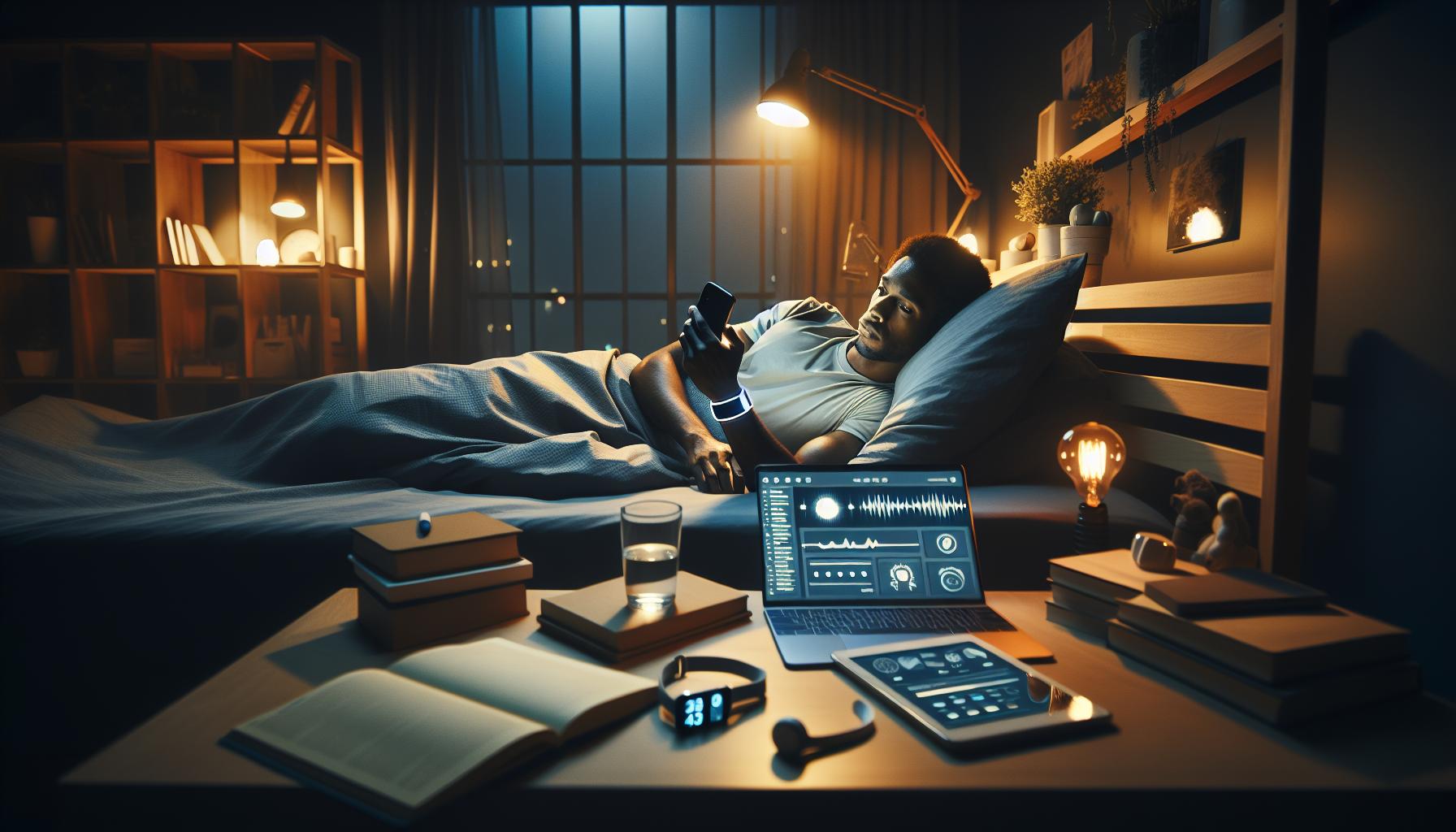
Effects of Technology on Sleep Study Accuracy
The integration of technology into sleep studies has significantly transformed how we monitor and assess sleep quality and disorders. As sleep becomes an increasingly pivotal aspect of health, innovative tools like wearable devices, mobile apps, and smart beds are emerging, each boasting various degrees of accuracy and reliability. While these technologies offer enhanced convenience and accessibility, they also come with caveats that affect the accuracy of sleep study results.
Wearable sleep trackers, for example, can provide valuable insights into sleep patterns by analyzing heart rate and movement. However, their accuracy can vary widely. Many trackers rely on accelerometry, which counts movements but might misinterpret restlessness as wakefulness, leading to false interpretations of one’s sleep quality. In a clinical setting, traditional sleep studies, or polysomnography, provide a much more comprehensive picture, measuring brain waves, oxygen levels, heart rate, and breathing through various electrodes attached to the body. The data obtained from these studies are often more reliable for diagnosing conditions like sleep apnea or sleep disorders than those obtained through consumer-grade devices.
Mobile apps designed for sleep tracking offer a different perspective, utilizing sound and motion detection to analyze sleep patterns. While convenient, their performance can be influenced by external factors like ambient noise and the user’s positioning, further complicating their results. These apps may provide preliminary insights but should not replace professional assessments or diagnostics. Patients seeking precise evaluations of their sleep issues should consider formal sleep studies, especially if they have serious symptoms or concerns.
It’s essential to navigate the technology landscape wisely. When considering options like smart beds or advanced wearable devices, evaluate their accuracy ratings, user reviews, and scientific backing. Remember that while these technologies can enhance general understanding and support sleep hygiene practices, they do not replace the nuanced and detailed analysis that professional sleep studies can provide. Relying solely on these devices for critical health insights can lead to misunderstandings and misdiagnoses, emphasizing the need for a balanced approach to your sleep health.
Real-Life Consequences of Misrepresenting Sleep Issues
Misrepresenting sleep issues during studies can have significant consequences, both personally and medically. Many people might wonder why anyone would consider faking results; common motivations include the desire for insurance coverage, misunderstanding the severity of a condition, or even attempting to gain attention or sympathy. Regardless of the reasons, the impacts can extend far beyond immediate benefits, leading to a cascade of negative outcomes.
Firstly, misrepresented sleep data can lead to incorrect diagnoses. If a patient exaggerates symptoms, they may end up receiving unnecessary treatments or medications that carry their own risks and side effects. For example, someone might fake symptoms of sleep apnea to obtain a CPAP machine, potentially leading to reliance on a device they don’t need while neglecting genuine health issues that could be treated more appropriately.
Moreover, there are long-term health ramifications. Inaccurate sleep assessments can derail effective treatment plans, resulting in exacerbated existing conditions or the development of new complications. Sleep is critical to overall health, influencing everything from mental clarity and emotional stability to cardiovascular health. While one may hope for immediate relief or a solution to sleep troubles, the failure to address underlying issues tends to lead to greater struggles down the line.
Additionally, misrepresentation can undermine the credibility of legitimate sleep studies. Clinicians rely on accurate data to further research and refine diagnostic tools, and inflation of symptoms can skew results and potentially lead to broader misguidance in treatment protocols and public health strategies. As more individuals opt to self-diagnose and self-treat based on faulty data, there is a real risk of diminishing the scientific rigor needed for effective sleep disorder management.
Understanding the implications of fabricating sleep issues is crucial for patient safety and effective healthcare delivery. It’s essential for anyone experiencing sleep difficulties to approach their situations honestly, understanding that the right diagnosis and treatment can offer real relief without the need for deception. Professional sleep studies are designed not just to assess but to improve health outcomes, and accurate self-representation plays a vital role in that process.
Patient Perspectives: Why Honesty Matters in Sleep Testing
In the world of sleep studies, honesty is more than just a moral stance; it’s a strategic choice that can significantly impact health outcomes. When people enter a sleep study facility, they might be tempted to exaggerate their symptoms or fabricate their experiences to secure a diagnosis or treatment. However, doing so can lead to a misleading assessment of their true sleep health. The risks associated with dishonesty can far outweigh any perceived short-term benefits. For instance, if someone fakes symptoms of sleep apnea to justify using a CPAP machine, they may miss the opportunity to identify and treat other underlying sleep disorders that could be causing their issues.
A genuine portrayal of sleep issues helps healthcare providers gather accurate data necessary for effective diagnosis and treatment. Each patient’s experience is unique, and clinicians rely on truthful accounts to implement the right interventions. When patients are honest about their symptoms, clinicians can tailor treatments that genuinely address their needs. This not only leads to better health outcomes but also helps avoid the trial and error of unnecessary or inappropriate therapies that can arise from fabricated reports.
Moreover, entering a sleep study with integrity helps build a trusting relationship between patients and healthcare providers. Trust is crucial in medical settings, and when patients commit to honest communication, they cultivate a supportive environment that encourages open dialogue about their health concerns. This openness allows for greater accuracy in monitoring sleep patterns and enhances the quality of care going forward.
Therefore, it’s essential for patients to reflect on their motivations for seeking sleep studies. If anxiety or fear of judgment causes them to consider misrepresenting their situation, it’s vital to recognize that the path to genuine relief lies in transparency. Accessing accurate treatments not only improves overall sleep quality but also promotes long-term wellness. Seeking advice from trusted healthcare professionals, using sleep diaries to track patterns, and engaging in honest discussions about symptoms will empower patients to navigate their sleep health confidently.
Navigating Sleep Disorders: When to Seek Professional Help
Understanding when to seek professional help for sleep disorders can be a daunting decision, especially given the wide spectrum of symptoms and the complexities surrounding them. If you’ve noticed persistent issues with sleep-like feeling excessively tired during the day, difficulties concentrating, or significant changes in your mood-these could be signs that you need to consult a sleep specialist. Ignoring these symptoms can lead to a cycle of fatigue, diminished performance at work, and compromised overall health.
It’s crucial to recognize specific symptoms that may warrant professional attention. These include loud snoring, pauses in breathing during sleep, and restless leg sensations that disrupt your rest. If you experience nightmares, insomnia, or other unusual behaviors during sleep, such as walking or talking in your sleep, it would be wise to consult with a healthcare provider. Early intervention can lead to more effective treatments and avoidance of escalation into more serious health issues.
When to Consult a Sleep Specialist
Consider seeking help if you encounter any of the following conditions:
- Chronic Fatigue: Regular exhaustion even after a full night’s sleep.
- Sleep Apnea Symptoms: Loud snoring, gasping for air, or choking sensations at night.
- Insomnia: Difficulty falling or staying asleep on a consistent basis.
- Excessive Daytime Sleepiness: Falling asleep during mundane activities like reading or during meetings.
- Disturbing Sleeping Patterns: Frequent nightmares or aggressive actions while sleeping.
Your primary care physician can often serve as a starting point in addressing sleep concerns. They may recommend a sleep study to gather data about your sleep patterns, such as polysomnography, which can offer insights into potential disorders like sleep apnea, restless leg syndrome, or narcolepsy. Remember, the results from these studies can provide a clearer picture of your sleep health, leading to tailored treatment plans that genuinely address your needs.
In the age of technology and do-it-yourself solutions, don’t overlook the value of professional evaluations. While wearable devices can track sleep patterns, they are not always comprehensive or accurate enough to diagnose medical conditions. Real-life experiences show that many patients find reassurance and effective treatment paths only after engaging with sleep professionals. If anxiety about sleep studies or treatment is holding you back, take a deep breath-you’re not alone, and help is available. By taking that first step to consult with a specialist, you empower yourself to reclaim your sleep health and improve your quality of life.
Informed Choices: Weighing Your Sleep Health Options
Navigating your sleep health options can feel overwhelming, especially when you’re confronted with the complexities of sleep studies and technology. Understanding your choices is essential so you can make informed decisions that cater to your specific needs. Sleep studies, primarily conducted in clinical settings, offer an in-depth look at your sleep patterns through polysomnography, which records brain waves, oxygen levels, heart rate, and breathing. However, if you’re wondering whether to pursue this route or rely on wearable technology, consider a few key factors.
Firstly, the costs associated with sleep studies can vary widely, often ranging from a few hundred to several thousand dollars, depending on your insurance coverage and the facility. If financing is a concern, always check with your provider about what is covered. Generally, a sleep study requires pre-authorization; your doctor can help navigate these requirements effectively. In contrast, sleep trackers, while more affordable, may lack the precision of a clinical setting. Devices like smartwatches or sleep apps can track movements and heart rates, but they often fail to capture the full spectrum of sleep disorders, making them less reliable for diagnosing serious issues that require medical attention.
While wearables offer convenience and data at your fingertips, they can also give a false sense of security. Many people find themselves relying on these tech solutions, which, while useful for monitoring general sleep patterns, may not account for significant disturbances like sleep apnea or insomnia. Consider a scenario where someone has recurrent daytime fatigue. Using a wearable might highlight poor sleep quality, but it doesn’t replace a comprehensive sleep study that could reveal critical conditions that require treatment.
By weighing the merits and limitations of both options, you can approach your sleep health proactively. When should you seek a sleep study instead of turning to a device? If you experience serious symptoms-such as loud snoring, excessive daytime sleepiness, or significant difficulty falling asleep-it’s wise to consult a sleep specialist. They can provide tailored recommendations based on your specific health needs. Sleep health is not just about the quantity of sleep; understanding quality and underlying conditions can significantly affect your overall well-being. So, empower yourself with knowledge, and don’t hesitate to ask questions when exploring your sleep health options.
Q&A
Q: What are the long-term consequences of faking a sleep study?
A: Faking a sleep study can lead to serious long-term consequences, including misdiagnosis and inappropriate treatment for sleep disorders. This can exacerbate health conditions, create dependency on unnecessary medications, and ultimately worsen one’s overall health. Always strive for honest assessment to ensure proper treatment.
Q: How can healthcare professionals detect faked sleep study results?
A: Healthcare professionals can detect faked sleep study results by analyzing patterns, such as inconsistencies in sleep stages or atypical physiological responses during monitoring. Advanced technologies, like sleep analysis algorithms, also help identify unusual sleep behavior, leading to further investigation.
Q: Why is it risky to manipulate sleep study equipment?
A: Manipulating sleep study equipment poses significant risks, as it may yield data that misrepresents true sleep conditions. This misrepresentation can lead to inappropriate diagnoses and treatments, aggravating existing sleep disorders and jeopardizing overall health. Honesty in sleep studies is crucial for accurate care.
Q: What support is available for individuals struggling with sleep disorders?
A: Individuals struggling with sleep disorders should explore various support options, including consulting a sleep specialist, participating in support groups, or using sleep-tracking technologies. Resources like cognitive behavioral therapy for insomnia (CBT-I) can also provide effective management strategies.
Q: Are there affordable alternatives to a sleep study?
A: Affordable alternatives to a sleep study include using at-home sleep tracking devices or smartphone apps that monitor sleep patterns. These options can provide preliminary insights into sleep health, but they should not replace professional evaluations. Always consult a healthcare provider for guidance.
Q: When should someone consider getting a sleep study?
A: Consider getting a sleep study if you experience persistent sleep issues, such as chronic insomnia, excessive daytime sleepiness, or observed breathing problems during sleep. Early intervention is vital for effective treatment of potential sleep disorders, so don’t hesitate to seek professional help.
Q: What ethical concerns are associated with faking a sleep study?
A: Faking a sleep study raises ethical concerns around honesty in healthcare. It undermines the integrity of the diagnostic process, misleads healthcare providers, and can result in harm to the patient, including inappropriate treatments. Always prioritize transparency for better health outcomes.
Q: How can understanding sleep technologies enhance study accuracy?
A: Understanding sleep technologies, including wearables and polysomnography, can enhance study accuracy by providing insights into how various factors affect sleep quality. Familiarity with these tools helps both patients and providers make informed decisions regarding sleep health management.
Insights and Conclusions
In summary, understanding the implications of faking results during a sleep study is crucial for your long-term health. The risks of misrepresenting your sleep patterns can have lasting consequences, not only for your treatment but also for your overall well-being. We encourage you to consider the right steps for addressing any sleep concerns-whether that means scheduling a sleep study at a specialized facility or leveraging useful tools like sleep diaries to track your habits effectively.
Don’t hesitate to dive deeper into our resources on sleep disorders and at-home sleep tracking devices. Explore our guide on the diagnosis of sleep apnea to learn more about what to expect during your assessments, or check out our insomnia overview to understand how these conditions affect your nightly rest. Your health is a priority, so take action now-sign up for our newsletter to stay updated on the latest insights and solutions for better sleep. Join the conversation in the comments below; we’d love to hear about your experiences or any questions you might have!
Get our latest guides, news, and insights highlighted in your Google Search & AI Overviews.