
Are you intrigued by the mysteries of sleep and its impact on health? Becoming a sleep study technician could be your calling. This vital role not only involves assisting others in understanding and overcoming sleep disorders but also places you at the forefront of innovative sleep technologies and research. In a world where sleep issues affect millions, your expertise can lead to transformative changes in life quality. This guide will navigate you through the essential steps to start your career as a sleep study technician, from necessary education and certifications to hands-on training. Whether you’re motivated by a personal experience or a desire to help others, the journey to becoming a skilled sleep study technician offers a rewarding opportunity to make a difference. Join us as we explore how to embark on this fulfilling career path and what you can expect along the way.
How to Start Your Career as a Sleep Study Technician
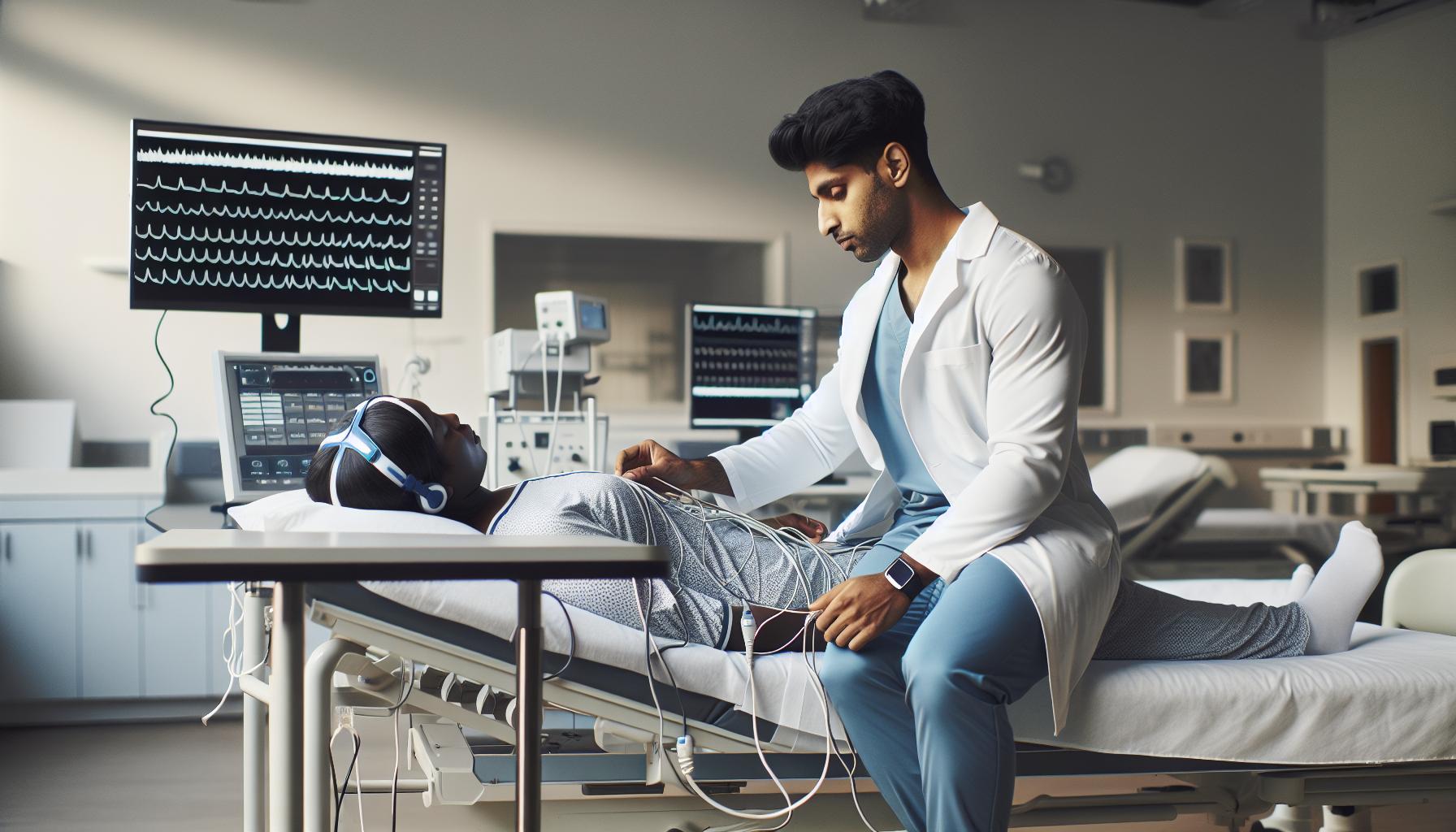
Starting a career as a sleep study technician can be both rewarding and fulfilling, especially as awareness of sleep disorders continues to grow. Sleep study technicians play a crucial role in diagnosing conditions like sleep apnea, insomnia, and narcolepsy by conducting sleep studies and providing vital support to patients. To embark on this path, aspiring technicians should take several important steps.
First, it’s essential to obtain the necessary education. Most positions require at least an associate degree in a health-related field, though some technicians may pursue a bachelor’s degree for better job prospects. Additionally, enrolling in a sleep technology program can provide specialized training in sleep disorders and the use of polysomnography equipment. Many community colleges and vocational schools offer these programs, often with clinical components that provide hands-on experience.
Next, gaining experience through internships or entry-level positions in healthcare settings can be beneficial. This exposure allows aspiring technicians to understand the day-to-day responsibilities and operations of a sleep lab, making them more attractive candidates when applying for technician roles. Networking with professionals in the field and joining relevant organizations, such as the American Association of Sleep Technologists, can also open doors and provide valuable insights into the industry.
Lastly, pursuing certification through recognized bodies like the Board of Registered Polysomnographic Technologists (BRPT) is a crucial step. Certification not only enhances credibility but often is a requirement for employment in many facilities. Preparing for certification exams typically involves studying sleep technology principles and demonstrating proficiency in performing sleep studies.
By following these steps and continually seeking opportunities for growth, you can establish a successful career as a sleep study technician, making a difference in the lives of those struggling with sleep disorders.
Essential Qualifications for Sleep Study Technicians

To effectively embark on a career as a sleep study technician, it’s crucial to understand the essential qualifications and training that will not only prepare you for the role but also enhance your credibility in this vital healthcare field. This dynamic profession requires a blend of educational background, specialized training, and a strong understanding of sleep disorders and their implications for patients.
A solid foundation in healthcare is the first step. Most employers expect sleep study technicians to have at least an associate degree in a health-related field, such as nursing or respiratory therapy. Some technicians further bolster their prospects by obtaining a bachelor’s degree, particularly in fields like medical technology or psychology, which enriches their knowledge base. Beyond formal education, attending a dedicated sleep technology program can provide in-depth training on the intricacies of sleep disorders and the necessary skills for using polysomnography equipment effectively.
Practical experience is equally important. Gaining exposure through internships or entry-level positions within healthcare settings, such as hospitals or specialized sleep centers, will offer invaluable insights into daily operations and enhance your practical skills. This hands-on experience can often be a decisive factor for hiring managers looking for candidates who are not only knowledgeable but also familiar with the rhythm of the work environment. Cultivating connections within the industry, perhaps through memberships in organizations like the American Academy of Sleep Medicine, can provide mentorship opportunities and insider knowledge regarding job openings.
Certification can significantly augment your qualifications. Organizations such as the Board of Registered Polysomnographic Technologists (BRPT) offer certification exams that, while challenging, are instrumental in establishing your professional credibility. Successfully achieving certification demonstrates not only your commitment to the field but also your proficiency in critical areas of sleep study. Certification is often a prerequisite for employment in many healthcare facilities, adding another layer of importance to this qualification.
In conclusion, aspiring sleep study technicians should be proactive in seeking educational pathways, hands-on training, networking opportunities, and certification to ensure a robust entry into this impactful career. Each of these qualifications plays a pivotal role in developing the expertise needed to assist patients in navigating their sleep health challenges, ultimately contributing to improved sleep quality and overall well-being.
Understanding the Role of a Sleep Study Technician
The journey toward becoming a sleep study technician opens the door to a vital role in the healthcare sector, directly impacting patients’ lives by helping them understand and improve their sleep quality. Technicians play a crucial role in conducting sleep studies, which are essential for diagnosing various sleep disorders such as sleep apnea, insomnia, and narcolepsy. This position not only requires technical know-how but also a compassionate approach, as patients often arrive feeling anxious or unsure about what to expect during their sleep studies.
Sleep study technicians are responsible for setting up and monitoring patients during overnight sleep tests, commonly known as polysomnography. This involves applying electrodes to the patient’s scalp and body to monitor brain activity, heart rate, muscle activity, and eye movements throughout the night. Technicians must be skilled in operating complex equipment and quickly troubleshooting any issues that arise during the study. They must also ensure that patients are comfortable and relaxed, explaining each step of the process to alleviate any anxiety.
Beyond the technical aspects, sleep study technicians must also be adept at data analysis. After collecting sleep data, they collaborate with sleep specialists to interpret the findings and help formulate a comprehensive treatment plan. This often includes educating patients on lifestyle changes and potential therapies based on their specific sleep patterns and disorders. By acting as a bridge between patients and healthcare providers, technicians greatly enhance the overall patient experience while contributing to significant improvements in sleep health.
It’s essential for those contemplating this career path to recognize the balance between technical expertise and interpersonal skills. The ability to communicate effectively with patients, understand their concerns, and guide them through the testing process is just as important as the technical knowledge required for the job. As a sleep study technician, you are not just a data collector; you are a patient advocate, empowering individuals to take charge of their sleep health.
Key Skills Required for Success in Sleep Studies

To thrive as a sleep study technician, it’s essential to blend technical prowess with interpersonal abilities. The ability to navigate complex sleep monitoring equipment while also fostering a calm atmosphere for patients is vital. Since sleep studies often occur overnight and can induce anxiety in patients, a technician’s emotional intelligence plays a critical role in delivering comfort and clarity.
Technical Skills
Proficiency in using polysomnography systems is non-negotiable. Technicians must be adept at setting up monitors, connecting electrodes, and calibrating equipment to gather accurate data on sleep patterns. A troubleshooting mindset is equally important; issues can arise at any moment during testing, and being able to diagnose and resolve them quickly can prevent disruptions that affect the study’s success. Familiarity with software that analyzes sleep data is also crucial, as technicians will need to help interpret results that inform patient treatment plans.
Interpersonal Skills
Alongside technical expertise, strong communication skills are essential for establishing rapport with patients. Technicians must convey complex information about procedures in a reassuring manner, guiding patients through each step. This involves active listening to address concerns and answering questions effectively. Empathy is especially valuable; understanding the emotional aspects of sleep health can significantly enhance the patient experience, ensuring they feel supported throughout the study.
Organizational Abilities
Being organized is another critical skill. Sleep study technicians often juggle multiple tasks: monitoring patients, documenting findings, and preparing reports for physicians. Attention to detail is key, as even the slightest error in data recording can lead to misdiagnosis or misinterpretation of a patient’s sleep condition.
By cultivating a combination of robust technical skills, effective communication, and strong organizational capabilities, aspiring sleep study technicians can lay a strong foundation for their careers, ultimately aiding countless individuals in their journey towards better sleep health.
Exploring Certification Options for Sleep Technicians
Becoming a certified sleep study technician can significantly enhance your career prospects in the growing field of sleep medicine. Obtaining certification not only validates your skills but also boosts your employability, signaling to potential employers that you possess the necessary expertise and dedication. The two most recognized certification options include the Registered Polysomnographic Technologist (RPSGT) and the Certified Sleep Technologist (CST).
Registered Polysomnographic Technologist (RPSGT)
The RPSGT certification, offered by the Board of Registered Polysomnographic Technologists (BRPT), is widely considered the gold standard in sleep technology certification. To qualify for this credential, you’ll need a combination of education and hands-on experience. Typically, candidates must complete an accredited educational program or possess a minimum of 1,600 hours of clinical sleep experience under the supervision of a registered sleep technician. The exam covers various topics, including sleep disorders, testing protocols, patient care, and equipment operation.
Certified Sleep Technologist (CST)
For those who may not yet have the experience required for the RPSGT, the CST, administered by the American Association of Sleep Technologists (AAST), presents an excellent option. The CST certification targets individuals who work under the supervision of a sleep technologist and often requires less experience. Preparing for the CST exam typically involves studying sleep principles and techniques, which can be done through self-study or available courses.
Obtaining certification brings several important benefits. It enhances your professional reputation, may lead to higher salary potential, and could even provide greater job stability as employers increasingly seek certified professionals. Furthermore, many states and healthcare facilities now require certification for employment in sleep medicine roles, making these credentials valuable assets.
In addition to gaining certification, it’s a good idea to stay updated on industry trends and best practices. Engaging in continuing education through workshops, conferences, or additional coursework can help you maintain your credentials and stay competitive in this evolving field.
Ultimately, investing time and effort into obtaining the right certifications can set you on a fulfilling career path while improving the quality of sleep health services provided to patients.
Navigating the Job Market for Sleep Study Roles
Securing a position as a sleep study technician requires navigating a unique job market that blends healthcare, technology, and patient care. In this growing field, there’s an increasing demand for professionals who can administer and interpret sleep studies, making it a promising career path for those with the right skills and qualifications.
To begin, start by leveraging job boards and networking within the healthcare community. Websites like Indeed, Glassdoor, and specialized industry sites often list job openings specifically for sleep study roles. Additionally, connecting with professional organizations such as the American Academy of Sleep Medicine (AASM) can provide insights into job opportunities and industry trends.
Creating a strong resume is crucial. Highlight your certifications, especially if you possess the RPSGT or CST credentials, as employers highly prioritize these qualifications. Ensure your resume reflects practical experience, such as internships or clinical hours under a certified technician. Tailor your cover letter to each position, emphasizing your understanding of sleep disorders and your hands-on experience with monitoring equipment.
Another avenue to explore is internships or entry-level positions in sleep clinics, hospices, or hospitals. Gaining first-hand experience, even in related roles such as nursing assistants or respiratory therapists, can provide valuable insights into the daily operations of sleep studies. This exposure not only enhances your skills but also helps build a professional network.
Stay proactive about continuing education. The field of sleep medicine is continually evolving with new research and techniques, so attending workshops or additional training can boost your employability. Many job postings highlight the importance of staying informed about advancements in sleep technology and patient care protocols, positioning you as a knowledgeable candidate.
Overall, combining a strategic job search with a focus on building your qualifications and leveraging industry connections can significantly enhance your chances of entering the sleep study market successfully.
Common Responsibilities of a Sleep Study Technician
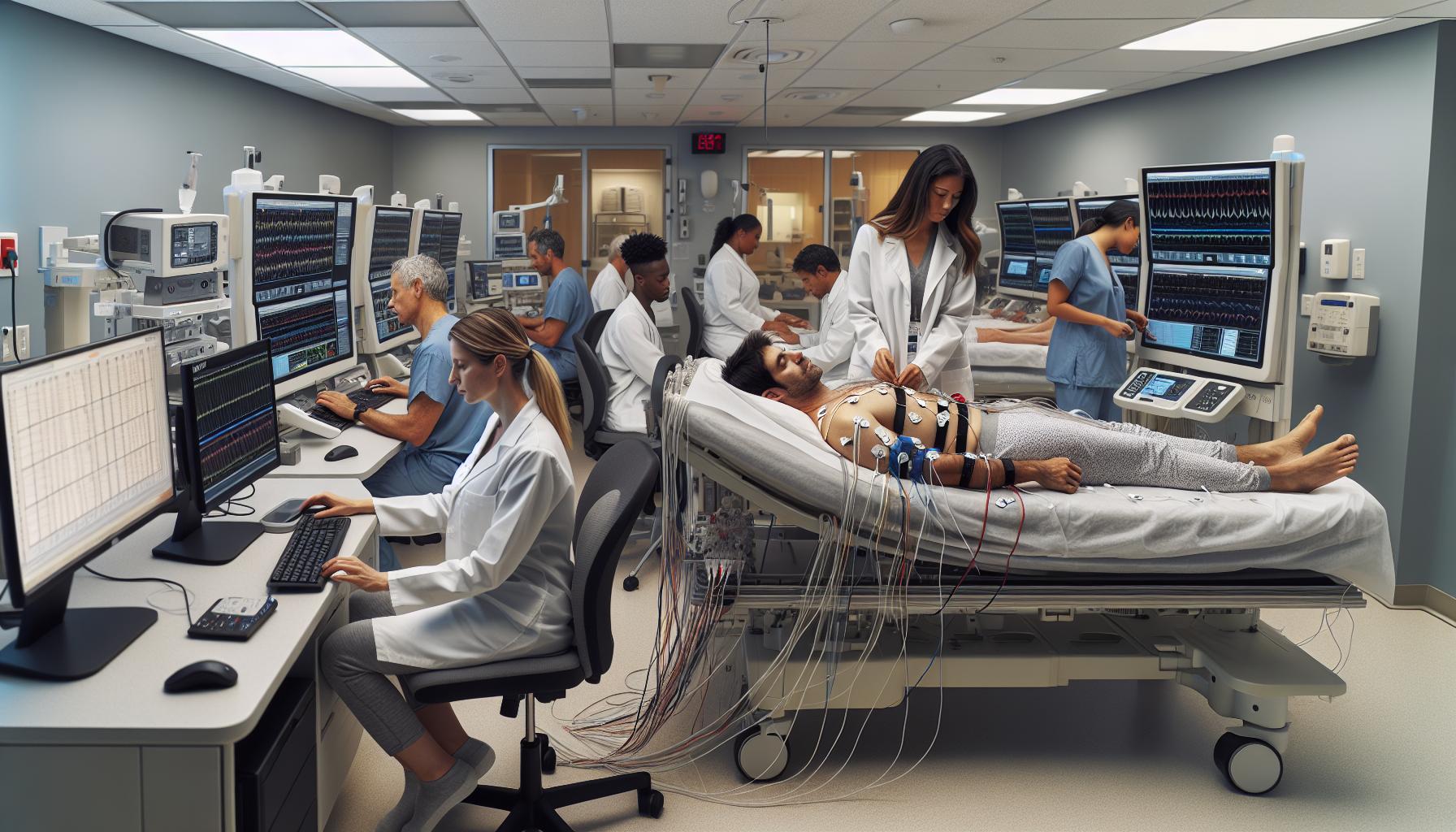
A pivotal aspect of a sleep study technician’s role is to ensure that patients feel comfortable and informed before and during their sleep studies. This involves performing several key responsibilities that facilitate effective diagnosis and treatment of sleep disorders. From preparing the sleep lab to interacting with patients, these responsibilities encompass a blend of technical skills and compassionate care.
One of the primary duties is to set up and maintain the various pieces of equipment used during sleep studies. This includes connecting electrodes to the patients, calibrating monitoring devices, and ensuring that all equipment is functioning correctly before the study begins. Technicians must have a keen understanding of polysomnography and the ability to troubleshoot any issues that may arise during the test. For example, if a patient experiences discomfort or a signal loss during the study, the technician must quickly resolve it to minimize disruptions.
Patient interaction is another fundamental responsibility. Technicians are often the first point of contact, so they must explain the sleep study process clearly. This reassurance helps alleviate any anxiety patients may feel about the tests. Providing education on sleep disorders, what to expect during their stay, and how to best prepare for the night ahead are crucial aspects of this engagement.
Additionally, during the sleep study, technicians monitor patient behavior and physiological data in real-time. They are responsible for documenting observations, adjusting equipment as needed, and ensuring that the study is conducted smoothly throughout the night. Post-study, technicians often assist in analyzing data to help physicians make informed diagnoses, which reinforces the importance of attention to detail and analytical skills in this role.
An essential part of the job also includes maintaining a safe and sanitary environment. This involves adherence to health protocols and ensuring that the lab is clean and well-organized for each patient visit. Furthermore, keeping up with continuing education and advances in sleep technology and treatment protocols is vital, so technicians can stay current in this ever-evolving field.
Through these responsibilities, sleep study technicians play a crucial role in improving patient outcomes and advancing the understanding of sleep health. By combining technical proficiency with strong interpersonal skills, they ensure that patients have a positive experience, paving the way for effective diagnoses and treatment strategies.
Understanding Sleep Disorders and Their Assessment
Understanding the complexities of sleep disorders is essential for anyone considering a career as a sleep study technician. Sleep disorders like sleep apnea, insomnia, and restless legs syndrome affect millions of people and can lead to serious health complications if left untreated. In fact, the World Health Organization highlights that untreated sleep disorders can contribute to obesity, diabetes, and cardiovascular problems. As a sleep study technician, you will be at the forefront of assessing these disorders, using advanced technology to capture and analyze sleep data critical for accurate diagnoses.
During the assessment process, sleep technicians rely on a procedure known as polysomnography (PSG), which records various physiological parameters while a patient sleeps. This includes monitoring brain waves (through electroencephalography or EEG), heart rate (via electrocardiography or EKG), muscle activity (with electromyography or EMG), oxygen levels, and even respiratory patterns. By examining these signals, technicians help healthcare providers identify sleep abnormalities. Understanding these parameters allows for targeted treatment options, providing patients with the relief they need.
Common Sleep Disorders
Understanding the common types of sleep disorders can also enhance your effectiveness as a technician. Here are a few key disorders you should be familiar with:
- Obstructive Sleep Apnea (OSA): Characterized by repeated interruptions in breathing during sleep due to airway blockages.
- Insomnia: Difficulty falling or staying asleep, leading to daytime fatigue and impairment.
- Restless Legs Syndrome (RLS): A strong urge to move the legs, often accompanied by uncomfortable sensations, leading to significant sleep disruption.
- Periodic Limb Movement Disorder (PLMD): Involuntary leg movements during sleep which can disrupt the sleep cycle.
These disorders require specific assessments and could involve additional tests beyond standard PSG, such as home sleep apnea tests or actigraphy in some cases. Understanding these nuances enhances your ability to interact with patients, drawing out their history and symptoms to enable more effective testing.
As a technician, you will not only be gathering valuable data but also helping to interpret that data in conjunction with healthcare providers to craft a comprehensive treatment plan. This collaboration is vital to ensure that patients receive timely and appropriate care. Your knowledge about these disorders and their assessments will empower you to support patients on their journey to better sleep health, ultimately improving their overall quality of life.
Equipment and Technology Used in Sleep Studies
In the world of sleep studies, the equipment and technology used are vital for accurately diagnosing and understanding sleep disorders. At the heart of these assessments is polysomnography (PSG), a comprehensive test that records a myriad of physiological signals while a patient sleeps. Understanding these tools not only enhances a sleep technician’s ability to gather critical data but also reassures patients about the process they are undergoing.
The primary components of PSG systems include:
- Electroencephalograph (EEG): This device monitors brain activity through small electrodes attached to the scalp. By analyzing brain wave patterns, technicians can determine sleep stages, identifying transitions between wakefulness and different sleep phases.
- Electrocardiograph (EKG): An essential tool for monitoring heart rate and rhythm during sleep. Variations in heart patterns can indicate underlying health issues related to sleep apnea and other disorders.
- Electromyograph (EMG): This device records muscle activity, particularly in the chin and legs, which helps in diagnosing conditions such as periodic limb movement disorder.
- Pulse Oximeter: A non-invasive tool attached to a finger or earlobe that measures blood oxygen levels. Drops in oxygen saturation during sleep can signal breathing disturbances that often accompany sleep apnea.
- Respiratory Monitoring Devices: These track airflow and breathing patterns, providing insight into respiratory problems during sleep.
Aside from traditional PSG, there are also home-based sleep study devices that utilize advanced technology to gather data in a more comfortable setting for patients. These typically include simplified monitoring options like wearables or bedside monitors that track heart rate, oxygen levels, and movement without the need for extensive wires and equipment.
Understanding the functionalities and applications of each piece of equipment empowers technicians to not only execute the tests effectively but also to educate and reassure patients about the procedures. For instance, explaining how the EEG captures brain activity can help alleviate patient anxiety by demystifying the process. Moreover, staying current with advancements in sleep technology, such as portable sleep monitors or software improvements for data analysis, is crucial for technicians aiming to provide the best care.
Whether in-clinic or remote, having a solid grasp of the tools and technology involved in sleep studies is essential for any aspiring sleep study technician. It equips them to ensure accurate readings, contribute to effective diagnoses, and ultimately, assist patients in achieving better sleep health.
A Day in the Life of a Sleep Study Technician
In the world of sleep study technicians, each day is a mix of science, compassion, and technology, all aimed at helping patients uncover the mysteries behind their sleep issues. A typical shift often begins in the early evening, as technicians prepare their sleep lab for incoming patients. Setting up the equipment is crucial; they meticulously check the polysomnography (PSG) machines, ensuring all electrodes, sensors, and monitoring devices are in working order and ready to capture invaluable data.
Once a patient arrives, the technician’s role shifts to providing reassurance and guidance. Many individuals feel anxious about sleep studies, fearing they might not sleep well or that the monitoring devices will be uncomfortable. A successful sleep technician addresses these concerns by walking them through the process, explaining how each piece of equipment works, from the EEG that records brain waves to the pulse oximeter that monitors oxygen levels. This personal touch helps create a calming atmosphere, making patients feel at ease as they prepare for their night of sleep testing.
Throughout the night, the technician monitors the sleep study in real-time, watching the data stream in on their computers and making adjustments as necessary. If any issues arise-such as a loose electrode or a patient becoming unusually restless-they are quick to respond, ensuring the integrity of the data collected. After the study concludes, the technician carefully detaches the equipment and helps the patient transition back to their normal routine. This part isn’t just about packing up equipment; it’s about providing a final comforting interaction, offering insights into what the patient might expect from the results.
The next day involves interpreting the gathered data, summarizing findings, and possibly preparing reports that will assist the sleep physicians in making diagnoses. This analytical aspect is just as vital as the hands-on work in the lab, highlighting the balance sleep technicians must maintain between technical skills and empathetic patient care. Ultimately, each day offers a mix of routine and surprise, providing technicians with the rewarding opportunity to play a central role in improving health through better sleep.
Salary Expectations and Job Outlook for Technicians
In the rapidly evolving field of sleep medicine, sleep study technicians find themselves in a position that offers both promising job prospects and competitive salaries. The growing recognition of sleep disorders as significant health issues has led to an increased demand for professionals who are skilled in diagnosing and treating these conditions. According to the U.S. Bureau of Labor Statistics, positions for medical and clinical laboratory technologists, which include sleep study technicians, are expected to grow by around 11% from 2020 to 2030, much faster than the average for all occupations. This growth is driven by an aging population and a heightened awareness of sleep’s role in overall health, contributing to a vibrant job market.
When it comes to salary expectations, sleep study technicians can expect to earn a decent income that reflects their specialized skills and training. As of recent data, the average salary for sleep technicians in the United States is approximately $50,000 per year. However, this can vary significantly based on experience, location, and the specific setting in which one works-such as hospitals, sleep clinics, or research facilities. Those with additional certifications or skills in related technologies often command higher wages, and opportunities for advancement can further enhance earning potential.
For those considering a career as a sleep study technician, it’s valuable to understand the factors that contribute to job satisfaction and professional growth in this field. Positions may often offer flexible hours, including nights and weekends, which can be advantageous for individuals seeking balance in their personal lives. Moreover, engaging with patients and having a direct impact on their health can provide a fulfilling career experience.
In summary, the future looks bright for aspiring sleep study technicians. With an expanding job market and competitive salaries, this career path not only supports individual financial stability but also plays a significant role in improving the quality of life for patients affected by sleep disorders. As awareness of sleep health continues to rise, so too does the opportunity to build a rewarding career in this vital healthcare sector.
Advancing Your Career in Sleep Medicine
To excel in sleep medicine, understanding how to advance your career as a sleep study technician is crucial. Many within this field are drawn not only by the desire to help patients overcome sleep disorders but also by the vast opportunities for professional growth. With the increasing recognition of sleep health’s importance, sleep study technicians can leverage various pathways to enhance their skills and career prospects.
A solid starting point for advancement is pursuing certification. Various organizations, such as the American Academy of Sleep Medicine, offer certifications that can bolster your credibility and expertise. Obtaining a credential, like the Registered Polysomnographic Technologist (RPSGT), not only demonstrates proficiency in the field but can also lead to higher salaries and more job opportunities. Continuing education is vital as well; enrolling in workshops or seminars on the latest sleep study technologies and methodologies keeps you updated and engaged with current practices.
Networking within the sleep medicine community can also prove beneficial. Attend industry conferences, join professional associations, and participate in local sleep study groups. These platforms not only provide valuable knowledge but also facilitate connections with other professionals, which can lead to job offers or collaborations. Mentorship from seasoned sleep technologists can provide insights into navigating your career pathway effectively.
Moreover, gaining experience in diverse settings-such as hospitals, private sleep clinics, or even research facilities-can significantly enhance your skill set. Each environment offers unique challenges and learning experiences, allowing you to become a more versatile technician. Additionally, consider developing specialized skills related to specific disorders, such as sleep apnea or insomnia, which can set you apart in the job market.
Embarking on advanced training programs or pursuing roles in management or education within sleep medicine can further your career. This could involve training new technicians, managing sleep labs, or even participating in research projects that explore sleep health innovations. As sleep medicine continues to evolve, those who proactively seek opportunities for growth and specialization will find their roles increasingly rewarding, both personally and professionally.
By focusing on skills enhancement, networking, and exploring diverse experiences, sleep study technicians can build a fulfilling career that contributes significantly to patient health and well-being.
Frequently Asked Questions
Q: What education is required to become a Sleep Study Technician?
A: To become a Sleep Study Technician, you typically need at least an Associate’s degree in a health-related field. Many employers prefer candidates with formal training in polysomnography or a similar program. Completing a certification, like the Registered Polysomnographic Technician (RPSGT), may enhance job prospects.
Q: How long does it take to become a Sleep Study Technician?
A: Becoming a Sleep Study Technician can take anywhere from 6 months to 2 years. This timeframe includes obtaining necessary education and training. Certificate programs often take a few months, while an Associate’s degree generally requires two years.
Q: What are the job responsibilities of a Sleep Study Technician?
A: Sleep Study Technicians are responsible for setting up and monitoring patients during sleep studies, ensuring that all equipment functions properly. They collect data on sleep patterns and assist in diagnosing sleep disorders. Familiarity with interpreting sleep data is also essential.
Q: Are there certifications available for Sleep Study Technicians?
A: Yes, several certifications are available, including the Registered Polysomnographic Technologist (RPSGT) and the Sleep Disorders Specialist (SDS). These certifications demonstrate expertise and may improve job opportunities. Check eligibility requirements based on your background and training.
Q: What skills are essential for success as a Sleep Study Technician?
A: Key skills include attention to detail, technical proficiency with sleep monitoring equipment, and strong communication abilities. Understanding sleep disorders and being empathetic toward patients are also crucial for a successful career as a Sleep Study Technician.
Q: What career advancement opportunities exist for Sleep Study Technicians?
A: Sleep Study Technicians can advance to roles such as Sleep Center Supervisor or Sleep Health Educator. Pursuing further education or certifications in sleep medicine can open doors to higher positions, such as a Sleep Physician Assistant or Researcher in sleep studies.
Q: What is the average salary for a Sleep Study Technician?
A: The average salary for a Sleep Study Technician can vary based on location and experience, typically ranging from $40,000 to $65,000 annually. Advance training and certification can lead to higher salaries. For more on compensation, see Salary Expectations in the main article.
Q: What is the job outlook for Sleep Study Technicians?
A: The job outlook for Sleep Study Technicians is promising, with a projected growth rate of 11% over the next decade. This growth is driven by increasing awareness of sleep disorders and the demand for sleep studies. For more details, refer to Job Outlook in the main article.
Concluding Remarks
As you embark on your journey to become a Sleep Study Technician, remember that this fulfilling career not only helps others but also deepens your understanding of sleep health. Don’t hesitate to explore our detailed resources on sleep disorders and diagnostic technologies. Ready to take the next step? Check out our guides on device setup and insurance navigation to simplify your process.
Sign up for our newsletter for the latest insights and updates on sleep health and technology, helping you stay informed. Share your thoughts or questions in the comments below; we’re here to support you every step of the way. By understanding the potential and challenges of sleep studies, you’ll be empowered to make informed decisions, ensuring a successful and rewarding career path. Explore more, engage with our community, and let’s transform sleep health together!
Get our latest guides, news, and insights highlighted in your Google Search & AI Overviews.