
Did you know that sleep disorders affect millions of people, often unnoticed? Conducting a sleep study is a critical step in understanding your sleep patterns and addressing issues like insomnia or sleep apnea. In this guide, we’ll walk you through the professional protocols involved in conducting a sleep study, demystifying the complexities of the process. Whether you’re curious about what to expect during a study, worried about costs, or seeking the best practices for setup, we’re here to empower you with knowledge. With the right information, you can make informed decisions on your sleep health journey, ultimately leading to better rest and well-being. So, let’s dive in and ensure you feel confident and prepared for this important step toward better sleep.
Understanding Sleep Studies: A Comprehensive Overview
Understanding how sleep studies work is crucial for anyone grappling with sleep issues. Sleep studies, often referred to as polysomnography, are vital tools in diagnosing a wide range of sleep disorders, from sleep apnea to insomnia. They capture detailed data about your sleep patterns, including brain activity, heart rate, breathing, and oxygen levels, during a typical night’s sleep. This comprehensive overview helps both patients and healthcare providers identify underlying issues that could be impacting health and well-being.
The primary benefit of undergoing a sleep study is the clarity it provides in understanding sleep quality and the potential presence of disorders. For example, if you’ve ever woken up tired despite spending a full eight hours in bed, a sleep study could reveal whether you’re experiencing interruptions due to sleep apnea or other issues. Armed with this knowledge, individuals can pursue effective treatments, which can significantly improve overall health, reduce the risk of conditions linked to poor sleep, and enhance daytime productivity.
Moreover, sleep studies can be conducted in various settings, including specialized sleep centers and even at home, depending on the specific needs of the patient. The latter option often suits individuals who may feel anxious in a clinical environment. To choose the right type of study, it’s essential to work closely with a healthcare provider who can evaluate your symptoms and recommend the most appropriate approach.
In summary, sleep studies are more than just tests; they’re pathways to better sleep health. They empower you to make informed decisions about your health by providing data-driven insights that can lead to tailored treatment strategies. Understanding the intricacies of these studies enables you to take proactive steps toward achieving restful, quality sleep.
Purpose and Benefits of Sleep Studies
Sleep studies serve a critical role in deciphering the often unclear world of sleep health. They are not merely diagnostic tools; they are gateways to understanding the nuances of sleep quality and the disturbances that can impede it. If you’ve ever felt inexplicably fatigued after a full night’s rest or struggled with focus during the day, a sleep study might be a necessary step toward uncovering underlying issues. The clarity gained from these studies can lead to targeted interventions that not only promise better sleep but can also enhance your overall well-being.
The primary purpose of sleep studies is to gather comprehensive data about your sleep patterns and physiology. This can include vital metrics such as brain wave activity, heart rate, and breathing patterns, all of which help identify specific disorders like sleep apnea, insomnia, or restless leg syndrome. Such detailed insights allow healthcare providers to develop personalized treatment plans tailored to the unique needs of the individual. For instance, detecting obstructive sleep apnea during a study can lead to timely interventions, potentially mitigating risks of associated health problems like cardiovascular disease or diabetes.
Additionally, sleep studies offer flexible options for testing environments. While traditional overnight studies are conducted in specialized sleep centers equipped with advanced monitoring technology, many patients now have the option of home sleep tests. These at-home assessments can be less intimidating and more convenient, offering a similar degree of insights while allowing for a comfortable night’s rest in one’s own bed. However, proper selection between these options is crucial, and consulting with a healthcare professional can lead to the best choice for your specific symptoms and concerns.
Ultimately, embarking on the journey of a sleep study can empower you with knowledge and clarity. Understanding your sleep health isn’t just about fixing a problem; it’s about enhancing your quality of life. With actionable data at hand, you can make informed decisions that lead to sustainable changes in your sleep habits and lifestyle, paving the way for more restorative sleep and improved daytime functioning.
Types of Sleep Studies: Which Is Right for You?
Selecting the appropriate sleep study can feel overwhelming, especially with the variety of options available today. Understanding the different types of sleep studies and their purposes is essential for making an informed decision regarding your sleep health. Each type offers unique benefits and is tailored to specific needs, ensuring that you receive the most accurate and helpful data about your sleep patterns and potential disorders.
Types of Sleep Studies
- Polysomnography (PSG): This is the gold standard for diagnosing sleep disorders. Conducted in a sleep lab, PSG records multiple physiological parameters such as brain waves, oxygen levels, and heart rate during sleep. It provides comprehensive data that aids healthcare providers in diagnosing conditions like sleep apnea, narcolepsy, or REM sleep behavior disorder.
- Home Sleep Apnea Testing (HSAT): For many, the prospect of sleeping in a lab can be daunting. HSAT offers a less intrusive alternative. This at-home test typically involves simpler monitoring techniques and is primarily used to assess obstructive sleep apnea. While it is convenient and allows you to sleep in your own bed, it may not capture the full range of sleep disturbances that PSG can provide.
- Actigraphy: This method uses a wrist-worn device to track sleep and wake patterns over an extended period. Actigraphy is particularly useful for assessing sleep disorders in children and understanding circadian rhythm issues. However, it does not provide the depth of data offered by PSG, so it is often used as a preliminary screening tool.
- Multiple Sleep Latency Test (MSLT): If you’ve been experiencing excessive daytime sleepiness, an MSLT may be warranted. This test measures how quickly you fall asleep in a quiet environment throughout the day, helping to diagnose narcolepsy and other sleep disorders that can affect daytime alertness.
Choosing the Right Study
When deciding which sleep study is right for you, consider discussing your symptoms with a healthcare provider. They can guide you through the options based on factors such as severity of symptoms, health history, and personal comfort levels. For instance, if you suspect sleep apnea and prefer the comfort of your home, a HSAT may be the best option. Conversely, a more complex condition might necessitate the thorough evaluation that polyester provides.
Taking the time to understand these choices empowers you as a patient. By selecting the study that best suits your needs, you can take proactive steps toward better sleep health and ultimately, an enhanced quality of life.
Step-by-Step Guide to Setting Up a Sleep Study
Setting up a sleep study can feel daunting, but understanding the process can ease your anxiety and help you prepare effectively. The right preparation can ensure that your test yields accurate and useful results, guiding you toward better sleep health. Here’s a step-by-step guide to help you navigate the setup for your sleep study, whether it’s in-lab polysomnography or a home sleep apnea test.
Start by scheduling your sleep study with a healthcare provider who specializes in sleep medicine. Discuss your symptoms openly-mention issues like snoring, daytime fatigue, or irregular sleep patterns. Your provider will help determine the type of study you need. Be sure to verify the details at this stage, such as the time of your study, what to bring, and any specific instructions related to medications or pre-test preparations.
Once your study is scheduled, take time to prepare. If you’re doing an in-lab study, there’s typically little you need to worry about regarding equipment since the facility will provide everything. However, it’s advisable to pack comfortable sleepwear, personal items you may need, and any medications you take regularly. For home sleep apnea testing, familiarize yourself with the equipment. You might receive a device that straps to your finger or a mask to wear while you sleep. Practicing putting it on a few nights before the test can make the process smoother.
The night before your study, aim for a regular sleep routine. Avoid caffeine or alcohol in the hours leading to your bedtime; both can interfere with the quality of your sleep and skew your test results. If you’re having a home sleep test, follow the instructions for applying the sensors and make sure everything is in good working order. It can help to watch tutorial videos or read the manual provided for your device to ensure you feel confident in using it.
On the day of the study, come well-prepared. If it’s an in-lab study, try to arrive about 15 to 20 minutes early to complete any necessary paperwork. For home studies, set up your equipment as instructed. Following the guidelines carefully will help ensure reliable data collection. Remember to relax; anxiety can affect your sleep patterns, which is the opposite of what you want during your study. Once you understand what to expect, you can focus on achieving restful sleep, ultimately leading to better management of your sleep health issues.
What to Expect During a Sleep Study: Preparation Tips
Understanding what happens during a sleep study can significantly ease any apprehensions you might have. The more informed you are about the preparation involved, the smoother the experience will be. Sleep studies, often referred to as polysomnography when conducted in a lab, are designed to monitor your sleep patterns and diagnose potential sleep disorders, such as sleep apnea or insomnia. Here are essential tips to ensure you’re well-prepared.
First and foremost, it’s crucial to maintain a consistent sleep schedule leading up to the night of your study. This means going to bed and waking up at the same times each day, which can help ensure that you are not overly fatigued or stressed on the test night. Avoid stimulants like caffeine or nicotine for at least 24 hours prior, as they can interfere with your ability to fall asleep. If you’re scheduled for an in-lab study, it’s wise to pack a small bag with your essentials-comfortable pajamas (preferably something you can easily sleep in), any personal items you might need, and a book or something to help you unwind before bed.
On the evening before the study, try to engage in a calming routine. Activities such as reading a book, taking a warm bath, or practicing gentle yoga can help you relax. If you are undergoing a home sleep study, familiarize yourself with the equipment in advance. Practice setting up any sensors and devices you’ll need to wear. This not only helps to demystify the process but can also lessen anxiety when it’s time to actually use the devices.
Finally, remember to arrive early if you are going to a sleep clinic. This allows time for any necessary paperwork and adjustments to the equipment. During the study, keep in mind that staff will be available to assist you, so don’t hesitate to ask questions if you have them. Being well-prepared both mentally and physically will contribute to a successful sleep study experience, increasing the chances of obtaining helpful insights into your sleep health.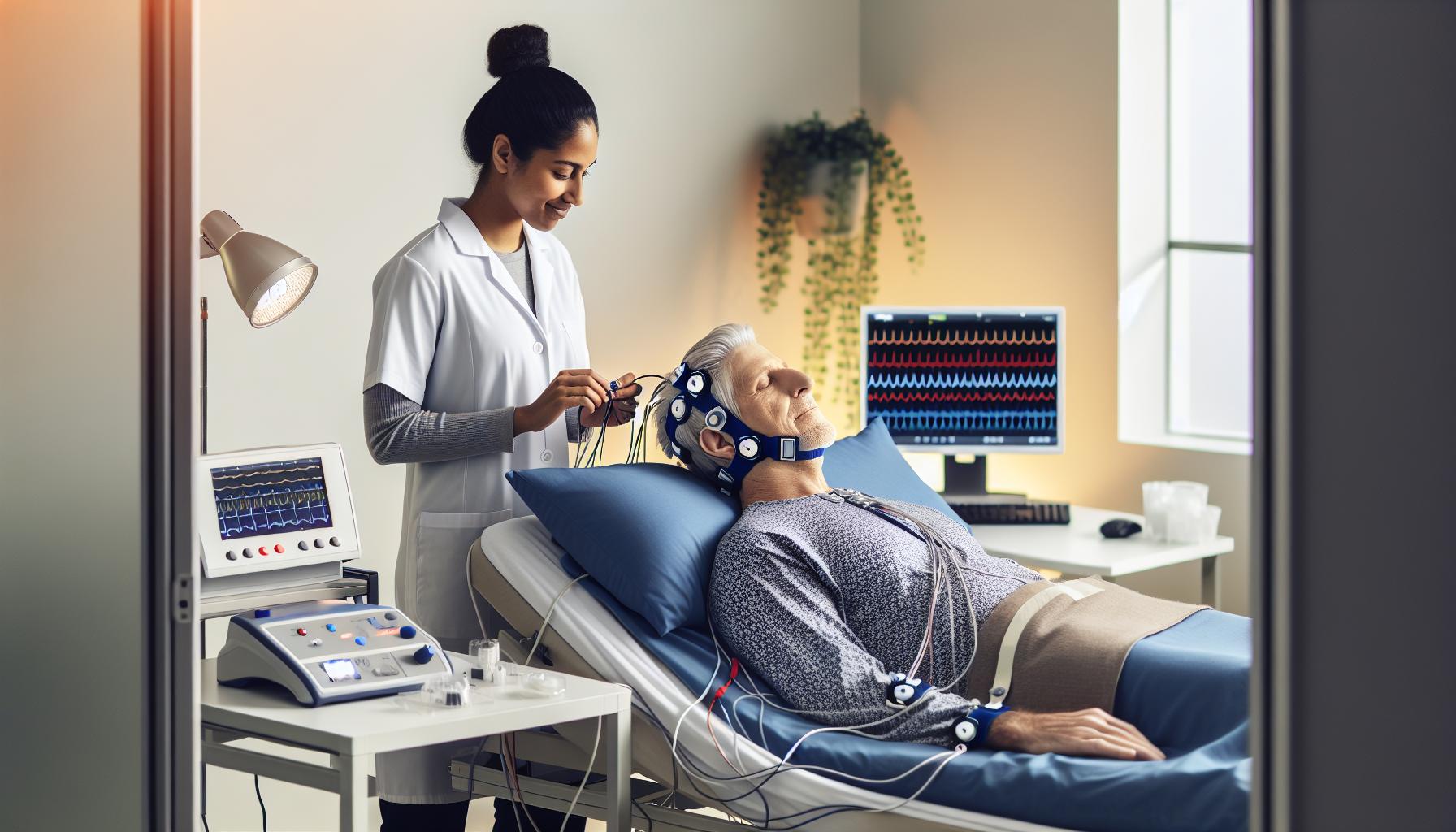
Exploring Polysomnography: Understanding the Basics
Polysomnography is a comprehensive sleep study that serves as a vital tool in diagnosing various sleep disorders, particularly sleep apnea and insomnia. Understanding how this process works can alleviate common anxieties about undergoing such a study. Typically performed in a sleep clinic, the test involves monitoring a wide range of physiological parameters while you sleep. This includes tracking brain waves, oxygen levels, heart rate, respiratory effort, and eye and leg movements. By analyzing this data, healthcare providers can gain valuable insights into your sleep patterns and identify any irregularities.
The procedure consists of several stages and setups, each designed to gather specific information about your sleep. When arriving for an overnight sleep study, you’ll be greeted by a sleep technician who will explain the process and help you get comfortable. You will have electrodes attached to various parts of your body, including your scalp, face, chest, and legs. While this may feel a bit cumbersome, modern technology has evolved to make these sensors less intrusive and more user-friendly. The goal is to create a clear recording of your sleep, enabling doctors to evaluate sleep stages and disturbances effectively.
It’s also important to realize that polysomnography is not just a single test but can include multiple components depending on the complexity of your symptoms. For instance, if sleep apnea is suspected, additional tests might measure airflow and oxygen levels during sleep, providing a comprehensive view of how your body is functioning at night. Conversely, if the primary concern is insomnia or restless leg syndrome, the focus might be more on brain waves and muscle activity. This customized approach allows for a thorough assessment tailored to your specific situation.
Lastly, understanding what to expect during a polysomnography study can significantly ease your concerns. Rest assured that sleep technicians are trained professionals who are there to support you throughout the night. If you feel anxious, don’t hesitate to express your concerns; they can often make adjustments to help you feel more at ease. Ultimately, polysomnography offers crucial insights into your sleep health, paving the way for effective treatments and strategies to enhance your overall well-being.
How to Interpret Your Sleep Study Results
Understanding the results of your sleep study can feel overwhelming, but it’s a vital step toward improving your sleep health. Typically, your sleep study report will be comprised of data that has been meticulously collected during your overnight visit. This includes observations on sleep stages (like REM and non-REM), oxygen levels, heart rate, and any instances of disturbed breathing. Recognizing the significance of these elements can empower you to take charge of your sleep journey.
To begin interpreting your results, focus on the sleep stages. Sleep is categorized into different phases: light sleep, deep sleep, and REM sleep. A healthy adult usually cycles through these stages multiple times per night. For instance, if your report indicates a lack of REM sleep, which is crucial for cognitive functions and emotional regulation, this may explain feelings of fatigue or moodiness. On the other hand, an abundance of light sleep with little deep sleep can leave you feeling unrefreshed, suggesting a potential disruption in your sleep architecture.
Next, pay attention to the Apnea-Hypopnea Index (AHI), which quantifies the severity of any breathing disturbances. AHI scores are categorized as follows:
- 0-5: Normal
- 5-15: Mild sleep apnea
- 15-30: Moderate sleep apnea
- 30+: Severe sleep apnea
Understanding your AHI score can guide discussions with your healthcare provider about treatment options, such as CPAP therapy, lifestyle changes, or further evaluations.
Communication is key when it comes to deciphering your study results. Don’t hesitate to ask your doctor detailed questions about anything that remains unclear. What might be a simple number to one person could represent a significant health concern to another. Remember, interpreting sleep study results is not just about numbers; it’s about understanding how these insights can motivate better sleep habits and address potential sleep disorders. Whether your study highlights sleep apnea or offers insights into insomnia, they can pave the way towards improved restfulness and overall health.
Home Sleep Testing: Pros and Cons
Home sleep testing offers a convenient alternative to traditional sleep studies, allowing you to assess your sleep patterns and potential disorders from the comfort of your own home. This method is often less intimidating and can be more accessible for many individuals. However, while it presents some advantages, it also has important considerations to keep in mind.
One of the major benefits of home sleep testing is its convenience and affordability. Typically, these tests cost less than in-lab studies, making them a viable option for many. You can set up the testing equipment in your own bed, which may help you feel more relaxed and encourage natural sleep patterns during the assessment. This is especially beneficial for those who experience anxiety about sleeping in unfamiliar settings, as the familiar environment can reduce stress and improve the quality of data collected.
On the flip side, home sleep testing may not capture the full complexity of sleep disorders as effectively as a comprehensive in-lab sleep study. While these devices can measure basic parameters like breathing patterns, heart rate, and oxygen levels, they often lack the detailed monitoring provided by polysomnography, which records brain activity and can identify other issues like restless leg syndrome or complex sleep apnea. As such, if your results from a home test indicate a potential problem, further testing may still be necessary.
Considerations for Home Sleep Testing
- Limitations of Data: Home devices may oversimplify issues that could be significant. Discuss with your doctor if home testing is sufficient for your specific situation.
- Setup Requirements: Make sure you understand how to set up and use the testing equipment correctly. Improper usage can lead to inaccurate results.
- Follow-Up: Prepare for potential follow-up visits with your healthcare provider. Whether your results are normal or indicate a sleep disorder, ongoing support may be needed.
Ultimately, the decision between home sleep testing and in-lab studies should be made based on individual health needs, comfort levels, and the complexity of potential sleep issues. Engaging in a conversation with a healthcare professional can help clarify which option is best for your situation and ensure you’re taking the best steps toward achieving better sleep health.
Wearable Technology for Sleep Monitoring
Innovative has become a game changer in understanding sleep patterns and improving sleep quality. Unlike traditional sleep studies that often require overnight stays in specialized labs, wearables are designed for everyday use, providing real-time insights into your sleep habits in a more comfortable and familiar setting. For many, these devices serve not only as tracking tools but also as motivational aids to promote healthier sleep practices.
Most wearables, such as smartwatches and dedicated sleep trackers, use sensors to monitor various sleep-related metrics like heart rate, movement, and even blood oxygen levels. Some of the more advanced options, like the Oura Ring or the Whoop Strap, can offer detailed insights into sleep stages-light, deep, and REM sleep. This functionality helps users to understand their overall sleep health and make adjustments as necessary. These devices generally have a user-friendly interface, allowing easy access to your sleep data and trends over time, enabling a proactive approach to management.
However, it’s essential to keep in mind the limitations of wearable technology. While they can provide valuable data and promote awareness of sleep issues, they may not capture the complete picture of your sleep health. For example, devices might struggle to definitively diagnose sleep disorders like sleep apnea or insomnia. If your tracking results indicate a potential issue, it’s crucial to consult with a healthcare provider who can recommend more comprehensive sleep evaluations, potentially including polysomnography.
When choosing a wearable, consider factors such as battery life, comfort, and data accuracy. Many users find it helpful to compare top contenders through user reviews and detailed product specifications to find the best fit for their needs and lifestyle. If you’re serious about tracking your sleep, investing in a quality device can provide significant insights that empower you to take charge of your sleep health proactively.
Navigating Insurance for Sleep Studies: Your Guide
Understanding the financial aspects of a sleep study can be just as critical as understanding the science behind it. The costs associated with sleep evaluations-especially polysomnography-can be daunting, but knowing how to navigate your insurance can ease some of that stress. Generally, sleep studies can range in cost from a few hundred to several thousand dollars, depending on the complexities involved and whether the study is conducted in a lab or at home. Many insurance providers cover sleep studies, but you may need to meet certain criteria or obtain prior authorization.
Check Your Insurance Policy
Start by reviewing your insurance policy to understand your coverage. Look for details on what types of sleep studies are covered and whether you need to see a specialist before undergoing the study. Some plans may cover only in-lab studies, while others offer coverage for home sleep tests. It’s also beneficial to inquire about your deductible-knowing this can help you gauge your out-of-pocket expenses.
Consult Your Healthcare Provider
Before scheduling a sleep study, consult with your healthcare provider. They can often help diagnose potential sleep disorders based on your symptoms and might assist in getting the necessary documentation for insurance claims. When you have a referral, it can simplify the process and improve the chances that your insurance will cover the study.
Pre-authorization and Documentation
Most insurance providers require pre-authorization for sleep studies. This means your doctor will likely need to submit paperwork explaining why the study is medically necessary. Make sure every detail is correct; any inaccuracies might delay approval or lead to denial of coverage. Keep copies of everything, including referral letters and any communication with your insurance company.
Cost Out-of-Pocket and Payment Plans
Even with insurance, you might face out-of-pocket costs, such as copayments and deductibles. If the financial burden is significant, don’t hesitate to ask the medical facility about payment plans or financial assistance. Many places are willing to work with you to ease the payment process.
By taking these proactive steps, you can lessen the financial strain associated with sleep studies and focus on what truly matters-your health and well-being. Always maintain open communication with your healthcare provider and insurance company to ensure you are fully prepared and informed every step of the way.
Addressing Common Concerns: Anxiety About Sleep Studies
Experiencing anxiety about undergoing a sleep study is completely normal, especially when the idea of sleeping in a strange environment with wires and monitors feels daunting. It’s essential to understand that sleep studies are designed to be as comfortable and informative as possible. They play a crucial role in diagnosing potential sleep disorders, thereby laying the groundwork for improved sleep health. In fact, knowing that this process can lead to better sleep and overall well-being often helps ease initial nerves.
Preparation is key for a more relaxed experience. Familiarizing yourself with what a sleep study entails can significantly alleviate concerns. Sleep studies, particularly polysomnography, measure a variety of body functions during sleep, such as brain waves, oxygen levels, heart rate, and breathing. Here are some common worries and how to address them:
- Wiring and Equipment: Yes, you will be connected to various sensors, but they are typically lightweight and unobtrusive. Technicians are trained to ensure that you are comfortable and can move freely within the limits of the study.
- Unfamiliar Environment: If you’re used to sleeping in your bed, the clinical setting can feel foreign. Talk to the staff about your needs-they often encourage personal items like a favorite pillow or blankets to make the experience as home-like as possible.
- Fear of Not Falling Asleep: It’s natural to feel pressure to sleep during a study. Remember, the goal is not to count sheep but to gather data. If sleep doesn’t come easily, the technicians are experienced in guiding you through the process.
Understanding your surroundings before the sleep study helps reduce anxiety and fosters a sense of control. Additionally, it can be beneficial to speak with your healthcare provider about any specific concerns or questions you might have. They can provide reassurance and expertise, ensuring you’re mentally and physically ready for the study. It’s not just a procedure; it’s a proactive step toward reclaiming your health and enhancing your quality of life.
When to Seek Professional Help for Sleep Disorders
Sleep is as vital to our health as the air we breathe or the food we eat. In fact, sleep disorders can contribute to a variety of physical and mental health issues, making it crucial to recognize when it’s time to seek professional help. If you frequently experience challenges such as excessive daytime sleepiness, loud snoring, or daytime fatigue, it might indicate an underlying problem that warrants further evaluation.
It’s essential to be vigilant about signs that might suggest a sleep disorder. Some common indicators include:
- Persistent Fatigue: If you feel tired even after a full night’s sleep, this could be a red flag. Conditions like sleep apnea disrupt your sleep quality, causing you to wake up multiple times during the night.
- Difficulty Falling or Staying Asleep: Regular trouble in initiating or maintaining sleep can affect your overall health. Evaluate your sleep patterns and assess if they warrant a discussion with a healthcare provider.
- Daytime Sleepiness: If you find yourself struggling to stay awake during the day, this is not just part of life; it could signify a sleep disorder. Consider documenting your symptoms to provide comprehensive information to your healthcare professional.
- Unusual Behaviors During Sleep: If you have episodes of sleepwalking, night terrors, or talk in your sleep, it’s advisable to seek a professional opinion. These behaviors can disrupt sleep not only for you but also for others.
If you notice any of these symptoms, scheduling a consultation with a sleep specialist is a proactive step. They may recommend a sleep study, known as polysomnography, which provides a detailed analysis of your sleep patterns. During this non-invasive test, various physiological parameters are monitored to collect data on factors like brain activity, breathing patterns, and heart rate, allowing for an accurate diagnosis.
Taking action early can significantly enhance your sleep health. Don’t hesitate to reach out to your healthcare provider if you have questions or concerns about your sleep quality. They can guide you on the necessary steps, empowering you to take control of your sleep and overall well-being. Remember, improving sleep isn’t just about getting more hours; it’s about ensuring those hours are restful and restorative.
FAQ
Q: What are the different phases of a sleep study?
A: A sleep study primarily consists of three phases: pre-study (where preparation occurs), the actual study period (which includes monitoring various sleep stages), and post-study (where results are analyzed). Understanding these phases helps you know what to expect and how to prepare adequately.
Q: How long does a sleep study typically take?
A: A sleep study usually lasts one night, but it can be longer depending on the protocol. Home sleep tests can often be completed in a single evening, while in-lab studies might require a full night to gather enough data, including different sleep stages and disturbances.
Q: Can I sleep normally during a sleep study?
A: Yes, you will be encouraged to sleep as normally as possible during a sleep study. The goal is to capture your natural sleep patterns, despite the presence of monitoring equipment. Familiarizing yourself with the setup beforehand can help ease nerves about this.
Q: What should I avoid before a sleep study?
A: Before a sleep study, avoid caffeine, alcohol, and sleep aids in the days leading up to the test. These substances can affect your sleep quality and may skew the results. Refer to the “What to Expect During a Sleep Study” section for more preparation tips.
Q: How do I prepare my home for a home sleep test?
A: To prepare for a home sleep test, ensure the sleeping area is quiet and dark, and follow any specific instructions provided, such as using the equipment correctly. Familiarizing yourself with the device can ease anxiety, ensuring an accurate reflection of your usual sleep environment.
Q: What factors can affect the accuracy of sleep study results?
A: Various factors such as stress, medications, and changes in routine can significantly affect sleep study results. To ensure accurate readings, maintain a routine similar to your normal sleeping habits before the study, as noted in the Preparation Tips section of the article.
Q: Are there any risks associated with sleep studies?
A: Generally, sleep studies are safe with very few risks. Some individuals may experience discomfort with the monitoring equipment or anxiety about sleep disruptions. However, discussing any concerns with the sleep technician can help alleviate fears during the process.
Q: How can I get my sleep study covered by insurance?
A: To get your sleep study covered, consult your healthcare provider and verify that the study is deemed medically necessary. Check with your insurance provider about coverage options. For more detailed guidance, refer to the “Navigating Insurance for Sleep Studies” section in the main article.
Closing Remarks
Understanding how to conduct a sleep study empowers you to take control of your sleep health. If you’re struggling with sleep issues, don’t hesitate-consider your options today. A thorough sleep study can provide valuable insights that lead to better rest and improved overall well-being. For more in-depth resources, check out our guides on sleep disorders and the latest innovations in sleep tech, like wearables and polysomnography.
Feeling uncertain about where to start? Visit our FAQs section for common concerns about the sleep study process, or reach out for a consultation with our sleep health advisors. Your journey to restful nights and enhanced performance can begin right now. Subscribe to our newsletter for ongoing tips and support, and join the conversation in our community forums-your insights could help others facing similar challenges. Let’s make sleep a priority together!
Get our latest guides, news, and insights highlighted in your Google Search & AI Overviews.