
Did you know that over 50 million Americans suffer from sleep disorders, often leading to serious health issues? Understanding your sleep quality is essential for overall well-being, and a home sleep study can be a convenient first step in diagnosing conditions like obstructive sleep apnea. This DIY guide will walk you through the process of conducting a home sleep study, helping you gain insights into your sleep patterns without the hassle of a lab visit. We’ll cover everything from choosing the right device to setup tips and what to expect during the test. By the end, you’ll feel empowered to take control of your sleep health, ensuring those restless nights become a thing of the past. So, let’s dive in and explore how you can easily and effectively assess your sleep quality from the comfort of your own bed.
Understanding Home Sleep Studies: What You Need to Know
When it comes to understanding home sleep studies, it’s essential to grasp their purpose and the context in which they’re used. Home sleep studies, often called home sleep apnea tests (HSAT), are designed to assess conditions like obstructive sleep apnea (OSA) in a more comfortable environment-your own home. This method has become increasingly popular due to its convenience and the reduced anxiety it often brings compared to traditional lab settings. You can take the test while sleeping in your familiar surroundings, which can promote more natural sleep patterns and potentially yield more accurate results.
These tests typically use portable equipment that monitors various physiological parameters while you sleep, including your air flow, breathing patterns, and oxygen levels. The simplicity and non-invasiveness of home sleep studies make them an appealing option for individuals who suspect they have sleep-related disorders. However, it’s important to keep in mind that these tests cannot diagnose every type of sleep disorder. In certain cases, especially for complex sleep issues, a comprehensive overnight sleep study in a specialized sleep lab may be more appropriate.
For anyone considering a home sleep study, it’s also crucial to recognize the limitations of this testing method. While it can effectively indicate the presence of sleep apnea, it may not capture the full spectrum of sleep disorders or all the nuances of your sleep architecture. Therefore, a proper understanding of your symptoms and conditions leads to better testing choices. Engaging in dialogue with healthcare providers about your options ensures a tailored approach to your sleep health, whether through home testing or more extensive evaluations.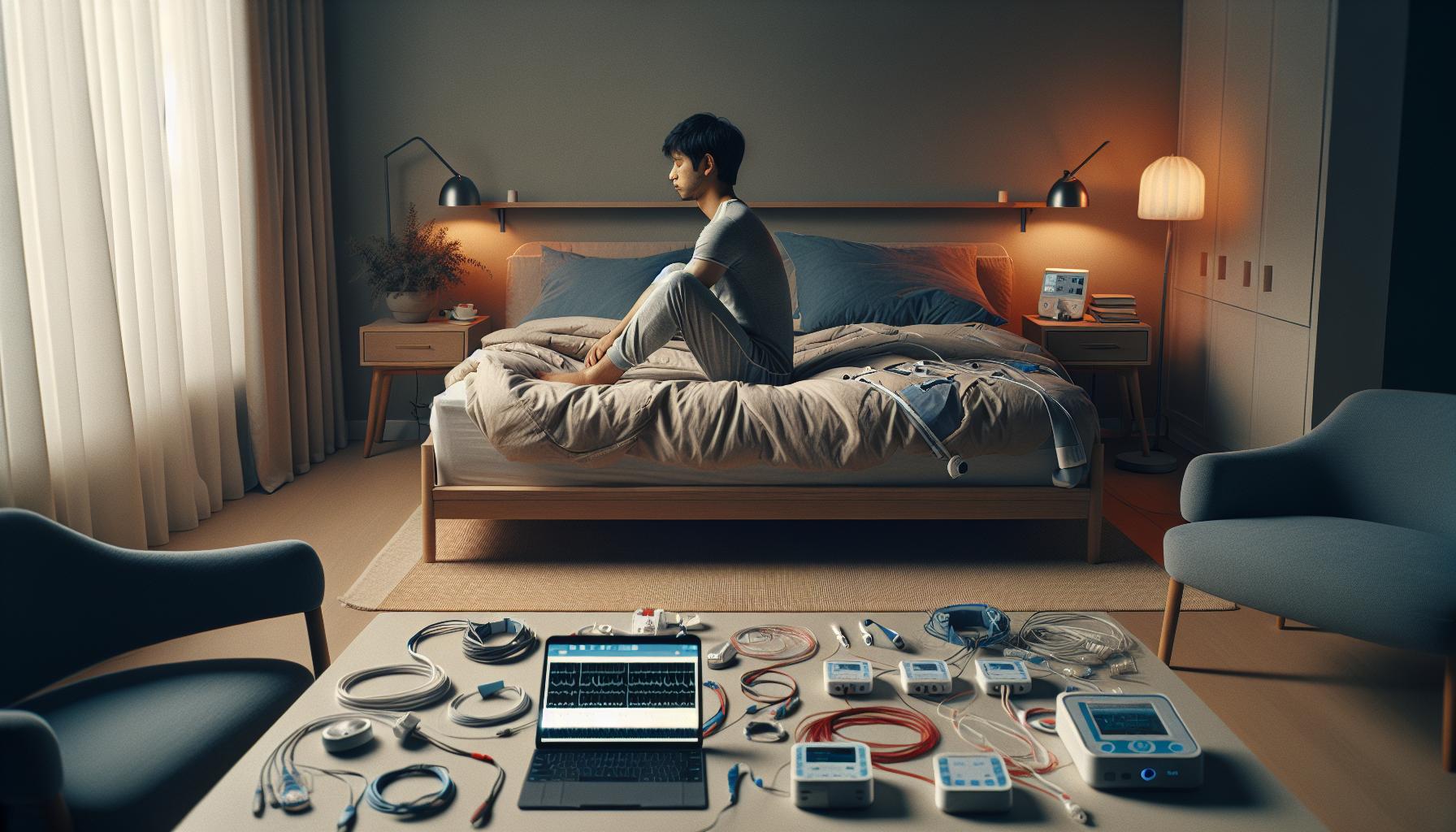
Benefits of Conducting a Home Sleep Study
Conducting a home sleep study offers a range of benefits that make it an appealing option for individuals concerned about their sleep health. One of the most significant advantages is the convenience and comfort of taking the test in your own space. Unlike traditional sleep studies that require a stay at a sleep clinic, home sleep studies allow you to sleep in your familiar environment, where you feel relaxed and at ease. This setting can promote more natural sleep patterns, potentially leading to more accurate results.
Moreover, home sleep studies typically involve simple, non-invasive equipment that is user-friendly, making them accessible to a broader audience. Many devices are designed for easy setup and operation, allowing patients with minimal technical knowledge to complete the study with little assistance. By eliminating the need for specialized lab settings, these studies also tend to be more cost-effective, reducing both the financial burden and the time commitment associated with traditional polysomnography tests.
The efficiency of home sleep studies cannot be overstated; results can often be processed quickly, leading to timely diagnoses and treatment plans. This swift approach is particularly beneficial in addressing sleep-related issues that can significantly impact overall health, such as obstructive sleep apnea. Early identification of sleep disorders allows for prompt intervention, which can enhance quality of life and reduce health risks associated with untreated conditions.
In summary, the primary include:
- Comfortable Environment: Sleep in your own bed, which may lead to more accurate results.
- User-Friendly Equipment: Easy to set up and use, making the process less daunting.
- Cost-Effective: Generally more affordable than in-lab sleep studies.
- Quick Results: Timely diagnosis leads to faster treatment options.
Each of these factors contributes to a more approachable and less anxiety-inducing pathway toward understanding and addressing potential sleep disorders.
How Home Sleep Studies Work: A Step-by-Step Guide
Home sleep studies can be a game-changer for understanding your sleep health. They offer an effective way to gather critical information on how you sleep without the stress and constraints of a clinical environment. Here’s a clear breakdown of how these studies work from start to finish.
Start by consulting with your healthcare provider, who can determine if a home sleep study is appropriate for you. This step is crucial, especially if you suspect conditions like sleep apnea. Once approved, you’ll typically receive a home sleep testing device that includes sensors to monitor your breathing, heart rate, and oxygen levels. There are various devices available, so ensuring you have the right one for your specific needs is vital.
Before your study, familiarize yourself with the equipment. Setup typically includes placing sensors on your chest, connecting a device to measure airflow (usually via a nasal cannula), and possibly using a finger sensor to monitor oxygen saturation levels. Most modern devices are designed for straightforward operation, often accompanied by instructional videos or guides for easy understanding.
Once you’ve set up the equipment, it’s time for bed. Aim to go to sleep at your usual time and try to maintain your regular sleeping position. The device will capture data throughout the night, collecting valuable information on sleep patterns and disturbances. After sleeping, return the device as instructed, and your healthcare provider will analyze the data and discuss your results.
This user-friendly approach makes home sleep studies not only convenient but also a relatively quick solution for getting the answers you need about your sleep health.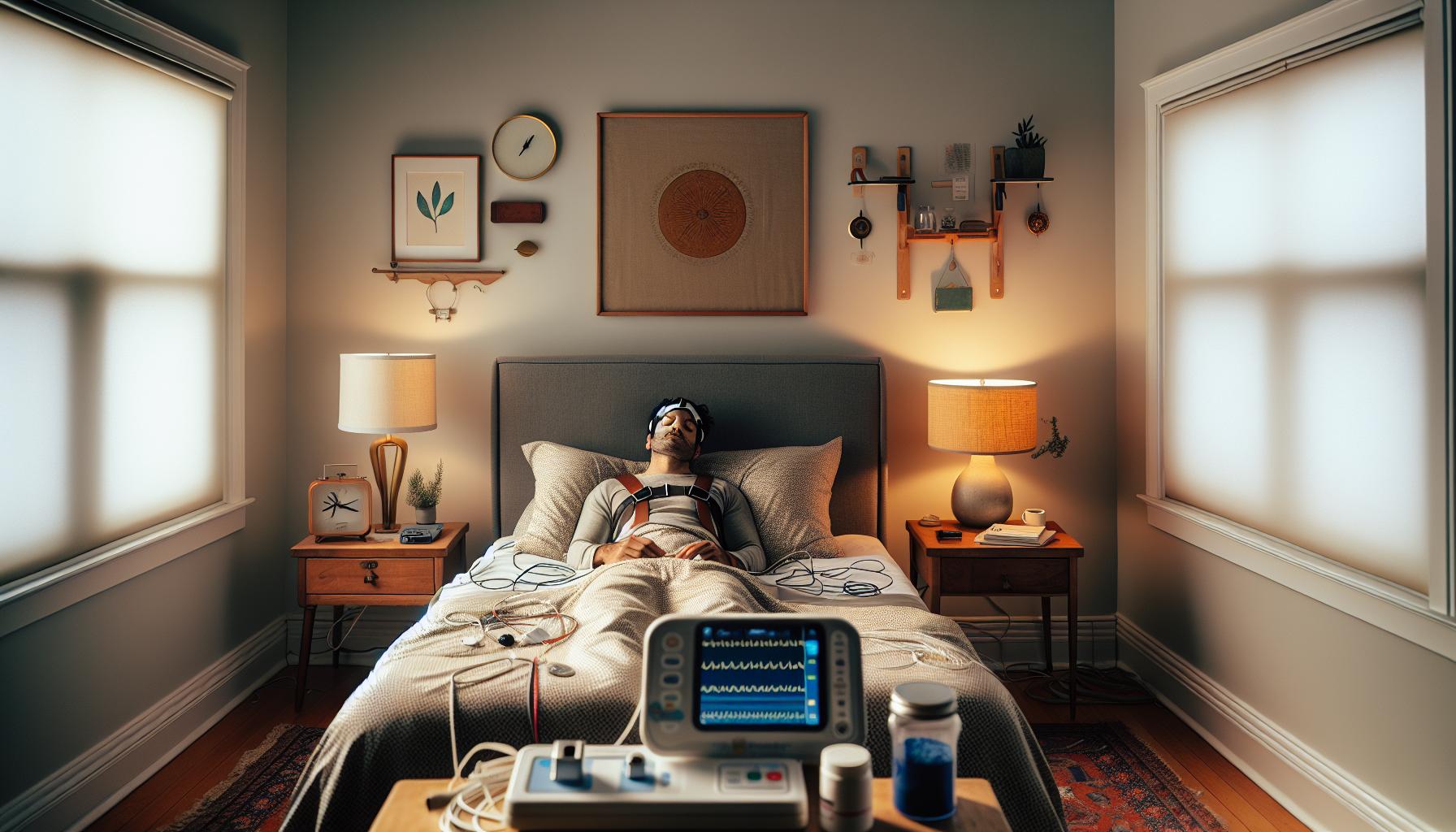
Choosing the Right Equipment for Your Sleep Study
Choosing the right equipment for your home sleep study is crucial to obtaining accurate and useful results. Many factors come into play when selecting a device that fits your specific needs. Generally, the main types of devices include portable monitors that measure respiratory parameters, heart rate, and oxygen saturation. Understanding what each device monitors can help tailor the study to your symptoms.
When considering equipment, look for features such as:
- Multi-parameter capabilities: A device that tracks multiple physiological metrics can give a more comprehensive view of your sleep. Look for monitors that track airflow, blood oxygen levels, heart rate, and snoring.
- User-friendliness: The easier a device is to set up and wear, the more likely you are to use it properly. Devices that include clear instructions and have intuitive setups will reduce your anxiety and help you sleep better during the study.
- Comfort: Make sure the equipment is comfortable, especially the sensors and straps. The best devices are lightweight and designed to be unobtrusive, allowing for a restful night’s sleep.
- Data collection and reporting: Choose equipment that offers detailed reporting on your sleep data. Some devices upload data for analysis while others come with user-friendly apps to visualize your sleep patterns.
Costs can vary widely based on the feature set and technology involved, so it’s essential to check if your insurance covers at-home sleep studies or if you’ll need to pay out-of-pocket. Typically, these devices can be rented for a nominal fee or purchased, depending on your long-term plans for health monitoring.
Always consult with your healthcare provider to ensure the device aligns with your medical history and any specific symptoms you experience. They can recommend the best equipment based on your profile, ensuring your home sleep study is as effective and informative as possible. This careful selection can ultimately lead to actionable insights that guide your treatment journey toward better sleep health.
Setting Up Your Home Sleep Study: Essential Steps
To effectively conduct a home sleep study, proper setup is critical for obtaining reliable data and ensuring a successful experience. Start by choosing a quiet, dark, and comfortable environment where you can minimize disruptions throughout the night. Your bedroom should be cool enough to promote sleep, and it’s helpful to turn off any distracting lights or electronic devices. Try to maintain your usual bedtime routine to help your body transition into sleep more naturally.
Before the night of the study, familiarize yourself with the equipment provided. Many devices will come with detailed, user-friendly instructions, but reading through them in advance can reduce anxiety. Pay attention to how to correctly attach sensors and what each device monitors. Commonly, the device will need to be worn on your wrist or around your chest, and it may involve nasal cannulas or fingertip sensors to track breathing and oxygen levels.
On the night of the study, take precautions to ensure the equipment stays securely in place. This might include utilizing adhesive straps or clips designed to prevent movement during sleep. It’s also wise to test the device beforehand to ensure it functions correctly, as well as to check battery levels if necessary. Remember to keep a glass of water nearby to help with any discomfort or dryness that might arise during the night.
Lastly, avoid caffeine or heavy meals before bedtime, as these can interfere with sleep quality. Aim to go to bed at your normal time to ensure your body is ready to provide accurate data during the study. By following these steps, you can set yourself up for a successful home sleep study, resulting in clearer insights into your sleep patterns and potential disorders.
In summary, your setup is key, and considering factors like environment, comfort, and equipment operation can make a world of difference in capturing the information needed to understand your sleep health better.
Common Challenges When Doing a Home Sleep Study
Conducting a home sleep study can be a straightforward process, but several challenges may affect the quality of your experience and the reliability of the results. Awareness of these potential issues will help you navigate them more effectively. One common challenge is discomfort with the sleep study equipment. Many users find it intrusive or difficult to adjust to wearing multiple sensors, such as nasal cannulas or pulse oximeters. This discomfort can affect your ability to fall and stay asleep, ultimately skewing the results. To mitigate this, familiarize yourself with the equipment in advance and practice wearing it while awake to get comfortable.
Another significant challenge is the influence of your home environment. While one of the advantages of a home sleep study is the comfort of your own bed, it’s essential to ensure that your sleep setting is conducive to rest. Noise from outside sources, bright lights, or even a partner’s movements can disrupt your sleep. To improve your sleeping environment, consider using earplugs, sleep masks, or white noise machines to block out disruptive sounds and lights. Additionally, keeping your bedroom cool and dark can create a more relaxing atmosphere conducive to sleep.
Anxiety can also play a big role in your home sleep study experience. The pressure of needing accurate results may lead to sleep disturbance or insomnia, ultimately affecting the data collected. To combat this, practice relaxation techniques before bed, such as deep breathing or meditation. Setting realistic expectations and remembering that the study aims to provide insights into your sleep patterns can alleviate some of this stress.
Lastly, proper device setup and functioning are critical to obtaining reliable data. Issues can arise if the sensors are not affixed correctly or if the device runs out of battery during the night. Always double-check the connections and battery levels beforehand. Document any odd occurrences or discomfort during the study, which will be helpful during discussions with your healthcare provider about the results. By being aware of and addressing these common challenges, you can enhance your home sleep study experience and obtain more accurate insights into your sleep health.
Understanding Sleep Disorders: Do You Need a Study?
Many people experience sleep disturbances, but knowing when to seek a sleep study can be daunting. If you’re frequently waking up feeling tired, snoring loudly, or experiencing irregular breathing during sleep, these could indicate a sleep disorder like sleep apnea. Understanding your personal symptoms is the first step in determining whether a home sleep study-or any sleep study-is appropriate for you.
Sleep disorders can manifest in various ways, including difficulty falling asleep, frequent awakenings, or persistent fatigue during the day. Some common signs that suggest the need for further evaluation include:
- Excessive daytime sleepiness: Do you find yourself dozing off unintentionally during the day?
- Loud snoring: Has anyone ever told you that your snoring is loud enough to wake them up?
- Choking or gasping during sleep: This could indicate a potential pause in breathing while you sleep, a hallmark of sleep apnea.
- Morning headaches: Waking up with headaches may signal disrupted sleep or oxygen deprivation.
- Restless legs syndrome: Feelings of uncomfortable sensations in your legs, especially at night, may also require further investigation.
If you’ve identified with any of these symptoms, it may be beneficial to consult with a healthcare provider who can guide you through the process of obtaining a sleep study. Home sleep studies, in particular, have become a popular option due to their convenience and comfort; they allow you to monitor your sleep patterns in the familiar environment of your own bedroom. A sleep study can provide critical insights into your sleep stages and help identify potential disorders by measuring various metrics, such as breathing patterns and oxygen levels.
It’s important to note, however, that not all sleep issues require a full sleep study. Simple lifestyle changes or home sleep trackers may suffice if your sleep disturbances are mild. Ultimately, engaging with a knowledgeable healthcare provider can help clarify your options, making it easier for you to take action and improve your sleep health effectively.
Interpreting Your Home Sleep Study Results
Interpreting the results of your home sleep study can be both exciting and daunting. Understanding the data collected is crucial for recognizing any potential sleep disorders that could be impacting your overall health and well-being. Most home sleep tests focus on key metrics such as your breathing patterns, oxygen saturation levels, and heart rate. When reviewing your results, it’s essential to familiarize yourself with these measurements and what they signify.
Key Metrics to Understand
The primary indicators in a home sleep study often include:
- AHI (Apnea-Hypopnea Index): This score reflects the number of times you experienced apnea (complete cessation of breathing) or hypopnea (partial cessation of breathing) per hour. AHI scores help categorize the severity of sleep apnea-from mild to severe.
- Oxygen Desaturation: This metric shows how low your blood oxygen levels fell during sleep. Frequent episodes of significant desaturation may indicate important health risks.
- Heart Rate: Monitoring your heart rate during sleep can also reveal variations that suggest underlying issues.
Typically, your test results will generate a report detailing these measurements, along with recommendations based on the findings. It’s important to keep in mind that while home sleep tests are convenient, they do not capture the comprehensive data that an overnight sleep study would. Therefore, if your home study indicates potential issues, a follow-up with a sleep specialist may be warranted.
Next Steps After Your Test
Once you’ve received your report, reach out to your healthcare provider to discuss the findings. They can provide context, answer questions, and explain any medical terminology that may be unfamiliar. Further testing or referral to a sleep specialist may be advised based on the results.
If your results suggest the presence of a sleep disorder, such as obstructive sleep apnea, your provider might discuss various treatment options available. These could range from lifestyle changes-such as weight loss and changes in sleep position-to the use of CPAP (Continuous Positive Airway Pressure) therapy or dental appliances.
Taking the time to understand your home sleep study results empowers you as a patient. It allows you to engage in informed conversations with your healthcare team and take proactive steps towards improving your sleep health. Remember, sleep is not just a luxury; it is vital for your physical and mental well-being.
Alternative Sleep Testing Options: Pros and Cons
Exploring sleep testing options outside of traditional lab settings can open up avenues for individuals experiencing sleep difficulties. While home sleep studies have surged in popularity due to their convenience and affordability, it’s valuable to understand the array of alternative testing approaches available and their respective merits and drawbacks.
Types of Alternative Sleep Testing
- Wearable Sleep Trackers: Many people turn to consumer-grade trackers that monitor sleep patterns and heart rates. These devices leverage motion sensors and heart rate variability to estimate sleep cycles but may lack clinical accuracy.
- Mobile Sleep Apps: Specialized applications can analyze sleep through sound and movement data from smartphones or other smart devices. However, their reliability can vary significantly based on the app’s technology and user settings.
- Polysomnography (PSG): Though typically performed in laboratories, PSG can occasionally be conducted at home. This comprehensive study captures a wider array of metrics including brain activity, which may be crucial for diagnosing complex sleep disorders.
Pros and Cons Overview
| Testing Option | Pros | Cons |
|---|---|---|
| Wearable Trackers | Affordable, convenient, user-friendly; | Less clinical accuracy, limited data scope. |
| Mobile Apps | Widely accessible, easy to use; | Variable accuracy, often unverified. |
| Polysomnography | Thorough diagnostics, captures brain activity; | More intrusive, can be expensive, requires professional oversight. |
Making the Right Choice
When considering which alternative testing option to pursue, reflect on your individual needs, the severity of your symptoms, and your comfort level with technology. Wearable devices and apps can serve as an effective starting point for tracking sleep habits and identifying patterns that may require further investigation. However, if you suspect a serious sleep disorder, particularly one that warrants a detailed investigation of brain waves, seeking out a polysomnography test, whether in a lab or at home, might be the necessary step.
Ultimately, understanding the advantages and limitations of each testing option empowers you to make informed decisions regarding your sleep health. Engaging with a healthcare professional can help clarify which path is most suitable based on your unique situation and encourage proactive measures toward improved sleep quality.
Insurance Coverage for Home Sleep Studies
Navigating can feel daunting, yet understanding your options is crucial in managing both your sleep health and financial responsibilities. Many insurance plans do cover home sleep studies, particularly when they are deemed medically necessary for diagnosing conditions like obstructive sleep apnea. Generally, you can expect insurance to cover the cost partially or fully, depending on your specific policy and the provider’s terms.
Before proceeding with a home sleep study, it’s advisable to take a few proactive steps. First, check with your insurance provider to confirm coverage for home sleep studies, find out what documentation they require, and understand any co-payments or deductibles you may be responsible for. The test must often be ordered by a licensed healthcare professional who concludes that a sleep study is essential for diagnosing your sleep issues. Obtaining a prescription could also increase the likelihood of getting approval from your insurance.
Moreover, different providers have varying criteria for coverage. Some insurers may require pre-authorization, which involves submitting medical history and perhaps even a summary of previous consultations regarding your sleep health. This step is vital to ensure claims don’t get denied post-service. It might also be a good idea to ask about which specific home sleep study options are covered, as some labs may employ different technologies or methods that influence costs.
In terms of costs, a home sleep study can range anywhere from a few hundred to over a thousand dollars, depending on the equipment and analysis provided. Always clarify with your insurance how much of this expense they will absorb. Additionally, don’t hesitate to inquire whether a payment plan is available if you’re paying out-of-pocket. Ultimately, understanding the nuances of your coverage can save you stress and expenses during your journey to better sleep.
Real-Life Scenarios: When to Seek Professional Help
When considering a home sleep study, it’s important to recognize the scenarios where professional help might be necessary instead. If you experience symptoms like loud snoring, gasping for breath during sleep, or excessive daytime sleepiness, it may be time to consult a healthcare professional. These signs are often associated with obstructive sleep apnea (OSA), a serious condition that requires accurate diagnosis and management beyond what a home sleep test can offer. A comprehensive evaluation through a lab-based polysomnography may be essential in such cases, particularly if your symptoms have progressively worsened.
Moreover, if you have pre-existing health conditions such as cardiovascular disease, diabetes, or severe obesity, seeking professional guidance prior to conducting a home sleep study is crucial. These factors can complicate sleep apnea diagnosis and treatment. Additionally, if lifestyle changes or home-based remedies haven’t alleviated your sleep issues, a healthcare provider can help determine whether more in-depth testing is warranted.
In some instances, individuals may not be getting sufficient data from their home sleep tests. If your symptoms persist post-test or if the results seem inconclusive-especially if you remain lethargic or are experiencing mood changes-reaching out for professional assistance can provide clearer answers. This is particularly relevant for those who reported unusual patterns in their sleep data, such as frequent awakenings or irregular breathing patterns.
To summarize, while home sleep studies are valuable tools for identifying sleep disorders, certain scenarios strongly indicate the need for a deeper investigation by sleep specialists. Consultations can lead to tailored treatment plans, ensuring you receive the right care and support for your sleep health, promoting a more restful night, and enhancing your overall well-being.
Tips for a Successful Home Sleep Study Experience
To ensure a successful home sleep study experience, it’s essential to approach the process thoughtfully and with a clear plan. The more prepared you are, the smoother the experience will be, resulting in more reliable data that can assist in diagnosing potential sleep disorders.
Start by creating a calming sleep environment. Make sure your bedroom is dark, quiet, and at a comfortable temperature. Eliminate distractions such as electronics and loud noises, which can interfere with your ability to fall asleep and could skew your results. Additionally, maintain your regular bedtime routine. Going to bed at the same time as you usually do can help your body naturally transition into sleep during the study.
Familiarize yourself with the equipment before the night of the study. Understanding how to set up and use the devices-whether it’s a multifaceted polysomnography unit or a more straightforward home sleep apnea test-can ease anxiety. Most devices offer video guides or manuals; take advantage of these resources to navigate the setup process effectively. Make sure the sensors or straps are positioned correctly; improperly placed equipment can lead to inaccurate readings.
During the test, try to relax and fall asleep as you normally would. If you feel anxious about the devices, focus on relaxation techniques such as deep breathing or visualizing a calming scene. If possible, have a support person nearby, whether physically or virtually, for reassurance and assistance. If you find yourself waking frequently, jot down any observations regarding your sleep patterns. This information can be invaluable for healthcare providers when interpreting your results.
Lastly, after the study, be sure to discuss your findings with a healthcare professional. They can guide you on next steps based on your results. Remember, a home sleep study is just one piece of the puzzle in understanding your sleep health, and follow-up consultations might provide you with a more comprehensive assessment. By preparing adequately and approaching the process calmly, you can obtain the most accurate insights into your sleep health.
FAQ
Q: What are the steps to prepare for a home sleep study?
A: To prepare for a home sleep study, start by consulting your doctor to determine if a sleep study is needed. Gather necessary equipment, including sensors and a portable monitor. Ensure a comfortable sleep environment by minimizing noise and light. Create a sleep-friendly routine and review any instructions provided with your equipment for accurate results.
Q: How do I know if I need a home sleep study?
A: You may need a home sleep study if you experience symptoms like excessive daytime sleepiness, loud snoring, or observed breathing pauses during sleep. Consult a healthcare provider to discuss symptoms and see if a home sleep study is appropriate for diagnosing conditions like obstructive sleep apnea.
Q: Can I conduct a home sleep study without a prescription?
A: While some companies offer direct-to-consumer home sleep tests, it’s advisable to consult a healthcare professional for proper guidance and to ensure accurate diagnosis. A prescription may be required for insurance coverage or specific testing protocols.
Q: What happens if my home sleep study results are abnormal?
A: If your home sleep study results indicate a potential issue, your healthcare provider will discuss the findings with you and recommend further evaluation or treatment. This may include lifestyle changes, continuous positive airway pressure (CPAP) therapy, or a referral for an in-lab sleep study.
Q: How much does a home sleep study cost?
A: The cost of a home sleep study can vary widely, typically ranging from $150 to $500. Insurance often covers part of the expense if conducted through a doctor’s referral. Check with your provider to understand coverage and potential out-of-pocket costs.
Q: How reliable are home sleep studies compared to lab tests?
A: Home sleep studies are generally reliable for diagnosing obstructive sleep apnea but may not be as comprehensive as in-lab studies, which monitor additional variables. However, home studies are convenient, less expensive, and can provide sufficient data for many patients.
Q: What equipment is typically used in a home sleep study?
A: Common equipment for a home sleep study includes a portable monitor that tracks breathing patterns, heart rate, and oxygen levels. Some tests may include sensors placed on the chest, finger, and around the nose to measure airflow and other physiological signals related to sleep apnea.
Q: How can I improve my sleep quality during the study?
A: To enhance sleep quality during a home sleep study, maintain a regular sleep schedule, avoid caffeine and heavy meals before bedtime, and create a comfortable sleeping environment. Utilization of any provided relaxation techniques or sleep aids can also promote better rest.
Future Outlook
Now that you’re equipped with the insights on how to conduct a home sleep study, it’s time to take action for your sleep health. Remember, addressing sleep issues like sleep apnea can significantly enhance your quality of life. Don’t wait-consider booking a home sleep test today! For more detailed comparisons, check out our guides on the best sleep wearables and the latest in sleep technology to help you on your journey.
If you have any lingering questions or concerns, feel free to explore our section on troubleshooting home sleep studies and insurance navigation to ensure a smooth experience. We invite you to engage with us-share your thoughts or experiences in the comments below, and don’t forget to subscribe to our newsletter for more valuable resources and tips on optimizing your sleep health. Your journey to better sleep starts now!
Get our latest guides, news, and insights highlighted in your Google Search & AI Overviews.