
Did you know that sleep studies can be the key to diagnosing various sleep disorders, yet the thought of undergoing one can make anyone feel anxious? Many individuals may consider faking a sleep study out of fear, convenience, or misunderstanding of the process, but honesty is truly the best policy when it comes to your health. In this article, we’ll explore why accurate data from a sleep study is crucial for proper diagnosis and treatment and the potential consequences of not being truthful. Understanding the options available-whether it’s a traditional lab study or home testing-empowers you to make informed decisions regarding your sleep health. Join us as we navigate the complexities of sleep studies, unpack the reasons behind the urge to misrepresent your experience, and ultimately encourage a path toward transparency for better sleep outcomes. Your sleep health matters, and understanding how to approach these studies could be a stepping stone to a better night’s rest.
Understanding Sleep Studies: What to Expect
When considering a sleep study, it’s essential to understand what to expect during the process. Sleep studies, also known as polysomnography, are thorough assessments designed to monitor your sleep patterns and identify any potential sleep disorders. If you’re anxious about undergoing a sleep study, knowing the setup and process can help ease your mind.
Most sleep studies are conducted in a sleep clinic where technicians will attach sensors to your body before you sleep. These sensors monitor brain activity, heart rate, breathing, and oxygen levels while you sleep. You can expect to be in a comfortable room, equipped with a bed similar to a hotel setting. As you prepare for bed, you will be connected to various electrodes via adhesive stickers. This might feel a bit strange at first, but the process is designed to be as non-intrusive as possible. The entire night is recorded, enabling specialists to analyze your sleep cycles and identify issues like sleep apnea, restless leg syndrome, and other disorders.
Nowadays, there are also home sleep testing options available. These are more convenient but may not provide the same comprehensive data as in-lab tests. Home tests typically involve fewer sensors and can measure basic sleep metrics, making them less invasive. However, if your condition is complex, a lab study is often more beneficial. Ensure you discuss with your healthcare provider which option is right for you.
Time will vary, but expect to spend around 6-8 hours in the lab for a full assessment. Nighttime protocols can include going to bed at your regular time while the technicians observe and record your sleep patterns. After the study, results are usually ready within a week or two, giving you valuable insights into your sleep health and necessary next steps. Remember, being honest about your sleep habits during the assessment is crucial-this information helps create an accurate picture of your sleep health.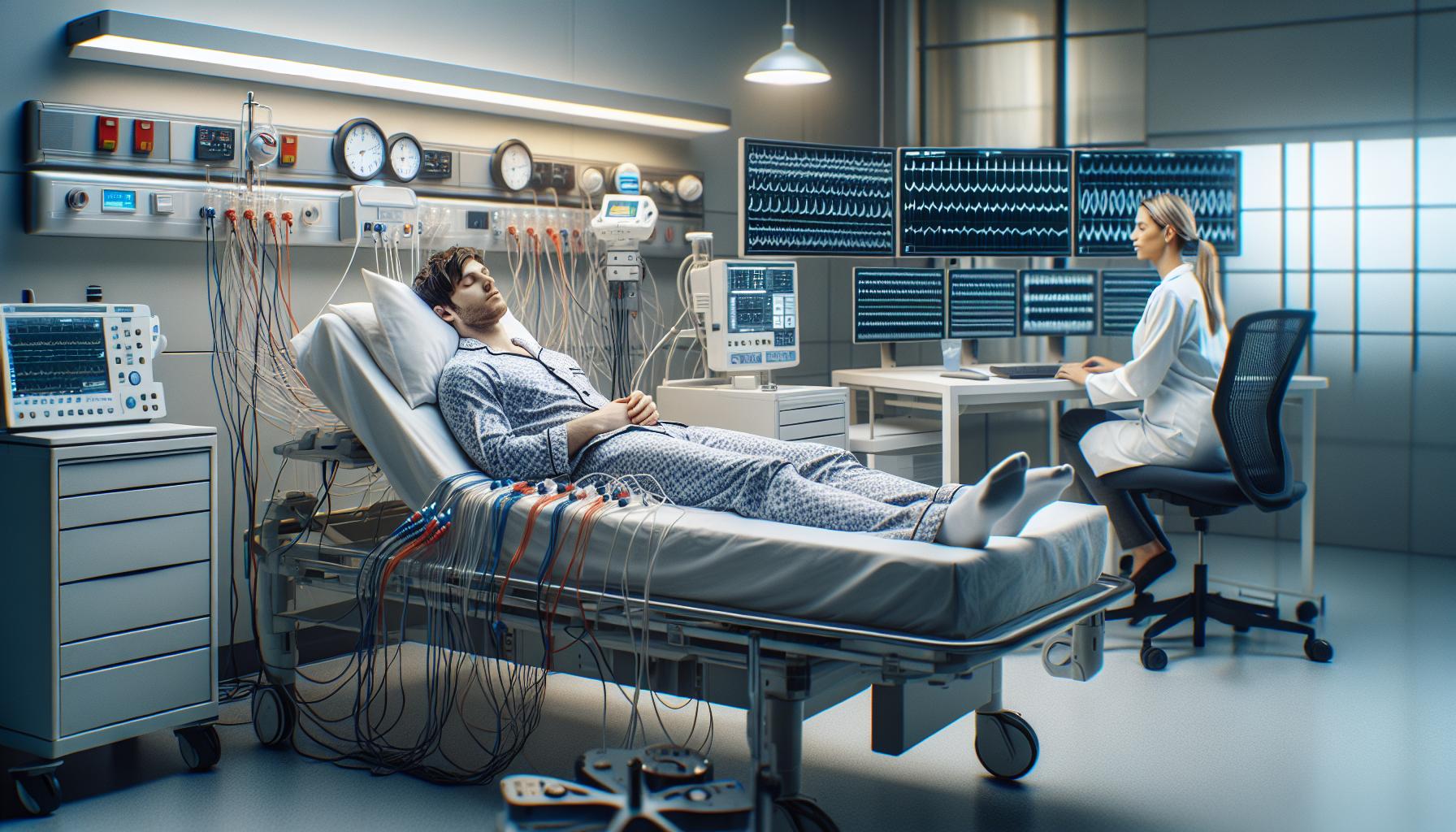
The Risks and Consequences of Faking a Sleep Study
Faking a sleep study may seem like a tempting shortcut for those seeking a diagnosis or treatment for sleep issues, but the risks and consequences can be significant and far-reaching. Attempting to manipulate results can lead to incorrect diagnoses or inadequate treatment, ultimately prolonging your sleep problems rather than resolving them. Misrepresenting your sleep patterns can skew the expert analysis and lead healthcare providers down the wrong path, resulting in inappropriate interventions that may worsen your condition.
Moreover, faking a sleep study undermines the integrity of the healthcare system. This dishonesty can impact your relationship with healthcare providers as trust is crucial in receiving effective care. If your healthcare team discovers the deceit, they might become hesitant to believe your claims in the future, potentially leading to unnecessary delays in treatment. Additionally, depending on the context, there could be ethical implications or even consequences related to insurance claims, which could result in financial repercussions.
Beyond the professional ramifications, there are personal impacts to consider. Poor sleep health can decrease your overall well-being and quality of life. If you’re masking symptoms or manipulating results, you are denying yourself appropriate treatment, which might lead to increased fatigue, mood swings, or even long-term health problems associated with untreated sleep disorders. Ultimately, honesty in sleep health assessments is not just about securing a diagnosis-it’s about empowering yourself to receive the right care and improving your life through better sleep.
In light of these ramifications, prioritizing transparency during a sleep study is essential. Sharing accurate information about your sleep habits enables specialists to understand your situation comprehensively and tailor interventions according to your actual needs. Approaching your health with honesty not only accelerates your journey towards better sleep but fosters trust in your healthcare journey. Making wise choices today will pave the way for a healthier tomorrow.
Common Methods People Use to Cheat Sleep Tests
People often resort to various misleading tactics when taking sleep tests, an endeavor usually born out of anxiety over the results or a desire to manipulate outcomes for desired diagnoses. Understanding these methods gives insight into the importance of integrity in sleep health assessments.
One common method involves altering sleep habits leading up to the test. For instance, individuals may intentionally sleep less the nights before, believing that this will increase the likelihood of being diagnosed with a sleep disorder like sleep apnea. While some may think this strategy will lead to more abnormal readings, it often backfires because sleep studies aim to capture a comprehensive and representative picture of overall sleep patterns.
Another tactic is the use of sleep aids or stimulants to either enhance or suppress sleeping behaviors. Some may take over-the-counter sleep medications to ensure they fall asleep quickly, hoping this will manifest in favorable outcomes on the test results. Conversely, others might consume caffeine or other stimulants before the assessment to show how their body reacts to sleep deprivation, though this can skew results significantly.
Additionally, some individuals might attempt to manipulate their response during the test, such as pretending to doze off or remain awake when necessary. This can include deliberately adjusting body positions or using physical gestures to indicate that they are struggling with sleep issues. This type of behavior often leads to misinterpretation by healthcare professionals reviewing the data.
Ultimately, employing these dishonest tactics can have serious repercussions-not just in potentially extending the time it takes to receive appropriate treatment but also in creating complications in the patient-provider relationship. The most effective approach to sleep studies is honesty, as accurate data allows for proper diagnosis and treatment tailored to individual needs.
Why Honesty Matters in Sleep Health Assessments
In the realm of sleep studies, integrity is your strongest ally. Honesty is crucial not just for obtaining accurate results but also for ensuring that you receive the right treatment tailored to your individual needs. Misleading practices can severely distort the data gathered during the study, leading to ineffective or even harmful treatment regimens. Accurate assessments are essential for identifying specific sleep disorders, such as sleep apnea or insomnia, which can significantly impact your overall health and daily functioning.
When individuals resort to tactics like altering their sleep habits or using substances before the study, it complicates the interpretation of results. The diagnostic tools used in sleep studies, such as polysomnography, are designed to measure various physiological metrics, including brain waves, oxygen levels, and heart rates. If the data is skewed by false behaviors-whether it’s through sleep deprivation or taking sleep aids-the results may suggest a condition that isn’t truly present. This not only misrepresents the individual’s health status but also delays appropriate treatment, potentially exacerbating underlying issues.
Moreover, fostering a transparent relationship with healthcare providers is critical. Providers rely on complete honesty to understand the patient’s situation. If a patient fabricates symptoms or behaviors during a sleep study, it can create distrust in the patient-provider relationship, complicating future interactions. Establishing an open dialogue allows for a more supportive approach, where patients feel safe to discuss their concerns and experiences.
In summary, approaching a sleep health assessment with sincerity ensures that you will receive a comprehensive overview of your sleep patterns and needs. Emphasizing truthfulness fosters better health outcomes, paving the way for effective treatment plans based on real data rather than assumptions. Remember, a true representation of your sleep can lead to solutions that enhance your quality of life and well-being.
Navigating Your Insurance for Sleep Study Costs
Navigating the financial aspects of a sleep study can feel daunting, especially when dealing with insurance. It’s essential to arm yourself with knowledge before diving in, as understanding your coverage can significantly influence how much you pay for these critical assessments. Typically, sleep studies can range anywhere from $500 to $3,000, depending on whether they are conducted at a sleep clinic or in your home, along with the specifics of your insurance plan.
Start by contacting your insurance company directly. Ask about your policy’s coverage for sleep studies, including whether they require pre-authorization. Different insurers have varying criteria for what constitutes a medically necessary sleep study. For instance, if you suspect a sleep disorder such as sleep apnea, documenting your symptoms and previous attempts at treatment can strengthen your case for approval.
Key Questions to Ask Your Insurer
When you get in touch with your insurer, consider inquiring about the following:
- What types of sleep studies are covered? (In-lab vs. home-based)
- Are there specific authorization requirements related to sleep studies?
- What is my deductible and how much have I met this year?
- How much of the cost will I be responsible for after insurance?
- Are there in-network sleep clinics or specialists I should use?
Understanding Costs
Your insurance coverage could also vary based on factors such as whether the study is deemed inpatient or outpatient, and how it aligns with your overall health plan. If you find that your insurance does not fully cover the costs, there are often payment plans or financial assistance options available to ease the burden.
For those considering home-based sleep testing, it’s worth checking if your insurance has different criteria for these studies, as they tend to be less expensive. However, ensure that the home test is validated and recognized by your insurance for it to be eligible for reimbursement.
Being proactive about your insurance can ultimately lead to better financial outcomes and access to the sleep health assessments you need. Understanding and advocating for your rights in this process is crucial-not only for your pocketbook but also for your health.
Exploring Home-Based Sleep Testing Options
Home-based sleep testing is becoming increasingly popular as a convenient and affordable alternative to traditional in-lab studies. For those dealing with sleep issues, these options provide a way to monitor nighttime behaviors and symptoms without the anxiety of staying overnight in a clinic. Typically, costs for home testing can range from $150 to $500, significantly lower than in-lab tests. However, it’s crucial to ensure that the device you choose is validated and accepted by your insurance provider for reimbursement.
Understanding what to expect from home testing can help alleviate concerns. Home sleep tests usually involve a simple setup that includes a small device that measures your breathing, heart rate, and oxygen levels during the night. While these tests won’t capture some aspects of sleep disorders that a full polysomnography would-like sleep architecture and leg movements-they are effective for diagnosing common issues like obstructive sleep apnea.
Setup and Procedure
To set up a home sleep test, you’ll typically follow these steps:
- Receive the device: You can get a device from your healthcare provider or rent one from a sleep clinic.
- Follow instructions: Carefully read the setup instructions. Most devices are user-friendly and self-explanatory.
- Wear the device: Generally, you will place sensors on your body before going to sleep and turn the device on.
- Return the device: After the test night, return the device as instructed to receive your results.
While home-based testing is a convenient option, it is essential to consult a healthcare provider about your sleep symptoms. This guidance ensures that a home sleep study is appropriate for your situation and can help determine the next steps based on your individual results, promoting an honest approach to sleep health.
Wearable Technology: Can It Replace a Sleep Study?
Wearable technology has revolutionized how we approach sleep monitoring, offering consumers a modern tool to track their sleep patterns conveniently. Many products on the market promise improved insights into sleep quality through features like heart rate tracking, movement detection, and even sleep stage analysis. However, while these devices can be informative, they shouldn’t be seen as a complete substitute for a professional sleep study.
Understanding Their Limitations
Wearable devices, such as fitness trackers and smartwatches, typically utilize algorithms to interpret sleep data, providing users with feedback on when they were awake or in light versus deep sleep. However, these devices often lack the comprehensive assessment capabilities of a polysomnography test, which can evaluate brain waves, oxygen levels, and more. For instance, a home sleep apnea test focuses primarily on breathing patterns and oxygen saturation, while a full sleep study also examines sleep architecture and other physiological functions.
It’s crucial to recognize that wearables may not accurately diagnose specific sleep disorders. For example, if you’re experiencing severe sleep issues, overstating the reliability of a wearable could lead to delays in proper medical intervention. While these gadgets can offer useful trends and motivations for healthier sleep habits, they should complement, not replace, professional assessments.
Real-World Applications
Consider a scenario where someone relies solely on a smartwatch to manage suspected sleep apnea. They notice chronic fatigue and poor rest quality metrics but dismiss seeking a medical evaluation because the device indicates “normal” sleep patterns. This reliance can lead to prolonged health risks, emphasizing that while wearables are helpful for casual monitoring, they should not serve as the final word on sleep health.
In terms of cost, wearables can vary significantly, often ranging from $50 to several hundred dollars, while comprehensive sleep studies can be costly and typically require insurance approval. Still, an initial assessment with wearables may help you determine whether pursuing a professional study is necessary based on your findings.
Ultimately, while wearable technology offers valuable insights and can enhance your understanding of sleep, it is vital to approach any potential sleep disorders with medical professionalism. Hon honesty in assessing your sleep health not only aids in appropriate treatment but also fosters a more accurate understanding of what your body needs for restful slumber.
Understanding Polysomnography: What Does It Measure?
For many, understanding polysomnography-the gold standard in sleep studies-can feel daunting. However, it’s an essential tool designed to capture a comprehensive picture of your sleep. This test measures several key parameters that reveal not only the quality of your sleep but also the potential underlying issues affecting your rest. In a typical polysomnography, you can expect to have your brain activity, oxygen levels, heart rate, and breathing patterns monitored throughout the night.
During the study, electrodes are placed on your scalp, face, and body to track brain wave activity, which helps identify different sleep stages (light sleep, deep sleep, and REM sleep). Additionally, a pulse oximeter will measure your blood oxygen levels, watching for any drops that could indicate sleep apnea or other breathing-related sleep disorders. Other sensors will monitor your heart rate and the respiratory flow through your nose and mouth. It’s like having a comprehensive health report overnight, giving insights that wearables simply cannot match.
Why Polysomnography Matters
The insights gained from a polysomnography can help diagnosis multiple sleep disorders. Conditions such as insomnia, narcolepsy, or sleep apnea can be effectively evaluated using this thorough testing method. By honestly reporting your sleep experiences and symptoms during the study, you empower your healthcare provider to make informed decisions about your treatment. If you attempt to fake aspects of your sleep during the test, you risk misguiding the treatment process and prolonging your discomfort.
Investing in this thorough assessment can be crucial; although polysomnography may involve an expense-often ranging from $1,000 to $3,000 depending on your insurance coverage-it can provide clarity in your sleep health that simpler methods like self-reporting or wearables cannot deliver. With proper diagnosis and honest reporting, you stand a significantly better chance of achieving restful sleep and addressing any underlying issues effectively.
Ultimately, polysomnography is more than just wires and sensors; it’s an invaluable step towards understanding and managing your sleep health. Instead of considering shortcuts or faking a sleep study, focus on leveraging this in-depth examination to ensure you receive the best possible care tailored for your specific needs.
Sleep Disorders: Recognizing When You Need Help
When it comes to sleep, the signs your body sends you can be crucial indicators of underlying issues that may require professional help. It’s essential to recognize not only the symptoms of sleep disorders but also when it’s time to seek support. Ignoring persistent sleep issues can lead to further complications, affecting your physical health, mental well-being, and daily functioning.
If you frequently experience disturbances like loud snoring, gasping for air during sleep, or excessive daytime drowsiness, it’s time to consider a sleep study. Sleep apnea, for instance, can lead to severe health problems if left untreated, including cardiovascular issues and cognitive decline. Additionally, if you find it increasingly difficult to fall asleep, stay asleep, or feel refreshed after a full night’s rest, it may indicate insomnia or another sleep disorder that warrants a deeper investigation.
It can be helpful to keep track of your sleep patterns through a sleep diary, noting factors such as sleep duration, quality, and daily habits. Sharing this information with your healthcare provider can facilitate a more accurate assessment of your sleep health. Be mindful of how long these issues have persisted; if they interfere with your daily routine or contribute to anxiety, depression, or other health concerns, don’t hesitate to reach out for a professional evaluation.
Recognizing the signs of sleep disorders early can significantly enhance your quality of life. By understanding when to seek help and pursuing an accurate diagnosis, you open the door to effective treatment options that can help restore restful nights and energized days. Remember, your sleep health is just as important as any other aspect of your well-being, and addressing these concerns early can lead to more positive outcomes in your everyday life.
Real-Life Scenarios: Sleep Studies vs. Sleep Trackers
The contrast between traditional sleep studies and modern sleep trackers is more significant than many people realize. While both aim to provide insights into sleep patterns and potential disorders, their methodologies and accuracy can drastically differ. Sleep studies, or polysomnography, are conducted in clinical settings and monitor a variety of physiological signals, including brain waves, heart rate, oxygen levels, and eye movements. This detailed analysis is crucial for diagnosing complex conditions like sleep apnea, where a mere at-home tracker may miss critical data.
On the other hand, sleep trackers-often found in smartwatches or smartphone apps-offer a more user-friendly approach but are limited in their capability. They generally quantify sleep duration and identify sleep stages using accelerometers to detect movement, resulting in data that might not accurately reflect deeper sleep issues, such as disruptions caused by breathing abnormalities. For example, if a person suspects they have sleep apnea, relying solely on a sleep tracker may lead to underestimating potential problems, ultimately delaying necessary medical intervention.
Practical Scenarios
Consider Sarah, who begins experiencing excessive daytime sleepiness despite logging seven hours of sleep each night. She starts using a sleep tracker, which indicates she’s getting a healthy amount of rest. However, Sarah continues to feel exhausted. After discussing her symptoms with her doctor, who recommends a sleep study, they discover she suffers from moderate sleep apnea. This diagnosis would have been missed had she continued relying on her tracker.
Another scenario involves Mike, an avid technology user who trusts his smartwatch for health metrics. He notices increased heart rate during the night but dismisses it as a hiccup since his tracker labels him as a “good sleeper.” However, when Mike finally opts for a sleep study, the results reveal significant disturbances tied to emotional stress and poor sleep architecture-insights his tracker couldn’t provide.
In conclusion, while sleep trackers can serve as handy tools for tracking general sleep behaviors, those experiencing persistent sleep issues should not rely solely on these devices. Instead, pursuing a comprehensive sleep study when necessary ensures that potential disorders are accurately diagnosed and addressed. Embracing this honest approach to sleep health can lead to better outcomes and improved well-being over time.
Tips for Managing Anxiety Before a Sleep Study
Experiencing anxiety before a sleep study is common, yet understanding the process can significantly ease this stress. Knowing what to expect can transform uncertainty into confidence, making you more prepared for the night ahead. The sleep study environment may seem daunting, but remember that it’s designed to be comfortable, and most facilities aim to create a calming atmosphere.
One effective strategy to manage pre-study anxiety is to familiarize yourself with the sleep study procedure. Prior to your appointment, ask your healthcare provider about the specifics, including how long the study will last, what equipment will be used, and the type of monitoring that will occur. Understanding that professionals will be there to help and support you throughout the process can be reassuring. Most studies involve attaching sensors to your body to monitor things like brain waves, heart rate, and breathing patterns, but you will be made to feel as comfortable as possible while you sleep.
Another valuable tip is to practice relaxation techniques. Engaging in methods such as deep breathing exercises, progressive muscle relaxation, or visualization can help ease tension and promote a sense of calm before bedtime. Consider setting aside some time to unwind with these techniques on the day of the study. Creating a ritual-like reading a book or listening to soothing music-can signal to your body that it’s time to relax.
Furthermore, preparing a list of questions to discuss with the sleep center staff can empower you to take control of the situation. Don’t hesitate to express your concerns about the process. This openness not only helps clarify any misunderstandings but also fosters a trusting relationship with the healthcare team, which can alleviate anxiety overall.
Lastly, if you struggle with sleep-related anxiety regularly, consider discussing it with your healthcare provider ahead of the study. They may offer additional support tailored to your needs or specific strategies for managing your anxiety effectively. By actively addressing your concerns and preparing adequately, you can focus on the important task at hand: obtaining the information necessary for understanding your sleep health.
The Future of Sleep Testing: Innovations to Watch
The landscape of sleep testing is rapidly evolving, driven by technological advancements and a greater understanding of sleep health. As we look to the future, exciting innovations are set to simplify the testing process, enhance accuracy, and broaden access to sleep diagnostics. Understanding these developments can empower consumers to make informed decisions about their sleep health.
Advancements in Wearable Technology
The rise of wearable technology has marked a significant shift in sleep assessment. Devices like smartwatches and fitness trackers increasingly incorporate sleep-tracking features, which monitor sleep patterns, heart rate, and even blood oxygen levels. While these wearables cannot entirely replace comprehensive sleep studies, they offer an accessible way for individuals to gather preliminary data on their sleep habits. Users can identify issues such as sleep apnea or insomnia before seeking a formal diagnosis. However, it’s crucial to recognize that while these devices provide valuable insights, they may lack the accuracy and depth of polysomnography conducted in clinical settings.
Home-Based Sleep Testing Options
The emergence of home-based sleep tests has also transformed the landscape, offering a convenient alternative to traditional sleep studies. These tests allow patients to undergo monitoring in the comfort of their own homes, often using portable devices that track key metrics like breathing patterns and oxygen saturation. This option is particularly appealing to those who experience anxiety about sleeping in an unfamiliar environment. Home testing can be more cost-effective and accessible, especially for individuals with busy lifestyles or those living in remote areas. However, users should ensure they are utilizing clinically validated devices and consult with healthcare providers to ensure accurate interpretation of the results.
Telemedicine and Sleep Health
Telemedicine is another exciting innovation impacting sleep testing. Virtual consultations facilitate easier communication with sleep specialists, making it more accessible for patients to discuss their symptoms and get recommendations for testing. This approach not only reduces barriers to accessing care but also enhances the follow-up process, enabling healthcare providers to monitor patients’ progress and adjust treatment plans effectively.
Ultimately, while advancements in technology present promising new methods for evaluating sleep health, they should not replace medical guidance. When it comes to addressing sleep disorders, honesty in reporting symptoms and experiences to healthcare providers remains paramount. This transparency ensures that the most appropriate testing methods are utilized, leading to accurate diagnoses and better treatment outcomes. Embracing these innovations, while retaining a commitment to honest healthcare dialogue, will support individuals in prioritizing their sleep health more effectively.
Faq
“`markdown
Q: What are the potential health risks of faking a sleep study?
A: Faking a sleep study can lead to misdiagnosis or inappropriate treatment. Patients may suffer from unresolved sleep disorders, resulting in chronic fatigue, depression, or even cardiovascular issues. Always seek professional help rather than attempting to manipulate results for personal gain.
Q: Why might someone consider faking a sleep study?
A: Individuals may be tempted to fake a sleep study to obtain medication, secure insurance coverage, or avoid legitimate assessments due to fear or anxiety. However, these motivations can lead to adverse health outcomes and undermine genuine health evaluations.
Q: What are common misconceptions about the accuracy of home sleep tests?
A: A common misconception is that home sleep tests are as comprehensive as lab studies. While convenient, they may not capture all sleep disorders accurately. Understanding the limitations is crucial for effective diagnosis and treatment.
Q: How can I prepare for a legitimate sleep study to ease anxiety?
A: To prepare for a sleep study, familiarize yourself with the procedure, avoid stimulants near bedtime, and establish a relaxing pre-sleep routine. This can significantly reduce anxiety associated with the study.
Q: When is it necessary to seek a sleep study instead of using sleep tracking technology?
A: It’s necessary to seek a sleep study if you experience severe symptoms such as excessive daytime sleepiness, loud snoring, or breathing irregularities during sleep. Professional evaluations can identify underlying conditions that home devices may miss.
Q: What ethical considerations are involved in faking a sleep study?
A: Faking a sleep study raises significant ethical issues, including jeopardizing your health and undermining trust in medical systems. It’s essential to prioritize honesty in health assessments rather than seeking shortcuts that could have lasting consequences.
Q: How can understanding sleep studies improve my overall sleep health?
A: Understanding sleep studies helps you recognize your sleep patterns and disorders more accurately. Gaining insights into what happens during a sleep assessment can guide you to seek appropriate treatment and implement better sleep hygiene practices.
Q: What action should I take if I suspect I have a sleep disorder?
A: If you suspect a sleep disorder, consult a healthcare provider for a thorough assessment. They may recommend a sleep study to accurately diagnose your condition and discuss treatment options tailored to your needs.
“`
Closing Remarks
Understanding the implications of faking a sleep study is crucial-honesty is ultimately the best policy for your health. We encourage you to seek proper sleep assessments to address any sleep disorders effectively. For those looking to enhance their sleep quality at home, explore our guides on sleep trackers and the latest sleep technology.
Don’t hesitate to delve deeper into related articles like “The Science of Sleep” or “Healthy Sleep Habits” to further empower yourself on this journey. Remember, genuine insights lead to healthier choices, and your well-being deserves it! If you’re ready for a more restful night, join our newsletter for expert tips delivered straight to your inbox. Together, let’s pave the way for better sleep and brighter days ahead. Your path to understanding sleep health starts here-share your experiences and questions below to foster a supportive community.
Get our latest guides, news, and insights highlighted in your Google Search & AI Overviews.