
Sleep is a vital pillar of good health, affecting everything from mood to cognitive functions and physical well-being. However, many people struggle with sleep disorders, leading them to wonder: Is it time for a sleep study? This guide will help you understand what a sleep study involves, from the testing process to how to prepare and what to expect. More than just a bed in a clinic, sleep studies are crucial in diagnosing conditions like sleep apnea and insomnia. By understanding your options, you can navigate the journey towards better sleep. Stay with us as we break down the steps, costs, and technology involved, empowering you to take control of your sleep health.
What Is a Sleep Study? Understanding the Basics

A sleep study, also known as a polysomnography, is a comprehensive evaluation of your sleep patterns and stages. It objectively measures various physiological parameters while you rest, such as brain activity, eye movements, heart rate, breathing, and even leg movements. This detailed analysis helps healthcare providers diagnose sleep disorders like sleep apnea, insomnia, or restless leg syndrome. Understanding this process can empower individuals to take charge of their sleep health.
Typically, sleep studies can be conducted in a clinical setting or at home, with each approach offering its unique advantages. In a lab setting, specialized equipment is used to monitor your sleep in a controlled environment, while at-home tests provide a more comfortable, familiar atmosphere where you can sleep in your own bed. Both methods capture crucial data but vary in how extensively they monitor disturbances and issues.
Before proceeding with a sleep study, it’s essential to consult with a healthcare professional to assess your symptoms and get the appropriate recommendations. Expect to encounter devices attached to your body during the study, designed to capture sleep metrics without interfering with your rest. The entire process, from setup to data interpretation, seeks to provide a roadmap to better sleep, ultimately enhancing your overall well-being.
Misinformation can lead to anxiety about the unknown aspects of sleep studies, but knowing what to expect can significantly reduce this stress. With a deeper understanding of how they work and what they measure, patients can approach their sleep studies with confidence. It’s a pivotal step in identifying and treating sleep-related issues, paving the way for healthier sleep habits in the future.
Types of Sleep Studies: In-Lab vs. Home Testing
When it comes to understanding sleep studies, it’s essential to recognize that there are two primary formats: in-lab studies and at-home testing. Each has its own set of advantages that cater to different needs and preferences, ultimately aimed at helping you grasp the nuances of your sleep health.
In-lab sleep studies, or polysomnographies, are conducted in a specialized sleep clinic. During these studies, you will be monitored overnight by trained professionals who use advanced equipment to record multiple aspects of your sleep patterns, including brain waves, heart rate, oxygen levels, and eye movements. The controlled environment helps ensure that conditions are optimal for accurate readings. If you’re struggling with severe sleep issues, such as suspected sleep apnea or periodic limb movement disorder, an in-lab study might be the most thorough option to identify and diagnose complex issues that require immediate attention.
On the other hand, home sleep studies are a more recent and increasingly popular option, especially for those who find the idea of sleeping in a clinic daunting. These tests allow you to monitor your sleep in the comfort of your own bed using portable devices. While they are less comprehensive than in-lab studies, they can still effectively monitor significant sleep problems like obstructive sleep apnea. Home studies typically involve simpler setups with fewer sensors, making it less invasive and easier to complete from your usual sleep environment.
Considerations for Choosing Between In-Lab and Home Testing:
- Cost: Home sleep studies are often less expensive, making them a more affordable choice for many people.
- Comfort: If you feel anxious about being observed or restrained in a lab, at-home testing may provide a more relaxed setting.
- Data Accuracy: In-lab studies offer more detailed insights and may capture more complex data, which is crucial for certain diagnoses.
- Condition Severity: If you have a high suspicion of serious sleep disorders, in-lab studies are likely recommended.
Ultimately, the choice between these two types of sleep studies will depend on your specific symptoms, preferences, and healthcare provider recommendations. Understanding these options empowers you to take proactive steps toward improving your sleep health, enabling you to make informed decisions tailored to your individual needs.
Preparing for Your First Sleep Study: Step-by-Step Guide
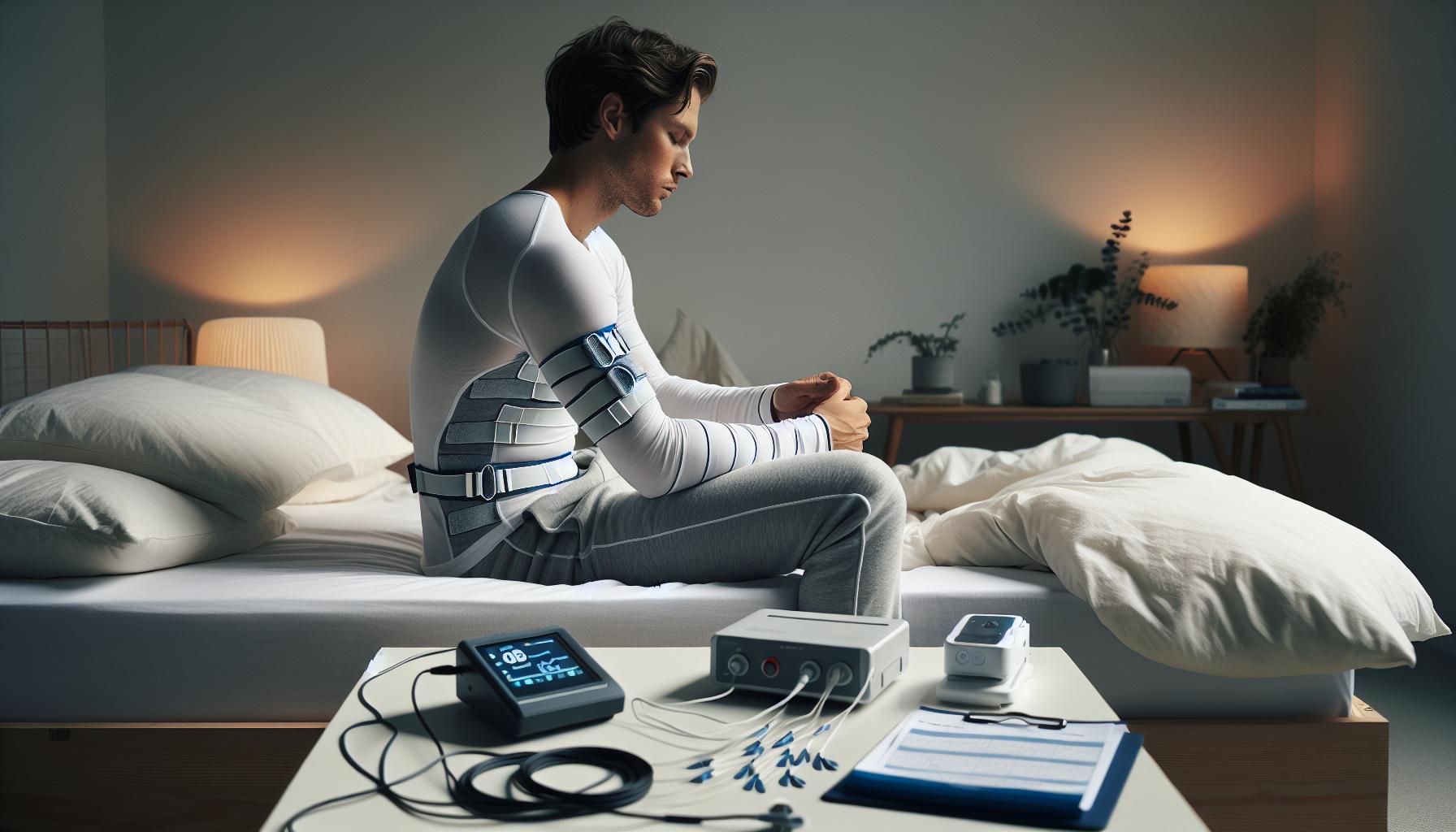
Preparing for your first sleep study can feel daunting, but knowing what to expect can alleviate some anxiety. These evaluations play a crucial role in understanding and diagnosing sleep disorders, so it’s essential to approach them with confidence. Whether you’re participating in an in-lab study or a home sleep test, here’s a step-by-step guide to help you prepare effectively.
To start, consider the logistical aspects of your sleep study. If you’re going to a sleep clinic, plan your visit ahead of time. Make sure you know the date, time, and location of your appointment. If it’s an in-lab study, you might receive specific instructions about what to bring and how to dress. For instance, wearing comfortable, loose-fitting clothing can make the overnight stay more pleasant. For home sleep studies, ensure you have a quiet, comfortable space at home where you can sleep undisturbed.
Next, manage any medications you may be taking. Discuss with your doctor which medications should be continued or paused before the study. Some medications, especially sedatives, can affect your sleep patterns and may need to be adjusted temporarily to ensure accurate results. Also, it’s essential to avoid caffeine and alcohol in the days leading up to your study, as they can interfere with your sleep quality and complicate the results.
Finally, familiarize yourself with how the testing equipment works. For an in-lab study, the technician will attach sensors to monitor various bodily functions, including brain activity, heart rate, and breathing patterns. If you’re doing a home test, you’ll likely wear a portable device that monitors similar parameters. Don’t hesitate to ask your healthcare provider to explain how everything works and what to expect when you’re hooked up to the equipment. Knowing how to properly set up and use any devices for at-home testing can greatly enhance your experience.
By taking these steps, you’ll be well-prepared for your sleep study, setting the stage for accurate results and a clearer understanding of your sleep health.
What to Expect During a Sleep Study Session

A sleep study session is often the key to unlocking the mysteries behind your sleep patterns and potential disorders. Knowing what to expect during this process can significantly ease any anxiety. Whether you find yourself in a sleep lab or utilizing at-home testing equipment, understanding the procedure empowers you to make informed decisions about your sleep health.
Upon arrival at the testing facility or when setting up at home, you’ll typically be greeted by a sleep technician who will explain the process and answer any questions you might have. In an in-lab sleep study, you’ll be shown to a private room designed for comfort. Here, a series of sensors will be attached to your body to monitor crucial data like eye movements, heart rate, breathing, and oxygen levels. It’s not unusual to feel a little self-conscious about these sensors or the setting, but remember that they are essential for obtaining accurate results.
While some individuals worry about falling asleep in an unfamiliar environment, sleep specialists are trained to make you feel as comfortable as possible. For home sleep studies, prepare for a slightly different setup. You will typically receive a portable monitor that may require simple attachments, such as placing a band around your chest or breathing through a nasal cannula. Familiarizing yourself with this equipment beforehand can help streamline the process.
During the night, the equipment will gather data on your sleep stages and any disruptions. A common concern is how well you will sleep with the sensors attached; however, most people are able to drift off and achieve restorative sleep. If you’re worried about waking up during the study, knowing that technicians will be nearby and monitoring your comfort can provide reassurance. After the study is complete, the collected data will help healthcare providers analyze your sleep patterns, leading to more personalized treatment options moving forward.
In summary, whether you’re in a lab or at home, the sleep study experience is designed to be as straightforward and stress-free as possible. Trust that you’re taking important steps towards understanding your sleep health and potential disorders, leading to enhanced overall well-being.
Interpreting Sleep Study Results: Decoding the Data

Decoding the results of your sleep study can feel like unraveling a complex puzzle, but each piece provides valuable insights into your sleep health. During a sleep study, various data points are collected, including brain waves, eye movements, heart rate, respiratory efforts, and blood oxygen levels. Understanding these elements can help clarify the underlying causes of your sleep disturbances, whether they suggest insomnia, sleep apnea, or other disorders.
Key Components of the Results
When interpreting your sleep study results, focus on these critical components:
- Sleep Stages: Sleep is divided into several stages, including REM (Rapid Eye Movement) and non-REM sleep. A healthy sleep cycle alternates through these stages multiple times a night. The duration and distribution of each stage can indicate whether you’re achieving restorative sleep.
- Apneas and Hypopneas: If your study monitored breathing, look for numbers reflecting apnea (a pause in breathing) and hypopnea (shallow breathing). A higher frequency of these events may suggest sleep apnea, which can lead to fragmented sleep and other health issues.
- Oxygen Saturation Levels: Your blood oxygen levels should typically remain above 90% during sleep. Frequent drops (desaturation events) can indicate respiratory problems that warrant further investigation.
- Sleep Latency: This indicates how long it takes you to fall asleep. Long sleep latency can point toward insomnia or other sleep-related issues.
Understanding Your Summary Report
After your sleep study, you will receive a summary report detailing these findings. It can include charts or graphs that visualize your sleep data, making it easier to grasp patterns and anomalies. Remember, it’s vital to discuss these results with your healthcare provider-they can provide context specific to your health history and symptoms.
Practical Steps for Moving Forward
Once you receive your results:
- Follow Up: Schedule a visit with your healthcare provider to go over the findings in detail. Ask questions and express any concerns you might have.
- Consider Treatment Options: Based on the results, your doctor may recommend lifestyle changes, behavioral therapy, or even devices like CPAP for sleep apnea.
- Monitor Future Sleep: Your results can serve as a benchmark. Consider using at-home sleep monitoring devices to track changes over time and gauge the effectiveness of any interventions.
By approaching your sleep study results with curiosity and openness, you can better understand your sleep health and take actionable steps toward improvement.
Common Sleep Disorders Diagnosed by Sleep Studies
Sleep studies are instrumental in diagnosing various sleep disorders, each of which can significantly impact your overall health and quality of life. Understanding these common conditions can help you recognize potential issues and determine whether you should pursue testing.
One of the most prevalent disorders diagnosed through sleep studies is obstructive sleep apnea (OSA). This condition features repeated episodes of complete or partial obstructions of the airway during sleep, leading to interrupted breathing patterns. Symptoms commonly include loud snoring, daytime fatigue, and difficulty concentrating. OSA can increase the risk of serious health issues, including cardiovascular problems and diabetes.
Another significant disorder is insomnia, characterized by difficulty falling asleep, staying asleep, or waking up too early. Sleep studies can reveal the underlying causes of insomnia, such as poor sleep hygiene or psychological factors. Recognizing the specific type of insomnia-whether it’s chronic or acute-can guide effective treatment strategies.
Restless legs syndrome (RLS) and periodic limb movement disorder (PLMD) are also frequently diagnosed through these studies. RLS causes uncomfortable sensations in the legs, often leading to an irresistible urge to move them, which can disrupt sleep. PLMD involves involuntary jerking movements of the limbs during sleep, leading to fragmented rest. Both conditions can contribute to sleep deprivation and subsequent daytime sleepiness.
Lastly, sleep disorders such as narcolepsy, characterized by excessive daytime sleepiness and sudden sleep attacks, can be challenging to diagnose without a sleep study. The data collected during the study helps differentiate narcolepsy from other sleep disorders, ensuring that individuals receive the appropriate treatment.
Recognizing these common sleep disorders not only validates your experiences but also emphasizes the importance of seeking a thorough evaluation. By understanding the signs and symptoms associated with these conditions, you can take proactive steps towards advocating for your sleep health, ultimately leading to improved well-being and quality of life.
Alternatives to Traditional Sleep Studies: Devices and Wearables
Advancements in technology have given rise to a variety of devices and wearables that present practical alternatives to traditional sleep studies. These tools can provide valuable insights into your sleep patterns without requiring you to spend a night in a lab. Many individuals find the idea of sleep studies intimidating, which is where these innovative devices come in handy. They allow for monitoring your sleep in the comfort of your own home while often being more affordable than in-lab studies.
Home sleep monitoring devices come in various forms, including smartwatch applications, fitness trackers, and dedicated sleep tracking devices. These gadgets typically use sensors to track your movement, heart rate, and even breathing patterns while you sleep. Here are some popular options:
- Fitness Trackers: Many fitness bands like Fitbit and Garmin track sleep duration and quality by monitoring your movement and heart rate throughout the night. They provide a basic overview, such as light vs. deep sleep stages.
- Smart Mattresses: Products like Eight Sleep combine a mattress with tracking capabilities, offering comprehensive data on sleep quality, temperature preferences, and even integration with sleep-enhancing features like temperature regulation.
- Dedicated Sleep Monitors: Devices such as the Withings Sleep Analyzer work by placing a pad under your mattress. They collect detailed sleep data, including snoring detection and sleep apnea alerts.
While these wearables offer convenience and user-friendly interfaces, it’s important to remember their limitations. Most consumer devices provide estimations rather than robust medical data you would receive from a polysomnography (PSG) sleep study. If you have persistent sleep issues or suspect disorders like sleep apnea or insomnia, these tools can be a first step but should not replace professional medical advice. They can help you track trends and spark conversations with your healthcare provider, leading to a more informed decision on whether further testing is necessary.
When considering a device, look into factors like cost, ease of use, the specificity of data collected, and compatibility with your smartphone or home automation systems. Throughout this process, maintaining a patient and curious mindset will empower you to find the best tools for your needs, making it a collaborative journey toward better sleep health.
Navigating Insurance Coverage for Sleep Studies
Understanding how insurance coverage works for sleep studies can feel overwhelming, but having the right information can empower you to make informed decisions without the added stress. Many insurance plans do cover sleep studies, especially if they are deemed medically necessary, but coverage specifics can vary widely. It’s essential to check your provider’s terms and conditions regarding sleep studies to avoid unexpected out-of-pocket expenses.
First, contact your insurance company to confirm if sleep studies are covered under your policy. Ask about any prerequisites that might be needed, such as a physician’s referral or an initial consultation with a sleep specialist. You’ll want to gather details about your plan’s deductibles, copayments, and coinsurance related to both in-lab and at-home sleep studies. This information will help you assess the potential costs you might incur.
If your insurance requires prior authorization, be prepared to provide documentation of your symptoms or previous treatment attempts. Keeping a sleep diary for a couple of weeks can solidify your case, showing the frequency and severity of your sleep issues. This evidence could be crucial for obtaining approval for your sleep study.
Additionally, understand that if your plan includes out-of-network benefits, you might have more flexibility in choosing where to get tested. While in-network testing facilities generally result in lower costs, out-of-network options may be necessary if you’re looking for a specialist renowned for treating specific sleep disorders.
To navigate these discussions smoothly, consider preparing a list of questions ahead of your conversations with your insurance representative. Here are a few important ones to include:
- Does my plan require prior authorization for a sleep study?
- Are home sleep tests covered? If so, what are the limitations?
- What percentage of the costs will I be responsible for after my deductible?
By taking these steps and staying informed, you can alleviate some of the anxiety surrounding the financial aspect of sleep studies, allowing you to focus on what truly matters-finding relief and improving your sleep health.
Tips for Reducing Anxiety Before a Sleep Study
Feeling anxious about an upcoming sleep study is completely normal. Understanding what lies ahead can significantly ease your nerves. Most sleep studies involve a range of monitored parameters that can seem intimidating at first. But remember, the goal is to gain insights into your sleep patterns and health, and knowing the process can empower you.
To help mitigate anxiety, start by learning about the environment where your study will take place. If you’re doing an in-lab study, visit the facility beforehand if possible. Familiarizing yourself with the setting can demystify the experience and make it feel more comfortable. For home sleep testing, ensure you understand the equipment involved. Practicing how to set it up in advance can make a huge difference on the night before your study. Be proactive: if you have questions about the monitoring devices or procedures, discuss them with your healthcare provider ahead of time.
Another effective strategy is to incorporate relaxation techniques into your routine leading up to the study. Deep breathing, meditation, or even gentle yoga can reduce stress and prepare your mind for sleep. On the night of your study, maintain your usual bedtime routine as much as possible. This can help signal your body that it’s time to rest, even in a new environment.
Lastly, consider reaching out to others who have undergone a sleep study. Hearing their experiences can provide reassurance and useful tips. Whether through support groups or online forums, you may find comfort in shared experiences. By transforming your anxiety into anticipation and preparation, you can set the stage for a successful and informative sleep study.
How to Set Up Home Sleep Monitoring Devices
Setting up home sleep monitoring devices can initially seem daunting, but the process is straightforward with a little preparation. Understanding how to correctly position and use the device will ensure the accuracy of the data collected and help you feel more comfortable during the process. Most home sleep tests generally involve wearable devices or portable monitors that track your sleep patterns, breathing, heart rate, and other vital signs.
To get started, follow these key steps to ensure proper setup:
1. Get Familiar with Your Device
Before the night of the study, read the user manual thoroughly. Familiarize yourself with all components, including sensors, straps, and any other items included in the kit. Watch any instructional videos if available; visual aids can often make it easier to understand how to use the device effectively.
2. Prepare Your Sleep Environment
Ensure that your sleeping space is conducive to monitoring. The area should be dark, quiet, and at a comfortable temperature. Avoid using electronic devices like phones or tablets that can emit light and distract you from sleeping. It’s also a good idea to keep your bedroom free of clutter to avoid tripping hazards while moving around to set up your device.
3. Set Up the Device
Follow these general installation steps, which typically apply regardless of the specific device you’re using:
- Position the Sensors: Attach any wristbands or headbands according to the provided instructions. Make sure that sensors that monitor heart rate or blood oxygen levels are snug but not uncomfortable.
- Connect to Power: If required, plug in the device or ensure that rechargeable batteries are fully charged before your sleep session.
- Sync with Your App: Many modern sleep monitors come with mobile applications. Ensure your device is paired correctly with your phone or tablet, and double-check that it is configured to record during the night.
4. Test the Setup
Do a trial run a few days before your monitoring night. Wear the device for a short period during the day to ensure it’s functioning correctly. This will help you become accustomed to how it feels and confirm that all parts are working.
Taking these steps will not only prepare you for a successful sleep study but also enhance the quality of the data gathered. Remember that accurate data is key to diagnosing potential sleep disorders, providing valuable insights into your sleep health. Don’t hesitate to contact your healthcare provider with any doubts or concerns about the device you’re using. With some patience and practice, you’ll feel more at ease, and your home sleep study can yield important information about your sleep patterns.
Troubleshooting Common Sleep Study Issues
Experiencing issues during your sleep study can be frustrating, but many common problems have straightforward solutions. Being prepared to confront these challenges can not only enhance the effectiveness of your study but also alleviate some of the anxiety that often accompanies the process. Whether you’re using a home monitoring device or undergoing an in-lab study, here are some typical troubleshooting scenarios you might encounter.
Device Discomfort
If your sleep monitoring device feels uncomfortable, it’s essential to adjust it properly. Make sure that any straps or sensors are positioned snugly but not tightly; discomfort might keep you from falling asleep. Try repositioning sensors, particularly those worn on the head or wrist. Furthermore, if the device is too bulky, consider wearing it during the day for a short period to acclimatize yourself before the actual study night.
Data Collection Issues
Sometimes devices fail to record data accurately due to poor connections or dead batteries. Ensure all components are connected properly and that batteries are charged if applicable. If your device has Bluetooth capabilities, check that it is synced with your smartphone app correctly. Regularly verifying this connection can help prevent data loss during the night of the study.
Sleep Environment Disruptions
Your sleep environment plays a crucial role in the effectiveness of your study. If background noise or light disrupts your sleep, consider using blackout curtains and white noise machines to create a more conducive atmosphere. Setting your bedroom to a comfortable temperature can also enhance your chances of falling asleep naturally.
Technical Support
If you encounter persistent problems that you cannot resolve, don’t hesitate to reach out for help. Most home monitoring devices come with user support, and the professionals at sleep centers can provide assistance with in-lab studies. They can troubleshoot over the phone or guide you through any necessary adjustments to ensure that your study yields accurate results.
Navigating these challenges is part of the process, but with the right preparation and awareness, you can enhance your sleep study experience and ensure you gather the most useful data for assessing your sleep health.
When to Seek a Professional Sleep Study: Red Flags
If you frequently wake up feeling unrefreshed, struggle to stay awake during the day, or experience other concerning symptoms, it may be time to consider a professional sleep study. Certain indicators can serve as crucial red flags, prompting you to seek expert evaluation. Recognizing these signs early can lead to timely intervention, potentially preventing long-term health issues.
- Chronic Fatigue: If daytime tiredness interferes with your daily activities or productivity, this is a clear signal. Complaints of persistent fatigue despite a regular sleep schedule can reveal deeper issues.
- Snoring or Gasping: Loud snoring or episodes where you stop breathing during sleep (apnea) is not just disruptive; it can signify obstructive sleep apnea, which requires immediate attention.
- Restless Sleep: Frequent awakenings, restlessness, or feelings of not having slept well can indicate conditions like insomnia or restless legs syndrome (RLS). If these symptoms persist, a sleep study can help determine underlying causes.
- Mood Changes: Increased irritability, anxiety, or depression linked to poor sleep quality may suggest a psychological component that necessitates professional evaluation.
While home sleep tracking devices can provide insight into your sleep patterns, they have limitations and may not offer a complete picture. Professional sleep studies, such as polysomnography conducted in a sleep lab, can monitor various physiological parameters during sleep, providing a comprehensive analysis. The diagnostic information gleaned from these studies can guide effective treatment plans tailored to your needs.
If you find yourself struggling with any combination of these issues, take a proactive approach. Consult your healthcare provider about the possibility of undergoing a formal sleep study. Seeking help sooner rather than later can set you on a path toward restorative sleep and better overall health.
Frequently asked questions
Q: What should I do before a sleep study?
A: Before a sleep study, consult with your doctor about any medications you take and any sleep-related symptoms you’re experiencing. You may also need to avoid caffeine and alcohol for 24 hours prior to the study. Understanding what to expect can help ease your anxiety on the night of the test.
Q: How long does a sleep study take?
A: A typical sleep study lasts between 6 to 8 hours, usually overnight. In some cases, daytime naps may also be involved when assessing sleep disorders. Ensure you come prepared for a full night’s sleep in the testing environment to get accurate results.
Q: What are the most common sleep disorders diagnosed through sleep studies?
A: Common sleep disorders diagnosed via sleep studies include sleep apnea, insomnia, restless legs syndrome, and narcolepsy. Identifying the specific disorder often depends on monitoring the patient’s sleep patterns and physiological responses throughout the night.
Q: Can I bring personal items to a sleep study?
A: Yes, you can bring personal items such as pajamas, toiletries, and any necessary medications. Having familiar items can create a more comfortable environment. However, avoid bringing electronics to minimize distractions while you sleep.
Q: How do I interpret my sleep study results?
A: Sleep study results are typically interpreted by a sleep specialist. They will analyze key metrics such as brain activity, oxygen levels, heart rate, and breathing patterns. Discuss the findings to understand what they mean for your sleep health and treatment options.
Q: Are there alternatives to traditional overnight sleep studies?
A: Yes, home sleep monitoring devices are a popular alternative. These devices can track sleep patterns and detect issues like sleep apnea in a home environment, but they may not provide as comprehensive data as an in-lab sleep study.
Q: What are common troubleshooting tips for sleep study issues?
A: Common issues during sleep studies might include discomfort from sensors, difficulty falling asleep, or environmental noise. To troubleshoot, ask about adjusting the setup to reduce discomfort and ensure the testing area is quiet.
Q: What if I have anxiety about my sleep study?
A: If you’re experiencing anxiety about your sleep study, talk to your provider about it. They may offer relaxation techniques or medications to help you feel calm. Understanding the process can also reduce nervousness prior to the study.
To Wrap It Up
As you embark on your journey to better sleep through a sleep study, remember that understanding your options is the first step toward achieving restful nights and improved health. Whether you choose at-home testing or an in-lab study, each method provides valuable insights into your sleep patterns. Don’t hesitate-your path to better sleep is just a click away! Explore our in-depth guides on sleep disorders and wearable sleep tech to help you make informed decisions.
Feeling overwhelmed? That’s completely normal. You can reach out for personalized advice or subscribe to our newsletter for ongoing support and tips. Your sleep matters, and by taking action today, you’re one step closer to peaceful nights. Check out our resources on insurance navigation for sleep studies and ensure you have all the tools you need. Let’s make sleep health a priority together-your well-being deserves it!
Get our latest guides, news, and insights highlighted in your Google Search & AI Overviews.