
Struggling with insomnia can feel isolating, leaving you questioning why restful sleep seems just out of reach. You’re not alone-many individuals find themselves trapped in a cycle of sleepless nights and groggy days. Understanding how to conduct a sleep study is essential for uncovering the underlying issues behind your insomnia. In this guide, we will walk you through the process of testing when sleep evades you, simplifying complex terms like polysomnography and highlighting wearable options that can aid your journey. By exploring these methods, you can make informed decisions about your sleep health, learn what to expect during a study, and ultimately discover the solutions that can lead you to the restorative sleep you deserve. Keep reading to empower yourself with knowledge that can transform your nights and improve your overall well-being.
Understanding Sleep Studies: What to Expect
Understanding sleep studies can significantly ease the concerns of those struggling with insomnia. Many individuals fear the unknown when it comes to these tests, but knowing what to expect can empower you to approach the process with confidence. Sleep studies, particularly polysomnography, are designed to monitor your sleep patterns meticulously, helping specialists diagnose sleep disorders effectively. Typically, these studies collect data on brain waves, oxygen levels, heart rate, and breathing while you sleep, all of which contribute to a clearer understanding of your sleep health.
When preparing for a sleep study, you’ll be briefed on how to maximize the effectiveness of the test. Expect to arrive at a sleep center in the evening, where you’ll be greeted by technicians who will explain the process and ensure you feel comfortable. You’ll be asked to fill out medical questionnaires, which help tailor the study to your specific needs. Once you’re settled into your room, small sensors will be placed on your scalp and body to monitor various physiological parameters throughout the night. Many participants find this setup surprisingly comfortable, and it’s beneficial to focus on relaxation techniques to ease any anxiety about the wires and equipment.
In recent years, the expansion of at-home sleep tests has provided greater accessibility for those hesitant to undergo a traditional in-lab study. These tests can evaluate conditions like obstructive sleep apnea and provide valuable insights into your sleep quality in a familiar setting. However, it’s essential to understand that while at-home tests offer convenience, they may not capture the full spectrum of sleep disorders as comprehensively as in-lab tests do. It’s wise to consult with a healthcare provider about the best option for your specific circumstances.
Ultimately, expect a thorough review of your sleep patterns and health history following the study. Results typically take a few days to process, and a follow-up appointment will allow you to discuss your outcomes and explore potential treatments. This journey may feel daunting, but with the right knowledge and support, you can navigate sleep studies effectively and take pivotal steps toward better sleep health.
Types of Sleep Studies for Insomnia
Many people suffering from insomnia may wonder what types of sleep studies are available to help diagnose their condition and lead to effective treatment options. Understanding the different types can significantly alleviate anxiety and empower you to make informed decisions about your sleep health.
One of the primary types of sleep studies is polysomnography. This comprehensive test is often considered the gold standard for diagnosing sleep disorders, as it measures a variety of physiological parameters during sleep, including brain waves, oxygen levels, heart rate, and breathing patterns. Typically conducted overnight in a sleep lab, polysomnography provides detailed insights that help clinicians pinpoint specific issues contributing to your insomnia, such as sleep apnea or restless legs syndrome.
In recent years, the advent of home sleep tests has made it easier for those who might feel uncomfortable in a lab setting to evaluate their sleep patterns. These tests often focus primarily on detecting obstructive sleep apnea and can be set up in the comfort of your own home. While they lack the comprehensive data captured in a lab setting, home sleep tests can still provide useful information regarding your sleep quality and respiratory patterns. It’s crucial, however, to discuss with your healthcare provider whether a home test is appropriate or if a more thorough polysomnography is warranted based on your symptoms.
Actigraphy is another option available for monitoring sleep. In this study, a small device, typically worn on the wrist, tracks your movements during the night, helping to infer sleep patterns. This method is particularly useful for assessing sleep over an extended period and can help track the effectiveness of lifestyle changes or interventions introduced for insomnia.
A variety of wearable devices and sleep-tracking apps have also gained popularity for those looking to monitor their sleep more casually. While these technologies can provide valuable insights, it’s important to remember that they may not be as accurate as clinical tests. Using them in conjunction with regular sleep hygiene practices could enhance your understanding of your sleep habits, but they shouldn’t replace professional evaluations when serious sleep issues are suspected.
Ultimately, knowing the types of sleep studies available allows you to have more meaningful conversations with your healthcare provider and helps you choose the best option to diagnose your insomnia effectively. It’s not just about the study itself but understanding how each method can lead to improved sleep health.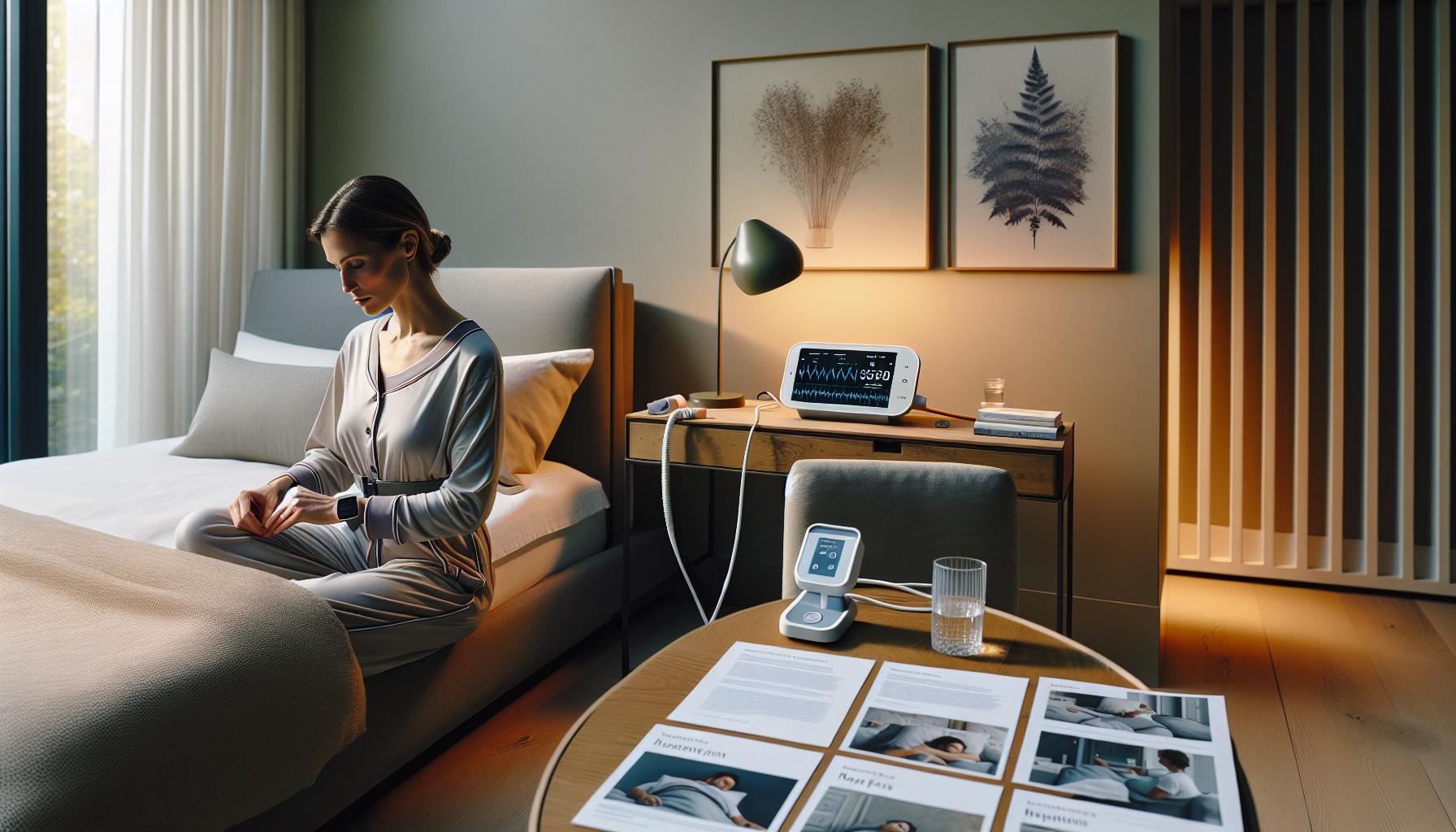
Preparing for Your Sleep Study Night
On the night of your sleep study, preparation can significantly enhance the experience and the efficacy of the results. Understanding some essential steps and insights can help transform what might feel like an intimidating situation into a manageable one.
First, familiarize yourself with the logistics of your study. Whether you’re going to a sleep clinic or conducting an at-home sleep test, ensure you know what time to arrive, where to go, and how long the study will last. If you’re heading to a lab, most facilities provide a tour before the actual test, which can ease anxiety. It’s also helpful to understand that these environments are designed to be as comfortable as possible, even as they monitor your sleep patterns.
Practical Steps for Preparation
What to Bring:
- Bring comfortable pajamas or clothing that you can sleep in. The goal is to stay relaxed, so wear something that feels good.
- If you have any personal items that will help you feel more at home, such as a favorite blanket or pillow, don’t hesitate to bring those along.
What to Avoid:
- Avoid caffeine and alcohol on the day of your study. Both substances can disrupt your sleep patterns and may skew results.
- Medications can affect sleep; ask your healthcare provider which ones you should take as usual or avoid before the study.
Pre-Sleep Routine:
- Stick to your normal bedtime routine if possible. Engage in calming activities such as reading or gentle stretching to help your body wind down.
- Arrive at the lab on time to allow for the setup process, which involves attaching sensors that will monitor your sleep stages and bodily functions.
Device Setup and Understanding
If you’re conducting a home sleep test, ensure that you understand how to set up the equipment. Here’s a quick checklist to guide you:
- Read the Instructions: Familiarize yourself with the equipment and how to wear it properly.
- Practice Setting Up: If possible, set it up a day early to troubleshoot any issues.
- Check for Comfort: Make sure any straps or sensors are snug but not uncomfortable.
This preparation not only helps boost your confidence but also aids healthcare professionals in gathering the most accurate data to diagnose any issues you might be facing. The information collected can pave the way for recommended solutions tailored to your specific needs. Ultimately, being informed and prepared can help transform an anxious night into an insightful experience that aids in your journey to better sleep.
Common Sleep Disorders and Testing Methods
Recognizing the signs of sleep disorders is crucial for anyone struggling with insomnia, as various conditions can significantly affect sleep quality. Common sleep disorders include *insomnia*, *sleep apnea*, and *restless leg syndrome*, each requiring distinct approaches for assessment and diagnosis. Understanding these disorders and how they are tested can empower individuals to seek the help they need for better sleep.
Insomnia and Testing Methods
Insomnia is characterized by difficulty falling asleep, staying asleep, or waking up too early. The assessment typically involves a detailed sleep history taken through questionnaires or sleep diaries, which help document sleep patterns over several weeks. While subjective assessments are beneficial, a sleep study may also be recommended, particularly if insomnia is suspected to be related to other sleep disorders like sleep apnea.
Sleep Apnea Diagnosis
Sleep apnea is a condition defined by repeated interruptions in breathing during sleep, often accompanied by loud snoring. The most definitive way to diagnose sleep apnea is through polysomnography (PSG), an overnight sleep study that monitors various body functions, including brain activity, eye movements, heart rate, and oxygen levels. This method provides comprehensive insights into sleep stages and can help identify episodes of apnea that contribute to insomnia.
Restless Leg Syndrome and Other Disorders
Restless leg syndrome (RLS) causes uncomfortable sensations in the legs, leading to an irresistible urge to move them, especially at night. Diagnosis primarily depends on a medical history review and may involve overnight monitoring to observe leg movements and sleep disruptions. Other conditions like narcolepsy or circadian rhythm sleep disorders can also be evaluated through similar sleep studies.
Wearable Devices and At-Home Tests
With advancements in technology, at-home sleep tests and wearable devices have become popular alternatives for monitoring sleep. These tools can provide useful data about sleep patterns and disturbances but often lack the comprehensive insights that professional sleep studies offer. Consumers should weigh the pros and cons: while they can be less invasive and more convenient, they may not capture all the necessary data needed for an accurate diagnosis.
Choosing the right testing method for your specific situation is essential. If simple sleep tracking doesn’t alleviate your concerns, it might be time to consult a sleep specialist. Whether you opt for an at-home test or a comprehensive sleep study, being informed about your options can lead to more effective treatment and significantly improved sleep quality.
Polysomnography: The Gold Standard Explained
Polysomnography, often referred to as a sleep study, is considered the gold standard for diagnosing sleep disorders, including insomnia. This comprehensive overnight examination allows healthcare professionals to capture various physiological parameters while you sleep, providing crucial insights into your sleep patterns and overall health. During the study, a technician will place sensors on your scalp, face, chest, and limbs to monitor brain waves, breathing, heart rate, and movements. Many people find the idea of a sleep study intimidating, but understanding what to expect can alleviate much of that anxiety.
What to Expect During a Polysomnography
When you arrive for your sleep study, you will be welcomed into a comfortable, specially designed sleep room. Before the study begins, a technician will explain the setup process, which typically takes about 30 minutes. They will attach small electrodes and sensors to your skin, which may feel slightly uncomfortable but are generally painless. Then, you can unwind in a bed similar to what you would find at home, and much of the study will occur in your natural sleep environment.
Key elements monitored during polysomnography include:
- Brain wave activity: to determine different sleep stages
- Oxygen levels: to check for breathing issues during sleep
- Heart rate: to monitor cardiovascular health
- Eye movements: to analyze REM sleep
- Leg movements: to check for conditions like restless leg syndrome
The data collected allows specialists to identify issues affecting your sleep quality and provide a clear diagnosis.
Interpreting the Results
Once the study is complete, a sleep specialist will analyze the data. The findings help determine not only if insomnia is present but also if other conditions, such as sleep apnea or periodic limb movement disorder, complicate your sleep issues. Typically, results are available within a week, and your doctor will discuss the implications during a follow-up appointment. This structured evaluation process not only leads to understanding your insomnia but also aids in creating a tailored treatment plan based on specific findings.
While polysomnography is considered the most informative method for diagnosing sleep disorders, it’s essential to approach it with an open mind. Knowing the procedure details can transform apprehensive feelings into proactive participation in your sleep health journey. If you experience persistent insomnia or related issues, discussing the possibility of a polysomnography with your healthcare provider could be a pivotal step toward better sleep.
At-Home Sleep Tests: Pros and Cons
At-home sleep tests have gained popularity as an accessible alternative to traditional in-lab polysomnography, especially for individuals struggling with insomnia. One major draw of these tests is the convenience they offer-you can conduct them in the comfort of your own bed. This setting may help alleviate some of the anxiety associated with sleeping in an unfamiliar environment, potentially leading to more natural sleep patterns that can yield more accurate results. However, while they offer a host of advantages, there are also important considerations to weigh.
Pros of At-Home Sleep Tests
- Convenience: You don’t have to travel to a sleep lab, and you can complete the test in your familiar sleep setting.
- Cost-Effectiveness: At-home tests are often less expensive than in-lab studies, making them a budget-friendly option for many.
- Simple Setup: Many at-home devices are designed for user-friendliness, enabling you to get started with minimal setup hassle.
- Immediate Insights: Some devices provide preliminary feedback on your sleep patterns, helping you identify potential issues sooner.
Cons of At-Home Sleep Tests
While at-home tests have their advantages, they also come with drawbacks that may impact their effectiveness in diagnosing sleep disorders.
- Limited Data: At-home tests may not measure as many parameters as polysomnography, potentially missing critical information needed for a comprehensive diagnosis.
- Less Clinical Oversight: Without a technician monitoring the test, there is a risk of improper sensor placement or other user errors that could skew results.
- Interpretation Challenges: Analyzing the data collected from home tests may require a higher degree of medical knowledge, which can lead to misinterpretations if not followed up with a specialist.
- Not Suitable for All Conditions: For complex sleep disorders or when multiple issues may be present, an in-lab study is often necessary to gather the most accurate and comprehensive data.
As you consider whether an at-home sleep test is right for you, think about your specific situation and discuss options with your healthcare provider. This conversation can help determine the best approach based on your symptoms and overall health, ensuring that you receive the most effective evaluation for your insomnia and sleep health concerns.
Wearable Devices for Monitoring Sleep
Wearable devices have become a popular choice for monitoring sleep, offering a convenient, accessible way to gain insights into your sleep patterns without the need for in-lab testing. These gadgets, ranging from smartwatches to dedicated sleep trackers, can provide valuable information, especially for those struggling with insomnia. With their capability to track metrics such as sleep duration, sleep stages, heart rate, and movement, wearables allow users to get a preliminary understanding of their sleep health.
One of the standout features of wearable devices is the ease of use they offer. Most can be worn overnight without disrupting your normal routine, eliminating the anxiety that sometimes accompanies unfamiliar sleep environments like sleep labs. To get started, simply charge the device, wear it according to the manufacturer’s instructions, and sync it with a companion app to analyze the data. Many devices also allow you to set sleep goals, which can help foster positive sleep habits gradually.
However, it’s important to approach the data from these devices with a degree of caution. While wearables can effectively monitor basic sleep metrics, they may lack the precision and comprehensiveness of polysomnography, a gold standard in sleep studies. For instance, a wearable may not accurately capture REM sleep or certain sleep disturbances due to their limited monitoring capabilities. Additionally, the quality of data can vary significantly between devices, making it crucial to do your research before purchasing.
Here’s a quick comparison of some popular wearable sleep devices:
| Device | Key Features | Estimated Cost |
|---|---|---|
| Fitbit Charge 5 | Heart rate, sleep stages, SpO2 monitoring | $149.95 |
| Oura Ring | Advanced sleep staging, body temperature, HRV | $299 |
| Apple Watch Series 7 | Sleep tracking, sleep alerts, ECG | $399 |
Ultimately, while wearable devices can provide helpful insights into your sleep habits, they are not a replacement for professional sleep evaluations when serious sleep concerns arise. Always consider reaching out to a sleep specialist if sleep issues persist, especially if you’re experiencing severe insomnia or other related disorders. Taking a holistic approach by combining wearable data with professional insights can empower you to make well-informed decisions about your sleep health.
Insights from Sleep Tracking Apps
Sleep tracking apps have emerged as valuable tools for individuals dealing with insomnia, providing insights that can illuminate patterns often unnoticed in daily life. They allow users to monitor their sleep cycles, duration, and even the quality of their rest-all from the comfort of their own bed. Unlike traditional sleep studies, using an app can feel less intimidating, making it a perfect first step for those hesitant about in-lab testing. Many sleep apps are designed to seamlessly integrate with your smartphone, making setup easy; typically, you just download the app, set it up with your preferences, and place your phone next to your pillow.
One notable benefit of using sleep tracking apps is the diversity of features available. Most apps offer clear visualizations of your sleep patterns through graphs and charts, helping you easily identify trends over time. Common metrics include total sleep duration, sleep efficiency, and the amounts of deep and REM sleep. Some apps even incorporate relaxation techniques, such as guided meditations or soothing sounds, to aid in falling asleep, which can be especially beneficial in managing anxiety related to insomnia. Furthermore, many of these applications come with educational resources that explain various sleep stages and their importance, empowering users with knowledge about their sleep health.
Despite their advantages, it’s essential to approach the data from these apps with a critical mindset. While they can provide valuable insights, the accuracy of the data can vary significantly. Unlike the detailed monitoring performed in polysomnography-the gold standard for sleep studies-most apps rely on motion or sound detection to track sleep. This means that nuances, such as minor awakenings or specific sleep disorders, may not be accurately captured. Thus, while apps can help signal when there might be a problem and track generally how well you are sleeping, they should not replace professional evaluations. If patterns indicate significant sleep issues or if you’re experiencing persistent insomnia, it may be time to consult a sleep specialist for a more comprehensive analysis.
Ultimately, combining the information gathered from a sleep tracking app with insights from a healthcare provider can guide you toward making informed decisions about your sleep health. Engaging with both technology and professional guidance can empower you to take your sleep quality into your own hands.
Navigating Insurance for Sleep Studies
Navigating the maze of insurance for sleep studies can be daunting, especially when you’re already dealing with the stress of insomnia. Understanding your coverage is essential not only for financial reasons but also for ensuring you get the right diagnostic tests. Start with a few key steps to streamline the process.
First, contact your insurance provider to discuss specific coverage for sleep studies. Questions to ask include:
- Is a referral from a primary care doctor required?
- Are both in-lab and home sleep tests covered?
- What are the co-pays or deductibles associated with the test?
- Are there specific facilities or providers you must use?
Understanding these details up front helps avoid unexpected costs later on.
Next, get familiar with coding information, as sleep studies are often billed under different codes, depending on the method used. For instance, Polysomnography (PSG) is typically billed under a specific code, while at-home tests might have a different one. Ensure your healthcare provider uses the correct codes when submitting claims.
It’s also wise to document everything, including dates of your discussions with the insurance company and notes from your healthcare provider. This way, if there are any disputes over claims, you have a clear record to refer back to. Should your claim be denied, don’t be discouraged. Review the denial reason-your insurance provider is required to send you this information-and consider appealing their decision if you believe the study was warranted.
Finally, explore any payment plans or financial assistance options your sleep center may offer. Many facilities understand that sleep studies can be a financial burden and may provide flexible payment arrangements.
In the end, a proactive approach can ease the financial stress of seeking help for insomnia. By understanding your insurance coverage, clarifying the process, and being prepared, you empower yourself to focus on what really matters-finding a path to better sleep.
How to Interpret Your Sleep Study Results
Understanding the results of your sleep study can feel overwhelming, but breaking it down into key components can make it much easier to grasp. The ultimate goal of a sleep study is to provide insight into your sleep patterns and help identify any potential disorders affecting your rest. After your sleep study, you will receive a report detailing various metrics such as the duration of sleep, sleep stages, and any interruptions that occurred throughout the night.
Key Metrics Explained
Your sleep study results will include several important metrics, and understanding these can provide clarity on your sleep health. Here are some key components you might encounter in your report:
- Total Sleep Time (TST): This represents the total amount of time you spent asleep during the study. It can help assess if you’re getting enough restorative sleep.
- Sleep Latency: This measures how long it took you to fall asleep. Extended sleep latency can signify insomnia or other sleep-related issues.
- Sleep Efficiency: This percentage measures the ratio of time spent asleep to the total time spent in bed. A lower percentage may indicate difficulties in falling asleep or staying asleep.
- Sleep Stages: The report will break down the various stages of sleep-light sleep, deep sleep, and REM sleep. Each stage serves a different purpose, and disturbances in these patterns can affect overall sleep quality.
- Apnea-Hypopnea Index (AHI): For those undergoing studies for sleep apnea, this index indicates the severity of the condition by counting the number of apneas and hypopneas per hour of sleep.
Understanding these metrics not only provides insight into your sleep quality but can also guide treatment options moving forward.
Discussion with Your Healthcare Provider
Once you receive your report, scheduling a follow-up appointment with your healthcare provider is essential. They can help you interpret the findings in the context of your specific symptoms and medical history. This discussion is crucial for developing an effective treatment plan, which may include lifestyle changes, cognitive behavioral therapy for insomnia, or further testing if necessary.
Remember, interpreting sleep study results is a process, and your healthcare provider is there to support you in understanding every detail. Don’t hesitate to ask questions about anything that feels unclear; your peace of mind is paramount as you embark on your journey to better sleep.
When to Seek a Sleep Specialist
If you’re struggling with insomnia, knowing when to seek the help of a sleep specialist can be a crucial step toward reclaiming restful nights. Many individuals experience occasional sleeplessness, but persistent issues like difficulty falling asleep, frequent awakenings, or restless leg symptoms may indicate that professional guidance is necessary. Ignoring these symptoms can lead to serious health consequences, such as increased stress levels, impaired cognitive function, and a negative impact on overall well-being.
It’s advisable to consult a sleep specialist if you’ve tried common remedies-such as sleep hygiene practices, over-the-counter sleep aids, or relaxation techniques-without success. Look for signs that your sleep problems are affecting your daily life, like difficulty concentrating at work or increased irritability. These are indicators that a deeper issue might be at play, such as sleep apnea, restless leg syndrome, or other sleep disorders that require specialized assessment and treatment.
When you do decide to seek help, prepare to share specifics about your sleep patterns and any lifestyle factors contributing to your insomnia. Your sleep specialist may recommend a sleep study, which could involve either in-lab polysomnography or an at-home testing device. Understanding what to expect during the evaluation can ease anxiety and help you prepare mentally, ensuring a smoother experience. For example, knowing that a polysomnography test will monitor various biometric signals-including brain waves, oxygen levels, and heart rate-can help demystify the process.
Ultimately, taking steps to address long-term sleep disturbances by contacting a sleep specialist can set you on a path to improved health and well-being. Engaging with a professional not only facilitates the identification of underlying issues but also provides access to tailored treatments that can significantly enhance your quality of sleep and life. Don’t hesitate to reach out for help; restful nights are within your reach.
Coping with Anxiety Before Your Sleep Study
An upcoming sleep study can feel overwhelming, especially if you’re already grappling with insomnia. It’s not just about the concerns regarding your sleep but also the environment and procedures involved in the testing. Understanding these factors can significantly reduce anxiety and better prepare you for the night ahead.
To ease your worries, familiarize yourself with what will happen during the sleep study. If it’s in a lab, you’ll typically arrive in the evening, and after a brief orientation, you’ll be shown to a comfortable room designed to resemble a bedroom. Doctors will attach sensors to monitor your brain waves, heart rate, and breathing. Being aware of these steps can help demystify the process. If you opt for at-home testing, knowing the setup details will further bolster your confidence. The devices are user-friendly, and instructions are generally clear, making the process less daunting.
It’s also beneficial to practice relaxation techniques leading up to your sleep study night. Consider methods such as deep breathing, meditation, or even gentle yoga. These practices can help calm your mind and prepare your body for sleep, making it easier to settle down in an unfamiliar environment. Staying informed and practicing stress-relief techniques can transform apprehension into empowerment, giving you more control over your sleep journey.
Lastly, remember that you’re taking a proactive step towards better sleep health by participating in a sleep study. It’s an opportunity to gain insights into your sleep patterns and to identify any underlying issues that may be causing your insomnia. Approach the study with a positive mindset, focusing on the potential for improved rest and overall well-being.
FAQ
Q: What should I do to prepare for my sleep study if I have insomnia?
A: To prepare for your sleep study, avoid caffeine and alcohol 24 hours prior. Keep a sleep diary before your appointment, noting sleep patterns and any medications. Wear comfortable clothing and bring necessary items like toiletries. For detailed preparation tips, see our section on *Preparing for Your Sleep Study Night*.
Q: How does insomnia affect the results of a sleep study?
A: Insomnia can influence sleep study results by showing fragmented sleep patterns and prolonged awake periods. This can complicate diagnosis but is crucial for assessing the severity of your insomnia. Wearable health devices can also help track sleep quality during this time.
Q: Are at-home sleep tests reliable for diagnosing insomnia?
A: Yes, at-home sleep tests can be reliable for diagnosing insomnia, especially if you have mild symptoms. They monitor key metrics like sleep duration and interruptions, which provide helpful insights. For a closer look at pros and cons, refer to our *At-Home Sleep Tests* section.
Q: What can I learn from tracking my sleep using wearable devices?
A: Wearable devices can provide valuable data on sleep stages, duration, and disturbances. This information helps identify patterns and triggers of insomnia, making it easier to adjust your habits. Explore our insights on *Wearable Devices for Monitoring Sleep* for more details.
Q: How can I cope with anxiety before my sleep study?
A: To cope with anxiety before a sleep study, practice relaxation techniques such as deep breathing or meditation. Discuss your concerns with your doctor to alleviate worries. For additional strategies, check our section on *Coping with Anxiety Before Your Sleep Study*.
Q: What is polysomnography, and why is it important for insomnia testing?
A: Polysomnography is a comprehensive sleep study that records brain waves, oxygen levels, heart rate, and breathing. It’s crucial for diagnosing sleep disorders like insomnia by providing a detailed view of your sleep patterns and quality. Learn more about it in our *Polysomnography: The Gold Standard Explained* section.
Q: How can I interpret my sleep study results to manage insomnia?
A: Interpret your sleep study results by focusing on factors like sleep efficiency, stages, and any interruptions. Discuss these findings with your sleep specialist for tailored management strategies. For interpretation tips, see our section on *How to Interpret Your Sleep Study Results*.
Q: When is it suitable to seek a sleep specialist for insomnia issues?
A: Consider seeking a sleep specialist if insomnia persists despite home remedies, significantly affects your daily life, or is accompanied by other symptoms like snoring or breathing difficulties. For guidance on when to get help, refer to our section, *When to Seek a Sleep Specialist*.
To Conclude
Now that you understand how to navigate a sleep study for insomnia, it’s time to take action. Remember, sleep studies are valuable tools in diagnosing sleep disorders, which can significantly improve your sleep quality and overall health. Don’t hesitate to reach out to a healthcare provider to discuss your symptoms and the potential for a sleep study. If you’re curious about what to expect during this process or want to explore other effective sleep solutions, check out our articles on sleep deprivation and sleep disorders for further insights.
Need more help? Join our newsletter to stay updated on the latest sleep health tips and resources, or explore practical guides on sleep tracking devices and insurance navigation. Your journey to better sleep starts now-take the first step today and ensure you’re on the path to restoring your sleep wellness. Feel free to leave a comment below if you have questions or want to share your experiences! Remember, better sleep is within your reach.
Get our latest guides, news, and insights highlighted in your Google Search & AI Overviews.