
In today’s fast-paced world, getting quality sleep is more important than ever, as it directly impacts your mood, energy levels, and overall health. With the rise of sleep tracking smartwatches, understanding what to look for when choosing one can significantly enhance your sleep experience. These devices offer insights into your sleep patterns, helping you optimize rest for better daily performance. However, navigating the myriad of features and claims can be overwhelming. This buyer’s guide will clarify what you need to consider, from essential functionalities to budget-friendly options, empowering you to make an informed decision that aligns with your health goals. Read on to discover how the right smartwatch can help you achieve the restful sleep you deserve.
Factors to Consider When Choosing Sleep Trackers
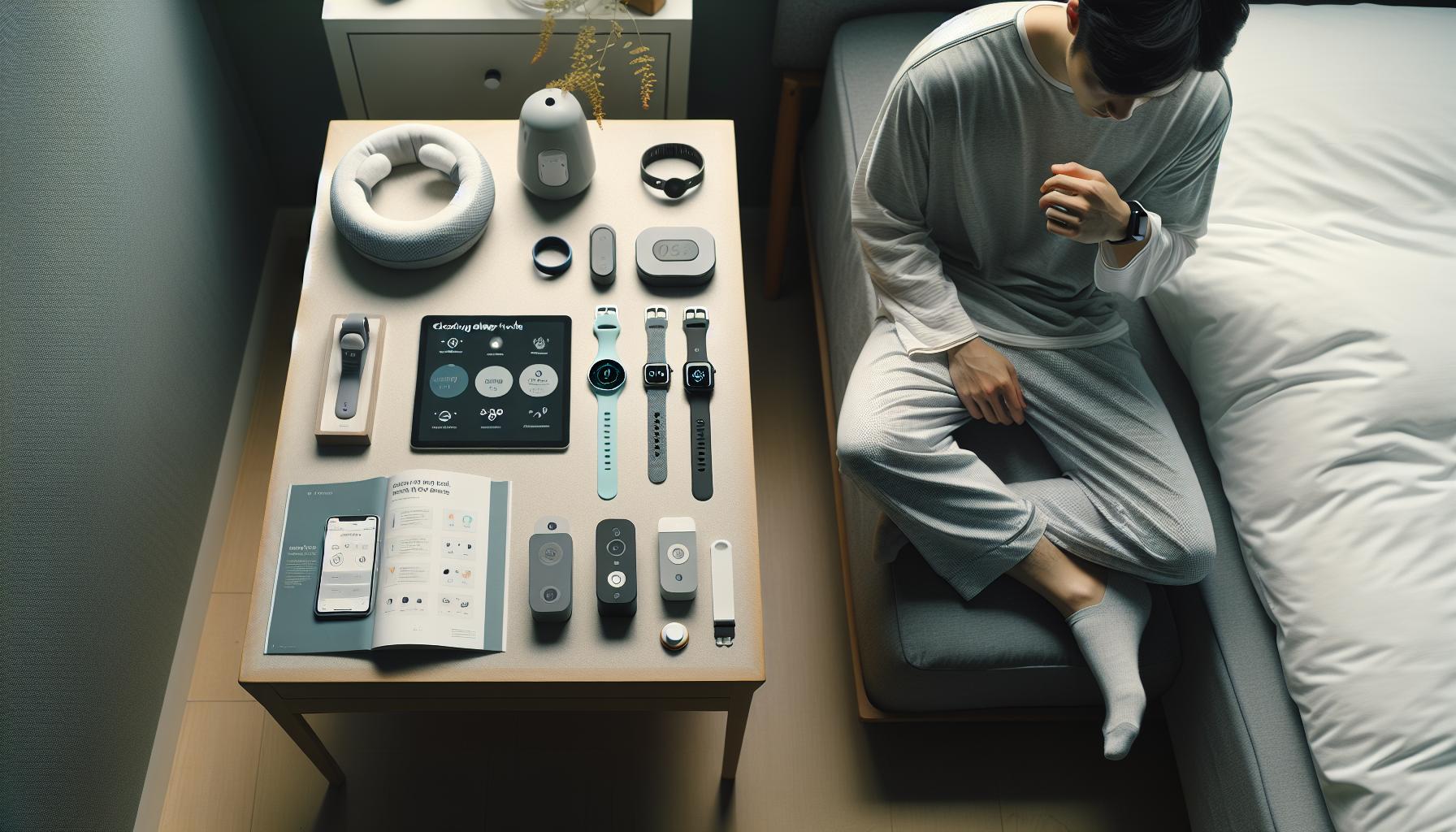
When it comes to selecting the right sleep tracker, understanding the variety of features available can significantly impact your sleep quality and overall health. Not all devices are created equal, and choosing the wrong one can lead to frustration rather than improvement. Key factors you should take into account include accuracy, comfort, battery life, compatibility with other health devices, and additional functionalities that might enhance your sleep monitoring experience.
Key Features to Consider
Before making a decision, evaluate these essential features:
- Accuracy: High-quality sleep trackers use advanced sensors to provide accurate data on your sleep patterns and disturbances. Look for devices that can differentiate between various sleep stages.
- Comfort: Ensure that the tracker is comfortable to wear overnight. This is crucial, as an uncomfortable device can disrupt your sleep rather than help monitor it.
- Battery Life: A tracker with a long battery life means less time charging and more time collecting data. Some models can last for a week or more on a single charge.
- Compatibility: Select a device that can sync with other health apps and devices. This integration can provide a more comprehensive view of your health.
- Additional Features: Consider trackers that offer sleep coaching, personalized insights, or even relaxation techniques to enhance your sleep experience.
Price Considerations
Pricing tiers can vary widely, so it’s crucial to set a budget before you begin your search. Basic trackers can be quite affordable, but investing in a more advanced model may offer substantial benefits in terms of precise analysis and additional features. As a rule of thumb, more expensive models often come equipped with enhanced sensors and sophisticated analytics that can help you understand the nuances of your sleep better.
In summary, when choosing a sleep tracker, focus on what’s most important to you. Whether it’s accuracy, comfort, or additional health insights, understanding these factors empowers you to make an informed choice. This way, you can select a device that reflects your personal needs and enhances your overall sleep health journey.
Essential Features for Effective Sleep Monitoring
To make the most of your sleep tracking experience, it’s essential to pick a smartwatch that features technology designed to optimize and understand your sleep patterns. Having accurate data can be a game changer for enhancing your nightly rest, ultimately contributing to overall health. Here are vital features to look for when selecting an effective sleep monitoring device.
- Advanced Sleep Stage Detection: The best sleep trackers come equipped with sensors capable of recognizing different stages of sleep, such as REM and deep sleep. This feature allows you to gain insights into your sleep cycles, helping you understand whether you’re getting restorative sleep.
- Comfortable Design: A sleep tracker should be lightweight and non-intrusive. Choose a device designed for overnight wear, such as those with soft silicone bands or slim profiles that won’t irritate your skin or disrupt your sleep.
- Intuitive App Interface: Look for smartwatches that pair with user-friendly apps. These platforms should display sleep data in a clear manner, allowing you to easily track patterns and trends over time. An effective app will help you understand your sleep data and suggest improvements.
- Battery Life: A long battery life is crucial for continuous monitoring without the hassle of frequent charging. Smartwatches with up to a week of battery life are highly advantageous, allowing you to wear them uninterrupted while collecting crucial sleep data.
- Integration with Health Devices: Opt for trackers that can sync with other health monitoring devices and apps, providing a holistic health overview. This connectivity can offer deeper insights and help you correlate sleep data with other health metrics, such as physical activity and heart rate.
- Guided Relaxation and Sleep Coaching: Some devices incorporate features like guided meditations or relaxation techniques, which can help you wind down before sleep. These tools can enhance the sleep journey, making it easier to achieve deeper, restorative rest.
Incorporating these essential features into your sleep tracker selection process will not only simplify your choice but also ensure that the device you invest in offers meaningful insights to enhance your sleep quality. Whether you’re simply looking to understand your habits or aiming to improve your overall health, these aspects will lead you toward a smartwatch that aligns with your needs.
Understanding Sleep Stages: Why It Matters
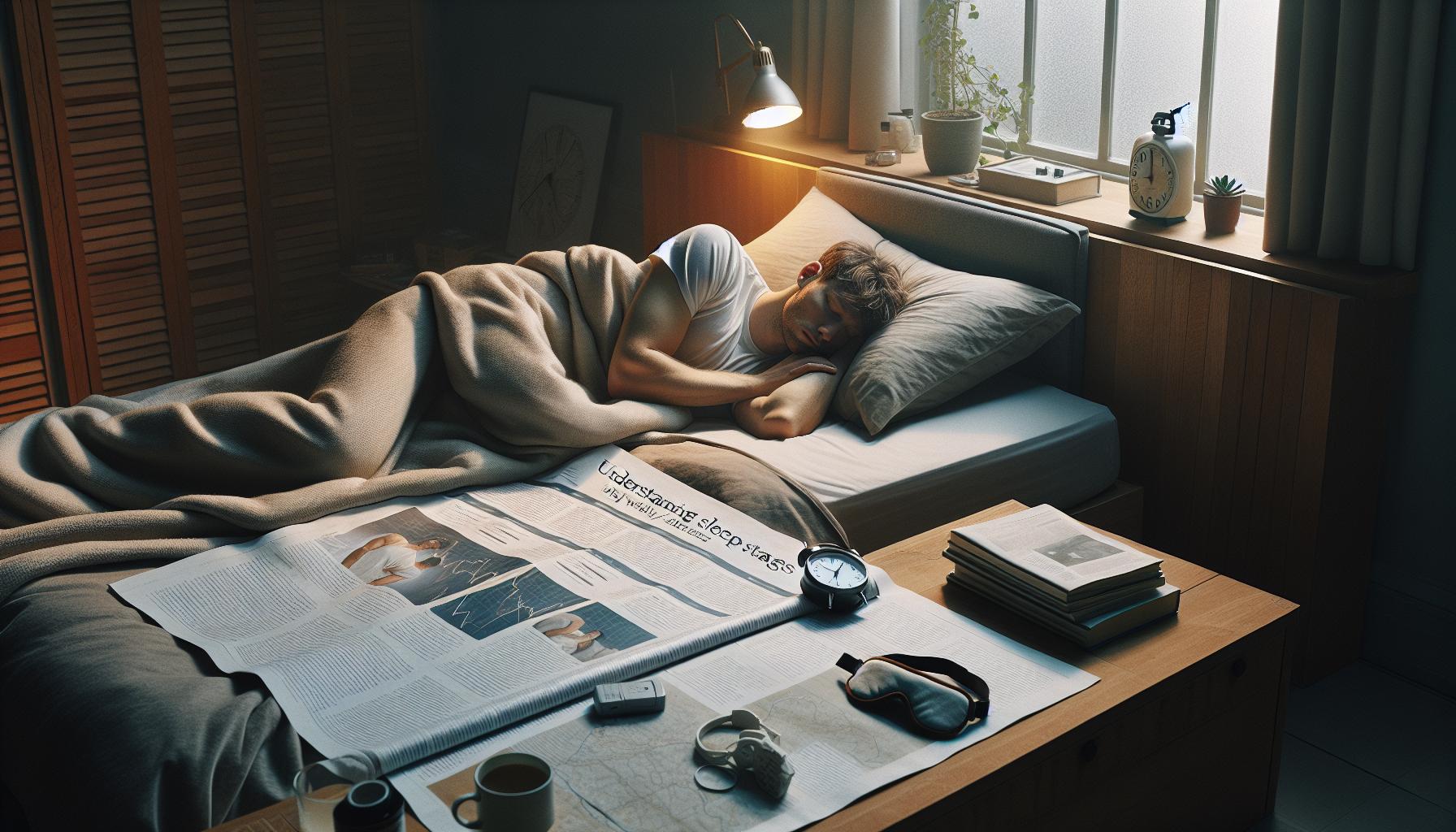
Understanding your sleep stages can transform the way you approach rest and recovery. Each night, your body cycles through various stages of sleep, including light sleep, deep sleep, and REM (rapid eye movement) sleep. These stages play critical roles in ensuring that you wake up feeling refreshed and rejuvenated. For instance, deep sleep is crucial for physical restoration, while REM sleep is essential for cognitive functions such as memory and learning. With an effective sleep tracking smartwatch, you can gain valuable insights into these sleep stages, enabling you to make informed decisions about your sleep habits.
Advanced sleep tracking technology analyzes your movements and heart rate to determine the different stages of sleep you experience throughout the night. This data helps you understand whether you are getting sufficient restorative sleep or if there are disruptions in your sleep cycle. For example, if you notice that you are spending minimal time in deep sleep, it may indicate a need for lifestyle changes, such as reducing caffeine intake before bed or creating a more relaxing nighttime routine.
In addition to identifying sleep stages, some smartwatches offer recommendations based on your sleep patterns. If your tracker shows that you frequently wake up during REM sleep, you can experiment with adjustments such as eliminating blue light exposure from screens in the evening. Recognizing these patterns can empower you to take proactive steps towards improving your sleep hygiene, ultimately leading to better overall health.
When selecting a sleep tracking device, prioritize options that provide detailed insights into your sleep stages, paired with high-quality app interfaces for easy data interpretation. By focusing on smartwatches that excel in sleep stage detection, you can create a personalized approach to improving your sleep quality and enhancing your daily performance.
Accuracy of Sleep Tracking Technology Explained
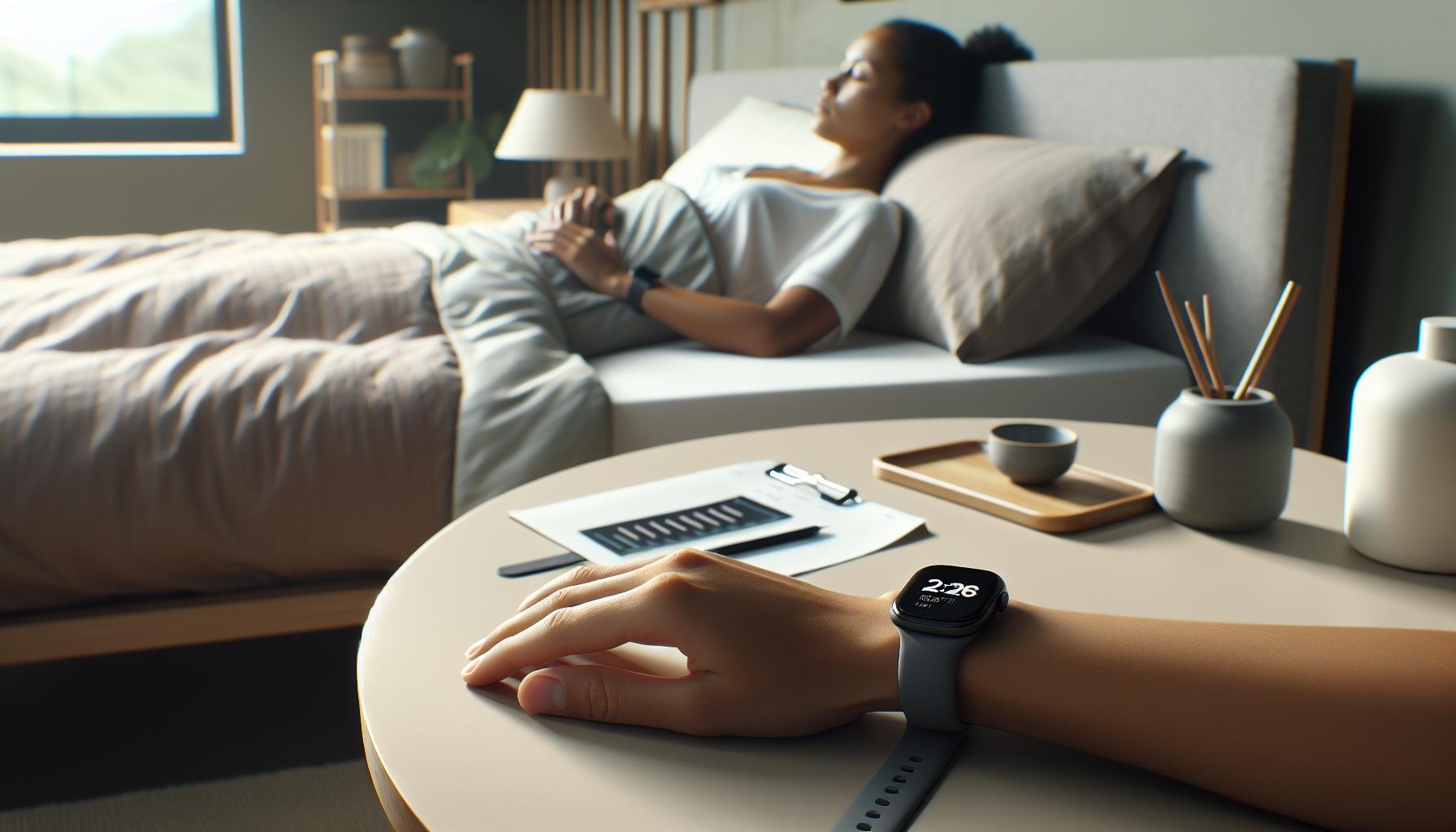
The effectiveness of a sleep tracker largely hinges on the accuracy of its technology. Most smartwatches utilize a combination of sensors, including accelerometers and heart rate monitors, to assess your sleep. While many devices claim to provide insights into your sleep quality, their precision can vary significantly. For example, some trackers may accurately differentiate between light and deep sleep, while others could mistake wakefulness for light sleep, leading to misleading interpretations of your nightly rest.
Accuracy is critical because it directly impacts how you respond to the data. If your smartwatch suggests you’re getting adequate deep sleep when you’re not, you may neglect necessary lifestyle adjustments. To enhance precision, look for models that use advanced algorithms and machine learning techniques. These devices often undergo rigorous testing against clinical sleep monitoring methods, like polysomnography, which can lend credibility to their claims of accuracy.
Understanding Limits and Expectations
It’s essential to have realistic expectations about what these devices can do. While they provide valuable insights and trends, they are not a substitute for professional evaluations or sleep studies. Recognize that no tracker is perfect; typical discrepancies in sleep stage readings can occur, influenced by factors such as your sleep environment and individual physiology. Invest time in familiarizing yourself with how your particular device analyzes data, as understanding its strengths and limitations allows you to leverage the insights it provides effectively.
Ultimately, the most practical approach involves using your sleep tracker as one tool among many for improving sleep hygiene. If you notice persistent issues indicated by the device, consider seeking professional advice, as there may be underlying sleep disorders that need attention. With proper use and understanding, a sleep tracking smartwatch can empower you to make smarter choices for your health and well-being.
User-Friendly Sleep Tracking: Interface and App Design
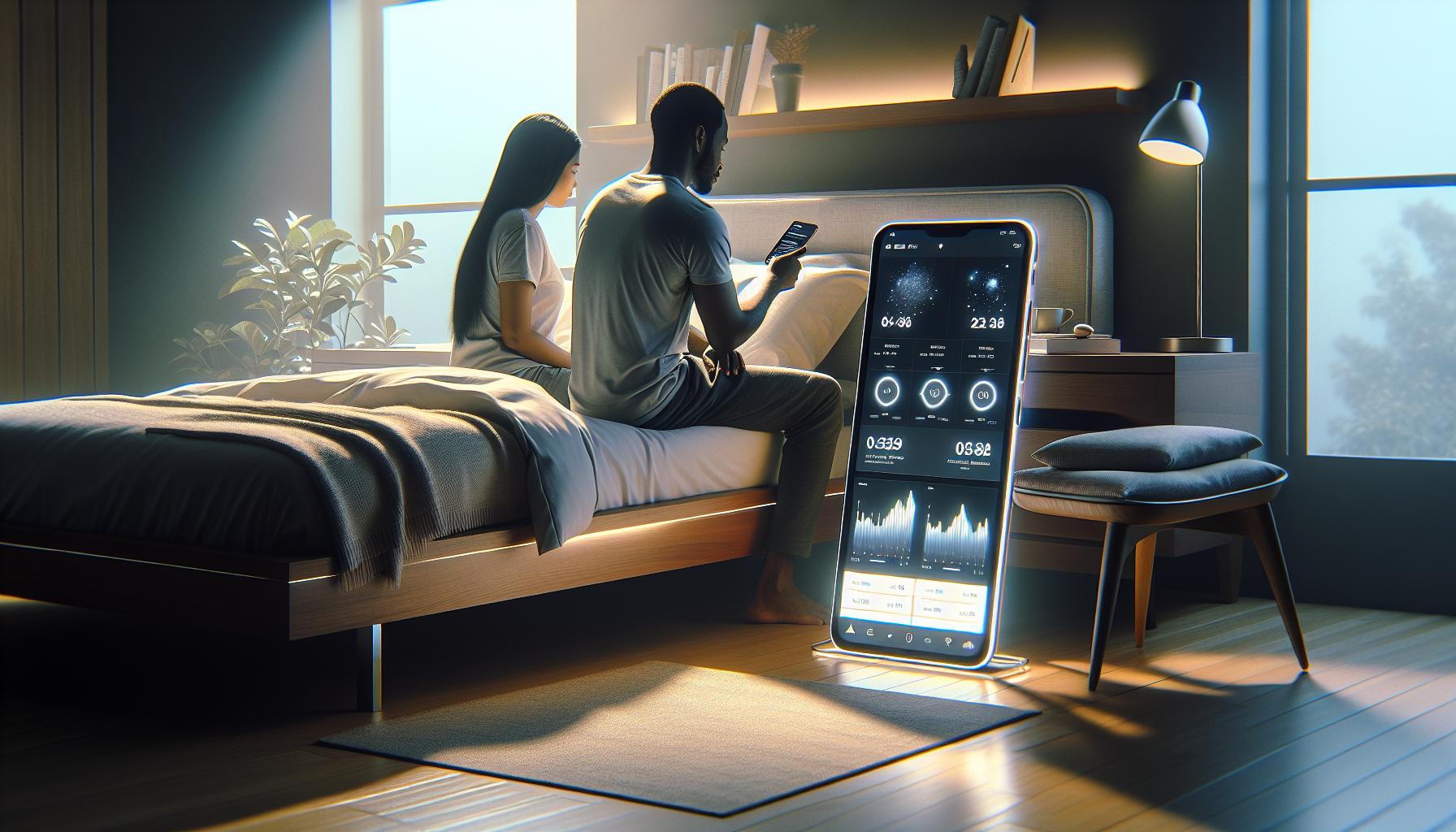
A great sleep tracking smartwatch combines advanced technology with a user-friendly design, making it easier for you to understand and improve your sleep patterns. One of the most critical aspects of your device is its interface-how you interact with the watch itself, along with the companion app that analyzes your sleep data. A well-designed interface can make the difference between simply recording sleep data and truly using that information to foster better rest.
When considering your options, look for smartwatches that feature intuitive navigation. This should include clearly labeled icons, an easy-to-read display, and straightforward menus. Complex interfaces can lead to frustration; instead, you want to experience ease of use, allowing you to access sleep insights without diving through unnecessary layers. For example, a device that presents your sleep stages (light, deep, and REM) with simple icons can facilitate rapid understanding of your tracked data, helping you make informed decisions about your sleep hygiene.
Equally important is the design of the associated mobile app. This is where the majority of detailed analysis occurs, often providing visualizations that make trends and insights easy to digest. Look for apps that offer features like personalized sleep recommendations or the ability to compare your sleep patterns over time. Notifications for bedtime or sleep tips based on your recent data can also enhance your experience. Consider whether the app seamlessly integrates with other health-tracking applications you may use, creating a more comprehensive view of your overall well-being.
Finally, don’t overlook the importance of real-time syncing between your device and app. Delays or issues in data transfer can lead to a frustrating experience that diminishes the value of your insights. A reliable flow of data allows you to track improvements or challenges in your sleep quality more effectively. With the right combination of user-friendly design and insightful analytics, your sleep tracker can become an invaluable ally in your journey toward better sleep.
Battery Life and Charging Options for Smartwatches
When it comes to sleep tracking smartwatches, battery life is a pivotal factor that can significantly influence your user experience. Imagine relying on your device to monitor your sleep patterns, only to wake up and discover it has died halfway through the night. A smartwatch designed for sleep tracking should ideally provide multi-day battery life to ensure uninterrupted monitoring and usability throughout the week.
Most sleep tracking smartwatches offer varying battery life depending on their features and usage. Generally, you can expect average battery life ranging from 24 hours to 14 days. The longer-lasting models often utilize simpler designs with fewer notifications or advanced apps, while those equipped with vibrant displays and extensive health tracking features may require more frequent charging. For example, a smartwatch that uses power-hungry GPS or heart rate monitoring throughout the night may need to be charged every day, while a basic model focusing solely on sleep could last much longer.
Charging Options
Understanding the charging options available is equally important when selecting a sleep tracker. Most modern smartwatches come with proprietary chargers, often magnetic or dock-style, which facilitate easy and quick recharging. However, the convenience of wireless charging technology is becoming more prevalent, allowing users to simply place their watch on a charging pad. Here are some considerations:
- Charging Time: Fast-charging capabilities can reduce downtime significantly. Look for devices that can fully charge in one to two hours.
- Battery Optimization: Some smartwatches allow you to toggle features like heart rate monitoring or GPS to extend battery life. Familiarize yourself with these settings to maximize usage.
- Power-Saving Modes: A fantastic feature in a sleep tracker is sleep mode, which conserves battery by limiting notifications and features when you’re asleep.
In conclusion, prioritizing a smartwatch with a robust battery life and flexible charging options can enhance your overall experience. Ensure you weigh these factors against your lifestyle, ensuring you choose a device that keeps up with your sleep tracking without constant interruptions for recharging. Taking these considerations into account will empower you to make an informed decision in your journey toward achieving better sleep.
Comparing Leading Sleep Tracking Smartwatches
When considering which sleep tracking smartwatch to purchase, it’s vital to compare the leading models available in the market. Each device offers unique features that cater to different user needs, so understanding these differences can empower you to make an informed decision that aligns with your lifestyle and sleep goals.
Feature Comparison
To effectively assess various smartwatches, look for the following critical features:
- Sleep Tracking Accuracy: Ensure the smartwatch uses advanced sensors to track sleep accurately across different stages, including light, deep, and REM sleep. Models like the Apple Watch Series and Fitbit Sense are known for their reliable tracking capabilities.
- Health Monitoring: Beyond just sleep, integrated health features like heart rate monitoring, blood oxygen levels, and stress tracking can provide comprehensive insights into your overall well-being. The Garmin Vivosmart and Samsung Galaxy Watch actively monitor these aspects.
- User Interface: The ease of navigating through sleep data is essential. Look for a device with a well-designed app that presents your sleep patterns in a user-friendly manner. Wearables such as the Whoop Strap are appreciated for their intuitive app design.
- Battery Life: Compare how long different models last on a single charge. For instance, the Fitbit models tend to provide longer battery life, spanning several days, while more feature-rich devices like the Apple Watch may need daily charging.
Notable Models
To illustrate the landscape of sleep tracking smartwatches, consider these leading models:
| Model | Battery Life | Key Features | Price Range |
|---|---|---|---|
| Apple Watch Series 8 | Up to 18 hours | Advanced sleep tracking, heart rate monitor, integrated apps | $399+ |
| Fitbit Charge 5 | Up to 7 days | Daily readiness score, stress management tools | $179.95 |
| Garmin Venu 2 | Up to 11 days | Sleep score, body battery energy monitoring | $399.99 |
| Samsung Galaxy Watch 5 | Up to 40 hours | Sleep coaching, body composition analysis | $279.99+ |
By comparing these aspects and understanding the strengths of each model, you can choose a smartwatch that not only fits your budget but also meets your specific sleep health needs. This approach enables you to enhance your sleep tracking experience and ultimately supports your journey towards better sleep and overall health.
Compatibility with Other Health Devices
The ability of a sleep tracking smartwatch to integrate seamlessly with other health devices can significantly enhance your overall monitoring capabilities. When selecting a smartwatch, consider how well it syncs with your existing devices, such as fitness trackers, smart scales, or health apps. This compatibility not only allows for a comprehensive view of your health but also provides actionable insights by combining data from various sources.
- Health App Integration: Many smartwatches work with popular health and fitness apps like Apple Health, Google Fit, and MyFitnessPal. Having this integration enables you to compile data on sleep, activity levels, nutrition, and more in one central location, giving you a holistic view of your wellness journey.
- Cross-Device Capability: Certain brands, such as Fitbit and Garmin, have a range of products that interact well with each other. For example, using a sleep tracking smartwatch alongside a smart scale can help you monitor how weight fluctuations affect your sleep quality, allowing for tailored adjustments in your routine.
- Wearable Ecosystems: If you are invested in a specific brand’s ecosystem (like Apple or Samsung), choose a smartwatch that complements other devices in that ecosystem. This way, you can take advantage of features like automatic data syncing and multi-device tracking, which enhances the user experience.
- Additional Sensors: Some smartwatches provide compatibility with external sensors (like sleep apnea monitors) for a more detailed analysis of sleep patterns. This can be particularly useful for individuals with pre-existing sleep conditions, as it offers deeper insights that can assist healthcare professionals in making informed decisions.
Ultimately, ensuring your sleep tracking smartwatch fits well within your broader health monitoring setup can empower you to make informed decisions about your wellness and lifestyle. Consider your current devices and how interconnectedness can improve your understanding of your sleep health.
Pricing Tiers: What to Expect for Your Budget
The cost of sleep tracking smartwatches varies significantly, reflecting the technology and features they offer. As you explore your options, it’s important to understand what to expect within different pricing tiers, helping you make a choice that aligns with both your budget and your sleep health goals.
Budget-Friendly Options
For those new to sleep tracking or on a tight budget, entry-level models can be found in the $50 to $150 range. These basic devices typically monitor sleep duration and provide general insights into sleep quality without the advanced features of higher-priced models. Brands like Xiaomi and some budget Fitbit models are excellent examples that offer essential tracking at an affordable price, making them perfect for individuals just starting to pay attention to their sleep patterns.
Mid-Range Models
In the $150 to $300 range, you’ll find smartwatches that offer enhanced tracking features, including sleep stage analysis, heart rate monitoring, and integration with health apps. Mid-range options from brands like Garmin and Fitbit often provide greater accuracy and more detailed feedback, helping users identify patterns and make meaningful changes to their sleep habits. These watches may also include additional health tracking features, such as stress monitoring and guided breathing exercises, adding value beyond sleep tracking alone.
Premium Choices
If you’re serious about sleep monitoring and have a higher budget, premium smartwatches priced above $300 often provide the most robust features. High-end devices from Apple, Samsung, or advanced Garmin models include comprehensive health tracking, personalized sleep coaching, and compatibility with advanced sensors for more in-depth analysis. For example, the Apple Watch Series includes a suite of health features alongside sophisticated sleep tracking, allowing users to navigate their overall health management effortlessly.
Considerations Beyond Price
While the price tag is an important factor, consider what features genuinely benefit your specific needs. Look for long battery life, ease of use, and compatibility with other health devices you may own. Research user reviews for insights on real-world performance, and keep an eye out for seasonal sales or bundle deals that can provide excellent value.
Understanding these pricing tiers can help demystify the purchasing process, ensuring you find a sleep tracking smartwatch that suits both your lifestyle and budget, paving the way for better sleep health.
Troubleshooting Common Sleep Tracker Issues
If you’ve recently invested in a sleep tracking smartwatch, you may encounter some common issues that can affect your tracking experience. Understanding how to troubleshoot these problems can help you get the most accurate and actionable data from your device, ultimately supporting your journey towards better sleep health.
One frequent challenge users face is inaccurate sleep data. This might manifest as the device not registering sleep accurately or showing excessive wake periods throughout the night. To address this, make sure your smartwatch is worn snugly on your wrist, as loose positioning can disrupt sensor readings. Additionally, check that the latest firmware updates are installed. Manufacturers often release updates that improve tracking accuracy and performance, so keeping your device current is essential.
Another issue revolves around battery life. Many sleep trackers utilize continuous monitoring, which can drain batteries quicker than expected. To extend battery life, consider optimizing your settings; for instance, using a power-saving mode during the day or disabling features you don’t need on non-sleeping hours. If your battery life consistently falls short, even with proper care, it might be time to explore a wearable that offers longer intervals between charges, as this can greatly affect how seamlessly you track sleep over time.
Connectivity problems between the smartwatch and its companion app can also interfere with syncing your sleep data. If you notice discrepancies between your device and the app, try resetting your smartwatch and re-pairing it with your smartphone. If the problem persists, consult the troubleshooting section of the device manual or the manufacturer’s website, which often includes FAQs addressing common connection issues.
Lastly, it’s crucial to remember that while sleep tracking watches can offer valuable insights, they are not a substitute for professional medical advice or diagnosis. If your sleep patterns seem particularly troubling or if your smartwatch highlights consistent issues that don’t align with how you feel, it may be beneficial to consult a sleep specialist. They can provide tailored recommendations or a sleep study that more accurately assesses your sleep health needs.
By recognizing these potential troubles and having a clear proactive strategy, you can significantly enhance your experience and outcomes with sleep tracking technology.
User Reviews and Real-World Performance Insights
User reviews can be a goldmine of insights when it comes to understanding the real-world performance of sleep tracking smartwatches. Many users often highlight how effectively these devices integrate into daily routines, emphasizing features that stood out or fell short based on user expectations.
One common praise is the enhanced sleep analytics provided by these devices. Reviewers frequently mention that understanding sleep cycles-such as REM and deep sleep stages-has given them a clearer picture of their sleep quality. This is particularly useful for those who have chronic sleep issues or are simply looking to improve their overall rest. Users often share their experiences with built-in algorithms that track factors like sleep duration and disturbances, aligning their findings with lifestyle changes, such as improved evening routines or reduced screen time before bed.
On the flip side, some users express frustration with accuracy levels of sleep tracking. A notable number of reviewers report that their smartwatches either overestimate or underestimate the time spent in sleep stages. For instance, one user noted that their device frequently categorized light sleep as wakefulness, leading to confusion when interpreting the data. This underpins the importance of seeking a device known for reliable tracking accuracy, with several models rising to the top based on aggregated user feedback on forums and review sites.
Another recurring theme in user reviews focuses on battery life and maintenance. Many smartwatches promise multi-day battery life but often fall short in real-world use, particularly when monitoring sleep continuously. Users frequently recommend checking battery settings or adopting power-saving modes to extend usability between charges. Practical tips shared among users include planning charging sessions during the day when not worn, ensuring that devices are always ready for monitoring at night.
Lastly, the user-friendly interfaces of sleep tracking apps often receive high marks. Customers value easy navigation and accessible data presentation, which make reviewing sleep patterns straightforward. Positive reviews tend to describe occasions where users were able to quickly correlate sleep quality data with lifestyle changes, leading to actionable insights and healthier sleep habits. This aspect often encourages new users to engage continuously with their devices, seeking further enhancements to their sleep environments.
In summary, tapping into user reviews not only helps prospective buyers gauge which sleep tracking smartwatches deliver on their promises but also supports informed decisions based on collective experiences. Prospective buyers should focus on features that resonate most with their individual sleep patterns and habits, while remaining aware of technological limitations that some devices may exhibit.
Preparing for Sleep Studies: When to Seek Professional Help
When sleepless nights become a recurring theme, you may wonder if it’s time to seek professional help rather than relying solely on a sleep tracking smartwatch. While these devices can provide valuable insights into your sleep patterns, they are not always sufficient to diagnose sleep disorders or address underlying issues. If you find that your sleep struggles persist despite making lifestyle changes, it may be time to consider a formal sleep study.
A sleep study, or polysomnography, is a comprehensive evaluation that monitors various physiological parameters while you sleep, providing detailed data about your sleep stages, breathing, and other body functions. Tests like these can be crucial if you experience symptoms such as excessive daytime sleepiness, loud snoring, or frequent pauses in breathing during sleep, which could indicate conditions like sleep apnea or restless leg syndrome. Understanding when to transition from a smartwatch-based approach to a clinical assessment can make a significant difference in your health and well-being.
Here are some signs that indicate it might be time for a sleep study:
- Persistent Sleep Issues: If you regularly struggle to fall asleep or stay asleep, despite using good sleep hygiene practices.
- Daytime Fatigue: Experiencing excessive daytime sleepiness that impacts daily activities or work.
- Unexplained Changes: Noticing significant changes in the way you sleep, such as frequent awakenings without clarity on why.
- Open to Diagnosis: If your smartwatch consistently indicates poor sleep quality and you suspect you might have a sleep disorder.
Preparing for a sleep study involves a few simple steps. Firstly, consult with your healthcare provider to discuss your symptoms and whether a sleep study is warranted. They can help you navigate insurance requirements and understand what to expect. Most sleep studies are conducted in a sleep center or can even be set up at home with portable equipment, depending on your needs. During the study, electrodes will be attached to monitor brain waves, blood oxygen levels, heart rate, and more, all of which is non-invasive and safe.
Remember, while your smartwatch is a great first step in monitoring your sleep, it’s essential to recognize its limitations. These devices are not always 100% accurate and can misinterpret sleep stages. Professional sleep studies offer advanced diagnostics that can lead to tailored treatment plans. Ultimately, being proactive about your sleep health by recognizing when to seek professional help can lead to better sleep and improved overall quality of life.
FAQ
Q: What features should I consider when buying a sleep tracking smartwatch?
A: When buying a sleep tracking smartwatch, consider features like sleep stage analysis, heart rate monitoring, app compatibility, and battery life. Look for user-friendly interfaces and additional health metrics for a comprehensive overview. Also, ensure that the device aligns with your fitness and lifestyle needs for optimal performance.
Q: How accurate are sleep tracking smartwatches?
A: Sleep tracking smartwatches generally provide decent accuracy, but they can vary by brand and model. Most rely on sensors to monitor movement and heart rate. To maximize accuracy, choose models with advanced sensors and read user reviews for insights on real-world performance.
Q: Can sleep tracking smartwatches monitor naps?
A: Yes, many sleep tracking smartwatches can monitor naps. They utilize motion sensors to detect sleep patterns, including shorter sleep durations. For the best results, check if the smartwatch allows manual input or automatically recognizes nap periods within its app.
Q: Are sleep tracking smartwatches worth the investment?
A: Sleep tracking smartwatches can be worth the investment, particularly if you prioritize sleep health and data. They can help identify patterns and inconsistencies, guiding you toward better sleep hygiene. However, assess your needs and budget to determine the right model for you.
Q: How do I choose a sleep tracking smartwatch for travel?
A: Choose a sleep tracking smartwatch for travel by looking for lightweight designs, strong battery life, and travel-friendly features like sleep reminders. Models with detailed sleep analytics and compatibility with international time settings can enhance your travel experience by supporting your sleep routine.
Q: What are the signs that my sleep tracking smartwatch needs repair?
A: Signs that your sleep tracking smartwatch might need repair include inaccurate data readings, app syncing issues, or sensor malfunctions. If the device frequently loses charge or shows unresponsive screens, consider troubleshooting options or consulting with the manufacturer’s support.
Q: How can I troubleshoot syncing issues with my sleep tracking smartwatch?
A: To troubleshoot syncing issues, first ensure that both the smartwatch and the companion app are updated. Restart both devices and check Bluetooth settings. If problems persist, reinstall the app or consult the user manual for any specific syncing instructions.
Q: What should I do if the sleep data from my smartwatch seems incorrect?
A: If the sleep data from your smartwatch seems incorrect, review your sleep environment and habits for inconsistencies. Ensure the device fits well and is properly positioned during sleep. If issues continue, check if the unit needs a software update or factory reset for calibration.
Wrapping Up
As you contemplate your journey to better sleep with a sleep tracking smartwatch, remember that understanding your sleep patterns is just the first step toward improving your overall health. With the right device, you can gain invaluable insights that empower you to make informed choices about your nighttime habits. Don’t hesitate-evaluate your options and take action today to enhance your sleep quality and overall well-being.
For a deeper dive, check out our guide on the benefits of sleep studies and explore how different sleep stages impact your rest. If you’re unsure about setup or features, our troubleshooting tips are just a click away. Join our community by signing up for our newsletter, where we share expert advice and the latest in sleep technology. Your path to revitalized sleep starts here-take the next step and unlock the potential of a smarter sleep experience!
Get our latest guides, news, and insights highlighted in your Google Search & AI Overviews.