
Did you know that an estimated 30 million Americans suffer from sleep apnea, a condition that can drastically impact sleep quality and overall health? As technology and awareness evolve, so does the landscape of sleep apnea diagnostics, making it crucial for consumers to stay informed about the latest trends and innovations in this field. Understanding your options can empower you to make informed decisions that enhance sleep quality, address safety concerns, and optimize your health. In this article, we’ll explore the cutting-edge developments taking shape in the sleep apnea diagnostics market in 2026, from home sleep testing devices to wearable technology, ensuring you have the knowledge needed to navigate your sleep health journey effectively. Join us as we delve into the future of sleep health diagnostics and uncover what it means for you and your loved ones.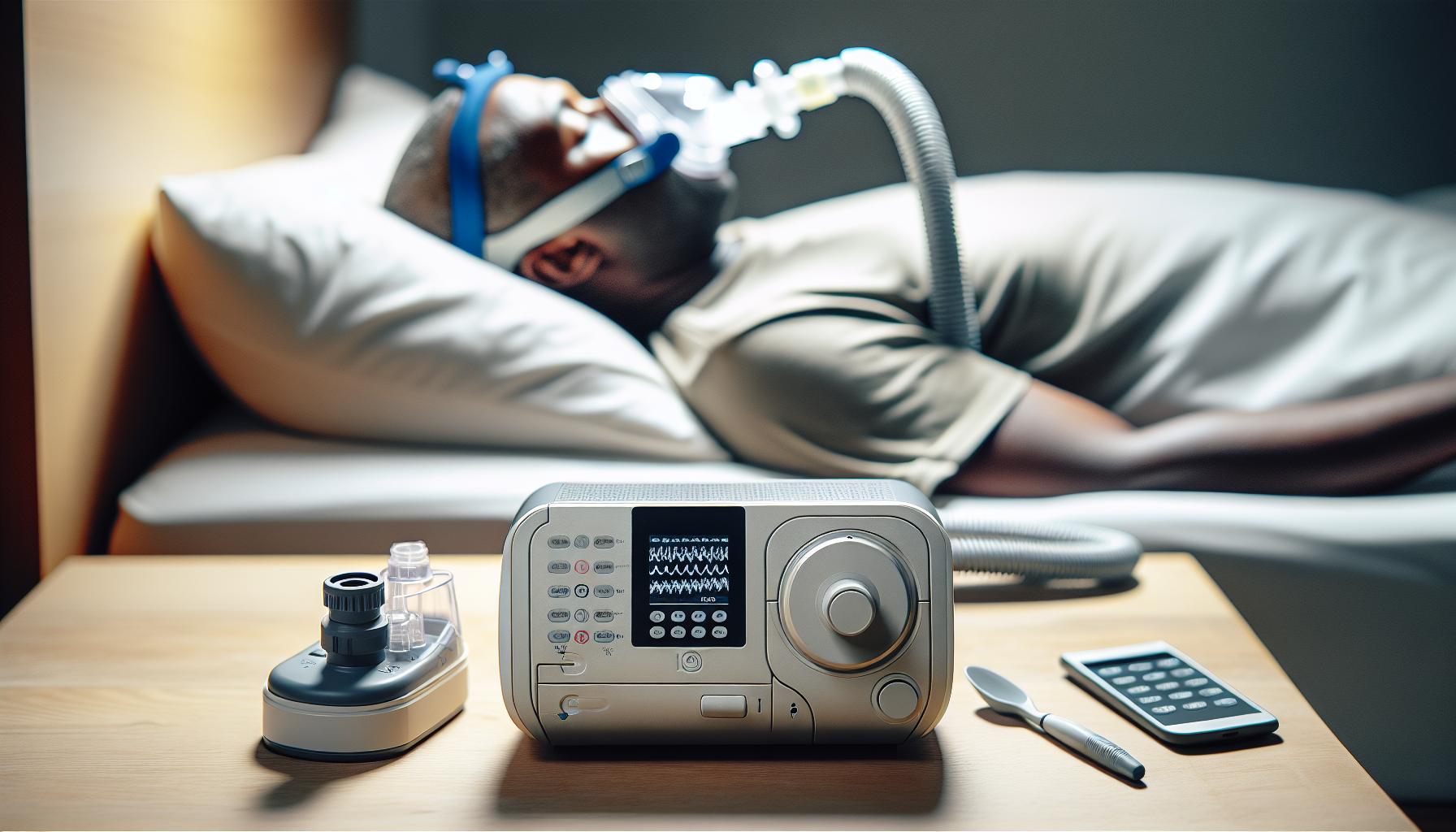
Understanding Sleep Apnea: Key Facts and Statistics
Approximately 30 million adults in the United States are affected by sleep apnea, a severe disorder that interrupts breathing during sleep and can lead to debilitating health complications. Sleep apnea primarily manifests in two forms: obstructive sleep apnea (OSA), which occurs when the muscles at the back of the throat fail to keep the airway open, and central sleep apnea (CSA), which is less common and involves a failure of the brain to signal the muscles to breathe. This condition not only disrupts sleep but can also increase the risk of cardiovascular diseases, high blood pressure, and stroke.
The prevalence of sleep apnea is staggering, with studies revealing that it affects nearly 1 in 5 adults, and many remain undiagnosed. Risk factors include obesity, age, and a family history of sleep disorders. Patients often exhibit classic symptoms such as loud snoring, gasping for air during sleep, and daytime fatigue, which can lead to decreased quality of life and increased risk for accidents.
Key Statistics
- About 10% of the adult population suffers from OSA.
- More than 80% of cases remain undiagnosed.
- Men are more than twice as likely as women to develop sleep apnea, although women may be underdiagnosed.
- Individuals with untreated sleep apnea have a higher risk of developing type 2 diabetes, heart disease, and depression.
Understanding these key facts and statistics is crucial for raising awareness about sleep apnea and encouraging individuals to seek proper diagnosis and treatment. With the advancements in sleep diagnostics, including home sleep tests and innovative wearable technology, diagnosing sleep apnea is becoming more accessible, paving the way for effective management and improved health outcomes.
The Role of Home Sleep Tests in Diagnosis
For those struggling with sleep apnea, home sleep tests have emerged as a game changer, providing a convenient and cost-effective way to gain insights into sleep patterns and breathing disruptions. Unlike traditional sleep studies conducted in a clinical setting, these at-home tests capture critical data about your sleep without the need for an overnight stay. This approach not only alleviates the anxiety often associated with hospital settings but also allows individuals to sleep in their own environment, where they feel most comfortable.
- Cost-effective: Home sleep tests are typically less expensive than in-lab studies, making them a more accessible option for many seeking diagnosis.
- Convenience: By using a compact device, patients can complete the test in their own beds, which helps minimize disruption to their normal sleep routine.
- Quick results: Most home sleep tests can provide results within a few days, expediting the diagnostic process and allowing for timely treatment decisions.
When considering a home sleep test, you can expect a straightforward process. Typically, a healthcare provider will evaluate your symptoms and medical history before recommending a home sleep study. Once approved, you’ll receive equipment that may include a nasal cannula, a pulse oximeter, and a monitoring device to capture your respiratory patterns and oxygen levels. After a night’s sleep, return the device for analysis, and your healthcare provider will discuss the findings and next steps, which may involve lifestyle changes or medical treatment.
While home sleep tests are effective for diagnosing obstructive sleep apnea, they may not capture certain complexities associated with other sleep disorders, such as central sleep apnea. It’s vital to discuss your specific condition and concerns with a healthcare professional. This way, you can make informed decisions about whether a home sleep test fits your needs or if a more comprehensive sleep study is warranted. Understanding your options is crucial in navigating the path towards effective management and treatment of sleep apnea.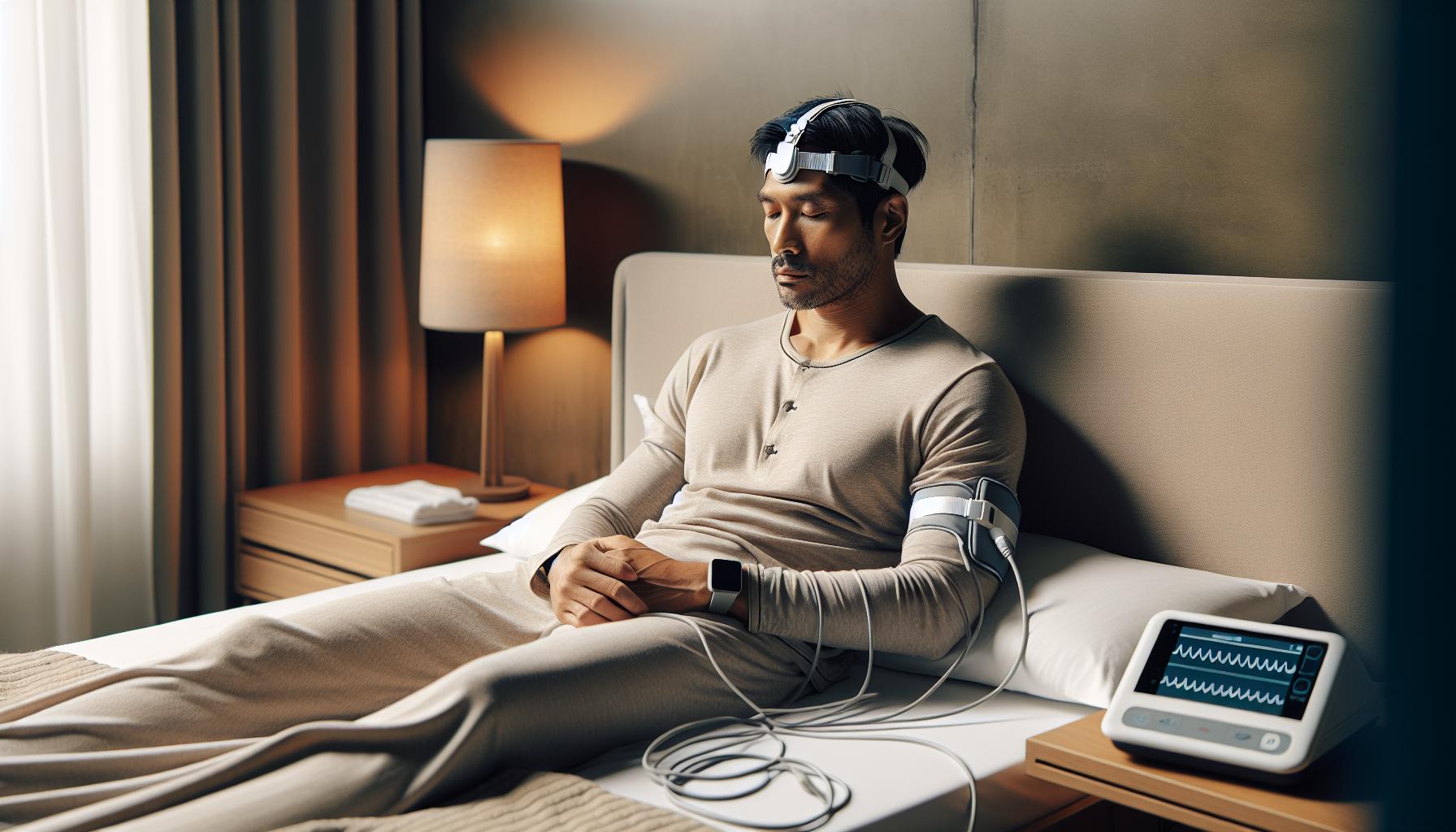
Innovative Wearable Technologies for Sleep Monitoring
Wearable technologies have revolutionized the way we monitor our sleep, offering insights that were once available only through clinical sleep studies. These devices, which range from smartwatches to specialized sleep trackers, not only help individuals monitor their sleep patterns and quality but also provide critical data for diagnosing sleep apnea.
One standout feature of modern wearables is their ability to track multiple biometric signals such as heart rate, oxygen saturation, and movement. For example, devices equipped with pulse oximetry can detect drops in blood oxygen levels-a common issue in sleep apnea patients. These metrics, combined with sleep stage analysis, allow users to gain a clearer picture of their nighttime breathing patterns and overall sleep health.
Key Benefits of Wearable Sleep Monitors
- User-Friendly: Wearable devices are typically easy to set up and use. Many can be worn comfortably while sleeping, and the data syncs effortlessly to a mobile app for real-time feedback.
- Accessibility: Compared to traditional sleep studies, wearables are often more affordable and can be used continuously at home instead of requiring time away from your normal environment.
- Data-Driven Insights: Detailed analysis in apps can help users identify patterns over time, making it easier to discuss findings with healthcare providers.
However, it’s vital to note that while wearables offer valuable information, they should be considered complementary to professional medical advice. Sleep studies remain the gold standard for diagnosing sleep apnea, particularly in detecting more complex forms of the disorder that wearables may overlook. Thus, if your wearables indicate possible sleep disturbances, discussing these findings with a healthcare professional is a critical next step. This dialogue can ensure you receive the appropriate testing and care needed for effective management of sleep apnea.
Trends in Sleep Apnea Treatment Devices for 2026
As we move into 2026, the landscape of sleep apnea treatment devices is witnessing significant innovation, driven by advances in technology and an increased focus on patient-centered care. One of the most exciting trends is the rise of smart CPAP machines that incorporate artificial intelligence (AI) to adapt to a patient’s needs in real-time. These devices can automatically adjust pressure settings throughout the night based on the user’s breathing patterns, enhancing comfort and compliance.
Notably, the integration of telehealth capabilities into sleep apnea management is becoming essential. Devices now connect seamlessly with mobile applications, allowing users to track their treatment progress and share data with healthcare providers. This not only empowers patients by keeping them engaged in their own healthcare but also allows for more tailored treatment strategies based on real-time data analysis.
Portable and Multi-Functional Devices
Emerging trends also point to a shift towards portable and multi-functional devices that combine sleep apnea therapy with additional health monitoring features. For instance, some new wearables and bedside devices are capable of tracking sleep quality, heart rate, and even detecting potential sleep apnea events. This trend towards convergence helps simplify the management of multiple health conditions and offers users a more holistic view of their overall health.
- Ease of Use: These devices are designed to be user-friendly, often featuring intuitive interfaces and simpler setup processes compared to traditional systems.
- Affordable Options: As competition increases, many companies are launching budget-friendly alternatives to established treatment devices, making effective therapy more accessible to a broader range of patients.
- Environmentally-Conscious Designs: The new generation of sleep devices is increasingly focusing on sustainability, with many manufacturers utilizing recyclable materials and energy-efficient technologies.
While these innovations are promising, it’s essential to approach the market with an informed perspective. Patients should consider both the potential benefits and limitations of new devices, particularly in relation to their individual needs and comfort levels. Engaging with healthcare professionals remains vital to ensure that any new treatment regimen is appropriate for specific sleep apnea symptoms and overall health. As these trends continue to evolve, staying informed will empower users to make smarter choices regarding their sleep health technology.
Insurance Coverage and Payment Options for Sleep Studies
Navigating the financial aspects of sleep studies can be overwhelming, yet understanding your options is crucial in getting the care you need. Sleep studies, or polysomnographies, often come at significant costs, ranging from $1,000 to $3,000, depending on the facility and the specific tests conducted. Coverage for these studies can widely vary, making it essential to reach out to your insurance provider to determine what is included in your plan.
Many insurance plans do cover sleep studies, particularly if your doctor deems them medically necessary. This typically includes conditions such as obstructive sleep apnea, which affects millions of people. To ensure your study is covered, consider these steps:
- Consult Your Doctor: Discuss your symptoms and get a referral for a sleep study. Your physician’s recommendation is often critical for insurance approval.
- Verify Coverage: Contact your insurance provider and ask about covered services. Inquire specifically about home sleep tests versus in-lab studies, as some plans may have different policies for these.
- Request a Pre-Authorization: Many insurers require pre-approval for coverage. Your healthcare provider can often assist with this process.
- Review Facility Options: Not all sleep labs are created equal. Check if the center is in-network with your insurance to avoid additional out-of-pocket costs.
For those with high deductibles or limited coverage, consider in-home sleep testing as a cost-effective alternative. These tests can often be done at a fraction of the price and are increasingly being used for diagnosis. However, confirm with your insurance whether these options are also covered.
Additionally, some facilities offer payment plans or financing options to help manage costs better. Be proactive in discussing these possibilities with the billing department of the sleep center. Understanding your insurance coverage and exploring all payment options equips you to make informed decisions, easing the financial burden while prioritizing your sleep health.
Navigating the Sleep Study Process: What to Expect
When preparing for a sleep study, understanding what to expect can ease anxiety and help you approach the process with confidence. Sleep studies, particularly polysomnographies, are essential in diagnosing conditions like sleep apnea. These tests measure various parameters such as brain waves, heart rate, breathing, and oxygen levels while you sleep. The data collected provides valuable insights that can guide treatment options tailored to your needs.
Before your sleep study, you will likely have an initial consultation with a sleep specialist who will review your medical history and discuss your symptoms in detail. This is a crucial step, as it lays the groundwork for the type of testing you might require. For many, the most common forms of testing are overnight in-lab studies and increasingly popular home sleep tests.
If you opt for an in-lab study, expect to arrive at the facility a few hours before your scheduled bedtime. You’ll be greeted by a trained technician who will explain the setup process, which includes attaching sensors to your scalp, face, chest, and legs to monitor your sleep stages. Although the setup may feel a bit uncomfortable, it’s important to remember that these sensors are non-invasive and designed to gather essential data about your sleep patterns.
Alternatively, home sleep testing may provide a more relaxed environment if you’re anxious about overnight stays in a lab. Typically used for diagnosing obstructive sleep apnea, these tests involve wearing a portable device that measures your breathing patterns, oxygen levels, and heart rate as you sleep at home. The setup is generally straightforward, requiring you to wear a small device and sensors that connect to it, allowing you to move freely and sleep in your own bed.
No matter which testing method you choose, it’s essential to adhere to the guidance provided by your healthcare team. Prepare for your study by avoiding caffeine and alcohol before bedtime, as these can interfere with your sleep patterns and potentially skew the results. Additionally, if you’re using CPAP or any sleep aid, consult your doctor about whether to continue using those during the study.
After the sleep study, your results will be analyzed by a sleep specialist who will discuss the findings with you, including any diagnosed sleep disorders and potential treatment options. Understanding the sleep study process can empower you to take proactive steps toward better sleep health and improved overall wellness.
Emerging Technologies in Sleep Apnea Diagnostics
The landscape of sleep apnea diagnostics is rapidly evolving, driven by technological advancements that enhance accuracy and accessibility. In 2026, innovative approaches are making it easier for individuals to understand their sleep patterns and identify potential disorders. From advanced home testing kits to wearable technologies, these emerging solutions are revolutionizing how we approach sleep health.
Advanced Home Sleep Tests
Home sleep testing has transformed into a more sophisticated process that leverages compact devices capable of capturing a wide array of data. Modern home sleep apnea tests (HSATs) often incorporate multiple sensors that track not only airflow and oxygen saturation but also heart rate and even snoring patterns. These portable systems often include smartphone connectivity, allowing users to monitor their sleep data seamlessly. This convenience not only reduces the anxiety associated with in-lab tests but also encourages more individuals to seek out testing when sleep issues arise.
Wearable Technologies
Wearable technologies are another exciting development in sleep apnea diagnostics. Devices such as smartwatches and dedicated sleep trackers can provide insights into your sleep duration, quality, and potential disturbances. Some of the latest models utilize machine learning algorithms to analyze your sleep cycles in detail, adjusting their metrics based on your specific sleep patterns. For example, the Oura Ring and Fitbit offer features like heart rate variability and blood oxygen level monitoring, which can signal sleep apnea episodes. While not a substitute for formal sleep studies, these wearables can be instrumental in identifying trends that warrant professional evaluation.
Artificial Intelligence and Data Analysis
Artificial intelligence (AI) is becoming a game-changer in interpreting complex sleep data. New diagnostic tools are starting to integrate AI to analyze polysomnography results with heightened accuracy, identifying patterns that might be missed by human analysis. These technologies can quickly parse through nights’ worth of data and generate actionable insights, catering to both clinical settings and home user needs. This capability not only accelerates the diagnostic process but also assists healthcare providers in tailoring treatments more precisely.
Future Possibilities
As we look ahead, the integration of telemedicine with sleep diagnostics appears promising. Virtual consultations with sleep specialists combined with at-home testing allow for a comprehensive approach that improves patient access to care. This model not only simplifies the process but can enhance patient adherence to prescribed treatments, as they receive ongoing support from health professionals.
In summary, the advancements in sleep apnea diagnostics reflect a broader trend towards personalization and accessibility in healthcare. By embracing these new technologies, individuals can take pivotal steps in managing their sleep health more effectively and with greater confidence.
Comparative Analysis: Traditional vs. Innovative Diagnostic Methods
In the evolving landscape of sleep apnea diagnostics, a striking contrast exists between traditional methods and the innovative technologies emerging today. Traditional diagnostic approaches often involve overnight polysomnography (PSG) in a sleep lab, where medical professionals monitor various physiological parameters such as brain waves, oxygen levels, heart rate, and breathing patterns. While this method is comprehensive and provides valuable insights, it often requires a long wait for appointments, and the experience can be intimidating for many patients.
In contrast, home sleep apnea testing (HSAT) and new wearable technologies offer patients more accessible and comfortable options. HSAT devices are now capable of recording essential metrics like airflow, heart rate, and oxygen saturation with minimal equipment. These portable setups allow users to test their sleep in the comfort of their own homes, reducing anxiety and potentially leading to faster diagnoses. For example, a person suffering from severe daytime fatigue might quickly utilize an HSAT device without the need for the awkwardness of a clinical setting-this flexibility can inspire more individuals to pursue testing.
Wearable technologies add another layer of convenience and personalization to sleep apnea diagnostics. Devices such as smartwatches and sleep trackers provide ongoing monitoring of sleep patterns, offering insights into sleep quality and disturbances like apnea events. While not a replacement for laboratory diagnostics, these wearables empower users with data about their sleep health, encouraging them to seek medical advice when necessary. They also capture regular sleep behavior, which can be invaluable during consultations with healthcare professionals.
Key Differences Between Methods
To summarize, understanding the key differences between traditional and innovative diagnostic methods can help patients make informed decisions. Here’s a straightforward comparison:
| Feature | Traditional Diagnostic Methods (Polysomnography) | Innovative Diagnostic Methods (Home Testing/Wearables) |
|---|---|---|
| Setting | Sleep lab | Home |
| Setup Complexity | Requires professional assistance | User-friendly, often self-administered |
| Monitoring Parameters | Comprehensive (brain waves, heart rate, oxygen levels) | Basic (airflow, oxygen, heart rate) |
| Cost and Availability | Can be costly, with long wait times for appointments | More affordable, immediate availability |
| Data Accessibility | Results take time for analysis and delivery | Immediate insights available |
This analysis underscores how innovative diagnostic methods are reshaping patient experiences and preferences. By balancing thorough evaluation with the convenience of new technologies, individuals are empowered to take control of their sleep health in ways that were previously unavailable. Understanding these differences can help patients choose the method that best suits their needs, whether they opt for the comprehensive view offered by traditional PSG or the comfort and accessibility that home-based solutions provide.
Patient Experiences: Real Stories of Sleep Apnea Diagnosis
Many individuals facing sleep apnea share similar journeys of confusion, fear, and ultimately empowerment as they navigate their diagnosis. One such story is from Mark, a 47-year-old software engineer, who initially dismissed his struggles with snoring as a benign annoyance. After experiencing persistent fatigue and mood swings, he finally sought advice. Mark discovered the world of home sleep apnea tests (HSAT), which allowed him to conduct a sleep study in the privacy of his own bedroom. The results were alarming yet enlightening, confirming he had moderate obstructive sleep apnea. This revelation not only opened the path to effective treatment but also improved his overall quality of life.
Another compelling example comes from Sarah, a 35-year-old mother of two. After noticing her partner exhibited frequent pauses in breathing during the night, she encouraged him to get evaluated for sleep apnea. After a traditional polysomnography, he was diagnosed with severe sleep apnea. This experience, while daunting, educated Sarah on the importance of sleep health. She learned about the different treatment options-from CPAP machines to lifestyle adjustments-and how they could significantly improve not just her husband’s health but the family’s well-being as a whole.
These narratives underscore a key aspect of seeking help: the need for support and understanding. Whether it’s through discussions with family, exploring wearable technologies, or engaging with online communities, many patients find solace in shared experiences. Devices like smartwatches or sleep trackers often play a pivotal role in these journeys, as they provide ongoing insights into sleep patterns. Users like John, who combined his tracking data with medical advice, felt more empowered to discuss treatment options with his physician.
In all, real stories of sleep apnea diagnosis illustrate a common theme: knowledge is power. From navigating insurance options for sleep studies to understanding the intricacies of various devices, these experiences spotlight the importance of education and support networks. The journey from fear to empowerment begins with taking that first step-acknowledging the problem and seeking help. With a plethora of resources at their disposal, patients are urged to explore their options, actively engage in their health, and take control of their sleep.
Future of Sleep Apnea Diagnostics: Predictions and Insights
The landscape of sleep apnea diagnostics is changing rapidly, driven by technological advancements and a deeper understanding of sleep health. Looking ahead to 2026, there are several promising trends and innovations poised to enhance how sleep apnea is diagnosed and managed. Enhanced accessibility and improved patient outcomes are at the forefront of these developments.
Novel home sleep apnea tests (HSAT) are likely to become more sophisticated, incorporating artificial intelligence to analyze sleep patterns and breathing irregularities. These advancements could make it easier for individuals to test for sleep apnea in the comfort of their own homes without the anxiety often associated with hospital sleep studies. Already, many HSATs are user-friendly, but expect future devices to feature real-time feedback, prompting users to make immediate adjustments-such as changing sleep positions or managing environmental factors like temperature and noise.
Integration with Wearable Technology
Wearable technologies will play a crucial role in sleep apnea diagnostics. Devices like smartwatches and fitness trackers are evolving beyond basic sleep tracking. They will increasingly provide actionable insights tailored to individual sleep health. For example, future wearables may utilize advanced sensors to monitor heart rate variability, blood oxygen levels, and snoring frequencies, gathering comprehensive data for both the user and healthcare providers. This change could prompt a shift from reactive to proactive health management, where users can engage in lifestyle modifications that preemptively address sleep issues before they escalate into severe apnea.
Telemedicine and Digital Health Platforms
As telemedicine continues to expand, the future of sleep apnea diagnostics might involve remote consultations where primary care providers and sleep specialists collaborate in reviewing the results from home tests and wearables. Digital health platforms may facilitate this process, offering centralized data management systems where users can track their sleep patterns over time, share findings directly with their healthcare teams, and receive customized treatment plans based on the analytics provided. This approach could demystify sleep apnea and foster a more holistic understanding of each patient’s unique sleep landscape.
| Technology | Future Capabilities | Potential Impact |
|---|---|---|
| Home Sleep Tests | AI analysis, real-time feedback | Accessible, less anxiety-inducing diagnostics |
| Wearable Devices | Advanced monitoring, actionable insights | Proactive health management, personalized data |
| Telemedicine | Remote consultations, integrated health platforms | Streamlined care, improved patient engagement |
In summary, the future of sleep apnea diagnostics is set to embrace technology that empowers patients, enhances accessibility to testing, and solidifies the role of continuous monitoring. As these innovations gain traction, they will enable a more nuanced and proactive approach to sleep health, reducing the stigma of sleep disorders and allowing for timely interventions that significantly improve quality of life.
Frequently Asked Questions
Q: What are the latest technologies in sleep apnea diagnostics for 2026?
A: The latest technologies in sleep apnea diagnostics for 2026 include advanced home sleep testing devices with enhanced accuracy, mobile apps that monitor sleep patterns, and AI-powered analytics that provide real-time insights into sleep quality. These innovations aim to simplify diagnostics and improve patient experience.
Q: How do wearable devices improve sleep apnea diagnosis?
A: Wearable devices enhance sleep apnea diagnosis by continuously monitoring heart rate, oxygen levels, and sleep patterns. They provide data that can help identify apnea events and guide healthcare professionals in creating personalized treatment plans, making them a valuable tool alongside traditional diagnostic methods.
Q: What should I expect during a sleep apnea test in 2026?
A: During a sleep apnea test in 2026, patients can expect a streamlined process, often with the option of home testing. Tests typically involve monitoring vital signs and sleep stages, with results analyzed using sophisticated software, leading to faster and more accurate diagnoses.
Q: Are sleep studies covered by insurance in 2026?
A: Yes, many insurance plans cover sleep studies conducted for diagnosing sleep apnea in 2026. However, coverage specifics can vary, so it is advisable to check with your insurance provider and discuss what tests are included to avoid unexpected costs.
Q: Why is early diagnosis of sleep apnea crucial?
A: Early diagnosis of sleep apnea is crucial because untreated sleep apnea can lead to serious health risks, such as cardiovascular disease, high blood pressure, and diabetes. Recognizing the condition early allows for timely intervention and potentially life-saving treatments.
Q: How do home sleep tests compare to traditional sleep studies?
A: Home sleep tests are generally more convenient and cost-effective than traditional sleep studies. While traditional studies are conducted in sleep labs with comprehensive monitoring, home tests offer sufficient data for diagnosing mild to moderate cases of sleep apnea, making them an appealing alternative for many patients.
Q: What innovations are being developed for sleep apnea treatment devices?
A: Innovations in sleep apnea treatment devices include improved CPAP machines that are quieter and more comfortable, adaptive nasal masks, and oral appliances designed to reposition the jaw. These devices focus on user comfort and compliance to enhance treatment effectiveness.
Q: What role does patient feedback play in sleep apnea diagnostics?
A: Patient feedback is essential in sleep apnea diagnostics as it informs the efficacy of testing and treatment methods. New tools are being developed to gather patient insights, which help healthcare providers refine diagnostic approaches and improve overall patient care experiences.
To Conclude
As we explore the evolving landscape of the sleep apnea diagnostics market, it’s clear that innovation is key to enhancing patient care and improving outcomes. With advancements in wearables and home sleep studies, you can now access accurate and timely diagnostics like never before. Don’t wait to take control of your sleep health-consider scheduling a consultation or exploring our recommended sleep tracking devices today.
For deeper insights, check out our guides on understanding sleep stages and mastering sleep hygiene to maximize the benefits of your treatments. Stay informed by signing up for our newsletter, where we bring the latest trends in sleep health directly to your inbox. Your journey toward better sleep starts here-knowledge is power, and we’re here to empower you every step of the way!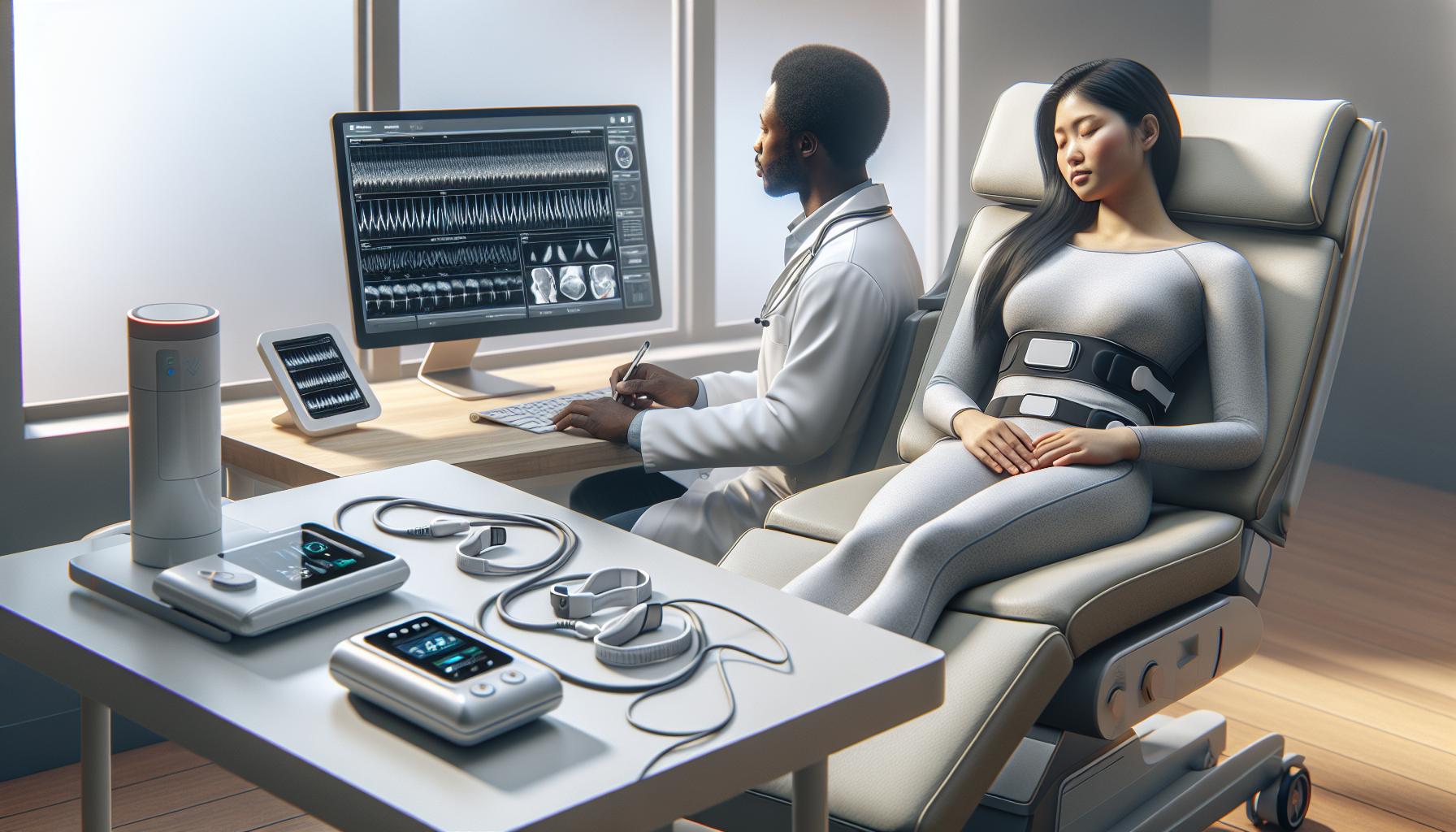
Get our latest guides, news, and insights highlighted in your Google Search & AI Overviews.