
Did you know that sleep apnea affects millions of adults, yet many remain unaware of its impact on their health? A home sleep study offers a convenient way to determine if you’re among them, allowing you to monitor your breathing patterns while you sleep in the comfort of your own home. Understanding the costs associated with home sleep studies is crucial for proactive health management. From insurance coverage to out-of-pocket expenses, knowing your options can empower you to make informed decisions about your sleep health. In this guide, we’ll explore the various factors that influence the price of home sleep studies and compare available options to help you find the best fit for your needs. Whether you’re considering a home test for yourself or a loved one, embarking on this journey towards better sleep starts with understanding the financial and practical aspects involved.
Understanding Home Sleep Studies: An Overview
Home sleep studies are quickly becoming a popular choice for those seeking to understand their sleep health from the comforts of home. These tests can provide valuable insights into sleep disorders like obstructive sleep apnea (OSA) by measuring various physiological signals, such as breathing patterns and oxygen levels. While they offer convenience and affordability compared to traditional overnight sleep studies performed in hospitals, it’s essential to understand the nuances of home sleep testing and how it may fit your needs.
A typical home sleep study involves using compact, user-friendly devices designed to be worn overnight. These devices usually collect data on key factors such as snoring, oxygen saturation, and heart rate. It’s important to note that while home devices are effective for screening sleep apnea, they might not capture the full spectrum of sleep disorders as a comprehensive polysomnography conducted in a sleep lab would. Therefore, they are best suited for individuals who already exhibit symptoms of sleep apnea, allowing healthcare providers to efficiently diagnose and recommend treatment.
When considering a home sleep study, be mindful of the setup process. Most devices come with straightforward instructions, but it’s crucial to ensure proper placement for accurate readings. Many users report anxiety about wearing the device, so familiarizing yourself with how it operates can help alleviate concerns and enhance the overall experience. Additionally, it’s advisable to discuss potential insurance coverage for home sleep studies with your provider, as costs can vary depending on your specific health plan and the test utilized.
Ultimately, a home sleep study can be a pivotal first step toward understanding your sleep health. They combine the technology of modern health devices with the convenience of home testing, making it easier for individuals to take charge of their well-being. As technology advances, the potential for more sophisticated options continues to grow, ensuring that consumers have effective tools at their disposal for navigating sleep health issues.
Average Costs of Home Sleep Studies Explained
The cost of home sleep studies can vary significantly based on several factors, but they typically range from $250 to $1,000. In most cases, patients can expect to pay around $300 to $600 when using home testing devices. This is considerably less expensive than an in-lab sleep study, which can cost anywhere from $1,500 to $3,000 or more, depending on the complexity and duration of the study. Many insurance plans are designed to cover a substantial portion of the costs for home sleep testing, especially if a physician has recommended it based on potential symptoms of sleep apnea. However, it’s always wise to consult your insurance provider to understand your specific coverage details.
Home sleep study costs can also vary depending on the provider and any additional equipment you might need. Some companies offer rental or purchase options for their devices, which may affect overall costs. Additionally, you might encounter variable prices based on geographical location, competitor pricing, or even seasonal promotions offered by testing companies. It’s important to consider any extra charges that may apply, such as consultation fees or follow-up appointments that could arise after your sleep study.
When weighing your options, think about whether you’ll need a follow-up consultation for an interpretation of your results, as this could be an additional expense. Researching different providers and comparing prices can help you get the best deal. Some companies provide transparent pricing models which include all aspects of the study, making it easier for consumers to budget accordingly.
Lastly, it’s crucial to remember that while cost is an important factor, it shouldn’t be the sole focus. Quality of the service, the reliability of the devices used, and the support you receive throughout the process can greatly impact your overall experience and outcomes. Taking all these aspects into account will help ensure you make an informed choice that best suits your needs.
Types of Home Sleep Studies: Which One Is Right for You?
When considering a home sleep study, it’s essential to know the different types available and which one suits your specific needs. Home sleep studies generally fall into two main categories: Type 3 and Type 4 testing devices. Understanding the distinctions between these options can help you make an informed decision, particularly if you’re concerned about conditions like sleep apnea.
Type 3 Sleep Studies
These studies are more comprehensive and collect detailed data about your sleep patterns. They typically monitor several physiological signals, including:
- Heart rate
- Oxygen saturation levels
- Breathing patterns
- Body position
- Snoring
Type 3 devices usually come equipped with a nasal cannula and a pulse oximeter, providing a robust analysis of whether you experience events like apneas or hypopneas during sleep. This type is recommended for individuals who present moderate to severe symptoms of sleep apnea and who have been referred by a healthcare professional for a more detailed assessment.
Type 4 Sleep Studies
Type 4 studies are simpler and are often utilized for preliminary screenings. They typically gather limited data-often just airflow, breathing effort, and heart rate-making them less comprehensive than their Type 3 counterparts. While they can help suggest the likelihood of sleep apnea, they don’t provide a full picture necessary for accurate diagnosis. If you have mild symptoms or are exploring the possibility of sleep disorders, this type might be a more cost-effective choice.
Wearable Devices and Trackers
In addition to formal home sleep studies, various consumer sleep technologies, like wearables and smartphone apps, have emerged. These devices can track your sleep stages and overall sleep quality. While they are often less accurate than medical-grade devices, they can provide valuable insights into your sleep habits. If you’re mainly looking to monitor your sleep without the necessity for an official diagnosis, these options might serve you well.
Choosing the right sleep study or device depends on your symptoms, medical history, and the recommendations of your healthcare provider. Understanding the purpose and capability of each type can ease your anxiety about the process and help you select the best option for your needs.
What to Expect During a Home Sleep Study
A home sleep study can be an eye-opening experience, especially if you’ve been struggling with sleep issues. It enables you to gather essential data about your sleep patterns in the comfort of your home, eliminating the anxiety often associated with in-lab studies. Overall, the process is designed to be straightforward, allowing you to focus on sleeping as naturally as possible while the device monitors vital signals.
Once you receive your sleep study kit, you will typically find a simple setup guide included. In most cases, the process involves wearing a few non-invasive sensors. For a Type 3 study, expect to put on a nasal cannula for airflow measurement, a pulse oximeter for tracking your blood oxygen levels, and a chest strap or similar device to record your breathing patterns. Make sure to give yourself enough time to set everything up before bedtime; it can take a little practice to get used to the sensors and ensure they’re positioned correctly for accurate readings.
After you are set up, you’ll simply go to sleep as you normally would. Some devices may include a small recording unit that you place on your bedside table, while others may integrate all the technology into a portable device you wear. It’s important to maintain your typical sleep environment-keep the room at your preferred temperature and try to eliminate noise and light disturbances.
As you wake up the next day, you can remove the equipment and return it according to the provided instructions. Many devices will allow you to download your sleep data for review; however, it’s always best to discuss the findings with your healthcare provider to interpret the results accurately. Home sleep studies typically take place overnight, making them a convenient and efficient option for gathering necessary sleep health data.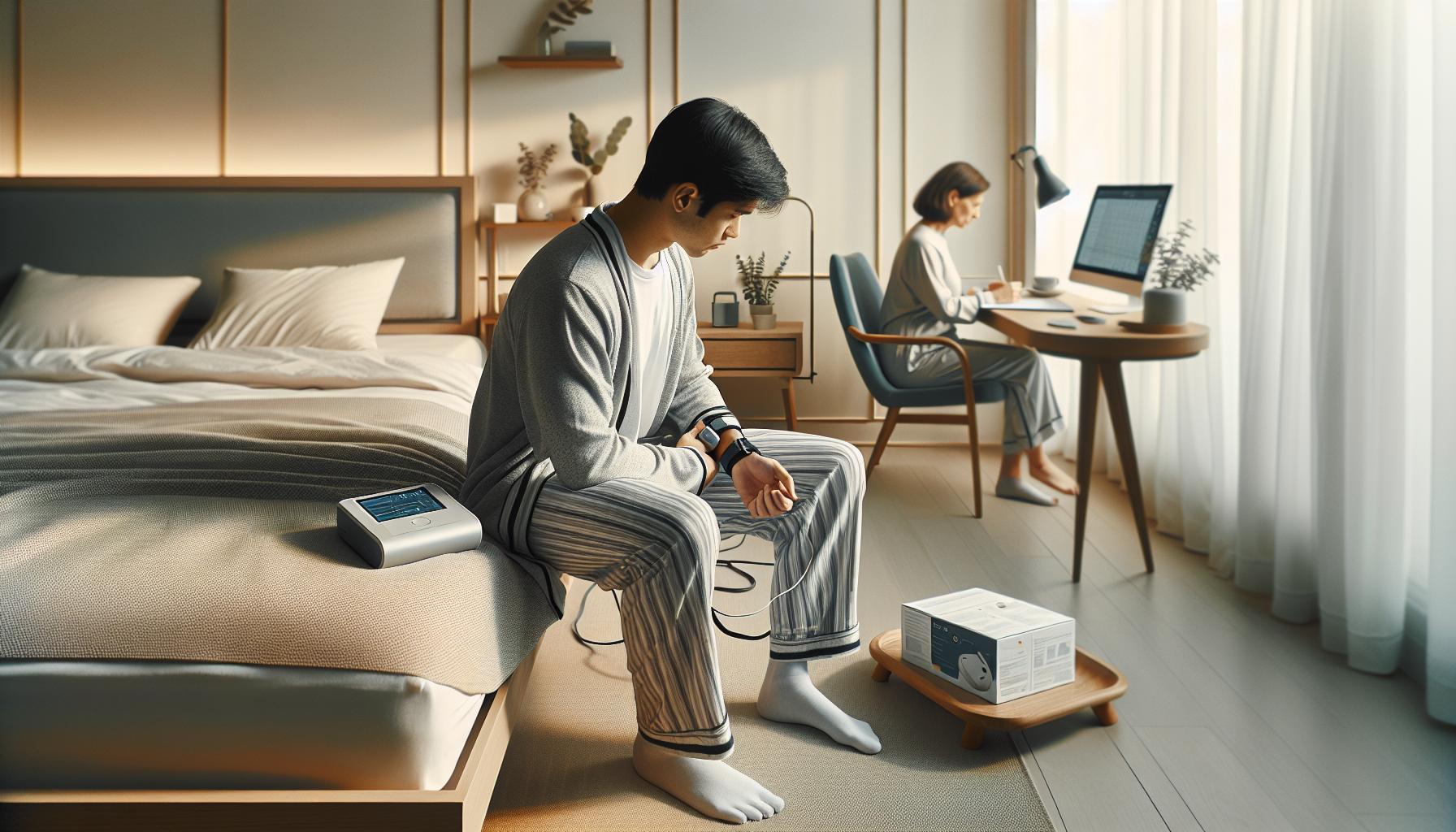
Preparing for Your Home Sleep Study: A Step-by-Step Guide
Preparing for a home sleep study can seem daunting, but with the right approach, you can ensure that you gather the most accurate and useful data about your sleep patterns. First things first, communicate with your healthcare provider about the specifics of your home sleep study kit and any concerns you may have. Understanding what the study entails can significantly reduce anxiety and help you feel more in control.
Here are some essential steps to help you prepare:
1. Understand the Equipment
Familiarize yourself with the components of your sleep study kit. Most kits will include:
- Wrist-worn devices: To track your movements and sleep stages.
- Nasal cannula: For measuring airflow during your sleep.
- Pulse oximeter: To monitor your blood oxygen levels.
- Chest strap: For recording breathing patterns.
Read through the instructions that come with the kit to get a clear idea of how to set up these devices properly.
2. Set Your Sleep Environment
Creating an optimal sleep environment can enhance the accuracy of your data collection. Before your study night:
- Keep your bedroom at a comfortable temperature.
- Reduce noise by using earplugs or a white noise machine.
- Limit light exposure by using blackout curtains or an eye mask.
- Ensure your bed is comfortable, as you want to replicate your regular sleep conditions.
3. Follow Pre-Study Guidelines
In the hours leading up to your home sleep study, consider these tips:
- Avoid caffeine and heavy meals later in the day to help ensure a restful night’s sleep.
- Stick to your routine-try to go to bed at your usual time and follow your regular pre-sleep rituals.
- If you’re prescribed any medications, check with your doctor to see if you should continue taking them during the study.
Entering your home sleep study with a prepared mindset and an understanding of what to expect will not only help you feel more relaxed but can also lead to more reliable data that can inform your sleep health moving forward. Always prioritize discussing any concerns or questions with your healthcare provider, as they can provide tailored guidance based on your specific needs.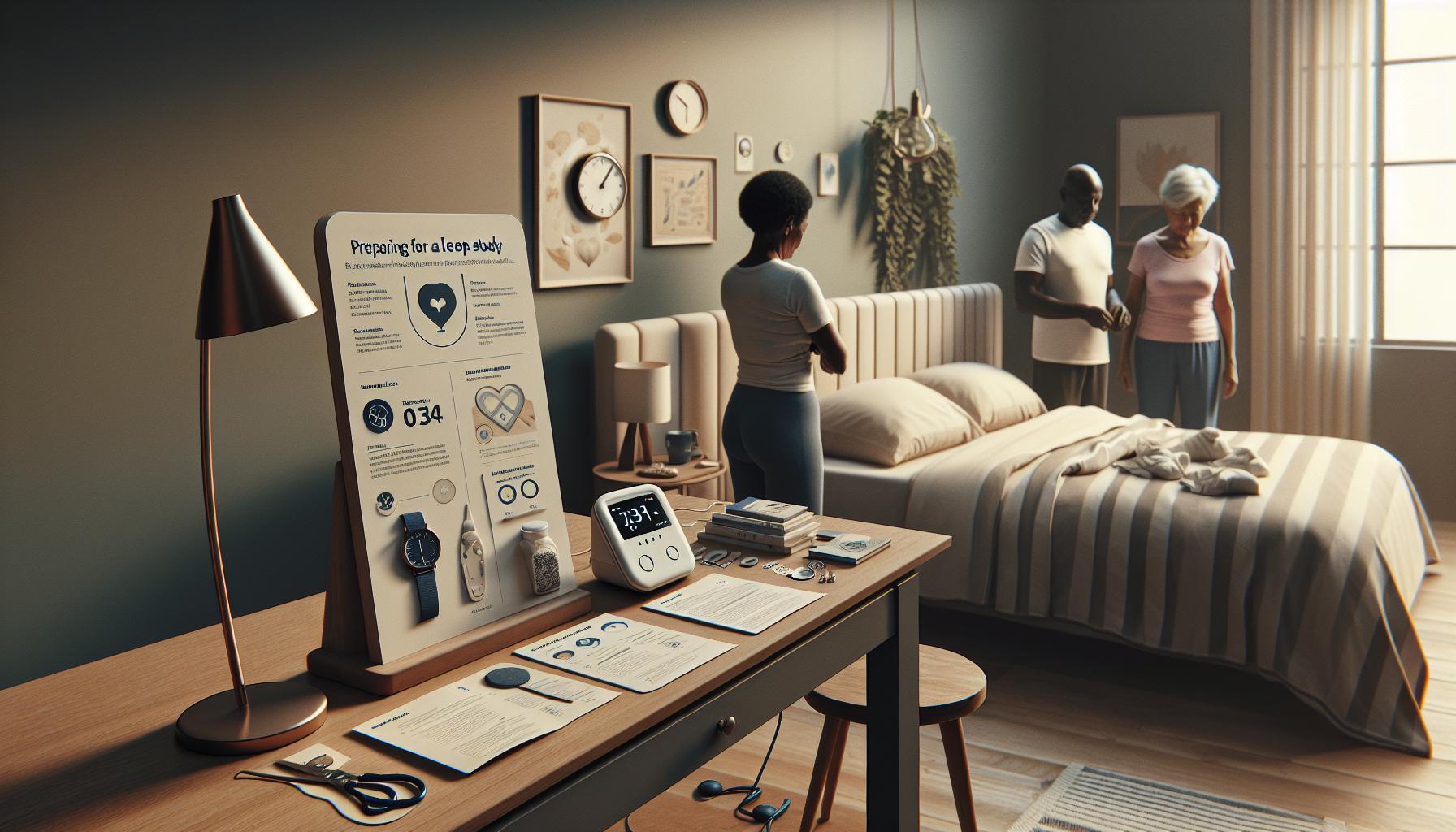
Comparing Home Sleep Study Devices and Wearables
When it comes to monitoring sleep, the choice between professional home sleep study devices and consumer wearables can be daunting. With a variety of options available, understanding the differences in technology, purpose, and costs can empower you to make an informed decision that suits your specific needs. While traditional home sleep studies utilize sophisticated equipment to deliver precise results, wearables offer convenience and continuous monitoring-both have their unique benefits and limitations.
Types of Devices
Home sleep study devices typically include comprehensive kits that monitor a wide range of physiological parameters. Here are some common components:
- Wrist-worn monitors: Encountered frequently, these devices track sleep stages, movement, and even heart rate.
- Nasal cannulas: Measure airflow to determine breathing patterns during sleep.
- Pulse oximeters: Essential for assessing blood oxygen levels, which can indicate respiratory issues.
- Chest straps: Capture data on breathing patterns and can aid in diagnosing conditions like sleep apnea.
In contrast, consumer wearables-such as smartwatches and fitness bands-provide a more user-friendly approach. They primarily track movement and heart rate, offering insights into sleep duration and quality but often lack the specificity needed for diagnosing sleep disorders effectively. Their integration with mobile apps can enhance usability, allowing users to easily access sleep data over time.
Cost Comparison
Costs associated with home sleep study devices can vary widely based on the technology and the provider. A traditional sleep study conducted at a facility can range from $600 to $3,000, depending on the location and the extent of the analysis. In contrast, at-home testing kits generally cost between $150 and $500, making them a more accessible option for many.
Wearables, while significantly cheaper-often priced between $50 and $300-do not replace full sleep studies when a diagnosis is necessary. However, they can serve as an excellent preliminary tool for tracking sleep habits and identifying patterns that may warrant further investigation.
Making the Right Choice
Choosing between these options depends on your specific situation. If you suspect a serious sleep disorder, such as sleep apnea, a professional home sleep study may be the safest route. For less severe sleep concerns or general wellness tracking, a wearable device can be a cost-effective way to gain insights into your sleep patterns. Ultimately, understanding your goals and discussing them with a healthcare provider can help clarify which option is best for you.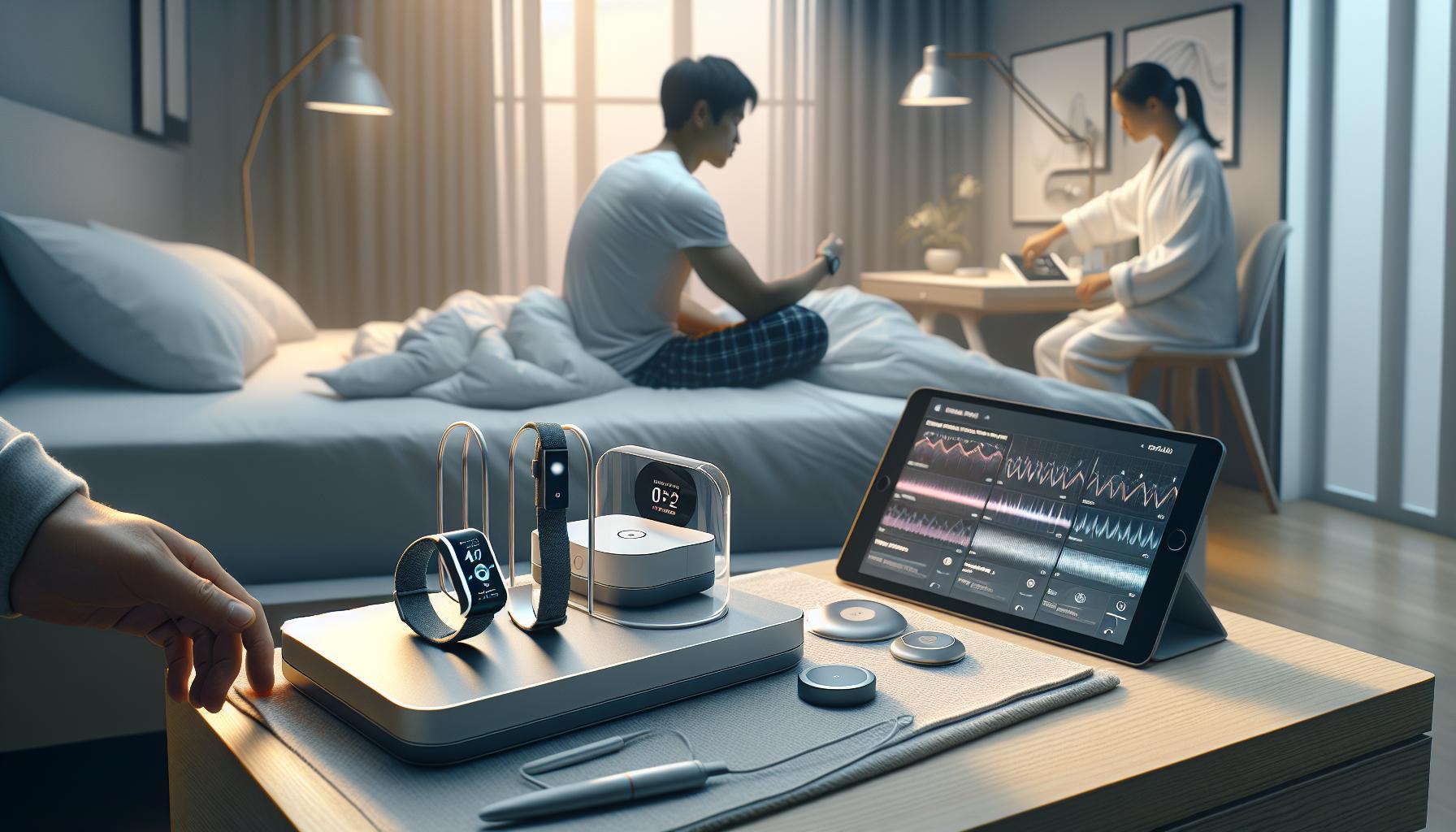
Insurance Coverage for Home Sleep Studies: What You Need to Know
Understanding the specifics of insurance coverage for home sleep studies can significantly reduce anxiety when seeking solutions for sleep issues. Many individuals are surprised to find that their health insurance might cover a substantial portion of the costs associated with sleep studies. However, coverage can vary widely based on the provider, the specifics of your health plan, and the medical necessity of the procedure as determined by your healthcare provider.
Before scheduling a home sleep study, it’s wise to contact your insurance company directly. Ask them about the coverage specifics for home sleep apnea testing and what criteria must be met for the procedure to be deemed “medically necessary.” Providers often require a referral from your primary care physician or a sleep specialist. This step not only legitimizes the need for the study but also may ensure that your claim is processed smoothly.
Key Points to Consider
When navigating insurance coverage for home sleep studies, keep the following in mind:
- Pre-authorization: Some insurance plans require pre-authorization before undergoing a home sleep study. Confirm this with your insurer to avoid unexpected costs.
- Out-of-pocket expenses: Even with coverage, be prepared for co-pays or deductibles. Verify how much you’ll be responsible for and factor this into your budget.
- Network providers: Check if the sleep study provider is in-network, as using an out-of-network provider can lead to higher costs.
- Follow-up testing: If your home study indicates a potential disorder, further tests might be required. Understand how insurance will handle these additional steps.
By being proactive and gathering all necessary documentation before your appointment, you empower yourself to make informed decisions about your sleep health while minimizing unexpected financial burdens. Remember, your healthcare provider can be an invaluable resource in navigating these complexities, so don’t hesitate to seek their advice. This combination of knowledge and support can help you take control of your sleep health journey.
Real-Life Scenarios: When to Choose a Sleep Study vs. a Tracker
Understanding whether to opt for a sleep study or simply use a sleep tracker can be pivotal in addressing sleep issues effectively. Home sleep studies provide a comprehensive view of your sleep patterns, measuring critical data like oxygen levels and heart rate, which can lead to a diagnosis of sleep disorders like sleep apnea. In contrast, trackers generally monitor your sleep duration and movements without providing the clinically necessary data required for accurate diagnosis.
For instance, imagine a scenario where someone feels excessively tired during the day despite regular hours of sleep. If they use a sleep tracker and notice consistent restlessness but lack medical insights, they may wonder about underlying issues. In this case, a home sleep study might be recommended as it can reveal whether the restlessness correlates with breathing interruptions – a common sign of sleep apnea. On the other hand, if the individual is simply curious about their sleep habits and trends, a wearable device might suffice.
Conversely, another person may frequently snore, prompting concern from their partner. Here, the urgency of potential sleep apnea makes a home sleep study a more appropriate choice. The data from the study could guide treatment options, which might include lifestyle changes, CPAP therapy, or further consultation with a sleep specialist.
Remember that while wearables are increasingly sophisticated, they still fall short in diagnostic capabilities. If symptoms suggest a serious sleep disorder that impacts daily life, investing in a home sleep study, despite its higher costs, could ultimately lead to a clearer understanding and better management of sleep health.
Troubleshooting Tips for Home Sleep Study Devices
Using home sleep study devices can feel daunting, but with some straightforward troubleshooting tips, you can enhance your experience and ensure accurate results. First, always start by carefully reading the instructions provided with your device. Each model may have specific requirements that are crucial for obtaining objective data during your sleep study.
One common issue is battery life. It’s essential to ensure that all devices are fully charged before bedtime. If you’re using a device that requires batteries, replace old batteries with fresh ones to avoid interruptions while you sleep. Look for an indicator light that confirms the device is functioning correctly. If you wake up to find that the device has stopped recording, check the power source first.
Another technical aspect to consider is the connection of sensors. Improperly placed or loose sensors may lead to incomplete data. Make sure all electrodes and sensors are securely attached to the designated areas on your body-these typical attach points often include your forehead, nostrils, and finger. For example, if the airflow sensor isn’t properly positioned at your nose, it may miss important data on your breathing patterns, potentially leading to inaccurate conclusions.
- Device Calibration: Consider recalibrating your device if available. Some models have calibration options that can improve measurement accuracy.
- Environment Control: Ensure you’re sleeping in a quiet, dark room to minimize disturbances that can affect your results. Overly bright lights or noise can interfere with the sensitivity of studies, leading to misleading data.
- Follow-Up Options: If problems persist, don’t hesitate to contact customer support or your healthcare provider for guidance. They can offer specific solutions tailored to your model.
Lastly, after your study, ensure you properly clean and store your device. Following these troubleshooting steps not only prepares you for a successful sleep study but also empowers you to take charge of your sleep health journey, leading to clearer insights and better management of any potential sleep disorders.
The Future of Sleep Technology: Innovations and Trends
As sleep health becomes an increasingly prominent topic, innovations in sleep technology are reshaping the landscape of home sleep studies. Devices that not long ago were limited to clinical settings are now available for home use, allowing patients to monitor their sleep quality conveniently and affordably. The integration of advanced sensors into wearables and non-intrusive devices has made it possible to capture detailed data on sleep patterns, breathing irregularities, and even heart rate variability, all from the comfort of home.
One significant trend is the rise of artificial intelligence (AI) in analyzing sleep data. AI algorithms can process massive amounts of information swiftly, providing insights that may have taken specialists hours to evaluate. For example, many new devices can detect sleep apnea events with incredible accuracy, alerting users in real-time about their respiratory health. In addition, some tech companies are working on developing sleep tracking apps that not only record metrics but also provide personalized recommendations based on individual sleep habits, which could optimize rest quality further.
Smart Integrations and Wearable Technology
The latest smart devices are designed to integrate seamlessly into everyday life. Products like smart mattresses and pillow systems can adjust firmness based on the user’s movements throughout the night, actively promoting a more restful sleep environment. Wearable technology, such as smartwatches and fitness trackers, continues to evolve with improved sensors and features aimed at tracking not just sleep but overall wellbeing. When comparing these devices, it is crucial to understand what each offers and how it aligns with your sleep health goals.
Accessibility and Costs
While the initial costs for advanced sleep monitoring technology can vary, many options cater to different budgets. Basic models can start as low as $50, while high-end devices may reach upwards of $500. However, the investment can be worthwhile, considering the potential health benefits and the insights these devices can provide. For those hesitant about the financial commitment, considering the long-term value and potential savings on professional consultations or treatments could help in making an informed choice.
With ongoing innovations, the future of sleep technology holds immense possibilities. From enhanced consumer education on sleep disorders through these tools to more accurate home studies, individuals are empowered to take control of their sleep health like never before. The key is choosing the right technology that fits your individual needs, ensuring a better night’s sleep and overall wellbeing.
FAQs About Home Sleep Studies and Their Benefits
Understanding how home sleep studies work and their benefits can empower you to take control of your sleep health. These studies, which can often be done in the comfort of your home, provide vital insights into the quality of your sleep and can help diagnose conditions like sleep apnea or insomnia. There’s a growing acceptance of these tests in the healthcare community, as they are convenient and can lead to timely interventions that improve overall well-being.
One of the most common questions people have is about the cost of a home sleep study. Generally, prices can range from $50 for basic devices to over $500 for more advanced monitoring solutions. However, many insurers cover part of the cost if a sleep disorder is suspected. It’s wise to check with your insurance provider to understand your coverage options better. Before committing to any device or service, consider what you’ll need: Are you looking for a simple device to track sleep duration, or do you need detailed insights into sleep stages and breathing patterns?
Another area of confusion is the type of sleep study to choose. Home sleep studies typically come in two forms: those that use wearable technology and those that utilize polysomnography equipment. Wearables are generally easier to use and provide real-time data but may not capture as comprehensive a picture as polysomnography, which records a wide range of physiological data. When selecting a device, think about your specific needs and comfort level.
Lastly, it’s essential to understand that while technology continues to evolve, not all sleep studies are created equal. Some devices may overpromise on their capabilities. It’s crucial to read reviews and do thorough research to ensure the chosen device meets your expectations and needs. Engaging with user communities online or consulting healthcare professionals can also provide clarity about the options available, allowing you to make informed decisions about your sleep health.
Sleep Disorders and How Home Studies Can Help
Understanding how sleep disorders can affect your night and day is essential. Many people suffer from conditions like sleep apnea, insomnia, and restless legs syndrome, which can severely impact not only sleep quality but overall health and wellbeing. A home sleep study can be a pivotal step in identifying these disorders, often providing insights that are more reflective of your actual sleeping environment than traditional lab studies.
There are several types of sleep disorders, with the following being among the most common:
- Sleep Apnea: This condition involves repeated interruptions in breathing during sleep, leading to fragmented sleep and excessive daytime sleepiness.
- Insomnia: Characterized by difficulty falling or staying asleep, insomnia can be acute or chronic and often coexists with stress or anxiety.
- Restless Legs Syndrome: This neurological condition causes uncomfortable sensations in the legs and an irresistible urge to move them, typically worsening at night.
Home sleep studies help pinpoint these issues through simple to use devices that fit comfortably while you sleep, monitoring vital metrics such as your breathing patterns, heart rate, and sleep cycles. The cost of these studies varies significantly, typically ranging from $50 to upwards of $500, depending on the complexity of the device and monitoring capabilities. Many insurance providers cover these costs if a disorder is suspected, making it even more accessible for you to seek help.
Before embarking on a home sleep study, it’s important to understand what to expect. The setup is usually straightforward. You’ll wear sensors or a device that tracks your sleep disruptions. If you find yourself experiencing symptoms that suggest a sleep disorder, it’s beneficial to explore these home study options. Tracking sleep habits can not only enhance your understanding of your sleep patterns but also provide crucial data for discussions with healthcare professionals-helping you choose the right treatment and ultimately achieve better sleep health.
In sum, home sleep studies represent a valuable tool for identifying sleep disorders in the comfort of your home. They offer detailed insights without the anxiety of a lab environment, empowering you to take focused steps towards improving your sleep and, consequently, your overall health.
Q&A
Q: How much should I expect to pay for a home sleep study?
A: A home sleep study typically costs between $150 to $500, depending on the complexity and the provider. It’s essential to check if your insurance covers part of this cost. For more details, you can refer to the section on Average Costs of Home Sleep Studies Explained.
Q: What factors influence the cost of a home sleep study?
A: The cost of a home sleep study can be influenced by factors such as the type of test required, the provider’s location, and whether it includes the use of specialized equipment. Consulting with healthcare providers can provide specific pricing tailored to your needs.
Q: Are home sleep studies covered by insurance?
A: Many insurance plans may cover home sleep studies, but coverage varies significantly. It’s best to confirm with your insurance provider how much of the expense is covered and whether a referral from a physician is needed. Check the Insurance Coverage for Home Sleep Studies section for more insights.
Q: What types of devices are used in home sleep studies?
A: Home sleep studies often utilize devices that monitor breathing patterns, oxygen levels, and heart rates. These can include portable polysomnography devices or simpler home sleep apnea tests. To better understand your options, explore the Comparing Home Sleep Study Devices and Wearables section.
Q: How accurate are home sleep studies in diagnosing sleep disorders?
A: Home sleep studies can effectively diagnose common sleep disorders like obstructive sleep apnea, but they may not capture all aspects of sleep disorders, such as sleep disturbances caused by anxiety or other conditions. For complex diagnoses, a lab sleep study might be recommended.
Q: Can I prepare for a home sleep study at home?
A: Yes, preparing for a home sleep study typically involves avoiding caffeine and alcohol before the night of the test and following specific instructions from your healthcare provider. The Preparing for Your Home Sleep Study section offers further guidance on what to expect.
Q: How long does a home sleep study take?
A: A typical home sleep study lasts one night, and you will sleep in your own bed. It is designed to gather data during your regular sleeping patterns. More detailed information can be found in the What to Expect During a Home Sleep Study section.
Q: What should I do if I experience issues with my home sleep study device?
A: If you encounter problems with your home sleep study device, refer to the Troubleshooting Tips for Home Sleep Study Devices section for common fixes. If issues persist, contact your healthcare provider for assistance.
Wrapping Up
As you explore the costs and options for a home sleep study, remember that investing in your sleep health is investing in your overall well-being. With various affordable testing options available, understanding the nuances of these studies can help you make informed decisions that fit your lifestyle. Don’t hesitate to delve deeper into topics like the benefits of wearables for ongoing sleep tracking, or discover how to choose the right sleep tech for your needs.
We encourage you to take the next step in your sleep health journey by checking out our comprehensive guides on at-home sleep studies and understanding sleep disorders. If you have any concerns about your sleep quality or how to start a home sleep test, our expert resources are here to help. Feel free to leave comments or questions below, and remember to subscribe to our newsletter for the latest insights and tips on sleep health. Your path to better sleep starts today-don’t wait!
Get our latest guides, news, and insights highlighted in your Google Search & AI Overviews.