
As sleep issues become increasingly common, the market for sleep diagnostics therapy devices is evolving rapidly with cutting-edge technologies. These devices offer valuable insights into sleep patterns and can help diagnose various sleep disorders, from insomnia to sleep apnea. Understanding these innovations is vital for anyone seeking better sleep health, as they empower individuals with the tools to manage their sleep more effectively. Whether you’re struggling with sleep quality or simply curious about the latest advancements, this exploration will guide you through the complexities of sleep diagnostics devices and their potential benefits. Get ready to uncover how these technologies can enhance your overall well-being and improve your nightly rest.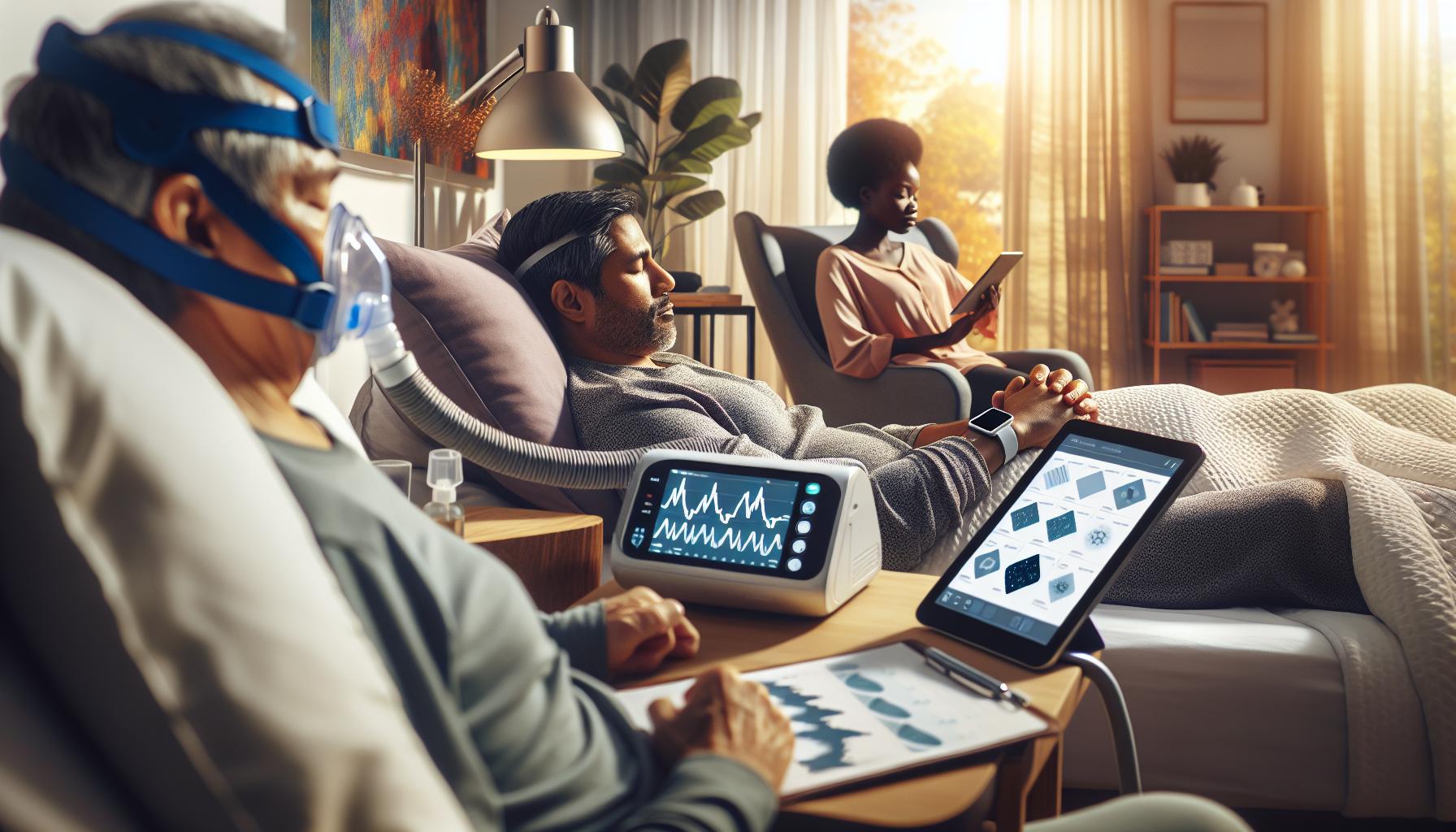
Understanding Sleep Diagnostics and Therapy Devices
Sleep diagnostics and therapy devices have transformed how we understand and address sleep-related issues, harnessing technology to unravel the complexities of restorative rest. These sophisticated tools cater to various needs, from individuals seeking insight into their sleep patterns to clinicians diagnosing and treating sleep disorders. With the rise of chronic sleep problems affecting millions, it’s crucial to recognize how these devices can help unveil one’s nocturnal health.
At the heart of sleep diagnostics are technologies that capture comprehensive data about sleep stages, disturbances, and overall quality. Tools like polysomnography (PSG) remain the gold standard in clinical settings, providing in-depth analysis by recording brain waves, oxygen levels, heart rate, and more during sleep. However, the landscape is rapidly evolving with home sleep testing (HST) devices, which offer a simplified, cost-effective alternative for many individuals. These portable devices are designed for ease of use and can often provide valuable insights without the need for overnight hospital stays.
When considering therapy devices, a broad array exists, ranging from CPAP machines for obstructive sleep apnea to innovative wearable trackers that monitor sleep quality and patterns effortlessly. Many modern wearables not only track sleep duration and efficiency but also offer features such as smart alarms that awaken users during optimal sleep phases. As consumers navigate these choices, understanding their unique needs-such as their specific sleep disorders, lifestyle, and comfort-can help them select the right device.
Setup and usability are paramount, so consumers should be aware of what to expect when integrating new technology into their nightly routines. Most devices come with user-friendly guides and support, but common pitfalls in setup can lead to inaccurate data or ineffective therapy. Thus, anyone engaging with these technologies should feel empowered to reach out for help if they encounter problems or uncertainties. Navigating the world of sleep diagnostics and therapy can seem daunting, but with the right information and support, individuals can make informed choices that significantly enhance their sleep health.
Key Technologies Shaping the Sleep Device Market
The evolution of sleep device technology is nothing short of remarkable, reshaping the way we understand and treat sleep disorders. As awareness about the importance of sleep grows, innovative tools have taken center stage, aiming to empower individuals with real-time insights into their nightly rest patterns. Advanced diagnostic devices, particularly those leveraging data analytics and machine learning, are at the forefront, providing clinicians and patients alike with unprecedented access to sleep metrics.
Innovative Sleep Monitoring Technologies
Smart textile technology is revolutionizing sleep diagnostics, with bedsheets and mattresses embedded with sensors that measure a range of biometrics while you sleep. These sensors can track heart rate variability, breathing patterns, and even movements, offering a comprehensive view of sleep quality without the need for uncomfortable or intrusive equipment. Brands like Eight Sleep have developed mattresses that not only monitor these metrics but can also adjust temperature settings to create an optimal sleep environment, showcasing how comfort and data analytics can blend to enhance sleep quality.
Wearable Devices and Their Impact
Wearable sleep trackers have surged in popularity as individuals look for easy and non-intrusive ways to monitor their sleep health. Devices such as fitness bands and smartwatches offer standalone sleep tracking functionalities, which include sleep stage monitoring and heart rate analysis. While these devices can provide significant insights, their accuracy can vary based on the brand and model. Potential users should look for models with validated sleep science backing for reliable data. Real-world user scenarios show that users can identify patterns and make lifestyle changes based on the feedback from these wearables, aiding in the management of sleep disorders like insomnia and sleep apnea.
Home Sleep Testing Devices
Home sleep testing (HST) devices represent a key advancement in the diagnosis of sleep apnea and other disorders. Unlike traditional sleep studies that require overnight hospital stays, HST devices deliver convenience and comfort as patients can sleep in their own beds. These devices are relatively straightforward to set up, often featuring nasal cannulas or finger sensors to monitor airflow and oxygen levels. Patients should expect to wear the device for a single night, after which data is analyzed to determine potential sleep issues. This technology streamlines the diagnostic process and increases access for individuals who may avoid clinical setups due to anxiety or scheduling conflicts.
By leveraging these technologies, consumers can take proactive steps towards better sleep health. Whether it’s through engaging directly with wearables, utilizing smart home devices, or opting for convenient home testing options, understanding the landscape of sleep diagnostics is essential. As this market continues to evolve, remaining informed will enable individuals to make choices that best suit their needs while addressing the serious implications of untreated sleep disorders.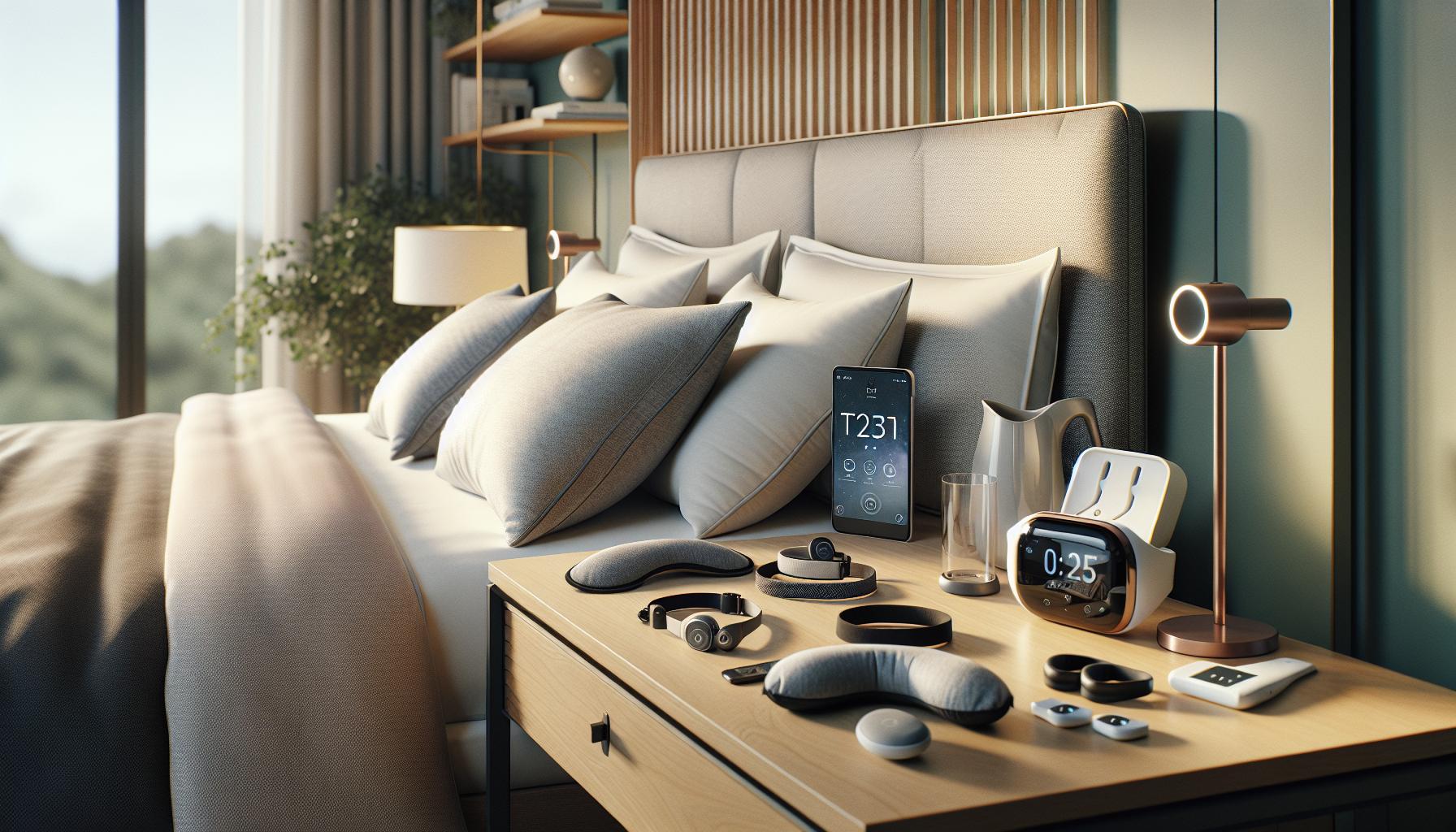
Types of Sleep Diagnostics and Therapy Devices
The landscape of sleep diagnostics and therapy devices is rapidly evolving, providing users with both traditional and innovative solutions to better understand and improve their sleep health. These devices range from simple wearable trackers to high-tech polysomnography equipment used in clinical settings. Each type serves a specific purpose in diagnosing or treating sleep disorders, adapting to various needs and environments.
Wearable Devices
Wearable sleep devices, such as fitness trackers and smartwatches, have gained immense popularity due to their convenience and ease of use. These devices typically monitor sleep duration, sleep stages, and heart rates, offering valuable insights into user sleep patterns. Most wearables are user-friendly, allowing consumers to begin tracking their sleep with minimal setup. However, it is important to note that the accuracy of sleep data can vary considerably based on the device’s technology and algorithms. When considering a wearable, look for models that have undergone rigorous testing and offer robust data interpretation, which can empower users to make informed lifestyle changes beneficial for their sleep.
Home Sleep Testing (HST) Devices
As alternatives to conventional sleep studies, home sleep testing devices have revolutionized the diagnosis of conditions like sleep apnea. These compact devices can typically be set up easily at home with minimal fuss, often requiring the user to wear a small sensor or headband overnight. They monitor critical metrics such as oxygen levels and breathing patterns, providing essential data to healthcare providers who can then assess the likelihood of sleep disorders. Many patients find that home testing reduces anxiety related to hospital stays, streamlining the process while offering comfort and privacy.
Polysomnography
On the more clinical end of the spectrum, polysomnography remains the gold standard in sleep studies. This comprehensive method involves an overnight stay at a sleep clinic where multiple parameters, including brain waves, oxygen levels, heart rates, and muscle activity, are monitored. While this option provides extensive insights into complex sleep disorders, many individuals find the process intimidating. It’s essential for patients considering polysomnography to understand that while it is more invasive than home options, it yields valuable information that can lead to more effective treatment plans.
Smart Home Devices
Innovations in smart home technology have also made their way into sleep diagnostics. Devices like smart mattresses and sleep aids utilize integrated sensors to monitor various biometric data while adjusting to users’ needs. For instance, certain smart mattresses can alter firmness or temperature based on real-time data, helping to optimize comfort and promote better sleep quality. Brands such as Eight Sleep showcase the potential of combining technology with comfort, addressing physiological needs directly through these intelligent systems.
In summary, each type of sleep diagnostic and therapy device serves distinct functions, catering to diverse preferences and needs. Whether through easy-to-use wearables or sophisticated polysomnography, understanding the options available can empower individuals to take charge of their sleep health. Always consult with a healthcare professional to determine the most appropriate approach for diagnosing and treating sleep disorders, ensuring a path toward better rest.
Innovations in Wearable Sleep Trackers
Wearable sleep trackers have transformed the way we approach sleep health, combining technology with everyday convenience. These devices not only monitor your sleep patterns but also provide insights that can lead to better rest and improved overall well-being. Recent innovations have enhanced their functionality, with features that measure not just sleep duration and quality but also stress levels, heart rate variability, and even oxygen saturation. This holistic approach gives users a comprehensive view of their sleep and health.
When selecting a wearable sleep tracker, it’s important to consider what information you hope to gain. Many devices have set up processes that are straightforward: simply wear the device while you sleep, and the technology does the rest. Look for options with user-friendly interfaces that display your sleep stages (light, deep, and REM), allowing you to identify patterns or disruptions that may affect your rest. Consider models with skin temperature sensors or those integrated with smart technology, which can adapt to your comfort preferences throughout the night.
One standout example of innovation in wearable technology is the integration of sleep coaching features. Some advanced trackers not only gather data but also provide tailored recommendations based on your unique sleep patterns. For instance, they might suggest optimal bedtime adjustments or relaxation techniques to improve sleep onset. Such actionable feedback empowers users to take control of their sleep health, directing them towards personalized solutions rather than one-size-fits-all advice.
While wearables offer remarkable tools for understanding sleep, it’s vital to recognize their limitations. Device accuracy can vary, and these trackers are best viewed as supplementary rather than diagnostic instruments. If you continue to experience sleep difficulties despite making lifestyle adjustments, it may be time to consult with a healthcare professional or consider more comprehensive testing methods like polysomnography. This balanced approach ensures that you leverage the strengths of wearable technology while remaining vigilant about your health.
The Role of Polysomnography in Sleep Testing
Polysomnography is often considered the gold standard for diagnosing sleep disorders. This comprehensive sleep study is conducted in a sleep laboratory, where it records various physiological parameters over one night of sleep. Unlike wearable sleep trackers, which primarily focus on movement and basic sleep patterns, polysomnography offers an in-depth analysis by measuring brain waves, oxygen levels, heart rate, respiratory effort, and eye movements. This wealth of data provides a clear picture of sleep architecture, including the duration and quality of each sleep stage: light, deep, and REM.
With polysomnography, patients can expect a detailed report that outlines any issues such as sleep apnea, restless leg syndrome, and narcolepsy. The procedure is typically performed in a comfortable sleep lab setting, where sensors are placed on the scalp, face, chest, and legs, though no needles or invasive procedures are involved. For many, the thought of sleeping in a lab can be anxiety-inducing, but knowing that this thorough testing can lead to effective treatment often eases concerns. A standard study may cost between $1,000 to $3,000, depending on factors such as location, insurance coverage, and additional tests required.
A polysomnography test can also differentiate between types of sleep disruptions that may not be apparent through consumer wearables. For instance, while a tracker might signal restlessness during the night, it won’t provide the nuanced data needed to diagnose something complicated like periodic limb movement disorder or complex sleep apnea. With the advent of advanced sleep devices that can test for these issues at home, such as portable polysomnography equipment, more people have access to the necessary diagnostics with the convenience of being in familiar surroundings.
In summary, while wearables can be an excellent tool for preliminary tracking of sleep habits, polysomnography should be considered when specific sleep issues persist. This comprehensive testing method equips healthcare professionals with the detailed insights needed to tailor effective treatment plans, enabling you to achieve better sleep health. If you’re experiencing ongoing sleep concerns, consulting with a healthcare provider about the appropriateness of a sleep study could be a beneficial next step.
Benefits of Home Sleep Testing Options
Home sleep testing options are revolutionizing how individuals approach the diagnosis of sleep disorders, providing a valuable alternative to traditional lab-based studies. These portable diagnostic devices allow users to conduct sleep assessments in the comfort of their own homes, eliminating the anxiety and disruption that often accompany overnight stays in clinical environments. Not only do these testing options promote relaxation, which can lead to more natural sleep patterns, but they also facilitate better data collection, reflecting true sleeping habits in familiar surroundings.
One of the most significant advantages of home sleep testing is accessibility. Patients no longer need to wait weeks for appointments in sleep clinics, as many home testing kits can be requested online and shipped directly to your door. The costs associated with these devices can also be significantly lower-typically ranging from $150 to $400-compared to the $1,000 to $3,000 price tag of a polysomnography session in a lab. Furthermore, because insurance coverage for home sleep tests is often more straightforward, many patients find they have less financial burden when choosing this route.
Setting up a home sleep test is generally straightforward. Most devices come with user-friendly instructions, requiring minimal technical expertise. Typically, you’ll be asked to wear sensors that monitor your breathing patterns, oxygen levels, and heart rate overnight. Many setups take less than 15 minutes, allowing you to drift off to sleep quickly without an extensive setup procedure. Once the data is collected, it can be transmitted to healthcare providers for analysis, allowing for personalized treatment recommendations based on your specific sleep patterns.
While home sleep tests offer many benefits, they may not be suitable for everyone. Certain conditions, such as complex sleep apnea or accompanying issues like heart failure, may require the comprehensive data that only in-lab polysomnography can provide. It’s essential to consult with a sleep specialist to determine the most appropriate testing method for your unique circumstances. In summary, home sleep testing options are a practical, cost-effective, and user-friendly way to diagnose sleep disorders, empowering individuals to take control of their sleep health with confidence.
Evaluating Sleep Therapy Devices for Effectiveness
Evaluating the effectiveness of sleep therapy devices requires a multifaceted approach, as each product may cater to different sleep issues and preferences. It’s essential to consider various factors, including the specific sleep disorder, the technology employed in the device, and how user-friendly it is. To ensure you choose the right device, it’s crucial to analyze its features, read reviews, and consult with healthcare professionals who can provide insights based on clinical experiences.
One of the first steps in this evaluation process is to understand how a device functions. For example, positive airway pressure (PAP) devices are widely used for treating obstructive sleep apnea. They work by delivering a constant stream of air to keep the airway open. For effective use, it’s important to assess comfort levels, noise levels, and any additional features such as automatic adjustments based on breathing patterns. Reviewing user testimonials can provide valuable insights into real-world effectiveness and comfort.
Additionally, it’s important to consider data-sharing capabilities. Many modern devices track vital sleep parameters-like heartbeat, movements, and breathing-and can sync this information to your smartphone or computer. This data not only helps in understanding sleep patterns but also allows for better communication with sleep specialists about treatment efficacy. Look for devices that offer comprehensive tracking and clear reports, helping you gauge improvements over time.
Monitoring any side effects is just as vital. Devices should ideally offer comfort without causing discomfort or encouragement of further sleep disturbances. Depending on the diagnosis, for example, patients with insomnia may benefit from cognitive behavioral therapy devices, which are designed to help modify sleep habits. Evaluating how well a device addresses specific symptoms while minimizing potential side effects is key.
In conclusion, choosing the right sleep therapy device necessitates careful consideration of its effectiveness based on your unique needs. By understanding how these devices work, leveraging user testimonials, and consulting healthcare professionals, you can make informed decisions that enhance your sleep quality and overall well-being. Always prioritize products that offer intuitive designs, comprehensive tracking, and proven results to ensure that you’re investing wisely in your sleep health.
Navigating Insurance Coverage for Sleep Solutions
Navigating the complexities of insurance coverage for sleep solutions can be daunting, especially with the growing range of diagnostic and therapy devices available. Many people are surprised to learn that not all sleep-related expenses are covered by insurance, which can lead to unexpected costs. Understanding your policy and the specifics of what is covered can empower you to make informed choices about your sleep health without breaking the bank.
Most insurance plans will cover medically necessary sleep studies and the equipment needed for treatment, such as Continuous Positive Airway Pressure (CPAP) machines for sleep apnea. However, coverage can vary significantly from one insurer to another, and it often depends on the documentation provided by your healthcare provider. To maximize benefits, it’s essential to obtain a proper diagnosis from a sleep specialist who can recommend the right tests and treatments. Make sure to ask your doctor about how to best document your condition and the medical necessity of the recommended devices.
When considering wearable sleep trackers or at-home sleep testing devices, these may not always qualify for insurance reimbursement. These products are often classified as consumer devices and may not have the same coverage as medically prescribed equipment. If you’re contemplating purchasing a device out-of-pocket, check with your insurance provider first. Many insurers have specific rules about what qualifies as a medical necessity, and understanding these terms can help you avoid costly surprises later.
Before committing to a purchase, it can also be advantageous to reach out to your insurance company’s customer service or consult their website for detailed information about coverage limits, co-pays, and potential out-of-pocket expenses. Keeping a record of all communications regarding your coverage can help if disputes arise later on. If you find that your plan does not cover the necessary devices, consider discussing alternative solutions with your healthcare provider or looking into flexible payment options or health savings accounts (HSAs) that can alleviate some financial burdens associated with sleep treatments.
In short, leveraging the right information about your insurance policy can significantly enhance your ability to access effective sleep solutions while managing costs. By being proactive and persistent, you can navigate insurance reimbursement with greater ease and focus more on improving your sleep quality.
User Experience: Setting Up Your Sleep Device
Getting started with a sleep device can feel overwhelming, especially with the variety of options available on the market today. Whether you’re using a CPAP machine for sleep apnea or a wearable tracker to understand your sleep patterns better, a smooth setup can enhance your experience significantly. Here’s what you need to know to ensure you’re set for a good night’s sleep with your new device.
When setting up a sleep device, the first step is to carefully read the user manual. Each device may have specific requirements, so familiarize yourself with the basic functions. If you’re dealing with a CPAP machine, for instance, you’ll want to learn how to properly fit the mask and adjust the settings for comfort. Make sure that the hose isn’t kinked and that the machine is clean and functioning correctly to avoid any complications. For wearable trackers, positioning the device correctly on your wrist and ensuring it’s charged are crucial first steps.
In addition to physical setup, consider the environment in which you will be sleeping. A calm and dark room can enhance the effectiveness of sleep devices. Minimize noise and light and maintain a comfortable temperature to promote better sleep quality. If your device provides data and feedback, take time to understand how to interpret this information. Most devices will connect to a mobile app, where you can access your sleep stats. By analyzing this data, you can begin to notice patterns in your sleep cycles and identify areas for improvement.
Don’t forget about troubleshooting common issues. If you experience discomfort with a CPAP machine, it may be about adjusting the mask size or ensuring a proper seal, while wearables may require app updates or syncing issues to be resolved. Always check the FAQ section or customer service for the device in case you encounter problems beyond your control.
Finally, remember that patience is key. It may take a few weeks to adjust to your new sleep device. Continuous use will help your body acclimate, and the data you gather will refine your understanding of your sleep habits. If problems persist, it’s wise to consult a healthcare professional to discuss your experience and any needed adjustments. With the right setup and mindset, you can unlock the potential for improved sleep health.
Troubleshooting Common Issues with Sleep Technology
Navigating sleep technology can come with its share of hurdles, from device discomfort to connectivity issues. Understanding how to troubleshoot these common challenges can empower you to maximize your device’s benefits and enhance your overall sleep quality. With innovations like CPAP machines and wearable trackers gaining popularity, knowing what to do when things don’t work as planned is critical for any sleep health journey.
One of the most frequent issues encountered with CPAP machines is mask discomfort. If you feel pressure or leaks, try adjusting the straps for a more customized fit. It can also be helpful to explore different mask types; for instance, nasal pillows may be less intrusive than full-face masks. Make sure to regularly clean the equipment to prevent irritation caused by allergens or bacteria. If you’re using a wearable tracker, syncing problems are common. Ensure the device is charged and the related app is updated. Restarting the device and your smartphone can often resolve unsynchronized data.
For those who feel overwhelmed by the initial data from a sleep tracker, take it one step at a time. Start by focusing on a specific metric, like sleep duration, rather than trying to process everything at once. Many trackers offer insights into sleep stages that can show patterns-if you notice issues such as frequent wake-ups, consider adjusting your bedtime routine or environment.
If you’ve tried troubleshooting, yet your device still isn’t working properly, don’t hesitate to reach out for help. Many manufacturers have robust customer support systems designed to assist you effectively. Additionally, when symptoms of sleep disorders persist, seeking professional evaluation may be necessary. A sleep study can provide a comprehensive overview of your sleep patterns and guide necessary adjustments or treatment plans.
With patience and the right approach to troubleshooting, you’re well on your way to achieving a restful and restorative night’s sleep. Empower yourself with knowledge, and remember: better sleep technology is only as effective as your understanding and application of it.
When to Seek Professional Help for Sleep Problems
Struggling with sleep can be frustrating and debilitating, impacting every facet of your daily life. Knowing when to seek professional help can be a game-changer. If you find yourself consistently tossing and turning or waking up unrested, it may be time to explore more comprehensive solutions. Sleep disorders vary widely, and understanding when to consult a sleep specialist can lead you toward a clearer path to restful nights.
Signs You Should See a Professional
Keep an eye out for specific symptoms that indicate a need for professional evaluation. If you experience any of the following, consider scheduling a consultation with a sleep specialist:
- Persistent Sleep Issues: Struggling to fall asleep or stay asleep for three weeks or longer.
- Daytime Fatigue: Feeling excessively sleepy during the day, despite getting an adequate amount of sleep.
- Snoring or Breathing Problems: If others notice you snoring loudly or experiencing pauses in breathing during sleep.
- Nightmares or Sleepwalking: Frequent nightmares or unusual behaviors while asleep can indicate underlying issues.
- Impact on Daily Life: If your sleep problems are affecting your work performance, relationships, or overall quality of life.
What to Expect During a Consultation
Visiting a sleep specialist typically begins with a comprehensive evaluation. Expect to discuss your symptoms, sleep history, and daily routines. They may ask you to complete a sleep diary or utilize sleep tracking devices to gather insights into your patterns. Depending on your symptoms, a sleep study (polysomnography) may be recommended. This overnight test monitors your sleep stages, movements, and other bodily functions to pinpoint possible disorders.
Home Testing vs. In-Lab Sleep Studies
Some patients may benefit from home sleep apnea tests, which are more convenient and less invasive than traditional sleep studies. These tests often utilize simple equipment to measure your breathing and oxygen levels while you sleep at home. However, in-lab studies provide a comprehensive overview and are typically preferred for diagnosing complex sleep disorders. Discuss with your healthcare provider which option is best suited to your needs based on your symptoms and medical history.
Ultimately, recognizing the right time to seek help can make all the difference for your health and well-being. Your sleep is vital, and professional guidance can open the door to effective treatments and solutions-so don’t hesitate to reach out for assistance if you’re struggling.
Future Trends in Sleep Diagnostics and Therapy Devices
Technology in the sleep diagnostics and therapy devices market is advancing rapidly, promising to enhance our understanding and treatment of sleep disorders. As innovation shapes the landscape, consumers can expect more efficient, user-friendly devices that seamlessly integrate into their lives. A fascinating trend is the rise of artificial intelligence (AI) in sleep technology, which allows for personalized recommendations and analytics based on individual sleep patterns. This could revolutionize how we approach treatment plans, moving from a one-size-fits-all model to tailored solutions that consider unique sleep habits and health histories.
Worn and implanted devices are becoming more sophisticated, with advancements in wearable technology allowing for continuous monitoring of various biomarkers like heart rate, temperature, and even blood oxygen levels. These devices can provide real-time feedback and alerts, helping users make immediate adjustments to their sleep environments or routines. For instance, smart mattresses equipped with sensors can adapt firmness and temperature settings on the fly, optimizing comfort based on user sleep stages and movements. Such innovations not only enhance sleep quality but also empower users to take control of their health.
In parallel, the explosion of mobile health applications is making sleep health management more accessible than ever. Many apps now pair with wearables to analyze sleep data and deliver insights directly to users’ smartphones. This democratization of sleep health information supports informed decision-making, enabling individuals to identify patterns and underlying issues without the need for immediate clinical intervention. However, while these tools offer valuable guidance, they aren’t substitutes for professional evaluation when serious sleep disorders are suspected.
The integration of telehealth services within sleep diagnostics is also a game changer. It allows experts to conduct remote consultations, review sleep studies, and provide guidance on therapy options without requiring patients to visit a clinic physically. This trend is particularly advantageous for individuals in underserved areas or those with mobility challenges. As these technologies evolve, anticipating regulatory developments and ensuring quality standards will be crucial to maintaining trust and effectiveness in the sleep health sector.
Overall, the future of sleep diagnostics appears promising, with technology paving the way for more precise, personalized, and accessible sleep health solutions. Consumers should remain informed about emerging technologies to make educated choices that can significantly impact their sleep quality and overall well-being.
Q&A
Q: What are the latest technologies in sleep diagnostics therapy devices?
A: The latest technologies in sleep diagnostics include advanced polysomnography systems, artificial intelligence integration for data analysis, and innovative wearable devices that track sleep stages. These devices enhance accuracy and provide real-time feedback, helping users improve their sleep quality effectively.
Q: How do wearable sleep trackers compare to traditional sleep studies?
A: Wearable sleep trackers offer convenience and accessibility, monitoring sleep patterns at home. In contrast, traditional sleep studies provide comprehensive diagnostics under medical supervision. While wearables can indicate trends, they may not replace the precise data obtained from a clinical setting.
Q: What features should I look for in a sleep therapy device?
A: Look for features like adjustable settings for comfort, real-time monitoring, user-friendly interfaces, and compatibility with sleep apps. Integration with smart home technology can also enhance usability. Ensuring the device is FDA-approved guarantees effectiveness and safety.
Q: Are there any drawbacks to using home sleep testing options?
A: Home sleep testing offers convenience, but it may lack the thoroughness of laboratory studies. Issues like improper device use and insufficient monitoring can lead to inaccurate results. Always consult a healthcare professional to interpret results properly and consider further testing if needed.
Q: How do I troubleshoot common issues with sleep technology?
A: Common issues include connectivity problems and inaccurate readings. Ensure that devices are charged, properly set up, and that sensors are clean. Refer to the user manual for specific troubleshooting steps, and if problems persist, contact customer support for assistance.
Q: When is it necessary to consult a professional about sleep issues?
A: Consult a professional if sleep problems persist despite using diagnostic devices or therapies, or if you experience severe symptoms like excessive daytime sleepiness, snoring, or restless sleep. Early intervention is key in managing any underlying sleep disorders effectively.
Q: What role does insurance play in covering sleep therapy devices?
A: Insurance coverage for sleep therapy devices varies widely. Some plans cover medically necessary devices like CPAP machines, while others may not. Check your insurance policy or contact your provider to understand what is covered, ensuring to provide any needed documentation from healthcare providers.
Q: How can I improve my experience with sleep diagnostics devices?
A: To improve your experience, ensure you follow setup instructions carefully, maintain device calibration, and keep a consistent sleep schedule. Engage with community forums for support and tips on maximizing the efficacy of your device, helping you achieve better sleep outcomes.
In Retrospect
As we navigate the evolving landscape of sleep diagnostics therapy devices, it’s clear that innovative technologies can transform your sleep health journey. By leveraging cutting-edge wearables and understanding the sleep study process, you can make informed decisions to enhance your rest, manage sleep disorders, and ultimately improve your quality of life. Don’t wait to take control of your sleep health-explore our guides on the latest sleep study options and compare devices that fit your lifestyle.
Ready to deepen your understanding? Check out our resources on polysomnography, troubleshooting step-by-step device setups, and expert advice on insurance navigation. Join the conversation below: share your experiences or questions! Stay engaged, as your journey to better sleep begins right here, and together, we can uncover the best solutions tailored just for you. Your restful nights are just a click away!
Get our latest guides, news, and insights highlighted in your Google Search & AI Overviews.