
In today’s fast-paced world, quality sleep is often sidelined, but it’s essential for health and well-being. The right sleep tracking device can offer invaluable insights into your sleep patterns, helping you identify disturbances and improve your rest. With a growing array of options available in 2026, this guide will explore the top picks for sleep tracking devices that suit your needs. Whether you’re struggling with insomnia or just eager to fine-tune your sleep routine, understanding these technologies can empower you to make informed decisions. Are you ready to discover how these tools can enhance your sleep quality and overall health? Let’s dive in!
Which Devices Excel in Sleep Tracking?
Identifying the best sleep-tracking devices can feel overwhelming with the vast selection available today. However, certain devices stand out for their advanced features and user-friendly interfaces. As of 2026, wearables like the Oura Ring and Fitbit Versa 4 have gained recognition for their accuracy and comprehensive health metrics. The Oura Ring, a sleek ring style device, utilizes infrared photoplethysmography sensors to track heart rate and respiration, alongside movement and body temperature, providing a thorough analysis of your sleep patterns, including REM and deep sleep stages. Its battery can last about a week, making it a practical choice for daily wear, particularly for those who prioritize comfort and subtlety in design.
On the wrist-based side, the Fitbit Versa 4 also shines with its robust battery life of up to six days and the versatility it offers- tracking not only sleep stages but also daily activity metrics such as heart rate and calories burned. It provides useful insights into sleep consistency and wake events, which can be particularly compelling for users wanting to improve their sleep hygiene over time. Both the Oura Ring and Fitbit have established themselves within the sleep tech community not just for their functionalities but also for their respective app ecosystems that empower users with actionable insights based on the collected data.
Different users might gravitate towards various forms of sleep tracking depending on their needs. For example, individuals looking for detailed metrics might prefer the Oura Ring for its precise analytics, while others interested in a multi-functional fitness tracker alongside sleep monitoring could choose the Fitbit. Ultimately, selecting the right device often comes down to individual preferences regarding design, comfort, battery life, and the specific health metrics that are most meaningful to the user’s enhancements in sleep quality and overall wellness. Investing in one of these devices can play a crucial role in personalizing your approach to better sleep, transforming nightly routines into more restorative experiences.
Top Features to Consider in Sleep Trackers
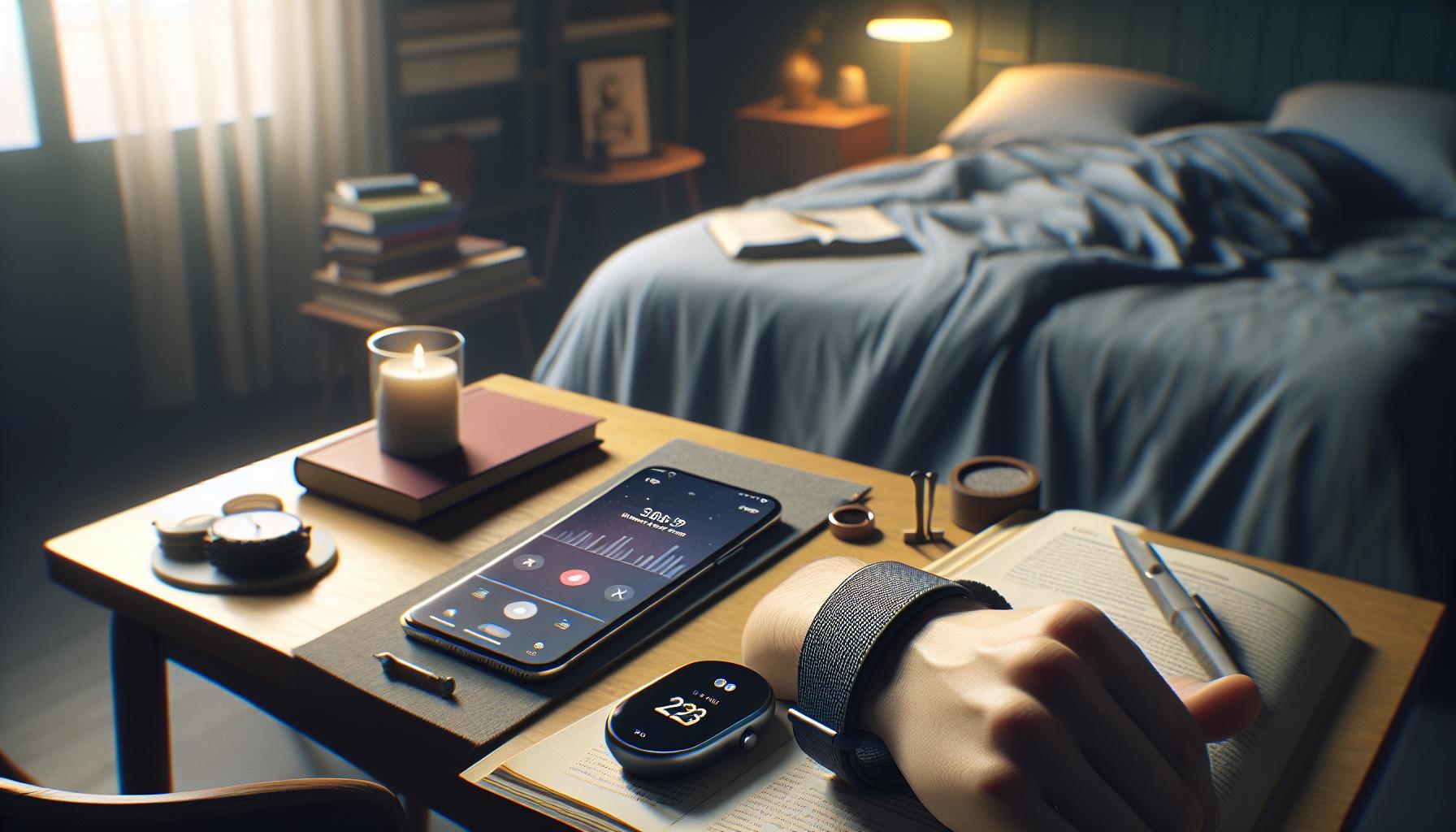
When selecting a sleep tracker, understanding the key features that enhance user experience and data accuracy is crucial. A quality sleep tracker should not only provide basic sleep duration metrics but also deliver a thorough analysis of your sleep patterns. Look for devices that offer insights into various sleep stages, including REM and deep sleep. These insights can help you understand your sleep quality and adopt necessary changes for better rest.
Another essential feature to consider is the device’s heart rate monitoring capabilities. Advanced trackers like the Oura Ring and Fitbit Versa provide continuous heart rate data, which can be correlated with your sleep quality to spot trends over time. This feature is particularly useful for those looking to optimize their sleep and overall health since variations in heart rate during the night can signal disturbances in sleep quality.
Battery Life and Comfort
Battery life is another critical factor when choosing a sleep tracker. Devices like the Oura Ring manage a battery life of up to a week, making them suitable for nightly use without the hassle of daily charging. In contrast, some fitness gadgets may require more frequent recharges but offer additional functionalities for day-time fitness tracking. Furthermore, comfort is paramount; a bulky or uncomfortable device can disrupt your sleep. Opt for sleek designs that you can forget you’re wearing while resting.
Integration with Apps
Lastly, consider how well the sleep tracker integrates with its companion application. A good app should provide a user-friendly interface that offers detailed reports, trends, and actionable tips based on the collected data. Look for features such as personalized sleep scores, lifestyle suggestions, and easy navigation through historical data. This will empower you to make informed decisions about your nighttime routines and overall health.
By focusing on these aspects-sleep stage tracking, heart rate monitoring, device comfort, battery life, and app functionality-you’ll be better equipped to choose a sleep tracker that fits your lifestyle and helps you achieve your sleep goals.
Comparing Wearables vs. Non-Wearable Sleep Devices
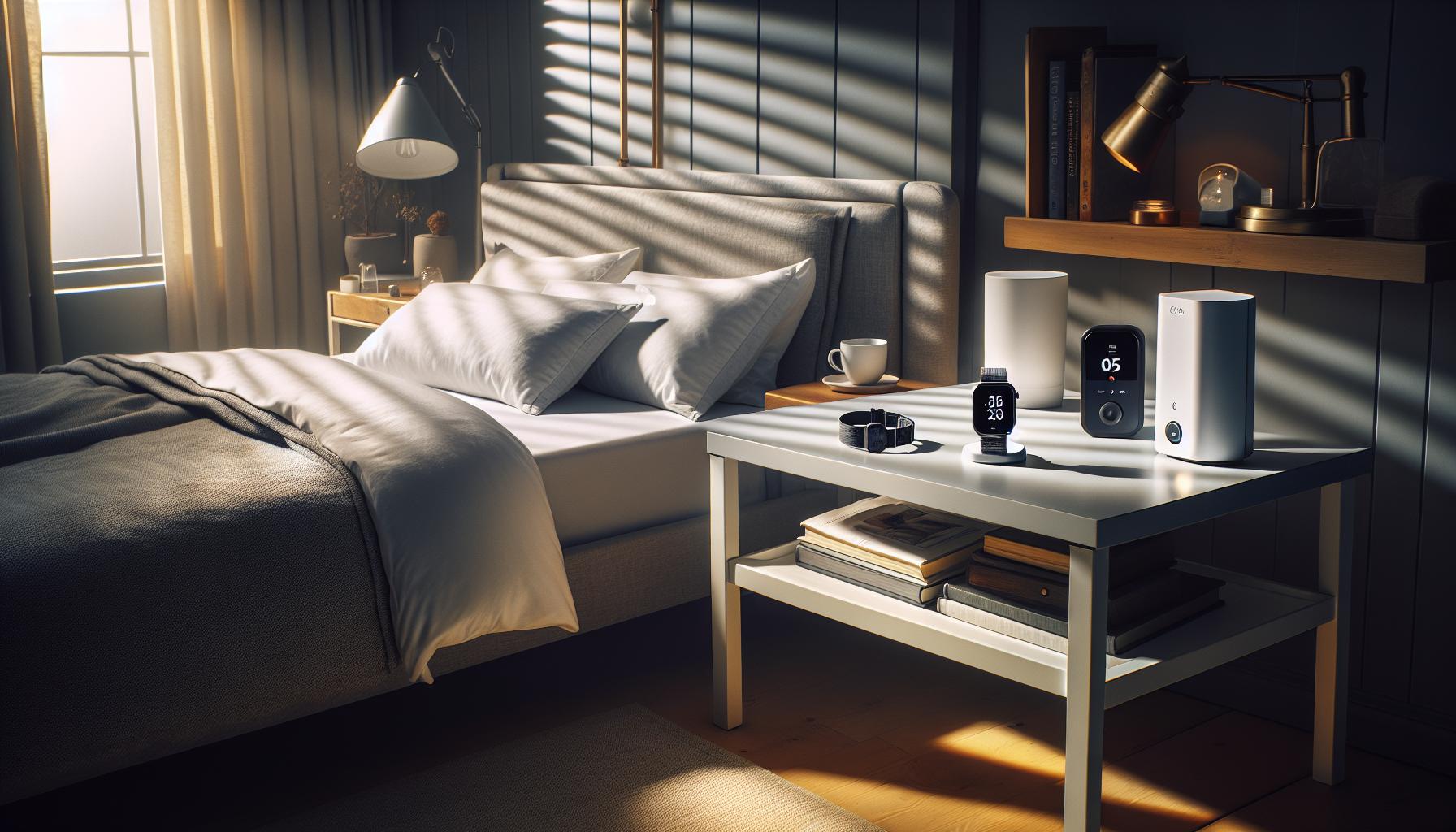
When considering the best approach to sleep tracking, it’s essential to weigh the benefits and limitations of both wearable and non-wearable devices. Wearables, such as smartwatches and fitness bands, provide a convenient way to monitor sleep patterns by utilizing sensors that track movement, heart rate, and even blood oxygen levels. These devices often come equipped with user-friendly apps that allow for easy data interpretation and integration into your daily health regimen. They can offer real-time feedback and enable users to adjust their habits instantly, which can be particularly empowering for those committed to improving their sleep quality.
On the other hand, non-wearable sleep devices, like sleep monitoring pads or mattress sensors, present a different set of advantages. These devices typically integrate under your mattress or as a part of your bedding setup and can track your sleep without any physical contact. This feature can be appealing for individuals who find wearing a device while sleeping uncomfortable. Non-wearables often provide comprehensive data on sleep cycles, environmental conditions, and even sleep disturbances without the need for interaction, thus preserving a natural sleep state. Moreover, they can sometimes offer insights that are not easily gleaned from wearables, such as analysis based on your body movement throughout the night.
### Pros and Cons
#### Wearable Devices
- Pros: Portable, real-time feedback, heart rate monitoring, often include fitness tracking.
- Cons: Some users find them uncomfortable; battery life may vary.
#### Non-Wearable Devices
- Pros: Comfortable as they don’t require wearing; can provide detailed insights into sleep environment.
- Cons: May not integrate as seamlessly with other health devices; can be more expensive.
Choosing between wearables and non-wearables comes down to personal preference and specific needs. If you’re active and prefer monitoring multiple health metrics, a wearable might be the best fit. Conversely, if you’re looking for a hassle-free solution without the distraction of a device on your wrist, a non-wearable could serve you better. In both cases, understanding what you want to achieve with your sleep tracking will guide you to the right choice and help you sleep better once those goals are clear.
Best Sleep Tracking Devices for Every Budget
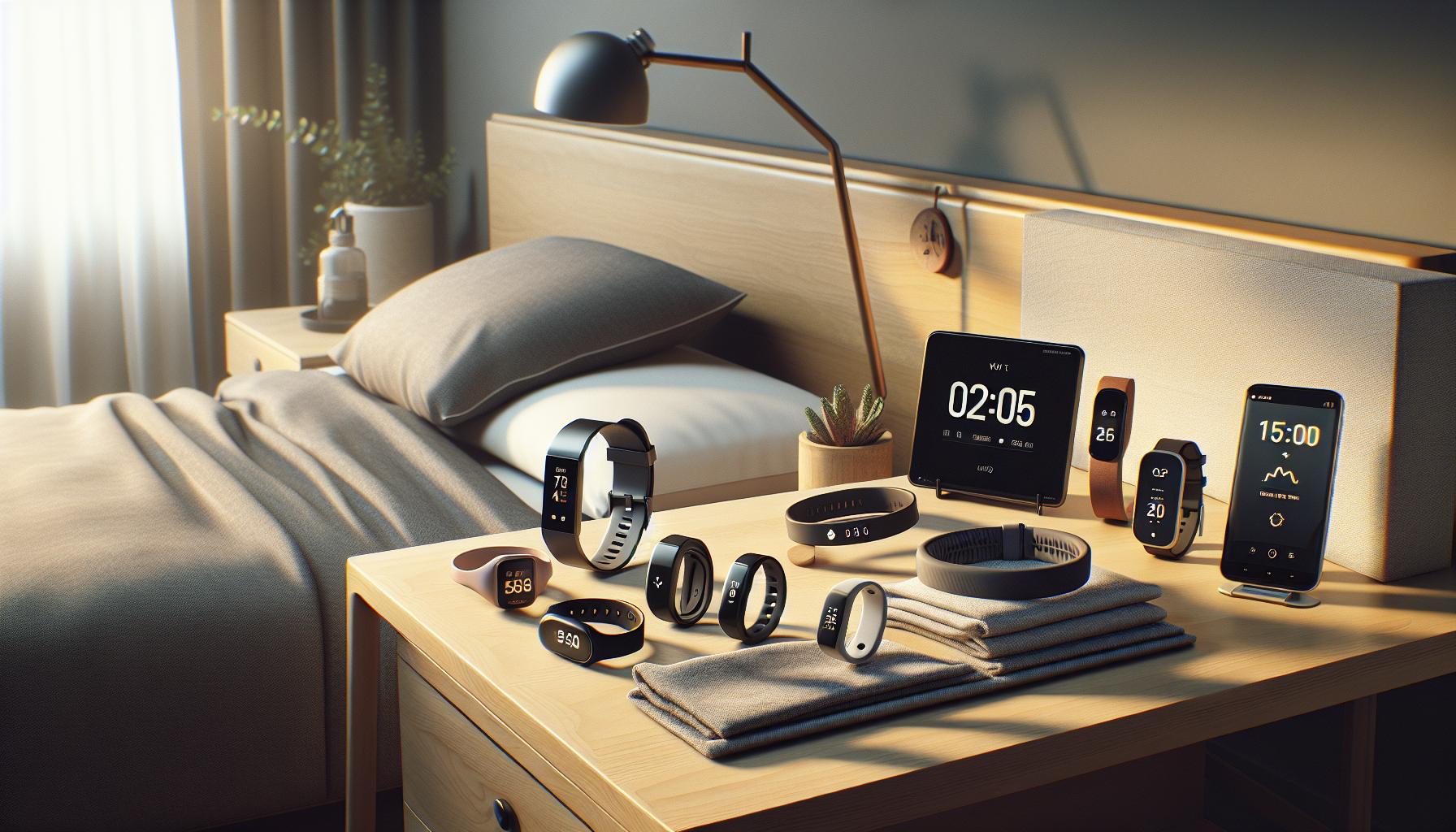
Finding the right sleep tracking device can feel overwhelming, especially given the range of options available at various price points. Whether you’re looking to spend a little or a lot, there are several devices that cater to different budgets while providing valuable insights into your sleep patterns.
For budget-conscious consumers, basic fitness trackers such as the Xiaomi Mi Band or Amazfit Bip offer essential sleep tracking features at an affordable price. These devices typically cost under $50 and provide useful metrics like sleep duration and cycles, along with other basic health tracking features. They may not have advanced sensors but can still help you establish a more consistent sleep routine.
If you’re willing to invest a bit more for additional features, consider options like the Fitbit Charge 5 or Garmin Vivosmart 4, priced between $100 and $200. These trackers bring more sophisticated algorithms for sleep analysis, heart rate monitoring, and stress management features. Fitbit, for example, offers a Sleep Score that gives you a quick overview of your sleep quality based on key metrics like REM and deep sleep phases.
For those ready to make a significant investment, premium devices such as the Oura Ring or Whoop Strap 3.0 offer high-end sleep tracking capabilities. Priced around $300 and up, these devices use advanced sensors to provide detailed insights into sleep stages, recovery metrics, and overall health trends. While initially high-priced, they can be worth it for dedicated users looking to optimize their health and performance.
Summary of Budget Options:
| Device | Price Range | Key Features |
|---|---|---|
| Xiaomi Mi Band | Under $50 | Basic sleep tracking, activity monitoring |
| Fitbit Charge 5 | $100 – $200 | Advanced sleep tracking, stress management |
| Oura Ring | $300+ | Detailed sleep analysis, recovery metrics |
No matter your budget, there’s a device that can help you gain insights into your sleep patterns. It’s essential to align your choice with what aspects of your sleep you wish to improve or understand better. By evaluating your needs and considering the features most important to you, you can make a smart and empowered decision that will lead to better sleep health.
How Accurate Are Sleep Trackers? The Truth Revealed
When it comes to monitoring your sleep, accuracy is paramount, yet sleep trackers can only provide approximations of your actual sleep stages and duration. Most devices use a combination of motion sensors, heart rate tracking, and sometimes even temperature readings to analyze your sleep patterns. This means while they can give you a general idea of how well you’re sleeping, they may not always be completely accurate. In fact, research has shown that while trackers can identify sleep duration fairly well, they often struggle with accurately detecting the different stages of sleep, such as REM and deep sleep.
Understanding Limitations
It’s essential to understand that sleep trackers are not substitutes for professional medical evaluations. For clinical insights into sleep disorders, a polysomnography (sleep study) conducted in a medical facility offers the most precise data by measuring brain waves, blood oxygen levels, and other vital metrics throughout the night. Sleep trackers provide valuable feedback for general wellness, but they can sometimes misinterpret periods of wakefulness as sleep if you remain still or quiet.
Practical Insight
When purchasing a sleep tracker, consider how much accuracy matters for your goals. If you are interested in basic sleep insights to improve your routine, even a simple, less expensive tracker can suffice. However, if you’re looking for details on sleep cycles or quality, opting for advanced models with more sophisticated sensors, like the Oura Ring or Fitbit, might be more beneficial. Investing in a device that aligns with your specific sleep health goals can empower you to make informed decisions, leading to better sleep outcomes overall.
Real-World Application
In practice, sleep trackers can encourage better habits. For instance, many users report increased awareness of their sleep environment, leading to improved sleep hygiene-like better bedroom lighting or consistent bedtimes. Regardless of the exactitude of their data, these devices can serve as motivational tools, helping you understand your sleep patterns and make adjustments that foster healthier sleeping practices.
Understanding Sleep Stages: What Trackers Measure
Understanding how sleep trackers measure sleep stages is essential for making informed choices about which device suits your needs best. Most sleep tracking devices rely on a combination of sensors-like accelerometers, heart rate monitors, and sometimes even temperature sensors-to estimate when you fall asleep, when you wake up, and how long you spend in each sleep stage. However, these estimations can vary in accuracy depending on the technology used.
Sleep is generally divided into several stages: light sleep, deep sleep, and REM sleep. Each stage has unique characteristics and plays a critical role in your overall health. While your sleep tracker might provide a percentage breakdown of time spent in each stage, it often does this by inferring data rather than directly measuring brain activity. As a result, while a device can be remarkably effective in capturing total sleep duration, it may struggle to pinpoint exactly when you are in REM versus deep sleep, sometimes misclassifying wakefulness as sleep if you remain still or quiet.
### What Trackers Typically Measure
Sleep trackers typically monitor the following aspects:
- Sleep Duration: The total amount of time you spend asleep, often presented in hours and minutes.
- Sleep Quality: Some trackers assess how often you wake up during the night or move around, giving you insights into how restful your sleep is.
- Sleep Stages: An estimate of the percentage of your sleep spent in light, deep, and REM stages based on measured changes in heart rate and movement.
While some high-end models offer advanced features and more detailed analysis, it’s important to approach their data with caution. If you want precise insights into your sleep architecture, consider a polysomnography (PSG) test conducted in a lab, which measures brain waves and other critical parameters for a comprehensive view of your sleep health.
### The Bottom Line
When using sleep trackers, keep in mind that they are most effective for tracking general trends rather than providing clinical data. If you’re using a device to gain insights into your habits and improve your sleep hygiene, even basic models can offer useful information. However, if you suspect a serious sleep disorder, seeking professional evaluation via a sleep study is recommended. Understanding the strengths and limitations of your sleep tracker will empower you to make better sleeping choices and navigate your journey to improved rest.
Setting Up Your Sleep Tracker: A Simple Guide
Setting up your sleep tracker effectively can make a significant difference in how informative and actionable the data you collect will be. Start by carefully reading the manufacturer’s guidelines that accompany your specific device. Most sleep trackers, whether they’re smartwatches, fitness bands, or dedicated sleep monitors, require a few initial setup steps, including charging the device, downloading the necessary app, and creating an account if needed.
Ensure your device is correctly paired with your smartphone or tablet using Bluetooth, as this connection will enable data syncing and enhance the functionality of the app. For wearables, adjust the fit to be snug but comfortable; many devices require skin contact to accurately track metrics like heart rate and movement. Once connected, take some time to customize your sleep settings. For example, you might want to set your preferred sleep time ranges or activate additional features such as sleep reminders or smart alarms that wake you during the lightest sleep stage.
If you’re using a non-wearable device, like a sleep tracking mat or a smart mattress, place it according to the manufacturer’s instructions. Make sure to connect it to Wi-Fi or your home network for optimal performance. Many of these devices track various metrics while you sleep, including heart rate variability and breathing patterns, and can provide insights into your sleep quality.
Lastly, don’t forget to familiarize yourself with the app. Different trackers come with varying interfaces, so exploring the settings is crucial for maximizing your experience. Check out sleep insights, tips, and reports after a week or two of usage, as these can help you identify patterns and areas for improvement. Expanding your understanding of how to utilize the tracker’s features will enhance your overall health journey, empowering you to take actionable steps based on reliable data.
Battery Life and Usability: What to Expect
Battery life can significantly influence your experience with sleep tracking devices, especially when you want reliable data without the daily hassle of recharging. A device that lasts several days without needing a charge allows for continuous monitoring of sleep patterns and health metrics, making it easier to gather consistent data. For instance, many smartwatches offer impressive battery capacities: the Garmin Vivoactive 6 can last up to 10 days, while Fitbit devices generally range around 7 days, allowing users to monitor their sleep without frequent interruptions to charge the device [[1]].
Usability is equally crucial in ensuring you gain maximum value from your sleep tracker. An intuitive interface can make a world of difference in effectively analyzing your sleep data. Devices that sync seamlessly with your smartphone apps often provide helpful tips and insights, guiding you through potential improvements in your sleep routine. Features such as customizable sleep goals, alarm settings that wake you during lighter sleep stages, and objective analysis of your sleep quality can enhance usability and ensure you stay motivated to improve your sleep habits.
When comparing wearables to non-wearable sleep devices, consider where you feel most comfortable. Some users prefer the ease of a smartwatch that tracks sleep alongside other fitness metrics, while others might opt for non-wearable options like sleep monitors placed under a mattress, which can deliver detailed insights without the need to wear anything at night. Understanding your comfort level and lifestyle will help steer your choice in sleep tracking technology.
Lastly, being aware of the trade-offs in battery life and usability can help you make an informed decision. With a variety of devices available at different price points, ensuring that you choose a tracker that aligns with your personal health goals and lifestyle will lead to a more satisfying and informative sleep tracking experience.
Sleep Tracking Apps: Enhance Your Device Experience
In the evolving landscape of sleep technology, sleep tracking apps have become essential companions for your wearable devices, transforming raw data into actionable insights. A well-designed app can significantly enhance your sleep tracking experience, offering personalized recommendations, detailed analytics, and even community support. For those looking to optimize their sleep patterns, understanding how to leverage these apps is crucial.
Many sleep tracking apps come with features that allow you to customize your sleep goals, log your daily habits, and analyze patterns over time. For instance, apps like Oura offer not only sleep quality scores but also insights into your readiness for the day, allowing users to correlate their sleep data with daily performance. These insights can help you identify factors that contribute to restful sleep or disrupt it, such as caffeine intake or late-night screen time.
Moreover, many apps facilitate seamless syncing with other health platforms, enabling a more holistic view of your wellbeing. For example, integration with fitness apps can help you understand the relationship between physical activity, nutrition, and sleep quality. Users can also benefit from features like gentle alarm settings, which wake you at the optimal time in your sleep cycle for a more refreshing start to the day.
When selecting a sleep tracking app, consider factors such as user interface, available features, and whether it provides insights tailored to your individual sleep patterns. Some apps use AI to analyze your sleep data and provide evidence-based recommendations to enhance your sleep hygiene. Many of these apps are free or offer premium versions with additional features, making them accessible regardless of your budget.
In summary, utilizing a sleep tracking app alongside your device not only enhances your data experience but also empowers you to take charge of your sleep health. By actively engaging with the data and following the insights provided, you can cultivate better sleep habits and improve your overall quality of life.
Tips for Getting the Most from Your Sleep Tracker
To maximize the effectiveness of your sleep tracker, it’s crucial to approach its use with intention and understanding. Simply wearing the device won’t automatically lead to better sleep; you need to engage actively with the insights it provides. Here are some practical tips for getting the most out of your sleep tracker:
Understand Your Device’s Features
Begin by familiarizing yourself with the full range of features your sleep tracker offers. Many modern devices not only track sleep duration but also provide insights into different sleep stages such as light, deep, and REM sleep. Take the time to read the user manual or explore online resources related to your tracker. This understanding will enable you to interpret the data more meaningfully.
Set Realistic Goals
Set achievable sleep goals based on your lifestyle and preferences. Instead of focusing solely on the number of hours you sleep, consider quality indicators like the time spent in deep sleep or the frequency of awakenings. For instance, if your tracker indicates that you’re frequently restless or waking up throughout the night, these metrics can guide you toward adjustments in your bedtime routine.
Utilize Sleep Tracking Apps
Most sleep trackers come with companion apps that enhance the experience. Use these apps to analyze trends over time, correlate your sleep data with daily habits, and discover actionable insights. For example, if you notice on the app that your sleep quality improves on days when you exercise, you can adjust your routine to incorporate more physical activity. Additionally, many apps feature settings for smart alarms that wake you during lighter sleep cycles, helping you rise feeling refreshed.
Consistency is Key
Establish a consistent sleep schedule. Try going to bed and waking up at the same time each day, even on weekends. This routine trains your body to expect rest at certain times, potentially improving the quality of your sleep. Pair this with your tracker’s data to find an optimal sleep schedule tailored to your personal needs.
Reflect on Lifestyle Choices
Pay attention to how your daily habits affect your sleep. Use your tracker to identify patterns related to caffeine consumption, screen time, or stress levels. If the data indicates poor sleep correlating with late-night screen usage or negative stress levels, consider implementing changes to your lifestyle.
By following these actionable tips, you can enhance the performance of your sleep tracker and foster a healthier relationship with sleep. Engaging with the data not only empowers you to make informed choices but also encourages a deeper understanding of your own sleep patterns and needs.
Popular Sleep Tracking Devices Reviewed: 2026 Edition
The landscape of sleep tracking devices in 2026 showcases an impressive evolution towards accuracy, comfort, and user-friendliness, allowing you to choose an option that fits your lifestyle and preferences. Leading the charge is the Oura Ring 4, frequently hailed as the best sleep tracker on the market. This sleek, unobtrusive ring offers not only comprehensive sleep analytics, including light, deep, and REM sleep stages, but also tracks heart rate, body temperature, and activity levels seamlessly. With a price tag around $299, it is a premium product aimed at those who are serious about optimizing their health through quality sleep.
Another strong contender is the Apple Watch Series 10, which integrates advanced sleep tracking features within its multifunctional smartwatch. This device provides insights into your sleep patterns and can even monitor your blood oxygen levels. With a starting price of about $399, it’s a great option for Apple ecosystem users who value both fitness tracking and sleep analysis in one device. Users particularly appreciate the Apple Health app’s ability to combine sleep data with other health metrics, providing a holistic view of wellness.
For those seeking a more budget-friendly alternative, the Withings Sleep Analyzer, priced at approximately $99, stands out as an innovative non-wearable option. Placed under your mattress, it monitors sleep cycles, heart rate, and snoring while providing actionable insights through its companion app. This tracks sleep without the need to wear any gadgets, making it perfect for those who prefer a minimalist approach.
When considering how to choose the right device, it’s essential to think about your personal needs. If comfort and ease of use are your priorities, a non-wearable option like the Withings could be ideal. On the other hand, if you prefer a wearable device with multifunctionality, Oura or Apple Watch’s offerings may be more appealing.
Key Considerations for Choosing Your Sleep Tracker
Understanding the unique features that each option provides will help you align a device with your specific sleep tracking goals:
- Comfort: Consider whether you prefer wearing a device or using a non-intrusive tracker.
- Data Analysis: Look for trackers that provide digestible insights and actionable recommendations.
- Integration: Check how well the device integrates with apps or other health metrics for a comprehensive overview.
- Price Point: Balance your budget with features that deliver genuine value for sleep improvement.
By selecting a sleep tracker that meets your needs, you can effectively harness technology to enhance your sleep quality and overall health.
When to Consider Professional Sleep Studies
Many individuals believe that sleep tracking devices are the ultimate solution to understanding and improving their sleep quality. However, there are situations where these consumer devices fall short, particularly when it comes to diagnosing more serious sleep disorders. If you’re experiencing persistent issues such as snoring, daytime fatigue, or difficulty falling and staying asleep, it may be time to consider a professional sleep study.
Professional sleep studies, or polysomnography, provide a comprehensive and detailed analysis of your sleep patterns by monitoring several physiological parameters, including brain waves, heart rate, and oxygen levels. These studies typically take place in a sleep clinic, where health professionals can observe your sleep environment and capture data in real time. Although the cost can vary, sleep studies generally range from $500 to $3,000, depending on the complexity of the tests and your insurance coverage. Many insurance plans cover these studies, especially when medically necessary, so it’s important to check with your provider about potential costs.
Here are some key indicators that may warrant a professional sleep study:
- Chronic insomnia: If you struggle to fall asleep or stay asleep most nights and it significantly impacts your daily life, further evaluation may be necessary.
- Excessive daytime sleepiness: Regularly feeling sluggish or drowsy during the day, regardless of how long you sleep at night, could indicate sleep apnea or other disorders.
- Frequent snoring: Loud, disruptive snoring can signal obstructive sleep apnea, posing a risk for other health issues.
- Unexplained nighttime movement: If you kick, thrash around, or experience sudden awakenings during the night, it may be worth investigating.
If you suspect you have a sleep disorder, consult a healthcare provider who can guide you through the process of arranging a sleep study. They will consider your symptoms, medical history, and possibly recommend a sleep specialist. Besides offering a clearer understanding of sleep stages and issues, a sleep study may lead to targeted treatments that can significantly improve your sleep quality and overall health.
In contrast, while wearables provide valuable insights into general patterns and help you track lifestyle changes, they don’t capture the comprehensive data needed for diagnosing complex sleep disorders. If you use a sleep tracker and notice troubling trends that don’t seem to improve, don’t hesitate to seek professional evaluation. Empowering yourself with knowledge-from both wearable technology and clinical assessments-can set you on the path to better sleep and health.
Frequently asked questions
Q: What features should I look for in a sleep tracker for 2026?
A: When selecting a sleep tracker, prioritize features like heart rate monitoring, sleep stage analysis, and integration with sleep apps. Additional considerations include battery life, comfort, and whether the device tracks environmental factors like noise and light for optimal sleep quality.
Q: Are non-wearable sleep trackers effective?
A: Yes, non-wearable sleep trackers can be effective. Devices like mattress sensors or smart pillows monitor sleep without being worn. They often provide insights into sleep quality and environment, making them suitable for those uncomfortable with wearable devices.
Q: How do I choose between a wearable and a non-wearable sleep tracker?
A: Choose a wearable if you prefer direct body monitoring and convenience. Conversely, opt for a non-wearable if you want to avoid wearing something while sleeping. Each type has distinct advantages depending on your lifestyle and comfort preferences.
Q: Can sleep trackers help improve sleep quality?
A: Yes, sleep trackers can help improve sleep quality by providing insights into sleeping patterns and habits. By analyzing the data, users can make informed adjustments to their routines, potentially leading to better sleep health.
Q: What are the most popular sleep tracking devices in 2026?
A: Popular sleep tracking devices in 2026 include the Oura Ring, Fitbit Charge 5, and Withings Sleep Analyzer. Each device offers unique features, catering to various preferences and budgets. Review their specific capabilities to find the best fit for your needs.
Q: What limitations do sleep trackers have?
A: Sleep trackers can provide general insights but may not be completely accurate regarding sleep stages. They may also miss underlying sleep disorders that require professional evaluation. For detailed concerns, consider consulting a sleep specialist.
Q: How can I maximize the accuracy of my sleep tracker?
A: To maximize accuracy, ensure consistent use by wearing your device every night and calibrate it as per manufacturer’s guidelines. Following a regular sleep schedule and creating a conducive sleep environment can also enhance the tracking quality.
Q: When should I consider a sleep study instead of relying on a sleep tracker?
A: If you experience chronic sleep issues such as insomnia, sleep apnea, or excessive daytime sleepiness, consult a healthcare provider for a sleep study. Professional evaluations can uncover complex sleep disorders that trackers cannot diagnose alone.
Future Outlook
As you consider the best device for sleep tracking in 2026, remember that optimizing your sleep can significantly enhance your well-being. With our top picks, you have the tools to take control of your sleep health. Don’t wait to experience improvements; explore more about each device in our detailed comparison guide or check out our tips on maximizing the benefits of sleep technology.
If you’re still unsure about which tracker suits your lifestyle, why not dive deeper into our resources on sleep disorders or the latest findings in wearable tech? Join our community by signing up for our newsletter to stay updated on advancements in sleep research and receive exclusive offers. Your journey to better sleep starts today-take the leap and find the right device for you! Explore more, comment below with your questions, and share your experiences with us; we’re here to support you every step of the way.
Get our latest guides, news, and insights highlighted in your Google Search & AI Overviews.