
In today’s fast-paced world, quality sleep is more important than ever, yet millions struggle to achieve it. With a multitude of sleep tracking devices on the market, choosing the right one can feel overwhelming. This head-to-head test explores top contenders like the Oura Ring and WHOOP, breaking down their features, accuracy, and user experience. By understanding the strengths and limitations of these devices, you can make an informed decision that aligns with your sleep health goals. Whether you’re a casual sleeper wanting to optimize rest or someone dealing with chronic sleep issues, our insights will help you navigate the best options tailored to your needs. Get ready to discover which device truly reigns supreme in the realm of sleep tracking!
Which Devices Are Best for Sleep Tracking?
When it comes to tracking sleep, the right device can be a game-changer for understanding your nightly habits and improving your rest. A variety of products on the market cater to different preferences, from smartwatch-like wearables to advanced sleep rings. Top contenders like the Whoop 4.0 stand out not only for their ability to track sleep stages and patterns but also for seamlessly integrating exercise data, making them ideal for health enthusiasts who want a holistic view of their wellness. However, these devices can come with a steep learning curve and may overwhelm new users with the amount of data they provide.
Other popular options include affordable fitness trackers, which tend to simplify sleep tracking, focusing on basic metrics like total sleep time and sleep quality. While they may lack the granular data of more sophisticated devices, these trackers often excel in user-friendliness-perfect for those just starting their journey into sleep analysis.
Before purchasing, consider the specific functionalities you need. Do you want a device that can also enhance your workout routine? Or are you primarily interested in a device that excels in sleep tracking alone? Always check user reviews to gauge real-world performance, as many devices can misrepresent their capabilities. With proper research and consideration of your specific needs, finding the right sleep tracker can help you take meaningful steps toward better rest and overall health.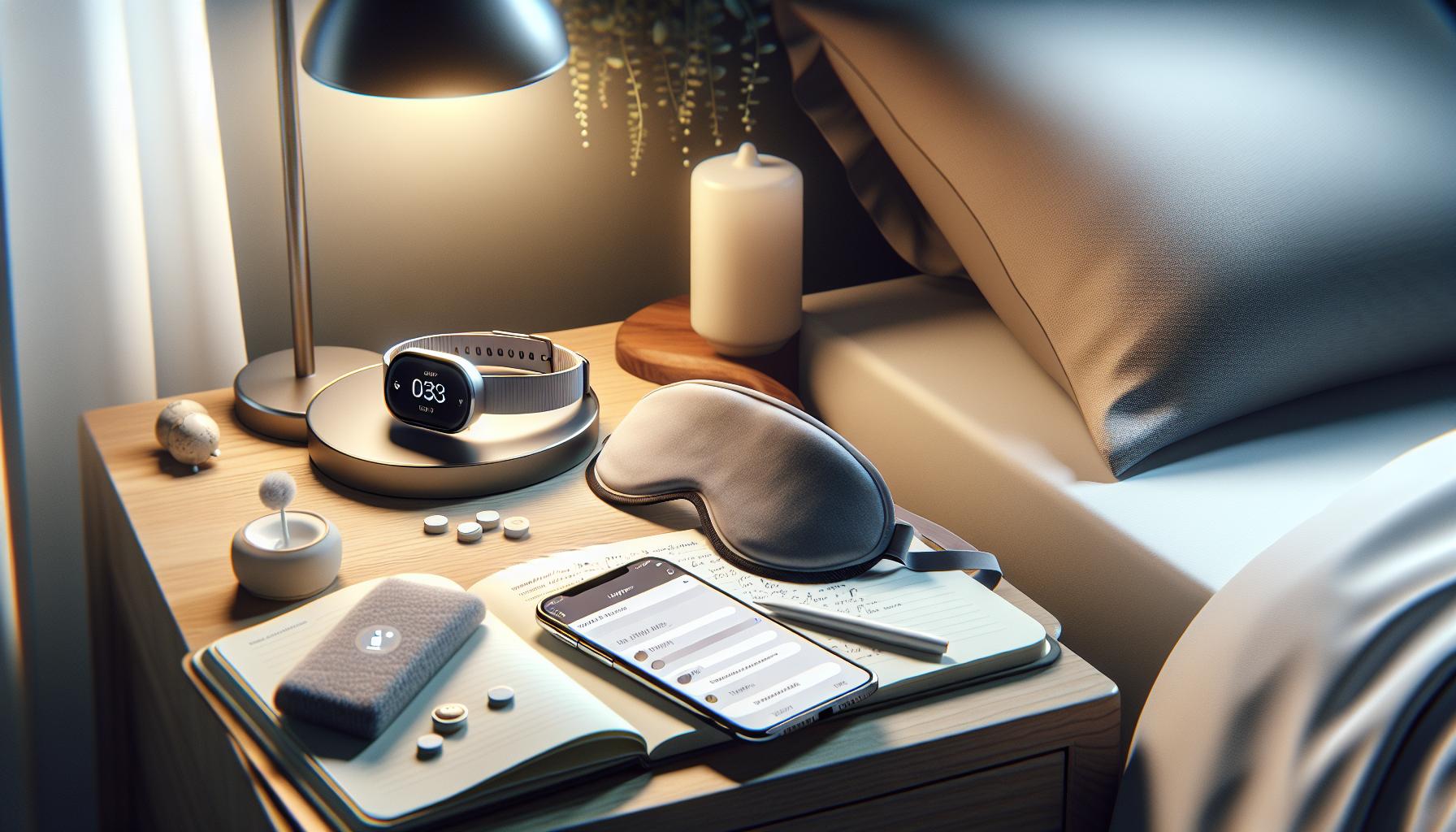
Key Features to Evaluate in Sleep Trackers
Evaluating sleep trackers can feel overwhelming given the multitude of options available, but understanding key features can significantly simplify your decision-making process. Many devices offer more than just basic sleep counting; they come equipped with a variety of tools that can enhance your understanding of your overall sleep health.
Essential Features to Consider
When assessing sleep trackers, consider looking for the following critical features:
- Sleep Stage Analysis: Devices should track and differentiate between various sleep stages-light, deep, and REM sleep. This information can help you understand your sleep quality and make necessary adjustments.
- Heart Rate Monitoring: A tracker that includes heart rate variability and resting heart rate can provide insights into how your body responds to sleep and your overall stress levels.
- Sleep Environment Monitoring: Some advanced devices can assess environmental factors like room temperature and noise levels, which can impact sleep quality.
- Smart Alarm Features: Look for devices that can wake you during a light sleep phase instead of deep sleep for a more refreshing awakening.
- Integration with Other Health Metrics: Seek trackers that combine sleep data with fitness and wellness metrics, allowing you to see how daily activities affect your sleep.
User Experience and Setup
A good user experience is critical. Devices that are easy to set up and use daily help you stick with tracking over time. Look for intuitive apps that display your sleep metrics clearly and provide actionable insights. Read user reviews to gain insight into how other consumers have found setup processes and daily use.
Battery Life and Charging
Lastly, the battery life and charging requirements of your sleep tracker can affect its convenience. Many wearables need to be charged regularly, which can be disruptive to nightly tracking. Devices with long battery life or the ability to be charged quickly during the day can make the overall experience smoother.
By considering these essential features and focusing on user reviews, you can choose a sleep tracker that aligns with your specific needs, enhancing your path toward improved sleep health.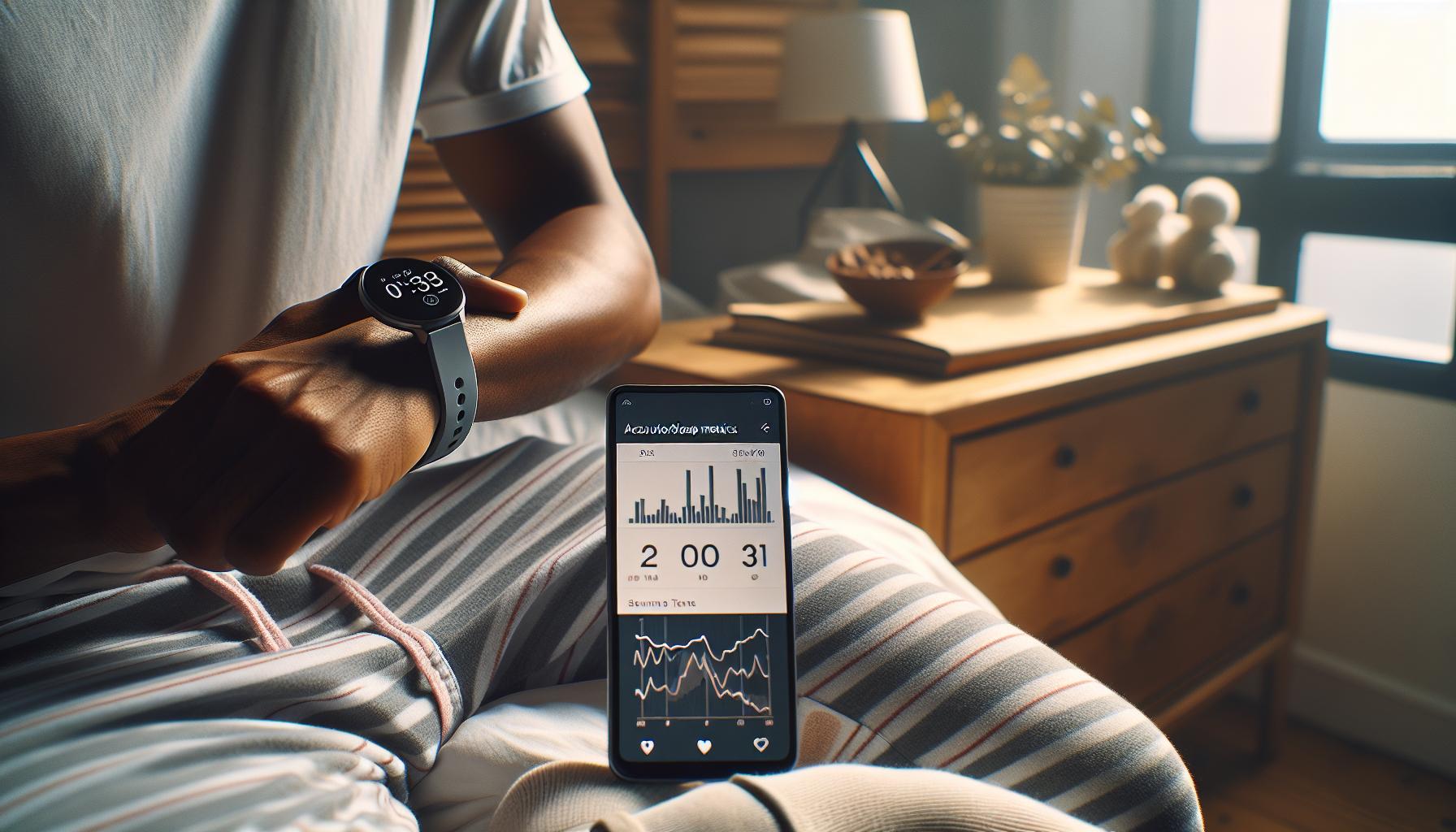
Accurate Sleep Metrics: What to Look For
When choosing a sleep tracker, the accuracy of sleep metrics is crucial. A device that misrepresents your sleep patterns can lead to misunderstandings about your sleep quality and possibly hinder your efforts to improve it. Look for devices that utilize a combination of heart rate variability, movement data, and, ideally, even temperature monitoring to give you a more nuanced view of your sleep.
Key Metrics to Consider
An effective sleep tracker should provide detailed information that goes beyond just hours slept. Here are some essential metrics to look for:
- Sleep Stages: A good tracker should differentiate between light, deep, and REM sleep. This breakdown is important as it influences how rested you feel. Devices that can accurately analyze these stages, like the Oura Ring 4 and Whoop 4.0, tend to offer the best insights, as evidenced by comparisons from various tests [[2]](https://www.nytimes.com/wirecutter/reviews/best-sleep-trackers/).
- Heart Rate Monitoring: Consistent heart rate data can reveal a lot about your sleep quality and overall health. Look for trackers that provide insights into your resting heart rate and heart rate variability as these can signal how well your body is recovering during sleep.
- Environmental Factors: Consider devices that monitor external conditions such as room temperature and noise levels. These elements can greatly impact your sleep comfort and quality.
In your quest for better sleep, it’s also key to understand how these metrics are derived. Many consumer devices estimate sleep stages based on secondary signals like heart rate patterns and movement, with varying degrees of success-recent studies indicate that some devices can achieve about 65% accuracy under ideal conditions [[1]](https://thebettersleepclinic.com/blog/how-accurate-are-sleep-trackers-smart-watches-smart-rings). Therefore, while these devices can be helpful, remain mindful of their limitations and consider them as part of a broader approach to sleep health rather than definitive measures.
Finally, as you evaluate potential trackers, it’s wise to check user reviews that discuss the real-world accuracy and practicality of these devices. People often share their experiences regarding the reliability of metrics and how well the device integrates into their daily routines, giving you additional insight that can inform your purchasing decision.
User Experience: Setup and Daily Use
Setting up a sleep tracker should be a seamless process that allows you to focus on your health rather than fussing with technology. First impressions are crucial, as many users look for a simple installation and an intuitive interface. The initial setup usually involves downloading an app linked to the tracking device. Most devices, such as the Oura Ring or Fitbit, guide you step-by-step through the process, ensuring you can get started without technical expertise. Expect to pair the device with your smartphone via Bluetooth, which typically takes just a few minutes. Make sure to familiarize yourself with the app’s layout, as a user-friendly interface will enhance daily interaction with the tracker.
Once set up, daily use of sleep trackers can vary significantly by device. While some, like smartwatches, need to be worn throughout the day, others such as mattress sensors or rings can be less intrusive. Clear wearables may require nightly charging, so plan ahead to avoid interruptions in data collection. For devices that integrate with your lifestyle, like a smart pillow or mattress, you’ll need to adjust your sleeping area, but they often don’t require personal management during sleep. Understanding how these trackers compile data-through movement, heart rate, and environmental inputs-can help you interpret the insights they provide.
User feedback often highlights the importance of monitoring not just the quantity of sleep but the quality. Many users appreciate trackers that deliver personalized insights, allowing for changes in behavior based on their data. For instance, if your tracker shows frequent disturbances during REM sleep, you might decide to reassess your bedtime routine or room conditions. Real-world experiences can range from the simplicity of receiving daily summaries to the deep analytics offered by more sophisticated trackers. Opt for devices that enable you to customize notifications or reminders that help you establish consistent sleep patterns, supporting long-term wellness.
In summary, the usability of sleep trackers is a blend of setup ease and daily functionality, making it vital to choose a device that resonates with your lifestyle and sleep habits. Whether opting for a simple wearable that you can charge nightly or a more integrated approach with environmental monitoring, finding what fits seamlessly into your life will make your journey toward improved sleep health more enjoyable and achievable.
Understanding Sleep Stages: How Devices Measure Them
Many consumers are eager to understand not just how much they sleep, but how well they move through the different stages of sleep. Sleep stages-ranging from light sleep to deep sleep and REM (Rapid Eye Movement) sleep-play a significant role in how rested you feel upon waking. Most modern devices, like fitness trackers and smartwatches, leverage various sensors to provide insights into these sleep stages, creating a clearer picture of your overall sleep health.
Devices typically use a combination of heart rate monitoring, movement detection, and sometimes even environmental analysis to estimate your sleep stages. Heart rate variability (HRV) is a critical measure; as you transition from wakefulness to light sleep, your heart rate generally decreases. Sleep trackers analyze these patterns along with periods of immobility, which signal deeper stages of sleep. For example, a device may conclude that you are in deep sleep when it registers a stable heart rate and minimal movement for an extended period.
Some devices also attempt to track sleep architecture-essentially the structure of your sleep, which includes the duration and proportion of each sleep stage. Wearables like the Oura Ring or Apple Watch employ advanced algorithms to classify when you are in light, deep, or REM sleep by correlating the data collected from sensors with known sleep patterns. However, while these devices can provide valuable insights, it’s crucial to understand their limitations. They estimate sleep stages and can vary in accuracy compared to clinical sleep studies, which utilize polysomnography to capture detailed brain wave activity.
As an empowering step towards responsible sleep management, users are encouraged to review their sleep stage data regularly. Many devices offer visual representations, such as graphs or charts, summarizing how much time you spent in different sleep stages. If you frequently notice limited time in REM sleep, for example, you might reconsider bedtime routines or environmental factors affecting your sleep quality. By integrating these insights into everyday habits, you can take proactive steps to enhance both the quality and duration of your sleep, leading to improved overall health and well-being.
Comparing Battery Life and Charging Requirements
Many sleep trackers promise to provide valuable insights into your nightly rest, but their battery life and charging requirements can significantly influence your user experience. When selecting a sleep tracker, consider how often you’ll need to recharge the device, as this affects your ability to gather consistent sleep data. Some devices boast impressive battery longevity, allowing you to wear them for longer stretches without interruption.
For example, the Oura Ring offers a battery life of about one week, striking a balance between regular charging and continuous monitoring. On the other hand, many wristband trackers, such as those highlighted in popular reviews, can last over 14 days on a single charge, providing a more hassle-free experience for users who prefer to monitor their sleep without frequent interruptions. This extended battery life often encourages consistent usage, ultimately leading to better insights into your sleep patterns.
Charging mechanisms also vary between devices. Some wearables require specialized chargers, which might be inconvenient if you travel often or have a busy lifestyle. In contrast, devices that use standard USB charging cables offer greater flexibility and convenience. By evaluating both the duration of the battery life and the ease of recharging, you can find a sleep tracker that seamlessly fits into your routine.
Ultimately, the best choice depends on your preferences and sleep tracking goals. If you prioritize real-time data over the convenience of not needing to charge frequently, you might opt for a device with a shorter battery life yet advanced features. However, if ease of use and long-term wearability are more important, lean toward models known for their extended battery life and straightforward charging solutions.
Real-World Accuracy: User Feedback and Reviews
Gaining insight into your sleep patterns through a sleep tracker can feel both exciting and overwhelming. Users have become increasingly vocal about their experiences, which can greatly help you determine which device offers the most reliable information. A recent analysis of popular sleep trackers shows that real-world accuracy can vary between models, making user feedback crucial in the decision-making process.
Those who have tested devices like the Oura Ring and WHOOP 5.0 frequently highlight their ability to provide detailed insights into not just sleep quantity but also sleep quality, measuring factors such as sleep stages and heart rate variability. The Oura Ring 4, for instance, has received praise for its intuitive app interface, which users find helpful for tracking trends and making adjustments to their sleep habits. Customers often report that its metrics align well with professional sleep studies and their personal observations, lending it credibility as a sleep monitoring device.
Conversely, some feedback indicates that certain models may struggle with accuracy in specific sleep stages or when distinguishing between light and deep sleep. For example, users of the Sleepon Go2Sleep 3 Tracker have noted discrepancies between the device’s readings and their own subjective experiences, particularly regarding wake times and sleep interruptions. It’s vital to consider these points when evaluating what to expect from a device.
When choosing a sleep tracker, prospective buyers should delve into user reviews and explore community forums for insights into long-term usage. This can reveal how effective a device is in real-world conditions, spanning various factors such as comfort, reliability, and durability. Additionally, the experience of other users can provide you with specific situations where a particular tracker shines or falls short, allowing you to align a device’s features with your sleep health goals.
Price Range: What to Expect from Sleep Trackers
The price range for sleep tracking devices can vary significantly, influencing your purchasing decision based on both your needs and budget. When considering a sleep tracker, you might find devices priced anywhere from $50 to over $400, allowing for a spectrum of options that cater to different levels of functionality and sophistication.
Understanding Pricing Tiers
At the entry-level, you can expect basic sleep tracking features with devices like wristbands or smartwatches, which typically range from $50 to $100. These devices often monitor essential metrics such as total sleep time and basic sleep cycles, making them a good choice for casual users or those new to sleep tracking. For example, the Amazfit Band 7 Smartwatch is priced around $49.99 and provides decent sleep tracking capabilities to help users start monitoring their sleep patterns [[3]](https://www.target.com/s/sleep+tracker).
Mid-range devices, costing between $100 and $300, offer more advanced features, including detailed sleep stage analysis, heart rate variability, and integration with other health-tracking apps. The WHOOP 4.0, priced at around $130, offers a subscription model that provides insights into sleep quality, activity levels, and recovery metrics[[2]](https://www.thecut.com/article/best-sleep-tracking-devices.html). This category suits those who desire more comprehensive insights without reaching for premium options.
For users serious about their sleep health, premium devices like the Oura Ring 4 elevate the tracking experience with high-end technology, often priced from $399 [[2]](https://www.thecut.com/article/best-sleep-tracking-devices.html). These devices provide in-depth metrics and a user-friendly app experience, often correlating well with results from professional sleep studies. However, the upfront investment may require consideration on whether the benefits align with your health goals and lifestyle.
What to Expect with Pricing
When evaluating devices, also consider potential ongoing costs. Some trackers, like the WHOOP, operate on a subscription basis, which adds to the overall expense over time. Evaluating your budget should include both the initial purchase and any recurring fees. On the other hand, many devices, such as the lower-priced smartwatches, may simply require a one-time purchase.
In summary, whether you opt for a budget-friendly option or a premium device, understanding the price spectrum helps you identify what you can expect in terms of features and functionality. Take time to research user experiences and reviews to ensure that your chosen device not only meets your budget but also fulfills your sleep tracking needs effectively.
Sleep Tracker vs. Professional Sleep Studies
Understanding the intricate differences between sleep trackers and professional sleep studies can significantly impact your approach to managing sleep health. While sleep trackers offer convenience and insight, they can’t replicate the comprehensive data obtained through a polysomnography (PSG) conducted in a sleep laboratory, which remains the gold standard for diagnosing sleep disorders. During a PSG, professionals monitor various physiological signals such as brain waves, oxygen levels, heart rate, and respiration, providing a detailed analysis of sleep stages and potential disruptions.
Key Differences
Cost and Accessibility:
- Sleep Trackers: Generally range from $50 to $400, making them accessible for everyday users looking to gain insights into sleep patterns without financial strain. They provide metrics like sleep duration, interruptions, and light versus deep sleep stages.
- Professional Sleep Studies: These often cost $1,000 or more and may require insurance coverage, making them less accessible for casual inquiries about sleep quality. Scheduling and conducting a sleep study can be time-consuming and entails spending a night in a clinical environment.
Setup and User Experience:
- Sleep Trackers: Easy to set up; most require minimal effort beyond wearing a wristband or smartwatch overnight. Users can start tracking their sleep patterns immediately, offering a user-friendly experience.
- Professional Sleep Studies: Involves extensive setup, including placing electrodes on the scalp, which can be uncomfortable and may induce anxiety for some due to the clinical setting. The process requires a significant commitment of time and energy.
Effectiveness and Insights
While sleep trackers provide valuable insights for most users seeking to monitor their sleep, they have limitations in accuracy and comprehensiveness. Devices estimate sleep stages and often rely on motion data, which can be imprecise. For instance, trackers may not accurately detect sleep apnea or other serious conditions. In contrast, a sleep study can offer definitive diagnosis and tailored recommendations based on a thorough evaluation of sleep architecture.
When to Seek Professional Help
If you experience symptoms like excessive daytime sleepiness, loud snoring, or repeated awakenings during the night, it may be time to consult a healthcare professional. In such cases, the detailed insights gained from a sleep study can lead to effective treatment plans that go beyond what consumer devices can provide.
In conclusion, each option has its place in the spectrum of sleep health management. For basic monitoring, sleep trackers can serve as helpful tools. However, for serious concerns, professional sleep studies are irreplaceable in providing clear diagnoses and effective treatment strategies.
Maintaining Sleep Health: Devices and Tips
To maintain robust sleep health, leveraging the right devices can significantly enhance your nightly rest. Sleep trackers, ranging from smartwatches to dedicated sleep rings, offer valuable insights into your sleep patterns, helping you identify disruptions and make informed adjustments to your routine. However, it’s essential to understand their functionalities and limitations before relying solely on them.
Choosing the Right Device
When selecting a sleep tracker, consider the following features that can help enhance your overall sleep quality:
- Sleep Stage Tracking: Look for devices that accurately differentiate between light, deep, and REM sleep. This granularity can provide insights into how well your body is recovering each night.
- Heart Rate Monitoring: Devices that track heart rate variability enhance the understanding of your body’s stress levels and recovery status during sleep.
- Smartphone Integration: Ensure your chosen device easily syncs with an app that presents data in a user-friendly manner, allowing for actionable insights.
- Comfort: Since you’ll wear the device overnight, comfort is paramount. Choose a lightweight model that won’t disturb your sleep.
Creating a Sleep-Conducive Environment
While technology plays a significant role in tracking sleep, your environment is equally critical. Here are some tips to optimize your sleep setting:
- Dark and Cool Room: Keep your bedroom dark and at a comfortable temperature to facilitate better sleep quality.
- Quality Bedding: Invest in a good mattress and pillows that support your sleep type, whether you sleep on your back, side, or stomach.
- Limit Screen Time: Reduce exposure to screens before bed to decrease blue light interference on melatonin production.
By aligning your device usage with a conducive sleep environment, you enhance your chances of achieving restorative sleep. Remember, sleep trackers are tools for insight and improvement; they are not substitutes for sound habits. If you find persistent trouble despite these efforts, seeking professional advice or testing may be necessary to uncover underlying issues.
Ultimately, the goal is to empower you with knowledge and tools to achieve better sleep health, enabling not just more rest, but more vital, fulfilling days.
Addressing Common Sleep Issues with Tech
Many encounter sleep challenges ranging from mild restlessness to chronic insomnia, and the rise of sleep tracking technology presents new avenues for managing these issues. Sleep trackers can serve as informative tools that offer insights into your sleep patterns, which can empower you to make beneficial changes. However, it is essential to understand how to utilize this technology effectively to address common sleep issues.
One common concern is difficulty falling asleep due to anxiety about sleep quality. Interestingly, sleep trackers can sometimes contribute to this issue, creating a cycle of worry known as “orthosomnia,” where users become overly fixated on achieving optimal sleep metrics. It’s advisable to use these devices for awareness rather than a strict guideline. Instead of panicking over numbers, focus on patterns and trends, such as how lifestyle changes, like reducing caffeine or improving sleep hygiene, affect your sleep quality over time.
To maximize the benefits of your sleep tracker, integrate it into a holistic approach to sleep health. For instance, you can use your device to monitor if lifestyle changes, such as maintaining a consistent sleep schedule or creating a calming pre-sleep routine, impact your rest. Set reminders for a bedtime routine, or even use your tracker’s alarms to wake up in your lightest sleep phase, thereby reducing grogginess in the morning.
Also, consider pairing your sleep tracker with other technologies, such as white noise machines or blue light filters, which can enhance your sleep environment. If you’re consistently struggling despite these tools, it may signal a deeper issue that could benefit from professional evaluation, including a sleep study, where experts can provide a comprehensive analysis of your sleep.
In summary, while sleep trackers can provide valuable insights and promote healthier habits, no device can replace the importance of good sleep practices. Use technology to inform and guide your habits, but always listen to your body’s needs and seek professional guidance if sleep issues persist.
Future Trends in Sleep Tracking Technology
As sleep tracking technology evolves, exciting innovations are emerging that promise to enhance the way we understand and improve our sleep. One notable trend is the integration of artificial intelligence (AI) into sleep trackers. This advanced technology can analyze vast amounts of data over time, offering personalized insights and recommendations tailored to individual sleep patterns. For instance, AI algorithms may suggest optimal sleep environments by assessing factors such as room temperature and noise levels based on your historical data, potentially leading to deeper, more restorative sleep.
Wearable vs. Non-Wearable Devices
While wearables like smart rings and fitness trackers dominate the market, non-wearable devices are gaining traction as well. Smart beds and mattresses equipped with sensors are becoming increasingly popular, providing not only sleep metrics but also adjusting firmness and temperature to optimize comfort throughout the night. These gadgets often sync with smartphones, allowing users to analyze their sleep quality directly through user-friendly apps, making it easier to implement changes based on insights gained.
Holistic Health Monitoring
Another trend reshaping the landscape of sleep tracking is the push towards holistic health integration. Many sleep trackers are now starting to measure other health metrics like stress levels, heart rate variability, and physical activity. This multipronged approach gives a fuller picture of how lifestyle factors influence sleep patterns. For example, if stress is identified as a significant barrier to sleep quality, the device could recommend mindfulness exercises or relaxation techniques to try before bedtime. This convergence of health tracking not only enhances sleep awareness but also encourages broader lifestyle changes that support overall well-being.
Data Privacy and Security
With the increased utilization of sleep tracking devices comes rising concerns about data privacy and security. As consumers become more aware of the potential ramifications of sharing their health data, manufacturers are responding by implementing stricter data protection measures. Transparency about how data is collected and used is becoming essential in selecting a device. Brands that prioritize user privacy and offer clear data handling practices will likely gain trust and loyalty from consumers increasingly cautious about their personal information.
The future of sleep tracking technology holds immense potential, making it easier to take control of one’s sleep health through innovative and user-friendly devices. As these trends continue to develop, consumers will find themselves empowered to make informed choices about their sleep, ultimately leading to better health outcomes and improved daily functioning. By keeping an eye on these advancements, individuals can align their sleep strategies with the best tools available, enhancing their overall sleep experience.
Frequently asked questions
Q: What features should I look for in a sleep tracker?
A: When choosing a sleep tracker, look for accuracy in sleep metrics, the ability to measure sleep stages, and user-friendly setup. Features like heart rate monitoring, sleep environment tracking, and mobile app integration can enhance your experience. Consider reading user reviews for real-world performance insights.
Q: How do sleep trackers compare to professional sleep studies?
A: Sleep trackers provide a convenient overview of your sleep patterns but are less comprehensive than professional sleep studies. For detailed diagnosis of sleep disorders, consult a sleep specialist who can recommend a polysomnography test, which offers in-depth analysis and recommendations.
Q: Can sleep trackers help improve my sleep quality?
A: Yes, sleep trackers can identify patterns and issues that affect your sleep quality, allowing you to make informed adjustments to your routine. Use insights from your tracker to establish better sleep habits, like optimizing your bedtime or sleep environment, for improved rest.
Q: How do I choose the right sleep tracking device for my needs?
A: To choose the right device, evaluate key features such as battery life, price range, and the ability to sync with other health apps. Additionally, consider your sleep concerns and the specific metrics that matter most to you, such as apnea detection or snoring alerts.
Q: Are sleep trackers accurate for measuring sleep stages?
A: Sleep trackers vary in accuracy, but many use advanced sensors to provide reasonably accurate sleep stage data. While they can offer insights, remember that only a professional sleep study can deliver a precise evaluation of your sleep stages and disturbances.
Q: What common sleep issues can be addressed with sleep tracking technology?
A: Sleep tracking technology can help identify issues like insomnia, sleep apnea, or restless leg syndrome by monitoring patterns and disruptions. By understanding your sleep habits, you can take proactive steps, such as adjusting your bedtime or consulting a doctor for further evaluation.
Q: How do I interpret the data from my sleep tracker?
A: Interpreting data from a sleep tracker involves analyzing metrics like total sleep time, sleep efficiency, and time spent in each sleep stage. Use the accompanying app’s insights to identify trends and make lifestyle changes to enhance sleep quality.
Q: What devices are recommended for sleep tracking?
A: Popular devices for sleep tracking include the Oura Ring, Fitbit wearables, and Sleep Number beds. Each has unique features catering to different sleep needs, so assess the specifications and user feedback to find the best match for you.
For more in-depth analysis of these devices and tips on improving sleep health, explore our article sections on user experience and accurate metrics. Your sleep journey begins with informed choices!
Wrapping Up
Choosing the right sleep tracking device is crucial for understanding your sleep patterns and enhancing your overall sleep health. Whether you’re leaning towards smartwatches or dedicated sleep monitors, remember that both options have unique benefits. If you’re still uncertain about which device fits your needs, consider checking out our in-depth guide on the top sleep trackers of 2026.
Don’t forget to explore our articles on improving sleep quality with lifestyle changes and know when to seek professional help for sleep disorders. Taking the next step towards better sleep starts with informed decisions! Join our newsletter for expert tips and new product reviews delivered straight to your inbox. Your journey to a restful night starts now-let’s make it happen together!
Get our latest guides, news, and insights highlighted in your Google Search & AI Overviews.