
Did you know that approximately 70 million Americans struggle with chronic sleep problems? If you’re among them, understanding the Snap Diagnostics sleep study can be a pivotal step toward reclaiming restful nights. This guide breaks down everything you need to know before testing, from what a sleep study entails to what to expect during the process. Whether you’re worried about costs, need tips on setup, or have concerns about sleep disorders, we’ve got you covered. Sleep studies can be intimidating, but with the right information, you can navigate the process confidently and effectively. Let’s dive in and explore how you can make informed decisions for your sleep health and well-being.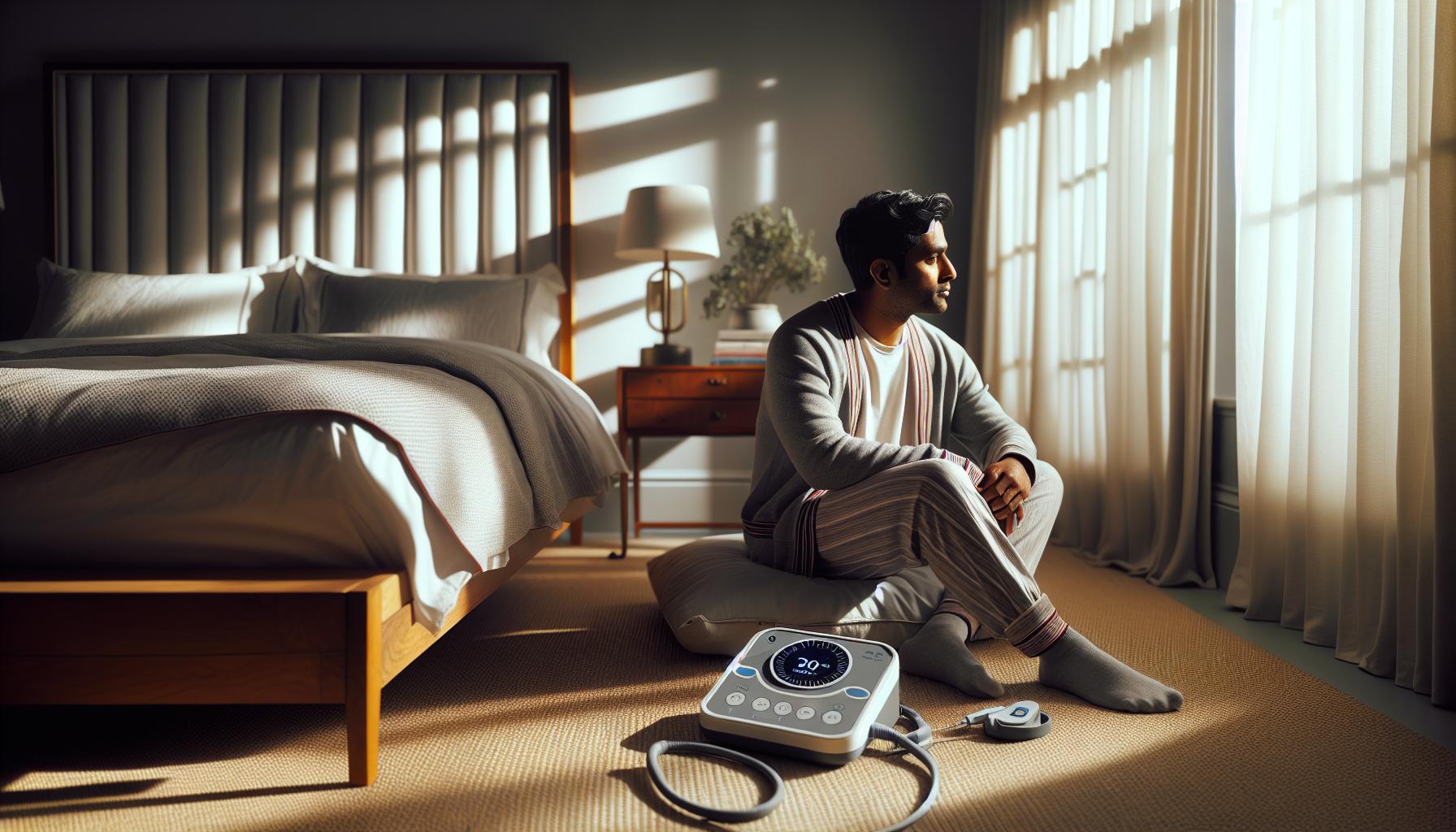
What Is a Snap Diagnostics Sleep Study?
A Snap Diagnostics sleep study is an advanced home testing solution designed to diagnose sleep apnea, a common but serious sleep disorder characterized by interrupted breathing during sleep. Unlike traditional in-lab studies, Snap’s home sleep tests provide a convenient option for patients to monitor their sleep patterns in the comfort of their own home. This method employs cutting-edge technology to capture essential sleep data, allowing for an accurate assessment of sleep apnea without the logistical challenges of a sleep clinic visit.
These home tests typically measure several vital parameters, including airflow, oximetry (blood oxygen levels), heart rate, respiratory effort, and sound. By analyzing these factors, healthcare providers can identify the presence and severity of sleep apnea. The collection process is straightforward: patients are provided with a portable device that they wear while sleeping, which records their sleep activities while they rest. After the study period, the data is compiled and analyzed by specialists to generate a comprehensive report.
Opting for a Snap Diagnostics sleep study offers several notable benefits. Firstly, it enhances accessibility to sleep care, as patients can undergo the testing without the need for a hospital visit. This increased convenience often leads to higher compliance rates. Additionally, home sleep tests tend to be more cost-effective than their lab counterparts, making them an attractive option for individuals concerned about healthcare expenses. Overall, a Snap Diagnostics sleep study not only simplifies the testing process but also ensures that patients receive timely and effective evaluation for sleep-related health issues.
Benefits of Choosing Snap Diagnostics for Sleep Testing
Choosing Snap Diagnostics for sleep testing can significantly enhance your experience when seeking answers about sleep apnea or related sleep issues. Not only is their approach innovative, but it also centers around patient comfort and convenience. With at-home testing, you can rest easy in your own environment, eliminating the anxiety often associated with traditional lab settings. This design tends to foster higher compliance rates, allowing for more accurate readings as your sleep patterns are recorded in a familiar space, resulting in a more authentic representation of your sleeping habits.
Another notable advantage is the efficiency of the testing process. Snap Diagnostics’ devices are user-friendly and require minimal setup, making it accessible for individuals who may feel overwhelmed by the technicalities of traditional polysomnography. Supported by advanced technology, these home tests measure crucial parameters including airflow, oxygen levels, and heart rate, which are vital in diagnosing sleep apnea. This empowers patients to be more engaged in their health journey, as the collection process is straightforward and less intimidating.
Cost considerations also play a vital role in the decision to choose Snap Diagnostics. Typically, home sleep tests are more affordable than in-lab studies, helping individuals manage expenses while prioritizing their health. This cost-effectiveness, combined with potential insurance coverage options, makes it an appealing choice for those concerned about healthcare costs. By opting for a Snap Diagnostics study, you’re not only gaining access to quality care; you’re also making a financially sound decision that can serve your long-term health.
Ultimately, the flexibility offered by Snap Diagnostics also allows for a tailored approach to each patient’s needs. Whether it’s the ability to adjust testing schedules or the option to consult with experts via virtual platforms, Snap places patient satisfaction at the forefront. This comprehensive support system ensures that you’re not just another number in the system; it affirms that your unique concerns and conditions are taken into account throughout the entire sleep study process.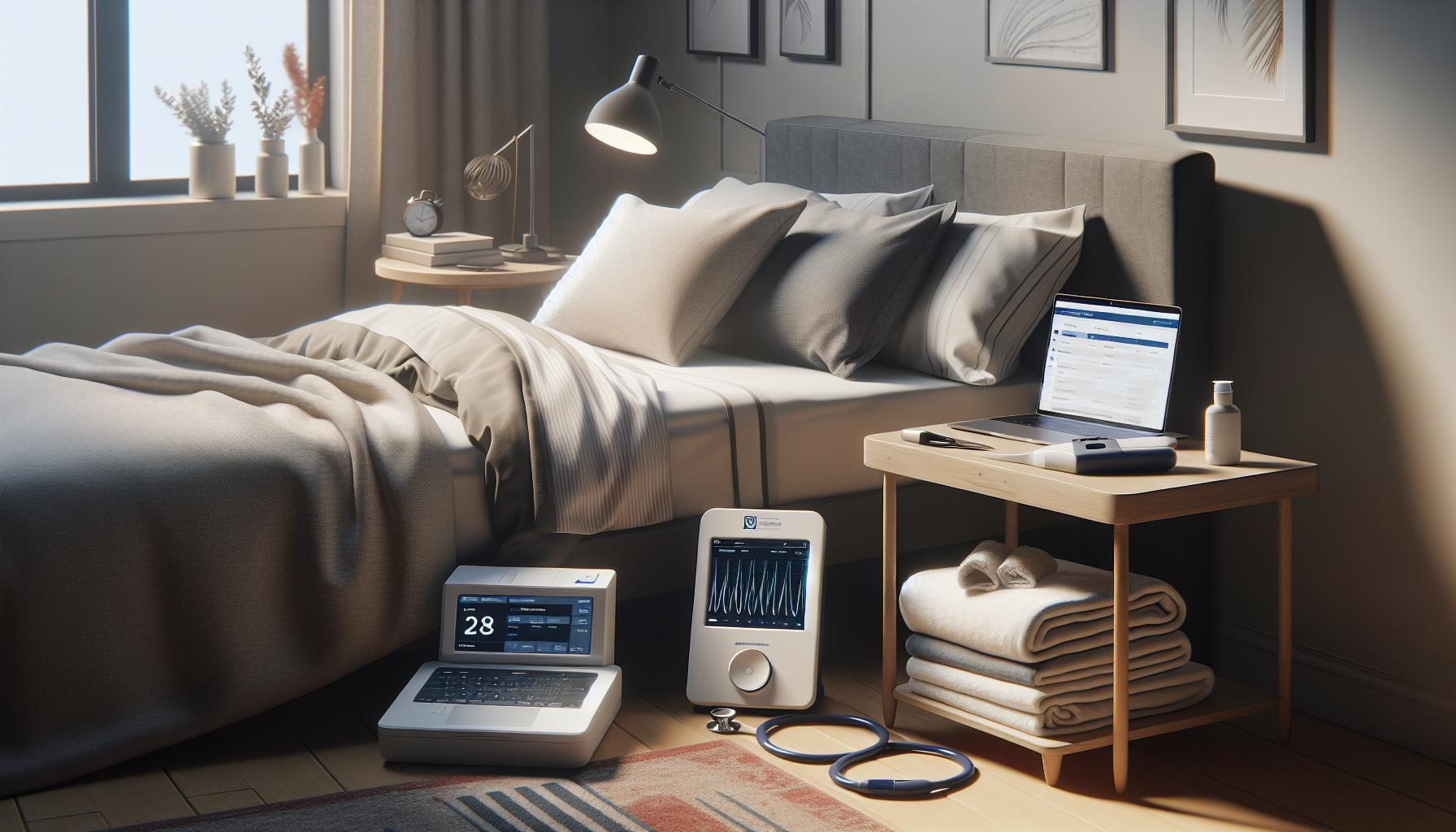
Preparing for Your Snap Diagnostics Sleep Study
Preparing for your sleep study at home might feel daunting, but it’s an important step toward understanding your sleep health. One fascinating aspect of at-home testing with Snap Diagnostics is that it allows you to gather critical sleep data in a comfortable and familiar environment, which can lead to more accurate results. To make your sleep study run smoothly, here are some practical tips to help you prepare effectively.
Essential Preparations
Before your scheduled sleep study, take some time to review the materials provided by Snap Diagnostics. Key preparations include:
- Review Instructions: Familiarize yourself with the device setup and operation, which is usually straightforward but can differ depending on the model.
- Gather Necessary Items: Ensure you have a few essentials, such as clean bed linens, your favorite sleep attire, and any medications you regularly take.
- Avoid Stimulants: On the day of the test, avoid caffeine and nicotine, as these can interfere with your ability to fall asleep.
- Sleep Environment: Create a comfortable sleep environment. Keep your bedroom dark, quiet, and at a comfortable temperature to enhance your sleep quality during the test.
Device Setup and Testing
The device you receive will typically come with everything necessary to monitor your sleep patterns. Generally, you will need to attach several sensors that measure breath, oxygen levels, and heart rate. Don’t worry if this sounds complicated; the Snap Diagnostics team provides clear instructions and videos on how to properly set everything up.
Once you’re set up, make sure to wear the device comfortably to avoid any disturbances during the night. It’s important to keep in mind that while the device is designed for ease of use, it requires you to follow instructions closely for optimal results.
Managing Anxiety and Expectations
Feeling anxious about the sleep study is completely normal, but remember that this testing is a vital step towards better health. The ability to use the device in your home can alleviate some stress compared to traditional lab settings. Try to relax by following your usual bedtime routine as closely as possible.
If you have further questions or concerns, reach out to Snap Diagnostics’ support team before the study. They can provide additional reassurance and clarify any uncertainties you might have.
Preparing thoroughly and understanding what to expect will empower you to take control of your sleep study experience and contribute to accurate diagnosis and treatment of any sleep disorders.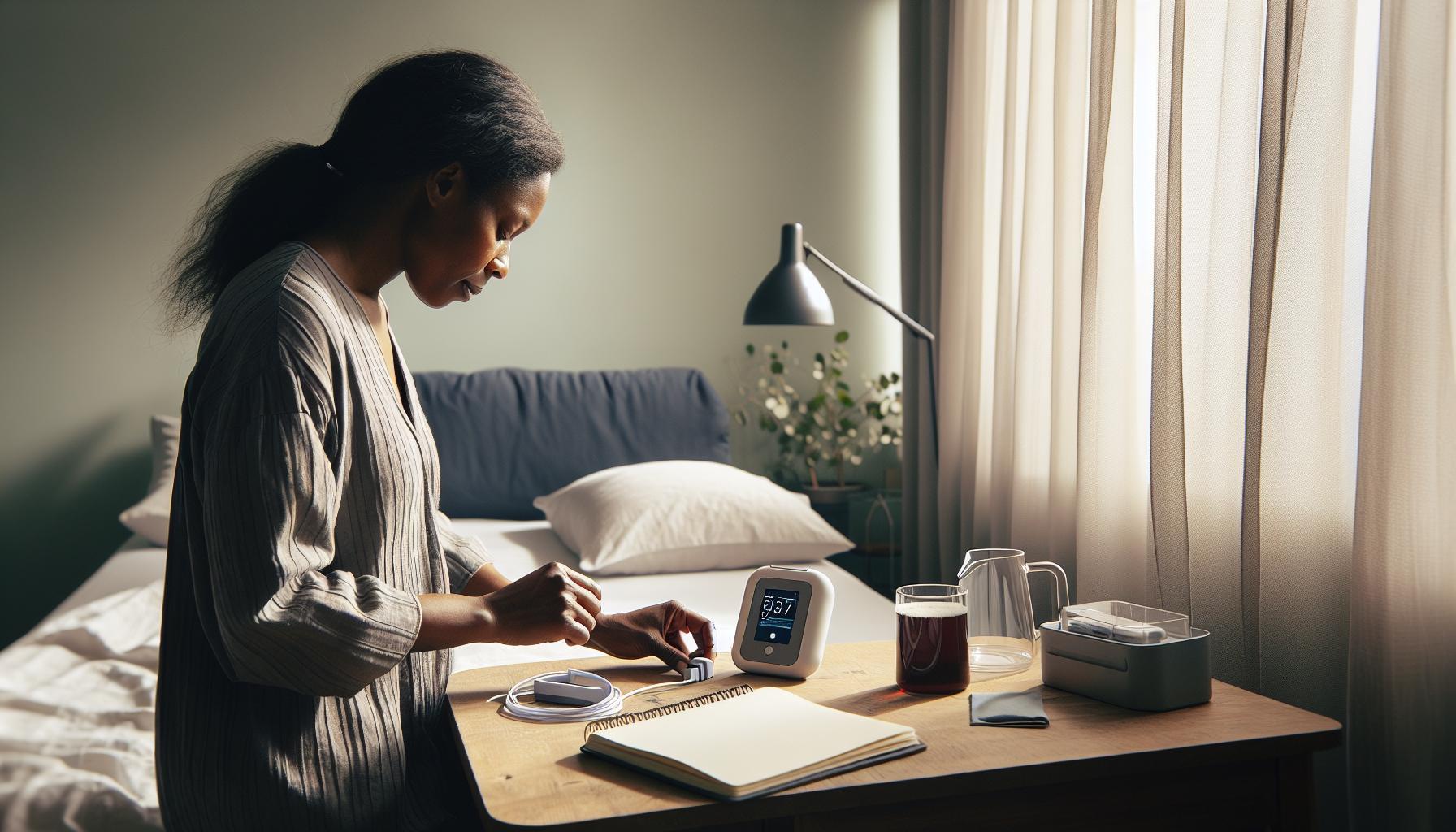
Understanding the Sleep Study Process: What to Expect
Understanding the sleep study process can significantly alleviate anxiety and help you feel more prepared for your home testing experience. At Snap Diagnostics, the journey begins once you receive your home sleep monitoring device. Initially, you may feel apprehensive about using technology while you sleep, but rest assured, the equipment is designed for simplicity and comfort. You’ll be provided with comprehensive instructions and support, ensuring you understand how to set up the device with ease.
Once you begin the test, the device will monitor key metrics such as airflow, heart rate, blood oxygen levels, and respiratory effort throughout the night. Unlike traditional in-lab studies, which can feel sterile and intimidating, an at-home setup allows you to sleep in your own bed, promoting a natural sleep environment. This can lead to more accurate readings, as you are in a familiar space that minimizes stress. Don’t hesitate to contact Snap Diagnostics if uncertainties arise – they are more than happy to assist you through every step.
Throughout the night, the device will collect your sleep data, and although you might be tempted to check it, focus on your usual nighttime routine. Maintaining your regular sleeping habits helps ensure that the data collected is as reflective of your typical sleep patterns as possible. After the test, follow the return instructions provided to send the device back for analysis, where trained professionals will interpret your results and recommend any necessary follow-up actions.
In summary, preparation and understanding of the process are key elements in ensuring a smooth sleep study experience. Embrace the opportunity for better sleep health, knowing that this simple test can unlock insights into your sleep behavior and well-being.
Common Health Conditions Addressed by Sleep Studies
Sleep studies are critical for diagnosing a variety of health conditions that can significantly impact your overall well-being. One of the primary health issues that these studies address is obstructive sleep apnea (OSA). OSA occurs when the throat muscles intermittently relax and block the airway during sleep, leading to pauses in breathing. Patients often experience excessive daytime sleepiness, fatigue, and other complications that can diminish quality of life. An effective sleep study can reveal the severity of apnea events and help guide appropriate treatment options, such as continuous positive airway pressure (CPAP) therapy or lifestyle changes.
Another significant condition assessed through sleep studies is insomnia, characterized by difficulties in falling asleep or staying asleep. Chronic insomnia can lead to anxiety, depression, and decreased functioning in daily activities. By understanding one’s sleep patterns and underlying issues through a sleep study, patients can better address their insomnia, often with behavioral therapies or medications tailored to their specific needs.
Moreover, sleep studies can also help with identifying restless leg syndrome (RLS), which causes uncomfortable sensations in the legs and an uncontrollable urge to move them, particularly at night. RLS can severely disrupt sleep continuity, leading to further health complications. By monitoring leg movements and sleep disturbances, a sleep study can confirm the diagnosis and guide effective management strategies.
Finally, sleep studies can uncover other less common but significant sleep disorders, such as narcolepsy and periodic limb movement disorder (PLMD). In narcolepsy, individuals may experience excessive daytime sleepiness and sudden sleep attacks, while PLMD involves involuntary leg movements that can interrupt sleep. Understanding these conditions through a sleep study can lead to proper diagnosis and treatment, enhancing the patient’s capacity for restorative sleep.
Conditions Frequently Addressed in Sleep Studies
- Obstructive Sleep Apnea (OSA)
- Insomnia
- Restless Leg Syndrome (RLS)
- Narcolepsy
- Periodic Limb Movement Disorder (PLMD)
By focusing on these conditions, Snap Diagnostics aims to shed light on sleep health issues that many face but may not yet understand. Engaging in a sleep study can provide clarity and a pathway to better sleep, ultimately improving your health and overall quality of life. When considering a sleep study, know that you’re taking a proactive step towards understanding and improving your sleep quality.
Interpreting Your Sleep Study Results
Interpreting the results of your sleep study can feel like deciphering a complex puzzle, but understanding the findings is crucial for improving your sleep health. Sleep studies generally measure various parameters, including brain waves, heart rate, breathing patterns, and oxygen levels while you sleep. This data helps healthcare providers identify any sleep disorders you might have, such as obstructive sleep apnea (OSA) or insomnia. After the study, a specialist reviews the data to provide a diagnosis and recommend potential treatments or lifestyle changes.
What can you expect from your report? Typically, it includes analyses of your sleep patterns, such as the duration of different sleep stages (light, deep, and REM sleep), the frequency of apnea events, and the overall quality of your sleep. For instance, a high number of apnea episodes during the night could indicate OSA, where your breathing temporarily stops or becomes very shallow. Conversely, an irregular pattern of sleep stages might reveal issues like insomnia or other sleep disorders.
Once you receive your report, it’s important to discuss it with your healthcare provider. They can clarify any medical jargon and help translate the findings into actionable steps. This may include prescribed treatments like continuous positive airway pressure (CPAP) therapy for OSA, sleep hygiene strategies for insomnia, or other tailored interventions. Remember that your sleep study results are not just numbers-they are the key to unlocking better sleep health and improving your overall quality of life.
In addition, keep in mind that not all sleep studies are the same. An at-home sleep study, like those offered by Snap Diagnostics, may differ significantly from an in-lab test, which could yield more comprehensive data. Understanding these nuances can empower you to make informed decisions about your sleep health and the type of testing that may be best for your situation.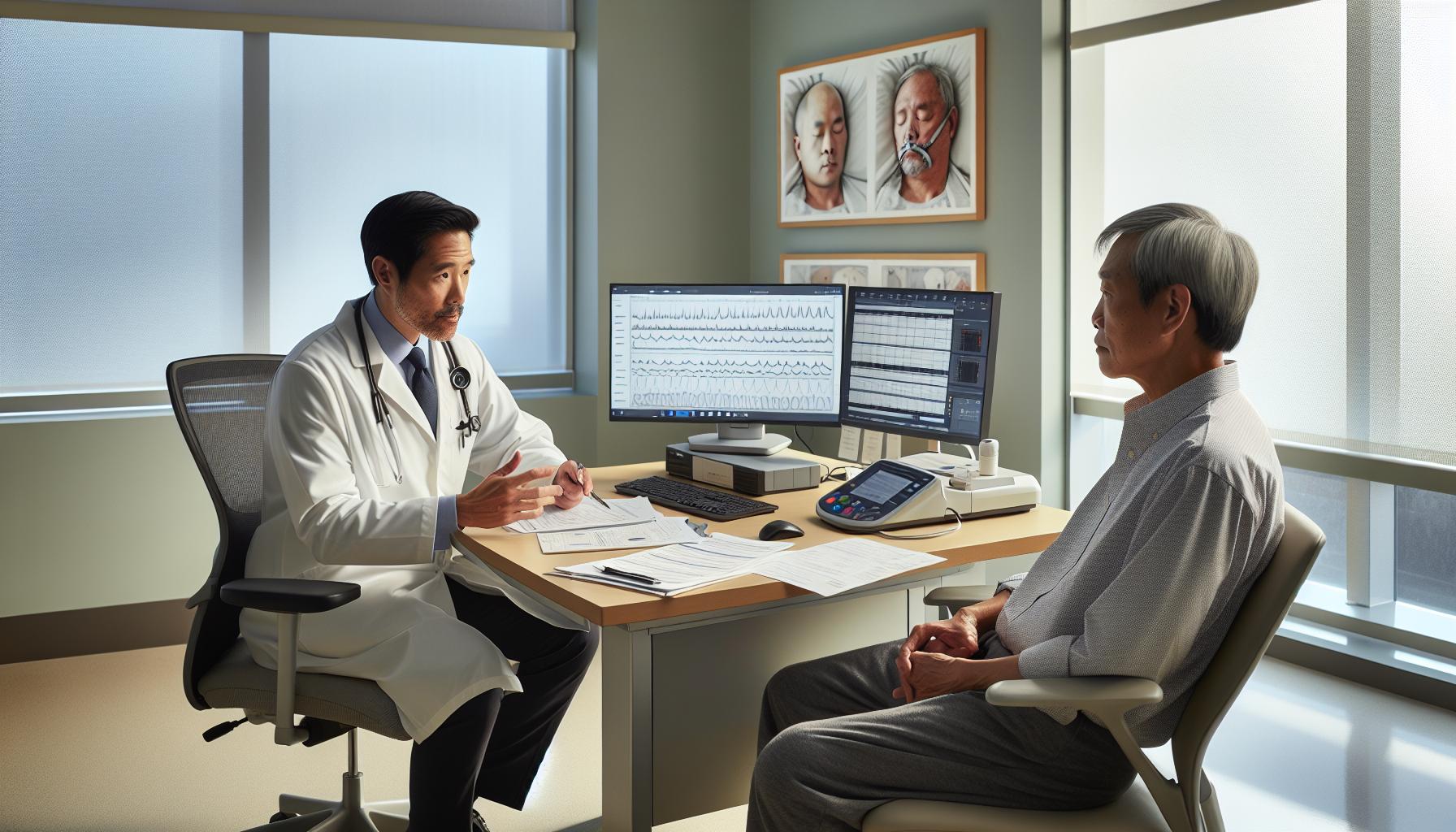
Comparing at-home vs. in-lab Sleep Studies
At-home sleep studies have gained popularity as a convenient alternative to traditional in-lab testing, offering patients the ability to monitor their sleep disorders in the comfort of their own homes. With services like Snap Diagnostics, these tests measure vital metrics such as airflow, oxygen levels, heart rate, and respiratory effort, making it possible to diagnose conditions like obstructive sleep apnea (OSA) without the need for a hospital visit. However, understanding the distinctions between these two options is critical for making the best decision for your health.
Key Differences
While both at-home and in-lab sleep studies aim to provide comprehensive analyses of sleep patterns, they differ in setup, data collected, and patient experience.
- Setup and Convenience: At-home tests, like those offered by Snap Diagnostics, allow for a much simpler setup. You will receive a small, portable device that you wear while sleeping, eliminating the need for an overnight stay in a sleep lab. This can significantly reduce anxiety and provide a more natural sleep environment.
- Data Collection: In-lab studies, known as polysomnography, typically gather a wider range of data, including brain waves, muscle activity, and more extensive monitoring of sleep stages. This thorough approach is particularly beneficial for diagnosing complex sleep disorders. In contrast, home kits focus primarily on vital signs and can sometimes miss nuances picked up in a controlled lab setting.
- Cost: At-home tests tend to be more cost-effective. Often, they can be completed at a fraction of the price of in-lab studies, making them a viable option for those with budget constraints. However, it’s essential to confirm what your insurance covers before deciding.
- Results and Follow-Up: In both scenarios, results will require interpretation by a healthcare professional. However, in-lab studies may allow for immediate diagnosis and adjustments in treatment, whereas at-home studies may require a follow-up consultation to discuss findings.
When to Choose Which?
For many individuals, at-home testing provides a practical and less intimidating option, especially for those who suspect they have OSA or other common sleep disorders. However, if symptoms are complex or if you have a history of other significant health issues, an in-lab study may be warranted for a thorough evaluation. Consider consulting with your healthcare provider to determine the best approach tailored to your specific needs.
Ultimately, the choice between an at-home or in-lab sleep study boils down to convenience, comfort, and the complexity of suspected sleep issues. Understanding these options empowers you to take charge of your sleep health effectively.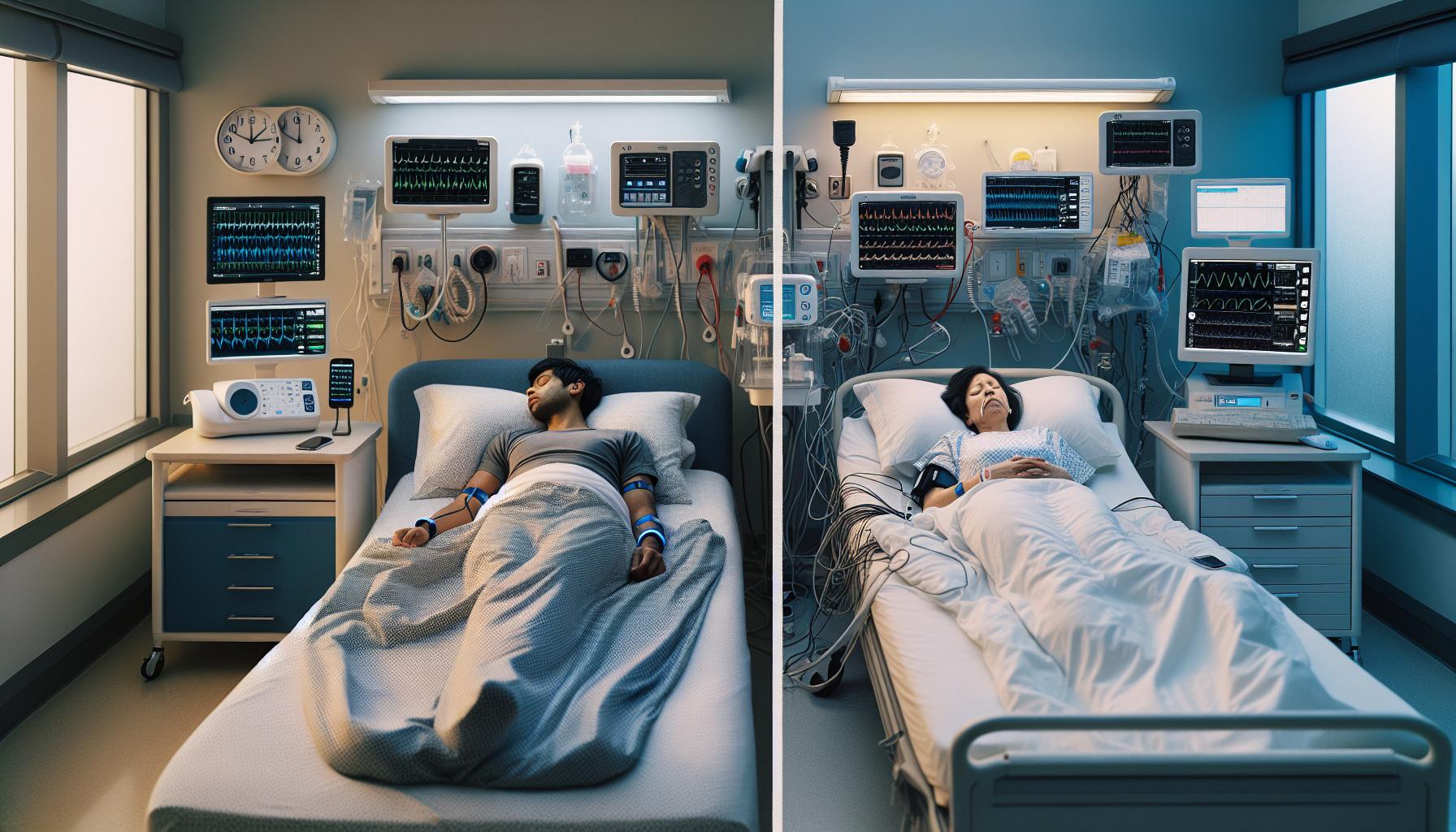
Cost Considerations for Snap Diagnostics Sleep Studies
Understanding the financial implications of a Snap Diagnostics sleep study is essential for anyone considering this option for sleep apnea testing. At-home sleep studies, like those provided by Snap Diagnostics, are typically more cost-effective than their in-lab counterparts. They allow you to undergo testing in the comfort of your own home, which can significantly lower both the anxiety associated with medical settings and the overall expenses involved.
Many patients wonder about the specific costs involved. Snap Diagnostics often aims to price their services at a fraction of the cost of traditional lab studies, making it a viable option for those on a budget. However, before committing, it’s important to check with your insurance provider regarding coverage. Some plans may cover a portion of the at-home testing, while others may only cover in-lab studies. This can vary widely, so obtaining clarification beforehand ensures you’re fully aware of your financial responsibilities.
As you prepare for your sleep study, consider not only the direct costs but also any potential hidden fees. Sometimes, follow-up consultations or additional tests may not be included in the initial price quote. Therefore, having a clear understanding of what your total outlay will be can help you avoid any unpleasant surprises later on. Make sure to ask about package options, which may offer reduced rates for bundled services, including consultations and follow-ups.
In summary, the suggest they can be a budget-friendly alternative to traditional sleep testing. With careful planning, clear communication with your insurance, and thorough inquiries about the total expected costs, you can navigate this process successfully and focus on what matters most: getting the sleep health evaluation you need.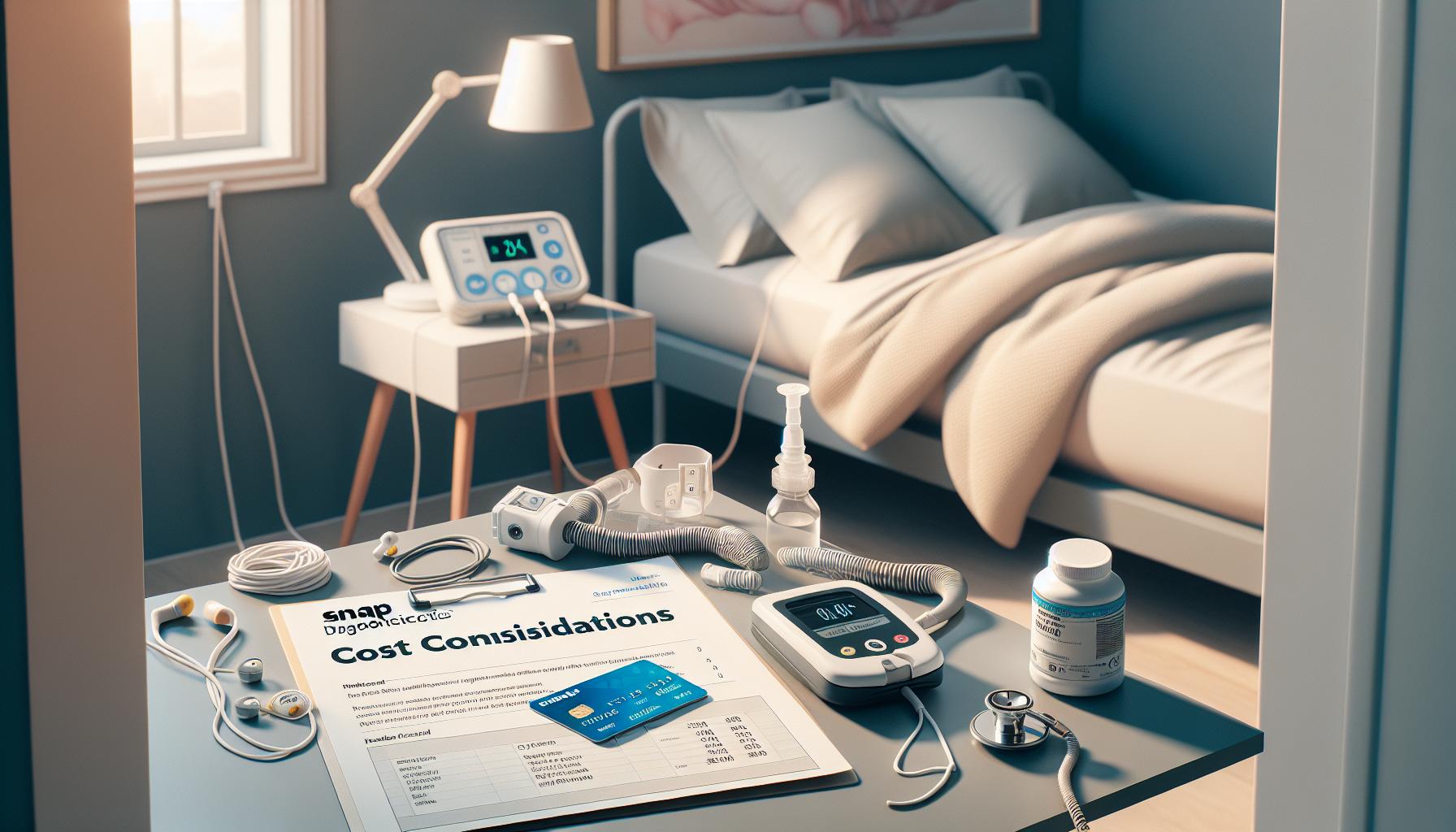
Insurance Coverage: Navigating Sleep Study Costs
Understanding how insurance covers sleep studies can significantly ease the financial burden, especially when considering at-home options like Snap Diagnostics. Many people are surprised to learn that insurance policies differ widely regarding coverage for sleep apnea testing. Some plans may cover all or part of an at-home test, while others might restrict coverage exclusively to in-lab studies. This variation means it’s essential to contact your insurance provider to clarify what portions of your testing will be out-of-pocket versus reimbursed.
It’s useful to have specific questions prepared for your insurer. Inquire specifically about coverage for at-home sleep studies and whether any prior authorizations are necessary. Ask about conditions that apply-like whether you need a diagnosis from a physician before your insurance will approve a sleep study. Furthermore, understanding the limits on coverage will help you gauge what you may owe initially and what will be reimbursed later.
Additionally, consider any hidden costs that could arise during the testing process. While the primary cost of the sleep study may be straightforward, other expenses like follow-up consultations or supplementary tests may come up. SNAP Diagnostics strives to keep its pricing transparent and competitive; however, being fully informed about potential additional charges can prevent unexpected bills. Explore bundled package offers that might provide discounts on combined services, including consultations needed after the testing.
Ultimately, as you embark on your journey with Snap Diagnostics, staying organized and informed about your insurance coverage will empower you to navigate your sleep study costs wisely, ensuring that the focus remains on evaluating and improving your sleep health.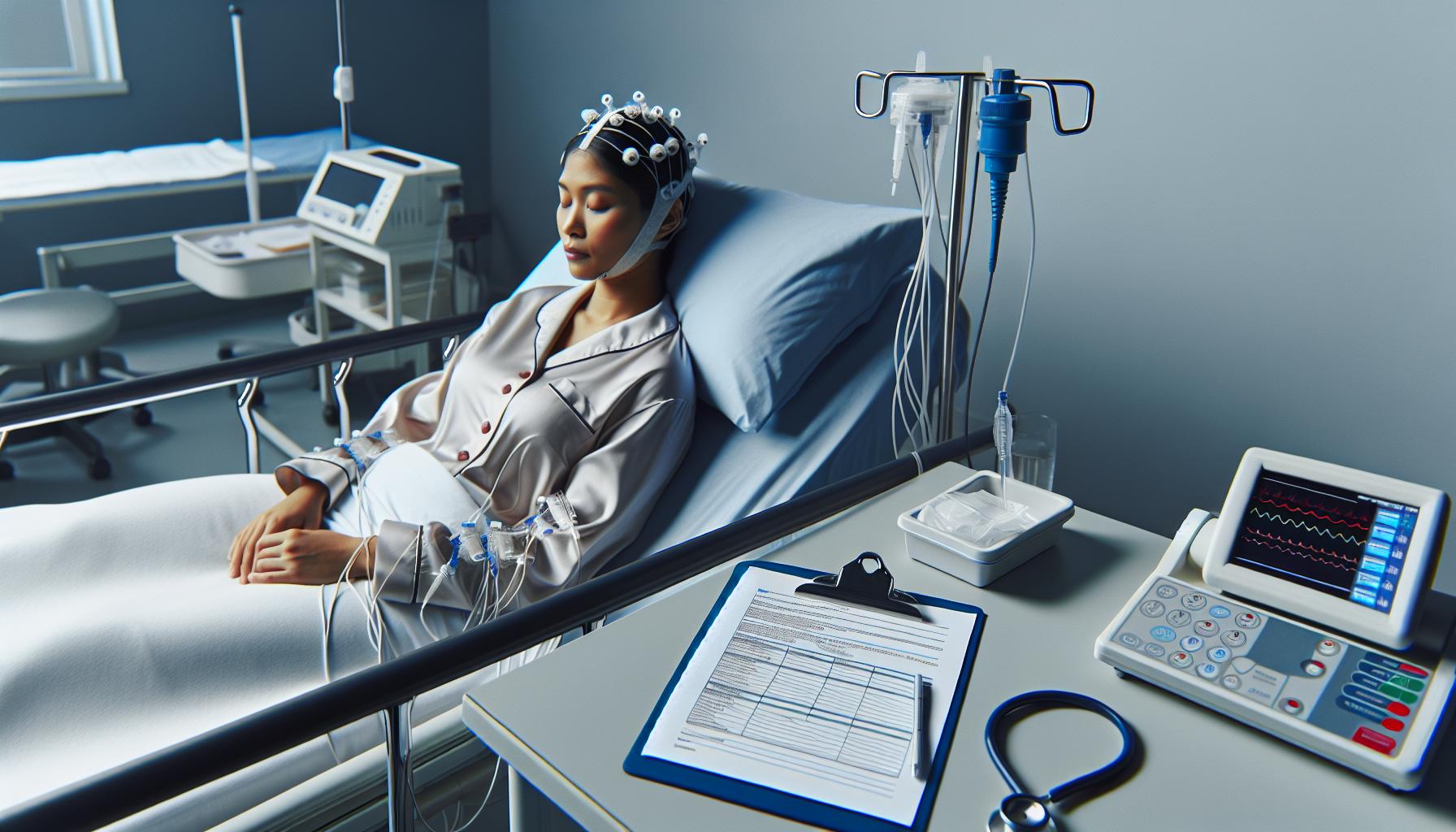
Tips for a Successful Sleep Study Experience
To make the most of your home sleep study with Snap Diagnostics, consider these practical tips to enhance your experience and ensure accurate results. Firstly, it’s essential to prioritize a good night’s sleep before the study. Try to maintain your regular sleep schedule and create a sleep-conducive environment-dark, quiet, and at a comfortable temperature. This consistency will help the device capture your sleep patterns more accurately.
When preparing for your sleep study, familiarizing yourself with the device is beneficial. Take time to read the instructions thoroughly-understanding how to attach the sensors and what each component measures will minimize confusion on the night of your test. If possible, practice setting up the device a night or two in advance. This hands-on experience can alleviate anxiety and ensure you’re comfortable when the testing night arrives.
Additionally, dress comfortably in loose-fitting sleepwear that won’t interfere with the device’s sensors or your comfort. Limit caffeine and alcohol intake a day before the study, as both can disrupt your sleep quality. Ensure that you communicate any medications you’re currently taking to your healthcare provider, as certain medications can influence sleep patterns and may need to be managed.
Finally, approaching the study with a positive mindset can make a significant difference. Keep in mind that the goal of the study is to gather critical information that can lead to better sleep health. If you feel anxious about the process, consider using relaxation techniques such as deep breathing or meditation before sleep. Remember, this study is a step toward understanding your health better and improving your quality of life.
In summary, being well-prepared, comfortable, and relaxed can greatly enhance the effectiveness of your Snap Diagnostics sleep study. By taking these steps, not only will you facilitate a smoother testing process, but you’ll also be on your way to gaining valuable insights into your sleep health.
Alternatives to Snap Diagnostics: Other Sleep Testing Options
When considering sleep testing, it’s important to know that Snap Diagnostics is not the only option available. Various alternatives provide unique features tailored to different needs and preferences. With the rise of digital health innovation, more people now have access to diverse sleep study formats, making it crucial to understand what these options entail.
In-Lab Sleep Studies
In-lab sleep studies, also known as polysomnography, are traditional tests conducted at sleep centers under supervised conditions. They offer comprehensive monitoring, including brain activity, eye movements, heart rate, and breathing patterns throughout various sleep stages. This method is highly effective for diagnosing complex sleep disorders, such as severe obstructive sleep apnea, restless leg syndrome, or parasomnias. However, they may be more expensive and less convenient, often requiring a referral from a healthcare provider. Expect costs ranging from $1,000 to $3,000, depending on the facility and services, but many insurance plans cover a significant portion.
Over-the-Counter Sleep Devices
For a more consumer-friendly approach, some individuals opt for over-the-counter sleep devices that track sleep patterns using a wearable format, such as smartwatches or dedicated sleep trackers. Brands like Fitbit and Whoop provide insights into sleep quality, duration, and other metrics. While these devices are more accessible and allow for continuous monitoring, they often lack the clinical depth of professional tests. They can be a great first step to gauge sleep habits but should not replace a comprehensive sleep study if a serious disorder is suspected. Typically, these devices retail from $100 to $300.
Direct-to-Consumer Home Sleep Tests
Direct-to-consumer home sleep tests have gained popularity due to their ease of use and affordability. Companies like Sleep Number and others offer kits that are mailed and tested at home, providing data similar to that of Snap Diagnostics’ offerings. While these tests can effectively rule out common conditions, they may not be suitable for more complex issues. Consumers should expect prices to be between $200 and $600, making them a cost-effective option for many.
In exploring these alternatives, it’s essential to weigh the pros and cons based on your health concerns, budget, and preferences. Each choice offers unique benefits-whether it’s the detailed analysis of an in-lab study or the convenience of home testing-ensuring that you can find the right fit for your sleep health needs.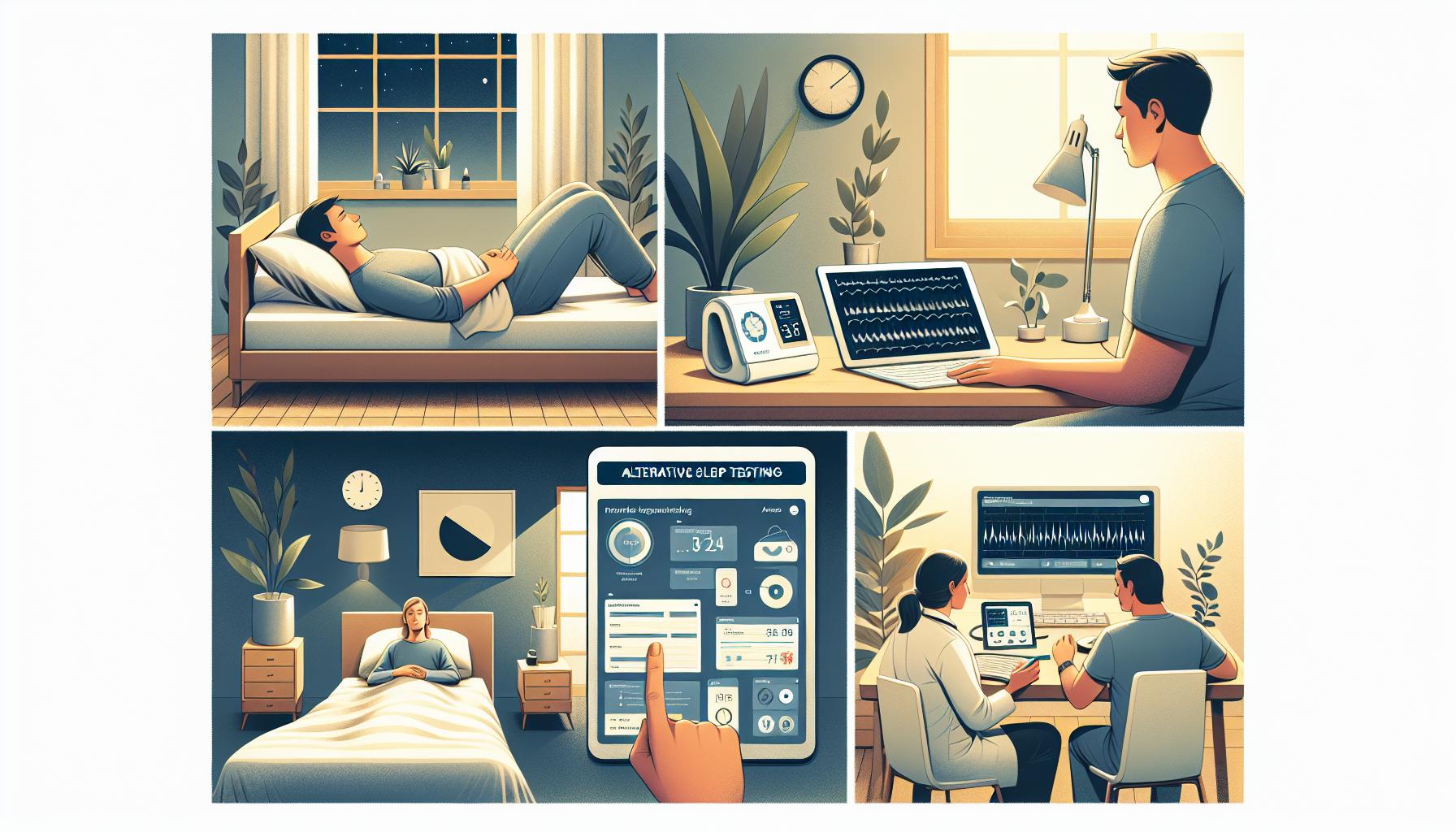
Real-Life Scenarios: When to Seek Professional Help
When it comes to sleep health, knowing when to seek professional help is crucial. Many individuals wonder if their sleep disturbances warrant a visit to a specialist, or if they can rely on consumer-grade sleep trackers or home sleep tests. While these tools can provide valuable insights, some symptoms signal that a comprehensive evaluation is needed.
If you experience excessive daytime sleepiness, loud snoring, or observed pauses in breathing during sleep, it may be time to consult a healthcare professional. These could indicate conditions like obstructive sleep apnea, which can have serious health implications if left untreated. A home sleep study, like those offered by Snap Diagnostics, is often a first step for individuals with such symptoms, providing insights without the need for more invasive in-lab testing.
Moreover, if you notice persistent difficulty in falling asleep, staying asleep, or experiencing restless sleep accompanied by abnormal behaviors-such as sleepwalking or talking in your sleep-these may be signs of underlying sleep disorders that require a more detailed assessment. Seeking help can lead to tailored treatments that address these issues effectively, such as cognitive behavioral therapy for insomnia or alternative intervention methods.
It’s essential to listen to your body. If poor sleep quality begins to affect your daily life-impacting your mood, productivity, or overall health-consider reaching out for professional evaluation. A sleep study can help reveal the roots of your sleep problems, leading to the right solutions for better rest and a healthier life.
Q&A
Q: What should I do if I have anxiety about my Snap Diagnostics sleep study?
A: It’s normal to feel anxious about a sleep study. To ease your worries, familiarize yourself with what to expect during the process and the equipment used. Deep breathing exercises or discussing your concerns with your healthcare provider can also help. For more tips, see our section on Tips for a Successful Sleep Study Experience.
Q: How do I know if I need a sleep study?
A: If you experience symptoms like persistent snoring, daytime sleepiness, or trouble concentrating, it may be time to consider a sleep study. Consult your physician to discuss your symptoms and determine if a sleep study is appropriate. Review common health conditions addressed by sleep studies for more context.
Q: What components are included in a Snap Diagnostics sleep study?
A: A Snap Diagnostics sleep study typically includes a device to monitor your breathing patterns, heart rate, and sleep cycles. Additional sensors may track movement and oxygen levels. These components work together to provide a comprehensive picture of your sleep health, as outlined in our Understanding the Sleep Study Process section.
Q: Can I opt for an at-home sleep study with Snap Diagnostics?
A: Yes, Snap Diagnostics offers at-home sleep studies, which are convenient and comfortable. You’ll receive a portable device to use while you sleep in your own environment. This comparison between at-home and in-lab studies is detailed in our Comparing at-home vs. in-lab Sleep Studies section.
Q: How will I receive the results of my Snap Diagnostics sleep study?
A: Results from your sleep study are typically provided through a consultation with your physician. They will explain the findings and recommend next steps based on your results. For more details on interpreting your results, refer to our Interpreting Your Sleep Study Results section.
Q: Is a Snap Diagnostics sleep study covered by insurance?
A: Many insurance plans cover sleep studies, but it’s essential to verify your specific coverage. Check with your insurance provider to understand what is included and any potential out-of-pocket costs. More information can be found in our Insurance Coverage: Navigating Sleep Study Costs section.
Q: What precautions should I take before my sleep study?
A: Prior to your sleep study, avoid caffeine and alcohol for at least 24 hours, as these can affect your sleep quality. Follow any specific instructions provided by Snap Diagnostics to ensure accurate results. See our Preparing for Your Snap Diagnostics Sleep Study section for further guidance.
Q: Can children undergo a Snap Diagnostics sleep study?
A: Yes, children can participate in sleep studies, but special guidelines may apply. Consult with your child’s pediatrician to ensure the study is suitable and to discuss any concerns. For more comprehensive information, check our section on Common Health Conditions Addressed by Sleep Studies.
The Conclusion
As you prepare for your Snap Diagnostics sleep study, remember that this comprehensive approach to assessing your sleep health can be a transformative step towards better rest and overall well-being. With insights into sleep disorders and tailored solutions, you can make informed choices about your health. Don’t hesitate-take action today! For more detailed guidance on sleep studies and wearables, check out our articles on navigating insurance for sleep tests and understanding sleep stages.
If you have questions or concerns, feel free to leave a comment or reach out for assistance. Subscribe to our newsletter for the latest insights in sleep health, and explore our resources to find the best sleep solutions for you. Empower yourself with knowledge and take control of your sleep-your journey to better rest starts now!