
Did you know that nearly one in three adults experience sleep problems? Understanding your sleep patterns through tracking can be a game-changer for improving your overall health and well-being. Sleep tracking involves monitoring various aspects of your sleep, such as duration, quality, and sleep stages, helping you identify potential issues and make informed decisions to enhance your nightly rest. This complete beginner’s guide will delve into the different methods and technologies available, including wearables and sleep studies, empowering you to choose the best approach for your individual needs. By the end of this guide, you’ll have the tools and knowledge to take control of your sleep health, ensuring you wake up refreshed and ready to tackle the day. Let’s explore the essentials of sleep tracking together!
What is Sleep Tracking and How Does it Work?
Monitoring your sleep has never been easier thanks to the rise of sleep trackers, which provide valuable insights into your nightly rest. Sleep tracking involves using devices or applications that log and analyze your sleep patterns, helping you understand how well you sleep and where improvements can be made. Most commonly, these trackers measure parameters such as sleep duration, sleep disruptions, and even the various stages of sleep you go through during the night-like light, deep, and REM sleep.
Sleep trackers generally work using sensors that monitor your movements or heart rate while you sleep. For instance, wearable devices like smartwatches or fitness bands can detect how much you move during the night, providing a rough estimate of your sleep quality. Some more advanced options, including contactless devices and smart mattresses, utilize technology like ballistocardiography or infrared sensors to collect data without requiring you to wear anything.
The data collected by these devices is then translated into easy-to-understand metrics-essentially, they serve up a summary of your sleep health right to your smartphone or computer. This feedback allows you to recognize patterns in your sleep habits, helping to identify what factors help or hinder your ability to rest well. By understanding how various lifestyle choices, such as caffeine intake or stress levels, impact your sleep, you can make informed changes to improve your overall sleep quality.
While sleep trackers offer a convenient way to gain insights into your sleep, it’s essential to remember that they should be seen as a starting point rather than a definitive measure of sleep health. For precise evaluations of sleep disorders, clinical sleep studies conducted in a sleep lab may be necessary, as they use advanced equipment to monitor brain waves and other physiological aspects.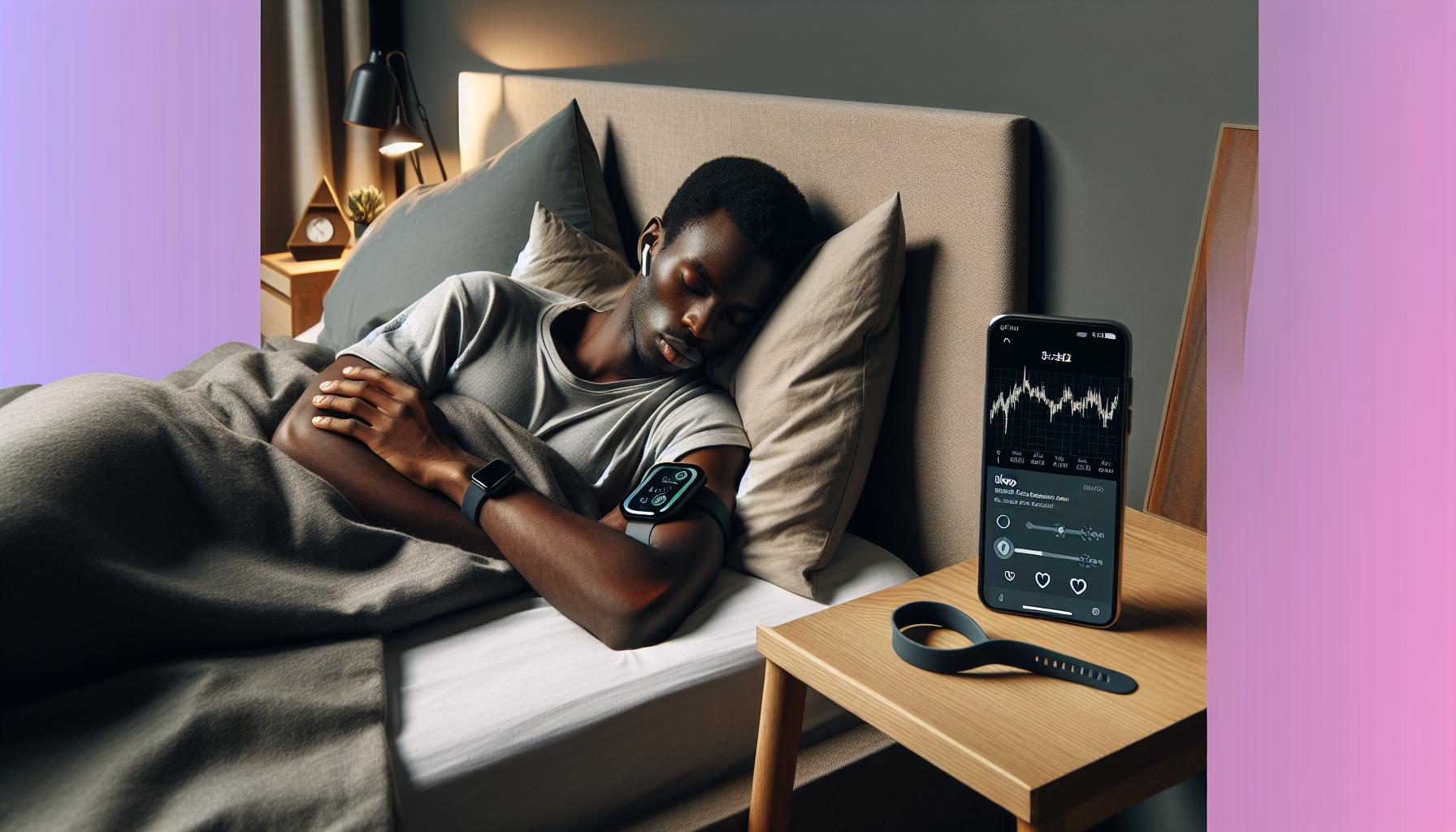
The Importance of Sleep Tracking for Health
Understanding your sleep is crucial for overall health, yet many people neglect this essential aspect of well-being. Sleep trackers have emerged as handy tools that empower users to monitor their sleep patterns effectively. Not only do these devices provide insights into sleep duration and quality, but they also help identify subtle fluctuations that could indicate underlying health issues. By recognizing these patterns, individuals can make informed lifestyle changes to enhance their sleep, thereby improving their physical and mental health.
One significant benefit of sleep tracking is its potential to unveil connections between sleep and broader health metrics. Research indicates that poor sleep can lead to various health problems, such as obesity, diabetes, and cardiovascular disease. By monitoring sleep data, users can correlate their sleep habits with factors like stress, diet, and activity levels. For example, you might notice that consuming caffeine later in the day affects your sleep quality. This awareness can motivate users to modify their routines to prioritize better rest.
The simplicity of using sleep trackers encourages positive behavioral changes. Many advanced devices allow users to set goals for sleep duration and provide reminders to maintain bedtime consistency. With regular feedback on their sleep quality, users can adjust their strategies to find what works best for them. This cycle of evaluation and adjustment can significantly lead to improved sleep hygiene and potentially better overall health outcomes.
Moreover, sleep tracking serves as a tool for proactive health management. By keeping records over time, individuals can share data with healthcare providers, aiding in the identification of sleep disorders, such as insomnia or sleep apnea. While wearable devices offer insights, it’s essential to remember that they are not a substitute for professional assessments. For persistent sleep issues, a more thorough evaluation through a sleep study may be necessary. However, for those starting their sleep health journey, a sleep tracker can be an invaluable first step to achieving restorative sleep.
Different Types of Sleep Trackers Available
When it comes to monitoring sleep, various devices cater to different preferences and needs, making it easier for users to track their sleep patterns effectively. Sleep trackers can range from simple apps to sophisticated wearables, providing a multitude of options to help individuals improve their sleep quality.
Wearable Devices
Wearable sleep trackers are among the most popular options. These can include fitness bands, smartwatches, and rings. They offer features beyond just sleep tracking, often monitoring fitness activities and heart rate. For example, the Oura Ring is celebrated for its discreet yet highly accurate tracking capabilities, providing comprehensive insights into sleep stages, duration, and overall sleep quality. Similarly, fitness trackers like the Fitbit and Apple Watch not only monitor sleep but also integrate health metrics such as daily step count and heart rate variability, giving users a holistic view of their health.
Smart Home Devices
Smart home technology has also ventured into sleep tracking. Devices like smart mattresses and sleep monitoring pads can provide detailed insights by analyzing movement and heart rate during sleep without needing to be worn. These devices often connect to apps that compile and interpret the data, sometimes offering suggestions on how to improve sleep quality. The Eight Sleep Pod is an example that adjusts temperature based on sleep phases, demonstrating how technology can enhance sleep hygiene.
Mobile Apps
If wearable devices aren’t appealing, mobile apps can be an excellent alternative. Many smartphone applications utilize the phone’s sensors to track sleep by monitoring movement and sound throughout the night. Apps like Sleep Cycle or Pillow can wake users during light sleep, enhancing morning alertness. They typically offer personalized insights based on user data, helping individuals identify patterns and adjust behaviors for better sleep.
In conclusion, the variety of sleep tracking devices available today makes it easier than ever to monitor and improve sleep health. Whether through wearables, smart home devices, or mobile applications, individuals can find a solution that fits their lifestyle and personal preferences. This diversity empowers users to take charge of their sleep health and leverage technology to enhance their well-being.
Understanding Sleep Stages: What Trackers Measure
Understanding the intricacies of sleep stages is essential when exploring how various trackers measure your sleep health. Sleep is not a uniform entity but a complex process divided into distinct stages, primarily categorized into REM (Rapid Eye Movement) and non-REM sleep. These stages collectively contribute to restorative sleep, each serving unique physiological roles. Interestingly, during a typical night, you cycle through these stages multiple times, which is why accurate tracking can provide profound insights into your overall sleep quality and patterns.
Many modern sleep trackers utilize a combination of heart rate monitoring, physical movement data, and sometimes even advanced metrics like heart rate variability (HRV) to determine where you fall within these stages. For instance, devices like the Apple Watch leverage sophisticated algorithms based on extensive research to classify sleep stages-distinguishing between light sleep, deep sleep, and REM sleep. They analyze biomarkers such as patterns of movement and heart rate changes. Similarly, sleep-specific wearables like the Oura Ring have gained attention for their accuracy and ability to generate a detailed overview of sleep architecture through metrics that focus explicitly on duration and quality.
Capabilities of Sleep Trackers
Different sleep trackers may offer unique features and metrics, enhancing the user experience. Here’s what to consider when evaluating what a tracker measures:
- Sleep Duration: Indicates total time spent sleeping.
- Sleep Efficiency: Measures the ratio of time spent asleep to the time spent in bed.
- Sleep Stages: Differentiates time spent in light, deep, and REM sleep.
- Heart Rate Monitoring: Provides insights into how well your body is recovering.
- Sleep Interruptions: Captures instances of waking up throughout the night.
The accuracy of sleep stages can vary significantly among devices. Fitness tracker brands like Fitbit and Garmin are also equipped to assess sleep stages but rely on different algorithms and methods, which may or may not align with medical standards. Therefore, it’s crucial to manage your expectations regarding the precision and reliability of sleep data reported by these trackers. Tracking sleep stages can inform lifestyle changes, but should not replace professional medical advice when sleep disorders are present.
As you delve deeper into your sleep patterns, embrace this technology-but understand that these devices act as complements to your overall sleep hygiene, rather than infallible solutions. If your tracker consistently reveals abnormalities, consulting a sleep specialist can help uncover any underlying conditions. Balancing use of these tools with proper sleep practices will empower you to enhance your sleep quality effectively.
How to Set Up Your Sleep Tracker
Setting up your sleep tracker correctly can significantly enhance the accuracy of the data you receive, helping you gain valuable insights into your sleep patterns. The initial process may seem daunting, but with a few straightforward steps, you can easily integrate this technology into your nightly routine.
First, choose a sleep tracker that suits your lifestyle. Many options are available, from wrist-worn devices like fitness bands to more specialized products like the Oura Ring or sleep masks with integrated sensors. Each type has unique features, so consider what metrics are most important to you, such as heart rate monitoring, sleep stages, and sleep interruptions.
Once you’ve selected your device, the setup usually begins with downloading the companion app on your smartphone. This app is crucial, as it will not only enable you to configure the settings of your tracker but also serve as your central hub for analyzing sleep data. Follow the manufacturer’s instructions in the app to create an account and connect your device via Bluetooth.
To ensure that your tracker captures data accurately, wear it as specified. Most trackers need to be worn during sleep, often on your wrist or finger, while some may be placed under your pillow or mattress. Pay attention to features like adjusting sensitivity settings or turning on sleep-tracking modes, which some devices offer.
Additionally, consider integrating habits that enhance your sleep quality alongside using these trackers. Consistent bedtime routines and maintaining a great sleep environment-like a cool, dark room-can improve the data you collect. Keep in mind that while trackers provide useful insights, they should complement, not replace, professional advice in managing significant sleep issues or disorders. Embrace this technology as a helpful assistant that guides you towards better sleep, armed with data-driven decisions to boost your nightly rest.
Best Practices for Accurate Sleep Tracking
To achieve the most accurate insights from your sleep tracker, it’s important to establish a solid routine and follow best practices that ensure the technology serves its purpose effectively. Just like you wouldn’t expect a fitness tracker to function at its best without regular usage, sleep trackers require thoughtful integration into your nightly habits.
Start by wearing your device consistently. Most trackers are designed to be on your wrist or finger throughout the night, so make it a part of your bedtime ritual. If you choose a device like the Oura Ring, ensure it’s snug but comfortable-this will improve its ability to gather reliable data on your sleep stages, heart rate, and movement throughout the night.
Optimize Your Sleep Environment
Creating the right atmosphere in your bedroom can significantly enhance your sleep quality, which in turn impacts the data collected. A cool, dark, and quiet room promotes restful sleep. Consider using blackout curtains to block out light and maintaining a temperature between 60-67°F (15-19°C) for optimal rest. Additionally, limit exposure to screens at least an hour before bed; the blue light emitted can interfere with your sleep cycles.
Sync and Update Your Device Regularly
Keeping your sleep tracker synced with its companion app enhances its usefulness. Regular updates can introduce new features and improve performance. Also, make sure you allow your device to charge adequately, especially if you’re planning multiple nights of use. Some trackers require minimal battery life to function effectively, so check settings about sleep tracking modes or power-saving features.
- Set a consistent sleep schedule: Try to go to bed and wake up at the same time every day to establish a rhythm, making it easier for your tracker to analyze sleep patterns.
- Stay aware of lifestyle factors: Caffeine and alcohol can disrupt sleep cycles, so be mindful of your consumption, especially in the hours leading up to bedtime.
- Take advantage of app features: Many trackers offer insights and tips based on your sleep data; leverage these tools to refine your sleep habits further.
By combining proper usage of your sleep tracker with mindfulness about your sleep environment and routines, you’ll be well on your way to collecting accurate data and gaining valuable insights into your sleep health. Remember, while these trackers are excellent tools for monitoring sleep patterns, they should complement, not replace, professional advice when addressing potential sleep disorders.
Common Sleep Disorders and How to Identify Them
Many individuals struggle with sleep issues that can significantly affect their health and well-being. Understanding common sleep disorders is essential for identifying symptoms and seeking proper treatment. By using sleep trackers, you can gain valuable insights into your sleep patterns, which may help you recognize when these disorders are present.
One prevalent condition is insomnia, characterized by difficulties falling or staying asleep. If your sleep tracker shows excessive wake times or restless periods, it could indicate insomnia. Another common disorder is sleep apnea, where breathing repeatedly stops and starts during sleep. Your tracker may reveal disrupted sleep stages or low oxygen saturation levels, prompting a conversation with a healthcare professional for further evaluation.
H3>Identifying Sleep Disorders
- Insomnia: Look for patterns of waking during the night or trouble falling asleep.
- Sleep Apnea: Watch for snoring, gasping for air, or excessive daytime sleepiness.
- Restless Legs Syndrome (RLS): Symptoms include uncomfortable sensations in the legs, often worsened at night, leading to an urge to move.
- Narcolepsy: Sudden episodes of sleep throughout the day may be noted in your sleep data.
Once you’ve identified potential sleep disorders through your tracker, consider pursuing a sleep study, also known as polysomnography, if symptoms persist. This comprehensive test records brain waves, oxygen levels, and heart rate while you sleep, providing a detailed picture of your sleep health.
It’s important to remember that while sleep trackers provide helpful data, they are not substitutes for professional evaluations. If you suspect a severe sleep disorder, it’s crucial to consult a sleep specialist for accurate diagnosis and treatment options. By combining the insights from your sleep tracker with professional guidance, you can take meaningful steps towards improving your sleep quality and overall health.
The Role of Wearable Technology in Sleep Tracking
Wearable technology has transformed the way we approach sleep tracking, providing individuals with insights that can lead to improved sleep health. With devices like smartwatches, fitness bands, and specialized rings, users now have the ability to monitor various metrics that contribute to understanding their sleep patterns. This accessible technology allows for continual tracking in the comfort of your own home, making it easier than ever to gain insights into how well you’re sleeping.
These wearables track several critical data points, including sleep duration, quality, and efficiency, while also providing insights into specific sleep stages, such as REM and deep sleep. Advanced trackers even measure physiological metrics like heart rate and blood oxygen levels, offering a comprehensive view of changes that occur during sleep. However, it’s important to note that the algorithms behind these devices may not always match the accuracy of clinical sleep studies, which are considered the gold standard for diagnosing sleep disorders.
When utilizing a sleep tracker, it’s essential to keep in mind the balance between usability and the accuracy of the data you receive. Wearables can be incredibly helpful for identifying trends or changes in your sleep, prompting further investigation if necessary. They’re not a replacement for professional evaluations, especially if you suspect that a serious sleep disorder, such as sleep apnea, might be affecting your health. By monitoring your sleep data regularly, you can make informed decisions about whether to pursue additional diagnostics like polysomnography, which offers a more detailed assessment typically conducted in a sleep lab.
In choosing the right sleep tracker, consider factors such as comfort, battery life, and compatibility with other health monitoring apps. Features like smart alarms, which wake you during lighter sleep stages, can enhance your morning energy levels and overall well-being. Ultimately, wearable technology serves as a powerful ally in your quest for better sleep, providing you with the tools to understand your nightly rest and make actionable improvements.
Sleep Studies vs. Sleep Trackers: Key Differences
While sleep trackers have become popular for monitoring sleep patterns, it’s essential to understand how they differ from traditional sleep studies, especially if you’re navigating sleep health concerns. Many individuals wonder whether to invest in a sleep tracker or if they should seek a professional sleep study. Both have their merits, but recognizing their key differences can empower you to make informed decisions about your sleep health.
Sleep studies, also known as polysomnography, are conducted in a clinical setting and are considered the gold standard for diagnosing sleep disorders. During a sleep study, multiple physiological parameters are monitored, including brain waves, heart rate, oxygen levels, and muscle activity. This comprehensive data allows healthcare professionals to analyze sleep stages in detail and identify various sleep disorders such as sleep apnea, narcolepsy, or restless leg syndrome. However, sleep studies can be costly, often ranging from $300 to $3,000, and may require a referral from a healthcare provider. The setup involves staying overnight at a sleep clinic where electrodes are attached to measure your body’s functions during sleep.
In contrast, sleep trackers are accessible, user-friendly devices that can be worn as bracelets, smartwatches, or even rings. They provide insights into sleep duration and general sleep quality by analyzing movement and, in some cases, heart rate and breathing patterns, which gives a rough estimate of your sleep stages. While this data can be useful for identifying trends over time (such as decreased sleep quality or significant shifts in sleep patterns), the algorithms used by these devices are typically less precise than a clinical evaluation. While trackers often emphasize their ability to help you form better sleep habits and discover patterns in your sleep routine, they are not designed to diagnose medical conditions.
When to Choose Each Option
Understanding when to use a sleep tracker versus seeking a sleep study can clarify your approach to sleep health:
- Use a Sleep Tracker: If you’re generally healthy but want to improve your sleep habits or understand your daily sleep patterns better.
- Seek a Sleep Study: If you experience significant sleep issues, such as excessive daytime sleepiness, loud snoring, or gasping for air during sleep, or if you suspect a sleep disorder.
By leveraging both tools wisely, you can build a comprehensive view of your sleep health. For many, starting with a sleep tracker can help gather preliminary data, leading to informed discussions with healthcare providers about whether a sleep study might be necessary for further investigation.
Maximizing Your Sleep Quality with Tracking Data
Improving your sleep quality is more than just getting eight hours of rest; it’s about making the most of your sleep environment and habits. By utilizing data from sleep trackers, you can gain insights into your nightly habits and make informed adjustments. One effective way to maximize your sleep quality is by analyzing how long it takes you to fall asleep and the number of times you wake up throughout the night. These metrics can highlight issues like insomnia or fragmented sleep, guiding you to adapt your pre-sleep routine accordingly.
Creating a comfortable sleep environment is crucial. Aim for a dark, quiet, and cool bedroom. Use your sleep tracker’s data to assess the impact of these factors on your sleep quality. Many devices allow you to track how environmental changes, such as room temperature or light exposure, correlate with your sleep patterns. For instance, if your data indicates that you sleep better when the room is cooler or darker, you can implement changes like blackout curtains or a fan to create an optimal space.
Practicing good sleep hygiene is another practical tip derived from tracking insights. Regular sleep times, pre-sleep rituals, and avoiding screens can all influence your overall sleep quality. Set a consistent bedtime and wake-up time; even a slight shift in your schedule can disrupt your sleep cycle. If your tracker reveals that you sleep poorly on weekdays but catch up on weekends, it may be time to reassess your weekday routine to ensure you’re getting enough restorative sleep.
Lastly, remember that tracking your sleep is not just about immediate changes. Over time, consistent data collection can help you recognize patterns and long-term trends. Adjusting your lifestyle based on these insights could be transformative for your sleep. Whether it means altering your diet, exercise routine, or relaxation techniques, utilizing sleep tracker data can empower you to make personalized adjustments that enhance your overall well-being.
Troubleshooting Common Issues with Sleep Trackers
When using sleep trackers, encountering issues can be frustrating, especially when you’re trying to optimize your nightly rest. Sleep tracking devices can sometimes fail to produce accurate data, or, in some cases, may not track sleep at all. Understanding how to troubleshoot these common problems can help ensure that you get the most accurate insights into your sleep habits.
One frequent issue is device misalignment, particularly with wearable trackers. If your tracker is not snugly fitted on your wrist or finger, it may struggle to monitor your heart rate accurately, which is crucial for determining sleep stages. Always ensure that your device is worn correctly as specified in the user manual. Additionally, monitoring your sleep environment can be vital; factors like pets moving around or ambient noise can interfere with tracking accuracy. Making sure that you’re in a quiet, comfortable setting can significantly enhance the effectiveness of your sleep tracker.
In some cases, users experience software glitches or sync issues that prevent their data from being recorded or displayed correctly. Regularly check for firmware updates and, if necessary, reset your device to eliminate any temporary software malfunctions. Should you continue to face issues, consult the support resources provided by the device manufacturer for specific troubleshooting steps or FAQs pertaining to your model.
Lastly, understanding the limits of your tracker is essential. Most consumer devices offer estimates and insights based on movement and heart rate but may not provide the depth of information a sleep study would. If you suspect that you might have a more significant sleep disorder, such as sleep apnea, consider seeking professional help rather than relying solely on tracker data. Getting the right care can offer you insights beyond what a consumer device can assess, ensuring that your health is your top priority.
Choosing the Right Sleep Tracker for Your Needs
Selecting the right sleep tracker can significantly impact your sleep quality and overall well-being. With various options available, it’s essential to consider several factors to find a tracker that fits seamlessly into your lifestyle and meets your specific needs. Before diving into the features, evaluate your goals with sleep tracking. Are you looking to improve sleep duration, monitor sleep quality, or perhaps gather data to discuss with a healthcare professional? Setting clear objectives will help direct your choice.
Key Features to Consider
When choosing a sleep tracker, focus on these critical features:
- Accuracy: Different devices use various methods to track sleep. Look for wearables that utilize advanced sensors, such as heart rate monitoring, to provide more accurate insights about your sleep stages.
- Comfort: Since you’ll wear a tracker during sleep, ensure it’s comfortable and lightweight. A bulky or irritating device can disrupt your sleep rather than improve it.
- Data Presentation: Choose trackers that offer easy-to-read data presentation. Some apps provide detailed analyses, while others may offer only basic summaries.
- Additional Features: Features such as sleep cycle alarms, smart home integration, or guided breathing exercises can enhance your overall sleep experience.
Your Lifestyle Matters
Think about how and when you plan to use the tracker. If you’re active and want to incorporate sleep tracking with fitness monitoring, consider devices that combine both functionalities, such as fitness bands or smartwatches. Alternatively, if you prefer a non-wearable option, some mattress pads and under-pillow devices monitor sleep without needing to be worn.
When evaluating budget, understand that prices vary widely. Basic models offer fundamental tracking for around $30-$50, while advanced wearables with extensive features can cost $200 or more. Assess what features are necessary for achieving your sleep goals versus what may just be nice to have.
Consultation and Adjustments
Lastly, remember that tracking sleep can be a journey. Be ready to adjust your sleep environment and habits based on the data you gather. If your tracker suggests you’re not reaching deep sleep stages, you may need to modify factors like bedtime routines, screen time, and bedroom ambiance. If you suspect more serious sleep issues, using your tracker smartly can help you understand when to seek professional advice.
By taking these factors into account, you’ll be empowered to choose a sleep tracker that aligns with your goals, offers comfort, and supports you on your journey to better sleep.
Faq
Q: How does sleep tracking help improve sleep quality?
A: Sleep tracking helps improve sleep quality by providing insights into your sleep patterns and behaviors. By analyzing data such as duration, interruptions, and sleep stages, you can identify problems and make informed changes to your sleep environment or habits. This is discussed in more detail in our section on maximizing sleep quality.
Q: What features should I look for in a sleep tracker?
A: When choosing a sleep tracker, look for features such as heart rate monitoring, sleep stage analysis, and user-friendly apps. Additionally, check for accuracy and battery life to ensure reliable tracking. For more on selecting the right device, see our guide on choosing a sleep tracker.
Q: Can sleep trackers detect sleep disorders?
A: Yes, some sleep trackers can provide indications of sleep disorders by analyzing sleep patterns and disturbances. However, for a formal diagnosis, professional sleep studies are recommended. Our section on common sleep disorders offers more insights on how to identify them.
Q: How does wearable technology track my sleep?
A: Wearable technology tracks sleep using sensors that monitor your movements, heart rate, and sometimes even ambient conditions. This data is then analyzed to determine your sleep stages and quality. For a deeper understanding, refer to our discussion on the role of wearables in sleep tracking.
Q: When should I consider a sleep study instead of a sleep tracker?
A: You should consider a sleep study if you experience severe sleep issues or symptoms of sleep disorders, like sleep apnea. Sleep studies provide comprehensive monitoring and diagnoses that trackers cannot offer. More on this is covered in the “Sleep Studies vs. Sleep Trackers” section.
Q: What are the common limitations of sleep trackers?
A: Common limitations of sleep trackers include potential inaccuracies and inability to identify all sleep disorders. They might also struggle to differentiate between sleep stages accurately. For a detailed overview, check out the troubleshooting common issues section.
Q: How can I enhance the accuracy of my sleep tracking?
A: To enhance accuracy, ensure your tracker is properly fitted and worn consistently. Maintaining a regular sleep schedule and creating a conducive sleep environment can also improve data accuracy. Explore best practices in our article for more tips.
Q: What types of data do sleep trackers provide and how is it useful?
A: Sleep trackers provide data on total sleep time, efficiency, disturbances, and sleep stages. This information is useful for recognizing patterns and making lifestyle adjustments to improve sleep quality. For more on what trackers measure, see our understanding sleep stages section.
Concluding Remarks
As you embark on your journey to better sleep, remember that sleep tracking is a powerful tool to help you understand your rest patterns and improve your overall sleep health. By harnessing the insights from wearable devices or sleep studies, you can gain valuable knowledge about your sleep quality, identify potential disorders, and take actionable steps toward enhancing your nightly rest.
Ready to dive deeper? Explore our comprehensive guide on how to choose the right sleep tracker for your needs, where you’ll find comparisons of popular devices and tips for setup [[1]](https://blog.hubspot.com/marketing/seo-strategy). Don’t forget to check out our article on sleep disorders and signs that you may need professional help [[2]](https://www.mtu.edu/umc/services/websites/seo/). Your journey to restful nights is just beginning, so subscribe to our newsletter for ongoing tips, resources, and updates on all things sleep health.
Take action now-your restful nights await! Join our community and share your experiences or questions in the comments below. Your insights might just help someone else on their path to better sleep!